

The Women, Peace, and Security Index shows how different countries are doing for women’s rights – including if they can live safely, have the freedom to make their own choices & if they have the same opportunities as everyone else. Some countries are doing better than others—but today, we’re looking at the places that need a bit more work. Here are 10 of the most dangerous places for women to live, according to the 2023 index. The lower the number, the worse life is for women.
Featured Image Credit: Pexels.
Afghanistan (0.286)

In Afghanistan, going to school or working a job is a distant dream for women. The country has been through so much for so long and it’s the women who often bear the brunt of these hardships. Women are often forced to marry much older men when they are children. Worse still, they have no protection from violence or abuse.
Yemen (0.287)

Yemen’s story isn’t much different, thanks to a war that seems to have no end in sight. Of course, it’s difficult for everyone but especially for women. They have lost access to healthcare & schools—and just about any chance to earn a living. In Yemen, women have no rights to make decisions about their own health and forced marriage is widespread.
Like our content? Be sure to follow us.
Central African Republic (0.378)
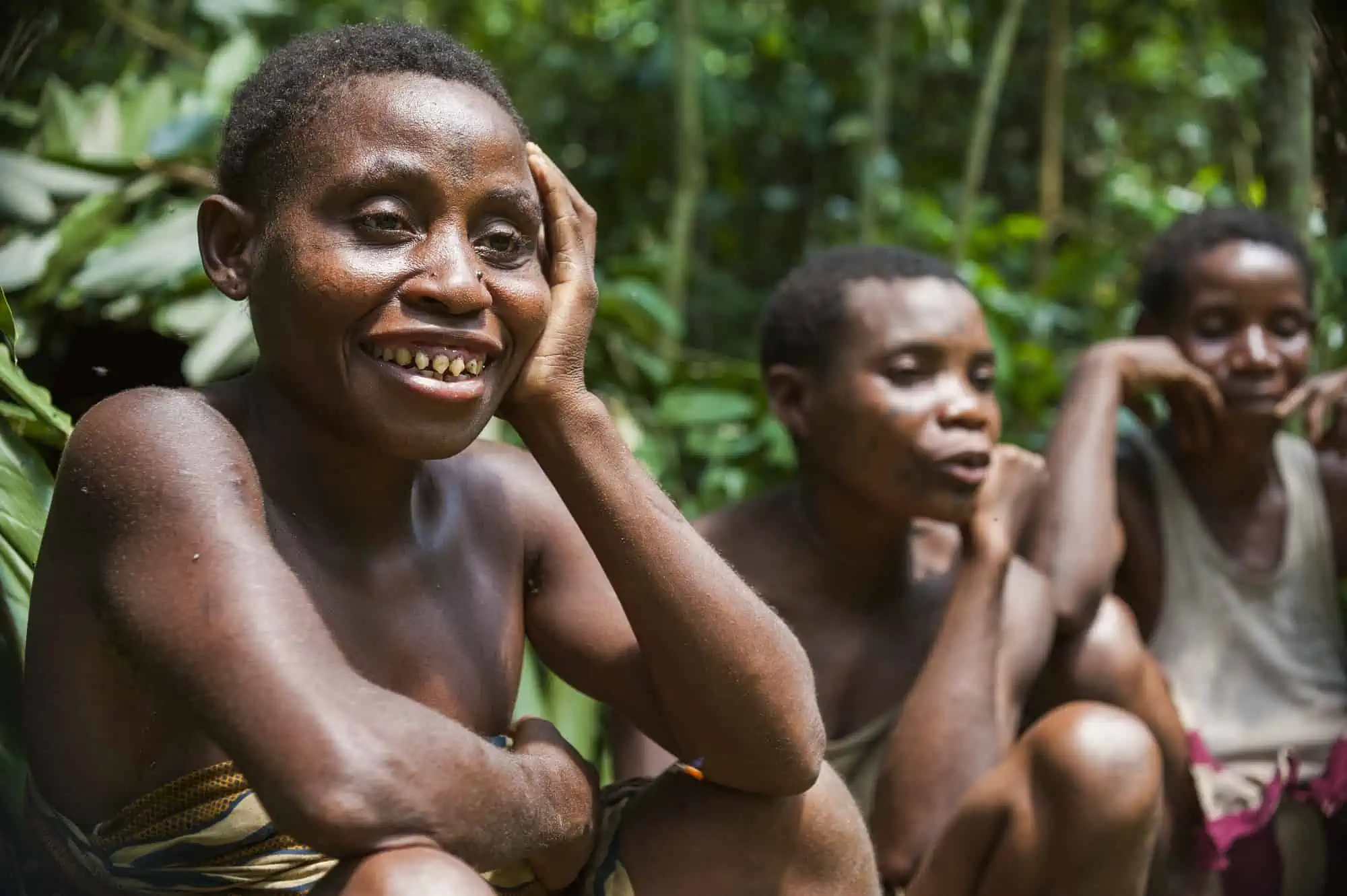
The Central African Republic is a country with lots of beauty & potential—but also a lot of struggles. Conflict has plagued the country for many decades and women are often left to pick up the pieces. Access to basic needs that we take for granted, like healthcare & education, is a constant battle for them here.
DR Congo (0.384)

The Democratic Republic of the Congo is another place that’s rich in resources – yet this has also caused some of its main problems. War has been raging for a long time and women have to face unimaginable challenges. This includes violence as well as the struggle to just feed their families. Over half of women here have been victims of domestic violence.
South Sudan (0.388)

As the world’s youngest country, you’d think South Sudan would be quite progressive but sadly, that’s not true. Ongoing conflicts have made women’s safety & access to education and healthcare major concerns. The country is trying to make progress but issues like rape and sexual assault are all too common.
Burundi (0.394)

Burundi’s had its share of political ups & downs—but for women, it’s mostly downs. The government has passed legislation, such as the 2016 gender-based violence law – yet critics argue that these measures aren’t enough. In fact, domestic violence victims can be imprisoned due to a legal loophole.
Syria (0.407)

Syria’s been in the headlines for all the wrong reasons. Yet behind those stories are women struggling every day just to live a normal life — war has destroyed their homes & any sense of safety they once had. Syrian society is very male-centered, meaning that many women are forced into secondary roles.
Eswatini (0.415)

Eswatini isn’t a country that many people know about but women here have their own set of challenges that need more attention. For example, a third of women will have dealt with a form of domestic violence by the time they turn 18. Women here are also five times more likely to contract HIV than men.
Somalia (0.417)
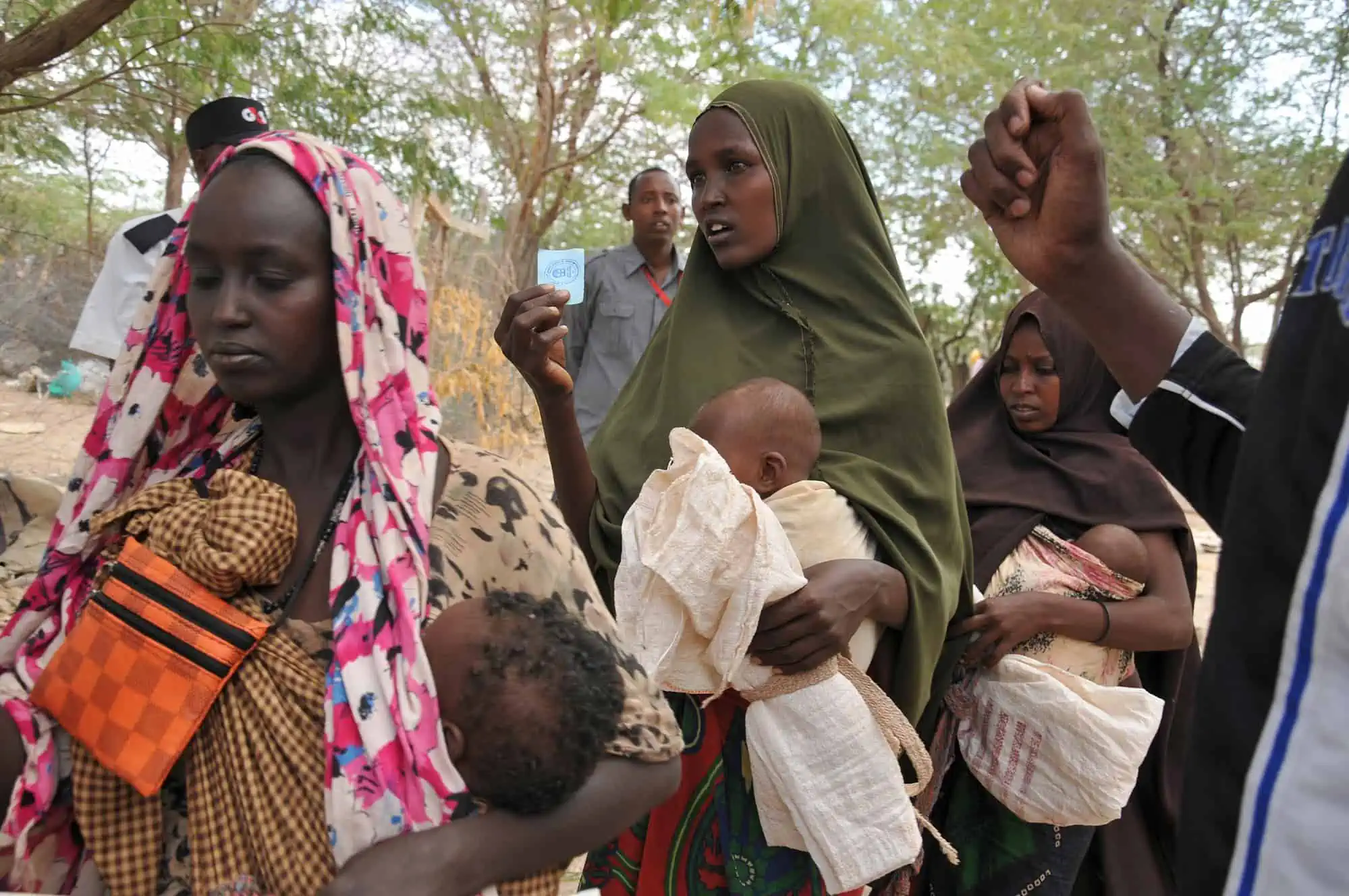
Somalia is another place where instability has become a part of daily life. Female genital mutilation is not only common here but quite accepted by the majority of families. And as with many other countries, gender-based violence & sexual assault is far too normalized. Studies show that many girls are abused by their family members.
Iraq (0.424)

Last on our list (but certainly not least) is Iraq. Years of conflict have taken their toll on the country—and it’s women facing the brunt of these problems. Underage marriage is relatively common while people’s religious views encourage discrimination against women. It doesn’t look like it’s going to get any better as a proposed law would reduce the legal marriage age to 9 for girls.
Disclaimer: This list is solely the author’s opinion based on research and publicly available information.
Like our content? Be sure to follow us.
Read More:


