

All the gadgets we have in our lives have made our everyday tasks easier than ever—but while this convenience is great, it’s making us lose touch with some basic skills we once relied on. Our ability to travel without a map & brew coffee by hand has, for the most part, faded away. Here are ten modern appliances that are quietly ruining our basic skills. Take these as a sign that we’re becoming so dependent on modern appliances that we might struggle without them!
Featured Image Credit: Syda_Productions/Depositphotos.com.
Digital Reminder Apps and Alarms

These days, our phones & gadgets remind us of everything like important meetings and when it’s time to drink water. Unfortunately, relying too much on digital reminders weakens our memory and that means we’ll struggle to remember appointments or tasks on our own. This dependence makes it harder to organize our daily lives when our devices don’t work.
GPS Navigation Devices

Planning a trip used to mean studying a map and figuring out the route yourself, where you’d note street names & landmarks to guide you. Now, GPS devices give us step-by-step directions—so much so that we hardly think about where we’re going since we rely on GPS instead! Unfortunately, it weakens our natural sense of direction and map-reading abilities so we’re completely lost when there’s no connection.
Digital Calculators

There was a time when solving math problems required mental calculation or scribbling figures on paper—but digital calculators now do the math for us instantly. Constantly depending on these devices makes us less confident in handling basic arithmetic without help. Our mental math skills get rusty so it’s no surprise that we struggle with simple calculations when a calculator isn’t handy.
Robotic Vacuum Cleaners
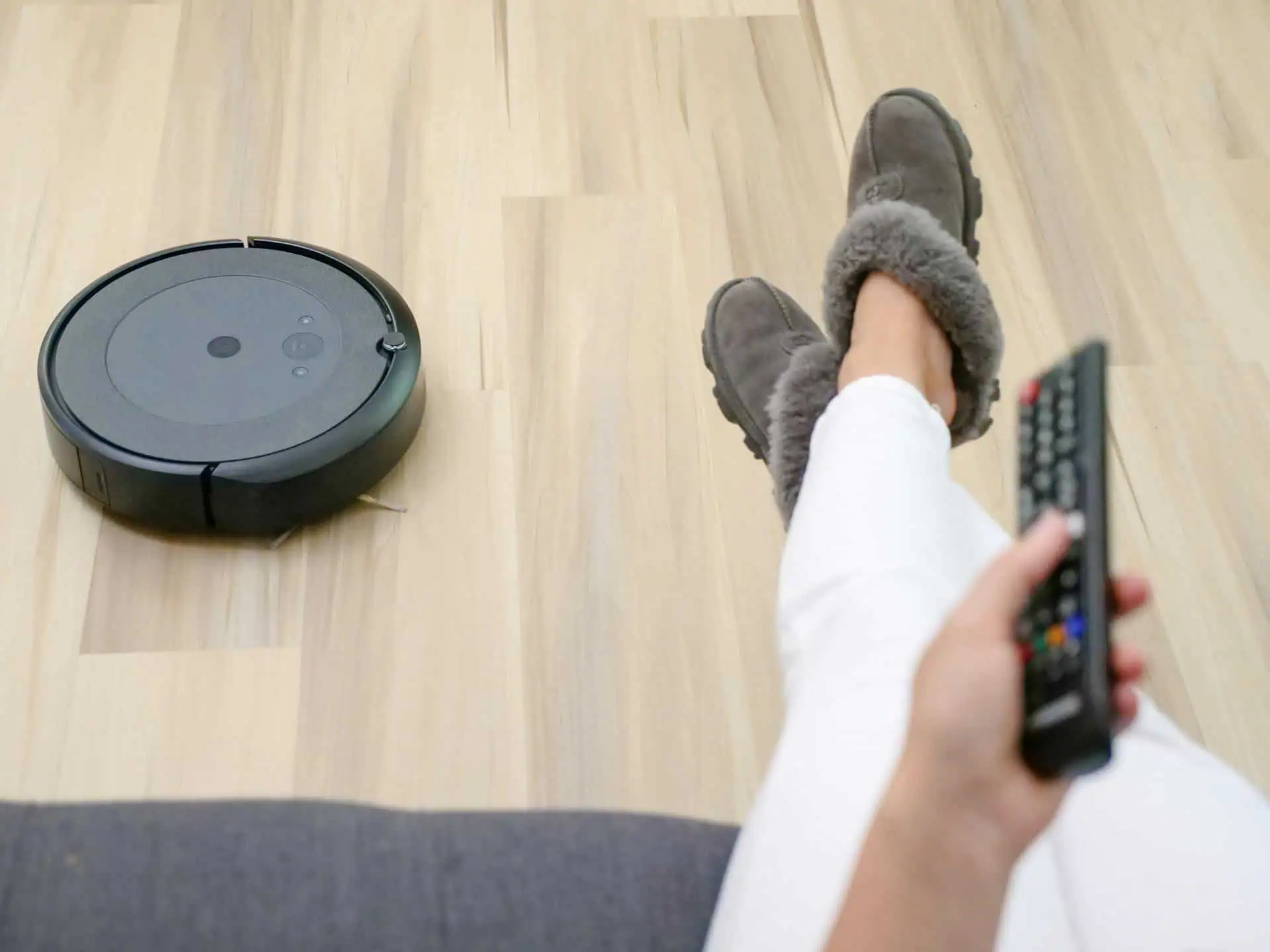
Keeping floors clean once involved regular sweeping & vacuuming by hand, although robotic vacuum cleaners now handle this chore for us. They cruise around and pick up dirt automatically which means we’re starting to lose touch with proper cleaning techniques. As such, anytime the robot misses a spot or breaks down, we’re unprepared to tackle the cleaning ourselves.
Voice-Activated Assistants
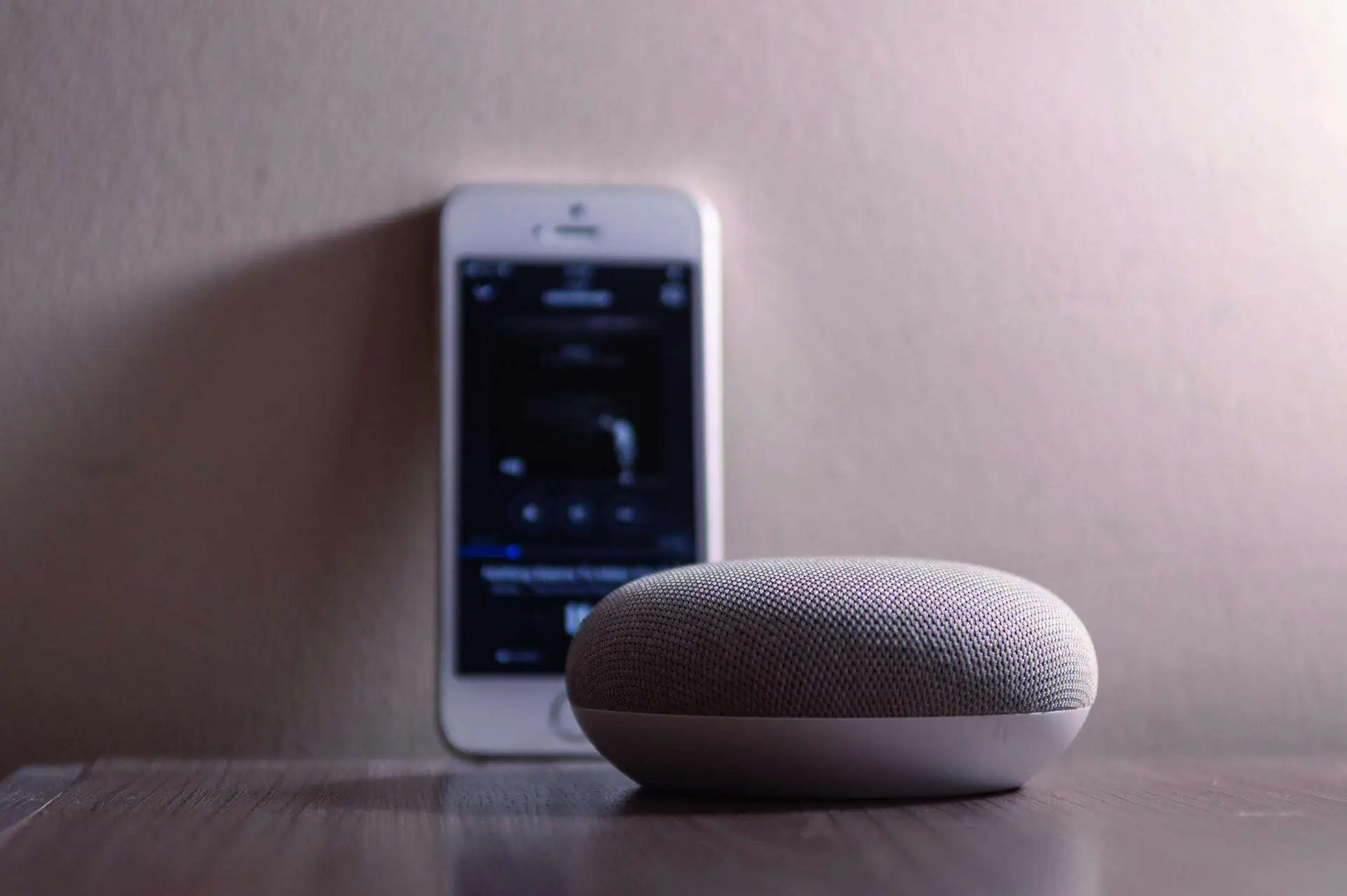
Getting information used to mean doing some research, maybe even flipping through books—but now, voice-activated assistants like Siri & Alexa answer our questions in seconds. It sure is convenient yet might be less inclined to search for information ourselves. Being so reliant affects our research skills & reduces our ability to evaluate information independently.
Dishwashers
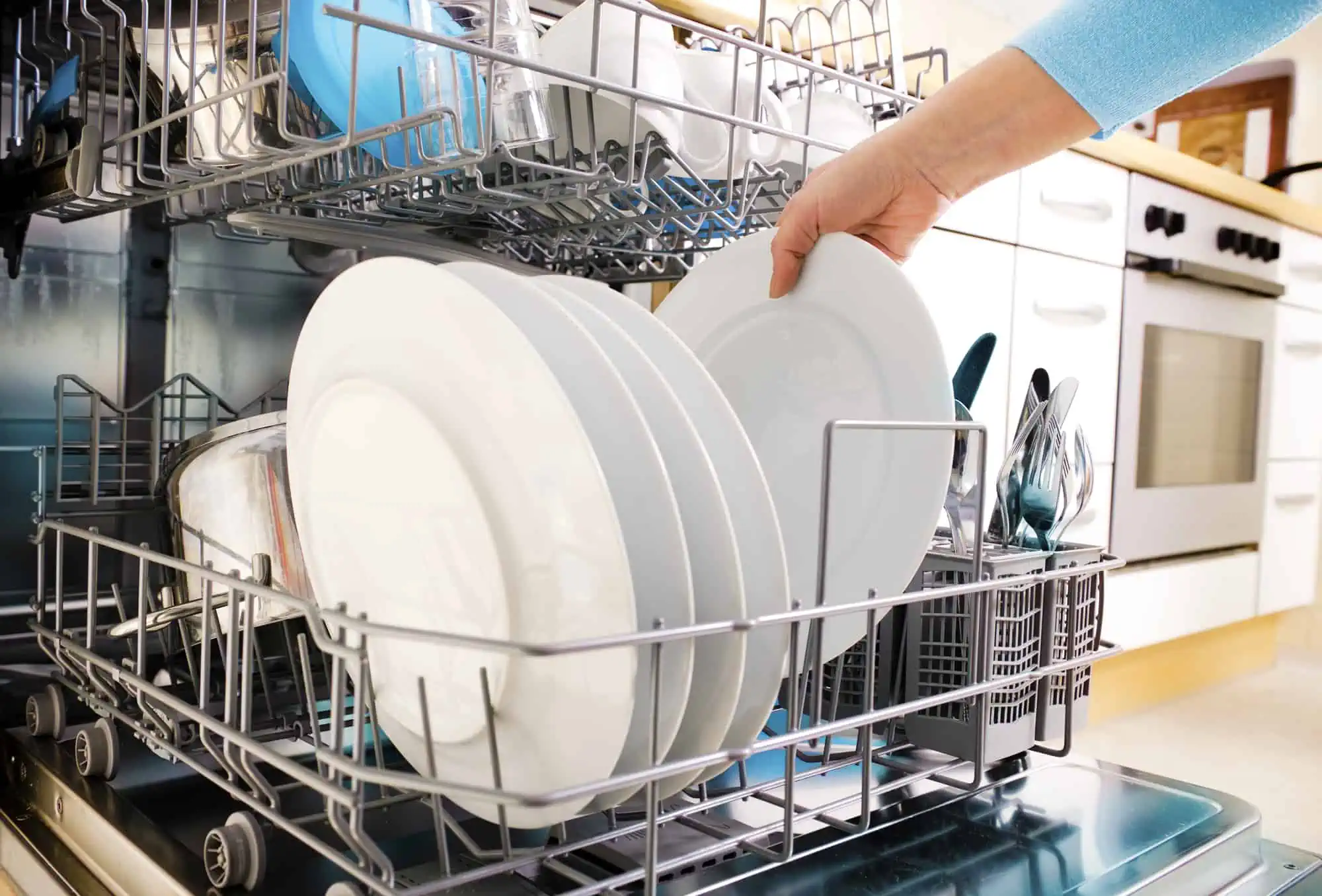
Washing dishes by hand was a common chore for us growing up that taught patience & thoroughness. However, even though dishwashers have made cleanup relatively effortless, they also make us less willing—or able—to wash dishes manually when needed. It’s just a lot easier to throw things into the machine instead.
Automatic Coffee Makers

Back in the day, making coffee involved scooping out the right amount of grounds, boiling water & timing everything perfectly, yet automatic coffee makers handle all that. With just the push of a button, we miss out on the hands-on experience of brewing and understanding what makes a truly great cup. We don’t really appreciate the craft of coffee-making anymore and that’s such a shame.
Smart Thermostats

There was a time when we had to adjust the thermostat ourselves and think about how much energy we were using. Smart thermostats like Nest or Ecobee have made that a lot easier since they learn our habits & adjust the temperature automatically. Of course that’s helpful, yet we’re less aware of how our choices impact our energy bills and we often end up using more energy than necessary.
Food Processors

You used to need to chop vegetables & slice fruits by hand when cooking—but with food processors, all that prep work is done in seconds. They save us a lot of time at the expense of stopping us from being able to develop essential kitchen skills like proper knife techniques. Soon enough, our hands-off approach makes us feel less connected to the food we’re making.
Smart Washing Machines with Automatic Settings

Doing laundry used to involve choosing the right cycle and knowing how to treat different fabrics because we didn’t have washing machines and all their sensors! Yet today, we have ones that detect load size & fabric type that automatically select the best settings. We lack the knowledge of how to avoid shrinking clothes or causing colors to bleed—there’s no more basic laundry know-how.
Disclaimer: This list is solely the author’s opinion based on research and publicly available information.
Like our content? Be sure to follow us on MSN.


