

It’s no secret that there’s some tension brewing between Gen Xers & millennials—and that includes over suburban life. Some people in Gen X feel that millennials have changed the suburbs in ways they don’t love and that this generation is, in fact, destroying the suburbs. So what’s the beef? Here are twelve reasons why Gen X is blaming millennials for ruining the suburbs. We’re not saying that Gen X is right or that millennials are to blame, but it’s interesting to see why they’re so annoyed!
Featured Image Credit: starmaro /Depositphotos.com.
Wanting Walkable Neighborhoods

Millennials crave neighborhoods where they’re able to walk to cafes, shops & parks, which makes traditional suburbs the exact opposite of what they’re looking for. Instead of places with sprawling layouts, they’re choosing newer developments with sidewalks and closer amenities. Gen X homeowners have noticed that their suburbs are changing to accommodate this new preference for walkable neighborhoods.
Heavy Use of Home Delivery Services

Millennials love convenience and they’ll use apps for everything, including food delivery and online grocery shopping—and instead of shopping at neighborhood markets, they’ll have everything delivered straight to their doors. This trend means less foot traffic for local businesses that Gen Xers have supported for years, which hurts the suburban economy. It also changes the community and leaves Gen Xers concerned about the future of their local shops.
Millennials Prefer City Living
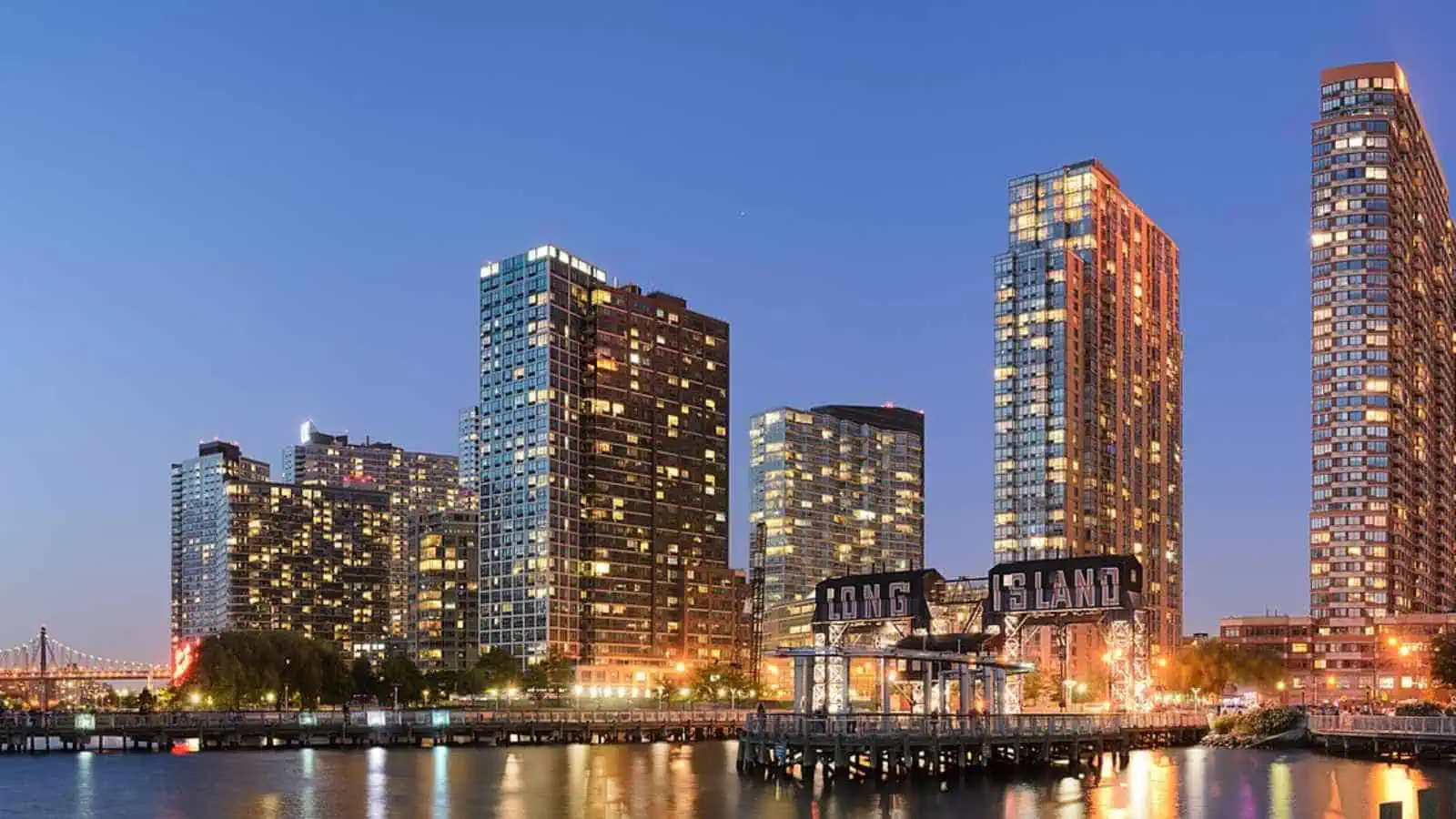
Many millennials are heading straight for city life and leaving the suburbs in the dust—it’s all because they love being close to work, trendy restaurants & all the entertainment options cities have. Such a change means that the population of suburban neighborhoods is getting older as many young families aren’t moving in, and Gen Xers have noticed their once lively streets are feeling quieter, while local schools have fewer kids enrolling.
Redefining Suburban Home Styles
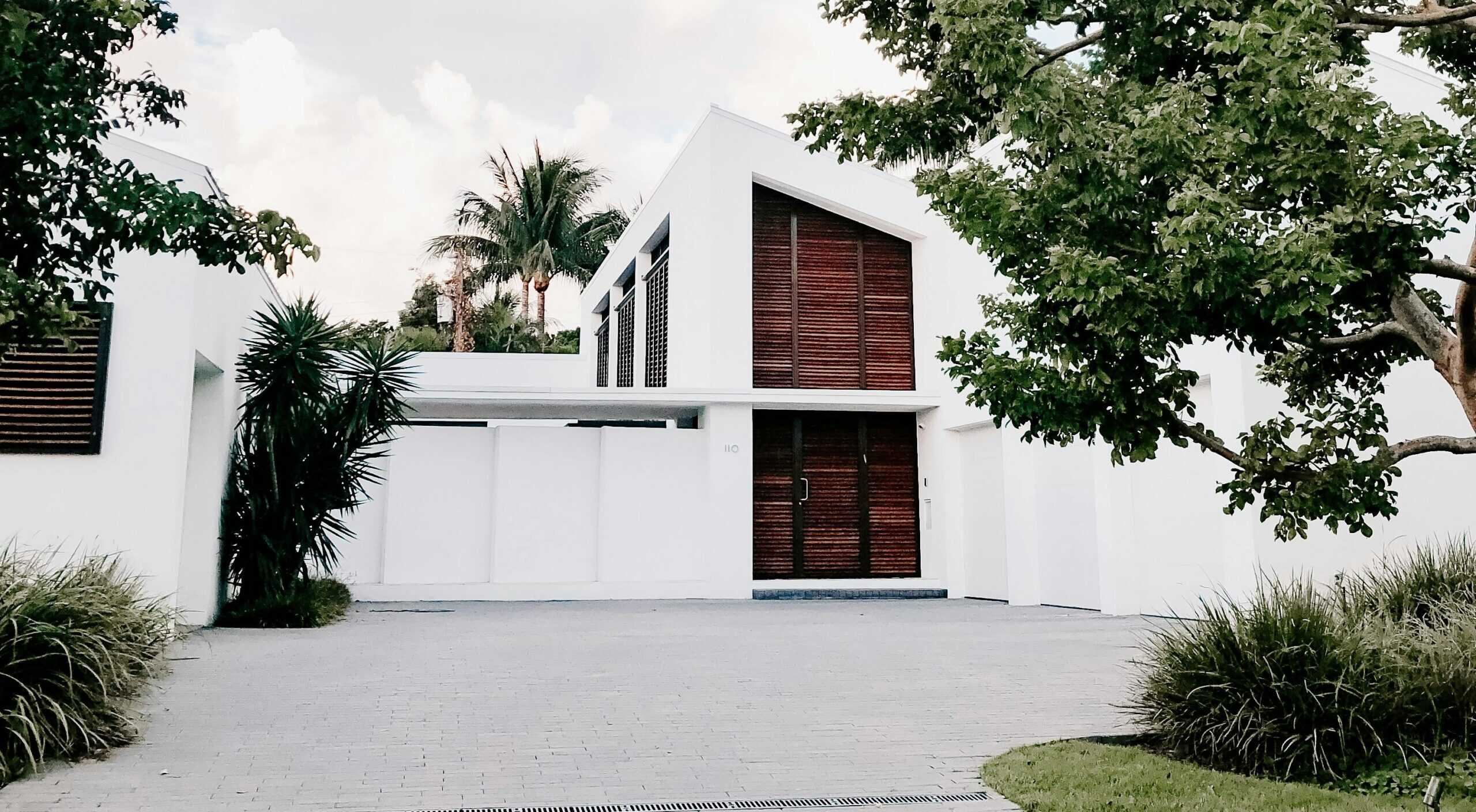
Even the way suburban homes are being built has changed as millennials prefer modern aesthetics over traditional styles. They’ve started renovating older houses with sleek lines, minimalist features & eco-friendly materials, and this changes the look of neighborhoods that Gen Xers remember fondly. Nowadays, the classic charm of certain streets has given way to a more contemporary feel that many longtime residents dislike.
Remote Work Changes Everything

Thanks to the rise of remote work, millennials aren’t tied down to offices anymore and, instead, they’re free to live wherever they like, whether that’s a mountain town or a coastal village. It’s a newfound sense of freedom that’s mixed up the population patterns that Gen X is used to because suburban areas are no longer as busy. The traditional 9-to-5 lifestyle centered in the suburbs is getting a major overhaul—Gen X didn’t expect to see so many changes!
Less Interest in Driving

Millennials just aren’t as interested in owning cars as Gen X was and it’s mostly because of rideshare apps like Uber and Lyft, as well as better public transit. They’re able to get where they need to go without the hassle of car payments & maintenance—that’s quite different from the suburbs where you need a car for everything. Such a lack of interest is causing some problems as a shortage of drivers hits local businesses like gas stations & auto repair shops.
The Fall of Suburban Malls

Most millennials prefer online shopping and this has led to the decline of suburban malls. Platforms like Amazon let them buy almost anything without leaving home, so for Gen Xers who spent weekends hanging out at the mall, seeing these once-busy places shut down is hard. All those empty parking lots and closed stores are a sign that the communities that were once centered around them are now changing.
Delaying Homeownership

Student loan debt and soaring housing costs mean many millennials are putting off buying homes—rather than settling down in the suburbs, they’re renting in cities. Some of them even share spaces with friends for longer, and this delay leads to fewer young homeowners in suburban neighborhoods. As such, many Gen Xers are seeing fewer kids playing outside and they feel a different energy on their streets, especially since the suburban real estate market slows down without new buyers.
Interest in Alternative Housing Options
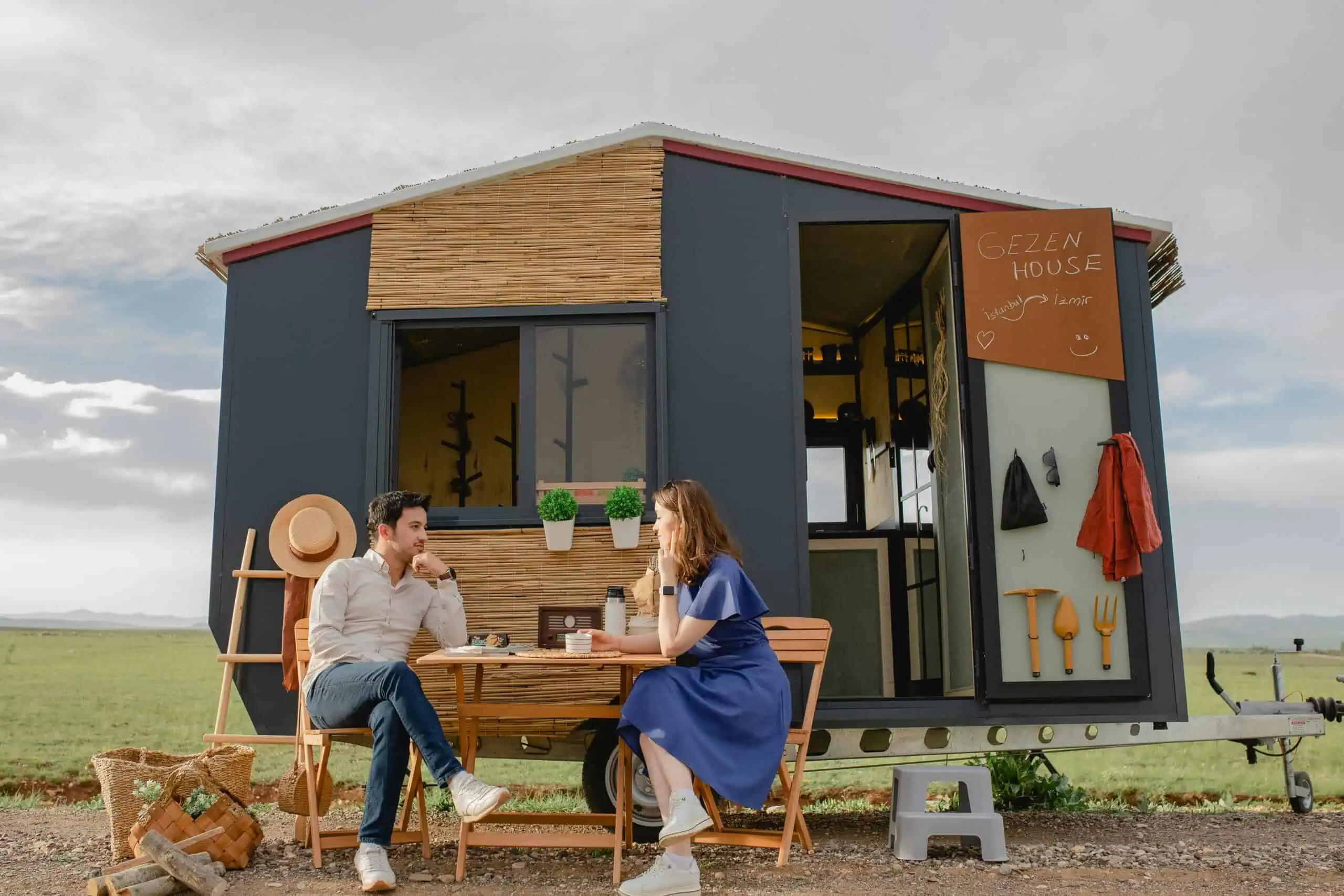
Similarly, millennials are quite interested in alternative housing like tiny homes and micro-apartments, which aren’t typical options in the suburbs and often clash with existing zoning laws. Lots of Gen X homeowners worry that these new housing styles could change the character of their neighborhoods or affect property values. The younger generation’s push for different living arrangements is creating a rift between what millennials want and what suburbia actually has.
Focus on Sustainability

Environmental concerns are a big deal for millennials and lots of them see suburban sprawl, with its big houses and lawns, as less eco-friendly. They prefer greener living options like smaller homes, community gardens & renewable energy, and these priorities clash with the typical suburban lifestyle. As a result, Gen X neighbors feel tense due to these differing values, which makes their sense of community a bit harder.
Shifting Social Habits

It’s clear that millennials socialize in different ways, which often involve connecting through social media instead of local clubs or community events. Such a shift leads to fewer neighborhood gatherings in the suburbs and Gen Xers miss the block parties & potlucks that they used to enjoy. There’s less face-to-face interaction and this diminishes the sense of community that once defined suburban life.
Different Amenities Matter

The things that attract millennials—like hip coffee shops & co-working spaces—often don’t exist in traditional suburbs, and they might overlook classic suburban towns in favor of places with these spots. It’s a change that affects local businesses because the demand shifts away from long-standing establishments to newer, trendier options. Gen X’s favorite diners & shops start closing down and they are replaced by venues that cater to different, usually younger, tastes.
Disclaimer: This list is solely the author’s opinion based on research and publicly available information.
Like our content? Be sure to follow us on MSN.


