

Each day, you likely use a ton of inventions without ever thinking as to how much they’ve changed your life. From can openers to e-ink displays, these devices have quietly made our lives far better—and they deserve to be remembered. Here are ten lesser-known inventions that have changed the world in ways you might not even realize. Trust us—once you’ve finished, you’ll look at these everyday wonders in a whole new light.
Featured Image Credit: luckybusiness /Depositphotos.com.
The Stereoscope
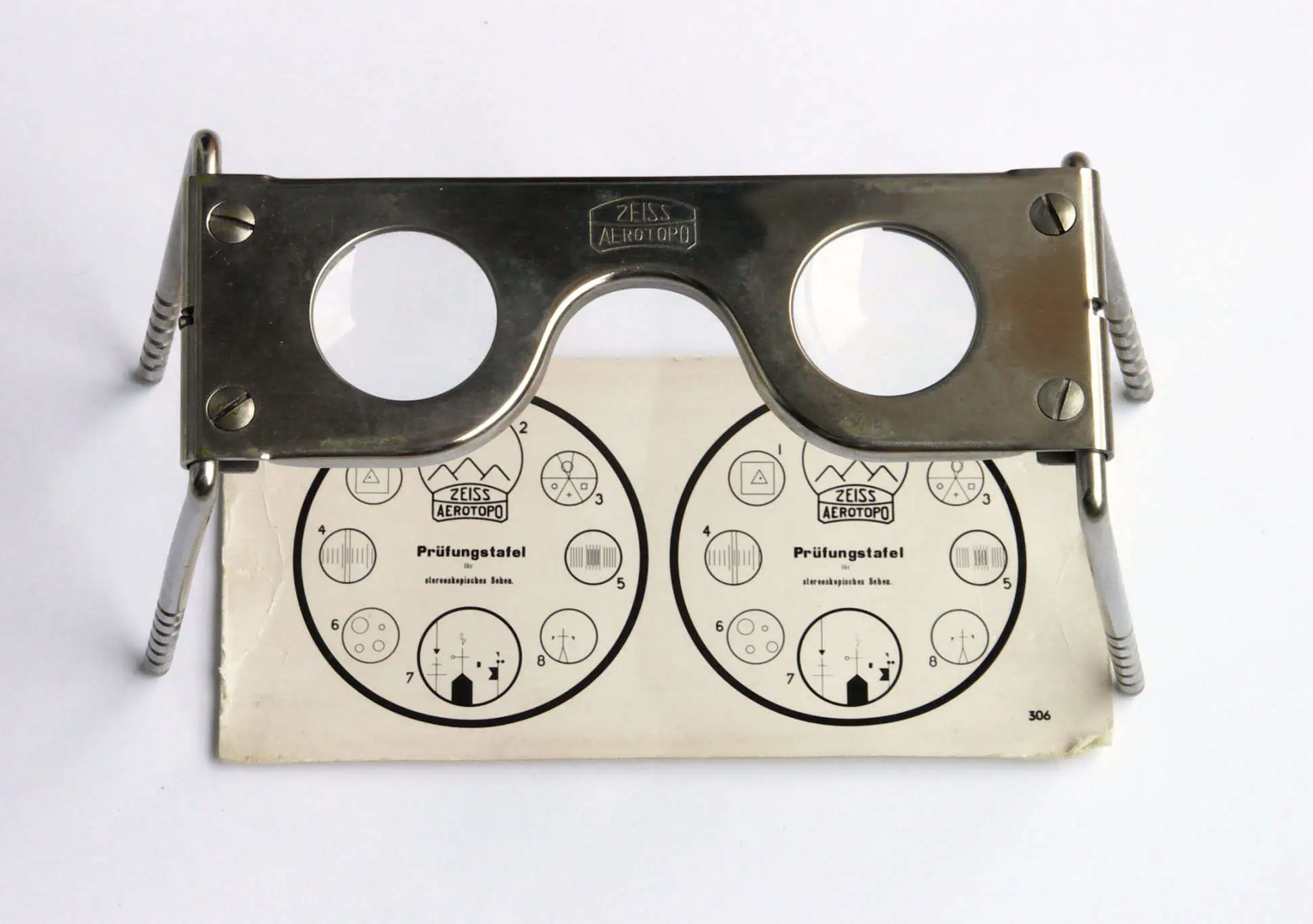
Today, being able to see 3D images sounds rather normal—but imagine doing it before virtual reality was even a thing. That’s what Sir Charles Wheatstone’s invention, the stereoscope, brought to the table. This device from 1838 tricked your eyes into seeing depth in photographs and this paved the way for the 3D technology we geek out over today. It was far more than a parlor trick!
Catalytic Converter
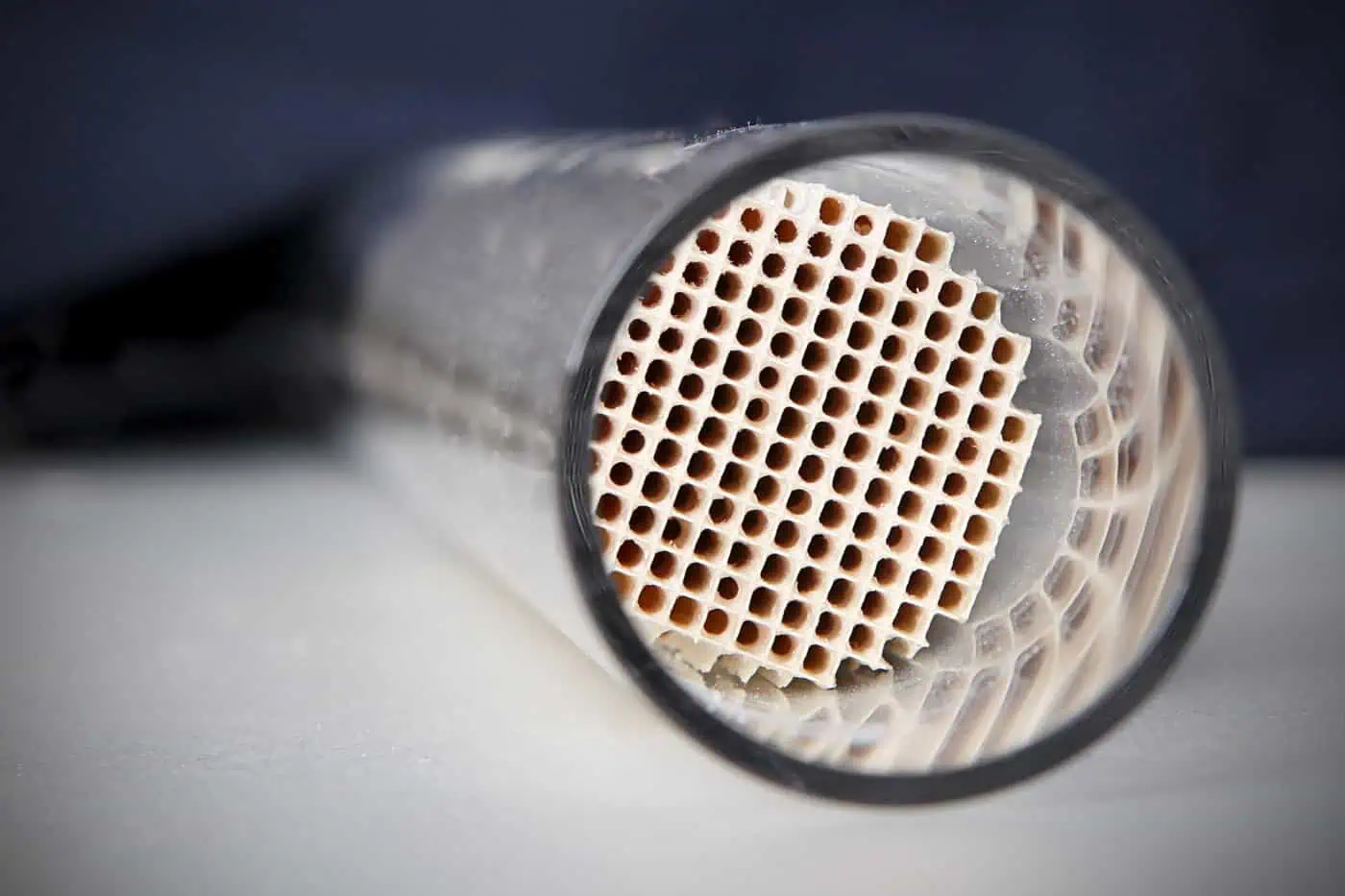
While cars are great, their emissions are quite terrible. Enter the catalytic converter, the brainchild of Eugene Houdry from the 1970s. The converter turns harmful gases from your car’s exhaust into less toxic stuff before they hit the open air. Each converter fights pollution one car at a time, making the air a bit easier to breathe for us all!
Like our content? Be sure to follow us.
The Modern Can Opener
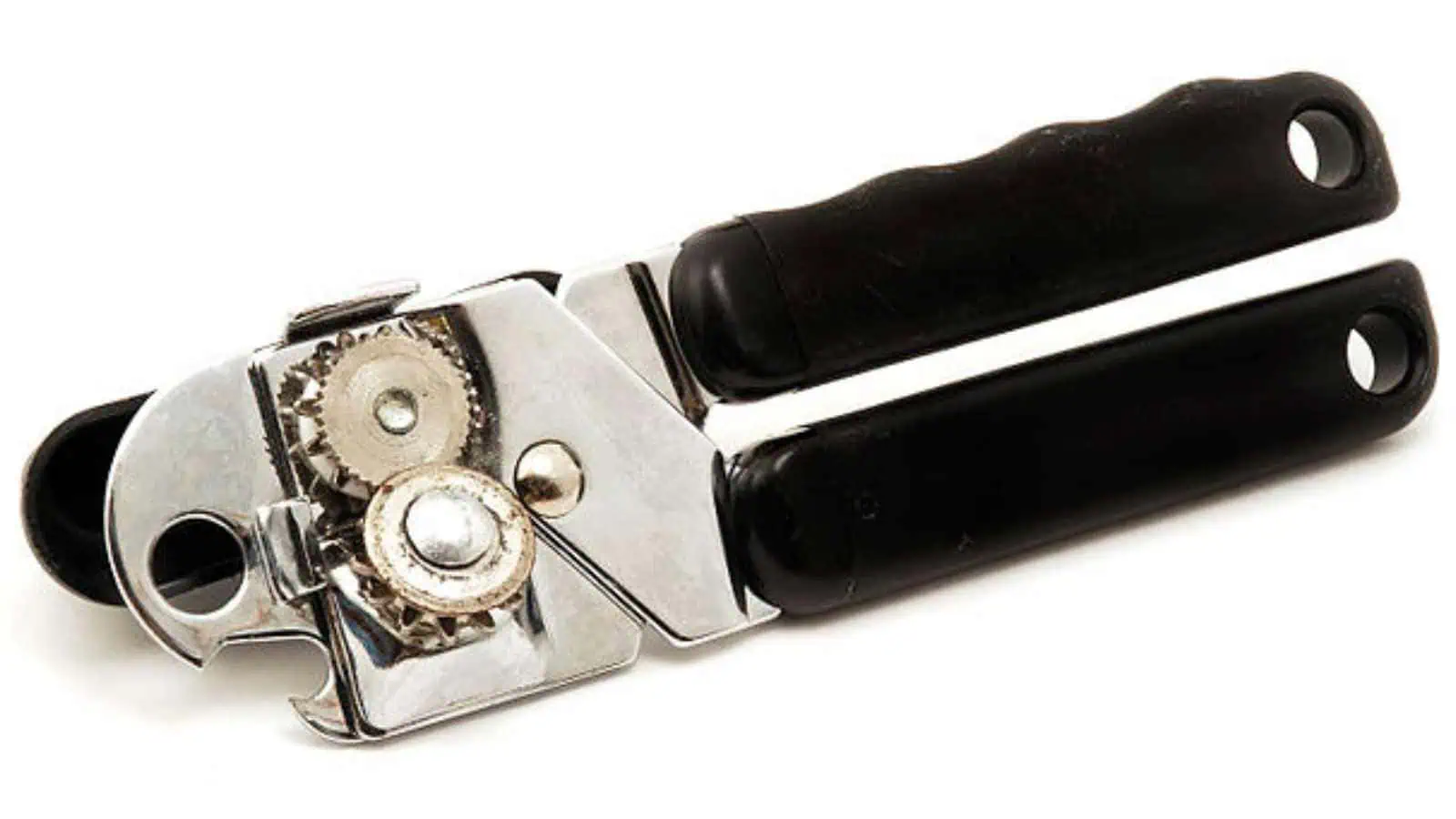
Back in the day, opening a can of beans was more of a workout than a standard part of cooking. Thankfully, in 1858, the can opener appeared courtesy of Ezra J. Warner. Now, it was far easier to crack open cans and canned food became a staple in pantries everywhere. It’s one of those things you don’t appreciate until you’re stuck without one.
Optical Fiber

The internet isn’t made of magic and wishes but rather optical fibers. These thin strands were developed in the 1950s by Charles K. Kao and they carry data across the globe at the speed of light. Thanks to this invention, you can stream & talk your heart’s content. We use the internet every day—yet most of us don’t pay enough respect to the technology that got us here.
The Wind-Up Radio

In the 1990s, Trevor Baylis invented the wind-up radio with the hopes that he’d help people in remote areas stay informed & entertained without batteries or electricity. Just a few cranks and voila—you have music and the news! As simple as this device is, it’s a great way of bridging the information gap. Sometimes, the best solutions don’t need a plug and this device is clear proof of that.
Water Purification Tablets

Safe drinking water is a luxury in many parts of the world but water purification tablets have started to change that. These tiny tablets kill harmful organisms in water so it’s safer to drink. As you can imagine, they’re very important for outdoor adventurers. Plus, they’re rather useful in disaster-stricken areas since they turn potentially deadly water into a safe sip.
The Jacquard Loom

In 1804, Joseph Marie Jacquard’s aptly named Jacquard Loom helped make fancy fabrics. However, it also introduced the world to programmable machines as you had to use punch cards to control patterns. As such, the Jacquard loom was an early form of computer programming. So the next time you wear a patterned shirt, give a little thanks to Jacquard!
The Haber-Bosch Process

Fritz Haber and Carl Bosch invented a process in the early 20th century for creating ammonia. While it might not sound like a thrill, their invention massively improved food production by creating important ingredients for fertilizers. In fact, it’s a major reason the world can feed billions of people today! Every bite of food you eat is thanks to these guys.
The Float Glass Process

We have Alastair Pilkington and his float glass process from the 1950s to thank for the perfectly smooth glass we have today for windows and screens. His method involved floating molten glass on tin to create flat, uniform sheets. Because of this, why we can enjoy clear views and sharp screens—and we don’t need to think twice about it!
The Electronic Ink Display
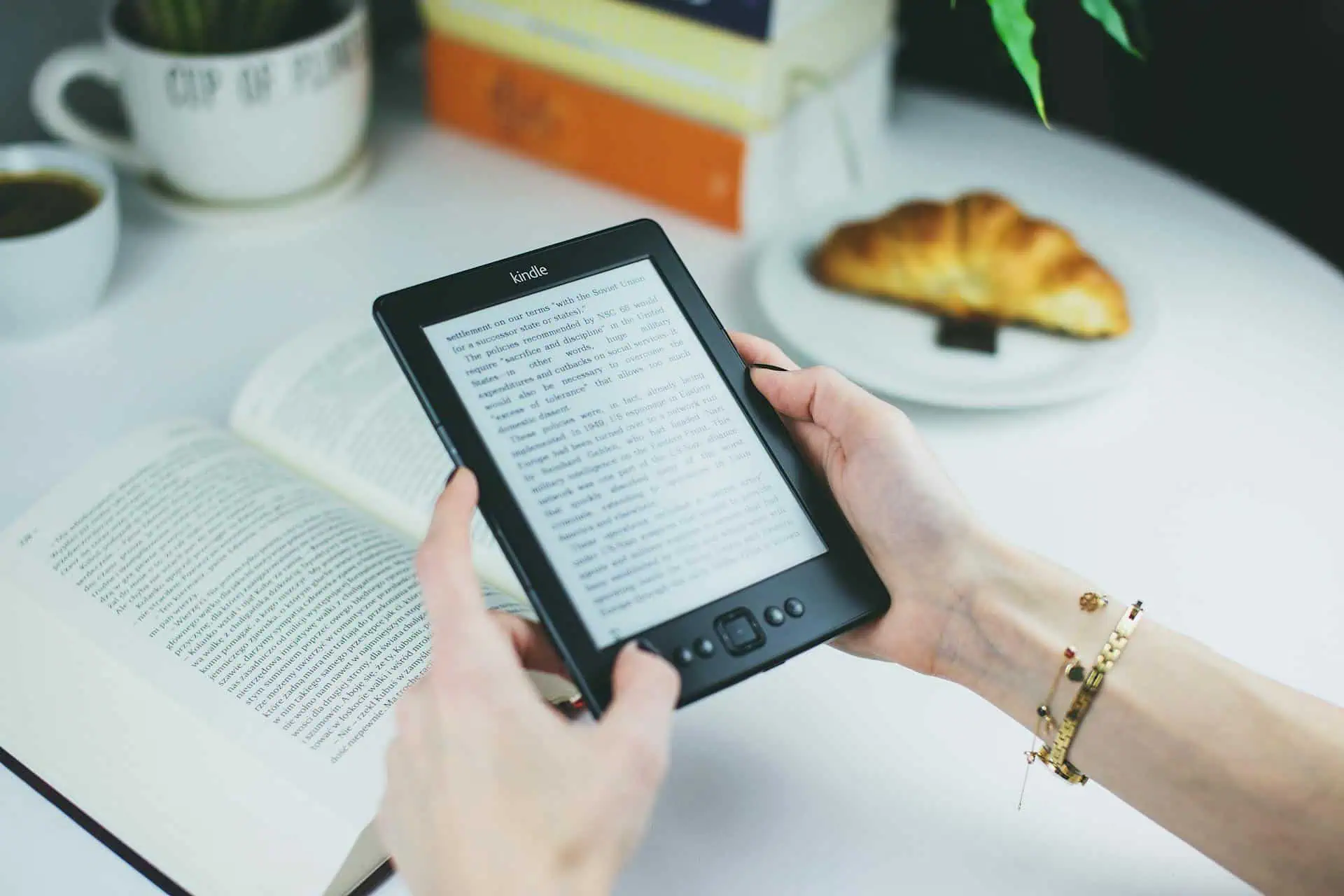
In the 1990s, researchers at the MIT Media Lab developed the electronic ink display that we use in E-readers to this day. With this technology, you can carry a library in your pocket and even read in bright sunlight without the glare. It’s a bookworm’s dream! E-ink has made reading more accessible and convenient than ever before.
Disclaimer: This list is solely the author’s opinion based on research and publicly available information.
Like our content? Be sure to follow us.
Read More: