You might be surprised to find that some of the things you own are actually banned in some regions for reasons like safety, health risks or environmental concerns. Some of them were banned decades ago but others might be things you still use or keep around without knowing they’re illegal. Here are 20 items you might own that are actually banned — and why they’re no longer allowed.
Featured Image Credit: vova130555@gmail.com /Depositphotos.com.
Lead Paint Toys

The government outlawed toys with lead-based paint in 1978 because lead poses severe toxicity risks to children. Your old toys that are lying around might still contain dangerous lead paint. If you collect vintage items, you should remain vigilant.
Certain Air Fresheners

Air fresheners containing harmful chemicals such as phthalates and formaldehyde have faced bans and restrictions due to their negative impact on health. The chemicals found in these products disrupt hormone functions and trigger breathing difficulties so it’s best to use safer options.
Incandescent Light Bulbs
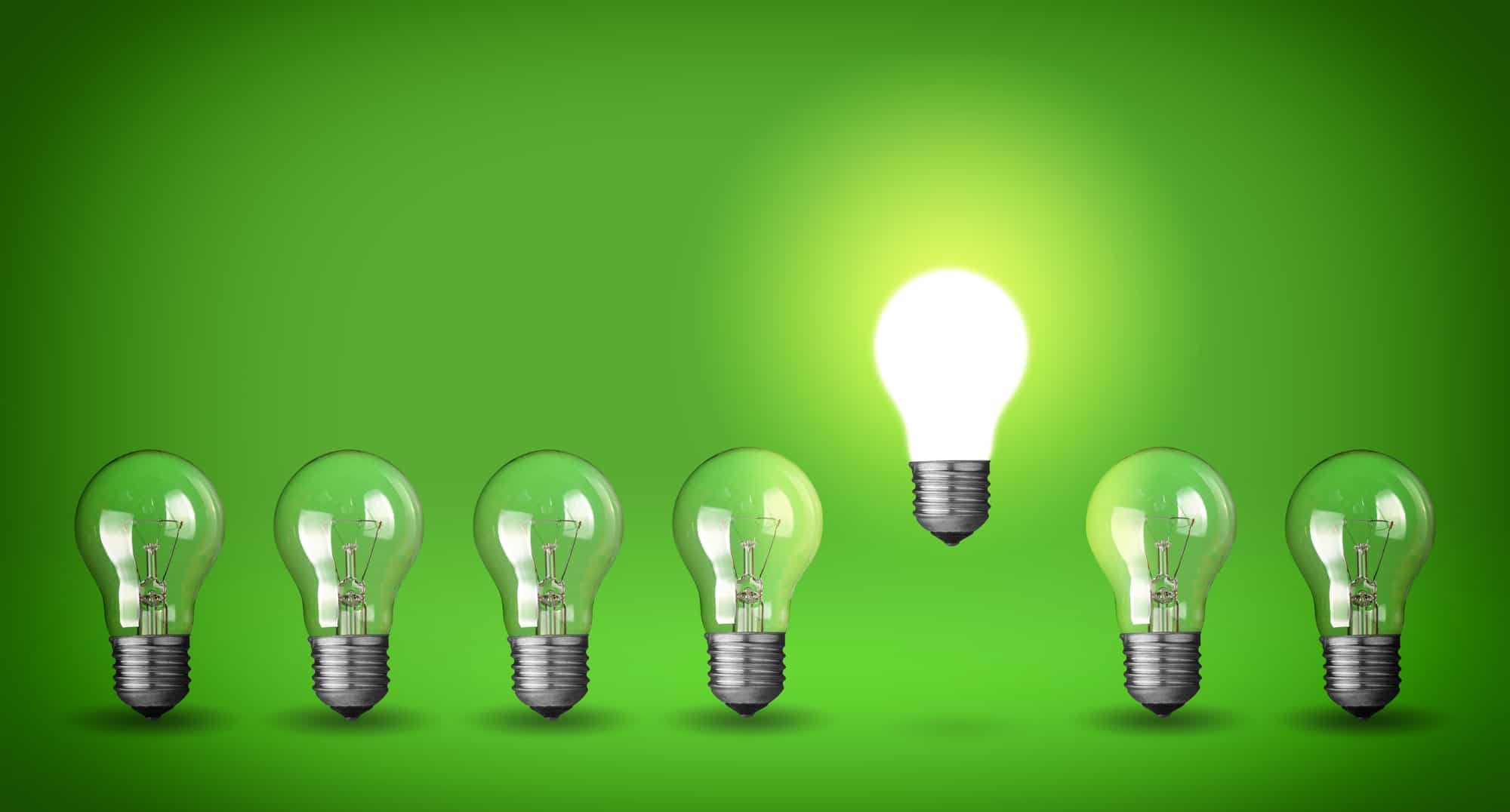
Incandescent light bulbs aren’t totally banned but they’ve been phased out in favor of energy-efficient bulbs like CFLs and LEDs. Those old-school light bulbs use way too much energy, which isn’t great for the environment or your electricity bill.
Chlorofluorocarbons (CFCs)

The use of CFCs in air conditioners, refrigerators, and aerosol sprays was banned because they harm the ozone layer. Your older appliances could potentially release harmful gases into the air.
Vinyl Floor Tiles Containing Asbestos

Back in the day, some vinyl floor tiles had asbestos, which is extremely hazardous and can cause cancer when distributed. Old tiles in your house may pose a health risk so you should get them checked or replaced.
Old “Jarts” Lawn Darts
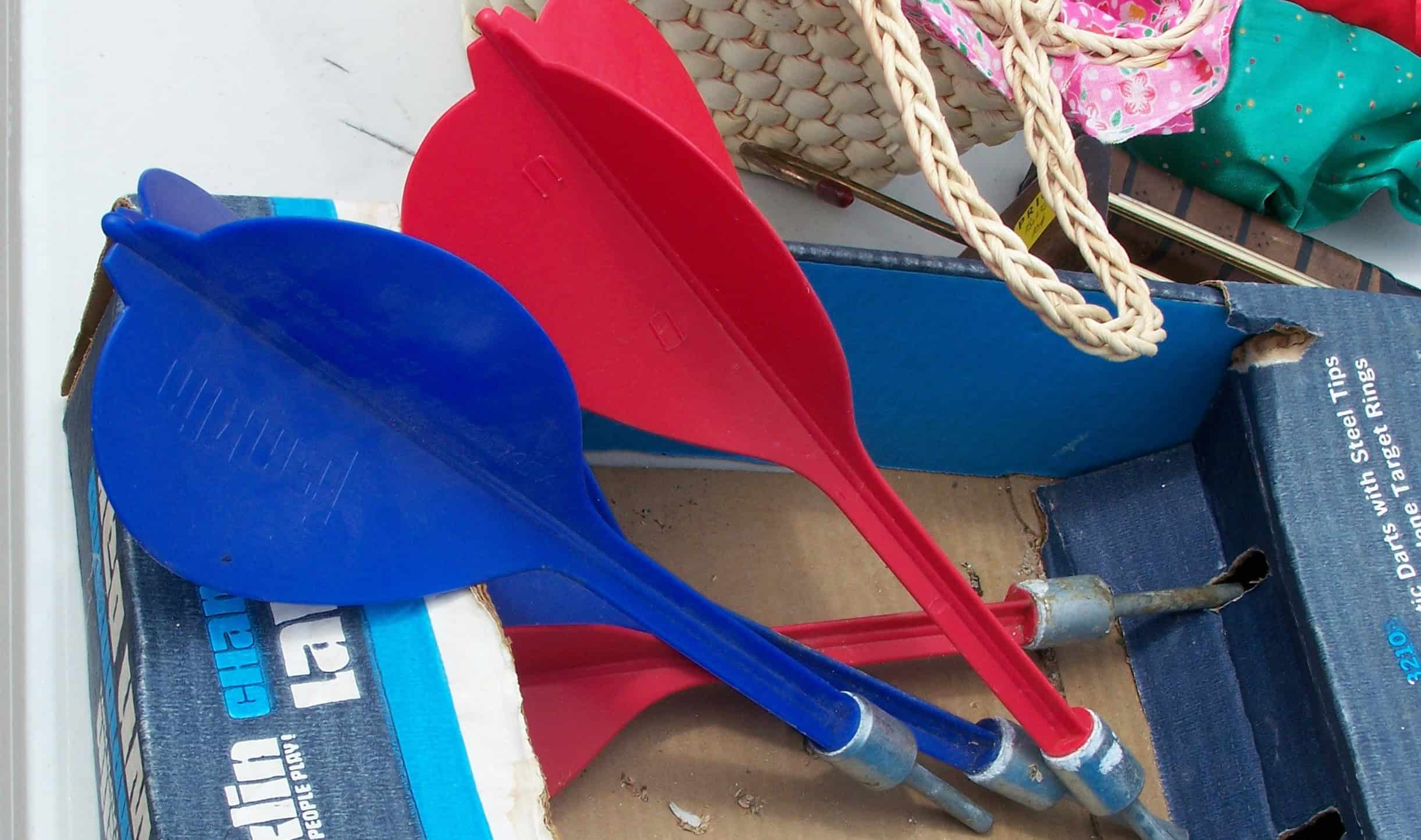
Remember lawn darts? The government banned those sharp metal-tipped toys in 1988 because they resulted in injuries. They were dangerous, especially for kids. Lawn darts are now banned but safer plastic versions are available for use.
Mercury Thermometers
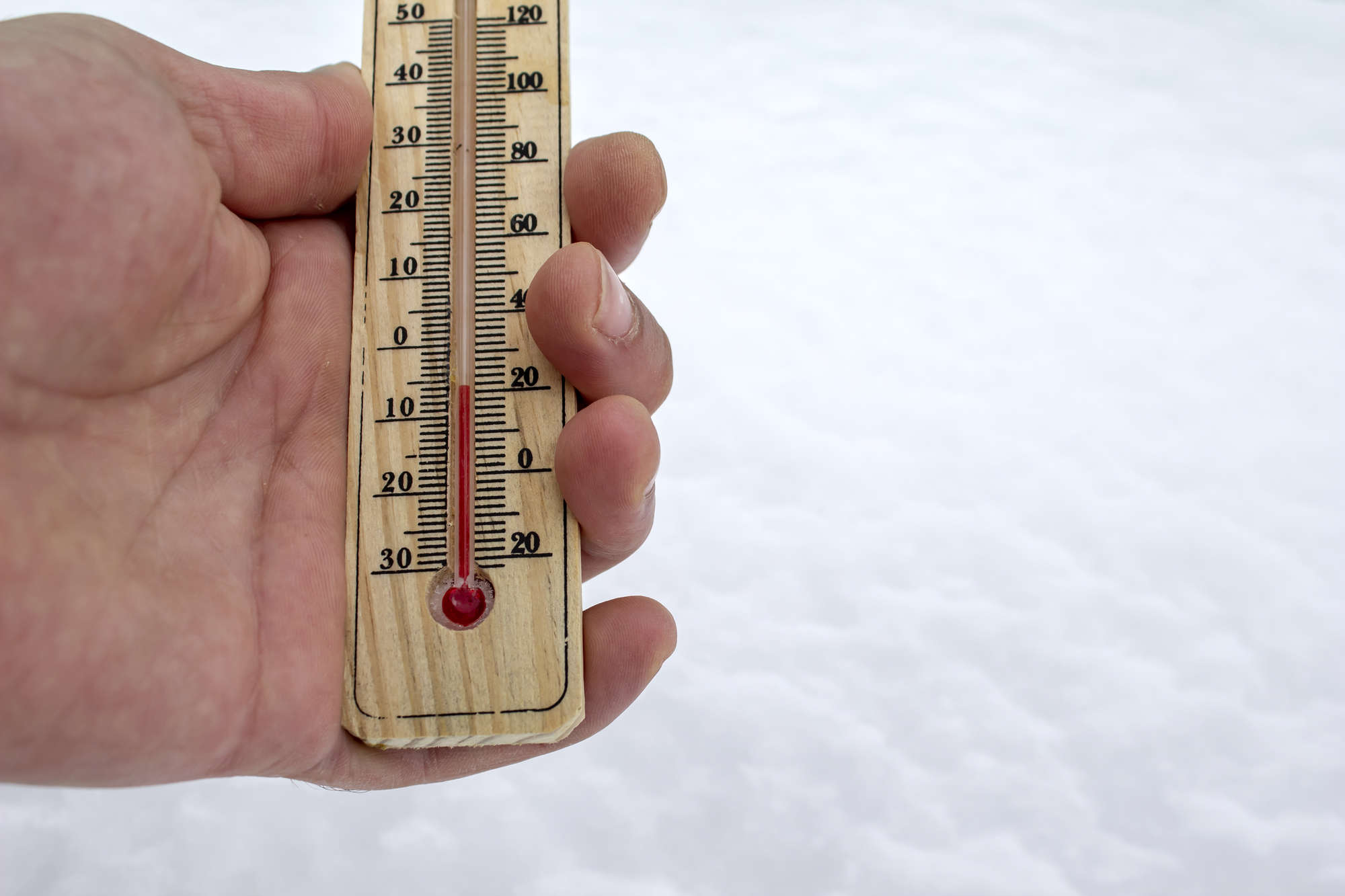
Before the 2000s, mercury thermometers were widely used, although mercury is a dangerous & toxic metal. Mercury thermometers are banned now because they release dangerous mercury when they break. Safely discard any mercury thermometers you find in your drawer.
Buckyballs (Magnets)

The popular desk toy Buckyballs faced a ban because the small magnetic balls presented a significant choking risk for children. These items can lead to serious internal damage when swallowed by children.
Certain Swords and Knives (Switchblades)

Switchblade knives, where the blade pops out at the push of a button, are banned in many states under federal law. These knives are considered too dangerous and owning one could get you into trouble in some places.
Kinder Eggs
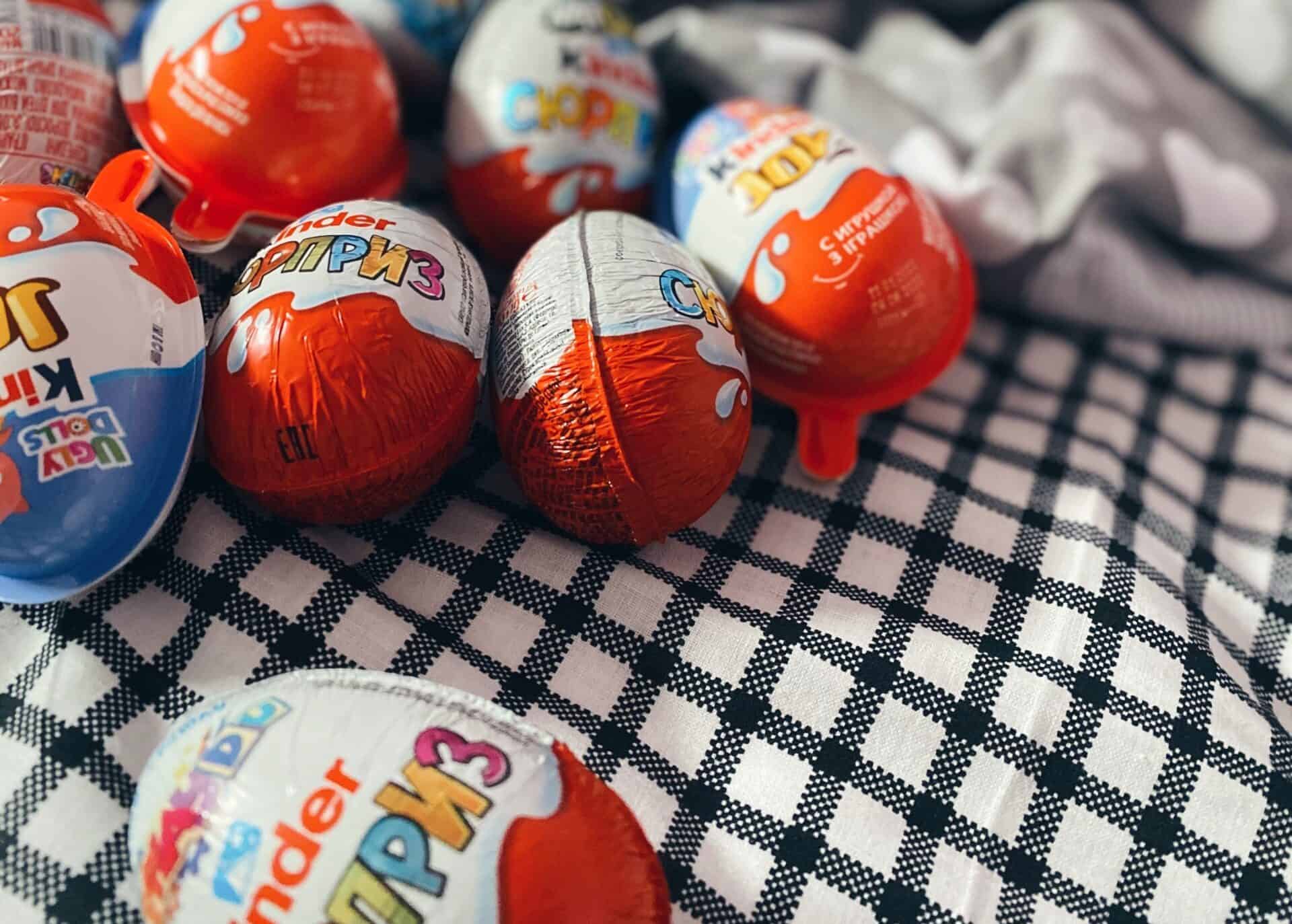
The U.S. bans Kinder Eggs because the toy inside presents a choking risk to children. The toy can be small enough to get lodged in a child’s throat, which is why the U.S. doesn’t allow these treats to be sold here.
High-Energy Laser Pointers

High-powered laser pointers can be fun but they can cause eye damage. These laser pointers also become dangerous when directed toward aircraft or other transportation vehicles. If you need a laser pointer for presentations or simply fun, choose the lower-powered models.
Certain Hoverboards
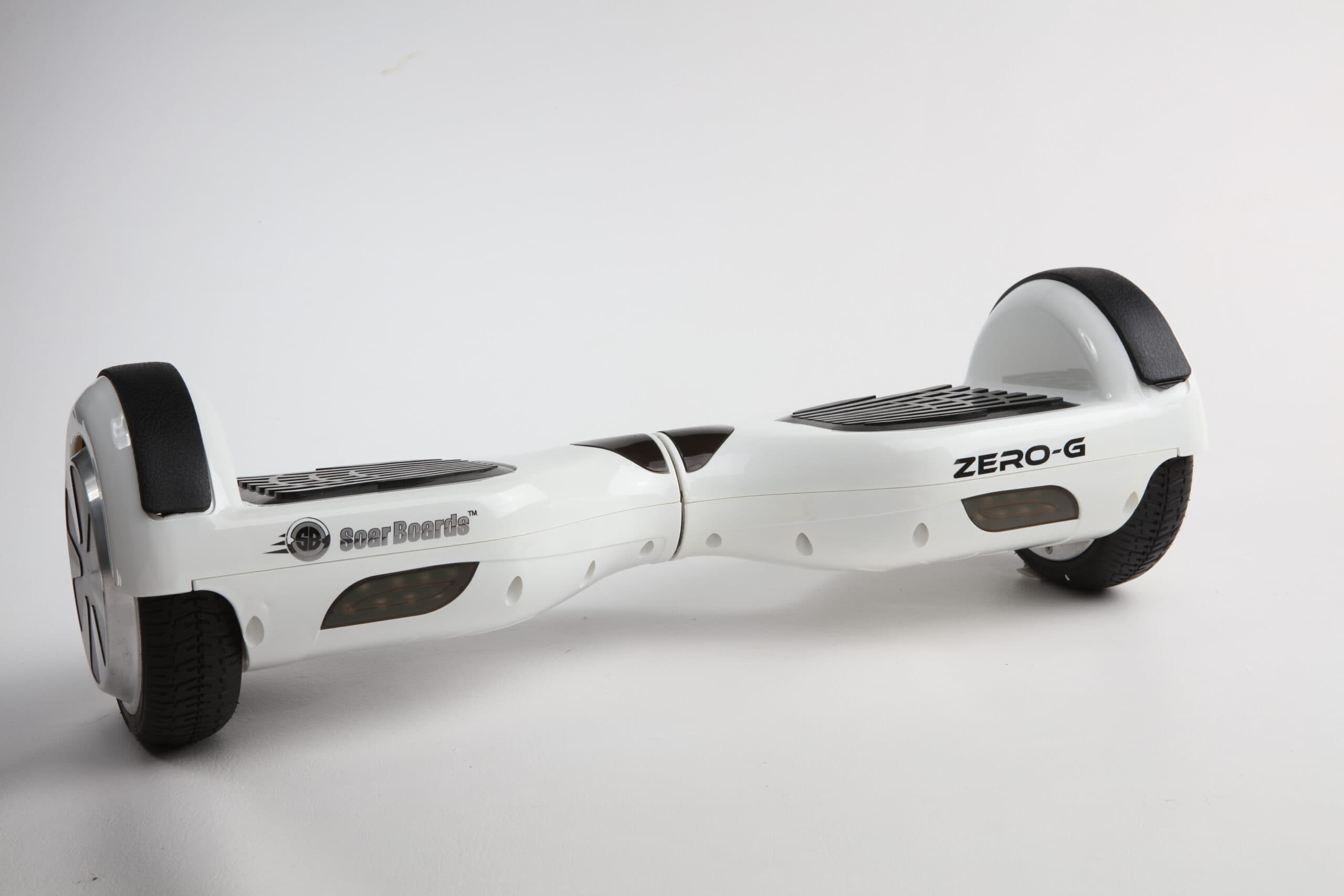
Hoverboards became super popular, but some models were banned because of fire risks due to faulty lithium-ion batteries. If you own one, make sure it’s from a reputable brand and has the right safety certifications. You don’t want your hoverboard catching fire!
Trampolines with Spring Enclosures
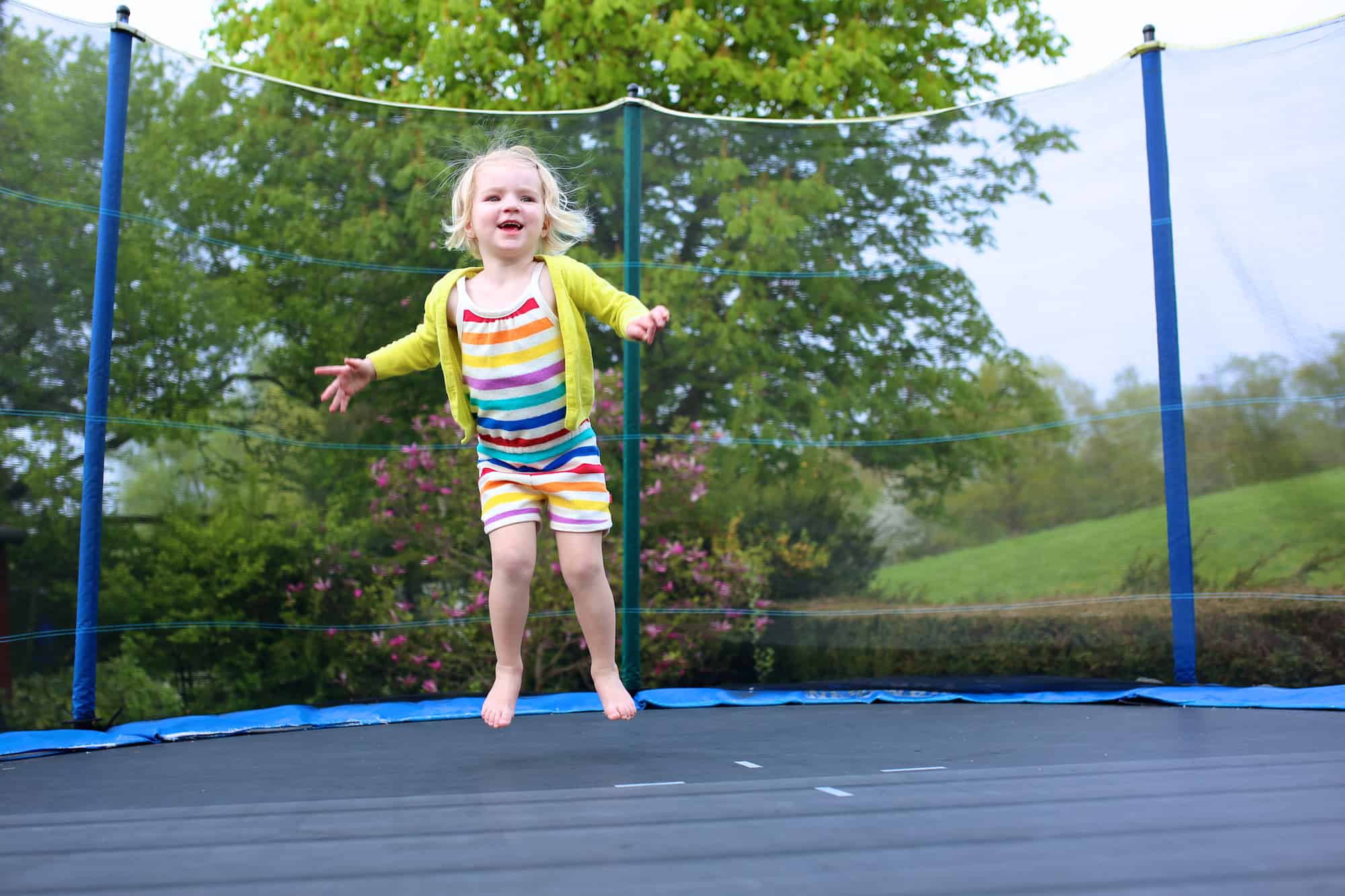
Some trampolines, especially older ones with spring enclosures, were banned because they led to too many injuries. The springs can catch kids, causing serious harm. Modern trampolines are safer, with net enclosures that prevent injuries.
Some Dog Breeds

Certain dog breeds, like pit bulls and Rottweilers, are banned or restricted in some states because they’re considered more dangerous. While not all places have these laws, you should check local regulations if you own a dog of one of these breeds.
Lead-based Cosmetics

Lead was once commonly found in makeup, but it’s now banned in cosmetics because it can cause serious health problems like brain damage. If you have old, vintage makeup, it might still contain lead, so it’s best to avoid using those products.
Flame Retardant Chemicals in Furniture

Flame retardants were once added to furniture to make them fireproof, but they’ve since been banned because they’re linked to cancer and other health issues. If you have old couches or chairs, they might have these chemicals, so consider replacing them with safer alternatives.
Styrofoam Food Containers
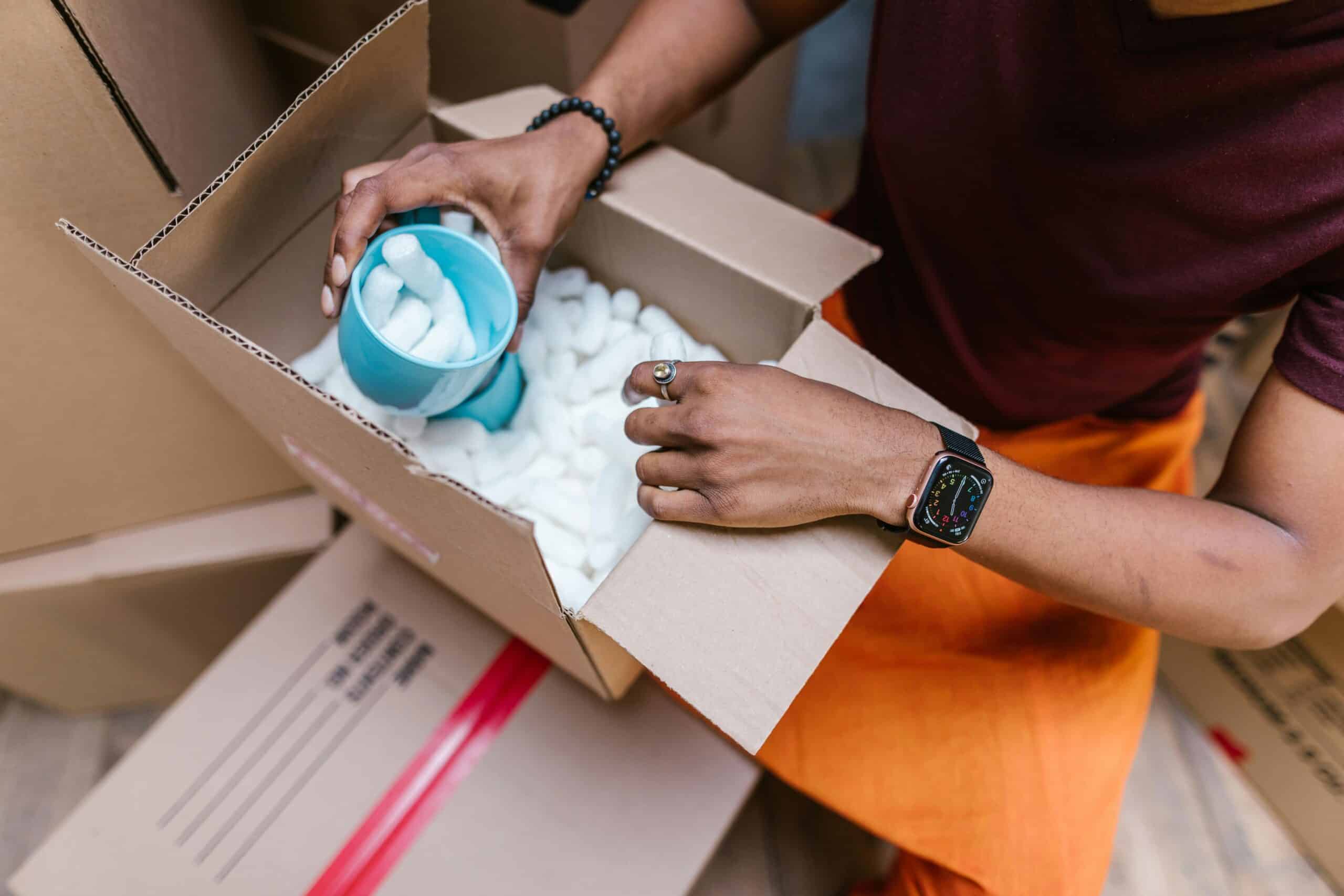
Styrofoam has been banned by many locations across the U.S. because it poses environmental risks. It remains in the environment as a pollutant because it cannot decompose. People now use cardboard and biodegradable containers as eco-friendly alternatives.
Pesticides with Endosulfan

The EPA banned Endosulfan as a pesticide after studies showed it caused harm to humans and wildlife. The use of this chemical is now banned but if you have remaining old stock, make sure to dispose of it safely to prevent harm.
Cigarette Lighters without Child-Resistant Mechanisms

Cigarette lighters without child-resistant features are banned because they can be dangerous for kids. The law requires that lighters sold in the U.S. must have a safety feature that makes them hard for young children to use.
Illegal Fireworks

Many states prohibit certain fireworks because they pose safety risks to the public. In some regions, large aerial fireworks cannot be sold or used legally because they present a serious danger of causing accidents or fires. Always check your local law before setting off any fireworks.
Disclaimer: This list is solely the author’s opinion based on research and publicly available information.
Like our content? Be sure to follow us on MSN.
Read More: