
Let’s talk speeches. Not just any speeches but those huge ones that have echoed through history and still have something to say to us today. These are the words that were so powerful that they changed the world forever. Even though some of these speeches happened decades or even centuries ago, they have some rather useful cool insights that are still relevant to our modern problems. So, here are 13 iconic historical speeches and what they have to teach us.
Featured Image Credit: xyz fotos /Depositphotos.com.
Martin Luther King Jr.’s “I Have a Dream” (1963)
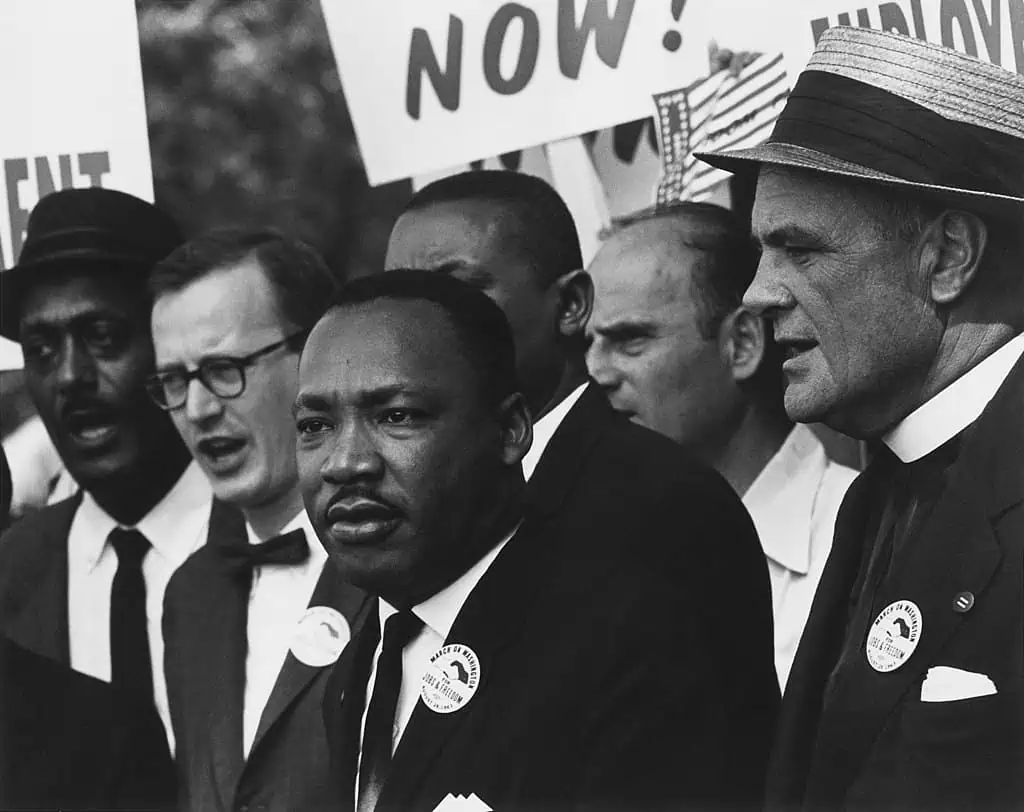
In 1963, Martin Luther King Jr. stood in front of a huge crowd and spoke about a world where everyone got a fair shot—no matter their skin color. The speech fought racism in an entirely new way. But beyond that, it told us all that we should come together. We can build a world where peace & unity aren’t just dreams—rather, they’re reality.
Winston Churchill’s “We Shall Fight on the Beaches” (1940)
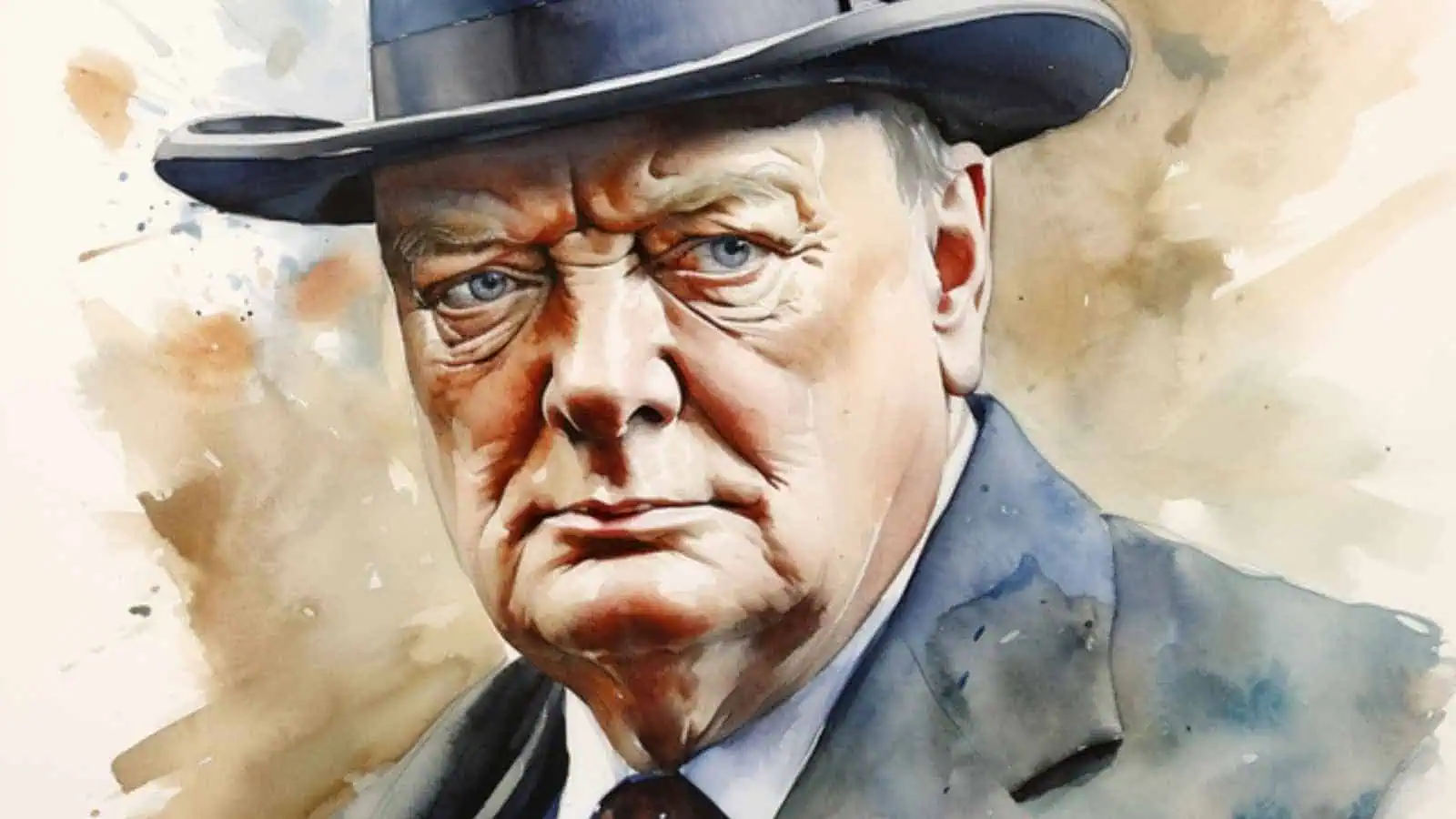
Life in Britain was difficult in 1940 due to the ongoing World War. However, Churchill’s “We Shall Fight on the Beaches” speech was a shot of courage, telling people that giving up wasn’t an option. It doesn’t matter how bad things look. Instead, we have to stand strong & face challenges head-on. Even today, we can learn from this lesson when things get tough!
Like our content? Be sure to follow us.
John F. Kennedy’s Inaugural Address (1961)

During his Inaugural Address, John F. Kennedy’s famous line about asking what you can do for your country changed the idea of public service. Really, it reminded us all to step up and contribute. Making a difference starts with us so we should take responsibility and be a part of something bigger than ourselves. And we should do it all with a bit of enthusiasm.
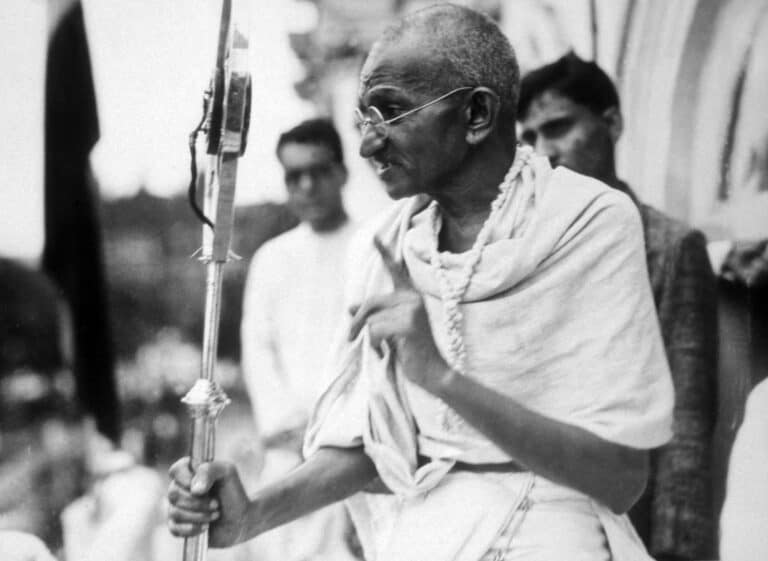
Mahatma Gandhi’s Quit India Speech (1942)

Gandhi was a big believer in non-violence and his Quit India Speech convinced people to stand up to British rule without throwing a punch. Even now, we can see the power of non-violence & how sticking to your principles can lead to massive change. You can confront any kind of oppression without resorting to violence. Believe in peace!
Susan B. Anthony’s “On Women’s Right to Vote” (1873)

Back when women voting was a foreign concept, Susan B. Anthony stood up and demanded change with her “On Women’s Right to Vote” speech. Her words taught us to constantly fight for what’s right—even when society’s against you. Eventually, Anthony’s determination and refusal to be silenced helped future generations of women to continue the struggle for their rights. Social change isn’t easy but it’s certainly worth it.
Franklin D. Roosevelt’s First Inaugural Address (1933)

During the worst parts of the Great Depression, Roosevelt told America that fear was their biggest enemy. His message was that courage & determination pull us through the darkest times. It doesn’t matter how afraid we are—how we face our fears is what defines us. Later, Roosevelt’s address helped pull the country out of economic despair.
Lou Gehrig’s Farewell to Baseball (1939)

Even as he faced a deadly disease, Gehrig’s final speech centered around gratitude and he showed us that no matter what problems we face, there’s always something to be thankful for. You have to look for the silver lining, even on the cloudiest days. Gehrig’s grace & humility in the face of a devastating diagnosis were truly a lesson in appreciating every moment.
Sojourner Truth’s “Ain’t I a Woman?” (1851)

In her “Ain’t I a Woman?” speech, Sojourner Truth dealt with both racism & sexism head-on, using her own life as an example that women of color face twice the hurdles. As such, we should fight against all forms of inequality. We can still see the importance of fighting oppression in support of equality to this day.
Elie Wiesel’s “The Perils of Indifference” (1999)

Speaking from his heart and his painful experiences in the Holocaust, Elie Wiesel warned against being indifferent to other people’s differences with his “The Perils of Indifference” speech. From his words, we can see why it’s so important to care & to act. Just standing by silently is as harmful as doing wrong—we have a collective responsibility to stand against injustice.
Queen Elizabeth II’s “Annus Horribilis” Speech (1992)
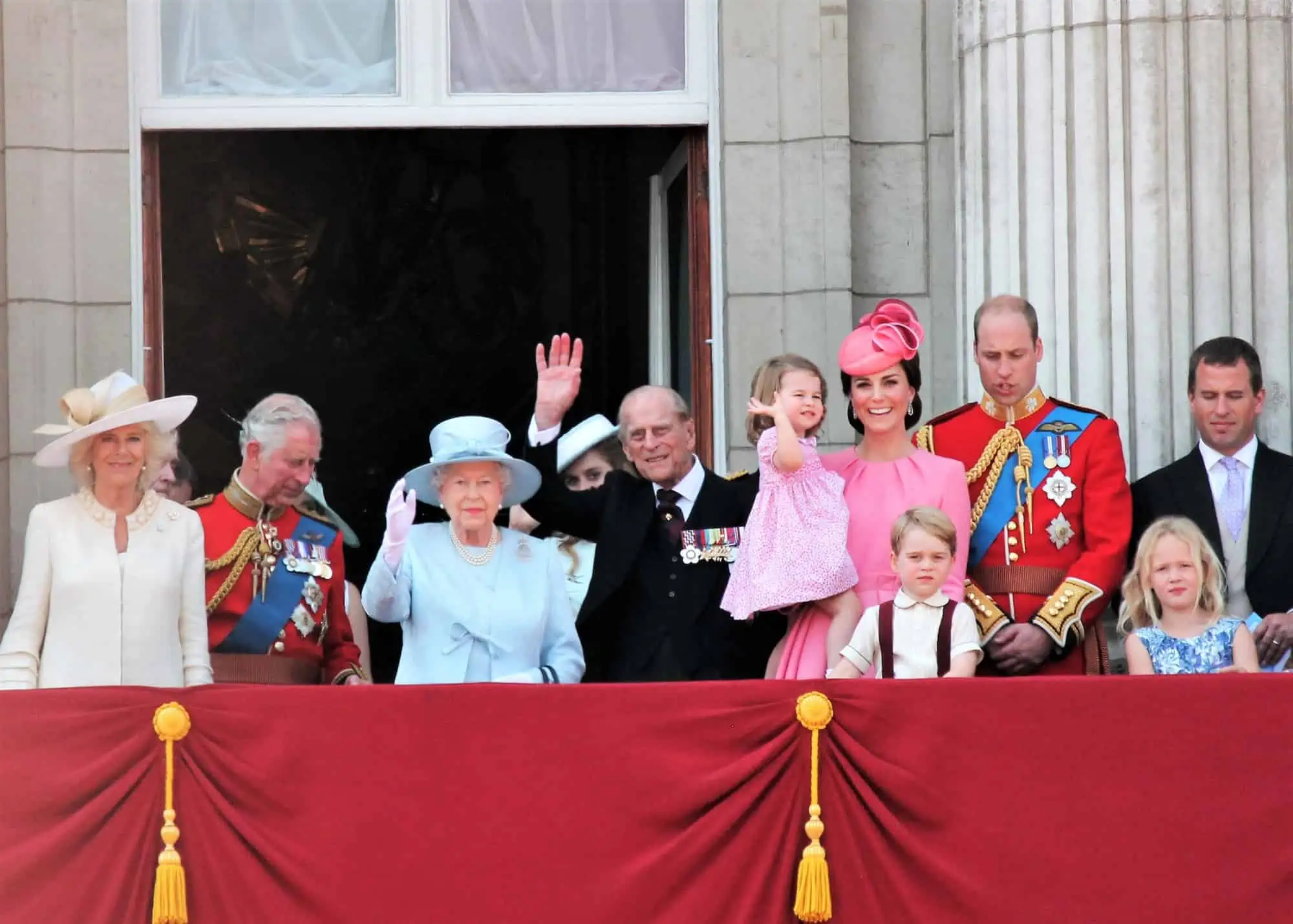
In a year full of personal and public challenges, Queen Elizabeth II refused to hide. Instead, she acknowledged the struggles and showed that it’s possible to face them head-on with her Annus Horribilis” speech. She taught us to be resilient. Most interestingly, the Queen gave us a look into her personal reflections on adversity, showing that nobody is immune to difficulties.
Barack Obama’s “Yes We Can” Victory Speech (2008)

In 2008, Barack Obama gave his iconic “Yes We Can” victory speech that taught everyone about hope & change. He urged everyone to come together to make a difference. In doing so, he told the American people to join him in shaping a better future by focusing on hope & collective action. We can make positive changes in our community and beyond, too.
Cesar Chavez’s “End of Fast” Speech (1968)

Cesar Chavez was a leader in the labor movement who ended a 25-day fast with a speech on workers’ rights. Beyond that, he gave us a sense of respect in the struggle for justice. Chavez showed that change doesn’t have to come from anger or violence but rather it’s patience & peaceful protest. Respect for all humanity creates real progress.
Emma Watson’s HeForShe Campaign Speech (2014)

In 2014, Emma Watson stood up at the UN and introduced the HeForShe campaign. However, she didn’t just speak to women—she invited men to join the fight for gender equality by breaking down the idea that feminism is only for women. We should get involved to support each other. Why? Because equality benefits us all, regardless of gender.
Disclaimer: This list is solely the author’s opinion based on research and publicly available information.
Like our content? Be sure to follow us.
Read More:


