

Long before modern medicine, folks didn’t head to the drugstore when they were sick, they went to the kitchen. With whatever they could find on hand, family recipes turned ordinary foods into medicinal remedies. Soups, pies, porridges, and breads were all cooked to cure illness, provide energy, or help a person recover. Oddly enough, many of those old-time remedies are still among our favorite comfort foods today. Here are 11 American dishes that began as medicine.
Chicken noodle soup
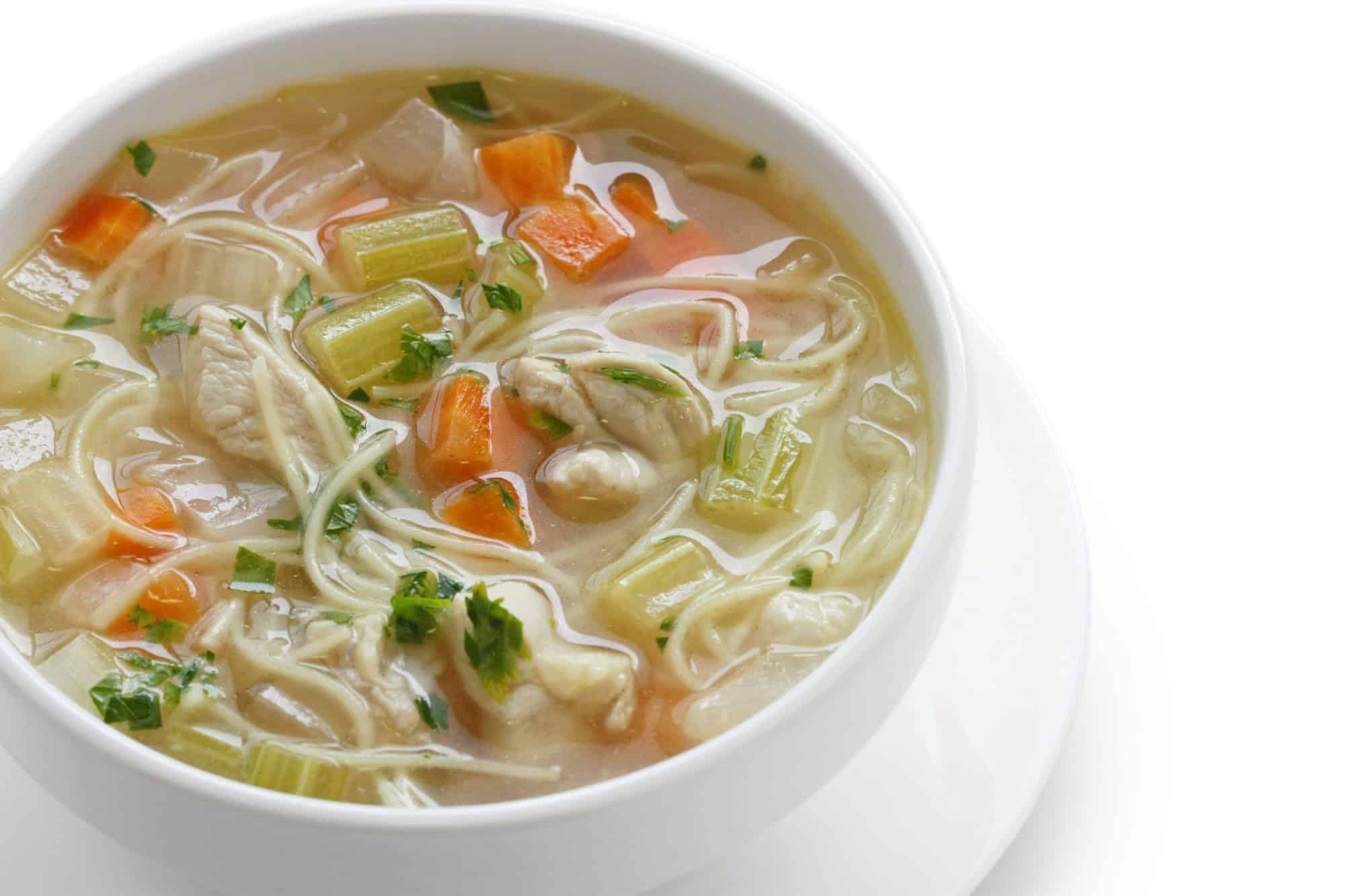
I find the history of chicken noodle soup quite fascinating to read. American colonists took recipes for noodle dishes from Europe and combined them with native American wisdom in the value of broths as medicine.
Slow-cooked, tender chicken released protein to the broth. Noodles softened with vegetables, creating a hearty, restorative meal for body and soul. Families gathered, leaning over bowls, comforted by the warmth and nutrition and by the knowledge that the soup might help fight fevers and colds, that in fact, its aroma was as much medicine as its ingredients.
Cornmeal mush
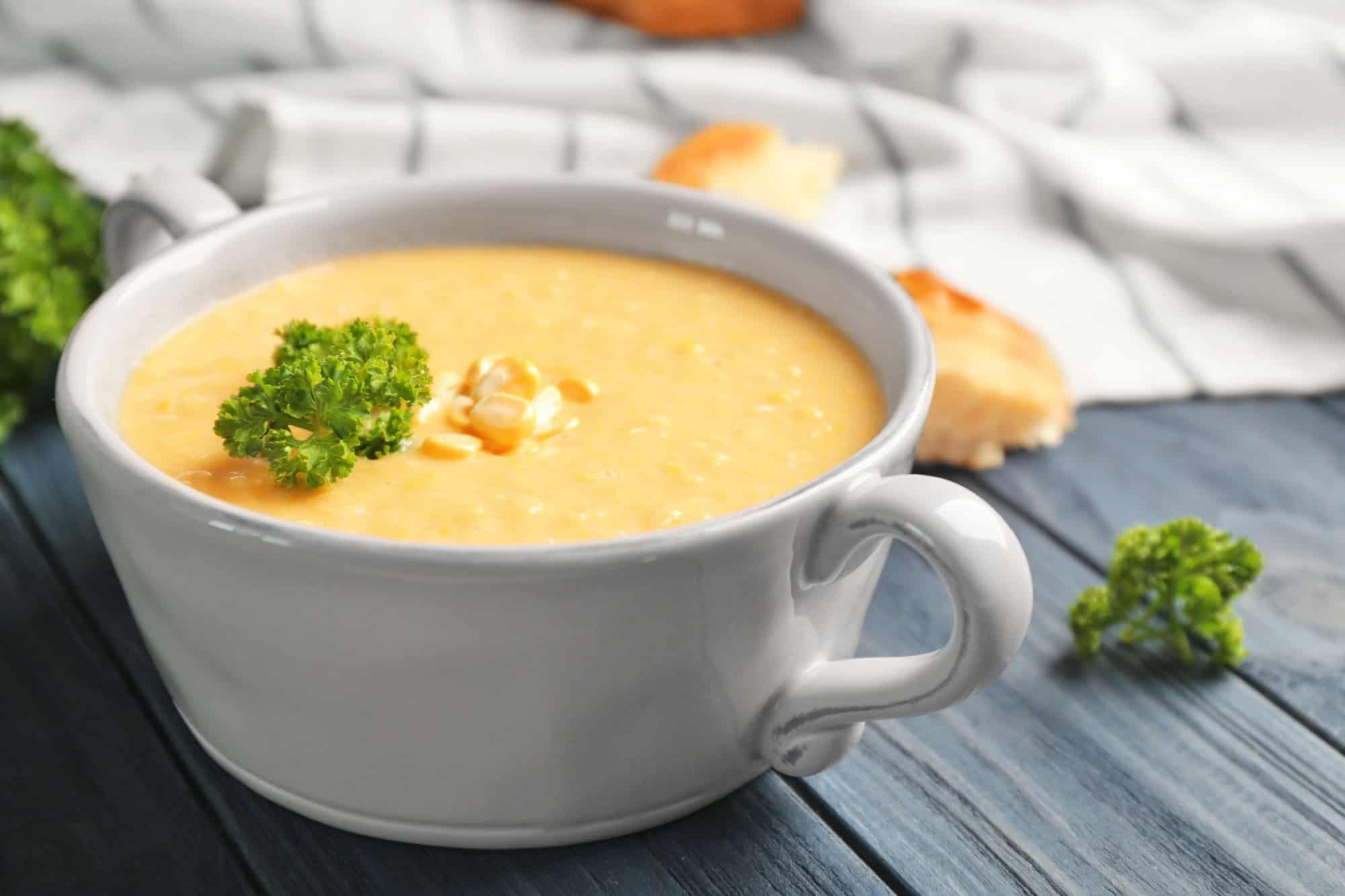
Corn was easy to cultivate and store. When boiled, cornmeal made a soft mush easy on the digestive system. Native Americans taught the first settlers how to use it to soothe upset stomachs. Sweetened, mixed with milk, or plain, it gave energy without irritating tender stomachs. This dish shows the sensible cooking practices of colonial kitchens.
Apple cider vinegar pie
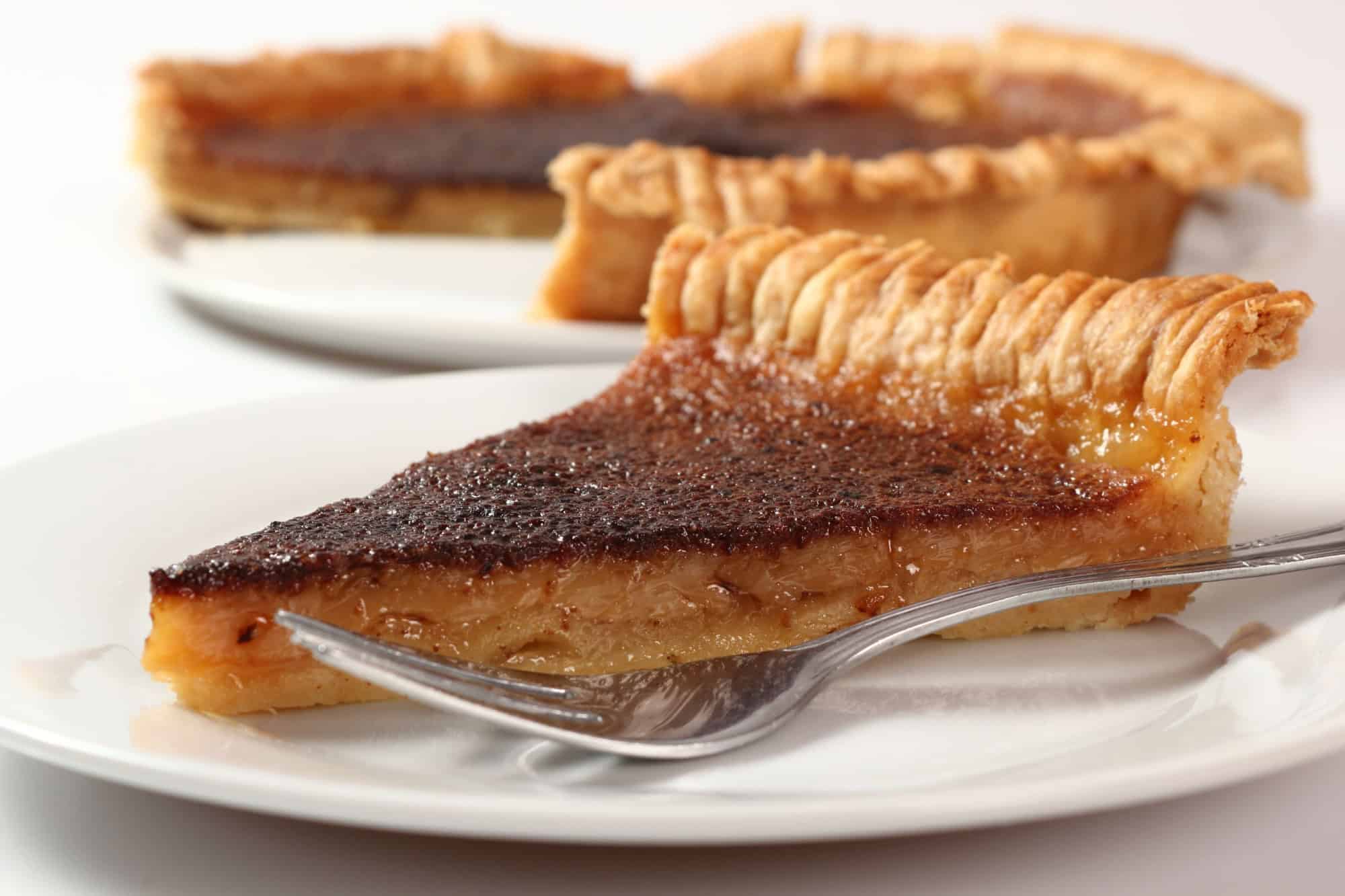
Apple cider vinegar was considered a household tonic to help with digestion and ward off infection. Colonists found out that by adding sugar and spices to the vinegar and baking it in a pie, it became quite tasty. What started as a bitter medicine became a daily dessert to keep the family from falling ill and to cure sweet tooths.
Molasses gingerbread

Early Americans were devoted to molasses gingerbread for reasons beyond flavor. Ginger eased indigestion and molasses provided energy and iron. It was a sweet source of calories to help people stay warm during winter months.
Hot toddy (whiskey-based)

The hot toddy is a reflection of the early Americans’ resourcefulness. Treating a number of symptoms simultaneously with alcohol, honey, lemon, and hot water was practical: it warmed a person up, it soothed a person’s throat, and it helped fight off infection. It was useful where doctors were scarce, as it was comforting, at least slightly medicinal, and portable.
Cornbread and honey
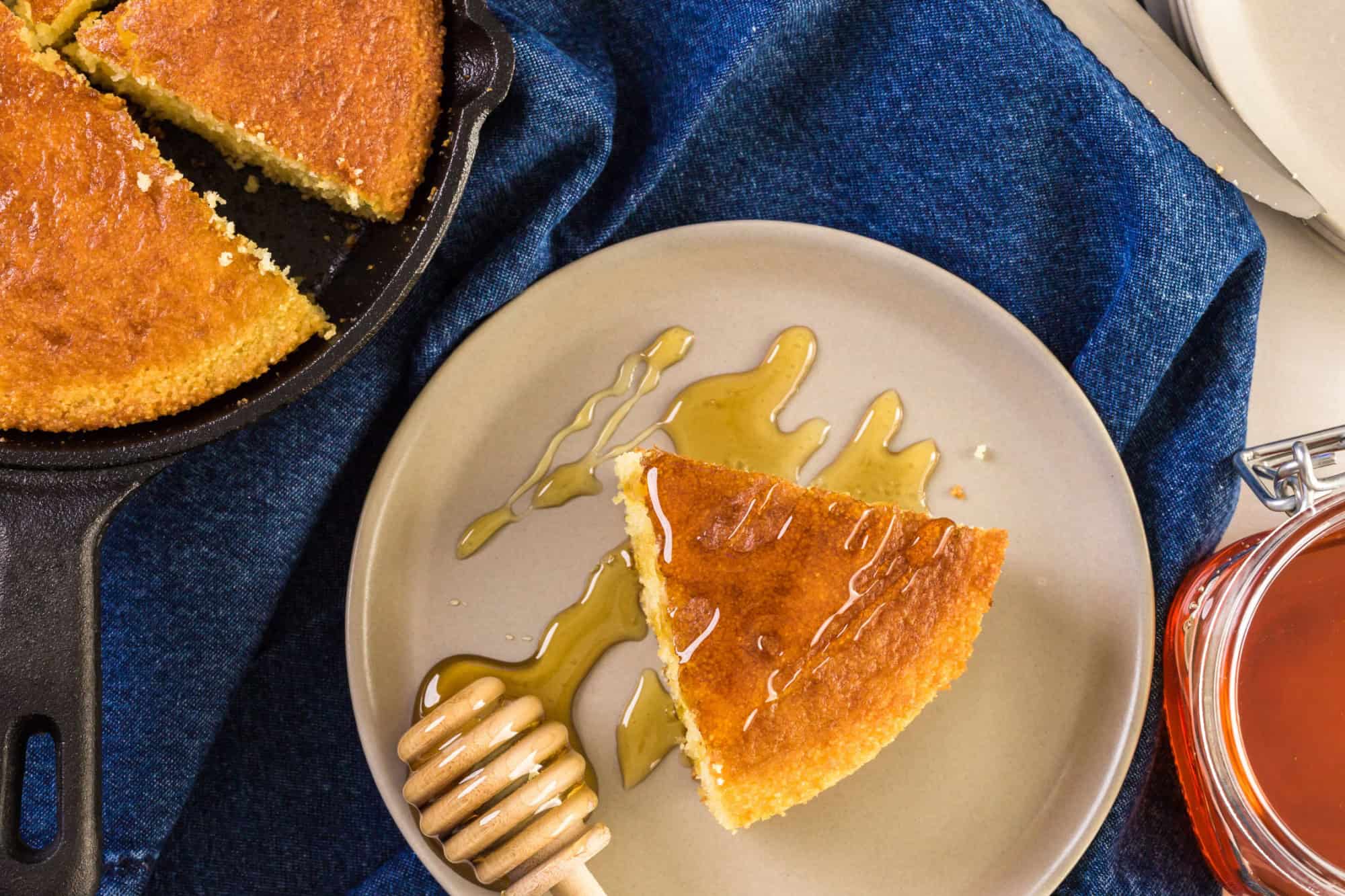
Cornbread was on almost every table in those days. Honey made cornbread even tastier. The sweet taste wasn’t just for flavor. It helped give you an instant energy boost, too. Honey helped with digestion as well. Native Americans had established a number of corn uses that linked food and medicine. Settlers continued many of these traditions. A slice of honey-dipped cornbread was an easy, cure-all recipe.
Chicken pot pie
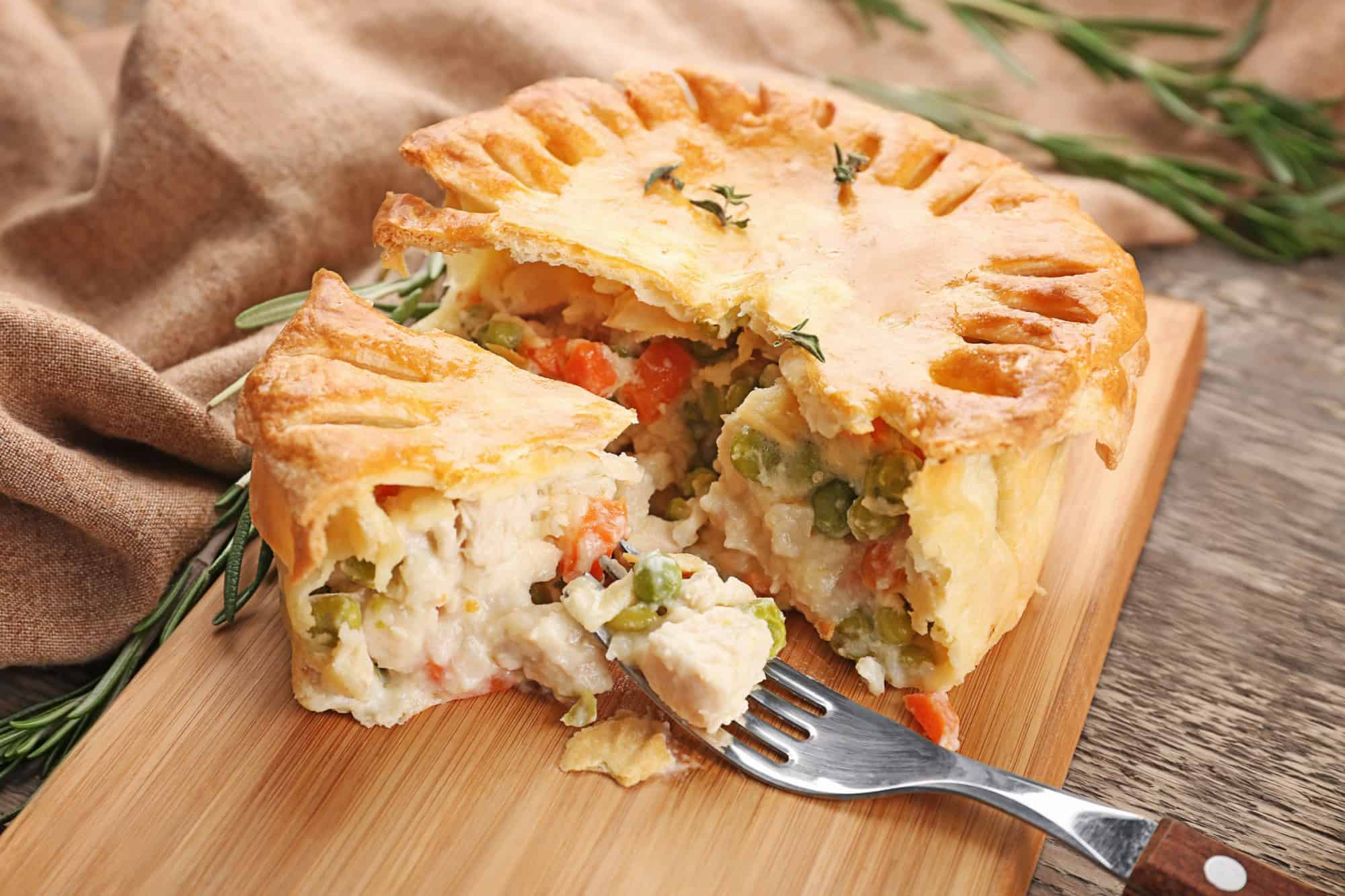
Chicken pot pie became a comfort food since it was a nutritional as well as convenient food. Chicken was a source of protein that wasn’t heavy on the stomach. The combination of vegetables offered vitamins. It was flexible with the ingredients being whatever was on hand, making it both practical and replenishing for families throughout early America.
Buttermilk biscuits

These hot biscuits were fluffy inside, crisp outside, and had a tang from buttermilk. That tang was not just flavoring, it was from fermentation, thought to help digestion. Some families put them on the table for that reason as well as for taste. For a weak or sick person, these buttermilk biscuits were soothing and supportive.
Pumpkin pie
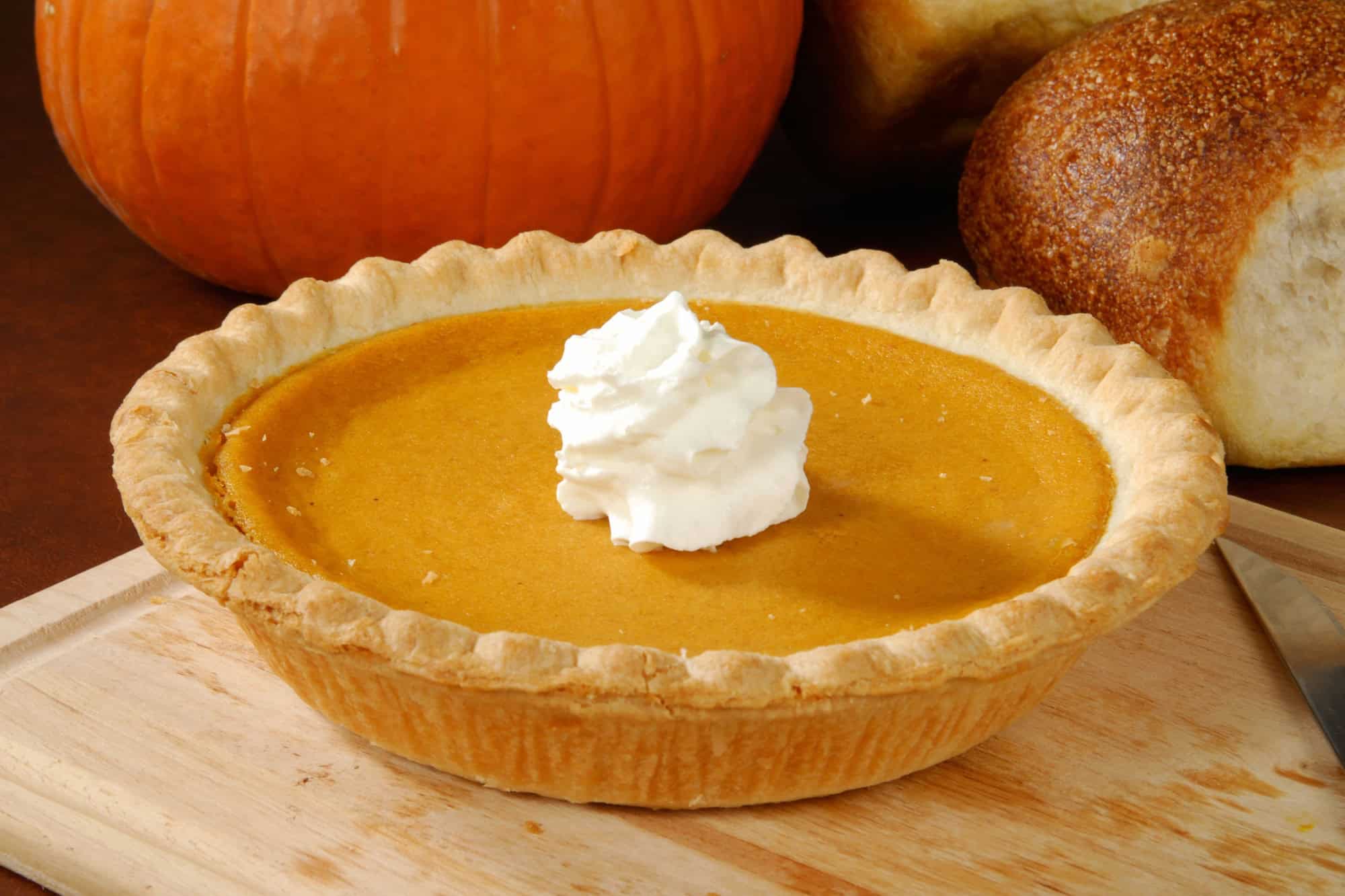
Native Americans and colonists grew pumpkin between their corn and beans. Pumpkins fed families through the winter. Colonists used it in pies with added spices for flavor. But they also added the spices for their medicinal properties. A piece of pumpkin pie pie, therefore, was both a treat and a way to take in vitamins, aid digestion, and calm inflammation.
Oatmeal porridge
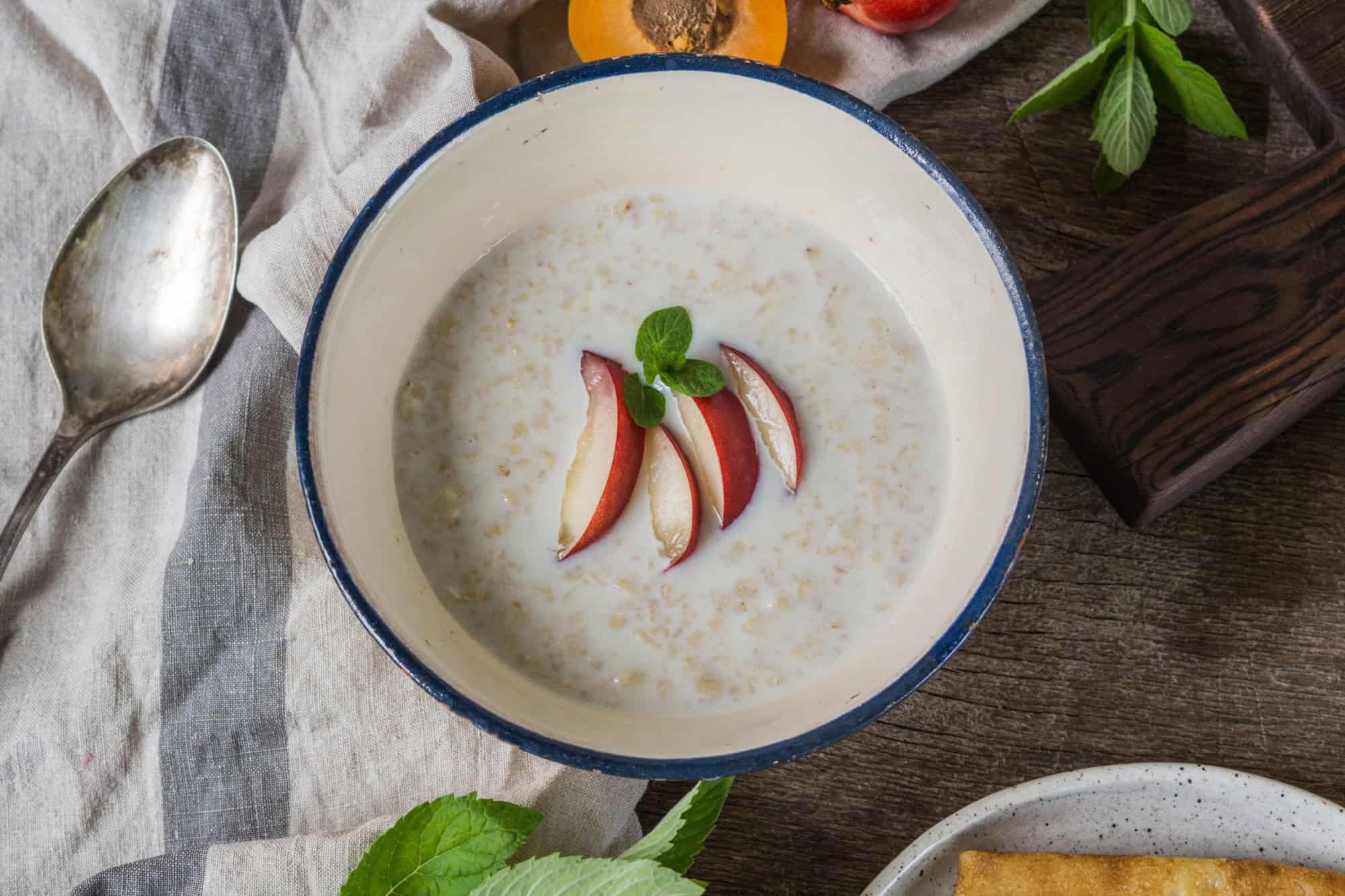
Settlers depended on the plain old oatmeal porridge. Boiled in water or milk, oats made a mild dish that children, the elderly, or the ailing could manage. Sweetened with molasses or dried fruit, it was both wholesome and soothing. When little appetites could not face a substantial meal, porridge was a quiet answer to recovery of strength.
Clam chowder

Clam chowder started out as a recovery food for people along the coast. Clams gave nutrients, potatoes filled you up, and the broth rehydrated after hard work. Fishermen especially leaned on it after long days. Eventually, it went from being just practical medicine to a famous New England favorite.
Sources: Please see here for a complete listing of all sources that were consulted in the preparation of this article.
Like our content? Be sure to follow us.


