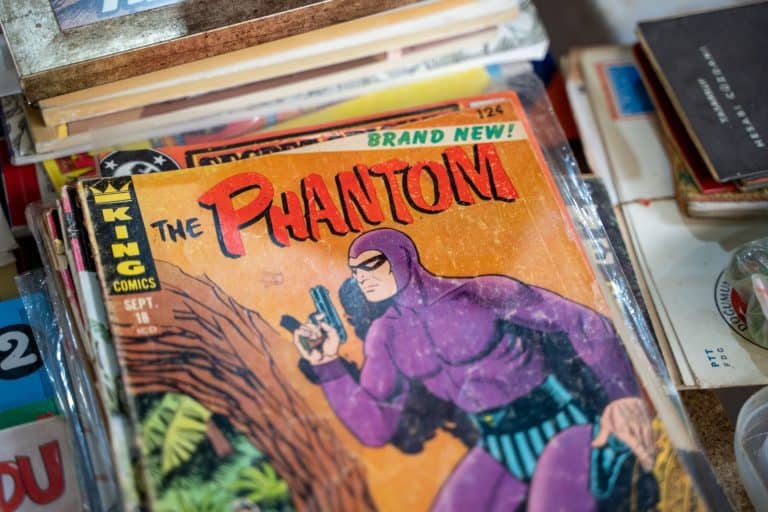

There was a time in the late ’40s & ’50s when people didn’t see comic books as cheap entertainment for kids. Nope, they were something dangerous. Cities passed laws against them & churches held bonfires, while senators hauled publishers into hearings. Shopkeepers could even be fined or jailed just for selling the “wrong” titles.
So what exactly were the rules? What were the punishments? Why did these laws happen? And how did things change?
Featured Image Credit: Shutterstock.
Key takeaways
Here’s what you’ll find out:
- The panic that kicked things off
- What local & state governments actually put into law
- The strict industry code publishers had to follow
- Examples of real punishments & confiscations
- How court cases eventually unraveled these rules
The spark (1948–1954)

By the late 1940s, comic books had become extremely popular, especially with crime & horror titles featuring bloody covers & lurid villains. But that didn’t sit well with everyone. Many parents and lawmakers were against comic books.
This criticism of comic books really began with psychiatrist Fredric Wertham. In 1954, he published the book Seduction of the Innocent, which claimed that comics were fueling juvenile delinquency. Soon enough, his ideas caught fire with the press & gave fuel to politicians looking to act.
Communities also joined in with public displays. In 1948, kids in Binghamton, New York, collected stacks of comics & threw them into a bonfire behind a Catholic school. Other towns staged similar comic book burnings around the same time.
In 1954, the U.S. Senate held hearings on juvenile delinquency. What was at the center of this debate? Comic books. Publishers like EC’s William Gaines were questioned on their comic book covers that were filled with gore.
The new rules

On a governmental level, Los Angeles County was the first to actually make these criticisms into law. It passed an ordinance in 1948 that banned the sale of certain “crime” comics to minors. Anyone who broke the law could face up to six months in jail or a $500 fine.
Other cities didn’t waste time copying the idea. By the end of 1948, around 50 places, including Chicago & Topeka, had passed their own ordinances banning comic books.
State governments also became involved. Connecticut passed Public Act 498, which banned crime & horror comics for anyone under 18. Oklahoma’s law went further. It allowed local officials to seize & confiscate comics they thought broke the rules.
The industry’s self-censorship
It was clear that, after the Senate hearings, publishers had to do something, or else the government would go even further. This led to the Comics Code in 1954. Essentially, this was a set of strict rules that every book had to pass before getting a seal of approval. These included:
- No titles with the words “horror” or “terror”
- No glamorizing criminals
- No excessive violence, gore, or gruesome scenes
- Authority figures couldn’t be mocked or disrespected
This wasn’t the first time publishers had tried to make comic rules. In 1948, they had attempted to make a trade code, but it hadn’t stuck. This one did. Publishers either followed it or risked having their books pulled off shelves. It was as simple as that.
A note on the United Kingdom
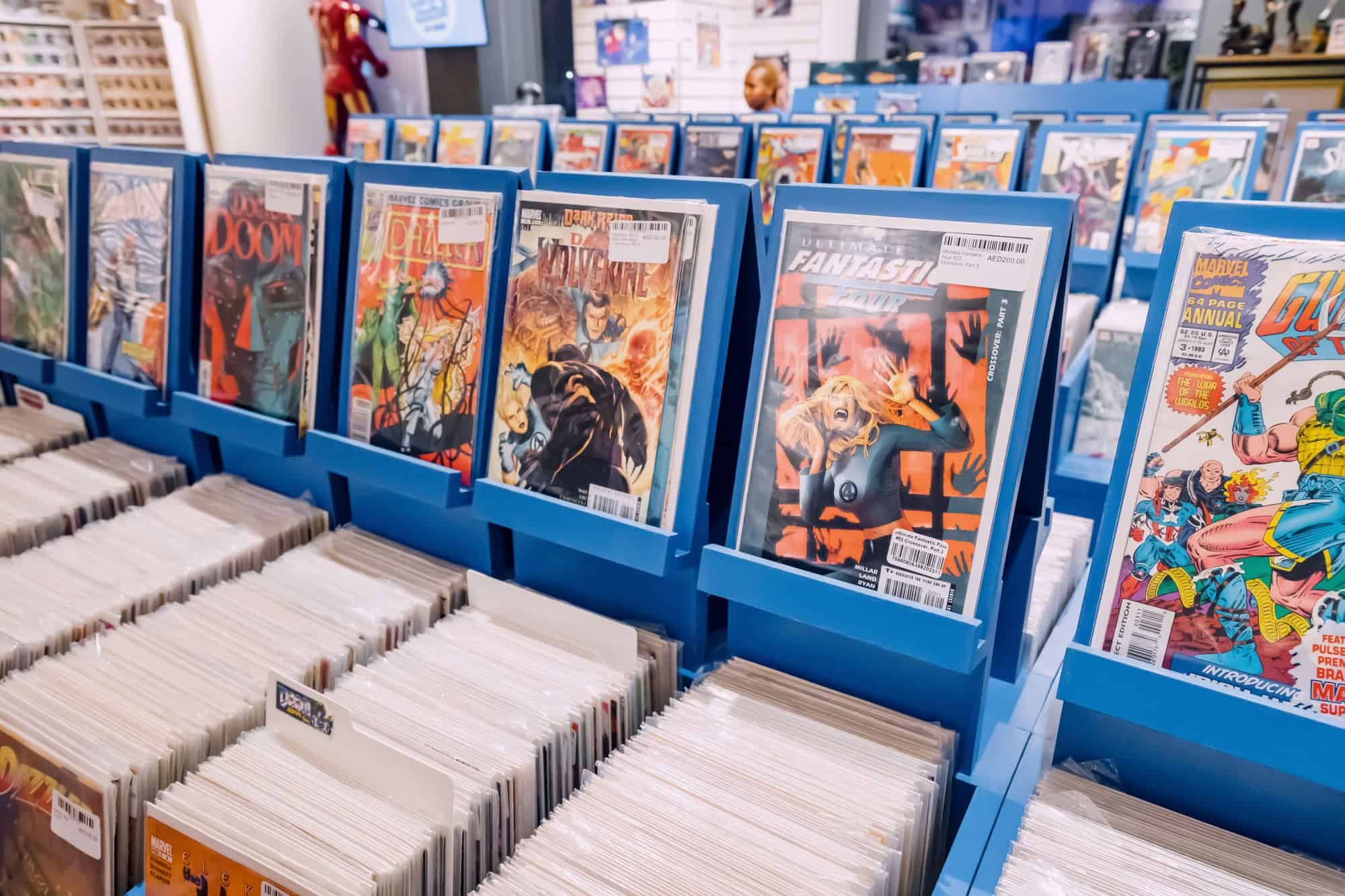
However, the panic wasn’t simply in America. In 1955, the United Kingdom passed the Children and Young Persons (Harmful Publications) Act, which made it illegal to print, sell, or even possess certain comic-style books for sale. This law covered any comic books that showed crime or violence. In fact, it even gave officials the power to seize books & ban imports.
Underground comix
By the mid-60s, some younger artists had had enough of the Comics Code, as they didn’t want someone in an office telling them what words they could use or what kind of story was “appropriate.” But they didn’t fight through the system. Nope, they skipped it completely & started making their own books.
These were known as “underground comix,” & you could only find them in head shops or passed around by mail. Some people sold them out of backpacks. The whole point was that they didn’t have the Code’s stamp of approval. And that was the appeal.
One of the biggest examples was Zap Comix in 1968, edited by Robert Crumb, which didn’t tiptoe around the rules at all. The stories were raw & personal. They were also political & sexual. Essentially, stuff you’d never see under the Code.
Other cartoonists joined in. Soon enough, collectives put out books together, like the Cartoonists’ Co-op Press in San Francisco in the early ’70s. Women also got involved, creating Wimmen’s Comix in 1972. This gave a platform to voices that mainstream publishers hadn’t let in before.
Of course, police did raid a few shops now & then. They called the books obscene. But really, that only gave them more attention.
When it changed (1957–1959)
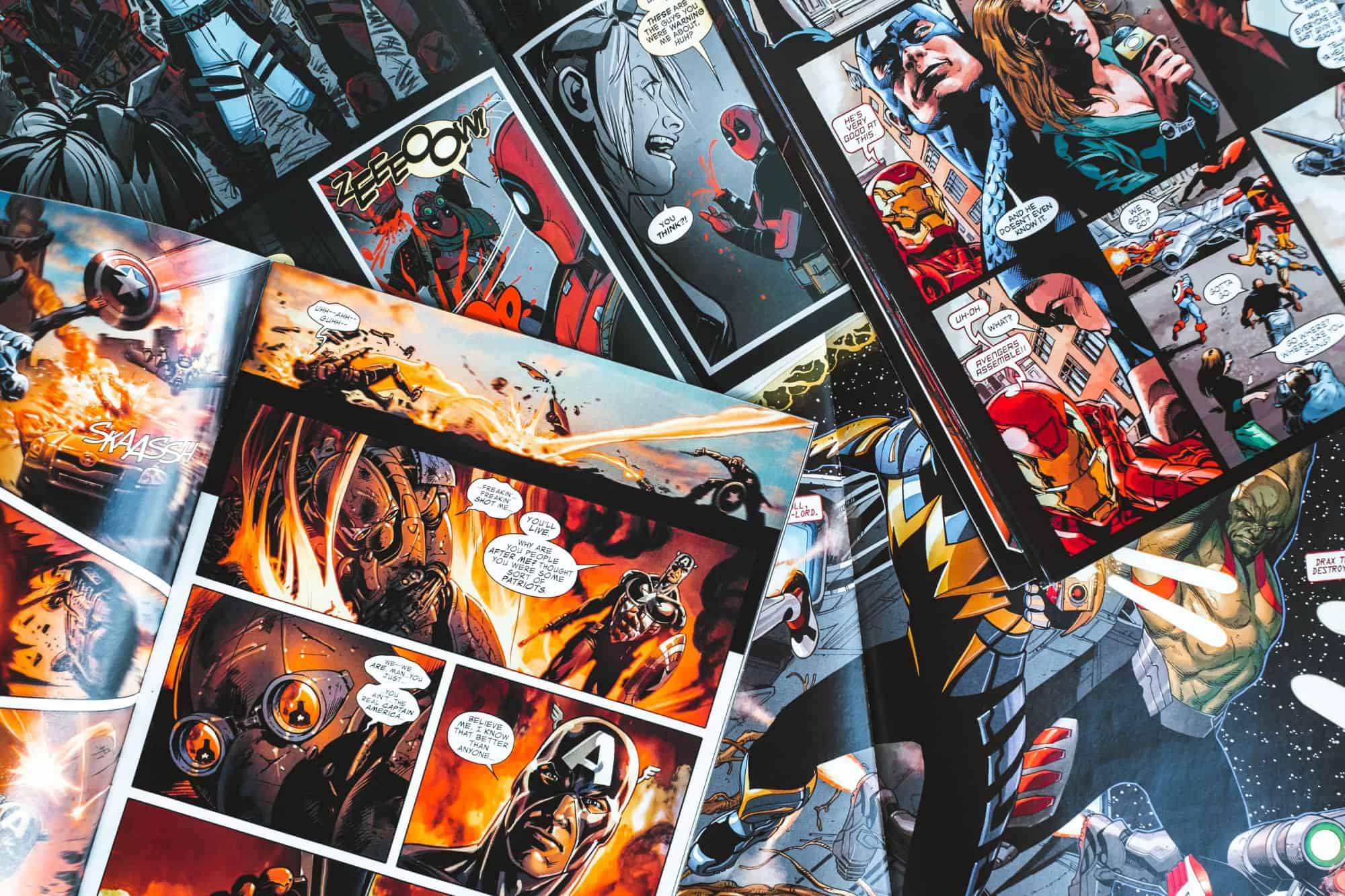
So when did things change? Well, not everyone agreed with the comic book bans even at the time & there were some exceptions to the rule.
In 1948, the Supreme Court warned against vague “crime literature” bans in the case Winters v. New York. Just under a decade later, Butler v. Michigan struck down a law that limited what adults could read to only what was safe for kids. California’s Supreme Court also threw out Los Angeles County’s ordinance in Katzev v. County of Los Angeles.
By the end of the ’50s, the laws softened & enforcement faded. The Comics Code still stuck around for decades. Even so, the era of treating comics like dangerous goods finally fizzled out.
Sources: Please see here for a complete listing of all sources that were consulted in the preparation of this article.
Like our content? Be sure to follow us.

