

While we all want to keep our children safe, sometimes danger lurks in unexpected places & we overlook the everyday items that are secretly harmful.
Air Fresheners

Air fresheners might make your home smell nice but they often contain chemicals like phthalates & formaldehyde. These substances may affect your child’s respiratory system, with regular exposure leading to allergies or asthma symptoms—even if your child hasn’t had breathing issues before. You should check the labels & perhaps consider natural alternatives to keep the air clean.
Laundry Detergent Pods
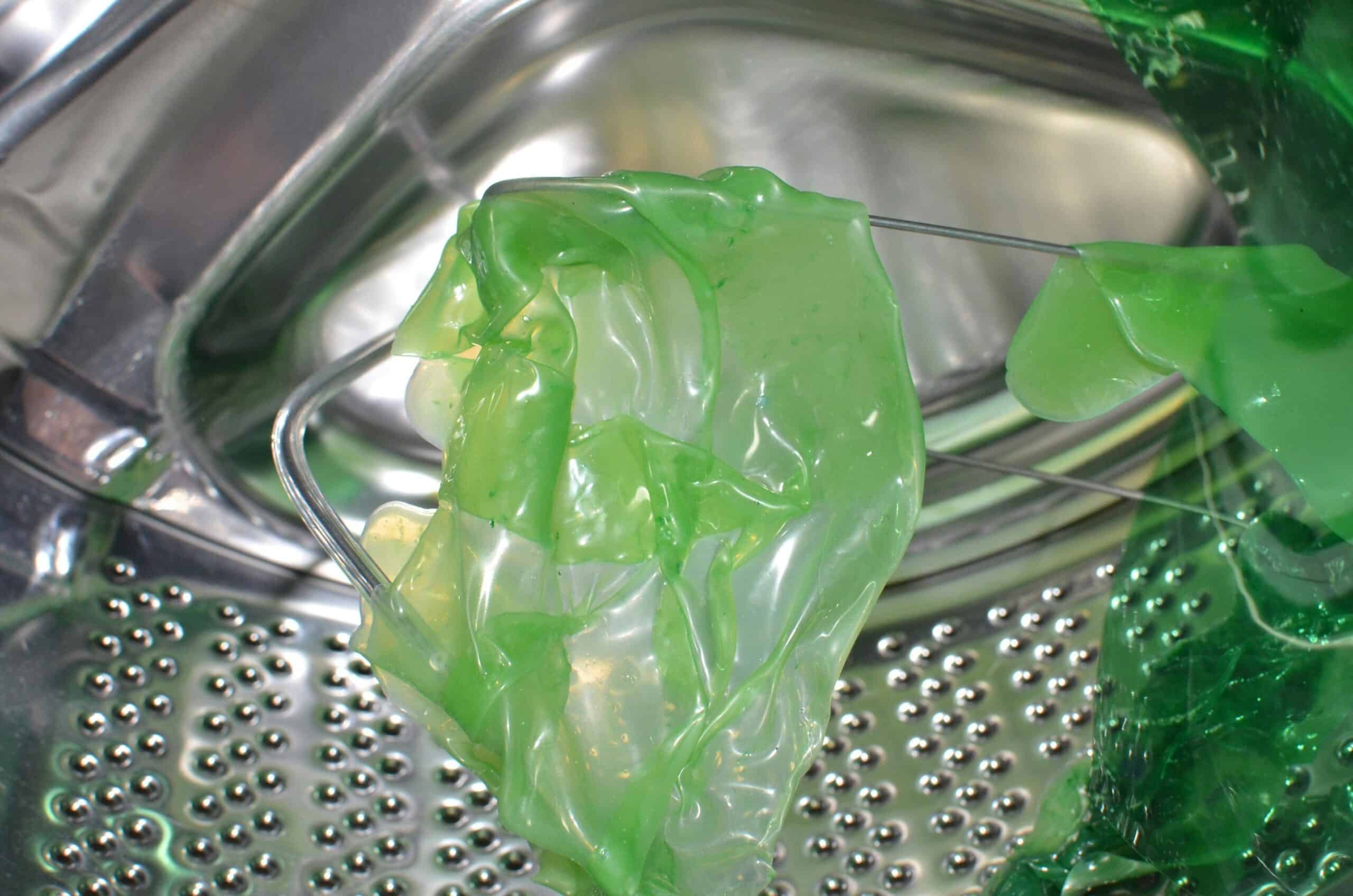
You might know that detergent pods are dangerous yet those colorful, squishy pods look like candy to curious little ones. They might eat them and this’ll cause serious poisoning. Unless you want your kids to suffer from vomiting or severe internal burns, you should store them out of reach & in child-proof containers.
Button Batteries
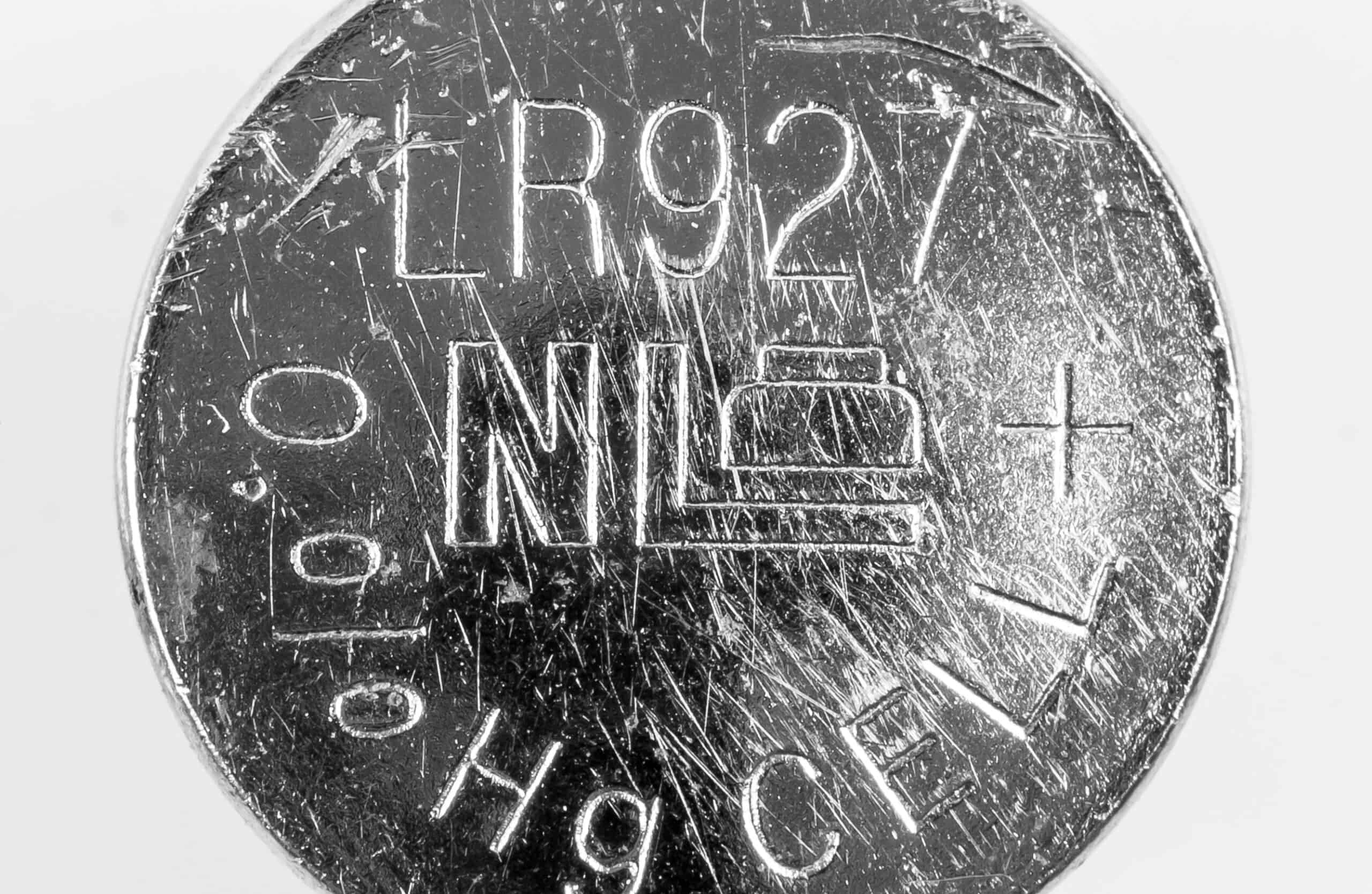
Likewise, button batteries are in many household items like remotes & watches—and they’re easy for children to swallow. Doing so causes chemical burns in the esophagus within hours, which may become life-threatening. You should keep all devices with button batteries secured and dispose of old batteries safely.
Certain Houseplants
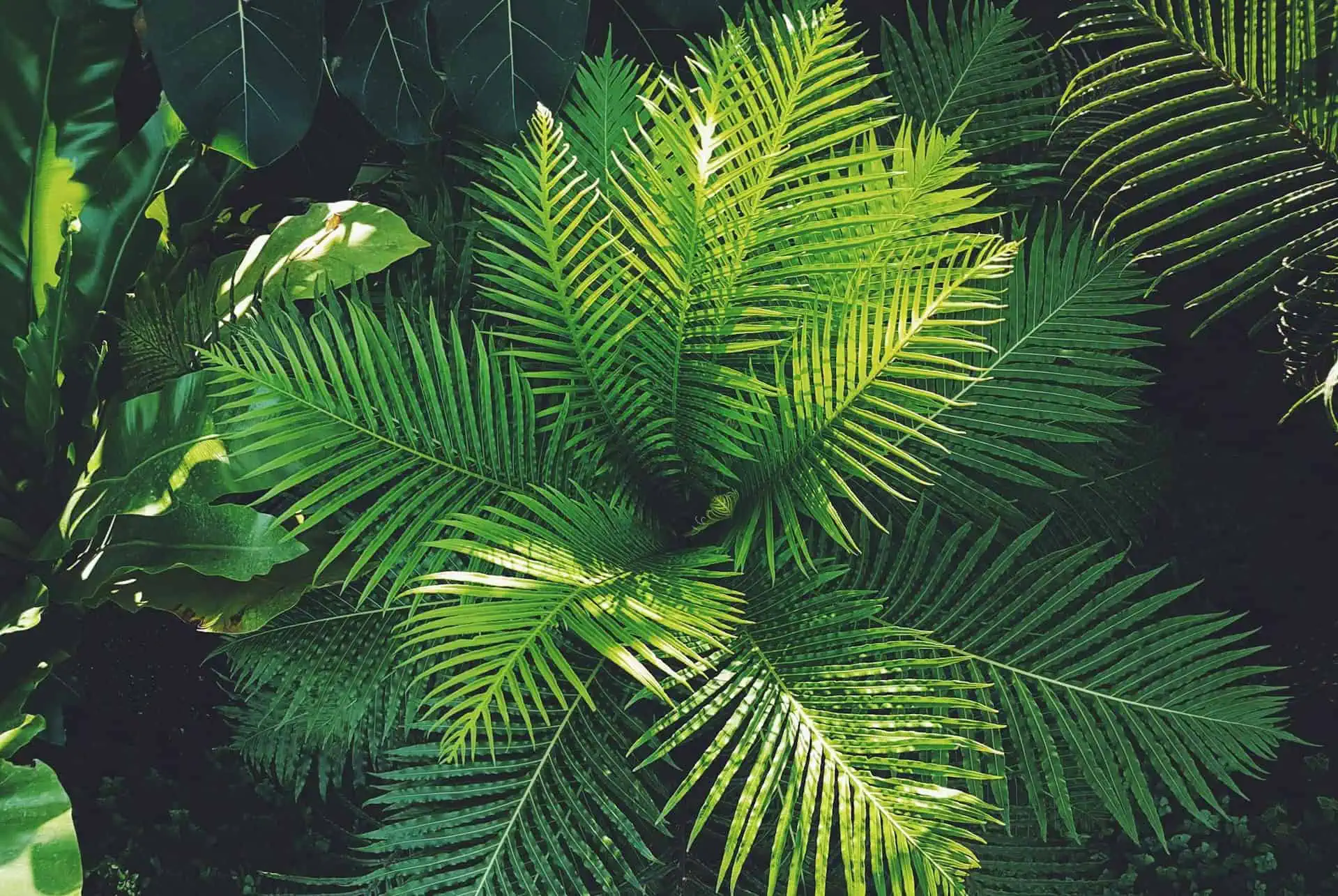
Lots of common houseplants are toxic if eaten, including philodendrons & peace lilies. Unfortunately, kids are often tempted to nibble on leaves and this results in stomach upset, skin irritation or more severe reactions, depending on the plant. As such, it’s a good idea to research your plants & keep potentially harmful ones out of reach.
Hand Sanitizers
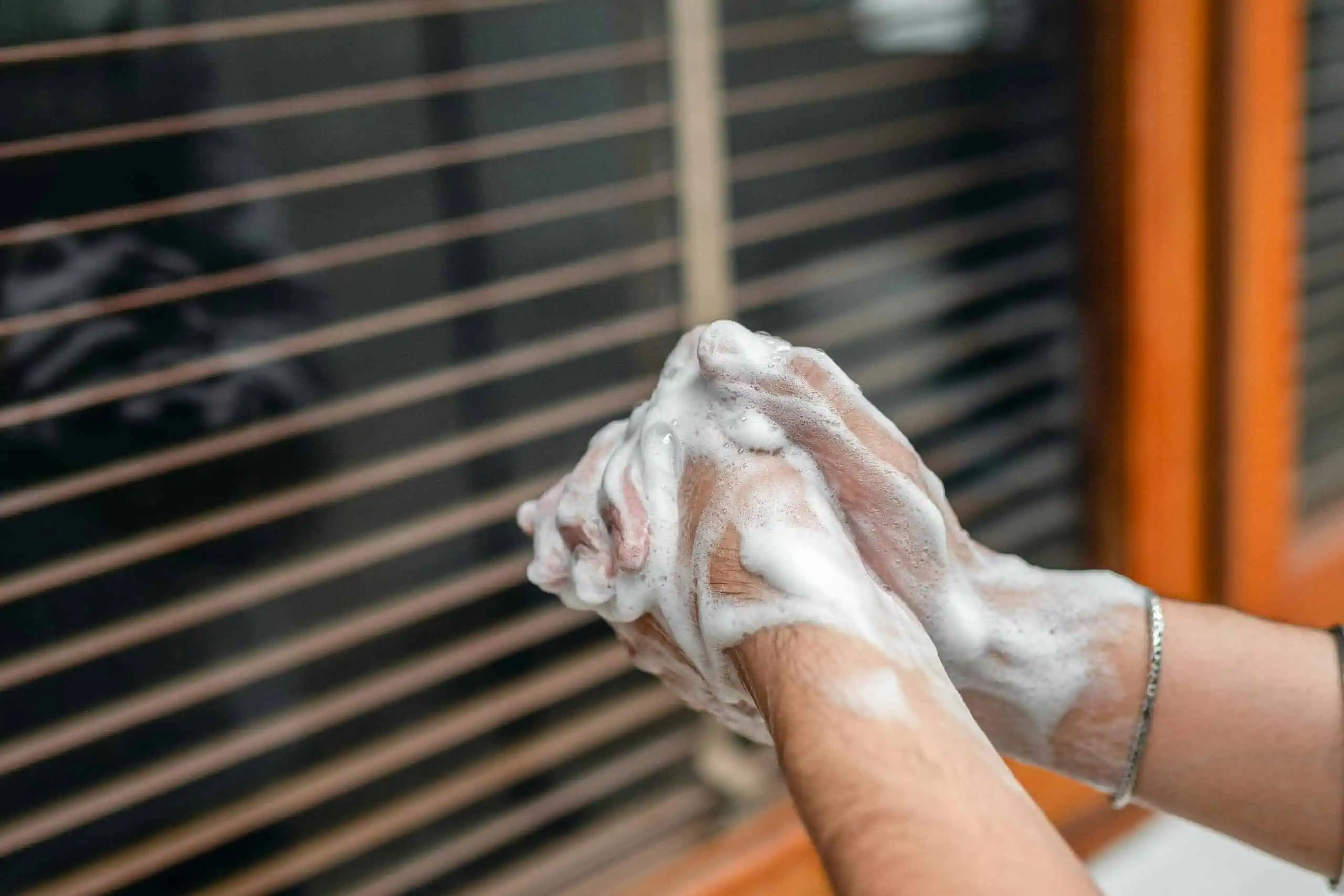
Of course, hand sanitizers are useful for killing germs—but many are alcohol-based and are dangerous if swallowed. Even small amounts may lead to alcohol poisoning in children which includes dizziness & slowed breathing. That’s not to say you stop kids from keeping clean, but make sure you supervise them or go for non-alcohol-based sanitizers when possible.
Antibacterial Soaps

Similarly, some antibacterial soaps contain triclosan that might disrupt hormone function in children, with overuse also contributing to antibiotic resistance. This makes infections harder to treat—you should stick to regular soap & water instead. It’s just as effective for keeping little hands clean without the added risks!
Essential Oils
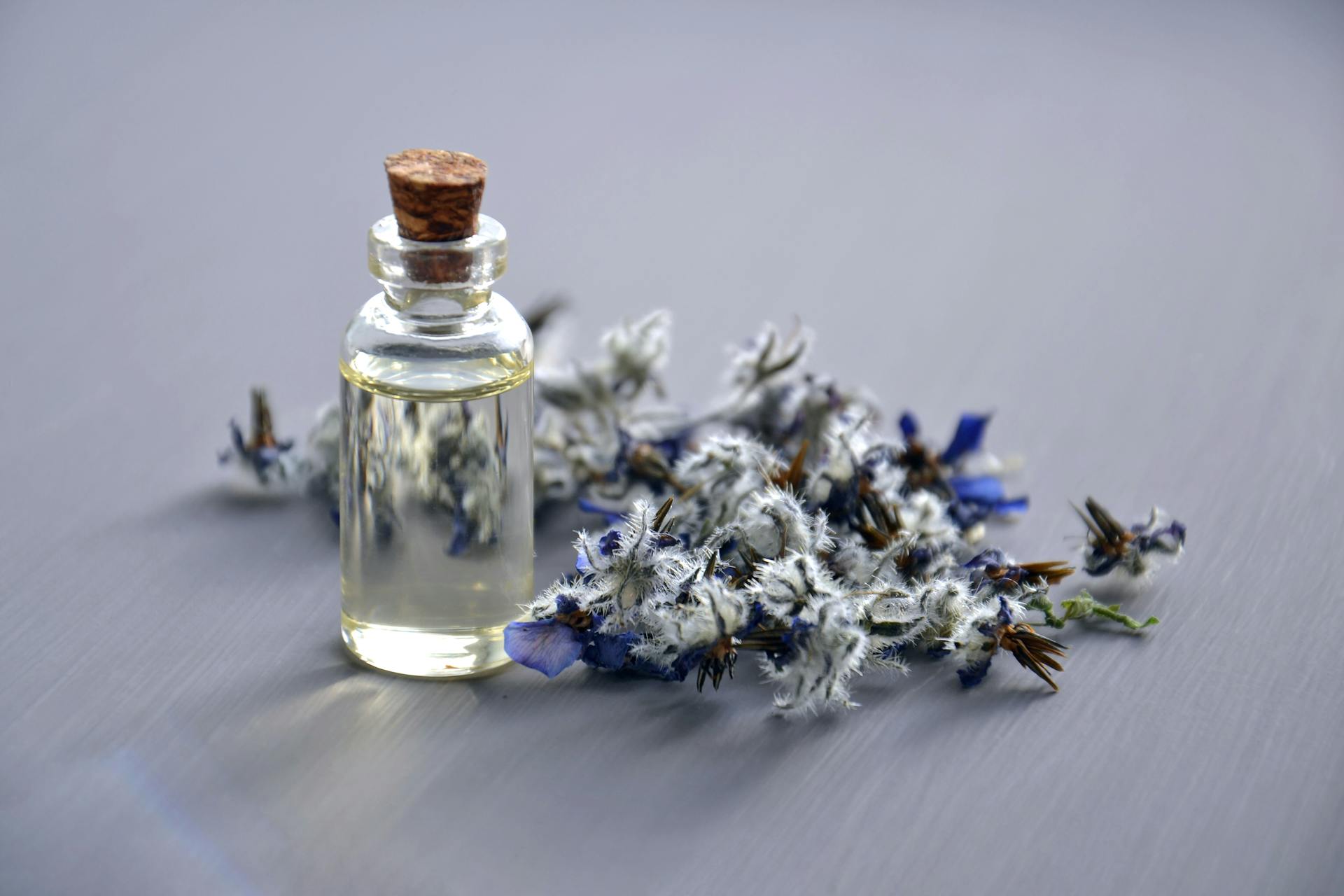
Many people don’t realize how toxic natural things like essential oils may be and especially those like eucalyptus & tea tree. Applying undiluted oils to the skin might cause skin irritation—ingesting them is worse because it often leads to breathing problems & seizures. Instead, you should always dilute oils properly and store them safely away from children’s reach.
Art Supplies

Even though art time can be fun, some paints, glues & markers make it less so since they might contain solvents or heavy metals. Ingesting them may cause your kids to experience headaches & nausea—absorbing them through the skin is just as bad. You’re better off looking for non-toxic art supplies while also making sure to supervise arts and crafts activities closely.


