Dads. They mean well (most of the time), but let’s be real—they’ve left some of us with issues. Maybe it’s their old-school ways or their “tough love” approach, we’re still deciphering it all. Gen Z and Millennials love to vent about these paternal issues and even find it therapeutic. Here’s a look at those classic dad habits that continue to annoy us or prompt us to book therapy appointments.
Featured Image Credit: RDNE Stock project /Pexels.com.
The “Emotionally Unavailable” Dad

He might have stood by you physically, but emotionally he might as well have been living on another planet. Good grades earned your father’s nod of approval but never the words “I’m proud of you” – his emotional neglect forced you to handle your feelings alone. Many millennials and Gen Zers now attend therapy sessions to learn about connecting with their emotions while understanding the difficulty of escaping their parents’ emotional detachment.
The “Workaholic” Dad
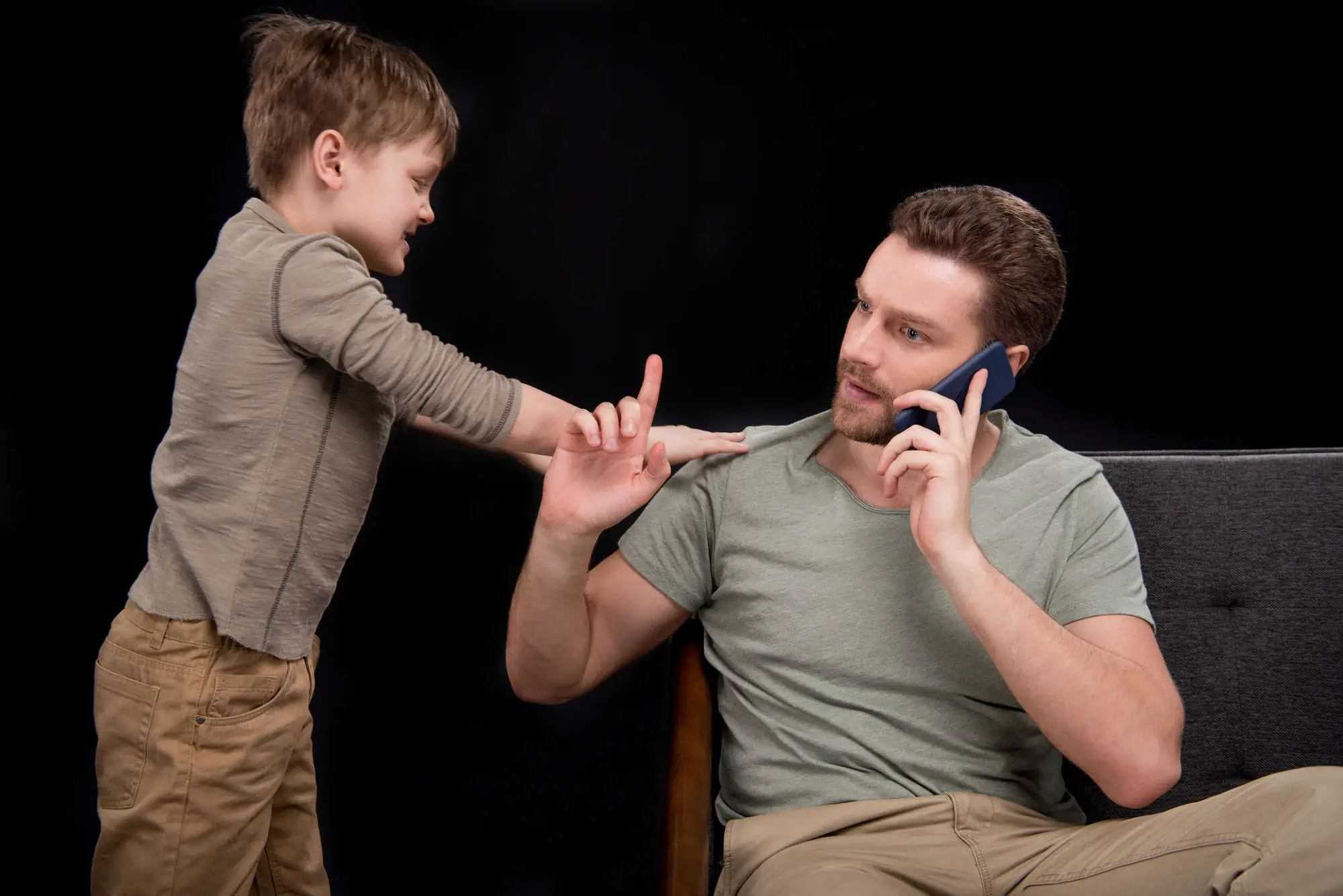
Remember the dad who claimed he was “doing it all for the family”? The phrase “doing it all” translated to him being at work so often that family members saw him only sporadically. He covered all the expenses. But family dinners? Rare. School plays? Forget it. Most people today strive for work-life balance because they don’t want their children to complain about how their parents never stopped working.
Like our content? Be sure to follow us.
The “Discipline First, Talk Later” Dad

This dad made every mistake feel like an apocalyptic event. Got a bad grade? You’re grounded. Forgot to mow the lawn? Lecture time. His approach to parenting was based entirely on rules and consequences – he never wanted to understand why his children acted as they did. Millennials and Gen Z parents prefer to teach their children through understanding and communication rather than relying on punishment and power plays.
The “Silent Treatment” Dad

Whenever this dad felt upset, he would not yell or argue – instead gave you complete silence. This behavior makes you feel constantly anxious while trying to figure out what mistake you made. Those who experienced this behavior during their childhood now work on reversing the learned habit of avoiding conflict by staying silent. Ignoring problems by pretending they do not exist fails to produce any solutions.
The “You’ll Understand When You’re Older” Dad

This unhelpful phrase became the standard response to every inquisitive question about life, relationships, or money. As adults Gen Z and Millennials now rely on Google and TikTok to find answers because they never received straightforward explanations during their upbringing.
The “Overprotective” Dad
This dad had a rule for everything: no dating before 30 years old, no sleepovers, and not wearing revealing outfits. Your life was basically on lockdown – you developed sneaking techniques to survive. Adults who faced strict rules as teenagers now laugh and cringe about secret lives they maintained to enjoy typical teenage experiences.
The “Fix-It” Dad

Whenever you brought him a problem this dad acted immediately to solve it. Failed a test? He’s ready with study hacks. Friend drama? “Just ignore them.” What you really needed was someone to listen without trying to fix everything immediately. Today Millennials and Gen Zers frequently discuss “emotional support” their childhoods lacked.
The “Traditional Gender Roles” Dad

This dad was brought up with the belief that men should fix things while women should cook things. Many people began to question the true meaning of equality as they grew up with strict gender roles. Today’s younger generations demand partnership equality where all tasks such as washing dishes, paying bills, and handling emotional labor are shared equally.
The “Overachiever’s Cheerleader” Dad

Nothing less than the best was expected by this dad. Received 95% on your test? “Where did the remaining 5% go? Excel in one thing? Time to add three more activities to your plate. His goal was to help you succeed – yet this approach made you feel like you were never good enough.
The “Walk It Off” Dad

Maybe you skinned your knee or got dumped by your first crush, this dad’s response was always the same – “You’ll be fine.” Showing emotions? Not really encouraged. Vulnerability? Never! This “toughen up” mindset caused many people to hide their emotions rather than work through them. The younger generations today are pushing back against old attitudes by focusing on mental health and self-care while supporting the idea that not being okay is acceptable.
Disclaimer: This list is solely the author’s opinion based on research and publicly available information.
Like our content? Be sure to follow us.
Read More: