
The Mormon religion is full of unique beliefs and practices that often surprise people around the world.
Locating the beginning
Most religions believe the Middle East to be the birthplace of humanity (Babylon, Jerusalem, etc.). However, the founder of Mormonism, Joseph Smith, taught that the land of Adam and Eve was actually a small valley in Missouri, named Adam-ondi-Ahman.
The Americas were thought of not as a “new world,” but the original location of mankind. This allowed the members to view Missouri as both a historical haven and a gateway to the future.
Foreseeing the conflict
Before the Civil War began, Joseph Smith published what members believe to be an eerily accurate prediction of the impending conflict. Smith wrote in 1832 about a rebellion beginning in South Carolina, turning into “war between Northern and Southern States,” and how the South would seek “aid of Great Britain.”
Written nearly three decades before the Civil War began, this is often used by Mormons as evidence of Smith’s ability to see into the future.
Seat of god

Among the many unique doctrines taught by Mormon leaders is the concept of Kolob. Found in their Book of Mormon, Kolob is described as a star “nearest unto the throne of God.”
Unlike most religions, which teach that God exists outside our universe, this doctrine states that God actually has a location in the universe we live in. This taught that heaven was a “material place” you could travel to after death.
Mormon “materialism” has influenced everything from hymns to science fiction and even the name of a planet in Battlestar Galactica (“Kobol”).
Ending the discord
Relations between Mormons and their Missouri neighbors reached a boiling point in 1838. Governor Lilburn Boggs signed Executive Order 44, a document demanding all Mormons be treated as “enemies, and as enemies shall be hunted down and destroyed, or driven from the state.”
The result was a scorched earth exodus of Mormons in the middle of winter, several violent attacks, and over 100 deaths. The executive order remained on the books in Missouri until 1976, when Governor Jimmy Carter formally revoked it.
Remembering ancestors

Mormons love family history, but there’s a reason for their obsession. They believe that families can be together forever if they take the proper steps.
Mormons perform a ritual known as “baptism for the dead” by allowing a living Mormon to be baptized on behalf of someone who has died. This gives the deceased person the opportunity to “choose” to be Mormon when they reach the afterlife.
They have performed proxy baptisms for everyone from George Washington to Benjamin Franklin to Elvis Presley. It’s also the reason they have compiled the largest database of genealogy records in existence, which is available to the public for free.
Meeting the travelers
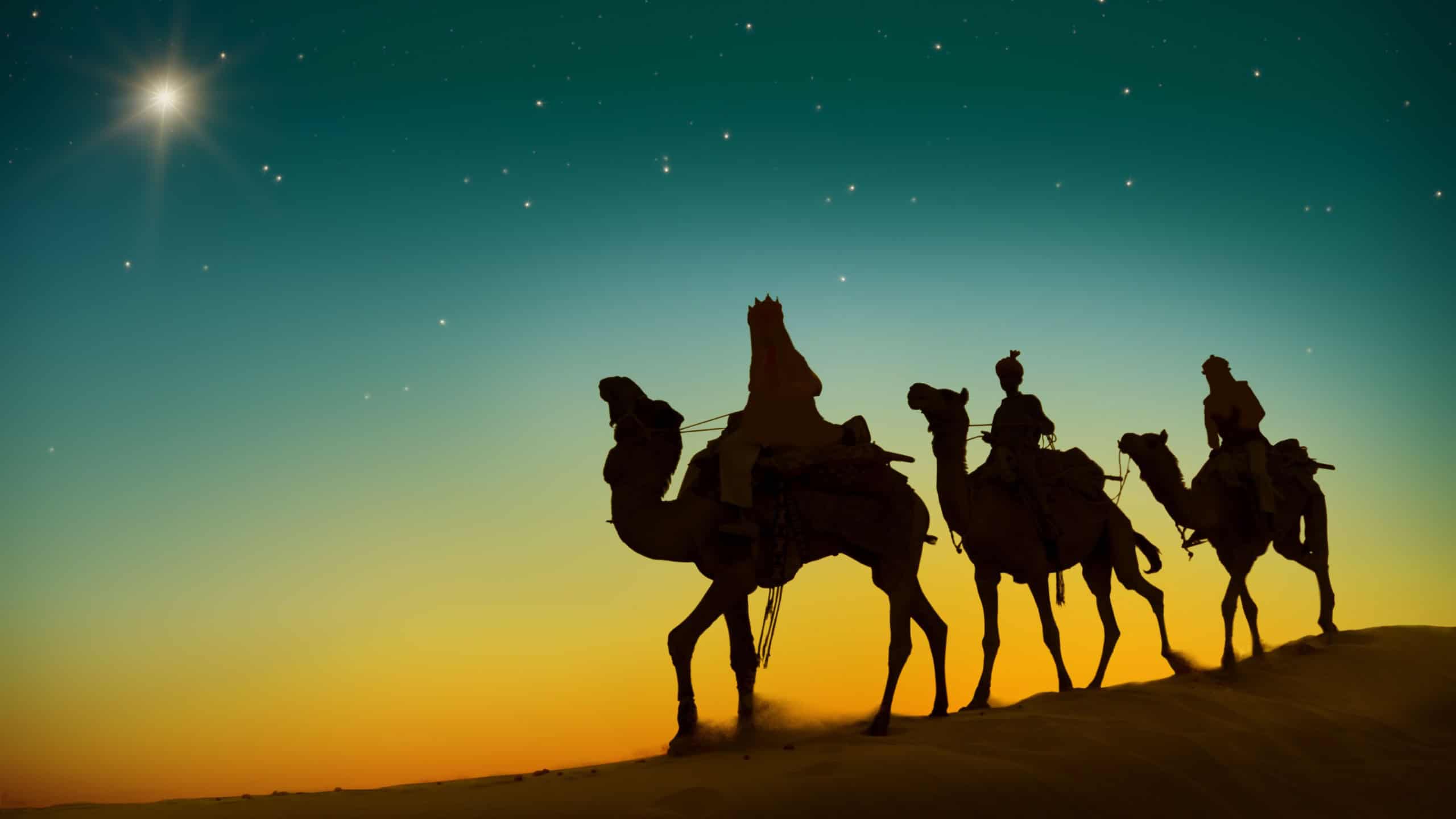
The story of the Three Nephites may be religious fiction, but it has been a favorite “urban legend” among Mormons for decades.
As described in the Book of Mormon, three followers of Christ were granted the ability not to die so that they could complete all things and help others until the Second Coming.
Witnesses over the past 200 years have claimed to see these immortal saints appearing to travelers with broken wagon wheels, offering food to the poor, and visiting to give someone a spiritual message before disappearing suddenly.
Desert alphabet

Known as the Deseret Alphabet, Brigham Young (the second president of the Mormon church) created his own brand of phonetic spelling to help settlers communicate. The entirely new set of 38 characters was supposed to make it easier for European converts to learn English when they first arrived in Utah.
This was printed on newspapers and church publications, and even made its way onto gold coins. However, it was expensive to create special types for printing presses, and most people just preferred English.
Word of wisdom

Many people know that Mormons can’t use coffee, tea or alcohol, but it wasn’t always that way. When the Word of Wisdom was first published in 1833, it was merely advice.
There were some early Church leaders who drank coffee and smoked pipes. It wasn’t until the prohibition era in America that Church leaders decided to make the “Word of Wisdom” a part of the covenant that members make with God.
Running for office

Joseph Smith wanted to be more than a religious leader. Seeking higher office himself, Smith announced his run for President in June of 1844.
Smith promoted the abolition of slavery by planning to have the federal government buy all enslaved persons from owners and offered solutions to reform prisons and reduce the size of the national government.
He was killed by a mob while being held prisoner in Illinois, ending the campaign.
Translating with stones

Most people are familiar with the story of Joseph Smith receiving the Book of Mormon from an angel, but how he translated it is stranger than most people think.
Religious paintings typically depict Smith reading divine words off of gold plates when, in reality, none of that happened.
Instead, he would place a small, egg-shaped “seer stone” at the bottom of his white hat and bury his face in the hat to block out the light. Supposedly, he could then see spiritual words appear on the stone, which he would read out to his scribe.
Sources: Please see here for a complete listing of all sources that were consulted in the preparation of this article.
10 Commitments Religious People Have That Atheists Don’t

People who believe in religion have some obligations – like attending worship service, daily prayer, following sacred text study, dietary laws, etc. Atheists, on the other hand, are free from these religious obligations. So, what exactly are the commitments religious people stick to that atheists skip?

