
Have you thought about how life changes based on your beliefs and your lack of beliefs? People who believe in religion have some obligations – like attending worship service, daily prayer, following sacred text study, dietary laws, etc. Atheists, on the other hand, are free from these religious obligations. So, what exactly are the commitments religious people stick to that atheists skip? That is what we are going to explore in this list.
Featured Image Credit: digicomphoto /Depositphotos.com.
Regular Worship Services

Most religious people dedicate part of their schedule to visiting their place of worship. This could be a church, mosque, temple, or synagogue – some attend daily services while some attend weekly services. This time allows you to offer prayers, reflect on your beliefs, and build connections with others who share your faith. Atheists? Atheists typically relax on Sundays by sleeping late, enjoying brunch, and watching Netflix rather than attending sermons.
Prayer & Devotion

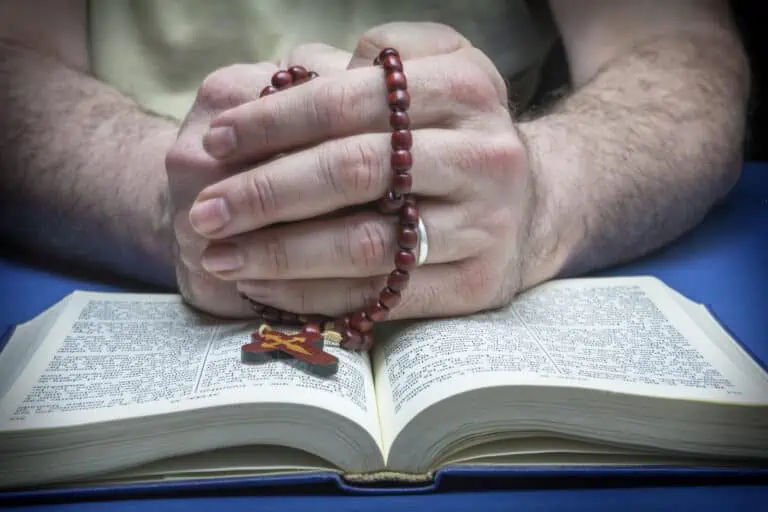
Many religious people dedicate time each day to prayer sessions – this may be before meals or at bedtime or whenever they need spiritual direction. There are people who pray multiple times a day, following specific rituals. Atheists generally do not have these established prayer routines.
Like our content? Be sure to follow us.
Following Religious Texts
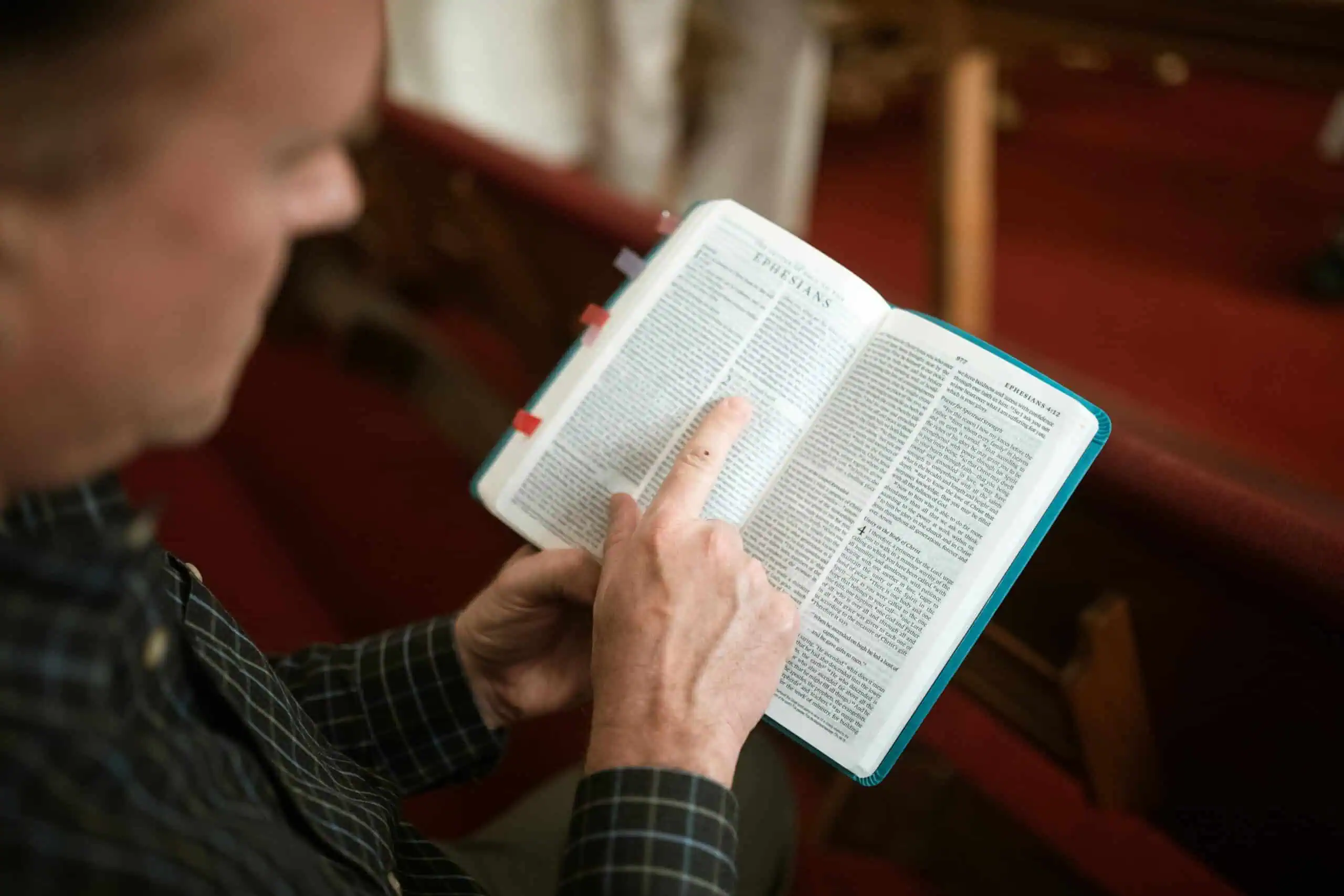
People practicing religion use sacred books such as the Bible, Quran, Torah, and Vedas to find meaningful teachings and guidance. Many people read these sacred texts on a regular basis and engage with them in group study sessions or apply their principles to everyday decision-making. Atheists? Atheists choose to understand life through philosophy books, science literature or by trusting their instincts. No divine rulebook required.
Observing Religious Holidays

Throughout the year, religious people observe many significant celebrations ranging from Christmas and Easter to Ramadan, Hanukkah, and Diwali. Many of these religious celebrations include practices like fasting and prayer or other sacred rituals. Atheists participate in holiday festivities mainly for food and gifts – they do not have any religious meaning for them. They see Christmas as a celebration of Santa Claus instead of Jesus while Easter becomes an opportunity to enjoy chocolate.
Moral & Ethical Codes Based on Faith

Religious people follow moral guidelines derived from their faith traditions such as the Ten Commandments for Christians, the Five Pillars of Islam for Muslims, or karma principles in Hinduism and Buddhism. Their moral compass relies on these principles to differentiate between right and wrong. Atheists also operate according to moral codes, but their principles are not derived from divine sources. Instead, they rely on logical reasoning and humanistic principles.
Community & Religious Gatherings
Many religious people practice tithing, which involves donating a part of their income to their religious institutions such as churches, mosques, or temples. Some religions even direct their followers to donate 10% of their income to their religious institutions or charitable organizations. Atheists can also be generous, but their giving does not come from religious obligation – it comes from personal choice.
Financial Giving (Tithing & Charity)

Many religious people are committed to tithing—giving a portion of their income to their church, mosque, or temple. Some faiths encourage 10% of earnings to go toward religious institutions or charities. Atheists can still be generous, but they’re not following a faith-based obligation to give. They donate when they feel like it, not because a doctrine tells them to.
Religious Dietary Restrictions

Different religions have specific dietary laws – Jews and Muslims don’t eat pork, Hindus don’t eat beef and many Christians participate in fasting during Lent. Some religions also have specific food preparation standards such as kosher and halal regulations. Atheists? Atheists eat freely but follow their own dietary preferences if they have them.
Belief in an Afterlife & Preparing for It

Many people who believe in religion think that death does not mark the end of existence. According to religious teachings, the nature of one’s afterlife existence depends on their current actions. Atheists? Atheists usually believe that death is the end, so they focus more on making the most of the time they have now. They don’t concern themselves with the last judgment – they choose to live in the moment.
Obligation to Spread Their Faith
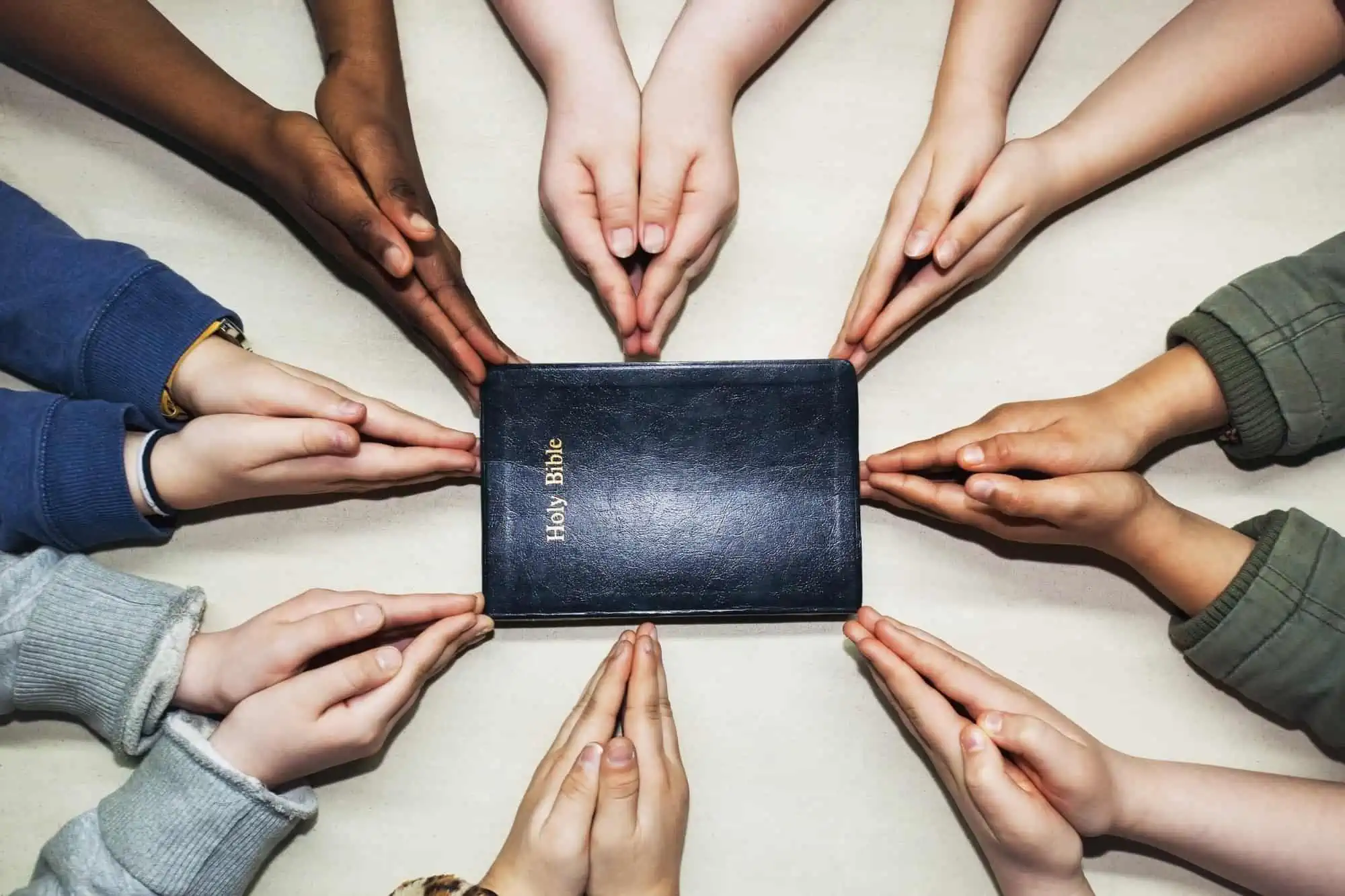
Many religions promote sharing their teachings through missionary activities, inviting people to attend religious services, or having conversations about their beliefs. Door-to-door evangelism is practiced by groups such as Jehovah’s Witnesses and Mormons. But atheists don’t feel compelled to convert people to their way of thinking.
Disclaimer: This list is solely the author’s opinion based on research and publicly available information.
Like our content? Be sure to follow us.
Read More: