

Most of us don’t think about what our bodies go through. But hours of sitting and slouching can wear your back down a lot faster than you realize, and it’s the little choices that cause issues. Here are ten commute habits that age your back, as per experts. Which of these do you do?
Just remember that this is not health advice. You should consult a medical professional if you have any concerns.
Featured Image Credit: Shutterstock.
Setting your seat so you reach for the wheel
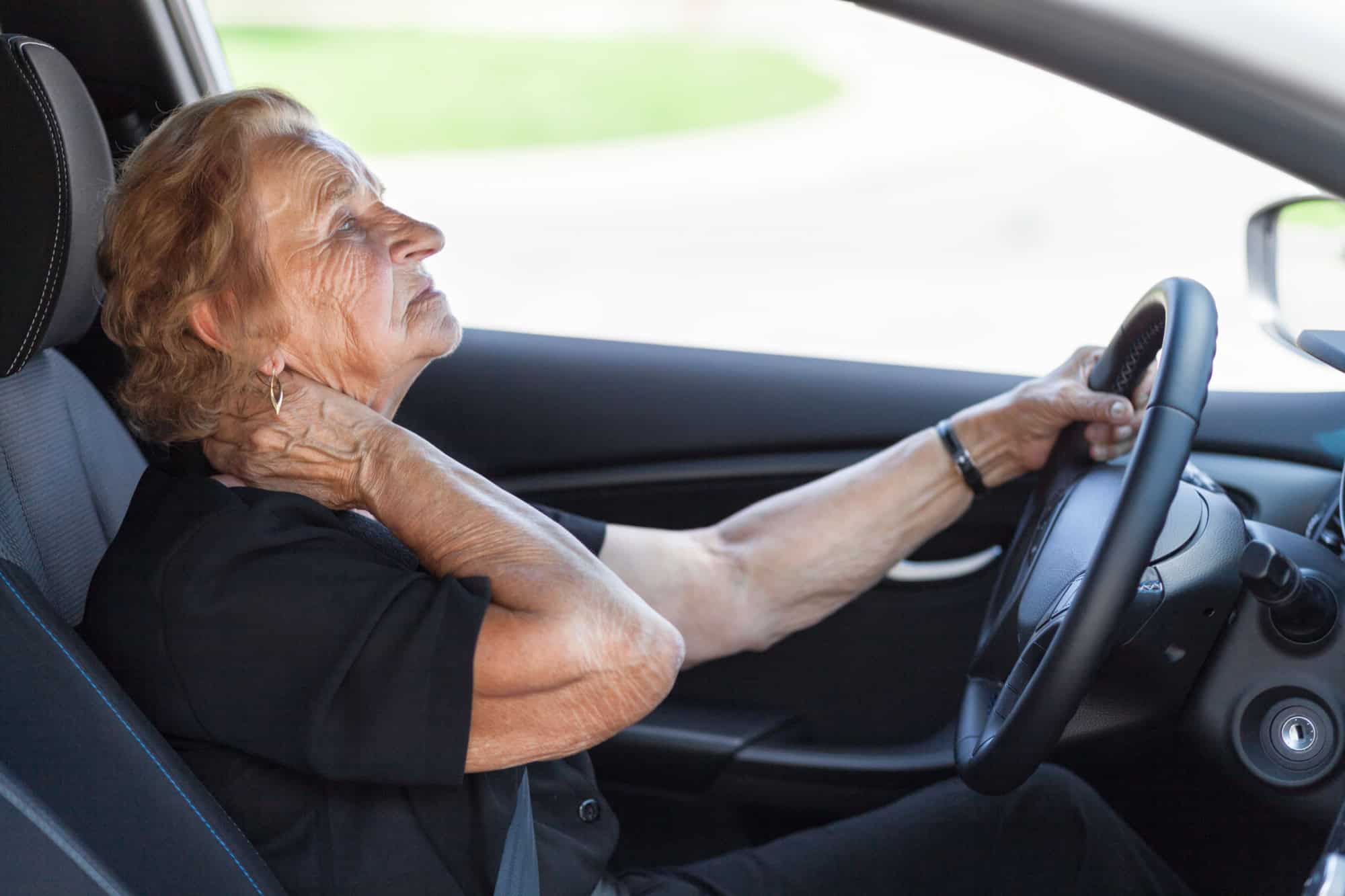
A slight lean toward the wheel feels harmless. It isn’t. When you sit too far back, your spine rounds & your shoulders creep forward, so you should try keeping the wheel about a foot from your chest & resting fully against the seat. Doing so keeps your back supported instead of stretched out for miles, which is exactly what you want when you start your day.
Parking your wallet in a back pocket
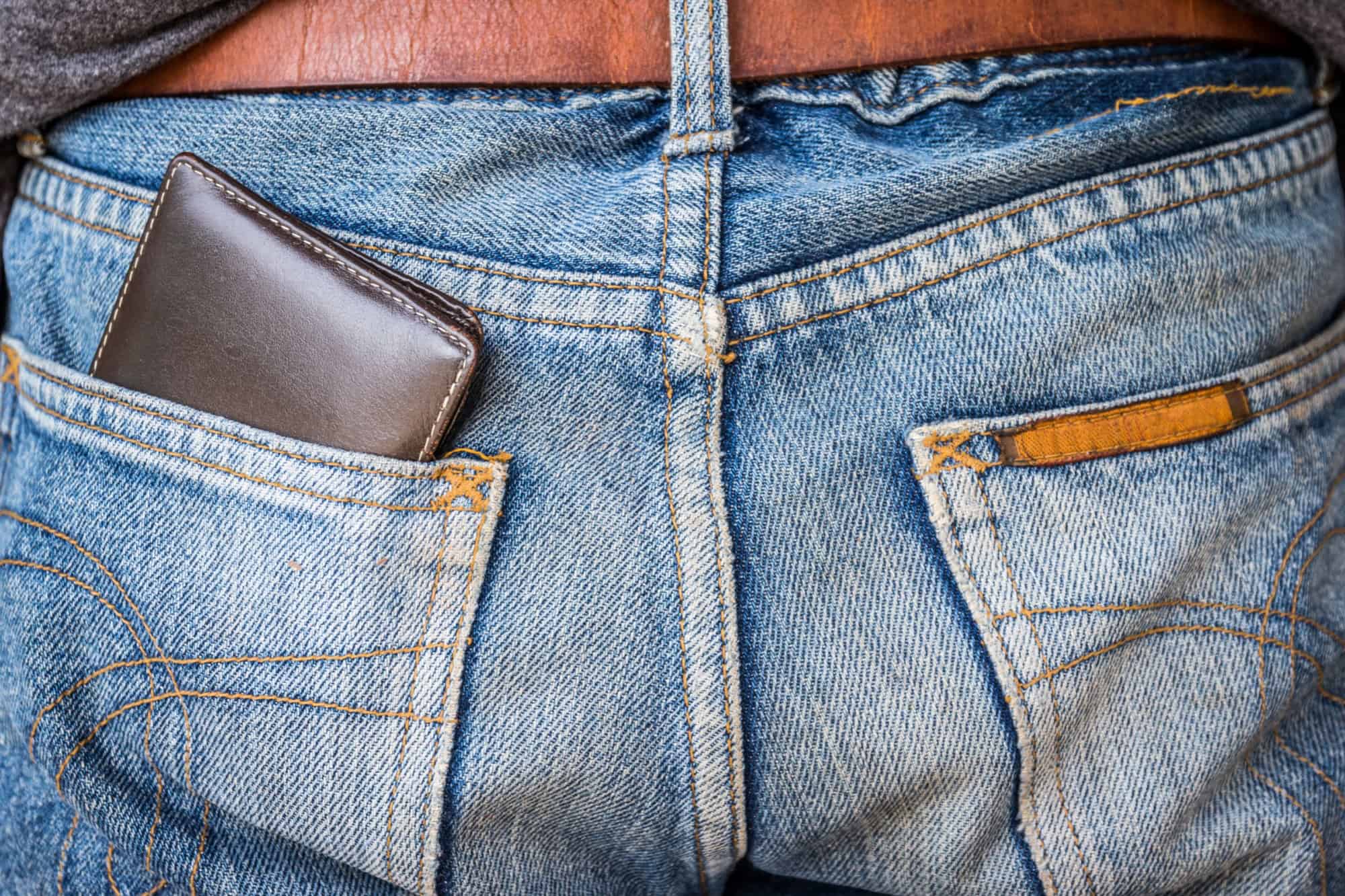
Keeping a lumpy wallet in your pocket is the same as keeping a rock under your hip. Sitting on it twists your pelvis & puts pressure on the sciatic nerve, which often causes tingling or pain down one leg. Thankfully, the fix is easy. Just allow it to slide into a front pocket or bag before you sit down, as this will stop the weight from building up in your pockets.
Swinging a tote on the same shoulder every day

One-shoulder bags are convenient until your body catches on. When all the weight sits on one side, your spine tilts & muscles overcompensate to stay balanced. This uneven strain can trigger tightness over time that follows you all the way home. You should use both sides or use both straps once in a while to ease the strain & give each shoulder a chance to relax.
Burying your face in your phone on the platform

The classic commuter position is to have your chin down & screen up close. But this adds a serious load to your neck. Looking down can make your head “weigh” up to 45 pounds to the spine, although that doesn’t necessarily mean you have to ditch your phone. Simply hold it higher & give your neck a break between scrolls.
Locking your knees on the train

Standing stiff as a board when space is tight will tire your lower back rather quickly, as locked knees force your spine to absorb every bump & sway. Try bending them slightly & shifting your weight around. This way, your legs do more of the work, and that means that your back can relax a little.
Tolerating constant road or rail rumble

Sure, the low buzz from tires or train tracks might seem like background noise. Yet your spine feels these vibrations, too, and those micro-jolts can wear on the stabilizing muscles around your vertebrae. You may want to adjust seat padding or even sit a little differently. This can cut that vibration right down and that’s great news for both your ears & your spine.
Sitting half-turned to guard a bag or watch the aisle
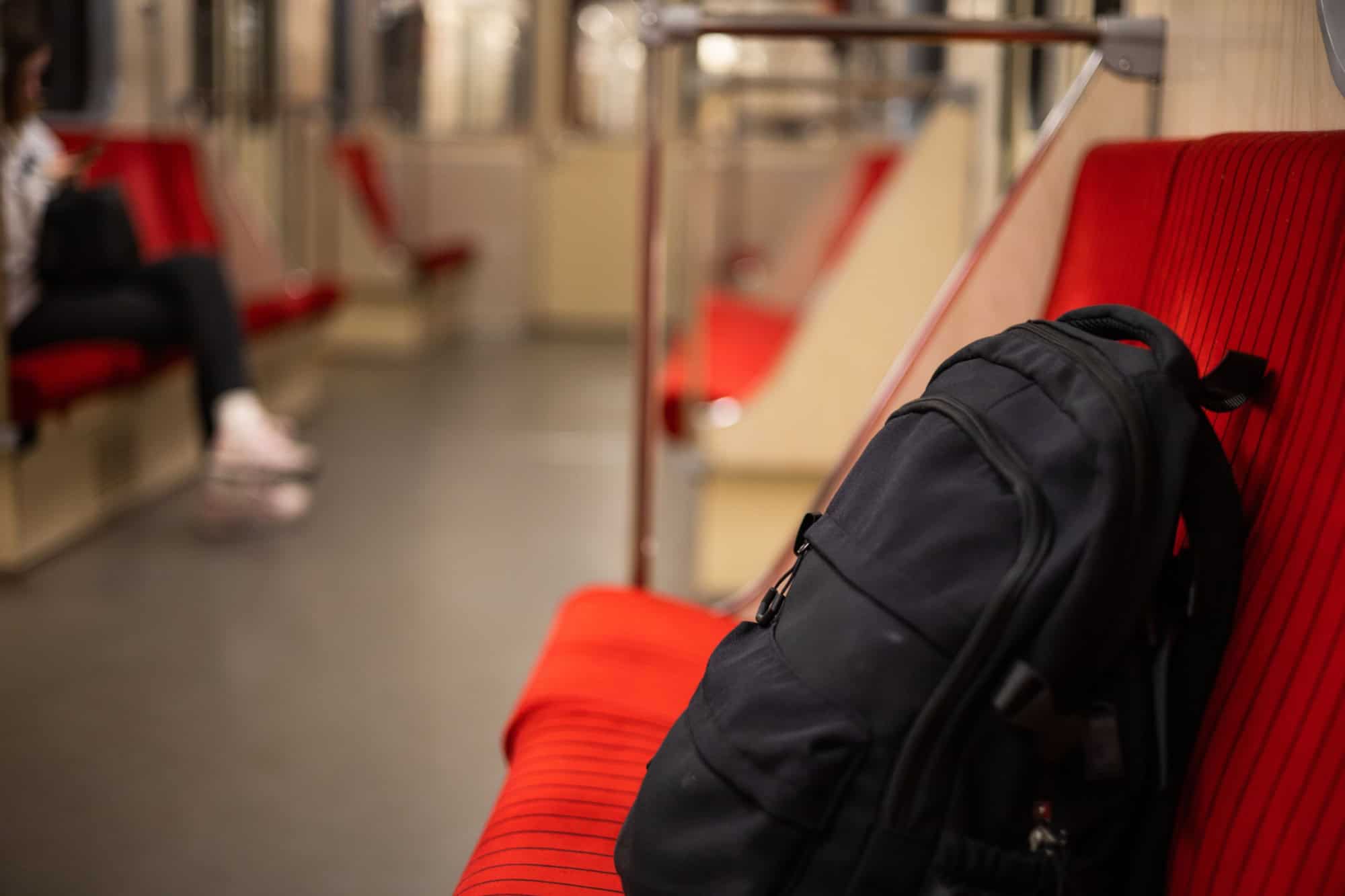
It’s natural to twist sideways on public transport so that you can keep an eye on your stuff. However, that little twist makes your back muscles hold tension the whole ride, and mixing rotation with slouching also puts extra pressure on your spinal discs. Straighten up or move the bag so that you’re able to sit square again.
Skipping lumbar support on long drives

A seat that doesn’t curve with your back is essentially flattening your spine for an hour at a time. Yet putting a rolled-up sweater behind your lower back can make a world of difference. Why? Because it keeps your spine’s natural curve & stops that slow ache from hurting you halfway through traffic.
Commuting in tall heels day after day
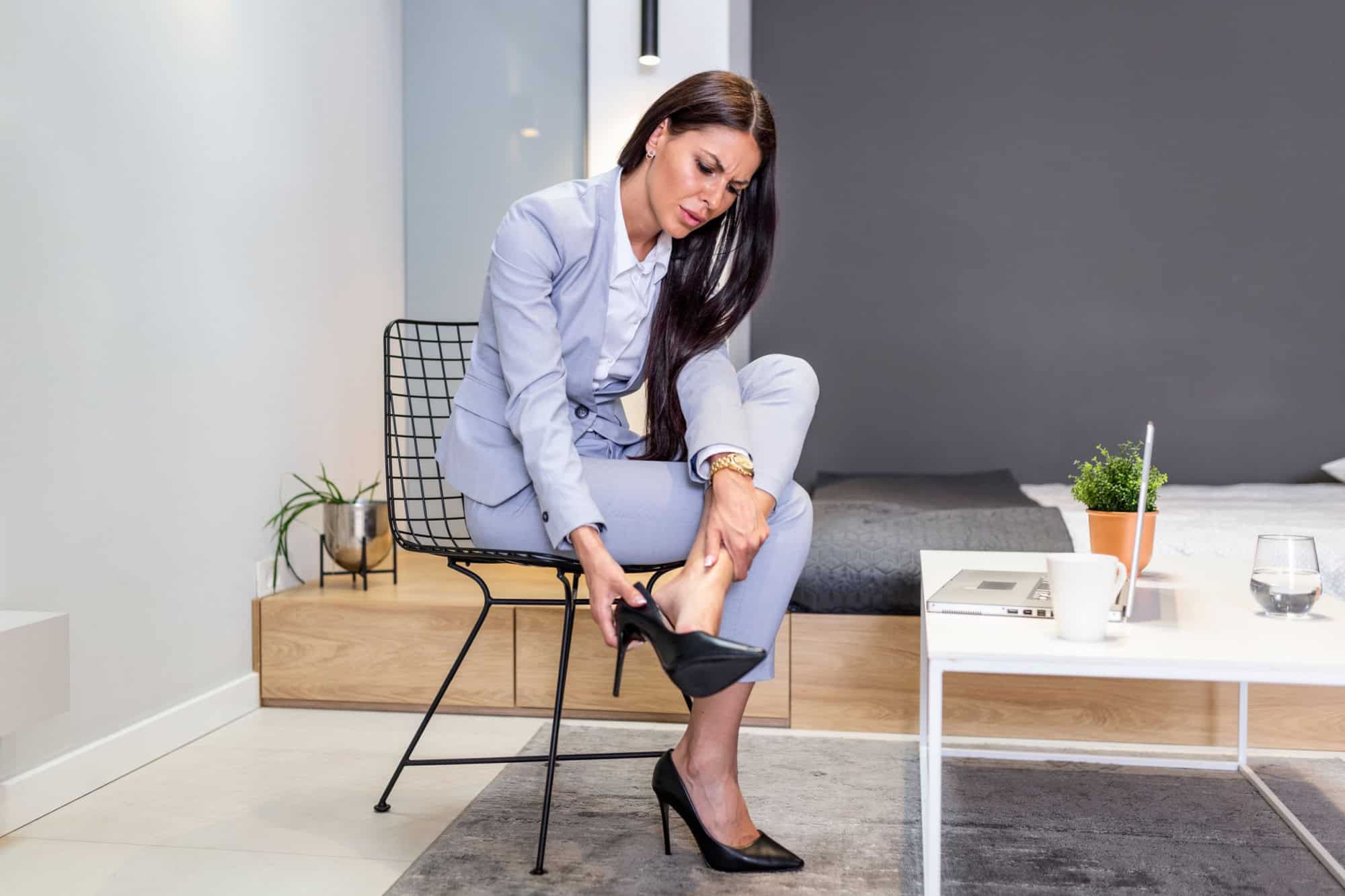
Heels affect your feet, yes, but they also affect your whole posture. Even a few extra inches tilt your pelvis & shorten your calf muscles, which pulls on the lower back and causes issues later. Try wearing flats for the drive or carry your real shoes in your bag so that you’re able to swap them out as & when needed.
Letting your backpack ride low and get heavy
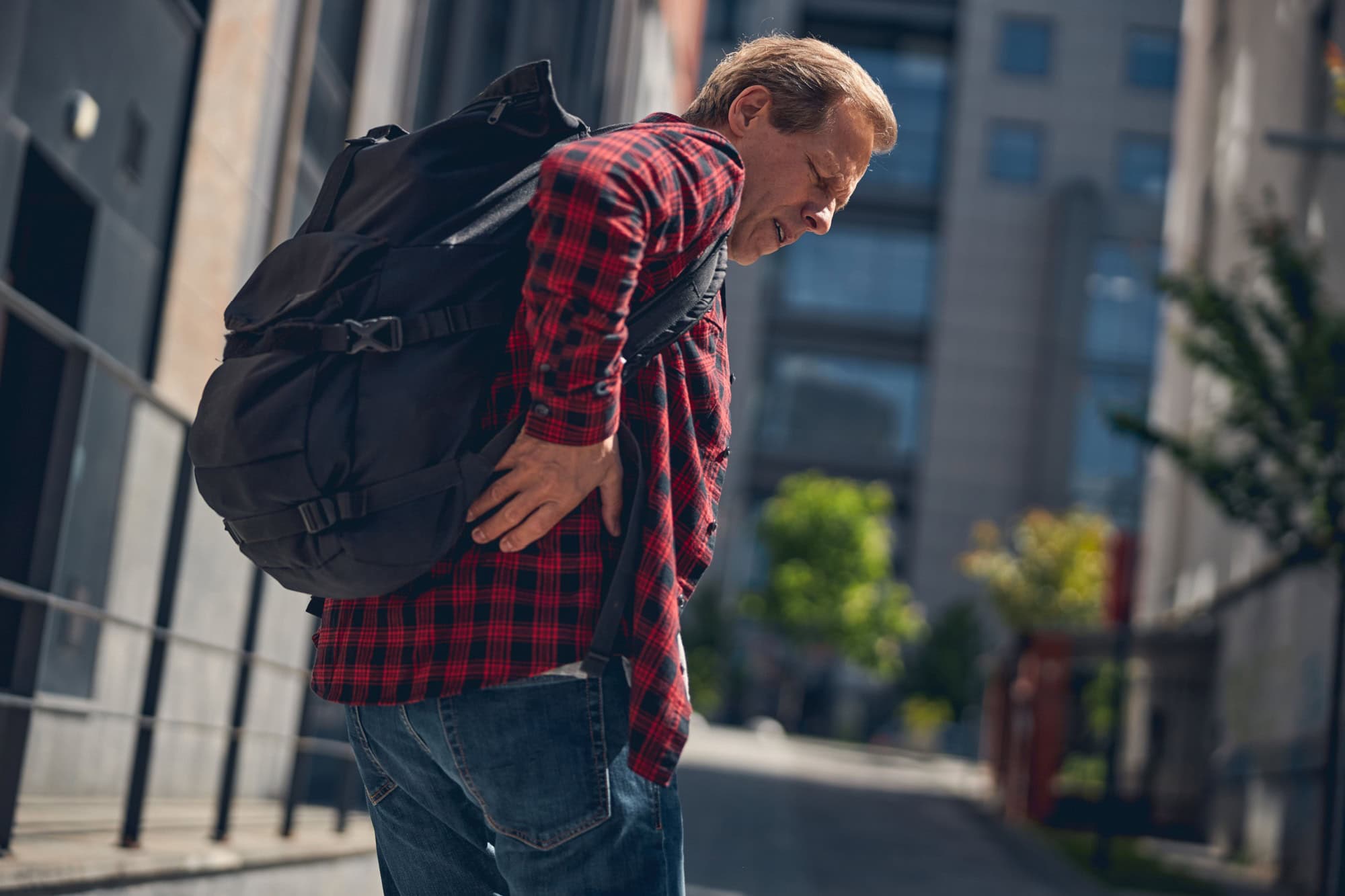
A sagging backpack drags your shoulders back & arches your lower spine. Most experts say your pack shouldn’t top more than about 10–15% of your body weight, so pull the straps tight enough that your backpack sits high. This will stop your spine from feeling strained when you start your day.
Sources: Please see here for a complete listing of all sources that were consulted in the preparation of this article.
Like our content? Be sure to follow us.