

Behind the everyday items you use, there are plenty of interesting stories—and some of them began on the battlefield. Yes that’s right, some of these inventions were initially created with war in mind. And they found a new lease on life among civilians once the dust settled. Here are ten of these products.
Featured Image Credit: VikaOvcharenko /Depositphotos.com
Microwave Ovens

During World War II, while he was experimenting with radar technology, Percy Spencer noticed a candy bar melting in his pocket. What happened? Well, microwaves. Fast forward and the microwave oven was born – which was initially called the “Radarange.” Of course, it was quite a leap from radar to reheating your coffee—but that’s the magic of a happy accident.
Duct Tape
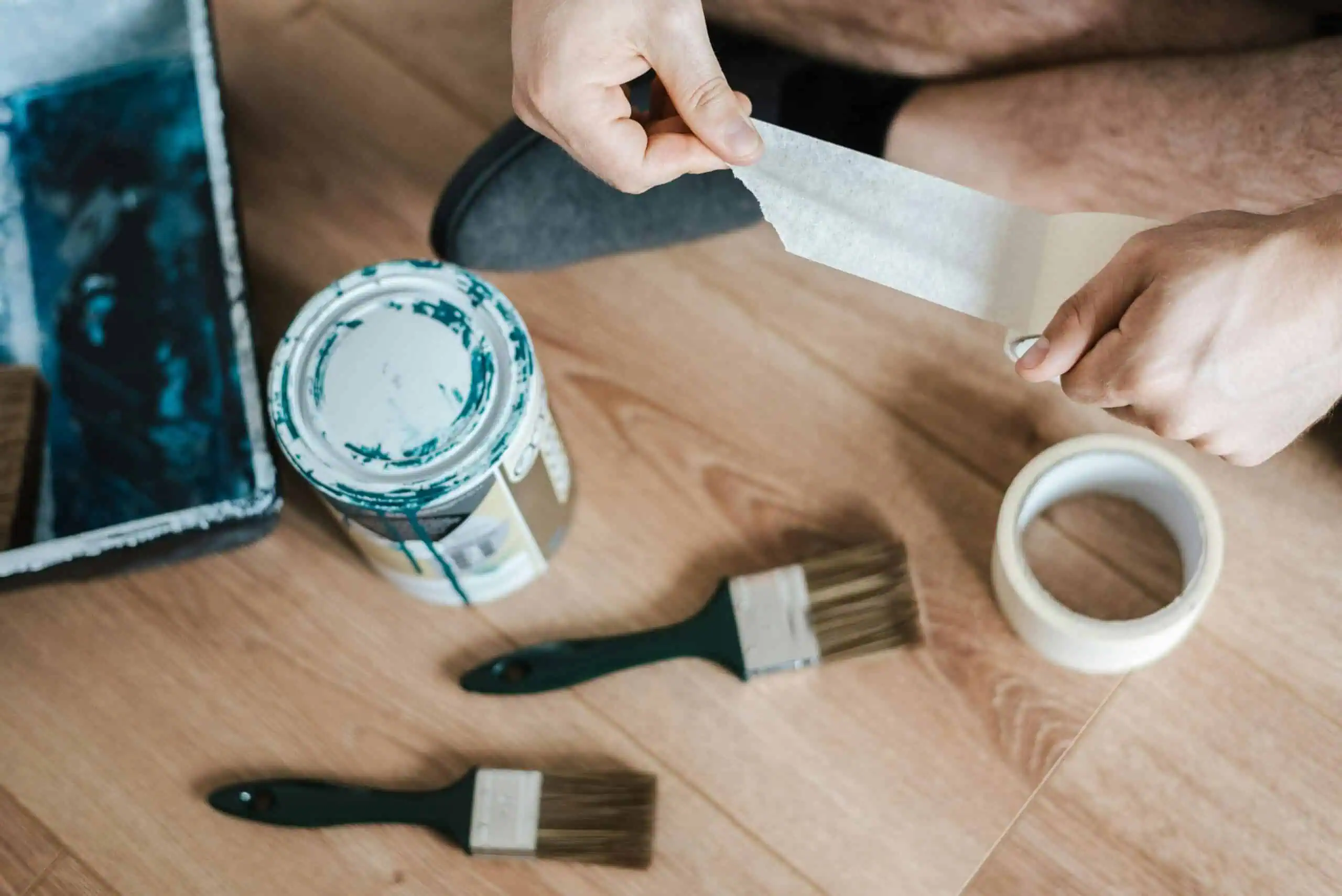
Duct tape also emerged in World War II — it was designed to keep moisture out of ammunition cases. Since it was waterproof & super durable, soldiers used it for practically everything – including fixing their boots and patching up jeeps. People soon realized they could use duct tape to fix just about anything around the house too.
Like our content? Be sure to follow us.
GPS Technology
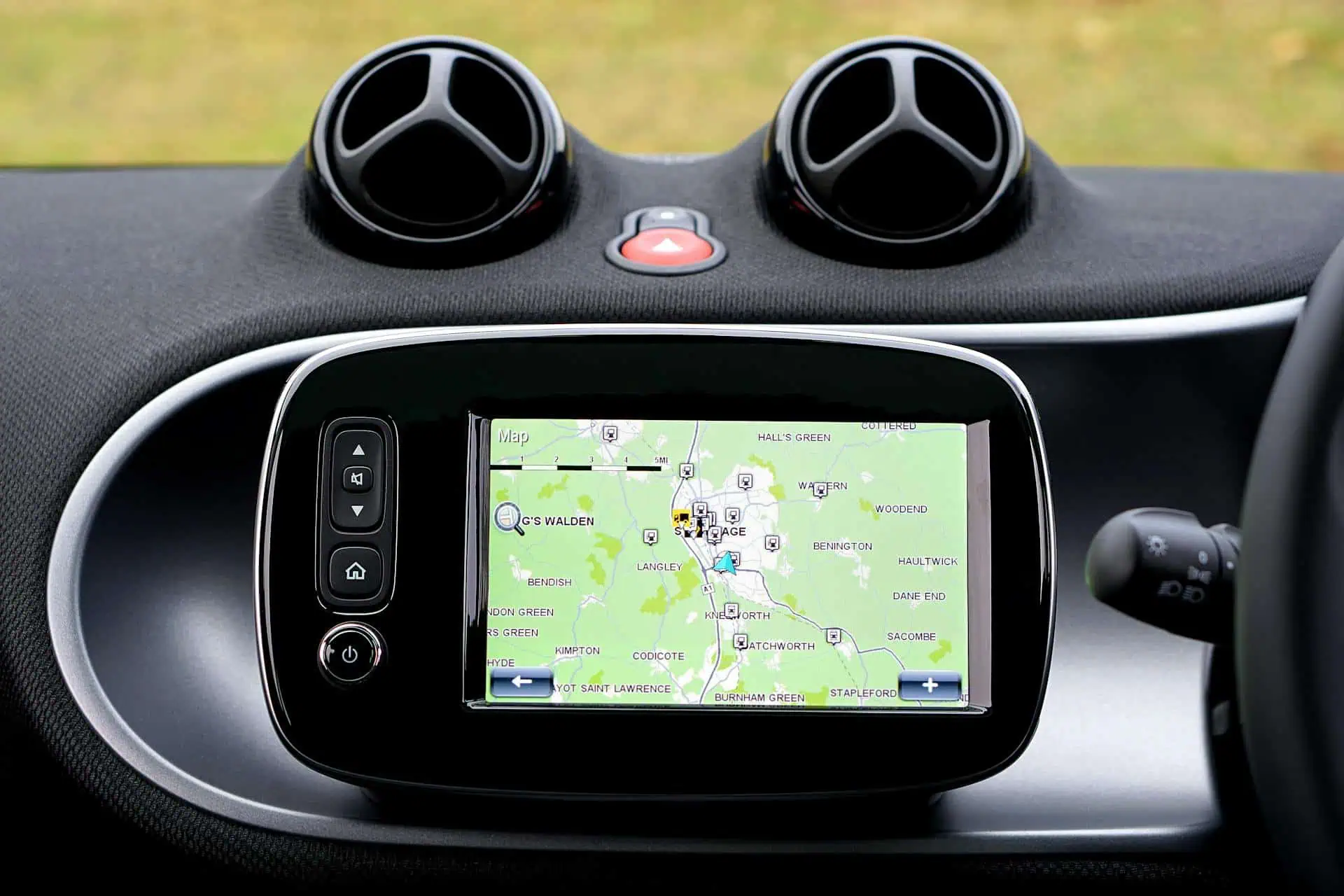
Whenever you use GPS to find a new coffee shop, you can thank the U.S. Department of Defense for that. It was originally developed to help military operations navigate with precision — GPS technology became very important during the Gulf War. Soon enough, it made its way into civilian life. Who would’ve thought the same tech guiding missiles also helps you avoid getting lost on a road trip?
Jeeps

The Jeep is yet another World War II invention. It was designed to be tough yet light and also able to handle rough terrain — which made it rather important on the battlefield. After the war, civilians fell in love with these vehicles and this led to the adventure-seeking, off-road vehicles we love today.
EpiPen
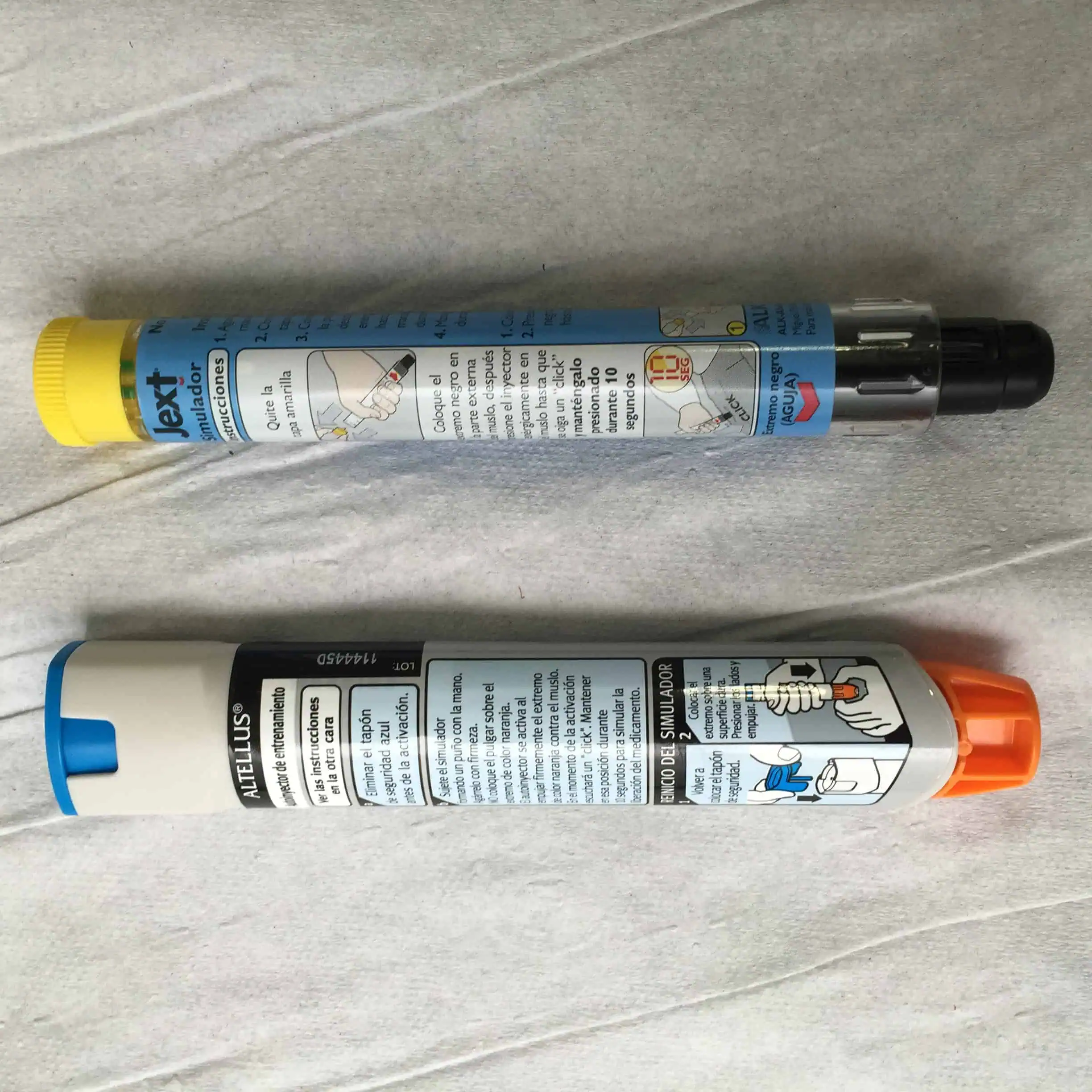
The EpiPen is a literal lifesaver for people with severe allergies and it comes from military technology. Originally, scientists developed the autoinjector technology to protect soldiers from nerve gas. They later adapted this idea into the EpiPen. Now, we can use these devices to give people quick doses of epinephrine during severe allergic reactions.
Wristwatches

Wristwatches became a thing because of World War I. Why? Because officers needed a practical way to keep time during maneuvers and pocket watches just weren’t cutting it. They created the trench watch (also known as the wristlet) — which later became the wristwatch. Later, it transformed from a military necessity to a fashion statement & everyday necessity.
Computers

The computers we can’t live without today have their origins in World War II. The British created machines like the Colossus to crack German codes and this marked a huge leap forward in computing. They needed fast & reliable computing to aid the war effort — This eventually laid the foundation for the technology that powers our modern world.
Super Glue
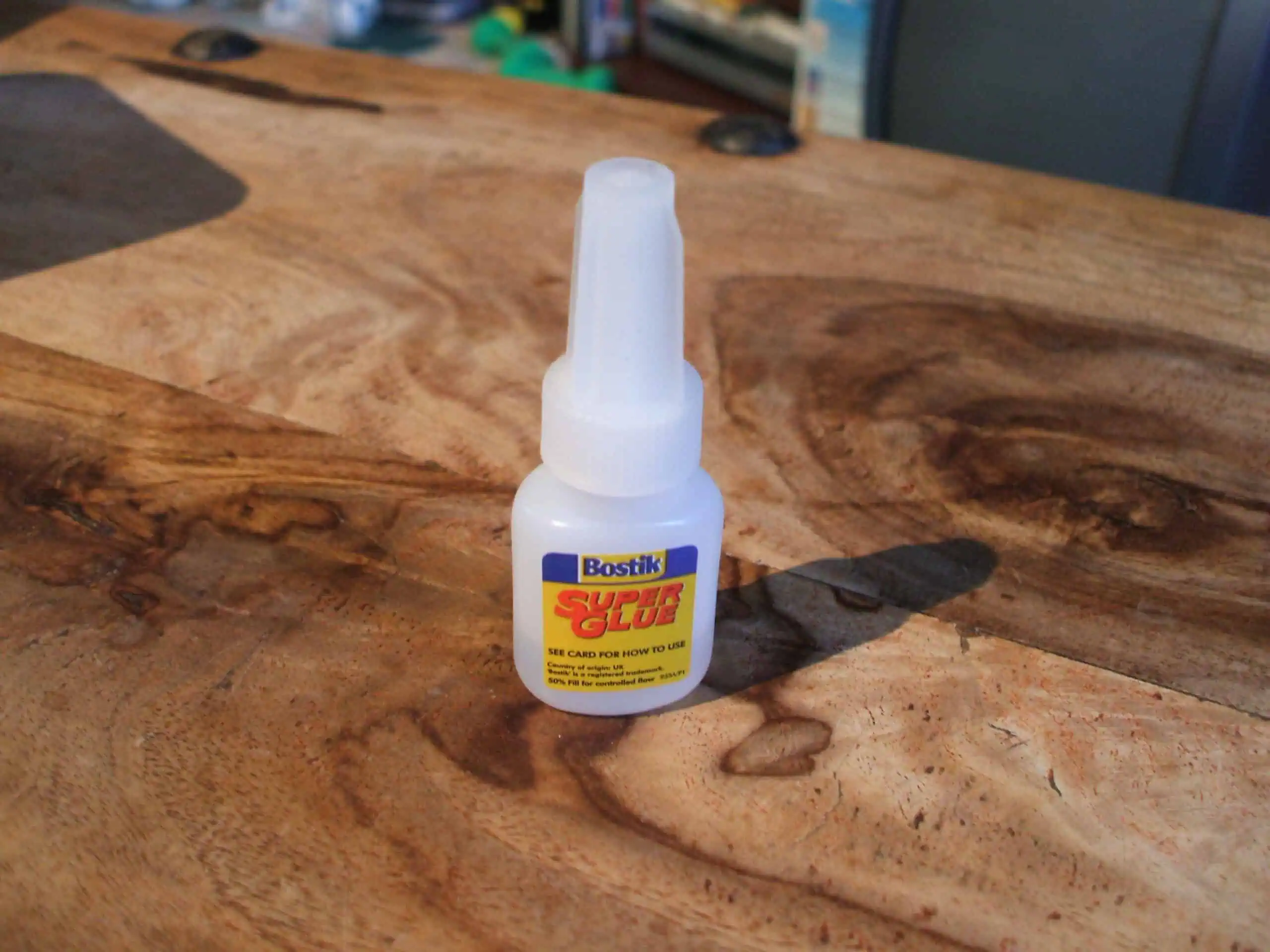
Super Glue was actually another happy accident. Scientists were trying to create clear plastic gun sights during World War II. Although they failed to do this – they discovered Super Glue’s strong adhesive properties and we now use it for DIY crafts & minor household repairs. It’s pretty cool how a military mix-up turned into something in all our junk drawers.
Canned Food
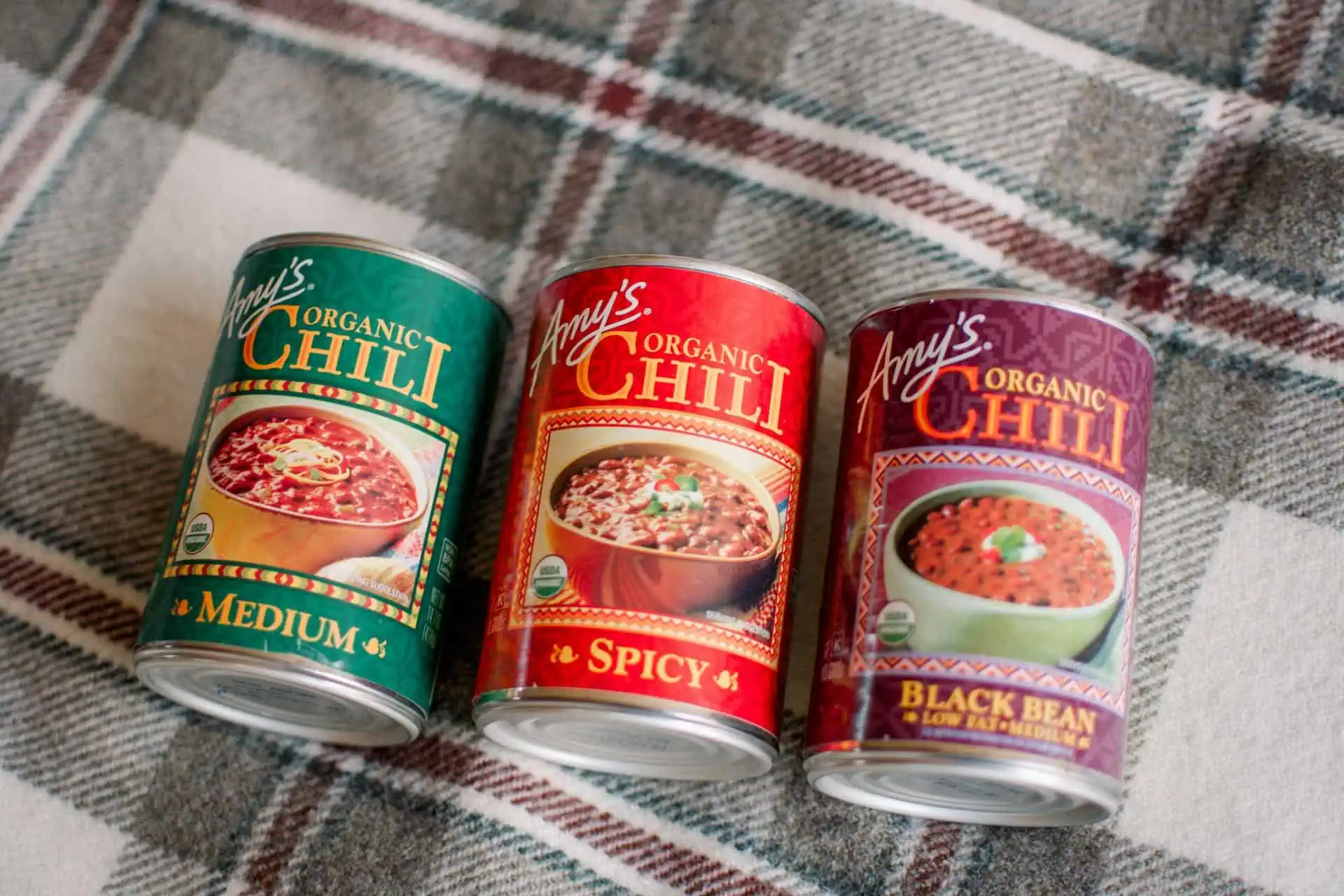
While canned food might not sound exciting, its development was rather important during the Napoleonic Wars, which was then further refined for soldiers. They needed durable, long-lasting food supplies. This led to improvements in the canning processes and soon enough, canned goods became a common item in pantries around the world.
Ballpoint Pens

If you’ve ever wondered why we use ballpoint pens instead of dipping quills into ink pots, you have World War II to thank for that. The military wanted a writing instrument that wouldn’t leak at high altitudes like fountain pens did. Enter the ballpoint pen. Because of its quick-drying ink & leak-proof design, it was the perfect solution — and after the war, civilians caught on.
Disclaimer: This list is solely the author’s opinion based on research and publicly available information.
Like our content? Be sure to follow us.
Read More: