

Planning for retirement is not easy. There are a lot of factors to consider. Just when you think you’ve figured out your plan, comes along another twist. But it doesn’t have to be all doom & gloom! You can make retirement planning a lot easier — especially if you know what to avoid. Here are eleven decisions that you should be careful about.
Featured Image Credit: Pexels.
Waiting Too Long to Start Saving

We’ve all heard the saying, “better late than never” and it’s certainly true for your retirement savings. Although you should definitely avoid being late. The sooner you start saving, the more you’ll have by the time you actually retire. Waiting too long to start saving means you’ll have to put away a lot more money later on & that’s not easy when you have to juggle other financial responsibilities.
Tapping Into Retirement Accounts Too Early

Sure, using some of your retirement savings for that dream vacation or a kitchen remodel is tempting—but resist the urge! Withdrawing from your retirement accounts before you actually retire comes with penalties & taxes that can use a lot of your savings. Plus, you’re robbing your future self of funds you’ll need to live comfortably.
Like our content? Be sure to follow us.
Keeping All Your Eggs in One Basket

Investing all your money in one place is riskier than it’s worth. You need to diversify your investments to protect your savings from market ups & downs – as this will give you a safety net if one of your investments falls through. You really don’t want to take gambles with your retirement savings.
Banking Only on Social Security

Relying solely on Social Security for your retirement income is always a bad idea because that income is never enough. Social Security is meant to supplement your retirement savings—not be your sole source of income. To avoid any financial issues, make sure you have other savings or income streams to back you up.
Spending Too Much, Too Soon

You might want to kick off your retirement with a bang but spending too much too soon will only cause financial issues later on. Instead, you should create a budget—and stick to it! Doing so will make sure that your savings last throughout your retirement. Remember—it’s a marathon not a sprint, so you should pace your spending to enjoy your retirement to the fullest.
Not Updating Your Retirement Plan

Life changes and so should your retirement plan. It doesn’t matter if it’s a change in income or marital status—not updating your plan will leave you unprepared for what’s ahead. As such, make regular check-ins with your retirement plan to make sure it still meets your needs & you can adjust course as necessary.
Going It Alone Without Professional Advice

Of course, dealing with retirement planning on your own can be overwhelming and there’s no shame in getting help from a financial professional. They can give you personalized advice so you can avoid common mistakes & make the most of your retirement savings.
Not Having a Plan for Your Free Time

Retirement involves having a lot of free time and without a plan, it’s easy to fall into a spending spree to fill the void. Unplanned activities like expensive hobbies & jet-setting around the globe can quickly drain your savings. As such, you should think about what you really want to do in retirement. Then – plan accordingly.
Forgetting to Downsize

Hanging onto a large family home can be more of a burden than a blessing in retirement since it comes with high maintenance costs. Worse still, it also ties up a significant portion of your wealth that you could use to increase your retirement funds. You should think about downsizing to a smaller, more manageable home. After all, it can free up cash & reduce your expenses.
Ignoring Estate Planning

Neglecting your estate planning will create a mess for your loved ones after you’re gone. Without a will or estate plan in place, the state decides how your assets are distributed—and that might not fit with your wishes. Take the time to create a clear estate plan so your assets go exactly where you want them to. It’ll save your family a lot of trouble.
Co-signing Loans Before Retirement
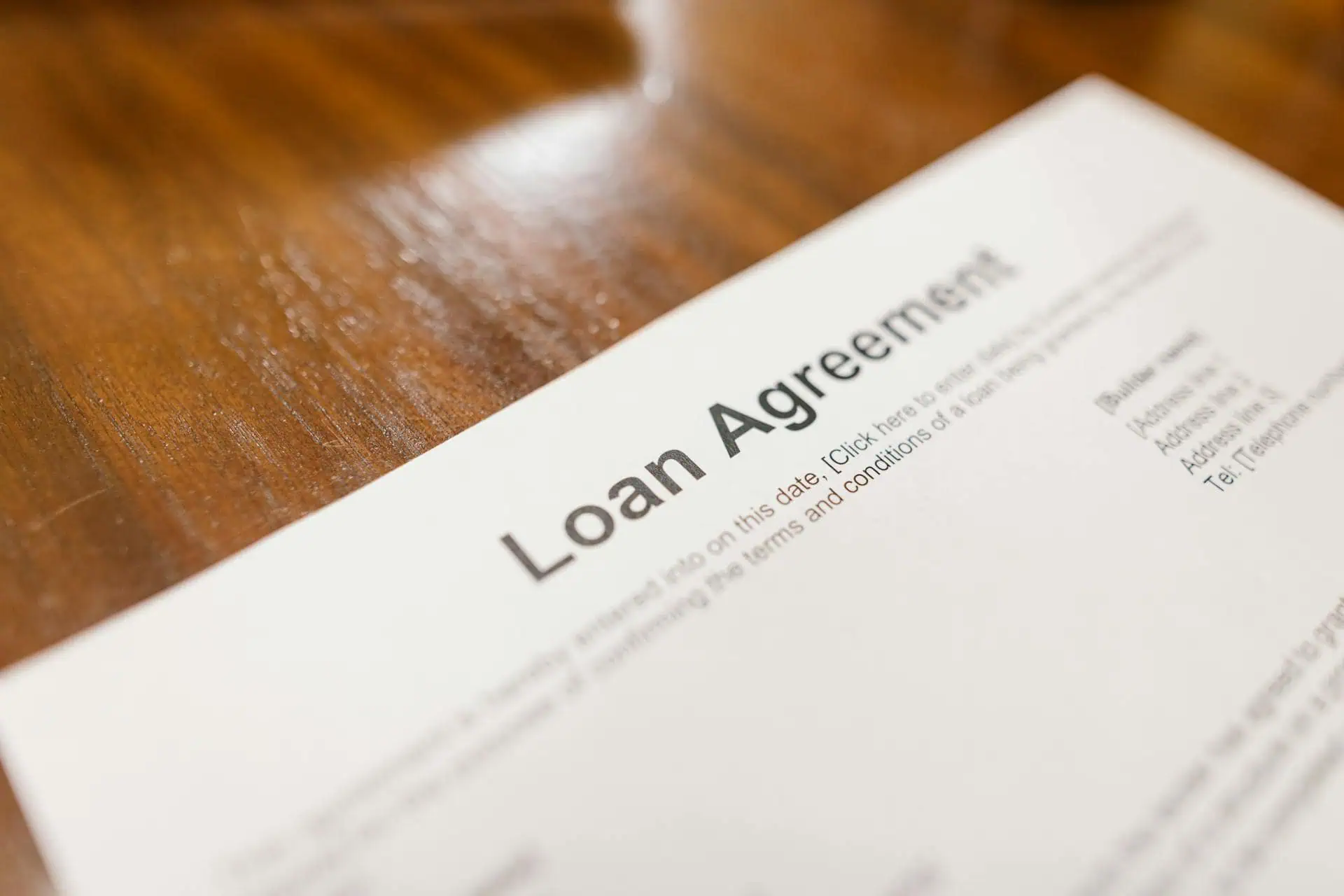
Even though helping out the family is great, co-signing loans can be risky, especially as you approach retirement. If the borrower defaults, you’re on the hook for the debt and this can eat into your retirement savings. You should always think about the impact it could have on your financial security before you sign on the dotted line. Sometimes, the best help you can give is financial advice.
Disclaimer: This list is solely the author’s opinion based on research and publicly available information.
Like our content? Be sure to follow us.
Read More:


