

Whether it’s chewing gum after a meal or enjoying unrestricted internet access, it’s hard to imagine life without a lot of everyday luxuries. We really take them for granted! However, in other parts of the world, many of these familiar comforts are illegal. Here are ten ordinary things that are perfectly legal here but banned in some other countries. You won’t look at these normal things in the same way again!
Featured Image Credit: 5seconds /Depositphotos.com.
Chewing Gum in Singapore

Since 1992, the Singaporean government has banned the sale & import of chewing gum to keep public spaces clean. The law came after vandals stuck gum on Mass Rapid Transit (MRT) train doors, causing major issues and costly repairs. Even today, only therapeutic gum prescribed by a doctor is allowed and bringing regular chewing gum into the country may lead to fines.
Electronic Cigarettes in Thailand

Even though vaping is popular in the U.S., lighting up an e-cigarette in Thailand has been illegal since 2014. Possessing, selling or importing them results in hefty fines—or even jail time. The Thai government implemented these strict laws due to health concerns & to stop tobacco use among young people. If you’re traveling to Thailand, leave your vape at home! It’s just not worth the punishment.
Like our content? Be sure to follow us.
Alcohol in Saudi Arabia

While having a drink with dinner is rather normal for many Americans, the Saudi Arabian government has banned alcohol completely. The country follows strict Islamic law. As such, anyone caught with alcohol will have to pay large fines and might be imprisoned. There have even been cases of people facing corporal punishment.
Unfiltered Internet Access in China

Here in America, surfing the web freely is a given—not in China. Many websites are blocked because the government wants to regulate what people have access to & that means sites like Google don’t work there. You’ll have to use a VPN to bypass restrictions and even then, only those with official government approval can get a VPN.
Facial Hair in Tajikistan

Anyone who loves their beard might run into issues in Tajikistan. Although facial hair isn’t illegal, the government has been discouraging men from having long beards because they associate them with radicalism. Allegedly, the police have stopped men on the street and even forcibly shaved them.
Camouflage Clothing in the Caribbean

No matter how stylish you might seem, wearing camo shorts or a camouflage jacket isn’t allowed in Barbados and Jamaica. These countries have laws reserving camouflage patterns exclusively for the military. The aim is to stop people from impersonating soldiers, which makes sense. If you’re a tourist, be careful what you pack—any camo clothing could lead to you paying a fine!
Tanning Beds in Brazil
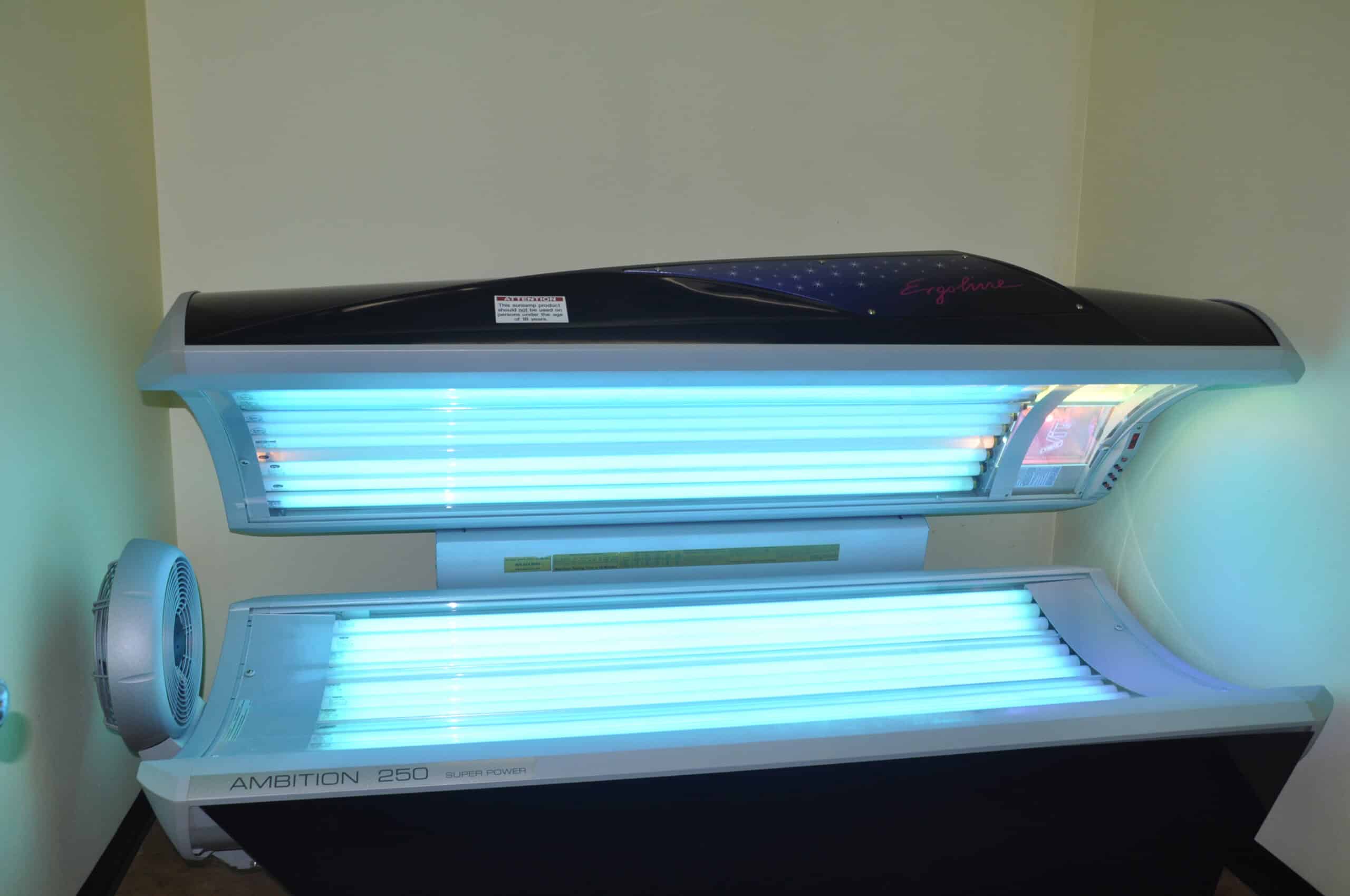
You won’t be able to get that sun-kissed look with a tanning bed in Brazil. Since 2009, Brazil has banned the use of tanning beds for cosmetic purposes due to health concerns. It was the first country to outlaw commercial tanning beds to protect public health. But really, if you’re in Brazil, why wouldn’t you just want to soak in natural sunlight instead?
Baby Walkers in Canada

In 2004, Canada banned the sale, advertising & import of baby walkers because of safety concerns. Studies showed that walkers may cause serious injuries by allowing babies to get into dangerous places like stairs and hot appliances. Owning a baby walker in Canada may lead to a fine of up to $100,000 so you’ll need safer alternatives for your little ones.
Cosmetics with Microbeads in the United Kingdom

Most exfoliating scrubs contain microbeads—but not in the UK. Since 2018, the UK has banned cosmetics containing microbeads because these tiny plastic particles pass through water filtration systems and end up in the ocean, harming marine life. Instead, you’ll have to stick to something more eco-friendly whenever you’re buying skincare products there.
High Heels at Historical Sites in Greece
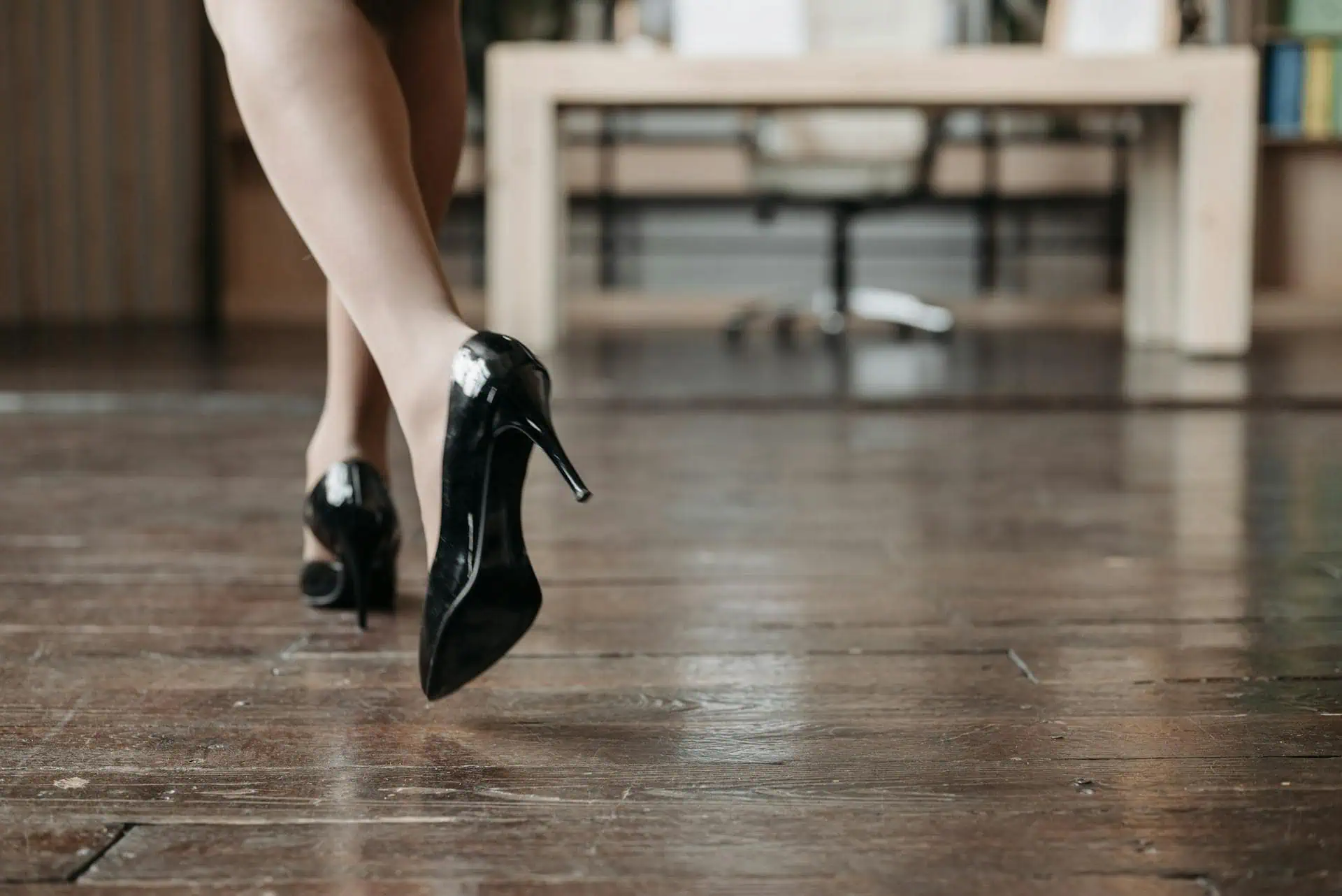
Anyone planning to visit Greece’s ancient sites will need to ditch the high heels. Wearing sharp-heeled shoes at historical monuments like the Acropolis is banned, which makes sense since the heels damage the ancient stone surfaces. You should pack comfortable, flat-soled shoes for exploring the ruins. Best of all, they’ll make walking around far easier!
Disclaimer: This list is solely the author’s opinion based on research and publicly available information.
Like our content? Be sure to follow us.
Read More: