What we learn in school stays with us long after we’ve left the classroom, like how to solve a difficult math problem. However, not everything we were taught is actually true! Some of these “facts” are more myth than reality and we’re going to look at some of them. Here are twelve educational myths from the classroom.
Featured Image Credit: PantherMediaSeller/Depositphotos.com.
Betsy Ross Designing the First American Flag

The story goes that Betsy Ross sewed the first American flag after a design consultation with George Washington. Even though it’s a nice tale of patriotism, historians have never found solid proof to back up this claim. The Betsy Ross flag story is more of a legend than documented history.
Slaves Building the Pyramids

Many of us were taught that the Egyptian pyramids were built by slaves. However, recent discoveries suggest that paid laborers built the pyramids instead. They were skilled workers who took pride in their work—a far cry from the image of slave-driven construction projects where they had no option but to comply.
Like our content? Be sure to follow us.
Goldfish Have a Three-Second Memory

You might’ve heard that goldfish can only remember things for three seconds—yet they actually have fairly decent memories. They can remember things for months rather than just a few seconds. They know their home quite well & remember a lot more than most people ever give them credit for!
You Swallow 8 Spiders a Year in Your Sleep

This one is more of a creepy myth than a cool fact. Someone once said that the average person swallows eight spiders a year while sleeping—but rest easy because this is not true. Spiders aren’t interested in sleeping humans! We make too much noise for them to go anywhere near us and they’d rather hunt smaller prey instead.
Cracking Your Knuckles Causes Arthritis

Many teachers tell students not to crack their knuckles because it causes arthritis. It’s just not true! The sound you hear is just gas bubbles bursting and studies have shown no direct link between knuckle cracking & developing arthritis. Yes, it probably annoys the people around you—but it won’t harm your joints.
Humans Only Use 10% of Their Brains
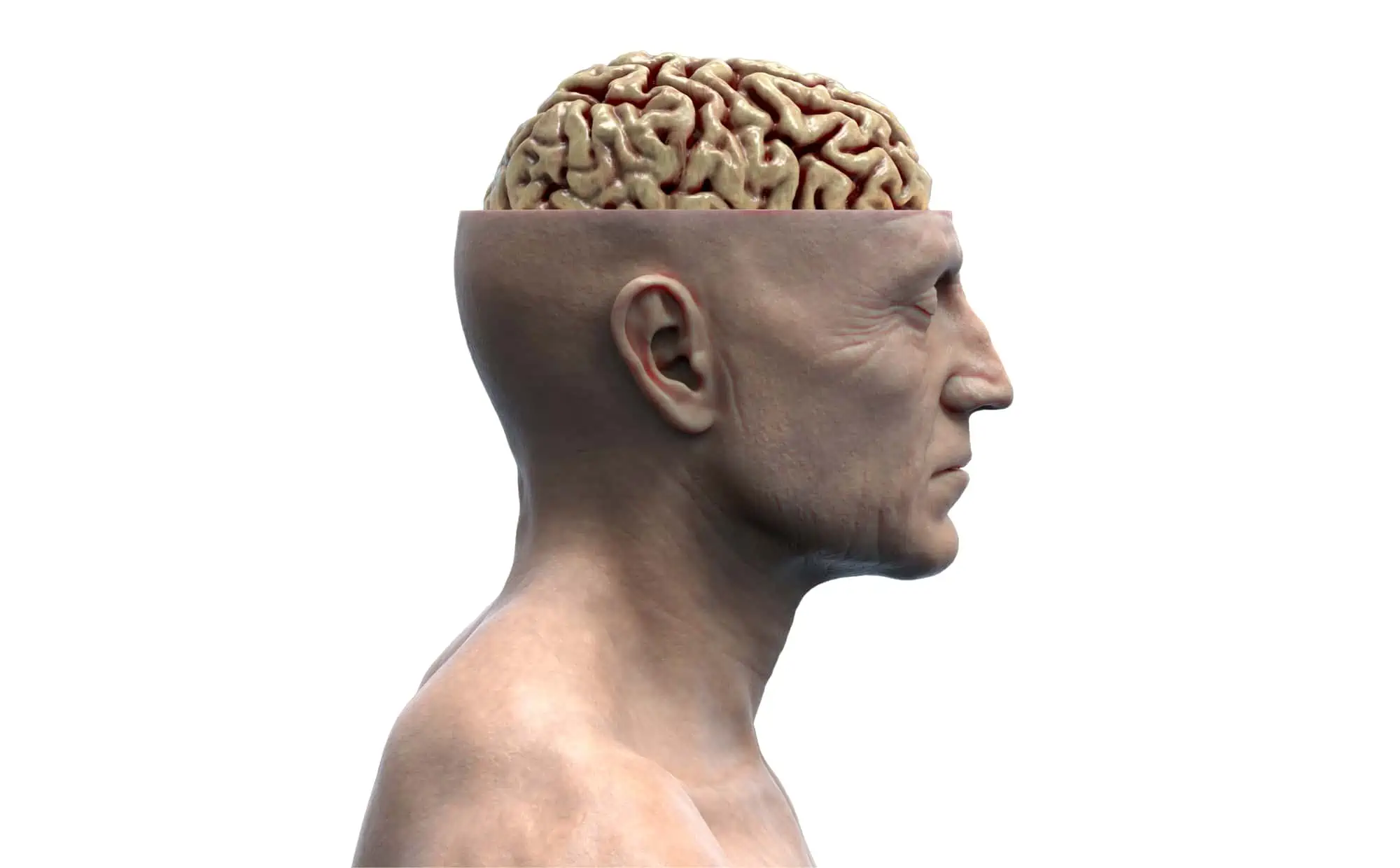
For some reason, some teachers claim that we use only 10% of our brains—and that unlocking the rest would unleash our hidden potential. Yet brain imaging shows that we use every part of our brain, it’s just not all at once. Each part has its own important role when we’re awake and when we’re asleep.
Bulls Hate the Color Red

Learning about bullfighting in school made many of us think that bulls charge because they hate the color red. Actually, bulls are color-blind to red—the movement of the matador’s cape is actually what provokes the bull. They could have a blue or green cape and the bull would still get angry!
Sugar Makes Kids Hyper

Lots of teachers blame sugar for their students’ hyperactivity, especially after lunch or a class party. But scientific studies prove there isn’t a link between sugar and hyperactivity. Instead, it’s the excitement of the occasion that’s probably making kids bounce off the walls. That doesn’t mean kids should have sugar all the time, though!
Shaving Makes Hair Grow Back Thicker

Many adults believe that shaving hair causes it to grow back thicker, darker—or faster. However, shaving has no effect on the thickness or growth rate of hair. It doesn’t affect the color, either! Hair usually feels coarser as it grows back because it’s been cut straight across but that’s about it.
Lightning Never Strikes the Same Place Twice

Even though we use the saying “lightning never strikes the same place twice” to describe extremely unlikely events, it’s not true. Lightning can and does strike the same place more than once—places like the Empire State Building get hit multiple times a year. Perhaps we should use a different idiom to talk about rare events.
We Have Five Senses

For some strange reason, schools teach kids that humans have five senses—sight, hearing, taste, smell, & touch. Yet this is an oversimplification because scientists argue we have at least 20. These include balance, temperature and pain. As such, our understanding of the senses is far more complicated than the five we learned about in school!
Chameleons Change Color to Blend With Their Environment

While it’s true chameleons can change color, it’s not simply for camouflage. Chameleons change color to regulate their body temperature or communicate with other chameleons. Rather than being a way to match their surroundings, the color change comes from their mood & physical state.
Disclaimer: This list is solely the author’s opinion based on research and publicly available information.
Like our content? Be sure to follow us.
Read More: