

Just because something is convenient, popular, or heavily advertised doesn’t mean it deserves a place in your shopping cart.
Single function gadgets
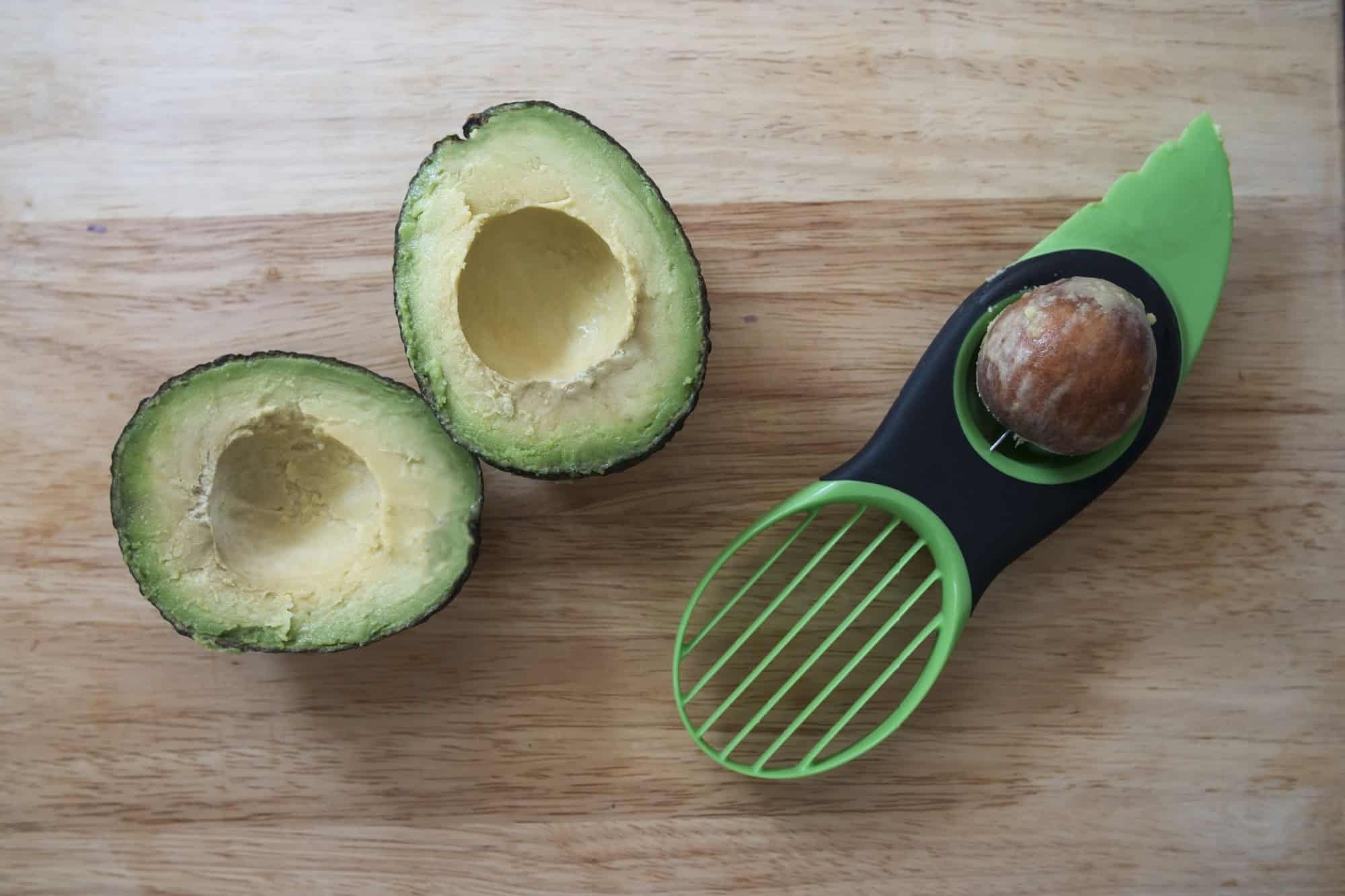
Avocado slicers, garlic peelers, strawberry hullers, egg quesadilla makers and all other types of specialized one-use kitchen gadgets will never live up to their claim of being fast and convenient; they will just sit in your drawer or take up counter space.
You can also slice, dice, chop, hull and smash avocado very quickly with just a good chef’s knife and a little common sense. These gadgets are also usually difficult to clean by hand and can often deteriorate with dishwasher use.
Pre-sliced produce

While it’s so tempting to just grab a bag of pre-cut melon, onions, or zucchini after a tiring workday, you might not realize you’re shelling out three to five times the price per pound for that convenience.
Fruits and veggies start to deteriorate (lose nutrients and moisture) as soon as their skin is breached, so pre-cut produce will go bad much quicker in your fridge, contributing to food waste. Plus, taking five more minutes to chop on your cutting board will save you money and taste better.
Luxury bottled water

Sleek glass bottles, minimalist labeling, and boasting about exotic origins can hide an inconvenient truth: a good deal of the fancy bottled water you see at the supermarket is just treated tap water from the city, bottled up nearby.
When your local tap water is perfectly fine, paying a king’s ransom for designer water won’t boost your health or improve the taste in any real way. With a quality stainless steel bottle and a reliable faucet filter pitcher, you’ll get purified water really cheaply.
Commercial fabric softeners
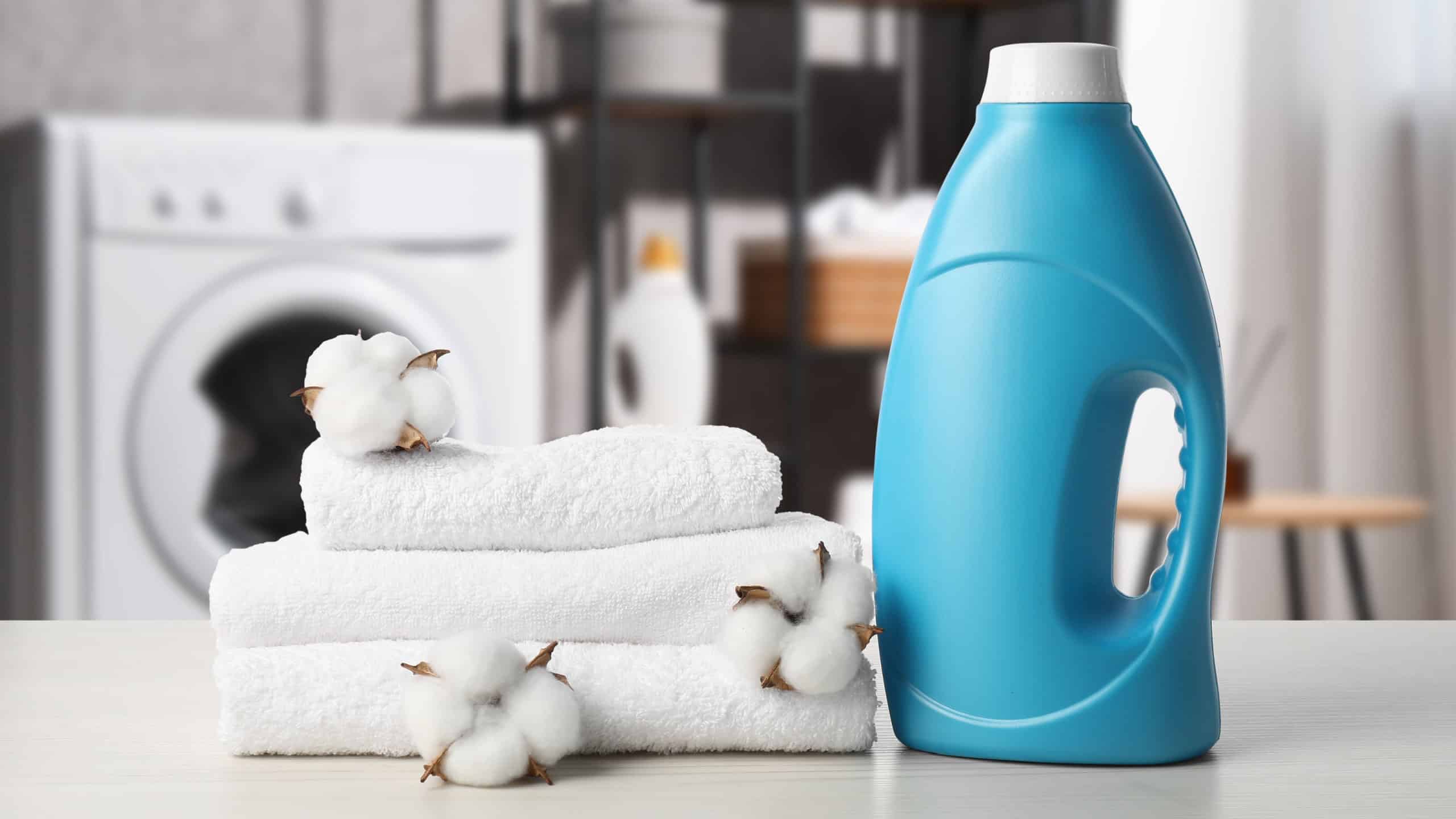
Liquid softeners and dryer sheets are essentially advertised to make your laundry feel soft and smell fresh. However, they achieve this by coating your clothes in a thin layer of wax-like chemical residue.
This buildup can prematurely wear out the moisture-wicking properties in your workout clothes, make your bath towels less fluffy and absorbent, and even accumulate in your dryer’s exhaust vent, posing a serious fire risk.
Cheap alternatives like wool dryer balls or a cup of distilled white vinegar added to your rinse cycle make your clothes soft (and static-free) naturally.
Name-brand OTC remedies

When faced with an unexpected headache, allergies, or heartburn, we tend to grab what’s familiar off the shelf. But choosing that well-known brand name product over the generic is one of the easiest ways to waste your money at the pharmacy.
Federal health standards require all non-prescription drugs, whether store brand or generic, to contain the same active ingredients, potency, safety information and effectiveness as their big-name competitors. That generic bottle at the bottom of the shelf will provide the same relief and leave more money in your pocket.
Retail extended warranties

Cashiers and online checkouts love to sell you extended service plans and protection plans whenever you buy televisions, laptops, or small appliances.
There’s a reason these warranties are statistically so lucrative: it’s extremely rare for consumer electronics these days to develop defects outside of their factory warranty (outside of obvious physical damage, which these warranties typically don’t cover anyway).
Chances are, spending money up front for a just-in-case buffer will end up costing you significantly more over time than self-insuring with a small emergency fund of your own.
Premium AV cables

Retailers will try to sell you expensive HDMI or audio cables, digitally guarded from interference already, that offer better signal clarity or more vibrant colors, or faster speeds. Digital signals are either intact, or they aren’t. There’s no in-between to squeeze marginally better pixel data through.
A $10 HDMI cable that meets current standards will output exactly the same quality 4K or 8K picture and audio as a $100 audiophile-grade cord will in your home. Specialty cords are money thrown straight into the trash.
Disposable cleaning sheets

Convenience cleaners like wet wipes, disposable floor pads, and disposable dusting towels are fast and easy to use but create an endless cycle of buying more month after month.
Not only do they cost you more money over time, but they also create tons of waste. Many of these disposable wipes also have a tendency to dry out inside the packaging before you’ve finished them.
Replacing them with a set of reusable microfiber towels and a regular all-purpose spray cleaner provides stronger scrubbing abilities, will keep you cleaning for hundreds of loads, and will only cost you a few cents each time.
Mainstream grocery spice containers

Buying little-name-brand glass bottles of spices from the supermarket aisle is one of the most expensive ways to season your food. Many times you are paying ludicrous prices per ounce. Spices in those glass jars have been sitting on the warehouse shelf for months, losing their flavorful essential oils well before you purchase them.
Head to the bulk spices aisle or an international market or Asian/Hispanic grocery store to purchase much fresher whole or ground spices in quantities you want for a tiny fraction of the grocery store price.
Single serve coffee pods

Pod brewers are incredibly convenient and brew quickly, but if you think about how much it costs to purchase a single pod every day, the yearly cost per pound is astronomical.
Not only do you get stuck with a particular brand’s offerings, but the pods themselves usually don’t bring out the peak flavor from your roasted beans, leaving you with a lukewarm, watery cup compared to alternative brewing styles.
Invest in a traditional coffee brewer like a drip coffee maker, French press, or pour-over cone and you can drink better quality coffee (think specialty) for a fraction of the cost per cup.
Novelty-ingredient skincare

Many of the most expensive skincare creams lean on fancy additions like crushed pearls, gold leaf, unique mountain plant extracts, or their own special caviar formulas to command their high prices.
Time and again dermatologists and cosmetic formulators have confirmed there is no peer-reviewed scientific evidence that these fancy ingredients work any better than humble, well-researched ingredients. Affordable moisturizers with tried-and-true actives such as hyaluronic acid, niacinamide, glycerin, and broad spectrum SPF will give you better defense and healthier skin.
Aerosol dusting cans

Canned air is commonly used to blow dust off of keyboards, camera equipment and sensitive electronics. However, cans go flat quickly, turn to ice if used too long and don’t last long. Purchasing cans over the course of the year can become an expensive annoyance.
You are constantly throwing away empty aerosol cans as well. An electric desktop air duster is a small investment that will plug into the wall or your rechargeable battery and blow strong, repetitive bursts of air for years.
Pre-grated cheese bags

Pre-shredded cheese may appear convenient for taco nights or easy mac, but it has obvious disadvantages when it comes to price and quality.
To prevent the shreds from sticking together inside the bag, manufacturers spray cheeses with cellulose powder, potato starch, and natamycin, making it difficult to get smooth melts and giving finished dishes a slightly chalky taste.
It takes less than two minutes to grate a block of cheese on a traditional box grater, you’ll pay less per ounce, and your food will taste way better.
Traditional TV subscriptions

Your cable or satellite provider probably advertised you a low monthly rate when you signed up, but eventually your bill grew with equipment rental charges, regional sports fees and broadcast access fees.
Now you’re paying upwards of $100 per month for hundreds of channels you don’t watch to access a few of your favorite shows and live sports. Cut the cord by replacing your overpriced cable bill with an HD digital antenna to receive local networks free-of-cost, and a few inexpensive streaming services that you rotate throughout the year.
Plug-in air fresheners
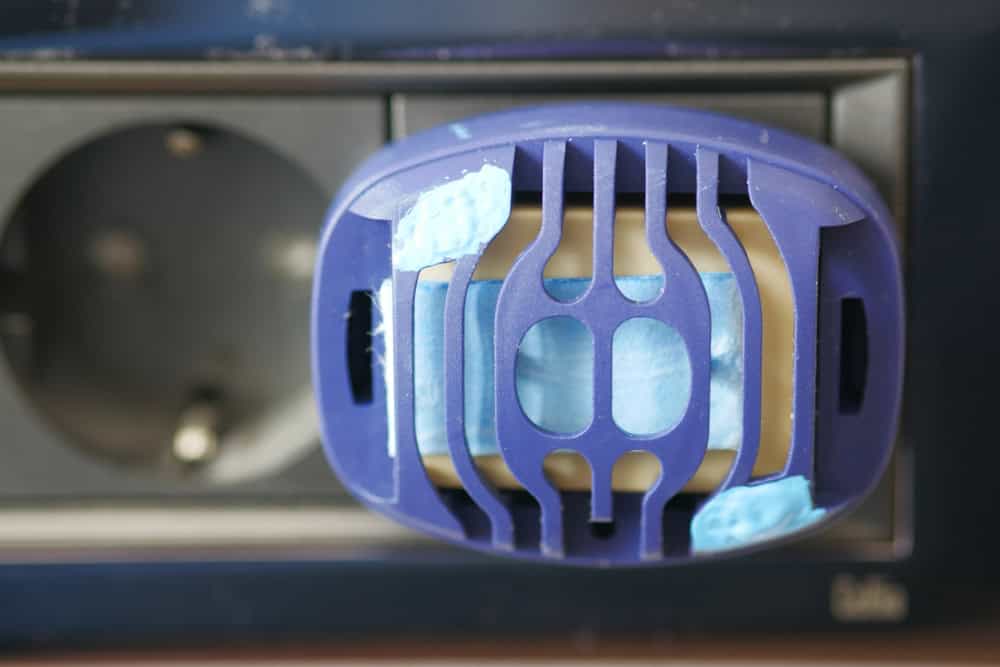
Plug-in air fresheners and aerosol room sprays cost you money every time you refill the unit and cover up odors with heavy synthetic fragrances. Artificial smells can be hard on sensitive lungs, cause allergies, and even deposit a film on surrounding objects without eliminating the odor itself.
By cleaning what is causing the smell, airing a room out naturally and using natural absorbents (baking soda, activated charcoal or a few drops of essential oils in a diffuser) will renew your space more efficiently and economically.
Like our content? Be sure to follow us.
10 products millennials won’t buy anymore, and it’s hurting entire industries

People talk about millennials destroying industries all the time, and it turns out there’s some truth to that because they’ve quit buying some products.
10 products millennials won’t buy anymore, and it’s hurting entire industries

