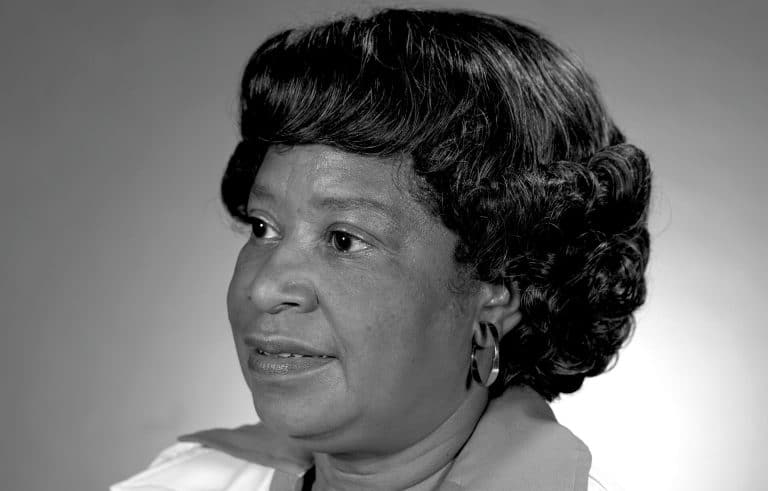

One of the strangest things about history is how it manages to ignore some people completely, then decide years later that these people were really worth knowing about.
The garage was supposed to be emptied
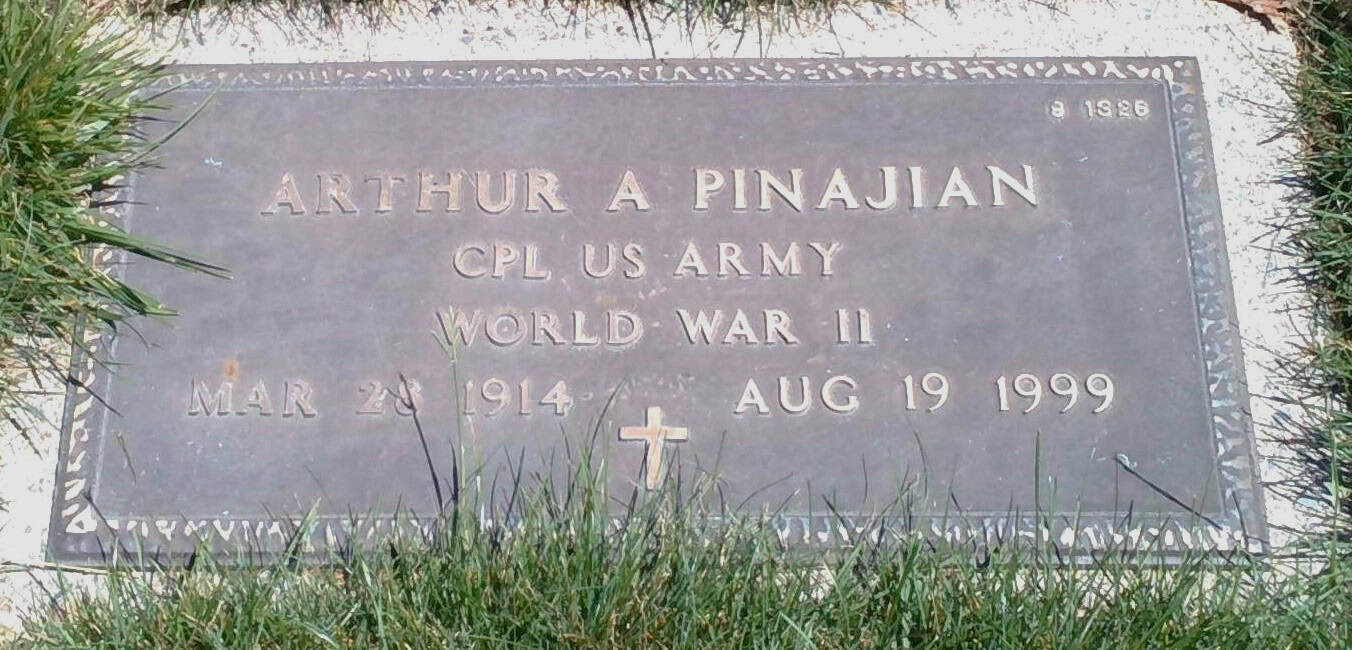
Arthur Pinajian lived a relatively quiet life in Bellport, New York. He’d worked as a comic-book artist, but was rather unknown, and most people had no idea about the thousands of paintings he’d made. But he’d made them. Pinajian died in 1999 at 85.
Thomas Schultz and Lawrence Joseph later bought Pinajian’s former property, and what they found inside was stacks of artwork in the garage. These included landscapes and abstract works, as well as sketches and journals. Pinajian’s family told them these pieces could be thrown away, but they refused to dispose of them. One piece eventually sold for $20,000.
The answer was behind the fireplace
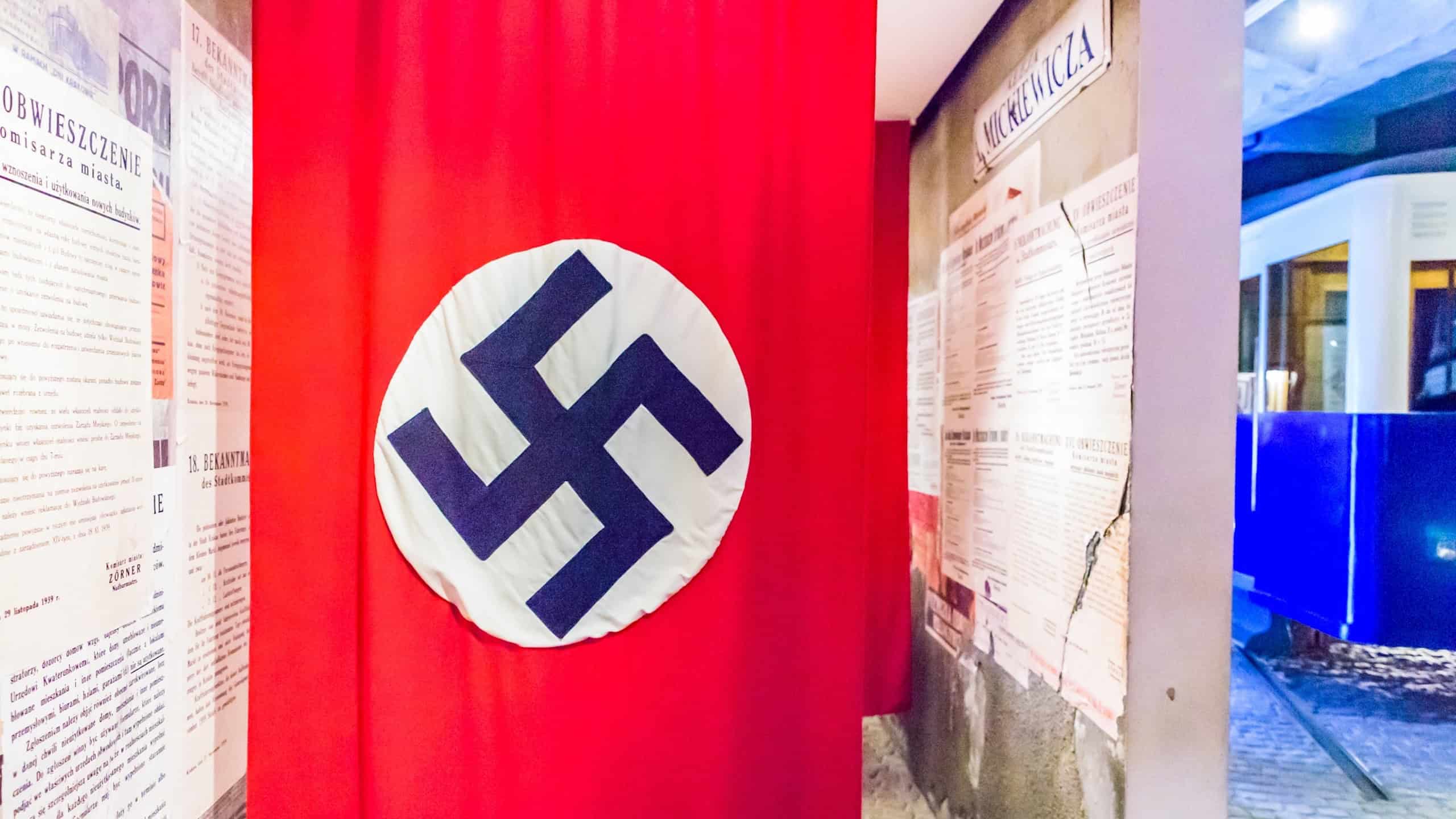
Pretty much all Harry Bingham’s children knew about their father was that he was a diplomat. Nothing more, nothing less. But the truth was, he’d worked as an American vice consul in Marseille during World War II and had helped refugees escape Nazi-controlled Europe. He issued them documents and sheltered them, while also working with rescue networks.
Bingham settled into a much quieter life on a Connecticut farm and kept the whole thing secret, right until his death in 1988. It was years later that his children learned the truth. Yes, they were clearing his house and found wartime papers hidden in a closet behind the fireplace. Only then did they learn how much of a hero their father had really been.
The woman behind four letters
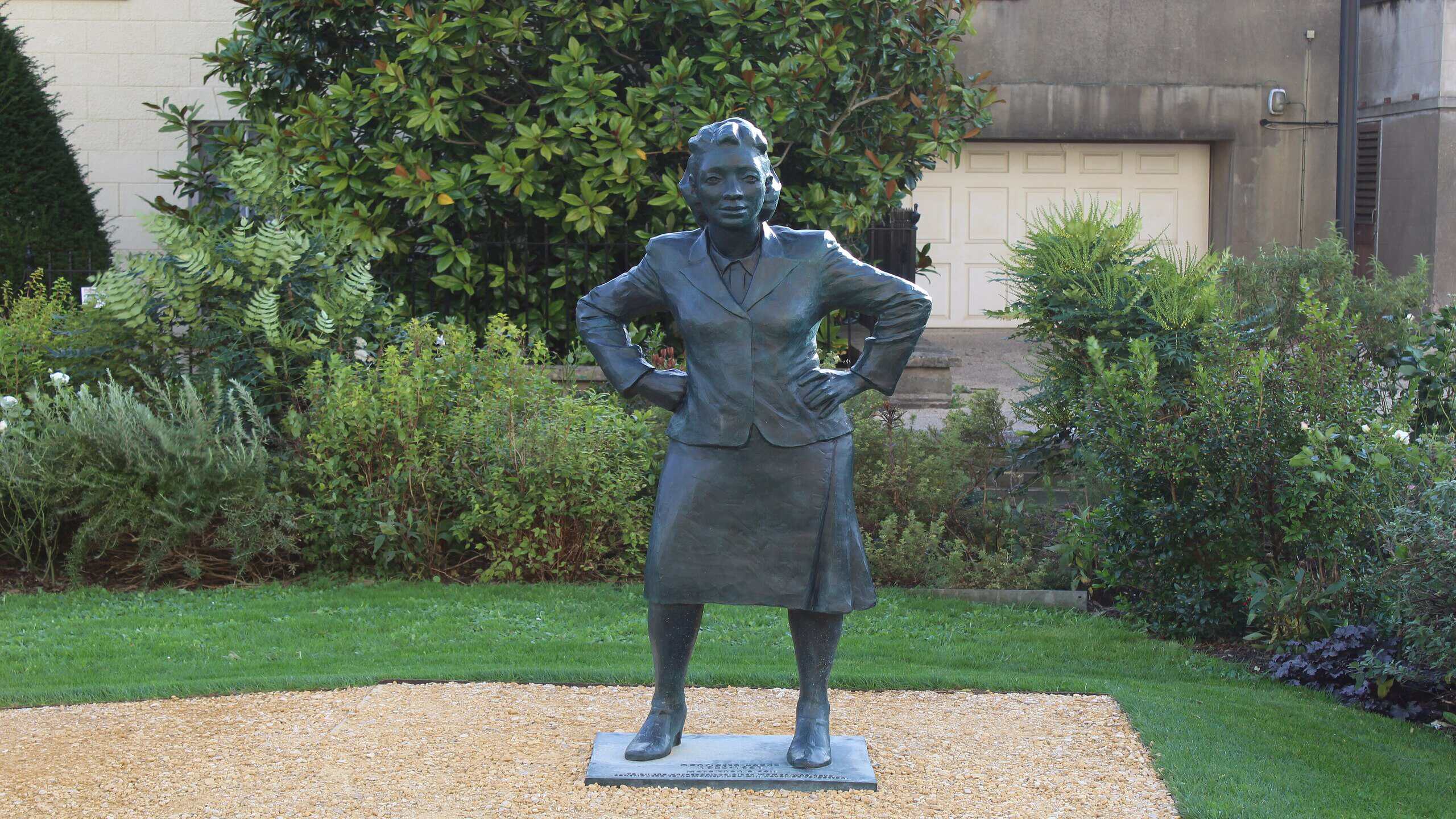
Henrietta Lacks was simply a 31-year-old mother in 1951. She was being treated at Johns Hopkins Hospital in Baltimore for cervical cancer and seemed, at the time, an ordinary patient. But during treatment, doctors took cells from her tumor and never told her.
These cells, known as HeLa, continued to grow, and researchers began using them in various studies. Lacks herself passed away on October 4, 1951. It wasn’t until decades later that the truth came to light, and Henrietta Lacks’s real story became known to the public.
The nanny with another life
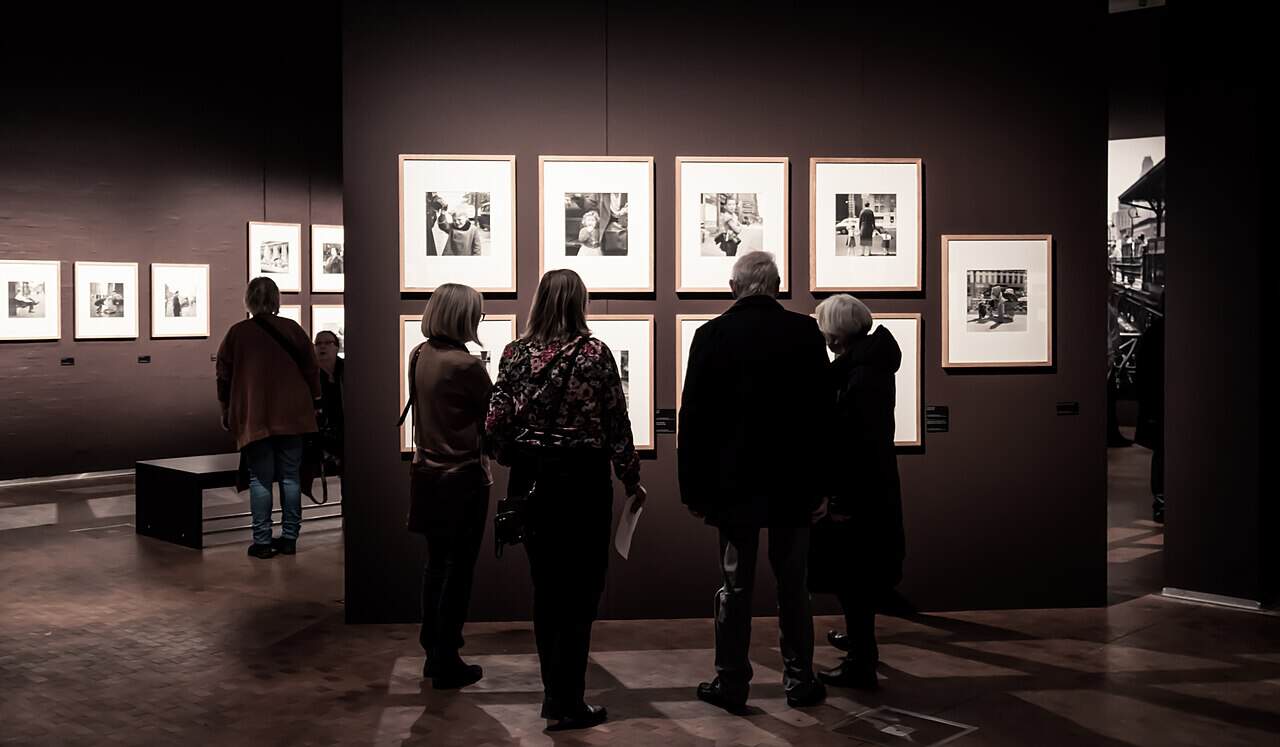
Parents in Chicago knew Vivian Maier as the woman looking after their kids, and that was all. What most people didn’t know, even those close to her, was that she’d spent decades using her camera to build an archive of over 150,000 photographs. Some of these photos weren’t even developed, and a lot of them showed the ordinary lives of days past.
She kept the photos in a box in storage until she was forced to auction the unit due to debt. The storage company sold the box off in 2007 to collector John Maloof. He had no idea what he had. Maier died in 2009, but around that time, Maloof posted some of her photos online, and Maier became a celebrated street photographer. All of that fame came after she died.
The manuscript that finally escaped rejection
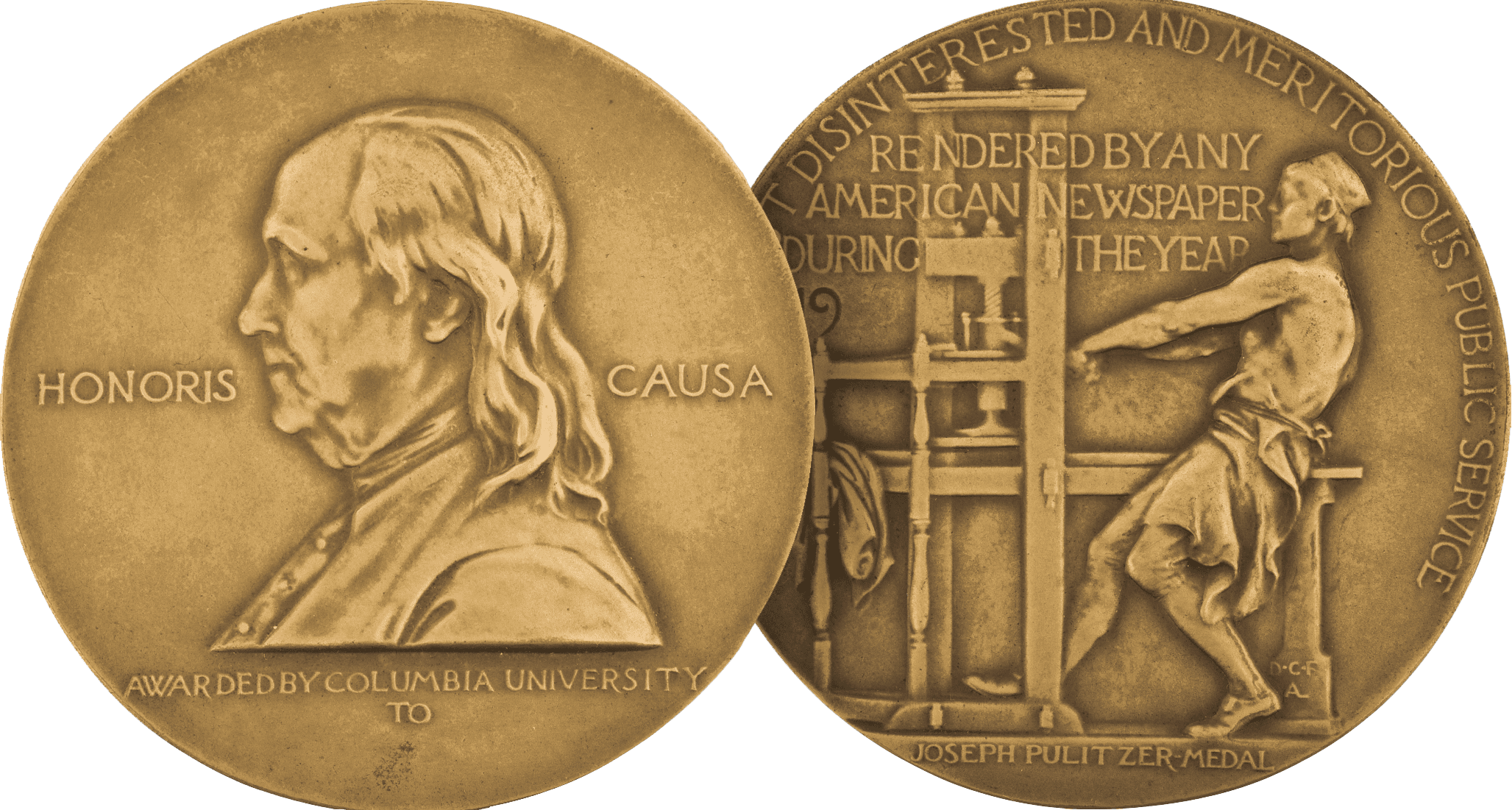
‘No’ is a difficult word to hear sometimes, and John Kennedy Toole knew that better than most people. He’d repeatedly tried to get his novel, A Confederacy of Dunces, published, but he just wasn’t able to do it. It wasn’t for a lack of trying, though. Toole died in 1969 at just 31, believing that was it for him.
His mother, Thelma Toole, thought differently, and she kept pushing the manuscript until someone would listen. Novelist Walker Percy finally did it. In 1980, he helped to get the book published, and it ended up winning the Pulitzer Prize for Fiction a year later. Toole had been dead for over a decade by that point.
Five poems weren’t much of a reputation
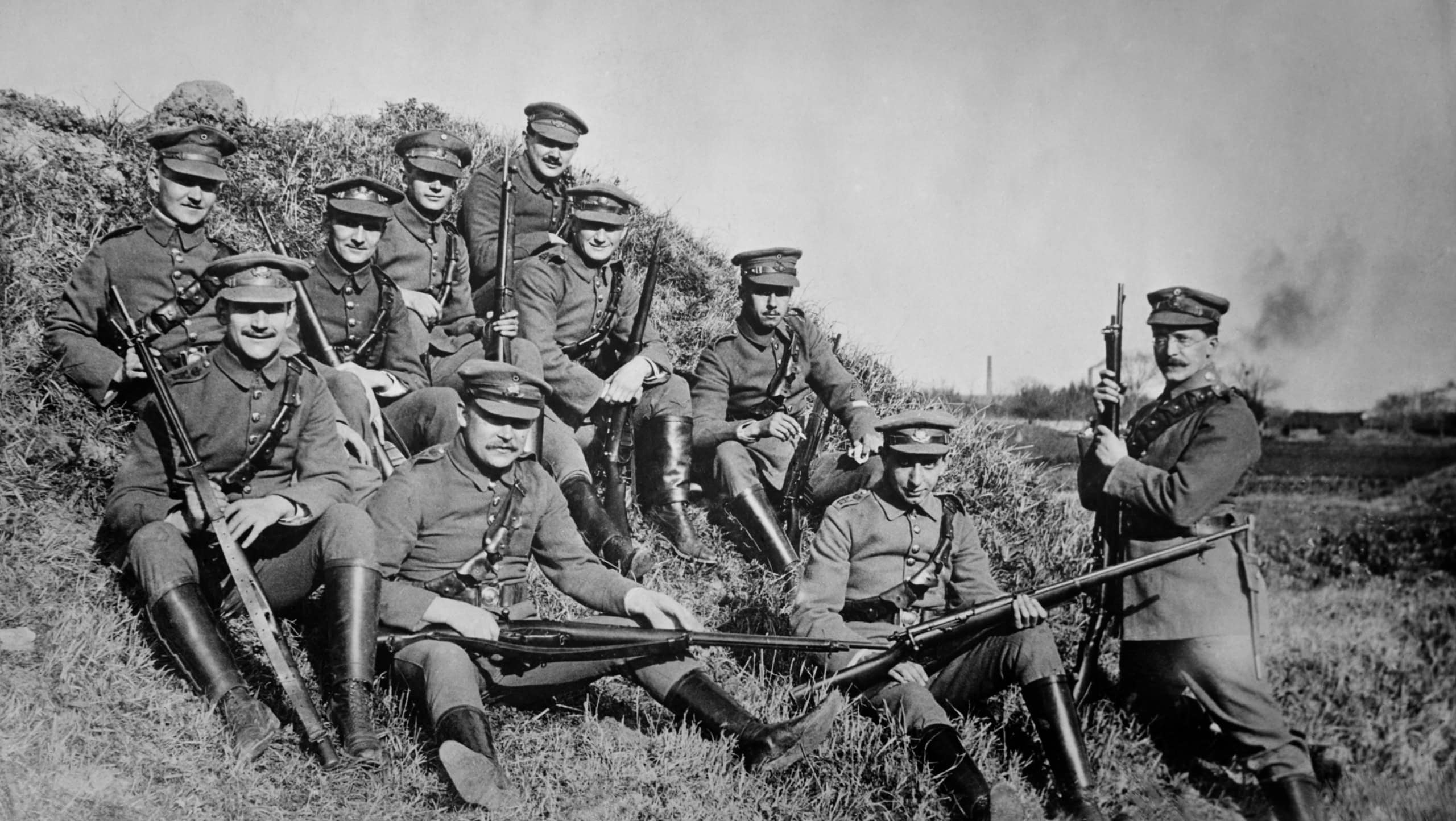
Wilfred Owen wrote some of the most famous poetry from World War I. The odd thing is, nobody would’ve guessed that while he was alive, as only five of his poems were published in his lifetime. Two of those were published anonymously.
Owen was serving as a British soldier when he was killed on November 4, 1918, exactly a week before the war ended. After he died, collections of his work began being published. The most notable of these was Poems, published in 1920, and then readers really discovered him.
Her real name had to stay hidden
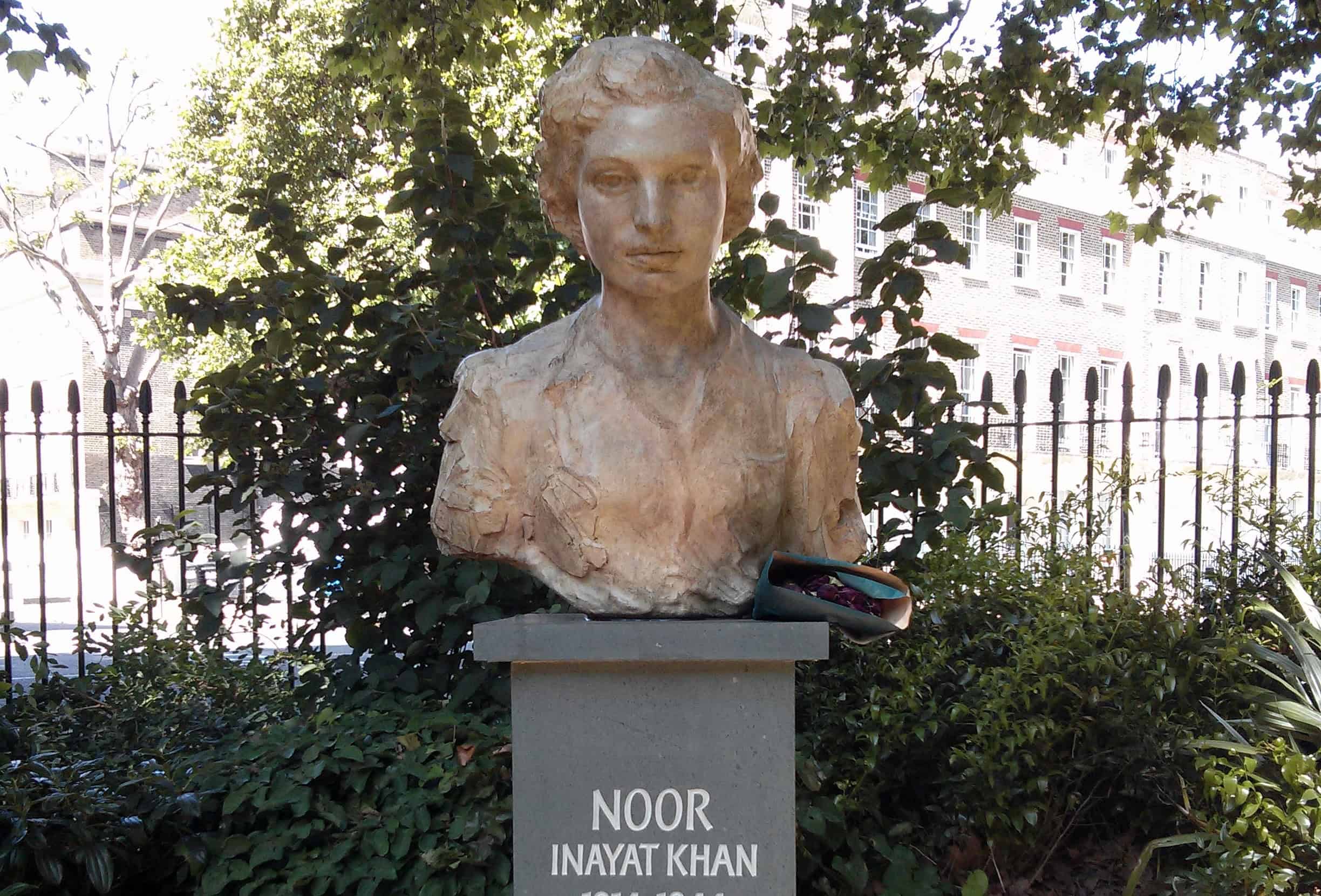
The main reason Noor Inayat Khan wasn’t famous during her lifetime was that her job depended on her being a nobody. She was a spy, after all. Khan was born in Moscow in 1914 and raised mostly in France before joining Britain’s wartime services. She was sent into occupied France in 1943 to work as a wireless operator for the Special Operations Executive.
Khan operated under the codename Madeleine and kept transmitting vital information to the Allied Forces, right until the Gestapo captured her. Khan was killed at Dachau concentration camp in 1944. Five years after she died, Britain awarded her the George Cross, and she was finally given the public recognition she deserved.
The basement stayed private

Morton Bartlett had quite the odd habit. He spent years in his Boston home dressing, posing, and photographing fifteen highly detailed plaster figures. Nobody knew that at the time, though, mostly because he kept it a secret while working in advertising and as a graphic designer.
Bartlett also ran an art-supply business. He made the figures from the 1930s into the 1960s, yet barely showed them. He died in 1992. It was after his death that the public caught wind of his unusual hobby, and that was when his sculptures and photographs began appearing in galleries.
The curb nearly got everything
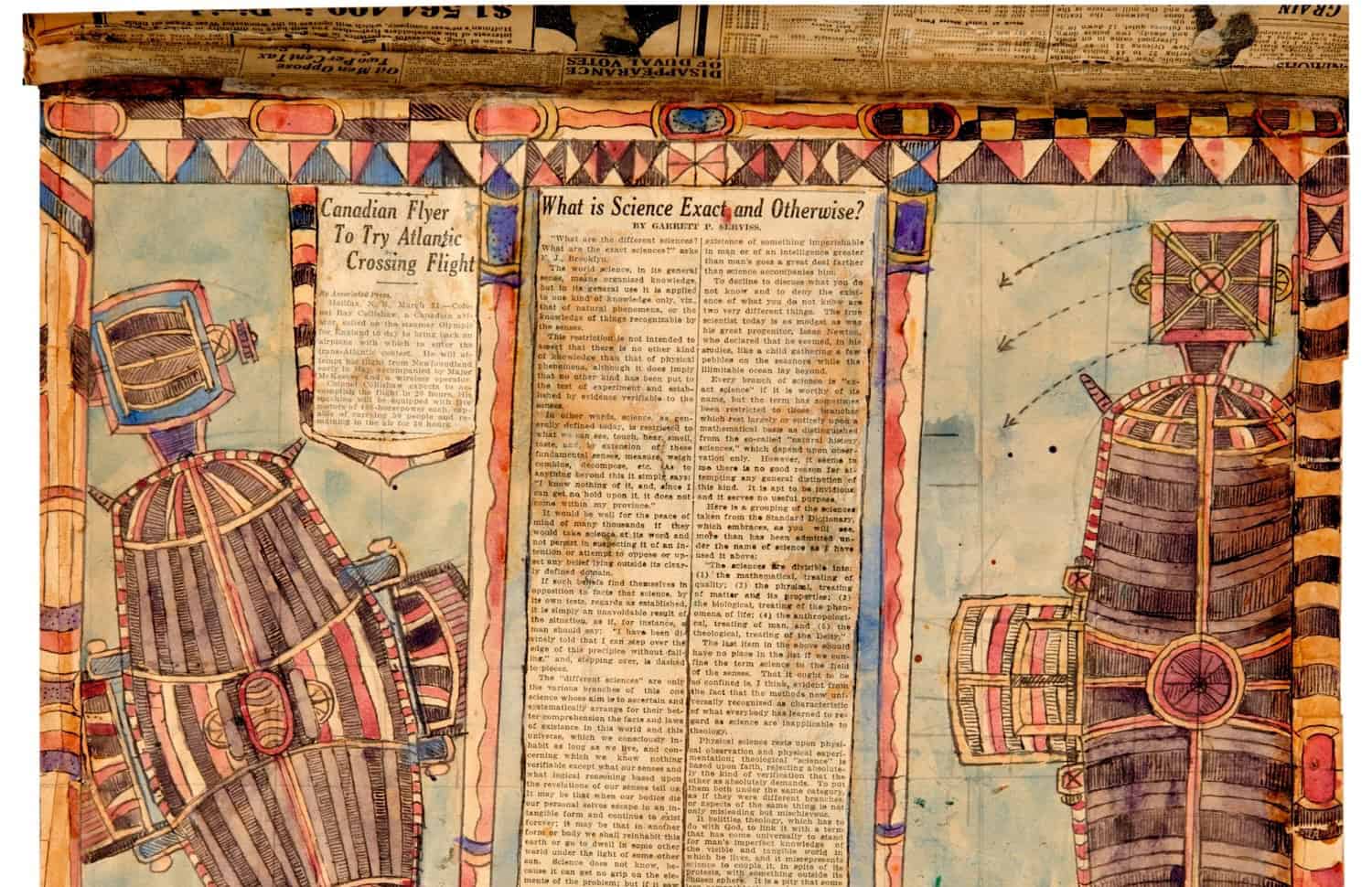
Charles Dellschau’s drawings came so close to disappearing forever. The German-born former butcher retired in Houston and, by that point, had filled huge homemade books with his drawings. These included images of incredible flying machines and mysterious societies. But when he died in 1923, his books sat in the family home, ignored and unread.
It wasn’t until a fire decades later that the books were eventually taken out of the house and dumped on the street. It just so happened that a junk dealer was walking by and rescued them. Then, in the late 1960s, Dellschau’s work made him a famous Houston artist, despite the fact that he’d died over forty years before.
Her movie waited more than 30 years

In 1982, Jersey City native Kathleen Collins made the film Losing Ground, although nobody had the chance to see it at the time. She’d already worked as a teacher, writer, and playwright by that time. The film was pretty ahead of its time back then, as it was about a Black female philosophy professor. But distribution was practically non-existent.
Collins died from breast cancer in 1988 when she was 46. Fast-forward to 2015, and the film finally got a proper theatrical release in New York, 27 years after the filmmaker herself had actually died. That’s one heck of a debut delay.
Eight hundred drawings stayed in one house

Most people who knew about Pearl Blauvelt and her drawings just assumed she liked making art. They never would’ve guessed that she was trying to build an art career. Blauvelt lived in rural northeastern Pennsylvania and sketched hundreds of things, both real and imaginary. She was eventually moved into a care facility and left these pieces of art behind.
Her house lay neglected for years, right until after Blauvelt died. The new owners took control of the house and found there was a wooden box buried among the clutter. They opened it, of course. What they found inside were around 800 of Blauvelt’s drawings, and these ended up appearing in collections like New York’s Museum of Modern Art.
The wiper outlived its inventor

There had to be an easier way. That’s what Mary Anderson thought to herself as she watched a New York streetcar driver struggling with snow on the windshield. There had to be an easier way of clearing the snow. So, when she returned to Alabama, she tried to do exactly that, and she designed a hand-operated rubber blade that could clear the glass from inside the vehicle.
She received a patent for her invention in 1903, but car companies weren’t interested. The patent eventually expired, and Anderson died in 1953, although windshield wipers had already become normal equipment by that point. Her contribution to their invention wasn’t publicized until far later, when she was inducted into the National Inventors Hall of Fame in 2011.
The engineer became a household name later

Most of the people who knew Mary W. Jackson during her lifetime were those who worked with her. She joined the National Advisory Committee for Aeronautics, which would later become NASA, and became its first Black female engineer seven years later. That alone was pretty impressive.
It was thanks to her and her team’s calculations that NASA was able to land a spacecraft on the Moon, yet her contributions were kept rather quiet. Jackson herself died in 2005. In 2016, the film Hidden Figures was released, and millions of people suddenly knew her name. NASA even named its Washington headquarters after her, she was that important.
Refugees knew him as Mr. Philips
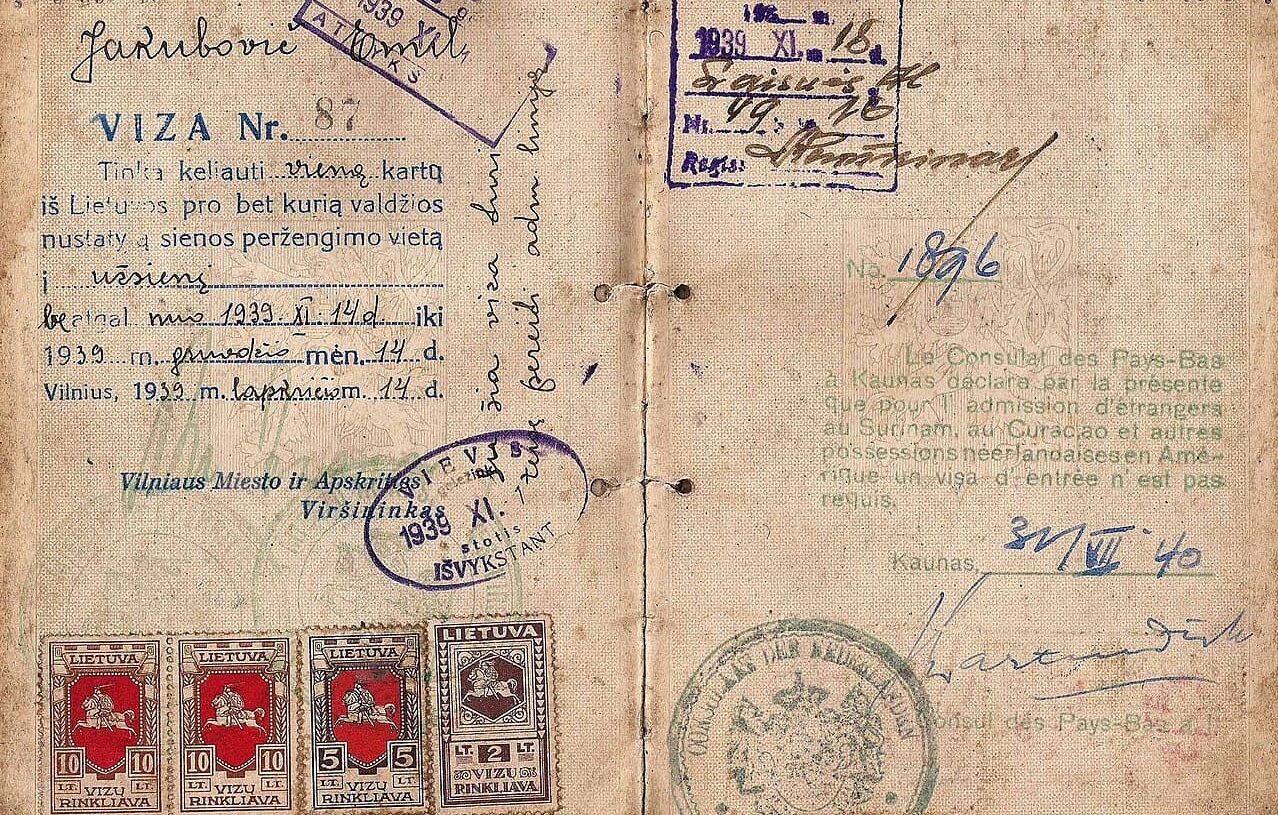
Jan Zwartendijk was someone who helped thousands of people escape the Nazis, but they didn’t find out his real name until much later. He worked in Lithuania as a Philips executive in 1940 and began stamping Jewish refugees’ passports, saying they could enter the Caribbean island of Curaçao without a visa. It saved their lives.
A lot of the refugees who managed to flee simply knew him as ‘Mr. Philips,’ rather than by his real name. He died in 1976. But that wasn’t the end of his story, as it was a few decades later that people began recognizing the contributions he had made. He was named Righteous Among the Nations in 1997.
Sources: Please see here for a complete listing of all sources that were consulted in the preparation of this article.
15 historical figures who were a sight for sore eyes
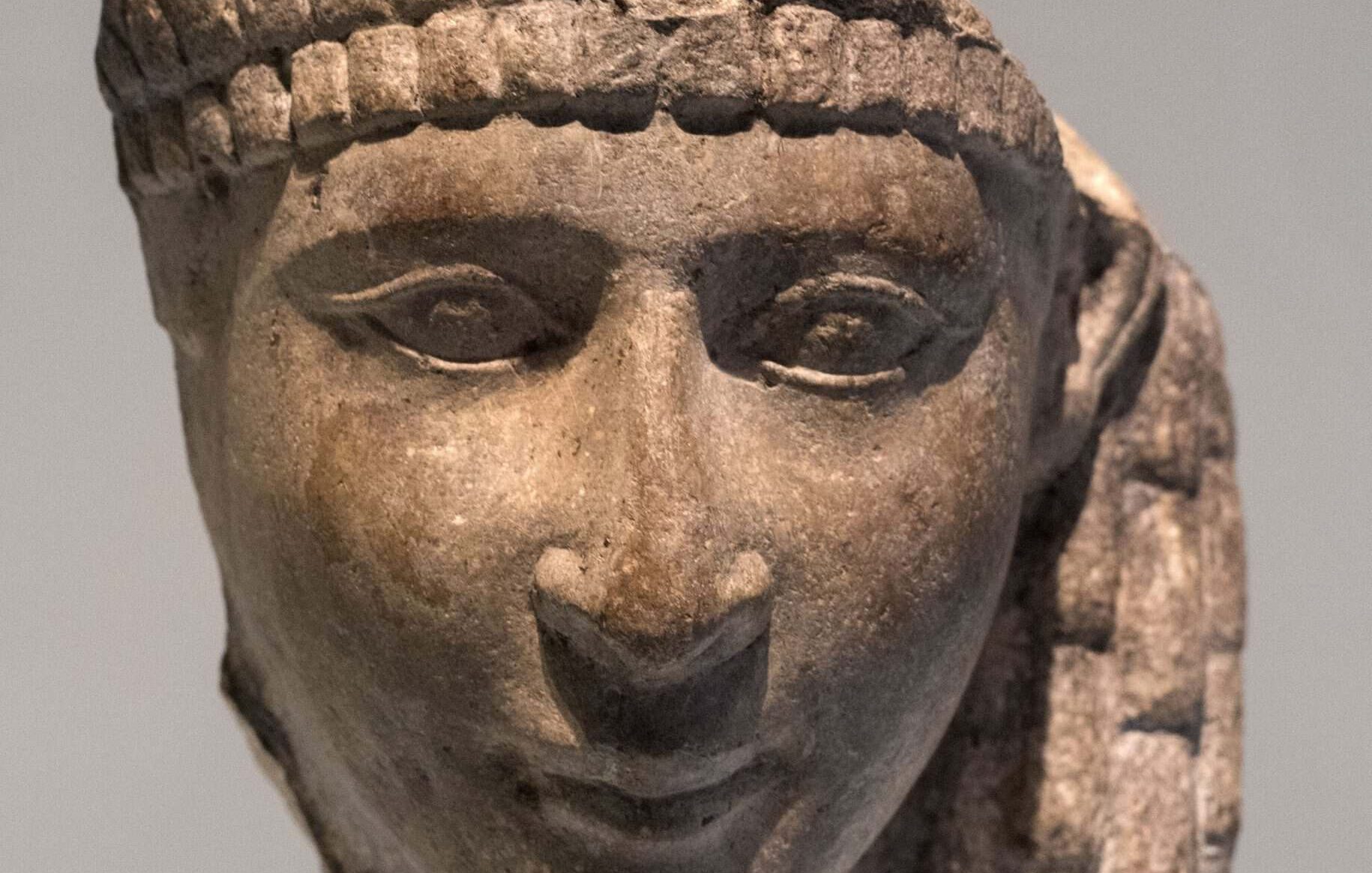
Sure they all changed the world with their actions, but their looks didn’t hurt in making them immortal.
