

These sayings don’t sound so innocent once you hear where they come from.
Sold down the river

To be “sold down the river” means to betray or abandon someone. But there’s a dark history behind this expression.
In some cases, enslaved people in the Upper South were sold to slave traders who drove them down the Mississippi river to plantations farther south. “Sold down the river” essentially meant being torn away from family and subjected to an even worse form of forced labor.
The term, by the 1800s, was employed to refer to the actual occurrence before it gained its wider figurative usage.
Meet a deadline

We think of deadlines as just another date on the calendar. But the word actually has a sinister origin in American history.
During the Civil War, some prisons were marked by a literal “dead line.” Prisoners were not allowed to cross this line. At Andersonville, prisoners who crossed the deadline were shot. The modern sense of deadline as a time limit that cannot be passed developed from this.
It’s widely accepted that prisons are connected to this term, though academics caution against designating Andersonville as the only starting point.
Bite the bullet
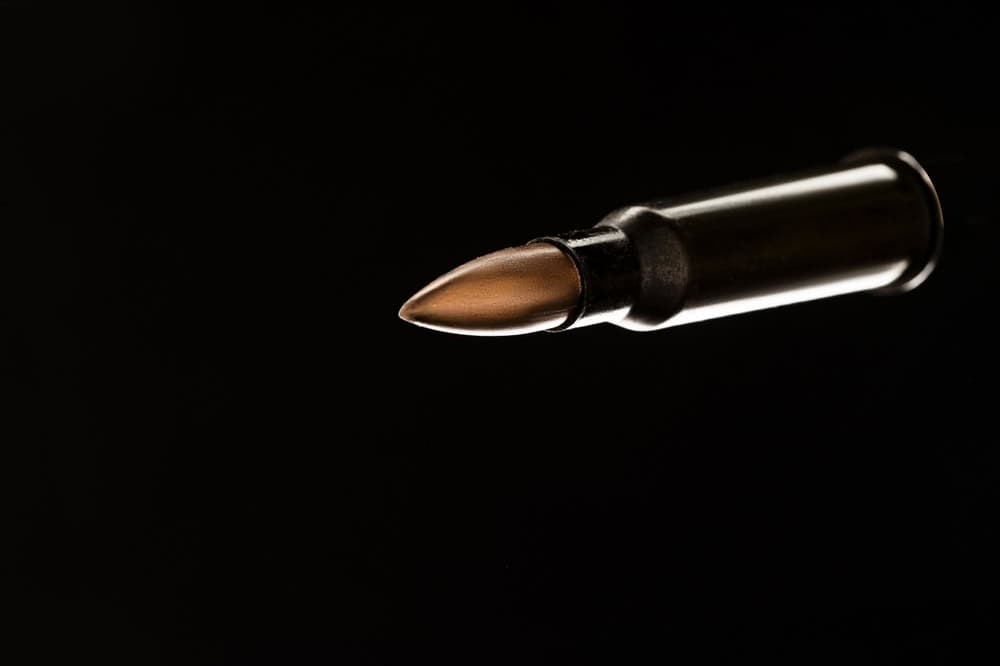
To tell someone they need to “bite the bullet” these days means that they need to deal with an unavoidable, unpleasant situation bravely.
However, this term originated during the 19th-century battlefield surgeries before anesthetics were invented.
Before anesthesia, military doctors would have wounded soldiers, needing swift operations like amputations or shrapnel removal, grip a soft lead bullet in their teeth to prevent them from biting their tongues during surgery.
Caught red-handed

You hear people throw this around any time someone is caught in the act of doing something naughty or illegal. But where does the phrase come from?
According to 15th-century Scottish law, from which this idiom springs, you couldn’t be found guilty of cattle poaching or murder unless the blood of the victim or animal was still fresh on your hands when apprehended.
The thinking was, if the blood was gone, the evidence wasn’t substantial enough for conviction.
Basket case
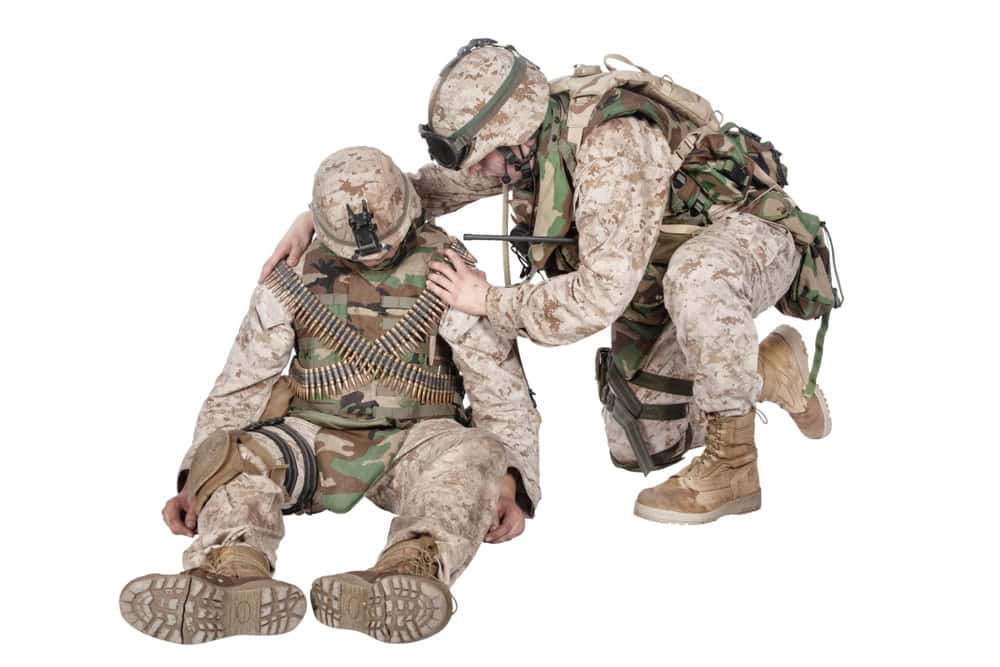
If someone calls you a “basket case,” these days they’re probably implying that you can’t handle life. But the earliest American use of the phrase referred to grievously injured soldiers.
It’s said that soldiers who’d had their limbs taken from them were labeled “baggages” due to their need for transport in baskets or carts. Rumors spread during World War I of soldiers who had lost all four limbs and were carried aboard transport ships in baskets.
The Surgeon General of the U.S. military had to issue a statement in 1919 that these so-called “basket cases” were non-existent in military hospitals. With time, basket case took on its broader meaning of someone or something hopeless or unable to function.
Kick the bucket

What we now call “kick the bucket” actually describes the grim slaughtering procedures from 16th-century England.
Back then, animals destined to be killed were hung upside-down from their hind legs using a wooden beam called a “bucket” (the term bucket comes from the Old French buquet, meaning beam or balance). When the animals were slaughtered, they violently bucked their legs on the wooden beam as their muscles spasmed.
Sweatshop

The term “sweatshop” actually began as a reflection of America’s industrial working conditions, not as a descriptor for unethical clothing factories.
By the late 1800s, the term was used in American English to describe workplaces where individuals worked loathsomely long hours for minimal wages.
And it started showing up in references to the clothing trade and the “sweating system,” referring to a labor system where production could be shifted onto someone else who’s paying workers extremely low wages to work incredibly long hours.
Skid row
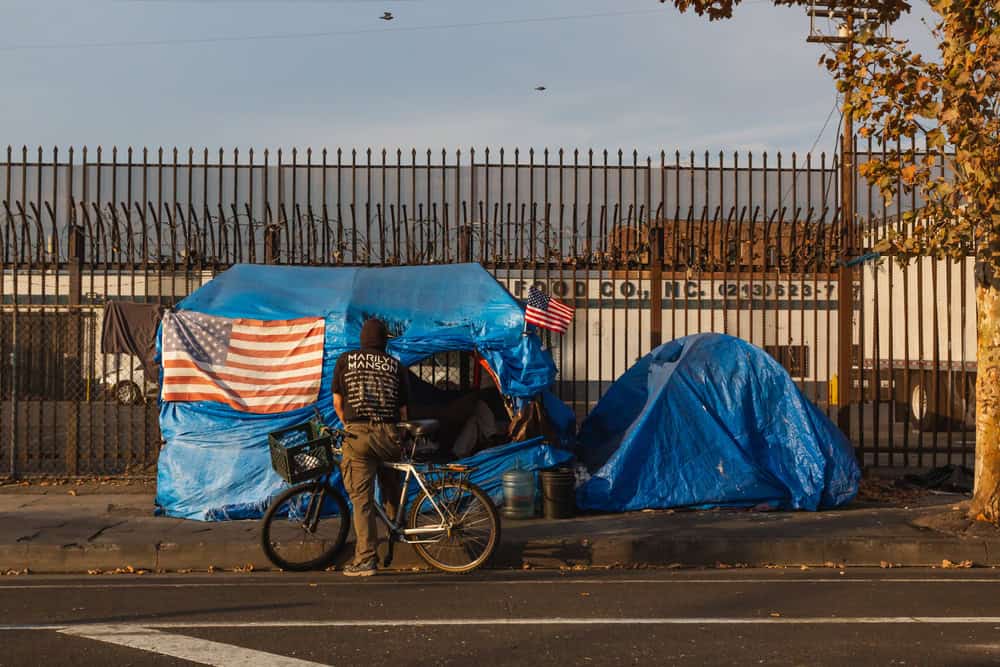
While the phrase may bring to mind images of homelessness, “skid row” was originally used to describe a run-down area of town.
The term dates back to “skid roads,” which were paths made to transport logs to nearby rivers for easier travel. As the woodworkers moved the timber, they’d slide the logs over greased poles called “skids.” The term eventually came to be used for the cheap hotels where homeless and poor individuals would stay.
During the late 1800s and early 1900s, the modern sense of the term became slang in American English to describe cheap, poor, or disreputable sections of town.
Snake-oil salesman

Today, we call anyone peddling a useless product with extravagant claims a “snake-oil salesman.”
The phrase originated from America’s rampant patent-medicine culture. One of the most notorious characters was Clark Stanley, who promoted himself as the “Rattlesnake King.” He sold a concoction called Stanley’s Snake Oil.
In 1916, government agents discovered his product contained no snake oil at all. Stanley was fined for misbranding his medicine. The story went on to solidify snake oil as the go-to symbol for fake medical cures.
Pulling someone’s leg

We associate pulling someone’s leg with a harmless prank or joke today, but its origin comes from literal street violence.
Street thieves in Victorian London worked as teams. One thief called a “drag” would literally trip pedestrians by yanking on their legs with a rope or cane.
Once down and out, they were helpless and the thieves could easily steal from them.
Alternately, people sentenced to death by hanging would have their friends pull down on their legs during public executions to help them die quicker by snapping their neck.
Diehard

You can use “diehard” to talk about an obsessed sports fan or about someone who is stubbornly loyal. Either way, a diehard is someone who won’t give up.
Around the 1700s, “die-hard” was literarily used to describe condemned prisoners who took an unusually long time to choke to death at public hangings.
The term became a battle cry at the 1811 Battle of Albuera when British Officer William Inglis addressed his nearly surrounded 57th Regiment of Foot, telling them to “Die hard, 57th, die hard! Rally on that!” and fight until their very last man stood.
G-man

“G- man” sounds almost benign today, but the term originated during America’s war on organized crime.
It initially referred to government agents who worked in law enforcement and quickly became associated with the Federal Bureau of Investigation.
The FBI points out that by the 1930s, the capture of gangster Machine Gun Kelly played a role in making the term widely known, even though they debunk the famous supposed quote from his arrest, “Don’t shoot, G-men!”, as untrue.
Paddy wagon
These days a “paddy wagon” just means a police van, but the nickname has some ugly anti-Irish history behind it in America.
“Paddy” was an offensive nickname given to Irish people, who were immigrating to the United States in large numbers in the 19th century.
The origin of “paddy wagon” isn’t known for certain, but one theory connects the name to the high number of Irish Americans who worked for police departments and how police wagons were stereotypically used to transport Irish arrestees who were drunk or otherwise disorderly.
Public enemy number one

“Public enemy” seems like such an inflammatory term, but when used in 19th and 20th century America it was an effective descriptor for criminal masterminds.
The term was adopted by the Chicago Crime Commission when they created and published their list of public enemies, naming noted gangster Al Capone as Public Enemy Number One. America frequently adopted the label throughout the decades of Prohibition and organized crime.
Company store
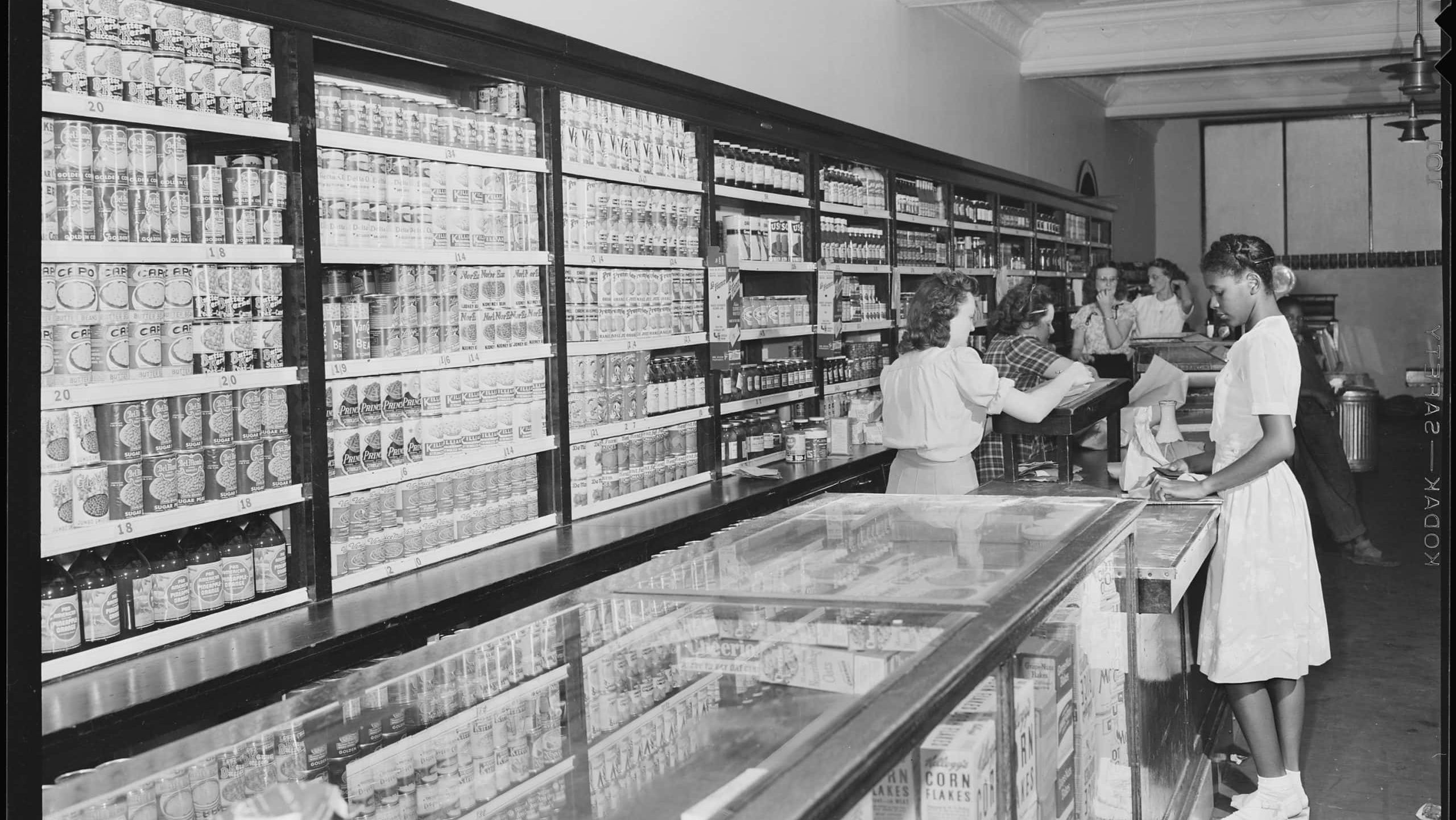
The term “company store” now refers to any store run by a specific company. But historically in America, it had negative connotations for miners and their families.
Some miners were partially paid with scrip, or company currency. They could only use scrip at the company store to purchase goods and essentials. Miners frequently ended up owing their employers money, leaving them little recourse but to patronize the company store. Company stores represented the economic power that mining companies had over their employees.
Sources: Please see here for a complete listing of all sources that were consulted in the preparation of this article.
Like our content? Be sure to follow us.
11 famous people who did terrible things, but people overlooked them
Some of history’s most admired names had disturbing sides that many people either ignored or chose not to talk about.
11 famous people who did terrible things, but people overlooked them

