

Some of history’s most admired names had disturbing sides that many people either ignored or chose not to talk about.
Le Corbusier
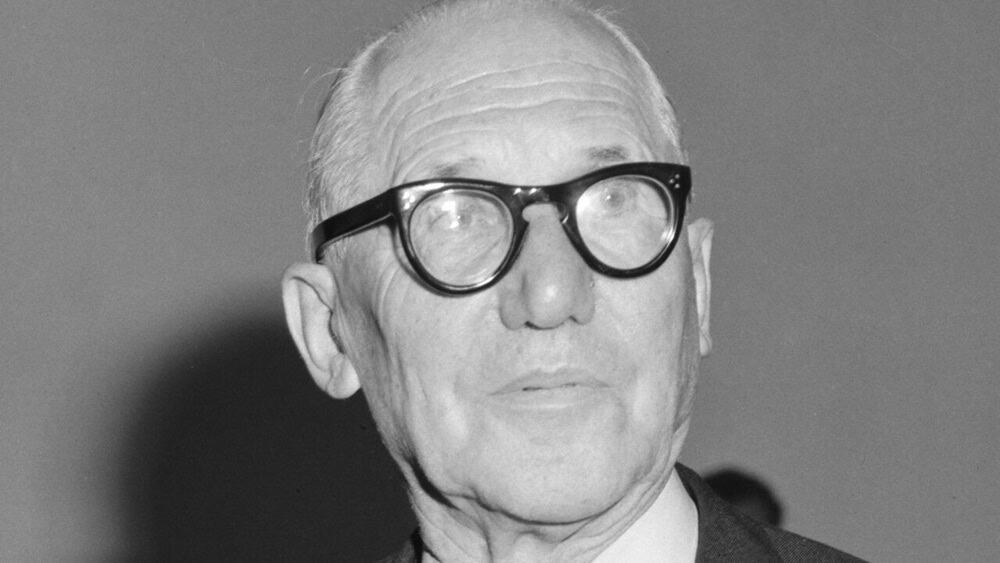
World-renowned father of modern architecture, Le Corbusier was also a rabid misogynist who unabashedly admired authoritarian governments. Throughout his career, he actively wooed the fascist French Vichy regime for urban planning contracts and expressed authoritarian political leanings.
His extreme sense of entitlement to anyone’s property was evident when he painted bold murals on every wall of fellow designer Eileen Gray’s house (E-10 27) without permission; Gray despised him for it. His sweeping city planning concepts are still taught at many of the finest universities, while his authoritarian love is swept under the rug.
Henry Ford
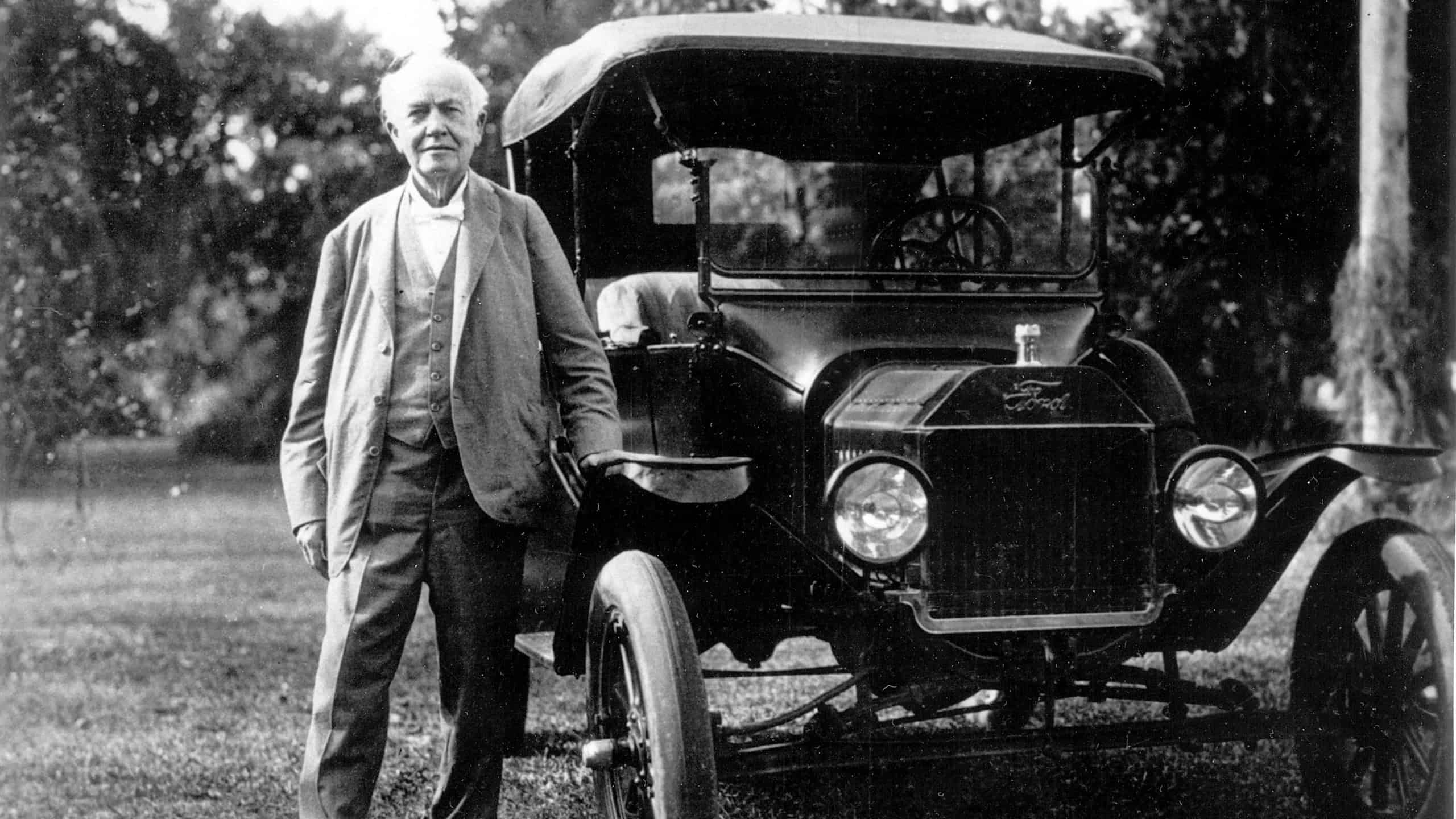
It was Henry Ford who led the charge in developing mass production and widespread transportation. He also used his vast wealth to fund antisemitic organizations and violently oppress his workforce. He published and funded The Dearborn Independent, a newspaper that distributed poisonous anti-Jewish propaganda to hundreds of thousands. The paper was cited approvingly by Adolf Hitler in Mein Kampf.
Ford also organized and maintained a vicious private policing force called the Ford Service Department, which beat up union organizers and attacked striking workers. But history remembers him kindly as an American industrialist and inventor with odd quirks.
John Lennon

John Lennon is remembered internationally as a peace and love ambassador and spiritual messiah. However, Lennon’s extensive history of domestic violence remains a point of contradiction and controversy. Lennon confessed in interviews later in his life and in other recollections by friends and family that he was physically and emotionally abusive to women during his younger days, including striking his first wife Cynthia.
Leopold II

Belgium’s King Leopold II was viewed as a great humanitarian by late 19th-century European standards. In reality, he operated the Congo Free State as his own private source of profit, running it as a labour camp. Local citizens were beaten, had their hands cut off, and were made to provide wild rubber as punishment for not meeting extreme quotas. Millions died due to abuses by his private colony, related disease, and starvation.
J. Marion Sims
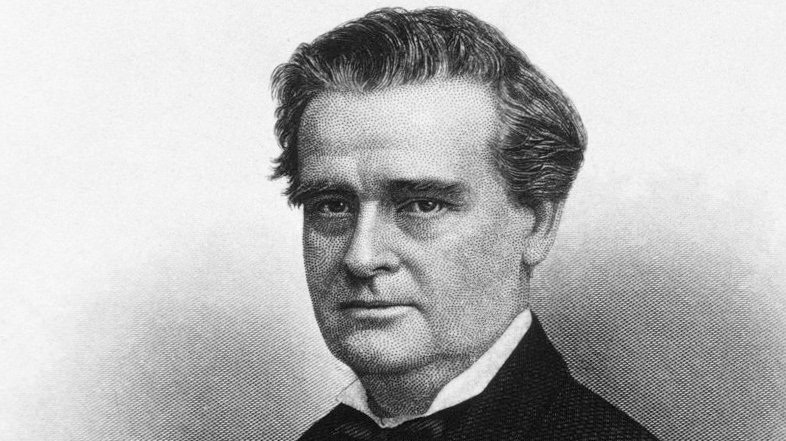
J. Marion Sims has long been lauded as the “father of modern gynecology.” Credited with pioneering surgical repairs for injuries sustained during traumatic childbirth, Sims developed his skill set by surgically experimenting on enslaved Black women with no anesthesia.
During the years of 1845-1849, Sims performed numerous surgeries on women like Anarcha, Betsey, and Lucy while they were restrained in pelvic fixtures, owing to the misconception of the time that Black people didn’t feel pain.
Roald Dahl
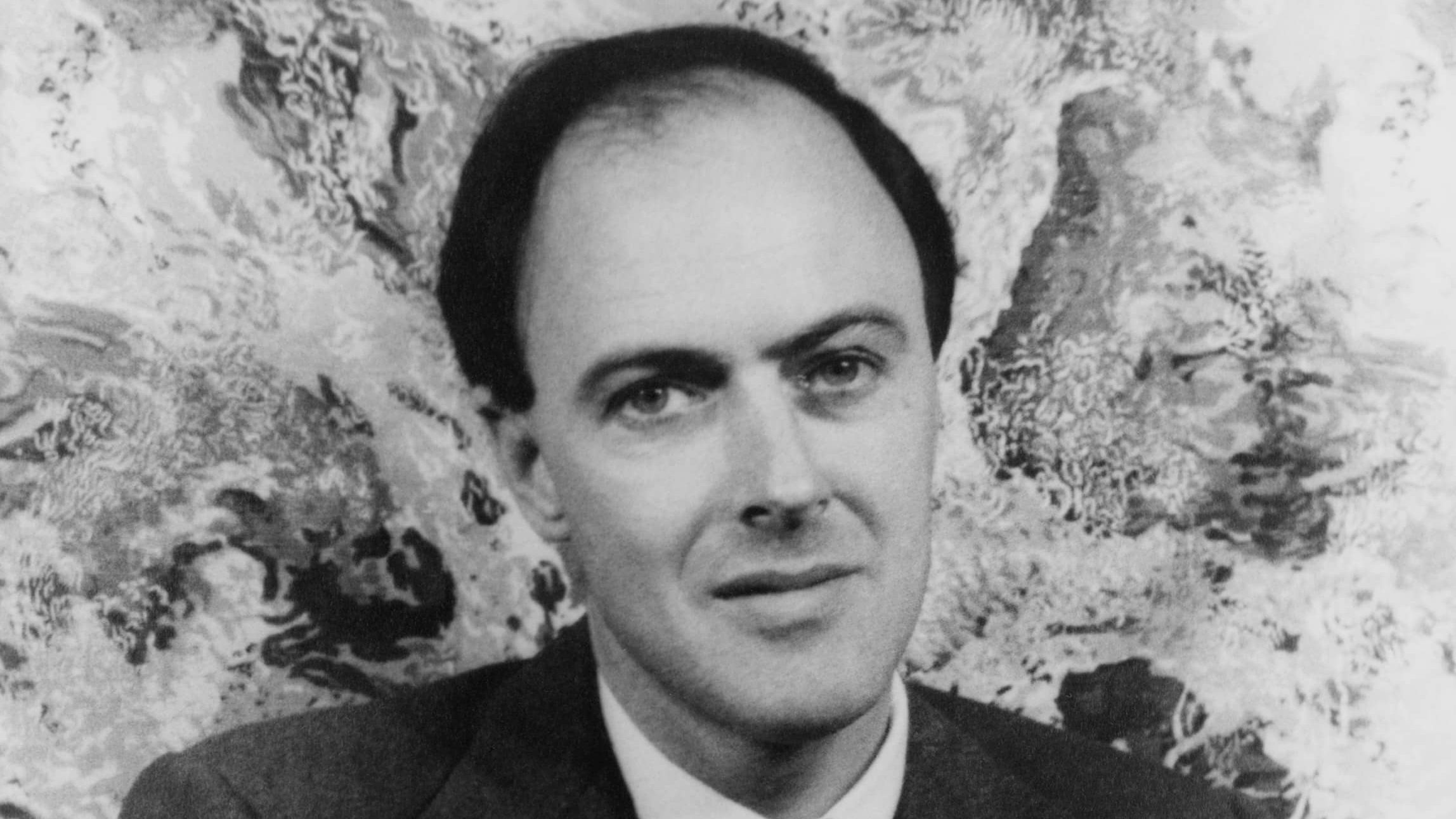
Author Roald Dahl wrote some of the most popular children’s stories of the twentieth century, though his extreme antisemitism persisted throughout his life and was often dismissed by publishers and fans alike. Dahl stated in public interviews late in his career that “there is a trait in the Jewish character that does provoke animosity.”
Early versions of Charlie and the Chocolate Factory included blatantly racist descriptions of characters that were later toned down due to publisher demand.
Alfred Hitchcock
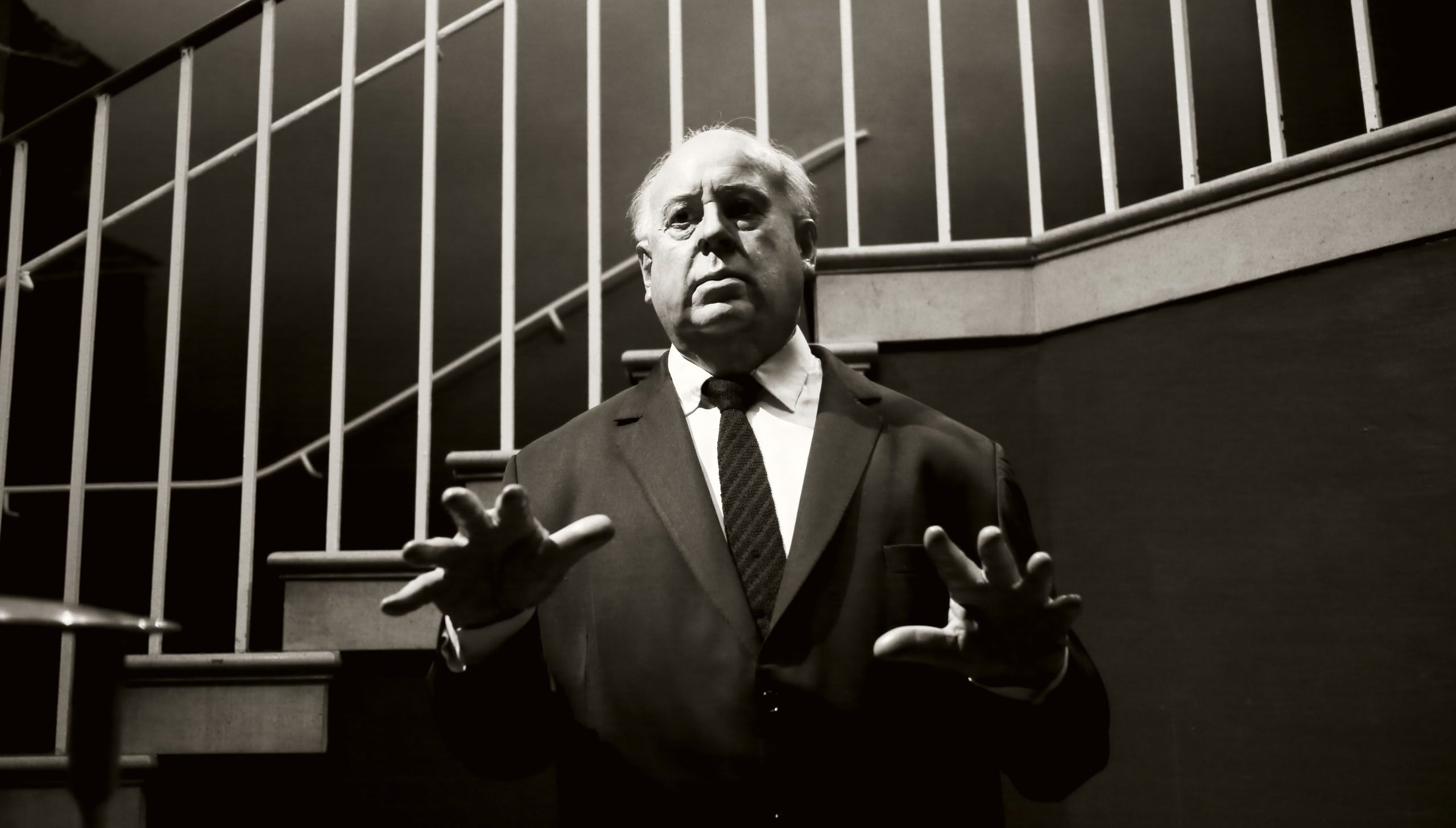
To audiences worldwide, Alfred Hitchcock is remembered as the undisputed master of suspense. But behind the camera, Hitchcock preyed upon and abused his leading ladies with impunity; major film studios looked the other way. On the set of The Birds, Hitchcock unleashed days of invasive, real bird attacks on actress Tippi Hedren and threatened to ruin her career when she rejected his sexual advances.
Lord Elgin
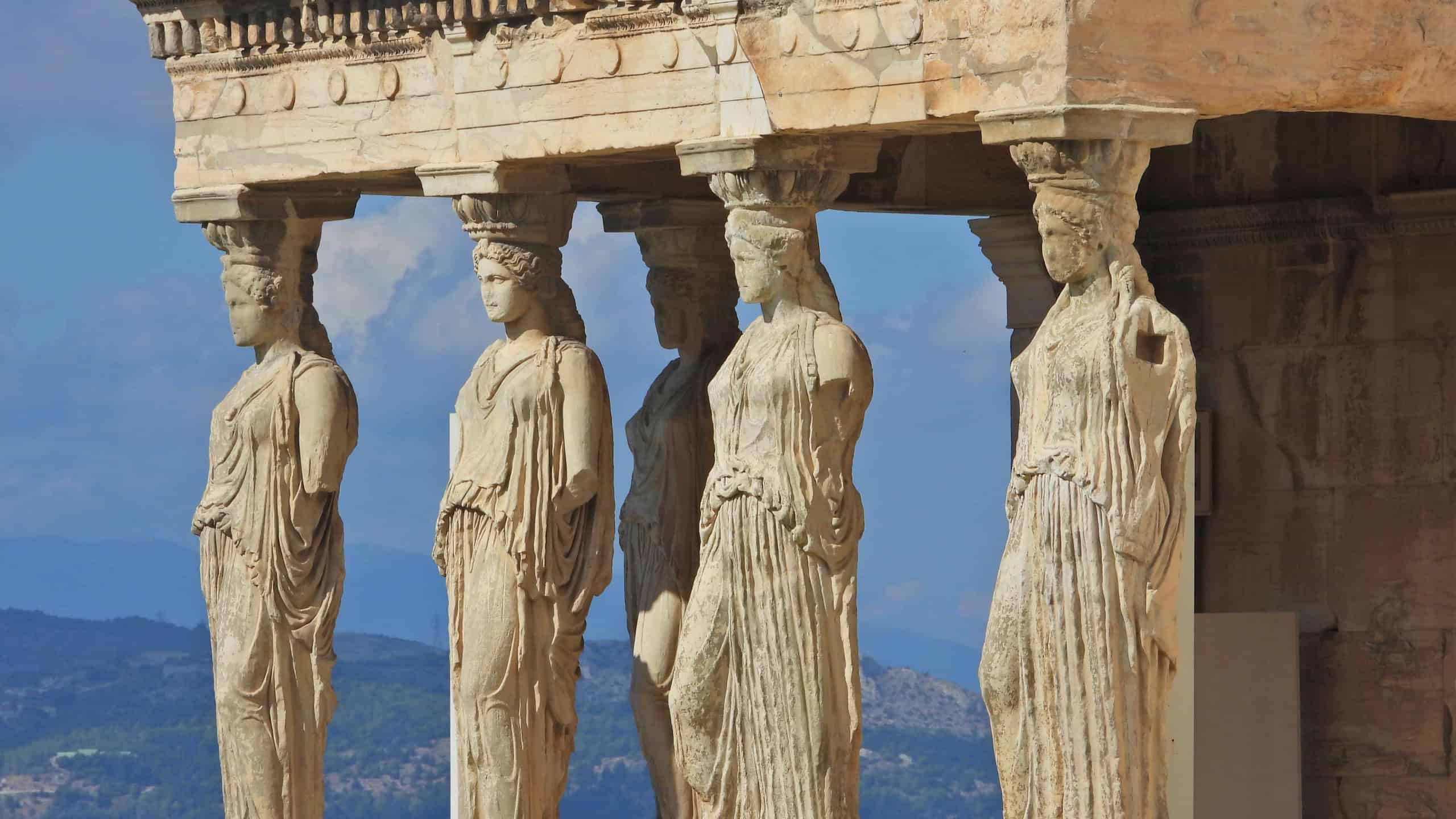
Lord Elgin is frequently described by art historians as having saved the Parthenon Marbles from the debris of ancient Greece while under Ottoman rule. Producing a dubious permit from the Ottoman Empire, Elgin had many marble carvings, friezes, and pieces of architecture forcibly chiseled directly off the Parthenon.
This caused irreparable damage to the monument itself. He then transported them back to Britain as a means of clearing his own financial debt.
Winston Churchill
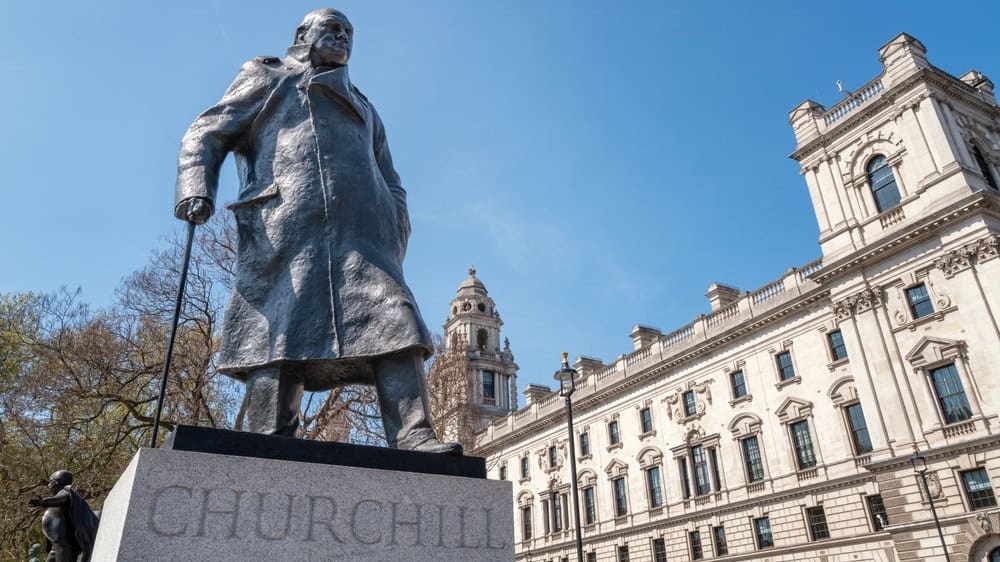
While Winston Churchill should be remembered for leading the Allies to victory during World War II, his imperial mindset played a large role in causing the Bengal famine of 1943, in which three million Indians died.
Churchill’s government lowered the priority rankings of food imports for Indians affected by famine while shipping materials to stockpile British and American war reserves. Churchill openly showed bias against Indians by blaming them for their own famine.
Coco Chanel
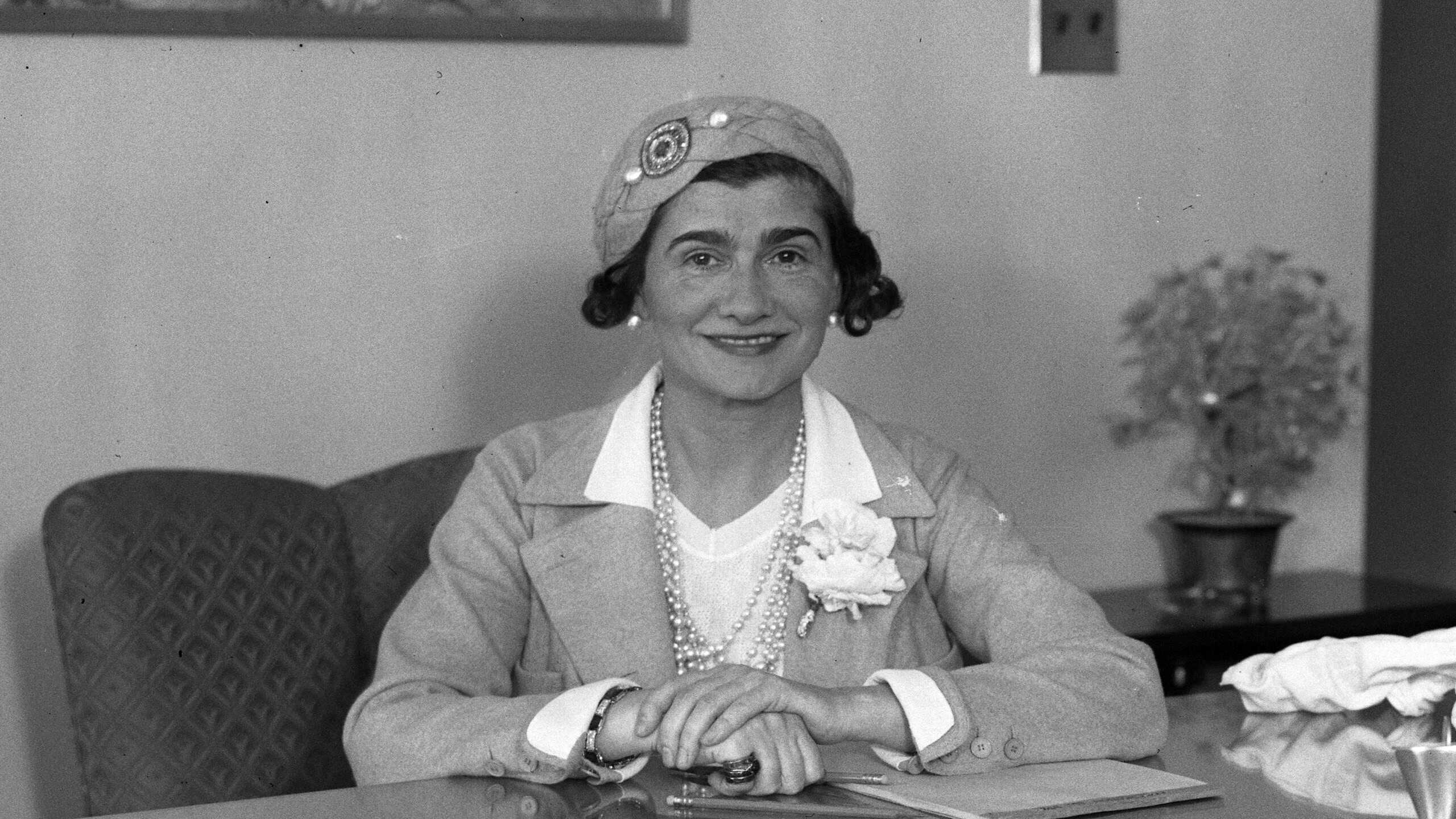
Coco Chanel created one of the great luxury fashion empires in history. Her history as an active agent for the Nazis during World War II has been erased from her brand’s history. Documents from French and German archives prove that Chanel was officially enrolled with the Abwehr (German Military Intelligence) as Agent F-7124, codenamed “Westminster”.
While France was occupied by the Nazis, Chanel tried to use their racial policies to claim her perfume company outright from her Jewish partners and resided at the Ritz Paris during the war years. Chanel lived comfortably during this time period, but after the war ended, she smoothly transitioned back into being seen as an international fashion designer.
Pablo Picasso
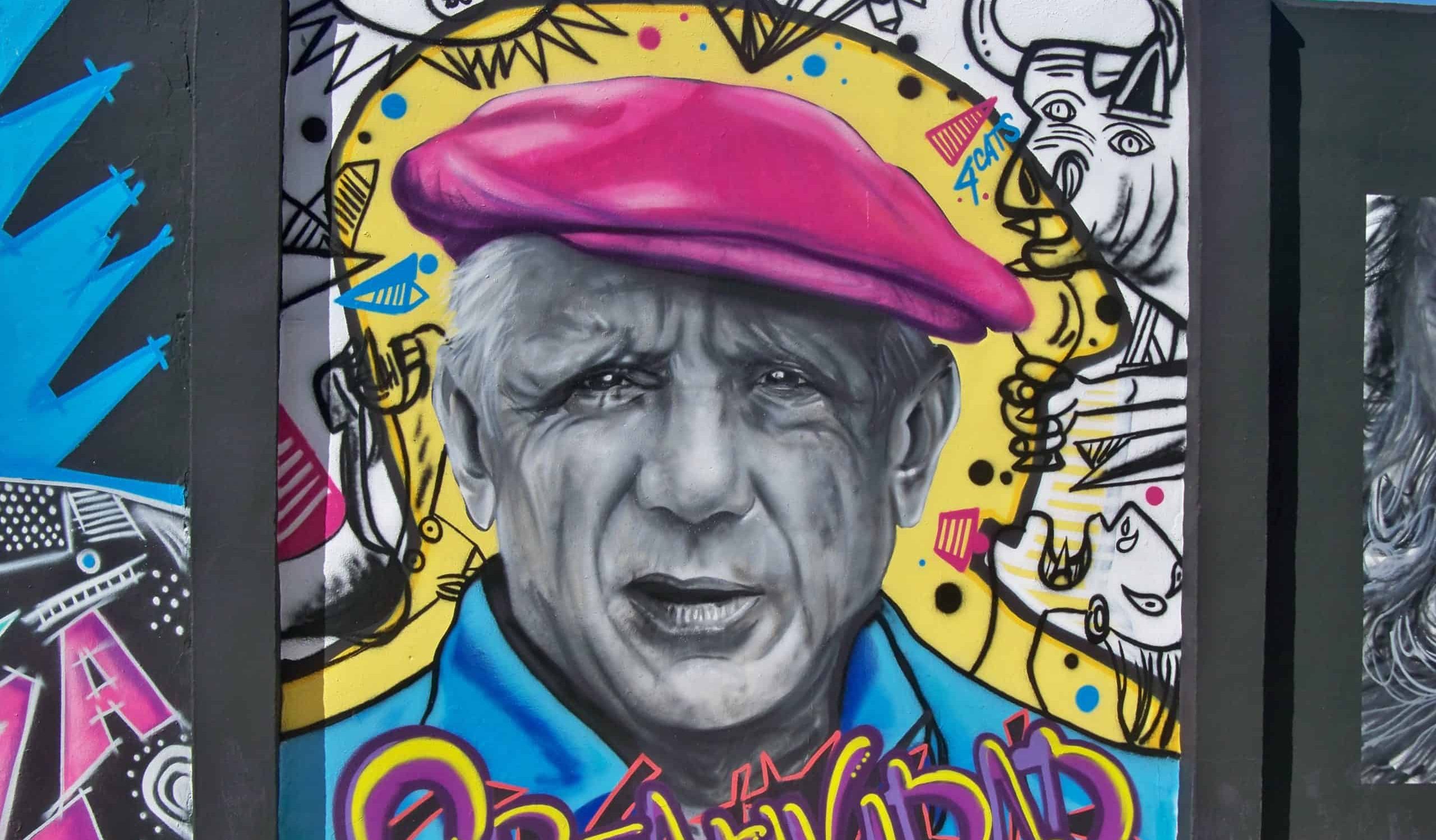
Picasso was an innovator who changed the face of modern art and pioneered cubism. But in his private life he was emotionally abusive and violent towards women. Picasso saw women as subordinate to men; he told his friends they were either “goddesses or doormats.” He pushed his lovers into mental collapses, suicide attempts, and pain by brutalising them emotionally.
Sources: Please see here for a complete listing of all sources that were consulted in the preparation of this article.
Like our content? Be sure to follow us.
14 famous people who died in the strangest ways
Some of the most famous people in the world are the same ones who died in very odd, and sometimes unbelievable, ways.

