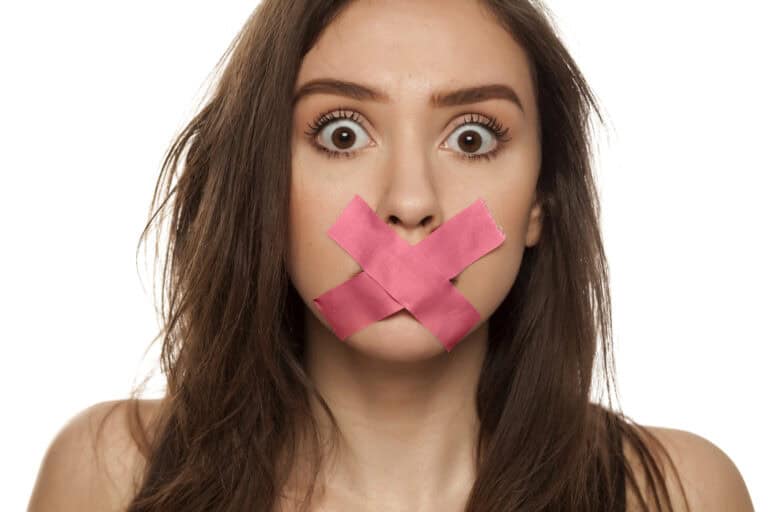

Here in America, we have freedom of speech that allows us to share our thoughts without having to be afraid that the government will punish us. Every opinion is protected under law. Sadly, not every country sees life the same way & governments in these places control what people may say or share. Speaking openly, in some countries, is actually punishable by death. Here are twelve countries where freedom of speech doesn’t exist. Honestly, we’re blessed to be able to speak so freely here since many people don’t have it as lucky as us.
Featured Image Credit: VGeorgiev /Depositphotos.com.
China
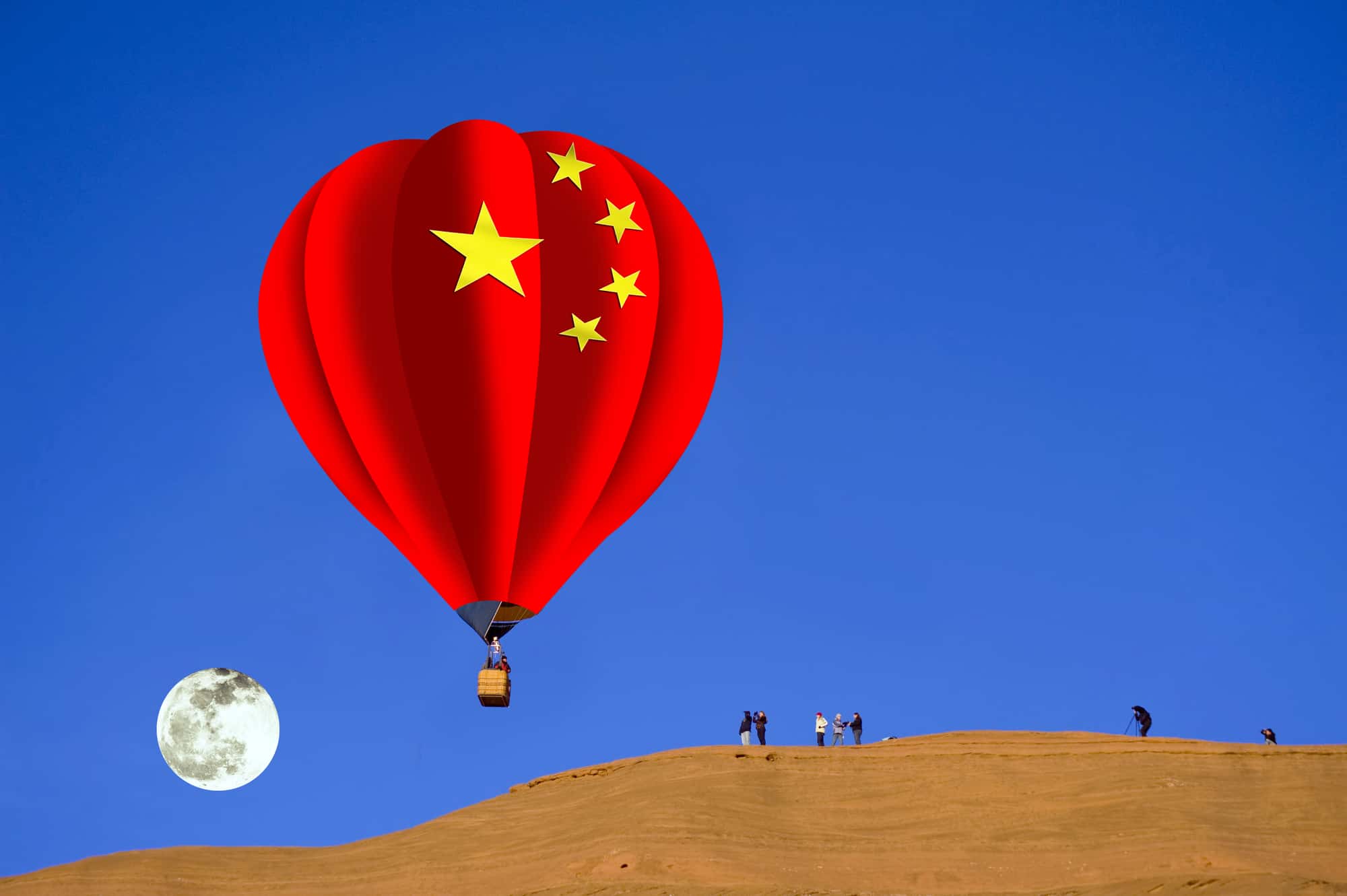
In China, the government monitors people online & censors content they don’t approve of. The “Great Firewall” blocks popular sites like Google, Facebook, Twitter and YouTube, while talking about sensitive topics may get your posts deleted—or worse. These topics include the 1989 Tiananmen Square protests, Tibet’s independence and the treatment of Uyghur Muslims. Of course, Chinese people have ways around this censorship by using code words. For example, they once used the name “Winnie the Pooh” to talk about the Chinese Communist Party’s leader, Xi Jinping. Why? Because they thought he looked similar to the cartoon character!
Iran
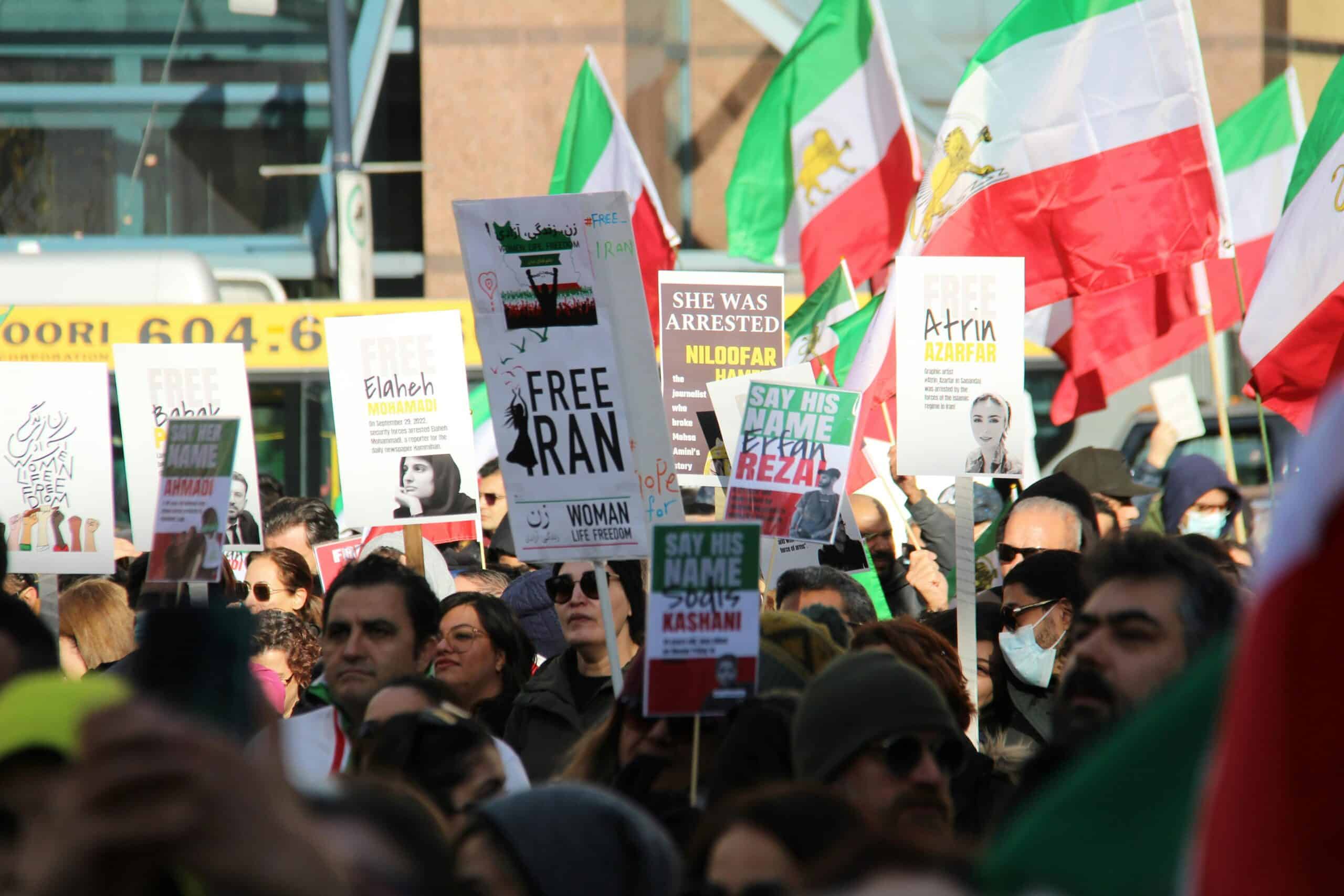
In Iran, the government controls the media & the internet to suppress any protests. Any journalists or activists who share opposing views have to deal with harassment, arrest—even death. Often, authorities block apps like Telegram and Instagram. For example, challenging official policies leads to charges like “spreading propaganda against the system” or “insulting the Supreme Leader.” In 2020, the government executed journalist Ruhollah Zam for his reporting on the 2018 protests in Iran.
Like our content? Be sure to follow us.
North Korea
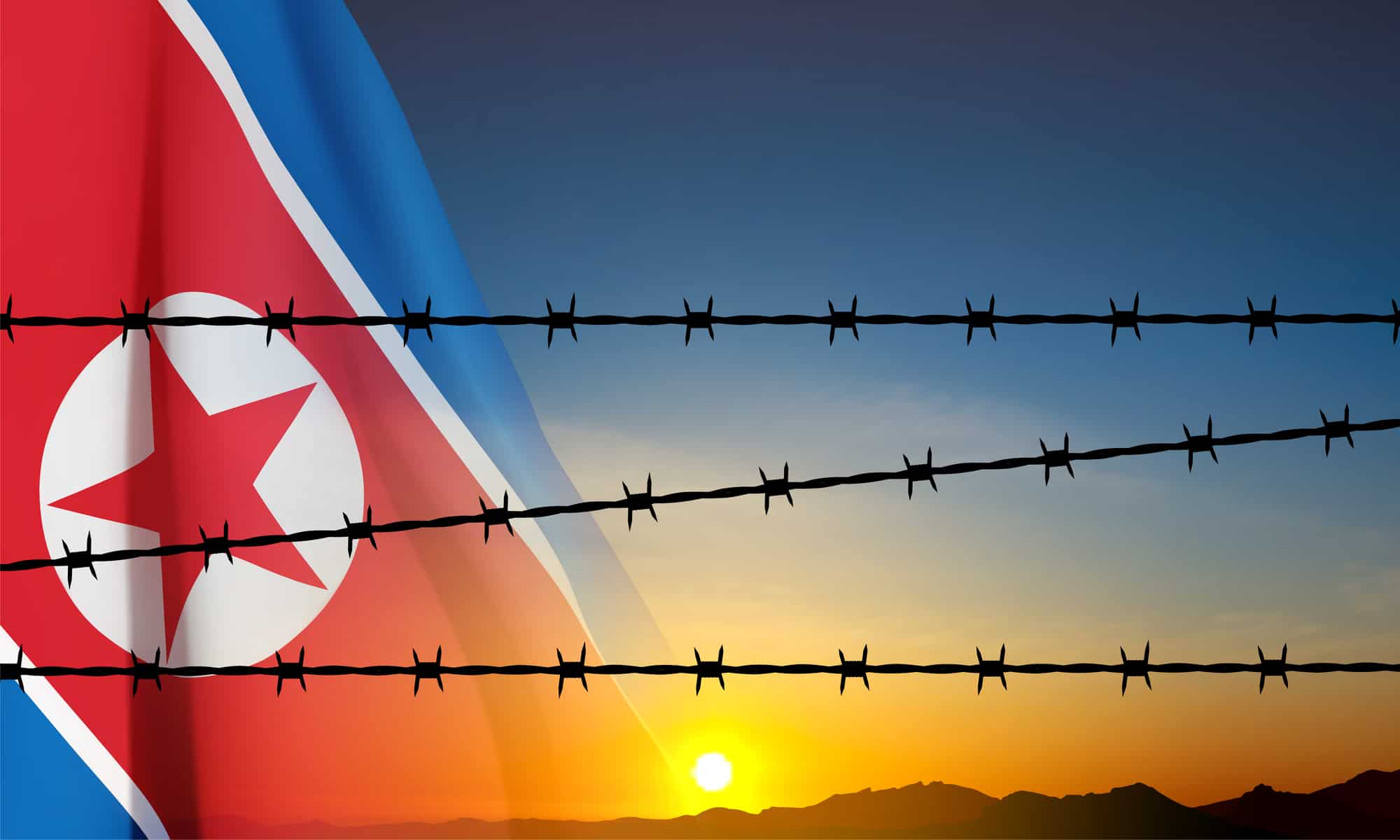
In North Korea, the government runs everything communication-related. People can only access state-run TV & newspapers, so they hear only what the government wants them to hear. There’s almost no access to foreign news. Worse still, criticizing the leader, Kim Jong-un, is a serious crime and even casual comments against the regime may land you in brutal labor camps.
Saudi Arabia

Over in Saudi Arabia, there are strict laws that limit what people can say and criticizing the royal family or religious authorities will get you in serious trouble. The punishments include jail time or corporal punishment like flogging. Previously, the government has arrested people like women’s rights activist Loujain al-Hathloul, who supported women’s right to drive & the abolition of the male guardianship system. It’s really unfair.
Eritrea

Eritrea doesn’t have any independent media at all because the government owns and controls all the media. Essentially, they have a zero-tolerance policy for opposing opinions. Many journalists have been imprisoned without formal charges or trials—sometimes for years. Sadly, people are afraid to speak openly because of this and conditions are so restrictive that it’s often called the “North Korea of Africa.”
Turkmenistan
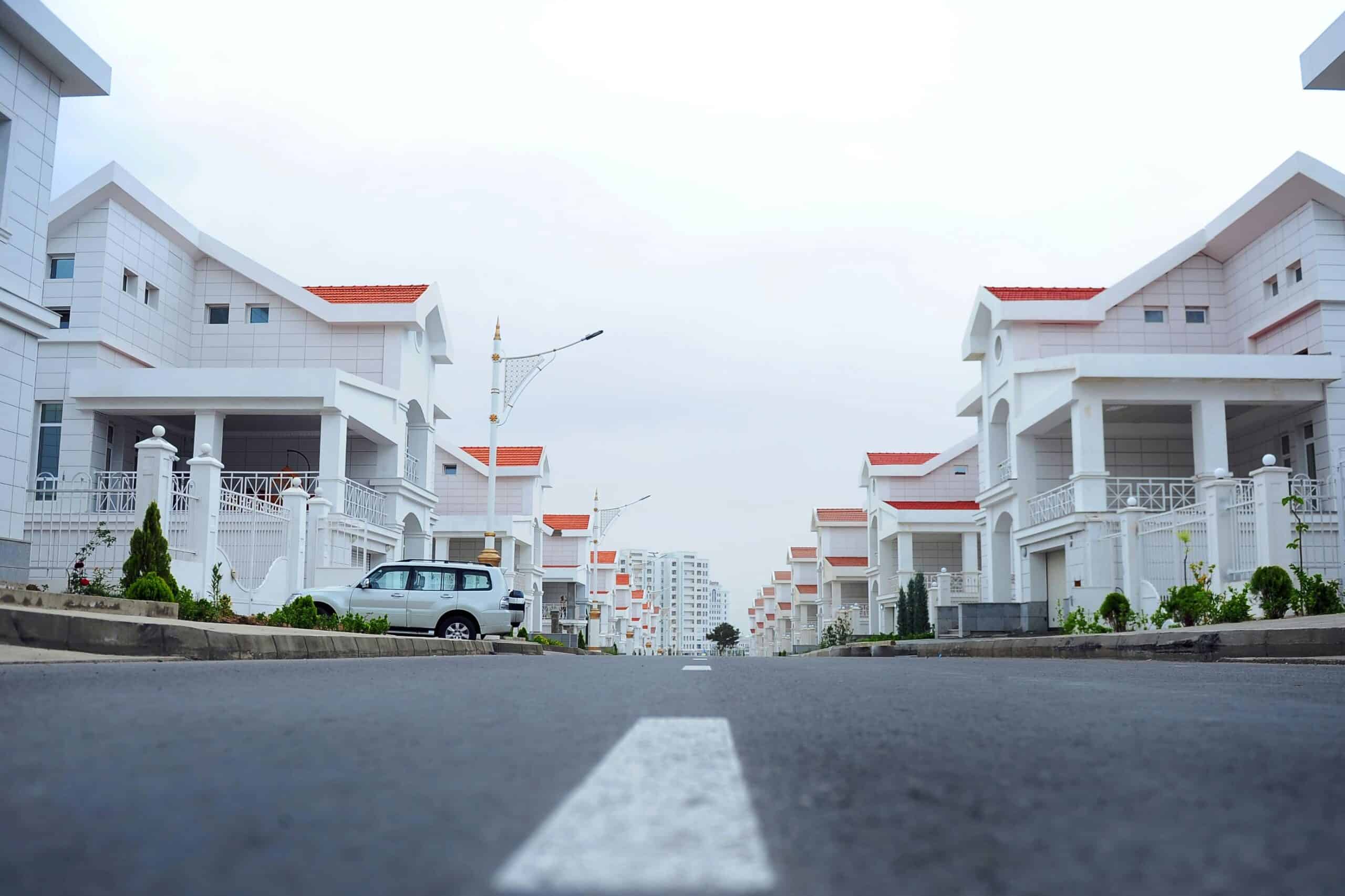
The Turkmenistani government keeps a tight lid on information and they heavily censor the media. Simply getting access to independent news is hard and speaking out against government policies may cause you to be arrested. For example, in 2019, journalist Soltan Achilova was harassed & attacked for reporting on social problems.
Syria
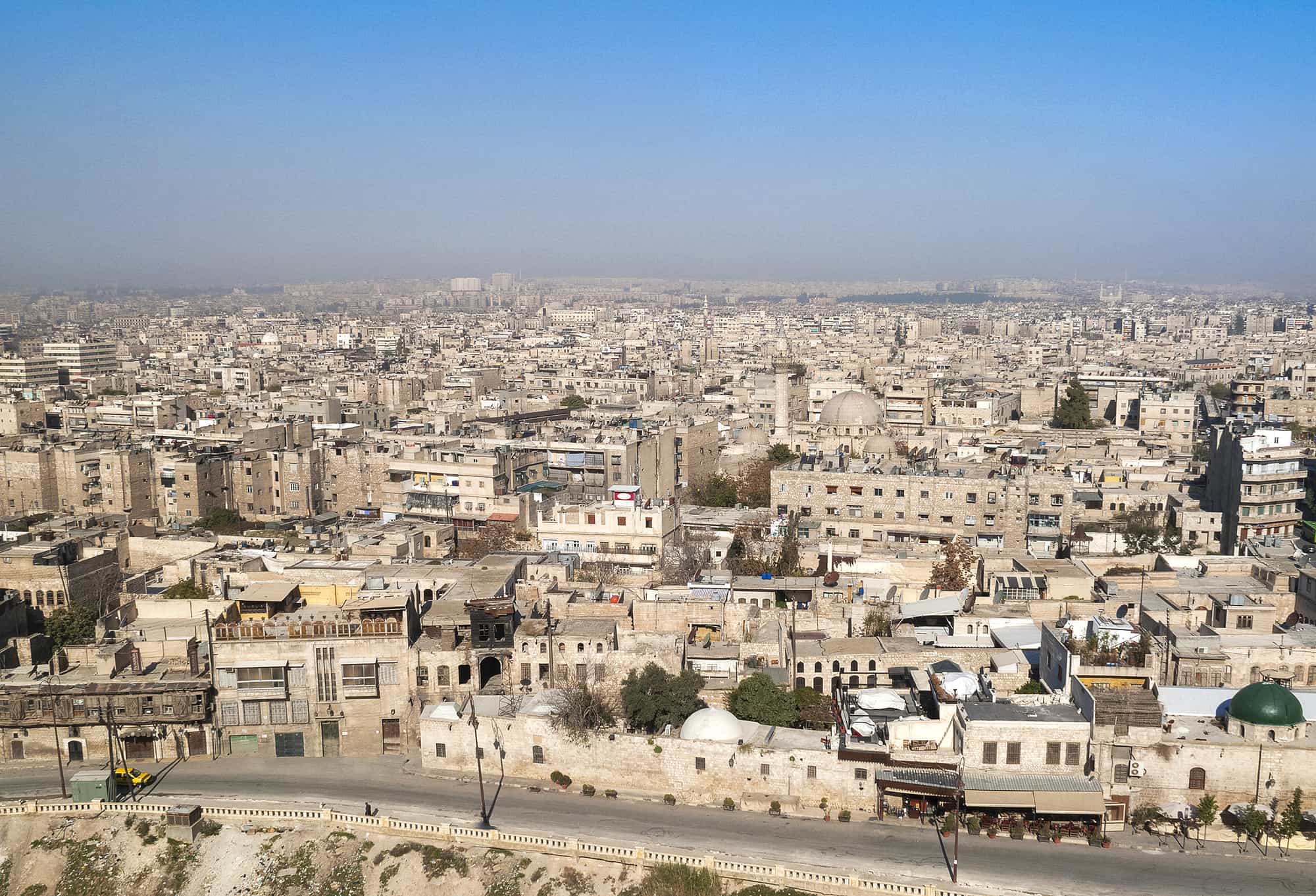
In Syria, especially during the ongoing conflict, free speech is non-existent and all people risk death for criticizing the Bashar al-Assad government. As such, speaking openly is far too dangerous. The government has killed many reporters because censorship is so widespread here. You can’t speak your mind at all.
Uzbekistan

The government of Uzbekistan restricts speech by controlling the media and surveilling people. Anyone who dares to criticize government officials faces a lot of legal trouble, including arrest & imprisonment. In fact, the government blocks websites that are critical of the regime and journalists like Muhammad Bekjanov have been jailed for their reporting. Many others censor themselves to avoid problems.
Belarus

In Belarus, freedom of speech has been under attack for a while and especially after the 2020 presidential election protests. The government, led by Alexander Lukashenko, shut down independent media outlets & detained journalists covering the demonstrations. Protestors used social media platforms like Telegram to mobilize. As a result, the app has now been banned.
Cuba

In Cuba, the government controls the main media outlets—and they don’t tolerate opposing voices. The state decides what news people can see and anyone criticizing the Communist Party risks harassment or detention. Of course, some independent bloggers & journalists try to get the word out. But it’s not easy since they often face surveillance and intimidation from the authorities.
Vietnam
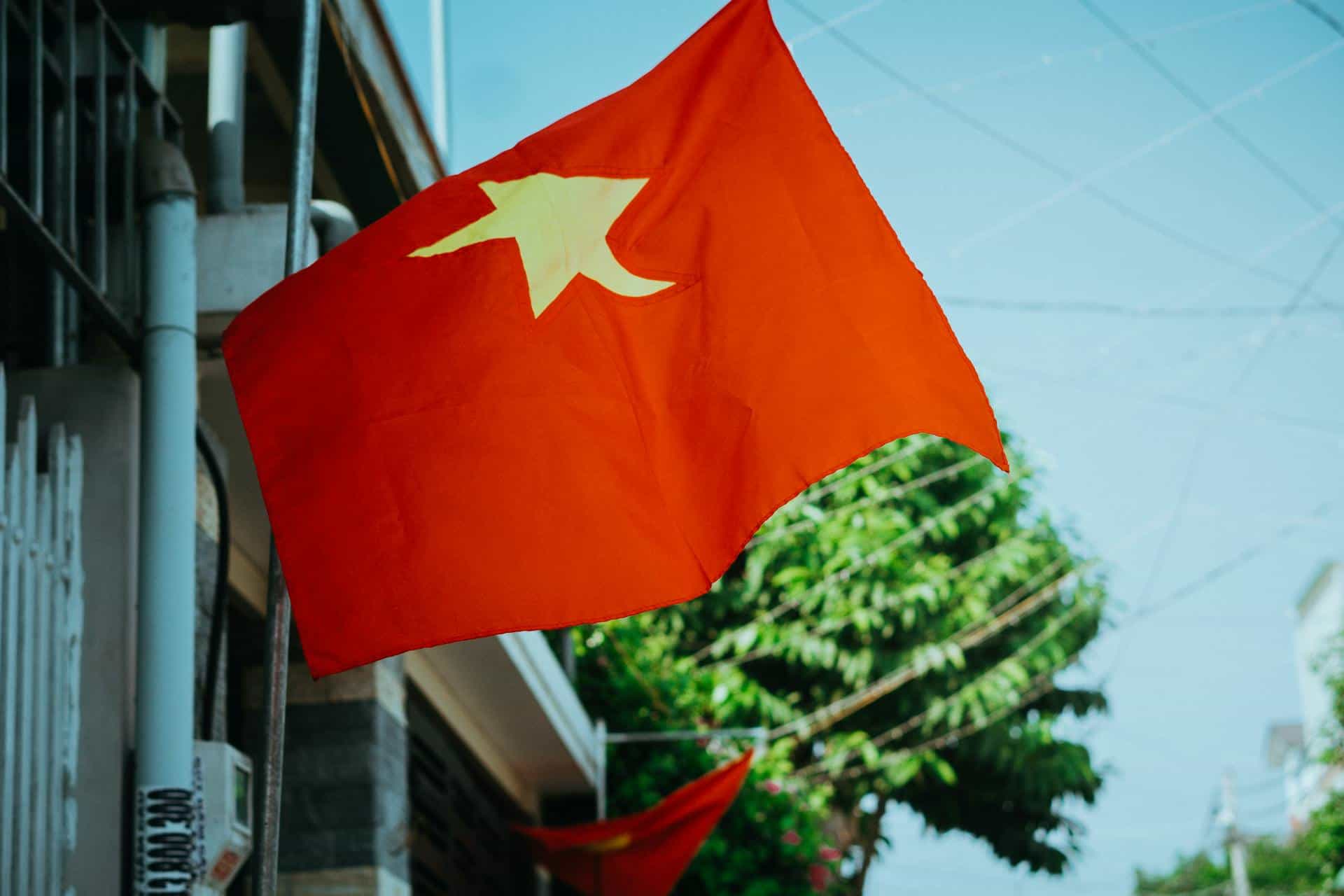
Vietnam’s strict laws limit freedom of expression as the government has banned “anti-state propaganda”—speaking out against them may lead to imprisonment. Activists and bloggers like Nguyen Ngoc Nhu Quynh, known as “Mother Mushroom” have been jailed for writing about human rights and environmental issues. It’s no wonder people censor themselves. They just want to stay safe.
Myanmar
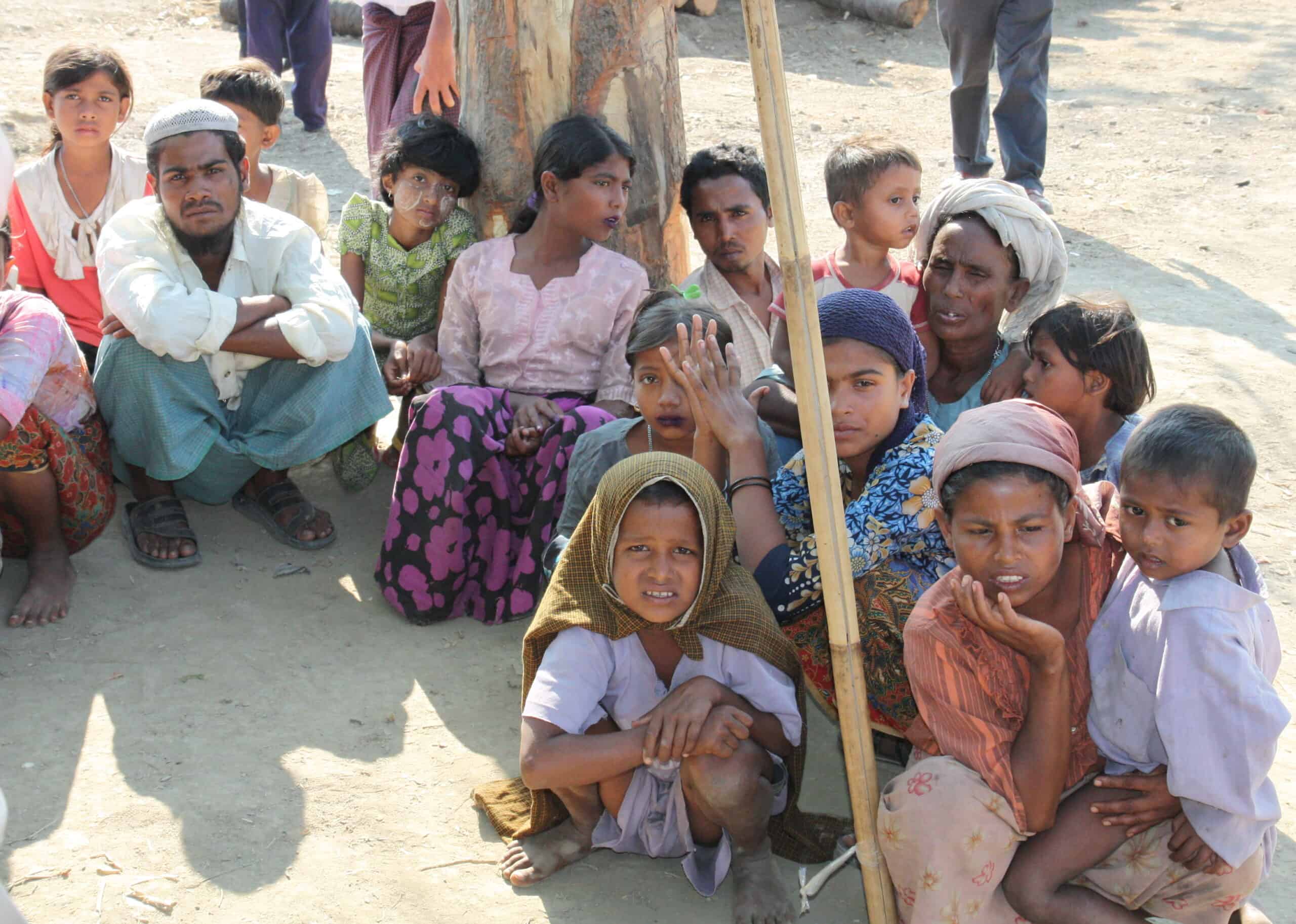
After the February 2021 military coup, freedom of speech has disappeared in Myanmar. The government went as far as cutting off internet access in some areas to prevent people from organizing protests. Journalists have been arrested and detained while covering demonstrations—some of them were even killed. As such, many people communicate in secret or not at all.
Disclaimer: This list is solely the author’s opinion based on research and publicly available information.
Like our content? Be sure to follow us.
Read More: