
In America, capitalism is the ruling economic model. It’s the one that allows us to choose whatever products we want at the grocery store and to have more freedom with how we make money. However, places like Iceland and Bhutan see things differently—they focus more on people’s happiness & well-being over profits. Of course, they do still have some capitalist ideas. There are only a few countries that are exclusively anti-capitalist! Regardless, here are eleven countries that are happier without being strictly capitalist. You’ll be surprised at how they deal with life!
Featured Image Credit: vladteodor95 /Depositphotos.com.
Sharing the Wealth
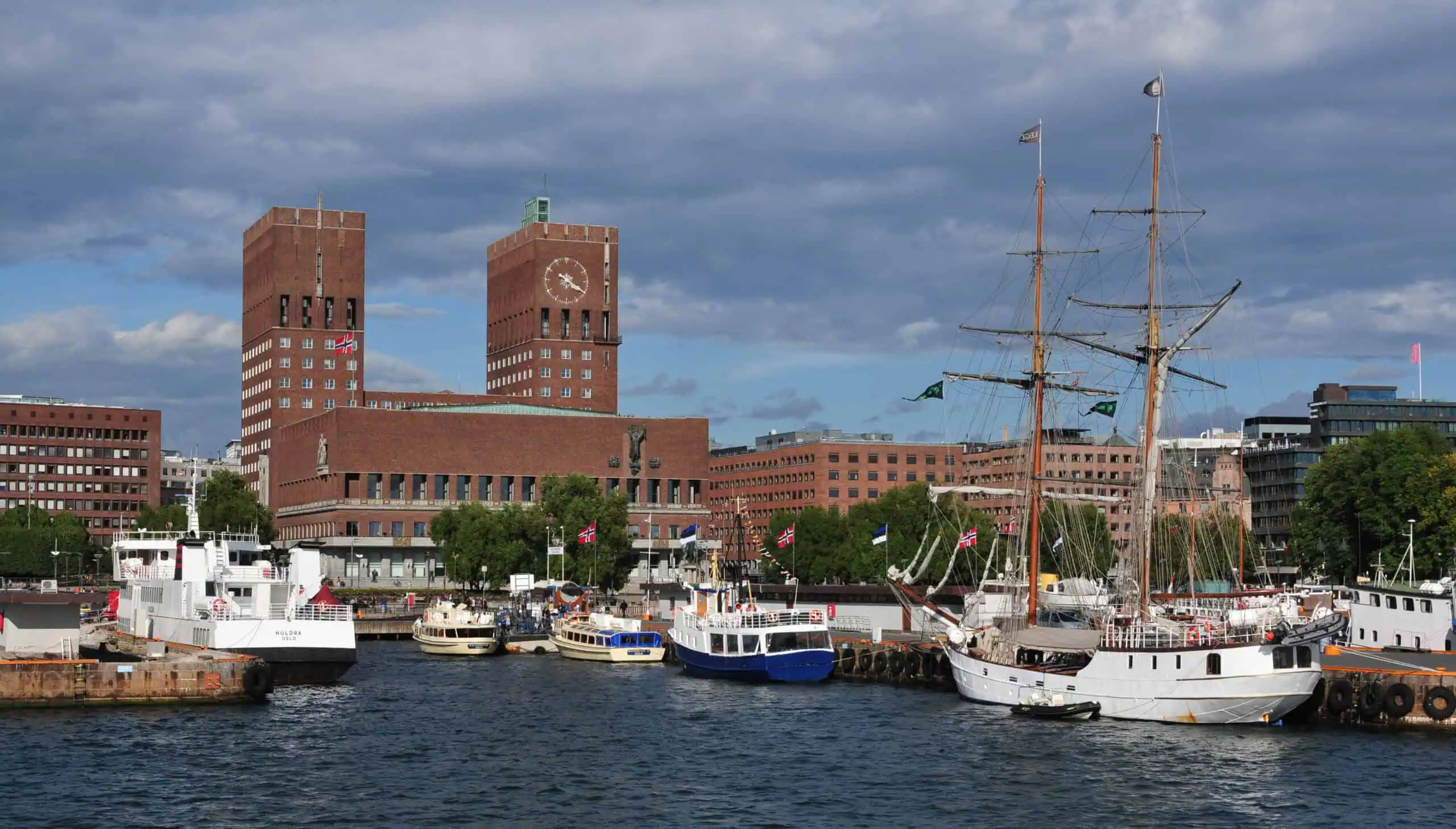
Norway is a good example of how to share the wealth. They have huge oil reserves but rather than letting the riches benefit just a few, the government puts that money into a massive sovereign wealth fund. It’s one of the largest in the world! With these profits, the Norwegian government funds free education (even university) & universal healthcare. They also have excellent public services!
Secure and Flexible Work Life

Denmark has a unique “flexicurity” model that mixes flexibility for employers & security for employees. Companies may easily hire and fire—but workers aren’t left hanging since they have strong social safety nets. For example, they might receive unemployment benefits up to 90% of their previous salary. The country takes workers’ rights quite seriously.
Like our content? Be sure to follow us.
Committed to Equality and the Environment

In Sweden, they care a lot about social equality & being green. The government has extensive welfare benefits including free healthcare, free college tuition and generous parental leave. To pay for all this, they use progressive taxes—those who earn more contribute more. But that’s not all. Sweden has ambitious goals to phase out fossil fuels and invest heavily in renewable energy because they put more importance on the environment than any profits.
Putting Happiness First
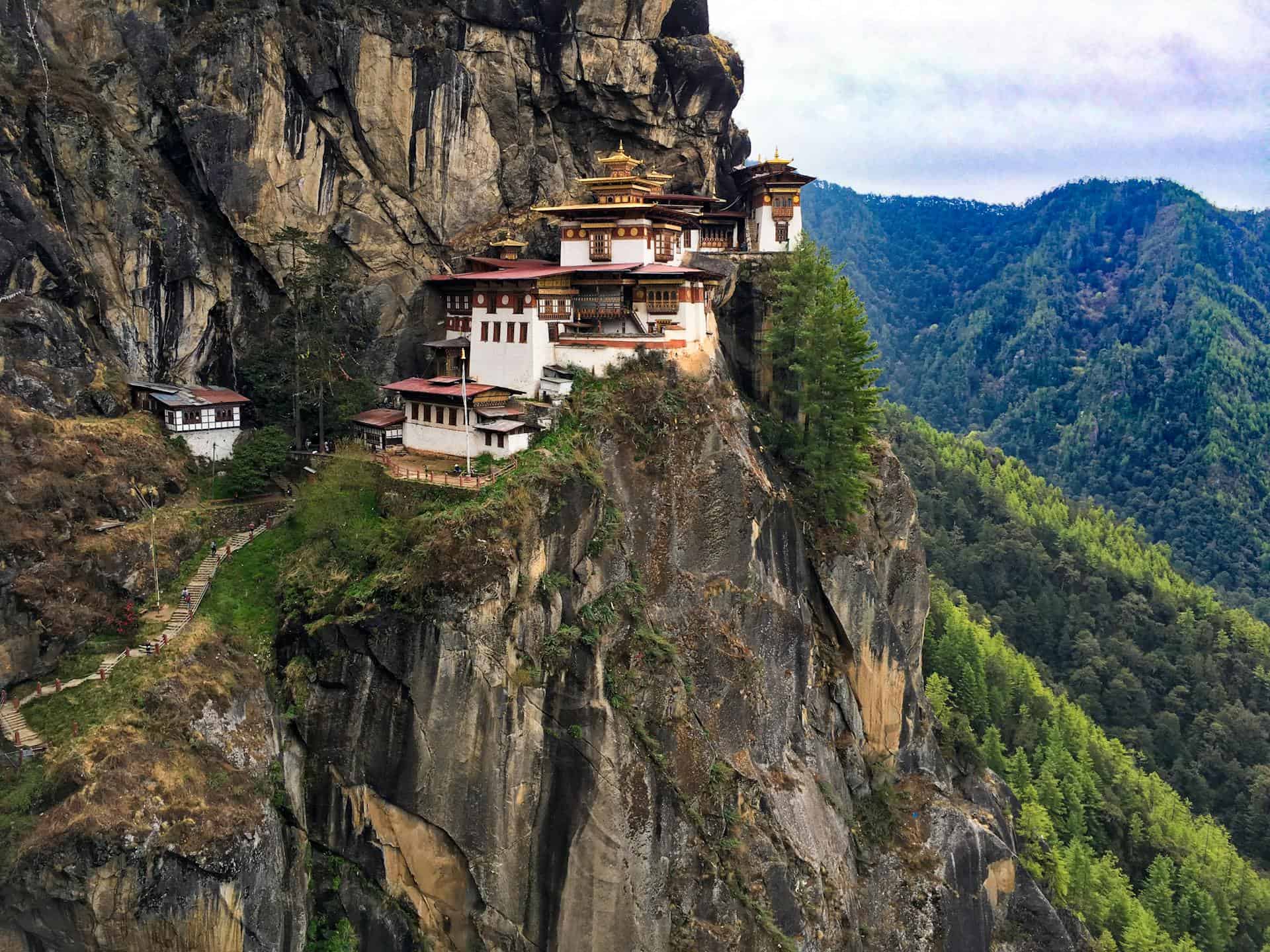
Bhutan is rather unique because instead of measuring success with money, they use something called Gross National Happiness (GNH). This means the government cares about how content their people are—not just the economy. They work hard to balance economic growth with spiritual health. Better yet, the government also works hard to keep the environment in good condition and actively tries to preserve the nation’s rich culture.
Free Healthcare and Education for All

Cuba has taken a different road—the government offers free healthcare & education to all citizens. It’s a socialist government that keeps control of major industries like healthcare, education & transportation to help reduce inequality. In fact, the country has a literacy rate of around 99%. That’s one of the highest in the world!
Investing in People and Nature

In 1948, Costa Rica abolished its military and chose to invest those funds in education & healthcare instead. It has paid off big time! The country has a literacy rate of over 98% and gives its people universal healthcare. Costa Ricans get about 99% of their energy from renewable sources like hydro and geothermal power.
Focusing on Quality of Life
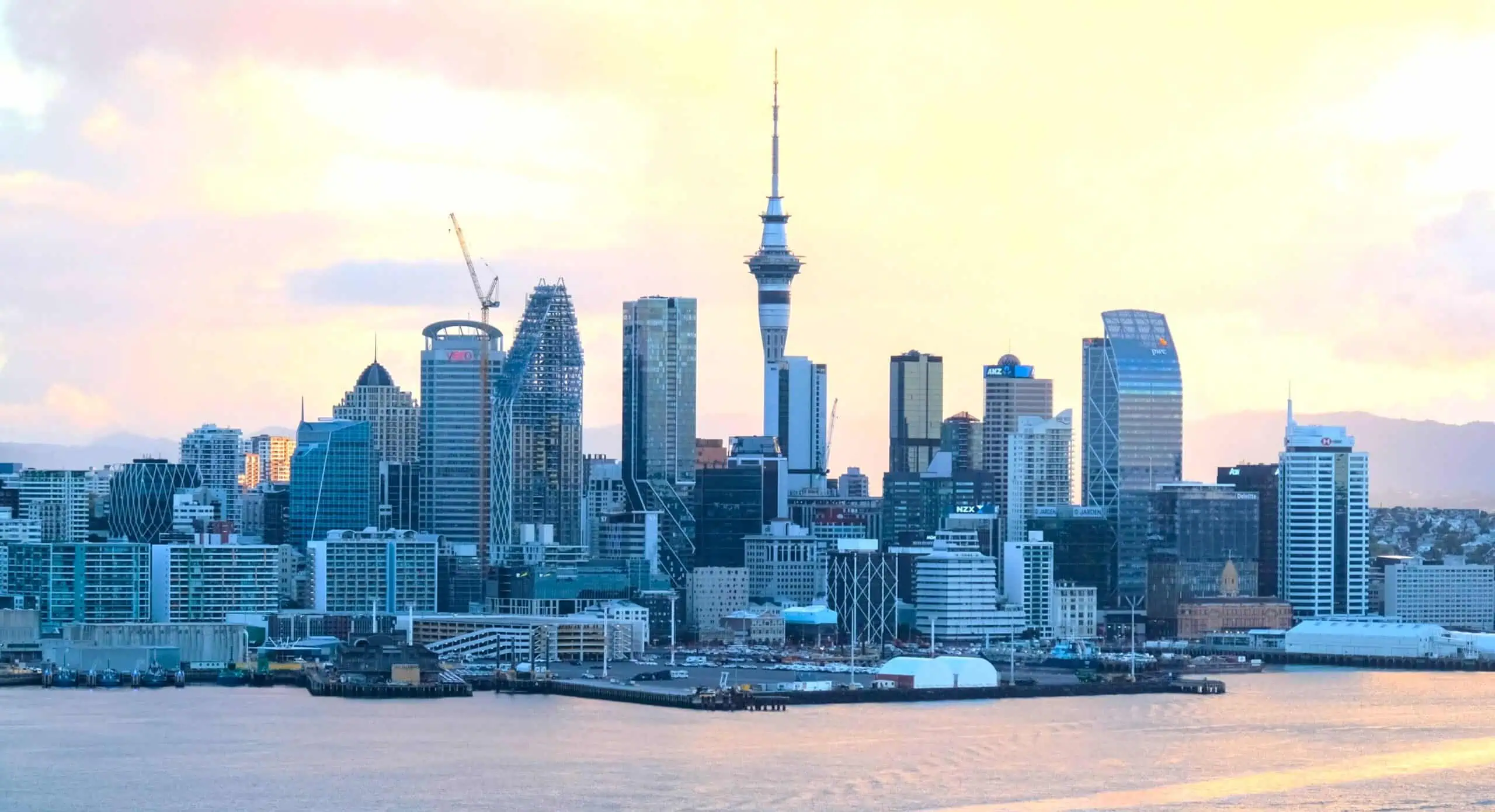
In 2019, New Zealand introduced a Wellbeing Budget that focused on spending money based on improving people’s lives rather than the economy. As such, the government focuses on tackling mental health issues & reducing child poverty. Another of their major goals is to make housing more affordable by putting millions into support for low-income families. In doing so, they have put people’s happiness above any financial benefits.
Top-Notch Education and Social Support
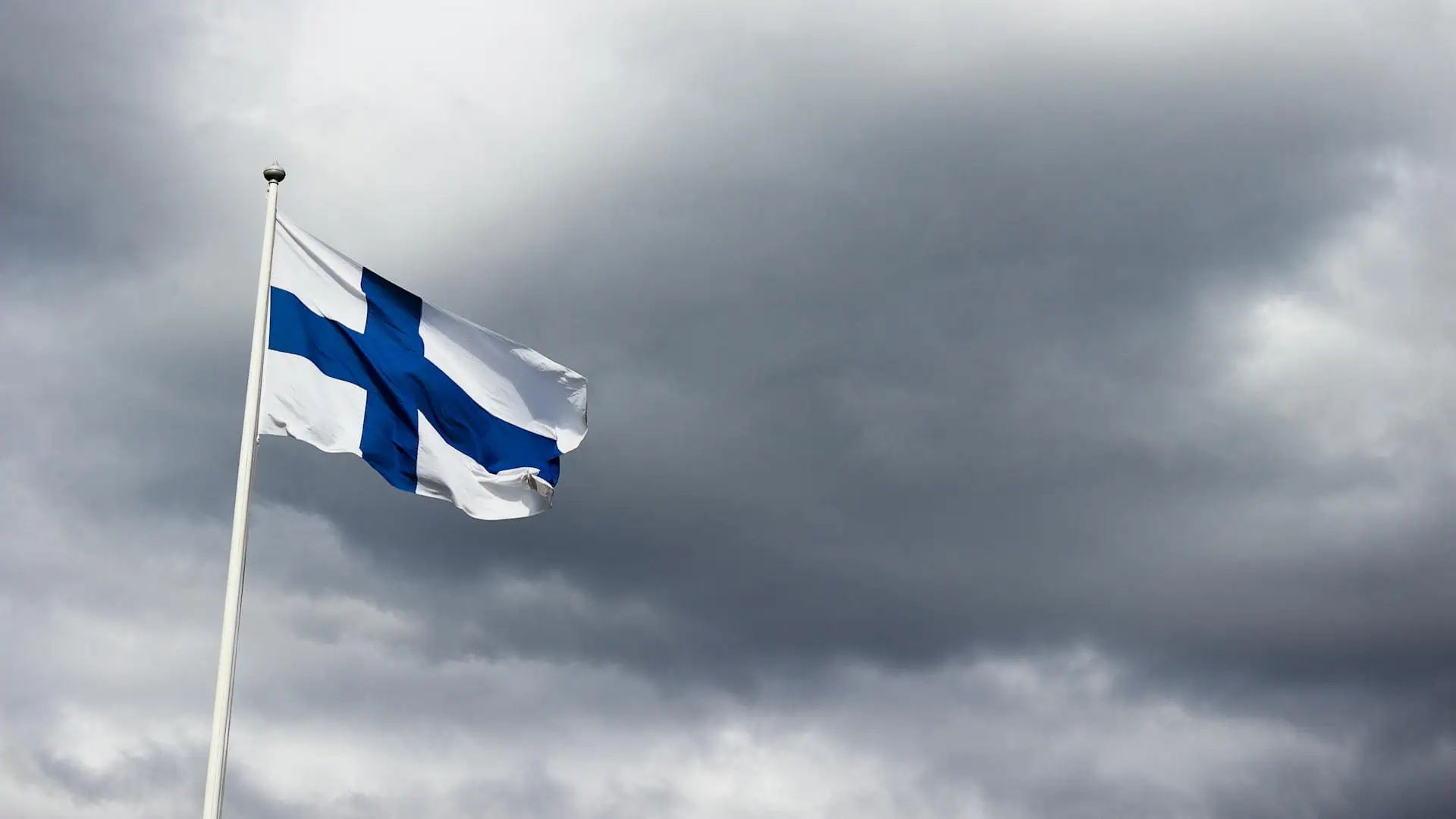
Finland has a reputation for having one of the best education systems in the world and surprisingly, it’s free for everyone—even at the university level. Teachers here are highly respected. Beyond education, Finland offers comprehensive social services like universal healthcare & generous parental leave—moms and dads can share up to 14 months off with pay! That’s rather different from the policies we have here in America.
Giving People a Voice

After a huge financial crash in 2008, Iceland decided not to bail out the big banks. Instead, they let them fail & focused on helping ordinary people by improving their economy. This included more transparency, as well as improving social welfare programs. Beyond that, the Icelandic government directly involved citizens in rewriting the constitution through crowdsourcing ideas.
Embracing Indigenous Traditions
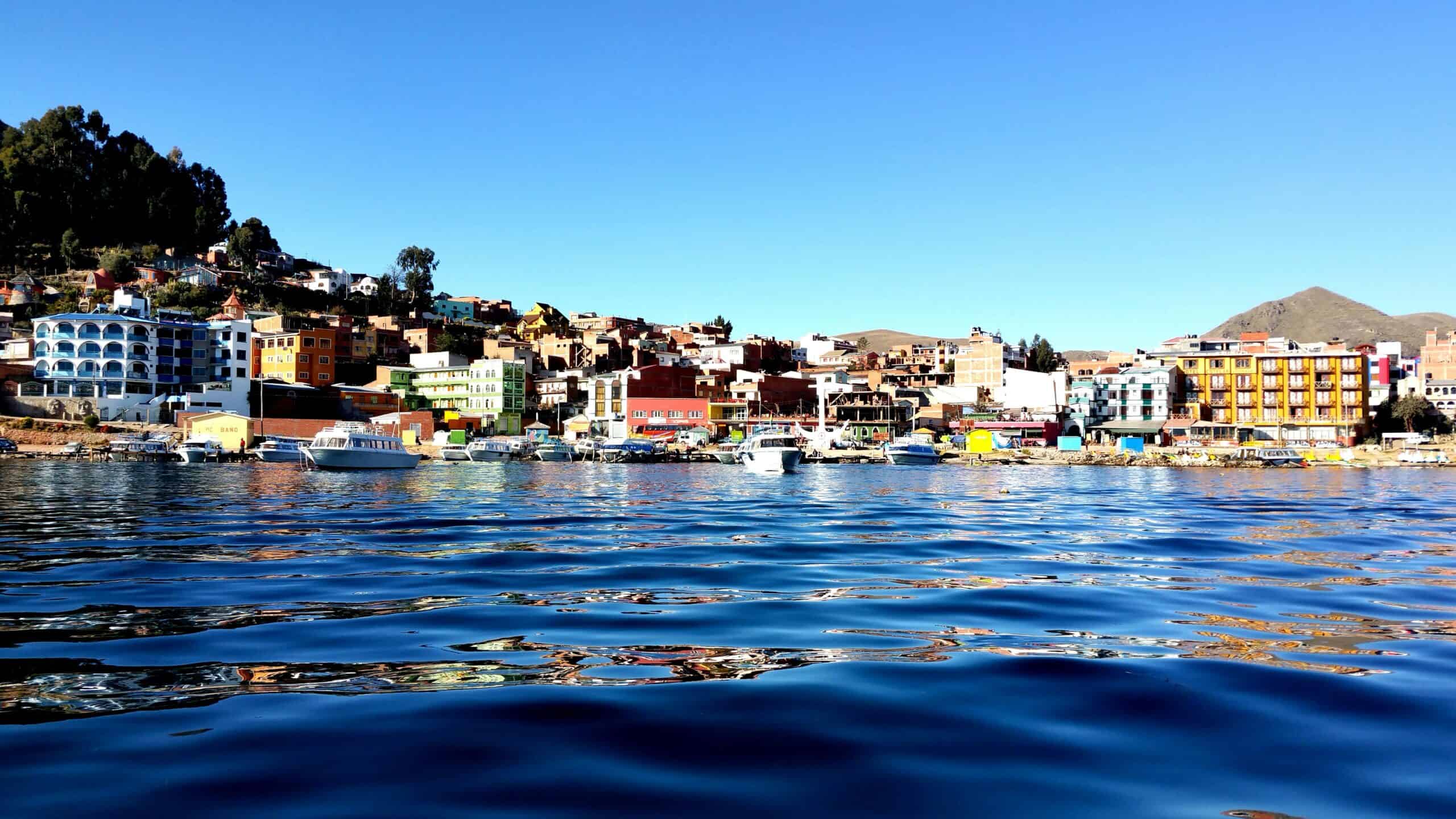
Bolivia took inspiration from indigenous philosophies like “Buen Vivir” (aka “Good Living”) and built them into its laws. The idea focuses on community well-being & living in harmony with nature—rather than pursuing endless economic growth. As such, the government has nationalized key resources like natural gas and minerals. They use the revenue to fund education, healthcare and poverty reduction programs.
A Different Economic Path
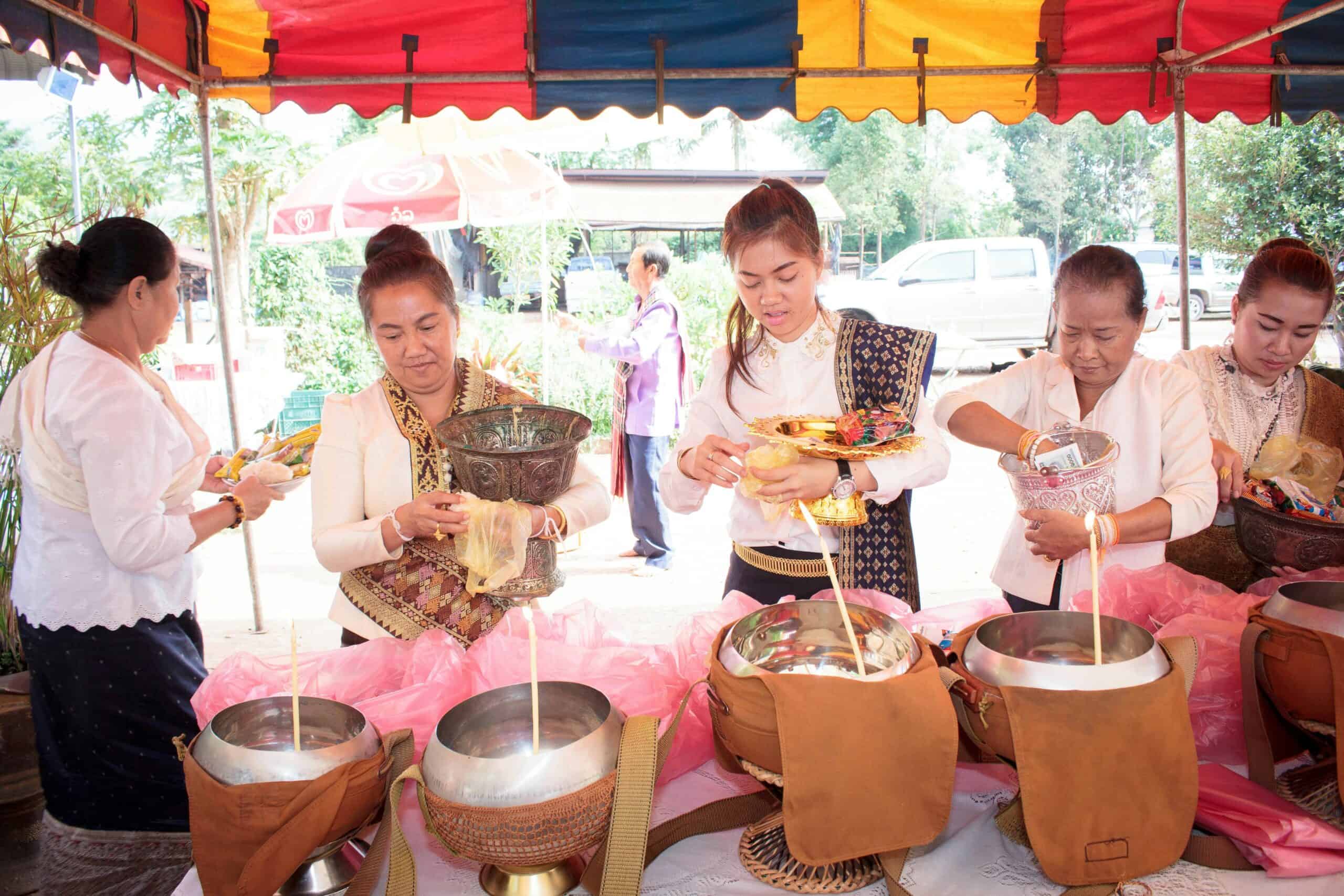
Finally, Laos chose a different economic path by supporting a socialist-oriented market economy. The government takes the lead in directing development to reduce poverty & build up infrastructure. They’ve invested heavily in roads and schools to improve people’s daily lives. For them, social welfare is much more important than any financial benefits and they’re willing to put the time in to find solutions.
Disclaimer: This list is solely the author’s opinion based on research and publicly available information.
Like our content? Be sure to follow us.
Read More: