

The American school system is supposed to prepare children for the world, isn’t it? But dig a little deeper, and you’ll find some nefarious activity behind the scenes. From schools obsessed with test scores over learning, to unequal funding and outright poor management, it is not always the smooth-running machine we’re told it is. Some of these problems doesn’t just affect students — they affect teachers, families and communities too. Let’s dive into some of the worst practices in the education system that people should know about.
Featured Image Credit: stetsik /Depositphotos.com.
Standardized Testing Obsession
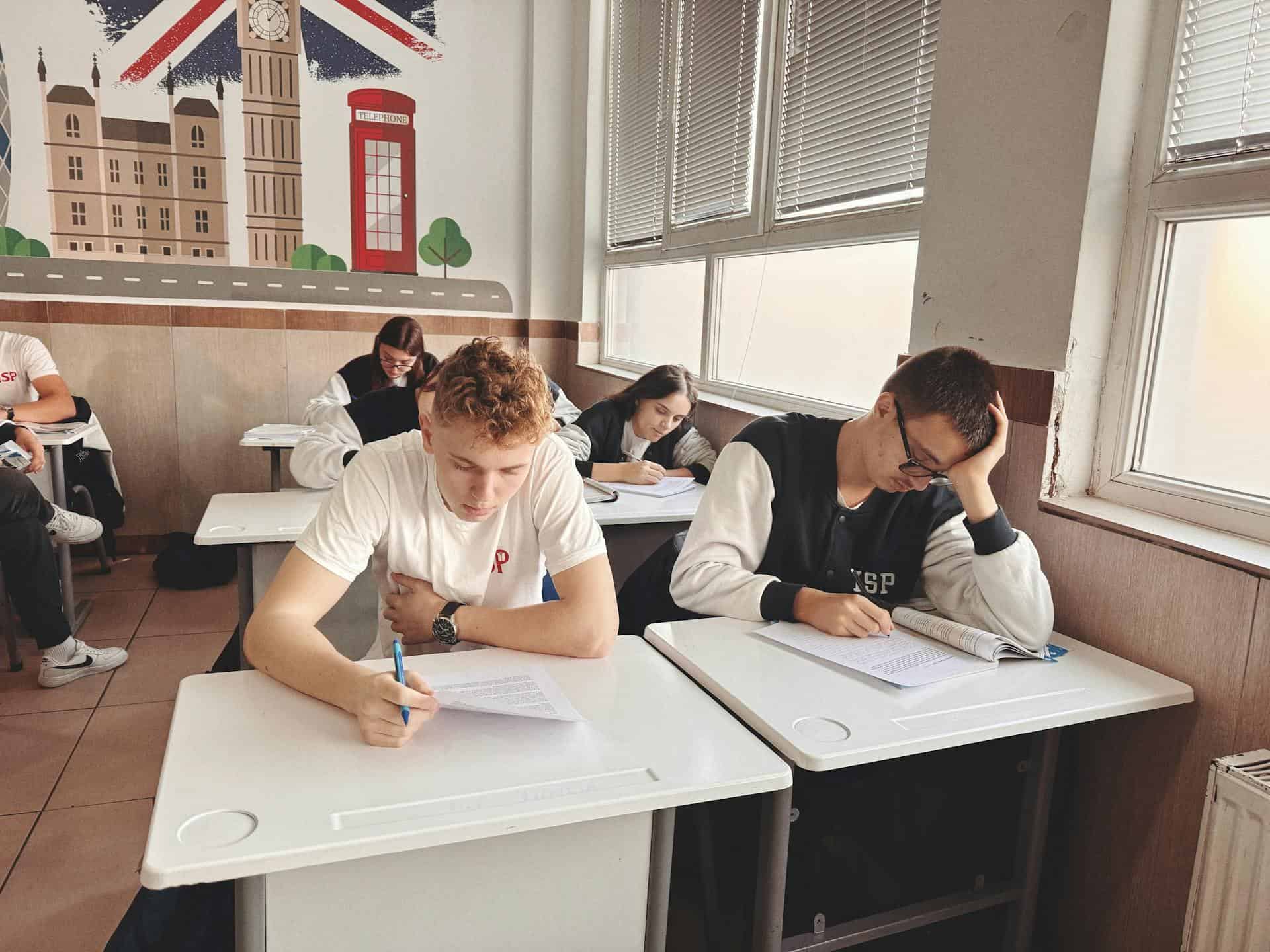
Schools care about standardized tests so much – in fact, it’s all that matters to them. Rather than teaching children to critically think or to get creative, educators are forced to stick to prep work. Why? Because those scores determine a school’s funding allocation and ranking. It’s a system that frames students as data points rather than people. And the worst part? It leaves behind poor-performing children, even if they’re great in other areas.
Pay-to-Play Activities

Remember when school sports or art clubs were meant to be open to all? Not anymore. These days, if you want to be on a team or take on any extracurriculars, you pay a price. Kids with rich parents can afford it, but poor kids miss out on these opportunities, even if they’re talented. It’s tragic how many promising sports or arts stars are sidelined due to financial considerations.
Like our content? Be sure to follow us.
Overworked and Underpaid Teachers

Teachers are not just educators – they act as counsellors, trainers and even surrogate parents. Yet, they’re paid peanuts for the work they do. Many have to get part-time jobs or draw money from their own pockets to purchase classroom supplies. No wonder so many gifted educators become exhausted or quit. How can we hope for the best for our children if we don’t look after those who teach them?
Skewed School Funding

Here’s the catch – public schools are funded through local property taxes. If you’re in a nice neighborhood, your school has new buildings, new textbooks & smaller classes. But if your neighborhood is struggling, then your school is likely to struggle too. It’s a system that rewards the rich and punishes the poor, which makes it nearly impossible for underfunded schools to catch up.
For-Profit Charter Schools

Charter schools were supposed to be better alternatives to public schools. But some of them are owned by companies more interested in profit than in educating children. They cut corners, recruit underqualified workers, and invest in fewer resources to increase profits. Granted, there are some stellar charter schools, but the lack of regulation allows others to take advantage of the system.
Grade Inflation
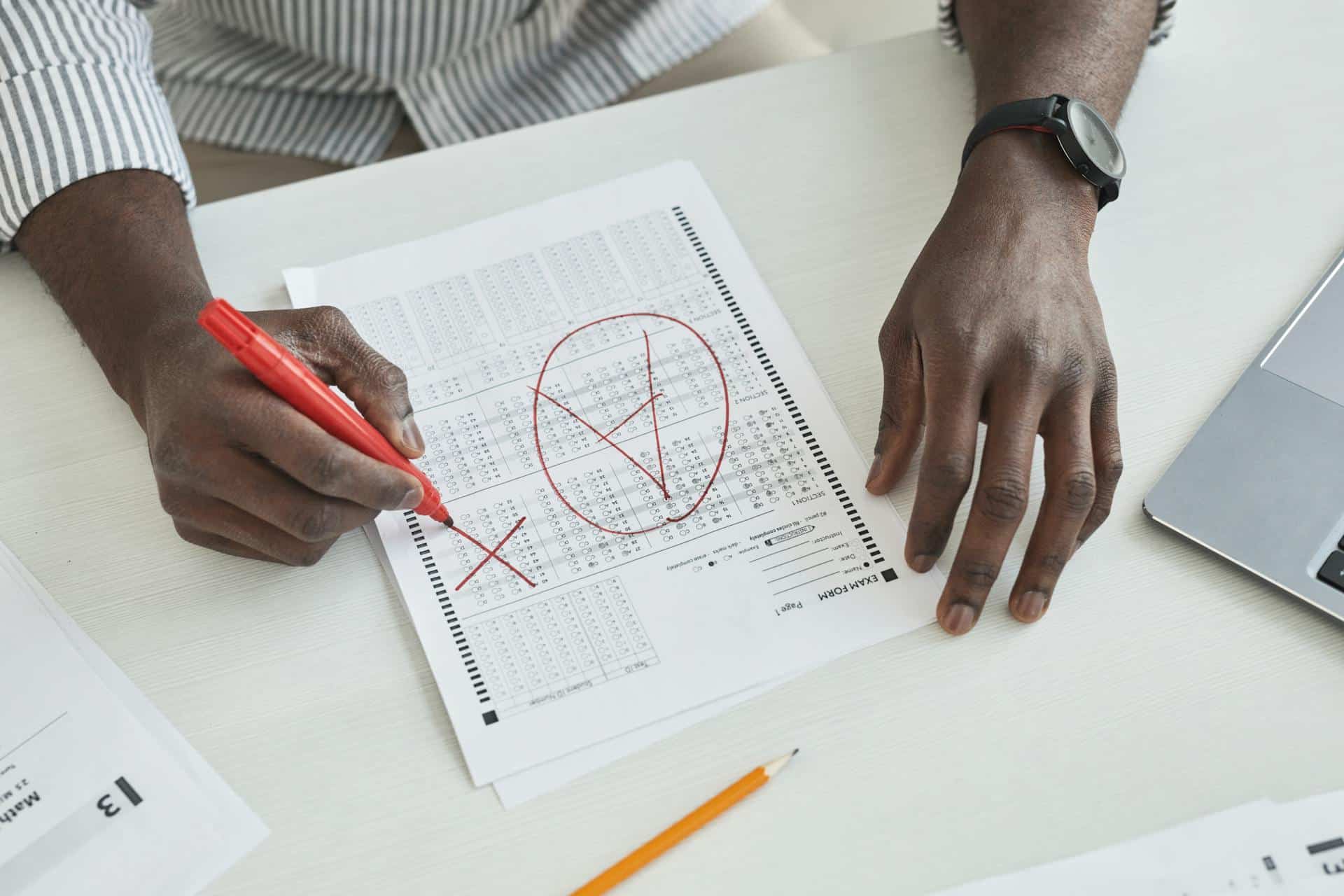
Getting an A used to mean something, but grade inflation is making it increasingly difficult to identify who’s doing great. And some schools inflate grades in order to satisfy parents and administrators, or to meet performance metrics. Even if that feels nice to earn an A, it’s not helping students. They leave the school feeling much better prepared than they are, and then fail college or the workforce.
Mismanagement of Funds

Schools receive millions in grants but then where does it all go? Too often, it’s squandered on prettily furnished administrative offices or extravagant salaries for superintendents, classrooms are stuck with broken desks and outdated textbooks. Imagine being a student in a school that’s falling apart while your district spends money on unnecessary perks. It’s frustrating and unfair.
College Admission Scandals

You’ve probably heard about those wealthy families paying their kids’ way into top schools. From bribing coaches to faking credentials, the college admissions process is rife with corruption. Meanwhile, hardworking students who actually deserve those spots are left out in the cold. It’s a slap in the face to every kid who busted their butt to get into college the honest way.
Discrimination and Inequality

Schools are supposed to be a place of opportunity, but discrimination is still so prevalent. Students of color and those who come from disadvantaged families are punished harder for the same violations as their peers. And when it comes to advanced placement or gifted, they’re usually turned down, even if they do qualify. These biases keep the cycle of inequality going strong.
Overreliance on Technology

Some schools have gone overboard with technology. Rather than hire additional teachers or develop better lesson plans, they teach kids using computers. It’s economical, of course – but it isn’t always efficient for teaching. Children miss out on face-to-face teacher encounters and may struggle when there’s no one to guide them. Not all families can afford the tech needed to do homework online either, adding to the inequity.
Disclaimer: This list is solely the author’s opinion based on research and publicly available information.
Like our content? Be sure to follow us.
Read More: