

Christmas is a celebration of love, traditions, & stories that are handed down through the years. From Santa Claus and Christmas trees to food and Christmas carols – most of these traditions mean something very dear to American families. But some Christmas legends aren’t that true after all. This list teaches you 13 Christmas myths that are flat out false so you can tell the difference between truth and fiction.
Featured Image Credit: Pexels.com.
Santa Claus Lives at the North Pole

It is a popular legend that Santa Claus is in the North Pole in his workshop with elves. Although Santa is sometimes depicted this way, the North Pole is not an actual, livable place. Santa’s magical home is a part of Christmas narratives & folklore – but it isn’t a permanent residence.
Christmas Trees Have Been Used for Centuries

Decorating with evergreens dates back thousands of years. But the idea of a Christmas tree with ornaments & lights didn’t become popular until the 16th century. The current tradition began in Germany and found its way to other countries. Other trees such as holly and ivy were also seasonal decorations before then.
Like our content? Be sure to follow us.
Christmas Music Has Been Played for Hundreds of Years
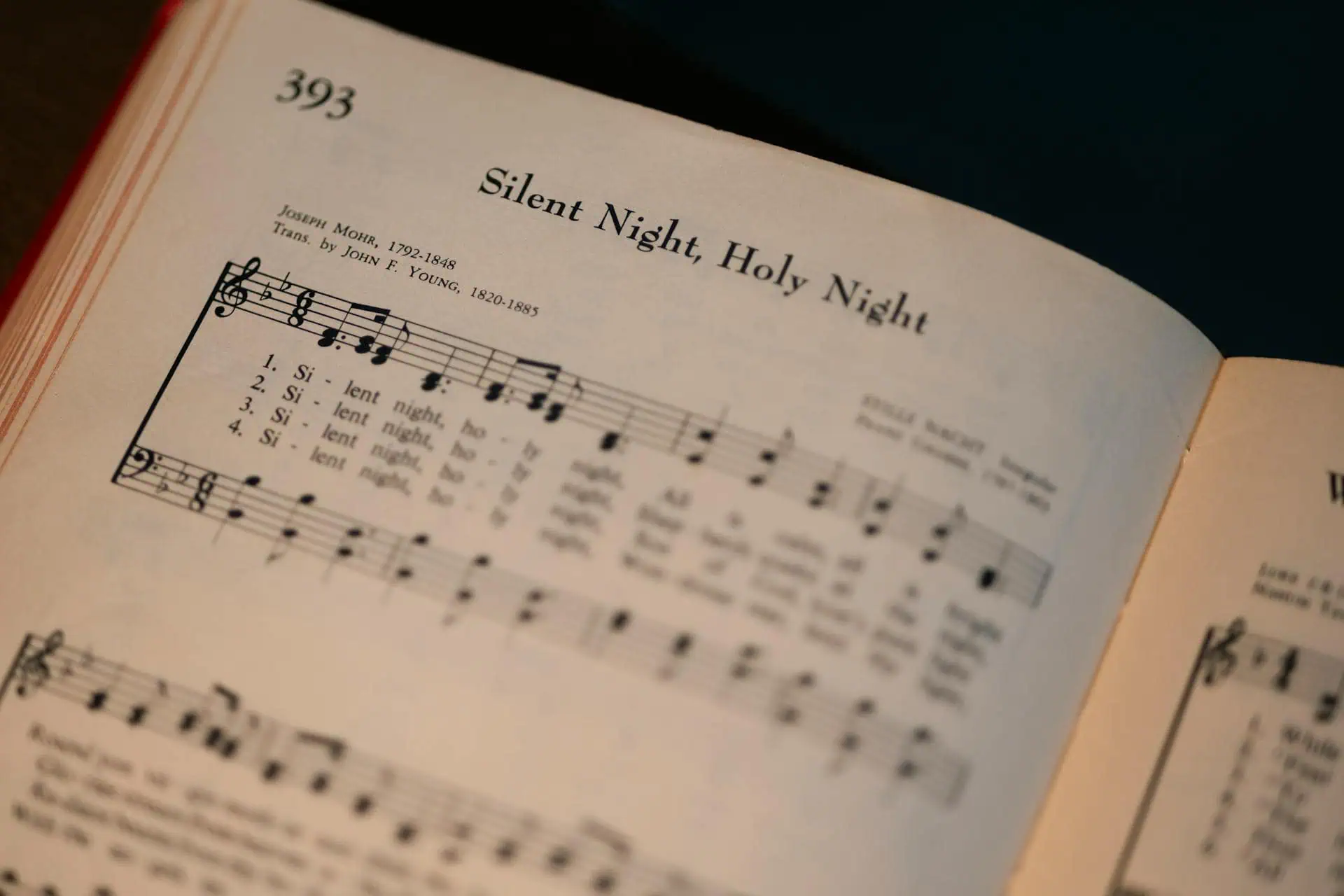
Although songs like “Silent Night” & “O Holy Night” are deeply rooted in Christmas tradition, the widespread use of Christmas music didn’t become a global phenomenon until the 19th century. It was during this time that carols became more common in both religious and secular celebrations.
Christmas is the Birth of Jesus Christ

Although Christmas is celebrated as the birth of Jesus by Christians, the holiday wasn’t always associated with Christianity. Before becoming a Christian holiday, Christmas had ties to ancient winter solstice celebrations in various cultures. Over time, it was adapted into a Christian celebration.
All Gifts Were Made by Santa

Another common myth is that Santa Claus brings all the presents under the tree. Though Santa does bring presents to children, there are also gifts from family and friends. Santa may leave a few surprises, but most are selected and distributed by those we love.
Turkey is the Traditional Christmas Meal

Turkey has become the centerpiece of many Christmas dinners, but it wasn’t always the case. In medieval times, people often enjoyed goose, boar or other meats during their feasts. Turkey became popular in the 16th century, and over time, it became a staple for many holiday meals.
Christmas Cards Were Always a Tradition

Sending Christmas cards didn’t become widespread until the mid-19th century. Sir Henry Cole created the first mass-produced Christmas card in 1843, making it easier for people to send holiday wishes. Before this, handwritten letters were more common, and formal holiday greetings were less common.
Rudolph the Red-Nosed Reindeer Is an Ancient Tale
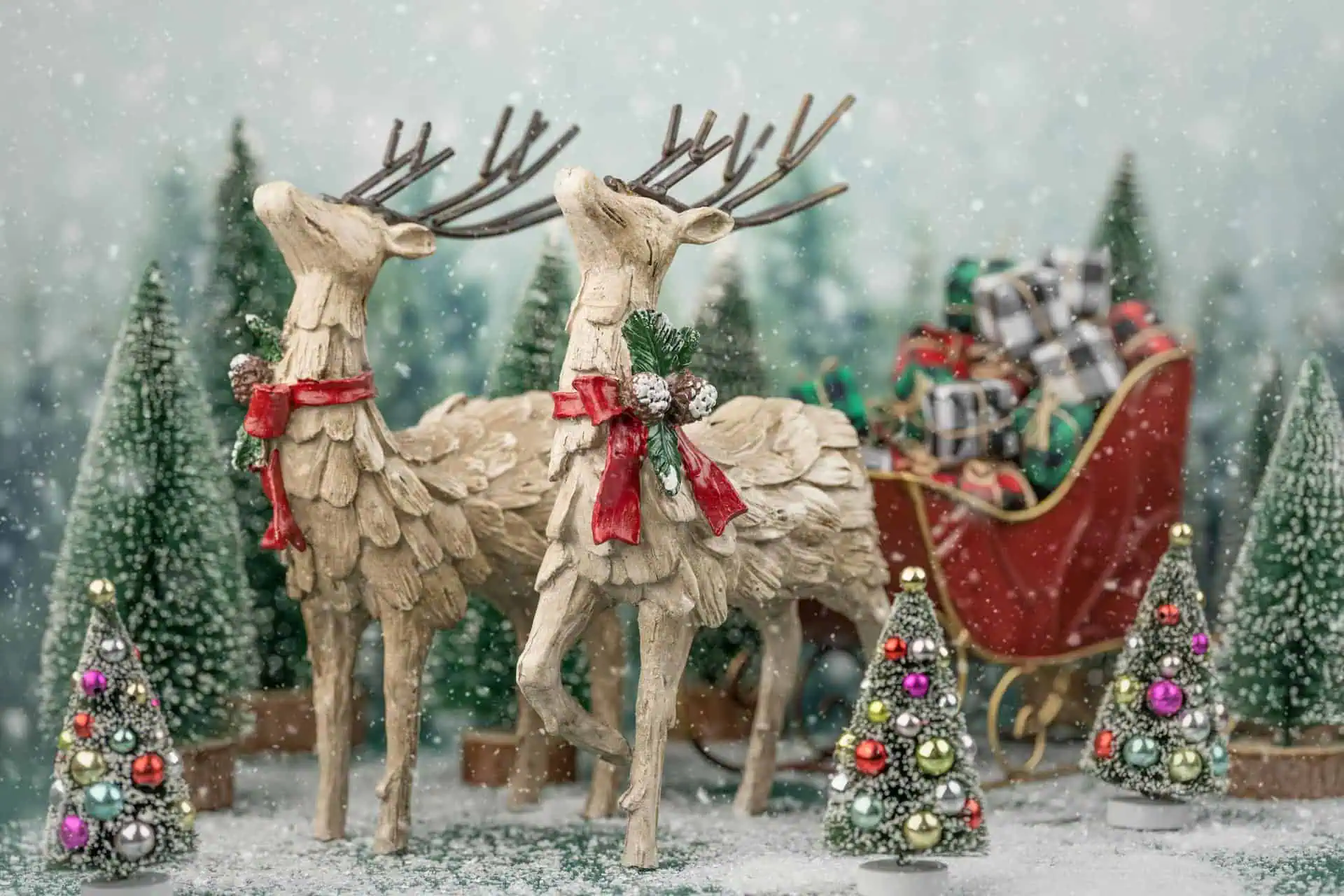
Rudolph feels like he’s been part of Christmas forever, but he was actually created in 1939. Montgomery Ward, a department store, commissioned the story as part of a marketing campaign. Robert L. May, a copywriter, wrote the original tale of the beloved red-nosed reindeer.
The Three Wise Men Visited Jesus on Christmas Night

Many nativity scenes show the three wise men, or Magi, arriving at the manger on the night of Jesus’s birth. However, biblical accounts suggest that they came much later, possibly weeks or even months after His birth. By the time they arrived, Jesus was likely in a house, not a stable.
Christmas Was Always Celebrated on December 25
Christmas day wasn’t the official date of the birth of Jesus Christ in the earliest days of Christianity. Various dates for the birth of Jesus were used by early Christians, and it wasn’t until the 4th century that 25 December was adopted as the official date. It was chosen because there were already existing pagan celebrations of the winter solstice.
The 12 Days of Christmas Lead Up to Christmas Day

Contrary to popular belief, the “12 Days of Christmas” don’t end on December 25th. They actually begin on Christmas Day and continue until January 5th, known as Twelfth Night. This period leads up to Epiphany on January 6th, which marks the visit of the Magi to the baby Jesus.
Christmas Was Always a Public Holiday

Not all countries treated Christmas as a public holiday. In fact, in England – Christmas was prohibited from 1649 to 1660 by Puritans. It was only in the 19th century that Christmas became a public holiday in many regions – even then, its status differed by country.
Elf on the Shelf Tradition Dates Back Centuries

Although the tradition of naughty Christmas ornaments had roots in ancient times, the modern Elf on the Shelf didn’t become widespread until the book and toy were commercialized in the early 2000s. Before this, parents used other holiday myths to teach their children how to behave around Christmas.
Disclaimer: This list is solely the author’s opinion based on research and publicly available information.
Like our content? Be sure to follow us.
Read More: