

It’s no secret that some of the richest people around pay less in taxes than many everyday people, which is because they use clever ways to minimize their tax bills. This includes following smart financial strategies and being aware of tax code loopholes—they also capitalize on investment income & use charitable contributions. Here are thirteen billionaires who pay less tax than you and how they manage to keep their taxes surprisingly low. One thing’s true about all of them—these billionaires have mastered the art of tax reduction.
Featured Image Credit: siriwat.tree@gmail.com /Depositphotos.com.
Warren Buffett’s Low Tax Rate
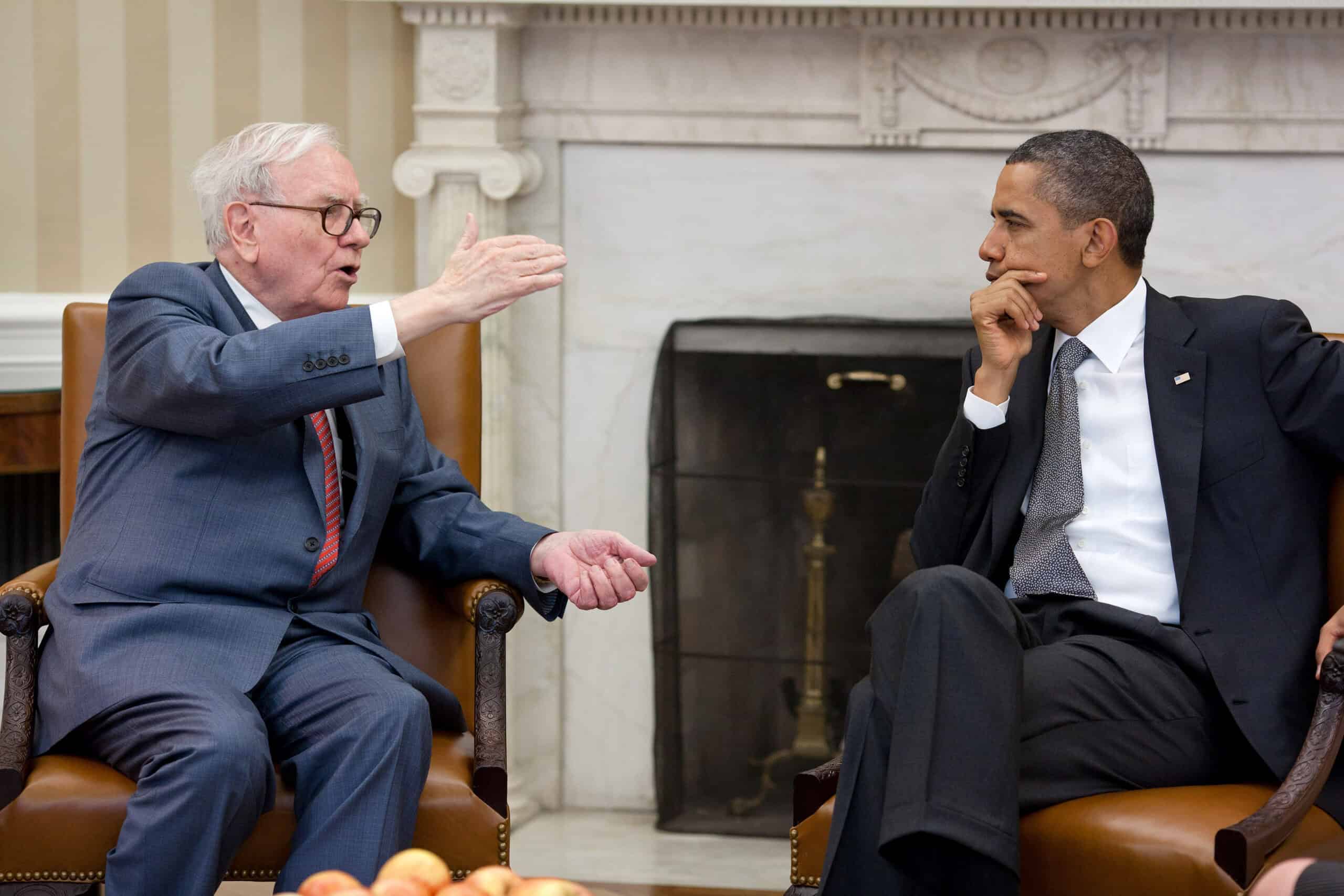
Warren Buffett is one of the world’s richest men and he has pointed out that he pays a lower tax rate than his secretary, which is because most of his income comes from capital gains & dividends. These are taxed at lower rates than regular wages and earning his money through investments rather than a high salary keeps his taxable income low. It’s a completely legal way to reduce your tax bill.
Jeff Bezos’ Minimal Tax Years
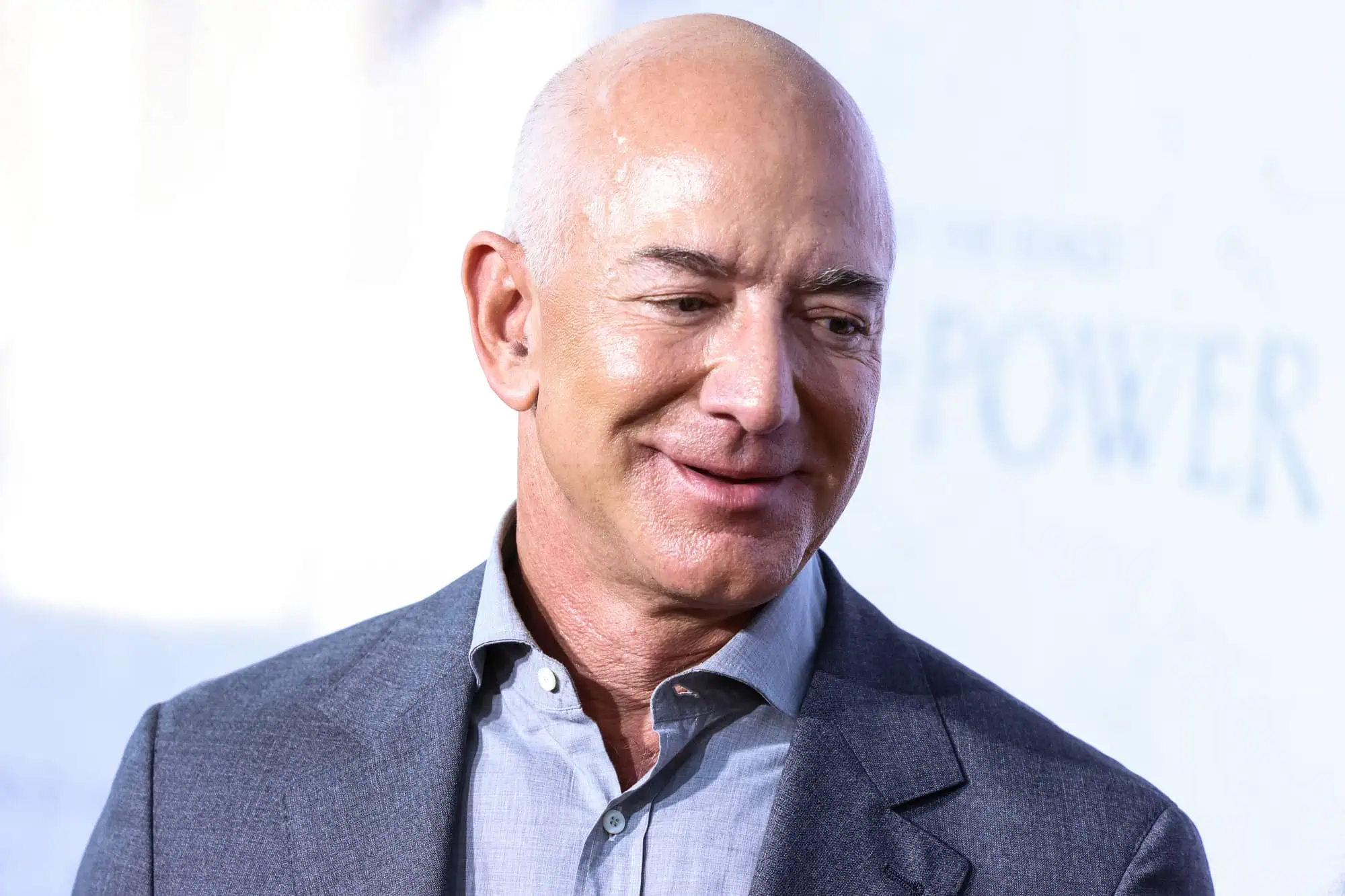
Jeff Bezos has had years where he paid zero federal income taxes and he managed to do this by offsetting his income with losses & deductions, which is also legal. Much of his wealth is tied up in Amazon stock and this doesn’t get taxed until it’s sold, allowing him to avoid hefty tax bills. It may not be entirely fair but he’s able to use the tax laws to his advantage to minimize what he owes.
Elon Musk’s Tax Strategies
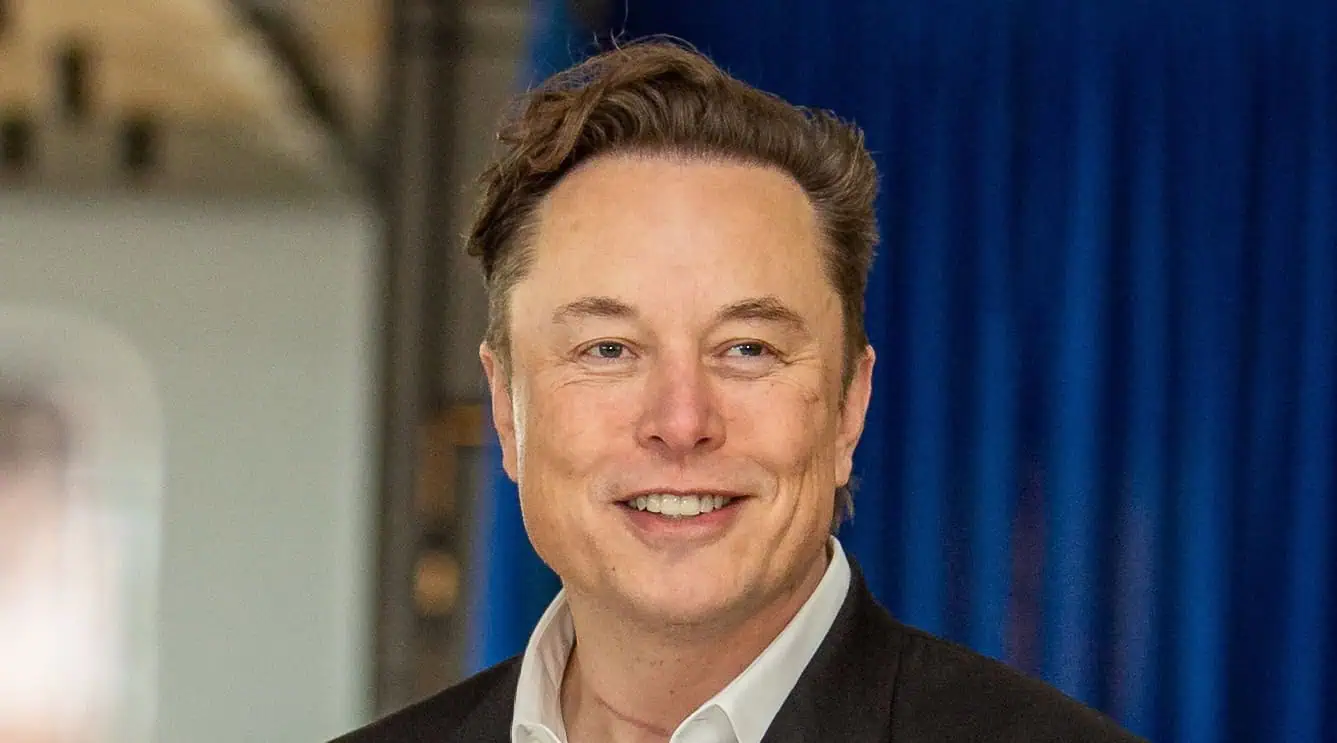
Likewise, Elon Musk also makes sure his federal income tax stays relatively small by taking a minimal salary & holding onto his stocks without selling them. This means he doesn’t have to pay taxes on those gains until he actually sells—he borrows against his stock to get money. Doing so gives him the cash he needs without triggering taxable events and this keeps his tax payments low.
Michael Bloomberg’s Effective Tax Rate
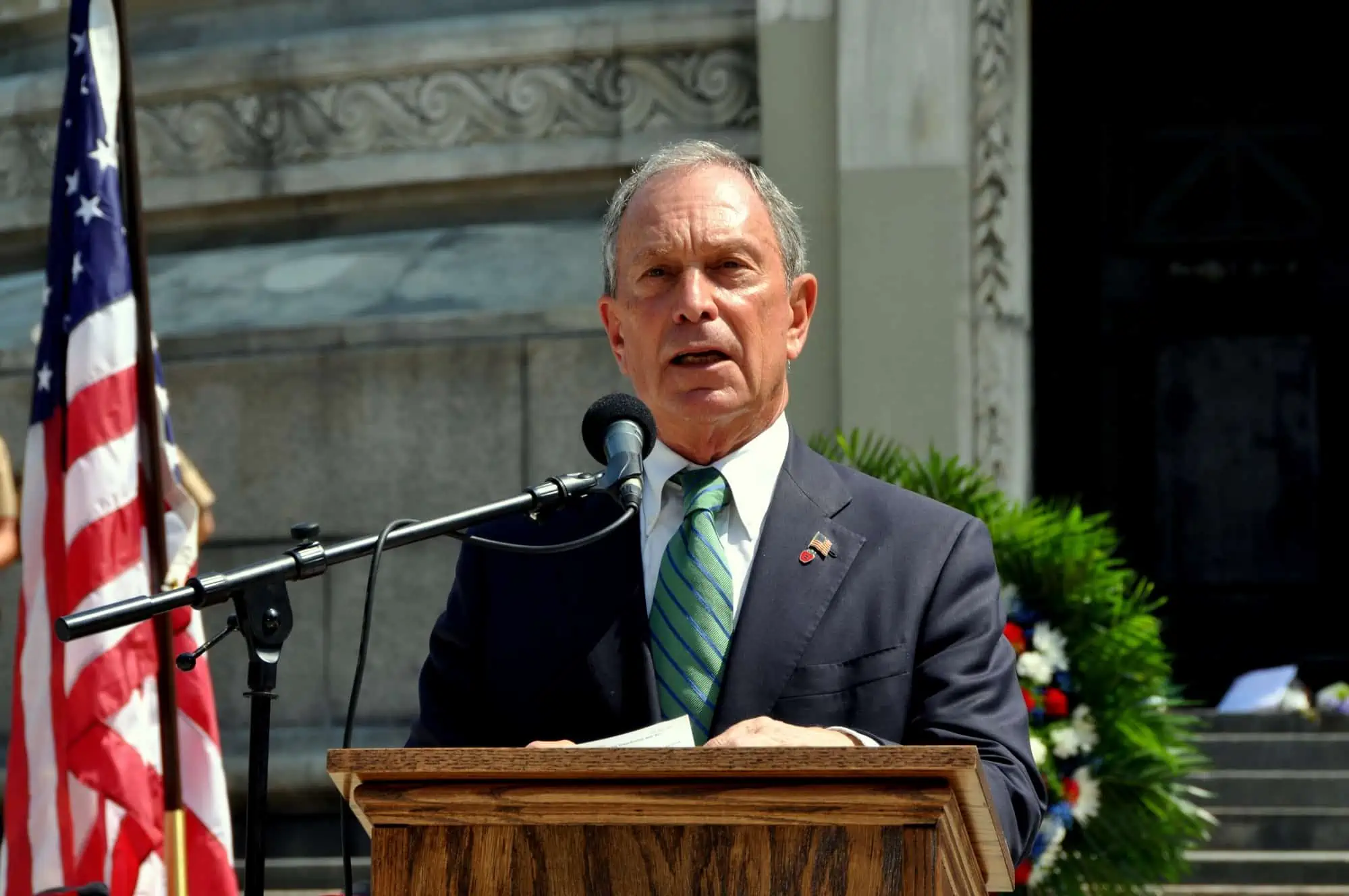
Media mogul and former mayor Michael Bloomberg maintains a lower tax rate through deductions and charitable giving—his income mainly comes from investments. Donating to charity and making smart use of tax deductions allows him to reduce his taxable income in a way that most ordinary people can’t do. Essentially, Bloomberg pays less in taxes while supporting causes he cares about.
Carl Icahn’s Use of Debt

Investor Carl Icahn pays minimal taxes by borrowing against his assets instead of selling them, which means he gets cash without triggering capital gains taxes that come from selling investments. He is also able to deduct the interest he pays on these loans from his taxable income, further lowering his tax bill. Honestly, it’s quite a smart way for him to access funds while keeping taxes down and it’s entirely above board.
George Soros’ Tax Deferrals

According to rumors, hedge fund manager George Soros has paid no federal income taxes over numerous years—he does this by using investment losses to offset gains. This effectively reduces his taxable income, while deferring income allows him to legally minimize what he owes in taxes. You have to be smart with your money if you’re going to be a billionaire.
Mark Zuckerberg’s Token Salary

Mark Zuckerberg takes a salary of just one dollar per year and this is a strategy that helps to avoid paying high income taxes on a big paycheck. His wealth is mostly in Facebook stock and unless he sells shares, he doesn’t have to pay taxes on that value. As such, he’s enormously wealthy on paper but his actual taxable income is far lower than most people realize.
Larry Ellison’s Cash-Flow Trick
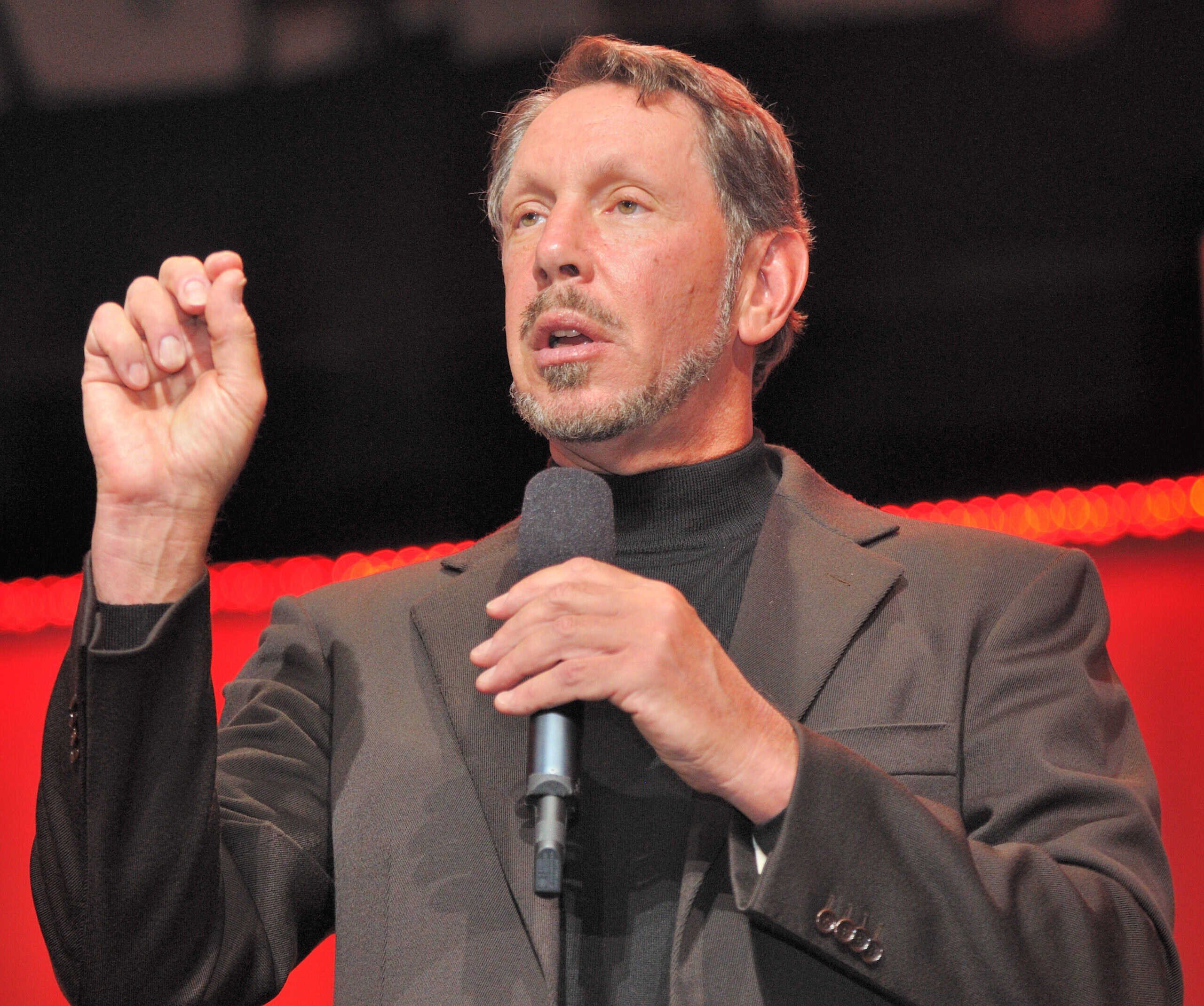
As the brains behind Oracle, it’s no surprise that Larry Ellison found a way to get his hands on cash without selling his stocks and increasing his taxable income. He takes out loans using his shares as collateral—this means he gets the money he wants and avoids capital gains taxes from selling stock. Sometimes, he’s able to deduct the loan interest on his taxes, which keeps his tax bill low while also living the kind of lifestyle he wants.
Jim Walton’s Inheritance Advantage

Jim Walton is one of the heirs to the Walmart fortune who benefits a lot from tax-friendly inheritance strategies, including using trusts & smart estate planning. Doing so cuts down on the taxes you usually owe when wealth gets passed down. He maintains his massive fortune at the same time that he pays less in taxes than someone who’d earned that money from scratch.
Alice Walton’s Investment Game Plan

But that’s not all for the Walton family because Alice Walton, Jim’s sister and fellow Walmart heiress, also plays it cool with her investments. She focuses on long-term growth, meaning that her profits are taxed at the lower capital gains rate—she holds onto her assets & picks the right moments to sell. This minimizes her tax hit as her wealth grows.
Peter Thiel’s Roth IRA Jackpot
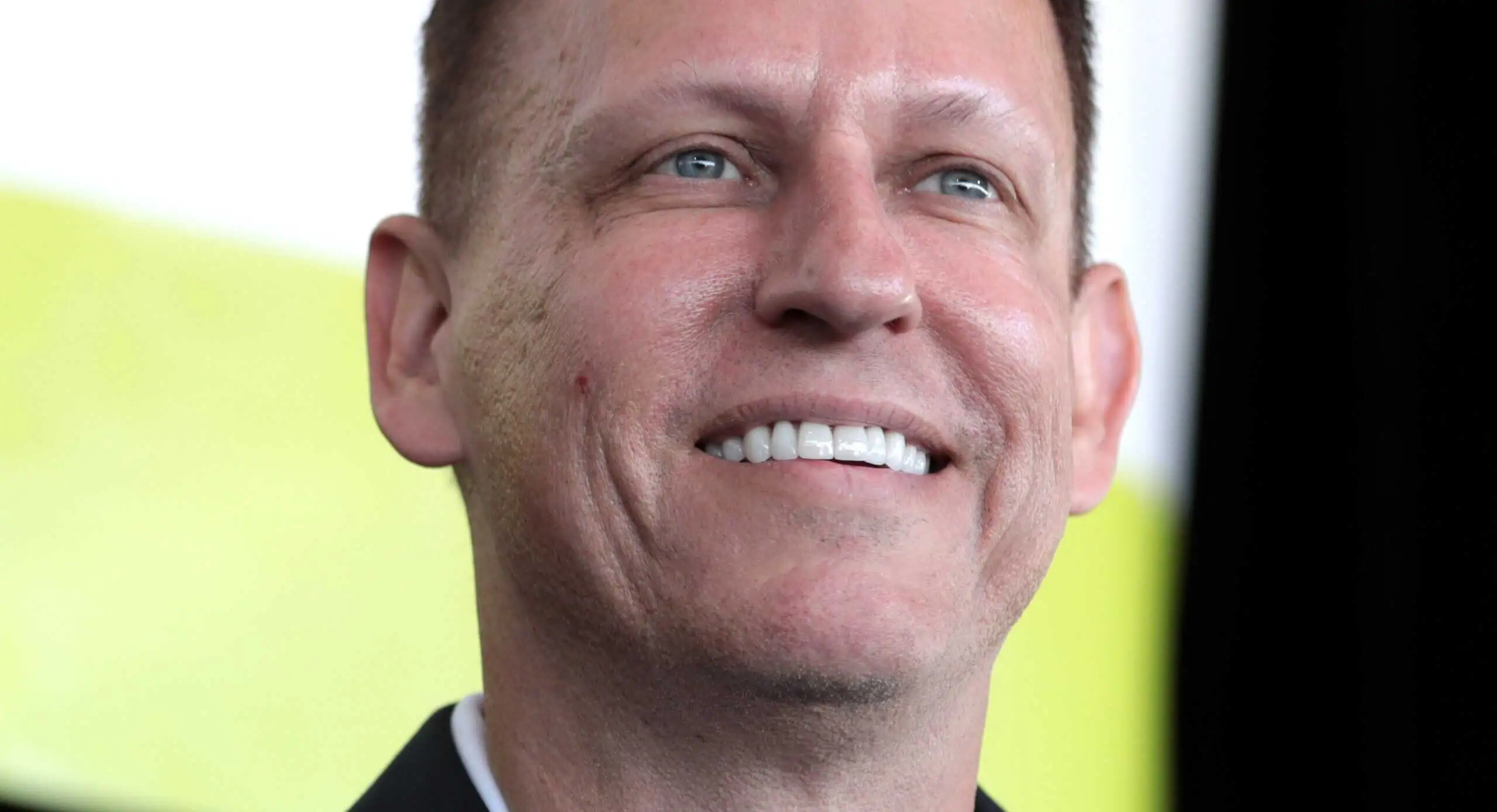
Peter Thiel is the co-founder of PayPal and he turned a Roth IRA worth about $2,000 into a staggering sum of over $5 billion—since Roth IRAs grow tax-free, he won’t owe taxes when he withdraws the money. He did this by investing in startups like Facebook before they blew up and this sheltered his massive gains from taxes. And it’s all thanks to the rules of the Roth IRA that he’s able to do this.
Charles Koch’s Pass-Through Perks

Charles Koch of Koch Industries uses pass-through entities to keep his taxes in check, which are business structures that pass income directly to owners. As such, he gets taxed at individual rates instead of higher corporate ones—he also makes the most of deductions to lower his taxable income. Such a setup helps him keep a bigger slice of his profits while handing over less to Uncle Sam.
Phil Knight’s Charitable Tax Breaks

Phil Knight is the founder of Nike, who has become rather well-known for his generous donations to charity—but it’s not just because he’s trying to be generous. Giving large sums to foundations and causes he cares about means he earns significant tax deductions, reducing his taxable income & tax bill. It’s a win-win for him because he gets to fund important work and pays less in taxes, all within the bounds of the law.
Disclaimer: This list is solely the author’s opinion based on research and publicly available information.
Like our content? Be sure to follow us on MSN.
Read More:


