Having some DIY skills under your belt is more useful than most people realize. It really doesn’t matter if you’re fixing a leaky faucet or hanging up that new picture—being able to handle small tasks around the house saves you from relying on others. Best of all, it feels great to know you fixed something yourself! Here are 10 basic DIY skills every adult should know.
Featured Image Credit: monkeybusiness/Depositphotos.com.
Unclogging a Drain

While a clogged sink or shower is a hassle, unclogging it yourself is often rather simple. First, pull out any hair or gunk at the top of the drain & then try using a plunger. If it’s still not clearing, a drain snake will get to those deeper blockages. You could even use a straightened wire hanger! Don’t forget to wear gloves and keep a bucket handy for any mess.
Using Basic Hand Tools

You’ll need to know how to handle tools like hammers & screwdrivers to deal with small repairs. For example, tightening a loose screw with the right screwdriver keeps your furniture sturdy while a hammer helps you nail down loose boards. And it all starts with having a simple tool kit at home! In doing so, you’re ready for minor fixes without needing to borrow tools or call someone else.
Like our content? Be sure to follow us.
Hanging Pictures and Shelves

Putting up pictures or shelves does make your space more personal—but you have to hang them properly. Use a stud finder to locate studs in your walls because these will give you a strong place to secure heavy items. If there’s no stud where you need one, wall anchors will support lighter objects. Measure & mark where you want to hang the item. Make sure it’s level!
Patching Small Holes in Walls

Those tiny holes from nails or accidents make your walls look rough. However, patching them is easy. Put some spackle over the hole with a putty knife & smooth it out evenly before letting it dry. Once it’s ready, lightly sand the area until it’s smooth and flush with the wall. Give it a quick touch-up with matching paint—hey presto, your wall looks as good as new. And all it took was a few minutes of hard work!
Replacing Air Filters

You’ll need to regularly replace the HVAC filters to keep the air clean. Find the air filter slot, which is usually near your heating or cooling unit, then carefully slide out the old filter to avoid spreading dust everywhere. Check the size you need and insert the new filter with the airflow arrows pointing in the right direction. You should aim to change the filters every three months or so.
Fixing a Running Toilet

A toilet that won’t stop running wastes a surprising amount of water and that increases your bills. Instead, you can stop it from running by lifting the lid & looking inside. Usually, adjusting the float arm or repositioning the flapper valve is enough to solve the problem. You should also make sure the chain isn’t too tight or tangled—that stops the flapper from sealing properly.
Resetting a Circuit Breaker

When a circuit overloads, it might trip the breaker and cut power to part of your home. But you don’t need an electrician! Go to your electrical panel and find the switch that’s flipped the wrong way. Before resetting it, unplug any devices on that circuit to prevent another overload and then firmly flip the breaker back to the on position. If it keeps tripping, then call in the professionals.
Sewing a Button
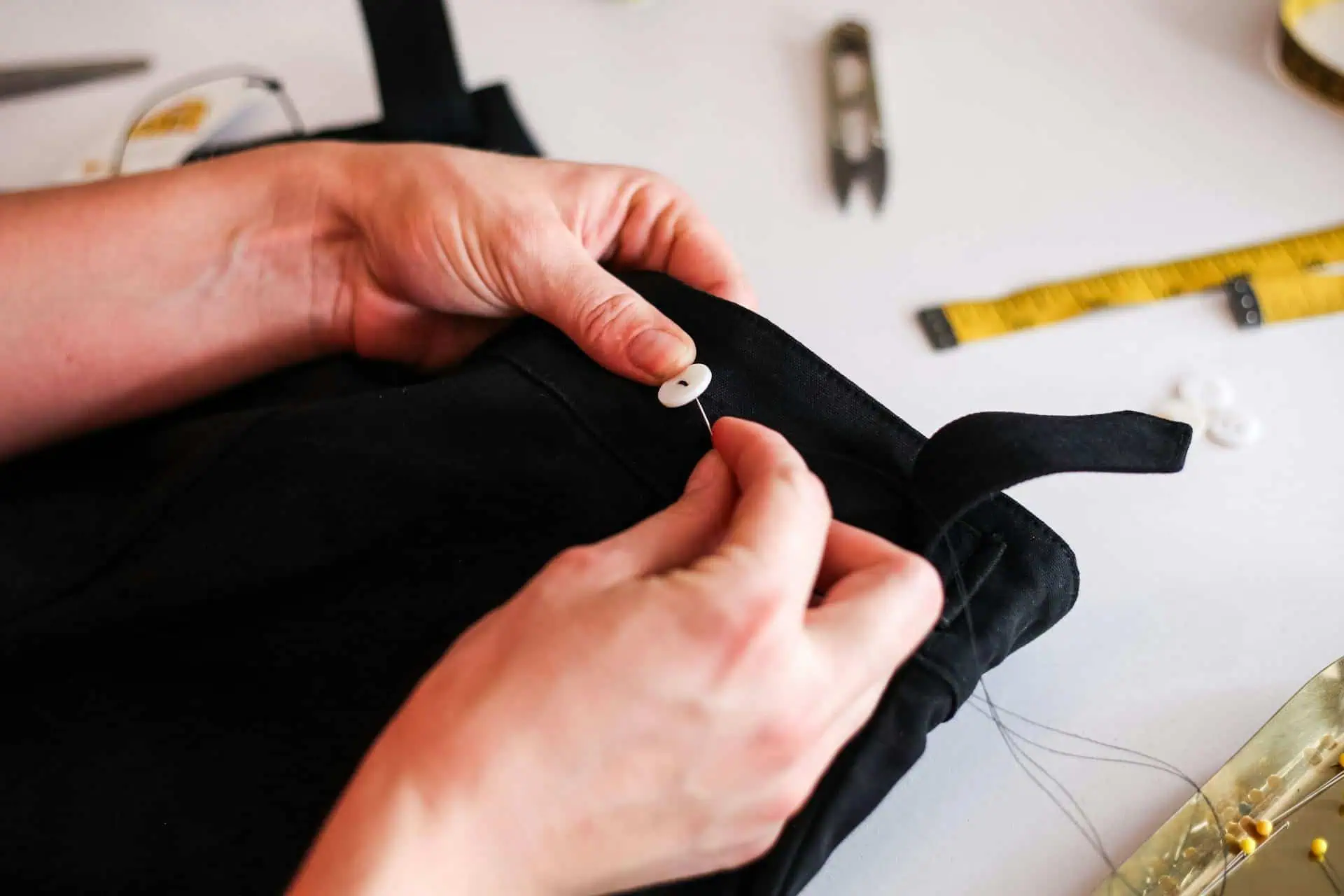
Sewing your buttons back on is rather easy. Thread a needle with about 18 inches of thread and tie a knot at the end. Place the button over the original spot on the fabric, then push the needle through from the back of the fabric & up through one of the button’s holes. Just keep stitching back and forth through the holes several times to secure it. To finish, make a knot on the backside of the fabric.
Measuring and Cutting Materials

Whatever projects you’re working on, you’ll have to measure and cut things accurately. To do so, use a tape measure to get exact dimensions—don’t forget to double-check your numbers before making any cuts! Always cut along marked lines and take your time to make sure it’s right. Once you make a mistake, you can’t go back.
Testing and Replacing Batteries in Detectors

In every home, functioning smoke & carbon monoxide detectors are a must and you’ll need to regularly test them. Press the test button on the detector—you should hear a loud alarm. If not, it’s time to replace the batteries and then test the alarm again to confirm it’s working. Really, you should check these detectors at least twice a year. Perhaps do it when you change the clocks for daylight saving time.
Disclaimer: This list is solely the author’s opinion based on research and publicly available information.
Like our content? Be sure to follow us.
Read More: