

There was a time when people really experimented with food, but those days are long gone, and most modern kids wouldn’t go anywhere near those meals.
Gravy met the toast
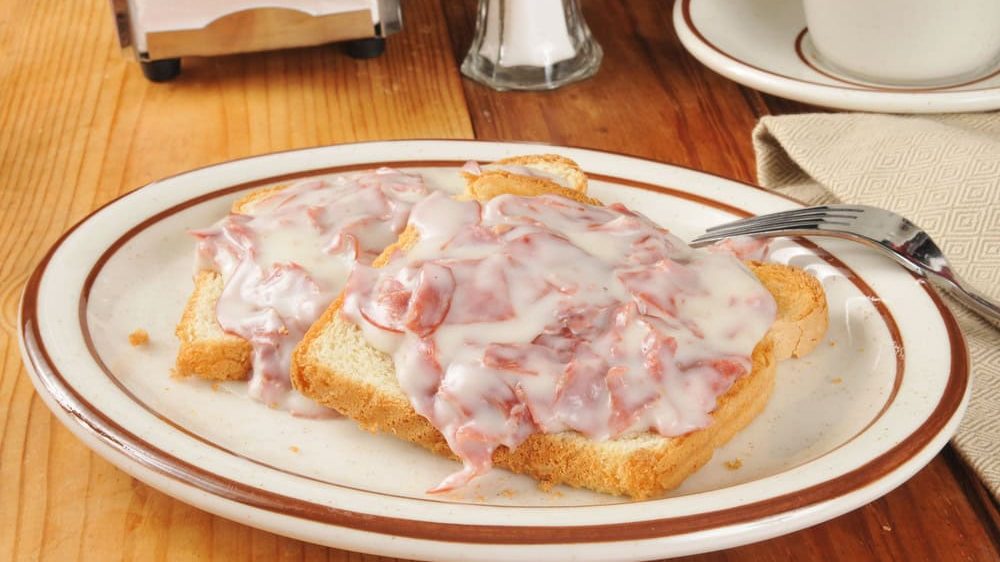
Creamed chipped beef on toast was a meal parents usually made when they needed to stretch what was in the kitchen. They’d chop up the chipped beef and stir it into a thick milk gravy. Then, they’d pour it over toast until the bread went soft underneath.
People thought it was a great way to use up all the food back then, and it was a big part of their make-do attitude. Not today, though. The idea of salty dried beef floating in pale gravy isn’t appealing to most kids, especially those raised on crispy toast and breakfast sandwiches.
The strong-flavored supper
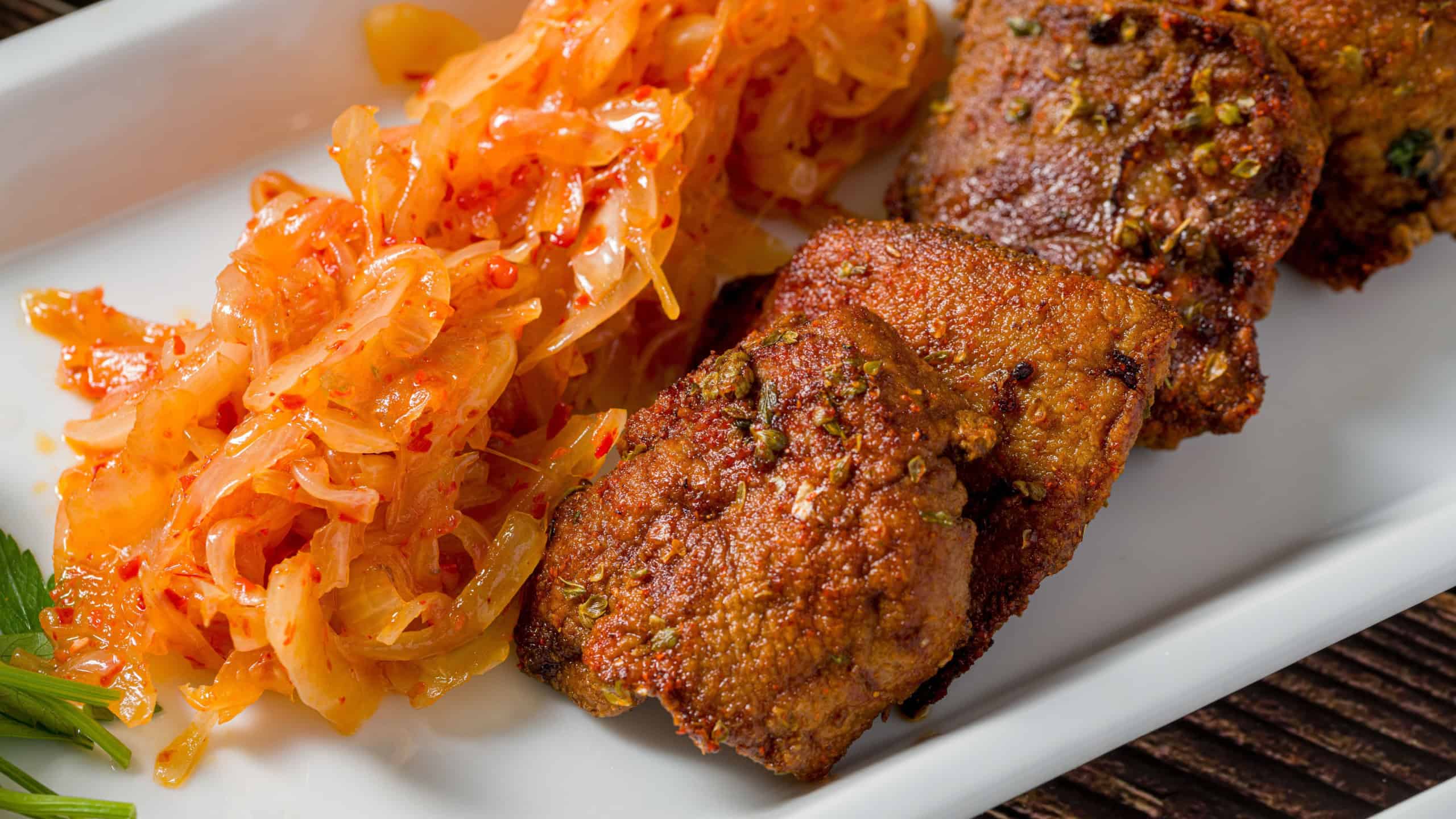
Liver is one of those meats that doesn’t really shy away from what it is. It’s liver, literally, and it tastes like it, too. That’s part of the problem here. Families used to fry beef or calf liver and serve it with onions beside it or mashed potatoes. It made sense back then.
Organ meat was affordable, and wasting the usable parts of an animal seemed kind of silly. Modern American kids, however, see far less liver at home, and they won’t dare try it. The smell alone gives away what’s coming.
Fish went into the loaf pan
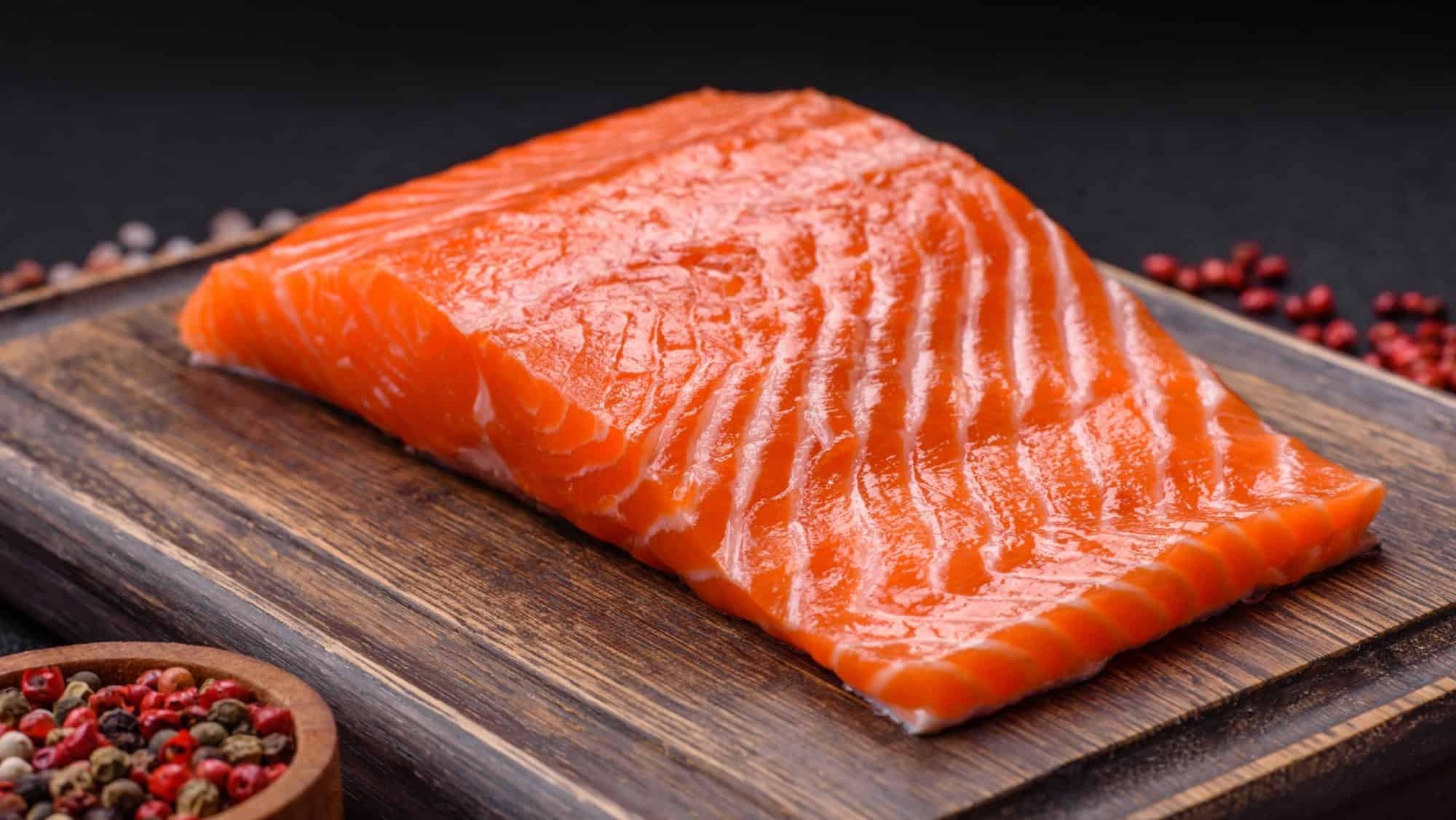
Someone in the past, for whatever reason, decided that canned salmon should become meatloaf. That’s exactly what salmon loaf is, a mix of canned fish with crackers or breadcrumbs. There are eggs, milk, onion, celery, and seasoning in it, too.
The best loaves came out firm enough to slice, although they’re not very common to eat today. Most kids know salmon as a fillet or sushi filling. The idea of eating the whole thing as a loaf is a bit too much for them, especially when you add in cream sauce.
Ham became sliceable
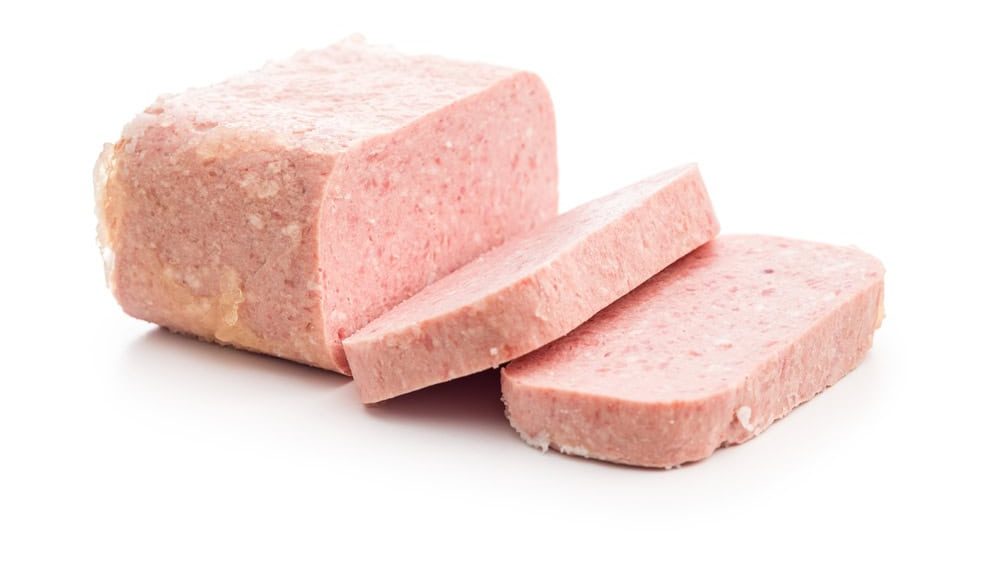
Ham loaf was another strange one. It sounds normal enough, but it’s literally made of ground ham and pork mixed with breadcrumbs, milk, eggs, and seasoning. Some recipes took things a step further by putting brown sugar or mustard over the top, maybe even some fruit.
It gave the meatloaf a kind of sweet glaze. Yes, it was salty processed meat with sugar coating the outside, as weird as that sounds. Some modern kids might eat ham in a sandwich, sure. They’re certainly not going to eat it in loaf form.
Dinner had a wobble
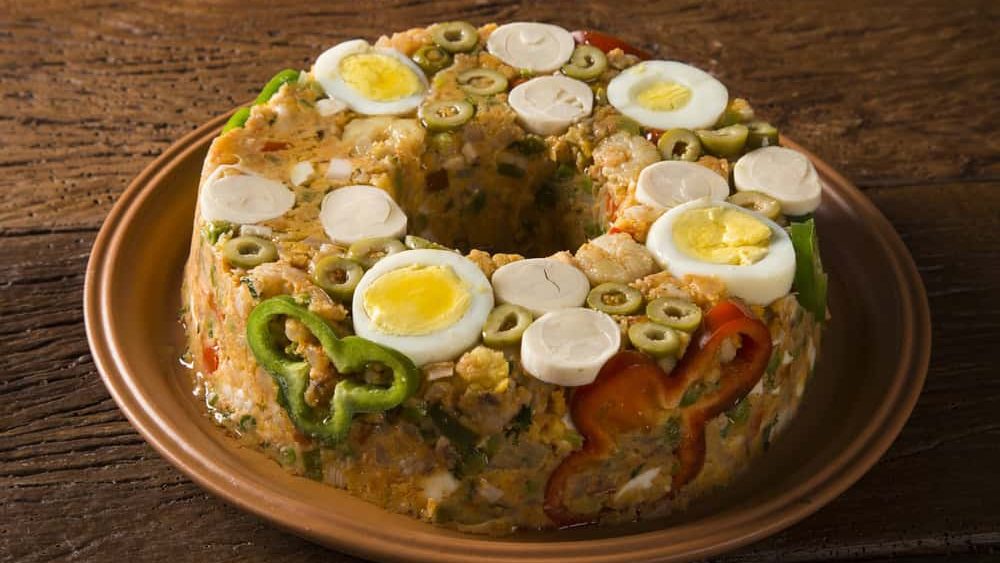
You can’t get more retro than jellied vegetable salad, and maybe that’s a good thing. It involved suspending vegetables in gelatin and serving the whole thing as salad. The bravest souls would sometimes add a slice of egg to each mold, just for extra flavor.
The ingredients themselves aren’t all that mysterious. At least, not separately. But the idea of them all together as cold vegetables trapped in clear jelly is a tough visual for modern kids. They’re expecting gelatin to taste like strawberry or lime, and the egg doesn’t exactly help.
The salad that set solid
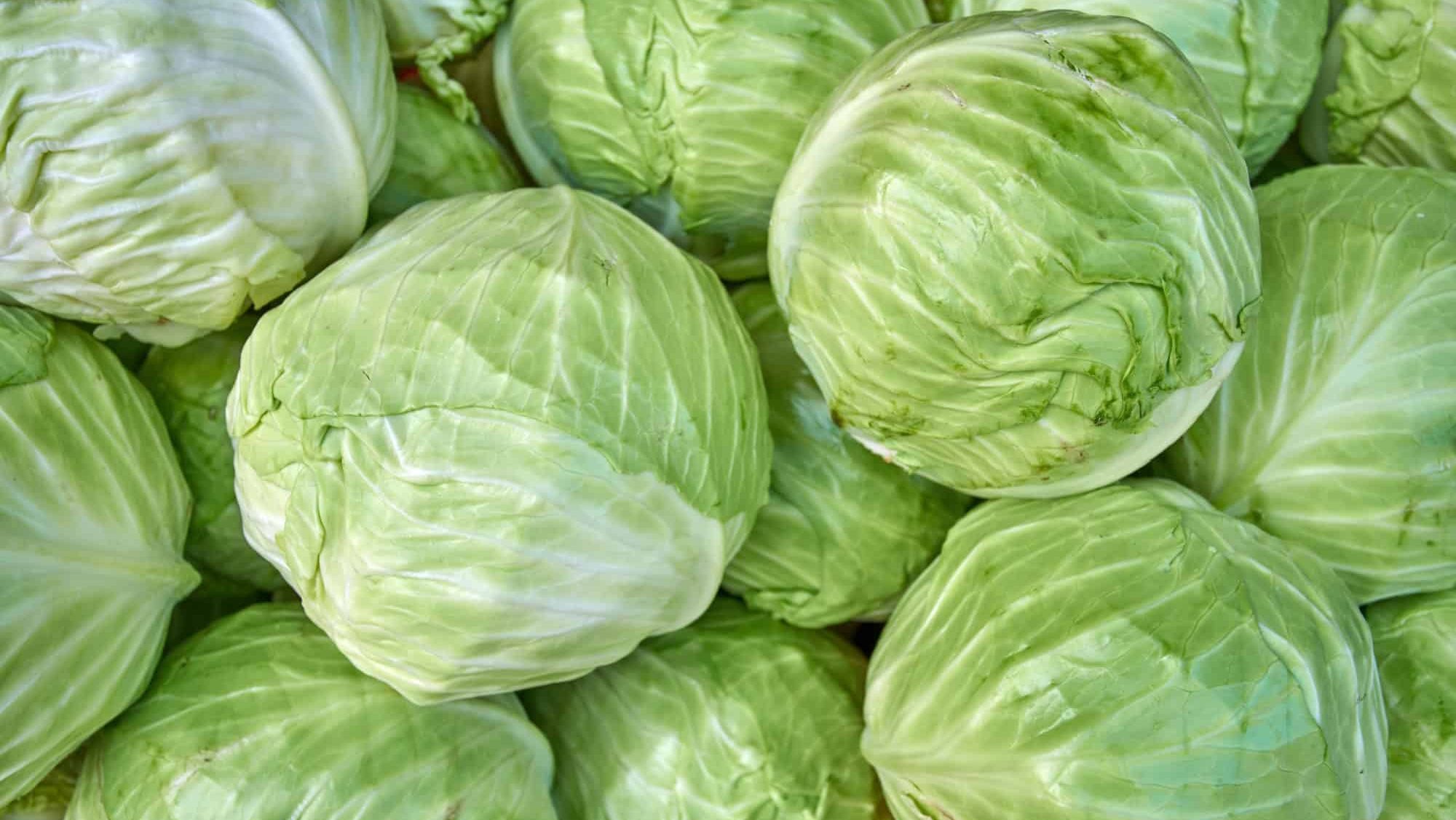
That’s not all for salads. Perfection salad actually won prizes in the early 1900s, and that’d be quite a surprise to most kids today. You put shredded cabbage, celery, and red pepper into gelatin flavored with vinegar, lemon juice, sugar, and salt. Then you chilled it.
After some time, you served it with mayonnaise. Kids today know Jell-O, and they know cabbage, too. But they’re not expecting those two things to arrive as one object. The sweet-and-sour flavor is yet another surprise, and the mayonnaise makes things even worse.
Pineapple joined the canned meat
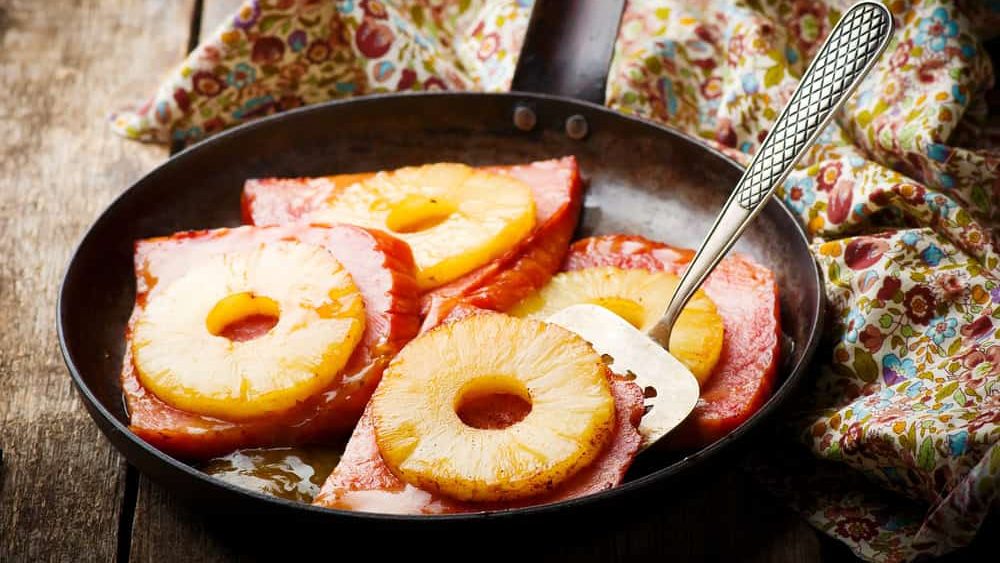
It’s not hard to see why today’s kids couldn’t stomach Spam with pineapple. It’s right there in the title. Yes, it’s slices or chunks of Spam paired with pineapple, and it was as salty-sweet as it sounds.
Modern kids are more likely to see pineapple on pizza than sitting with canned pork. The meat was pretty popular after World War Two as a rationing ingredient. It’s not fresh-cut meat, and that’s part of the reason why kids today hate this dish. That, and the fact it’s with pineapple.
Tuna got the gravy treatment
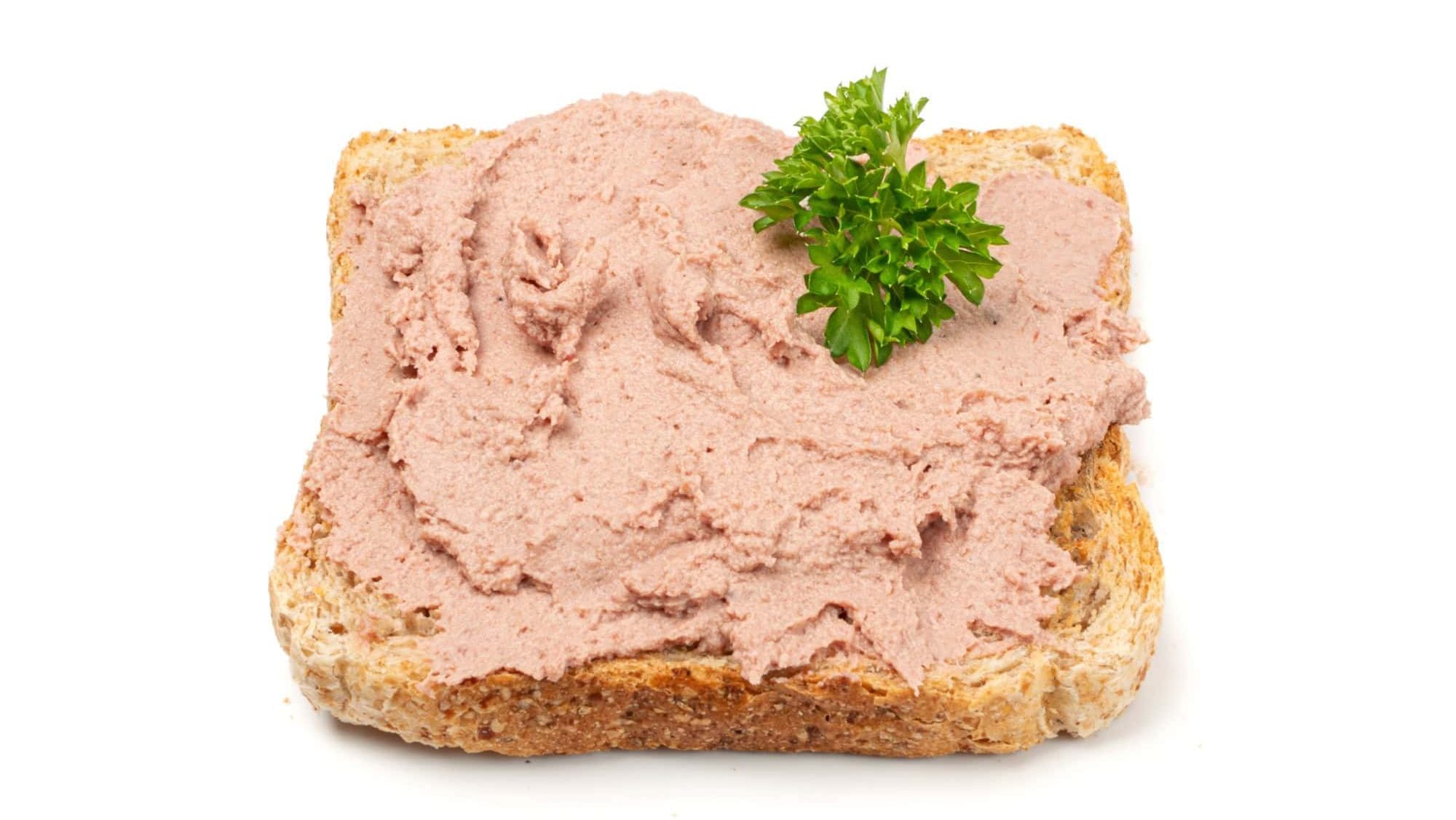
Tuna salad wasn’t enough for some people, as they also warmed canned tuna in white sauce. They then dumped it over toast. It was known as creamed tuna on toast, and some recipe varieties included chopped eggs or pimientos, too.
The main reasons it used to be so popular were that it was cheap and fast. It could feed several people, too. These days, however, kids would rather have other kinds of convenience food, and they wouldn’t dare try this.
The deli order got anatomical
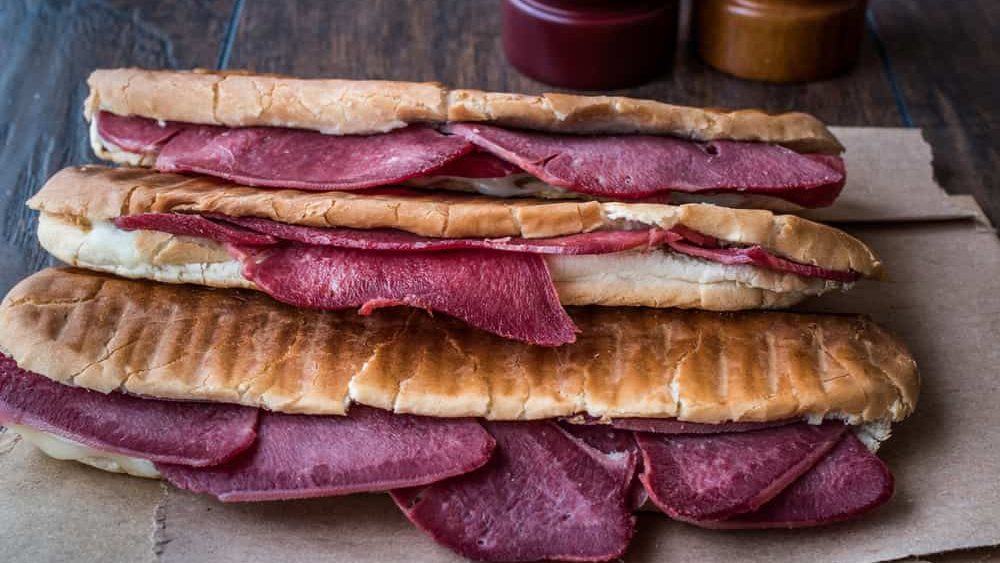
The name alone is enough to put people off. Beef tongue sandwiches were a genuine meal in the past, and part of the preparation involved simmering the beef tongue until tender. Cooks would then peel the thick outer skin away and turn the meat into sandwich filler.
You could have it with mustard or pickles. It might look ordinary enough, but children are pretty good at asking follow-up questions, and they’d probably realize it wasn’t regular meat. Organ meats just aren’t as big a part of mainstream American eating anymore.
Bologna became the centerpiece
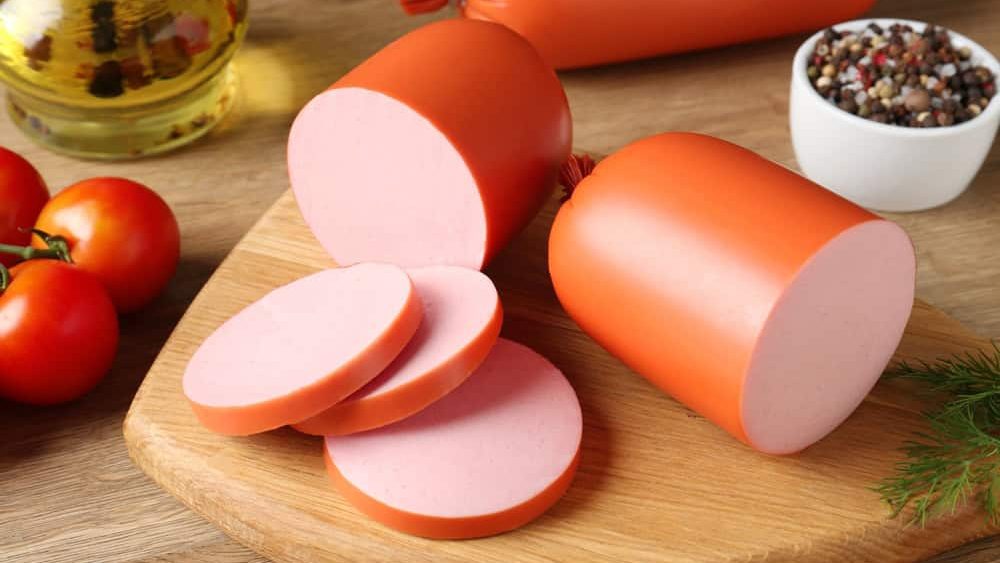
Two slices of bologna between bread are way too normal. The recipe for barbecued bologna loaf took things a step further by having cooks score the outside of a four-to six-pound roll. They’d put the whole thing on a grill and rub it with mustard, brown sugar, and horseradish.
They would end by carving it like a roast. Bologna itself isn’t that weird of a meat, but the idea of making it into the main meal at dinner certainly is. Most kids would be immediately turned off by the enormous hot log of meat in front of them, and they won’t try it.
One can made the main course
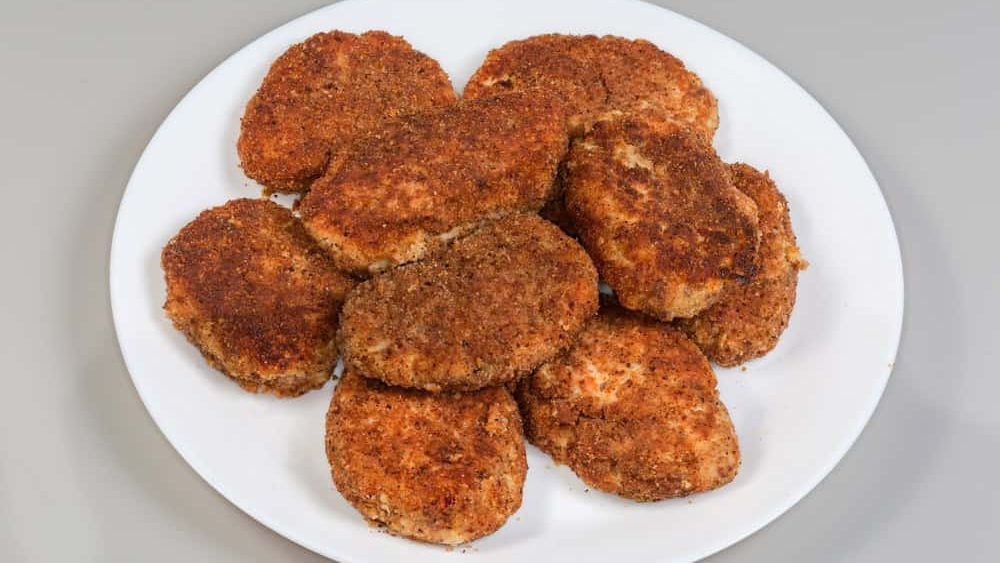
A lot of salmon patties’ popularity was due to canned salmon’s shelf life. It could sit in the cupboard for ages until you needed it. All you had to do was mix the canned fish with egg, crackers or crumbs, a little milk, and seasoning. Then, you shaped the mixture into cakes before frying them in a pan.
A single can would stretch surprisingly far, but perhaps not far enough for kids in the twenty-first century. They wouldn’t be able to get past the texture. It’s most certainly not a fish stick, that’s for sure.
The fish got stronger
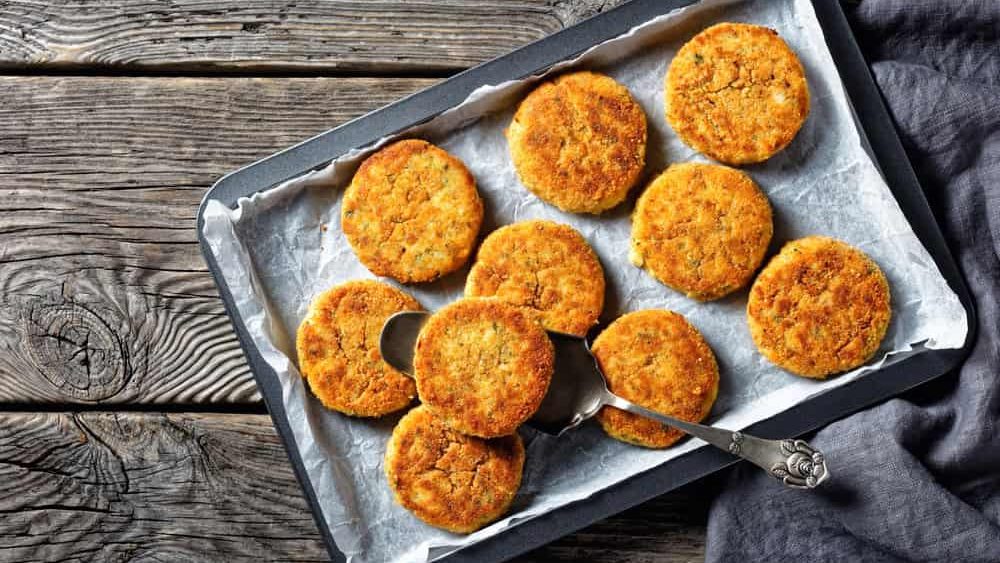
Mackerel cakes are another weird fishy one. They seem harmless enough from the outside, but once you break one open, the smell hits you, and it’s stronger than a mild cod cake. That’s probably why kids wouldn’t like it nowadays.
Mackerel is a pretty oily and strong-flavored fish, so it might be too much for modern kids to eat in cake form. No amount of breading is going to disguise that flavor.
Everything went into the pot
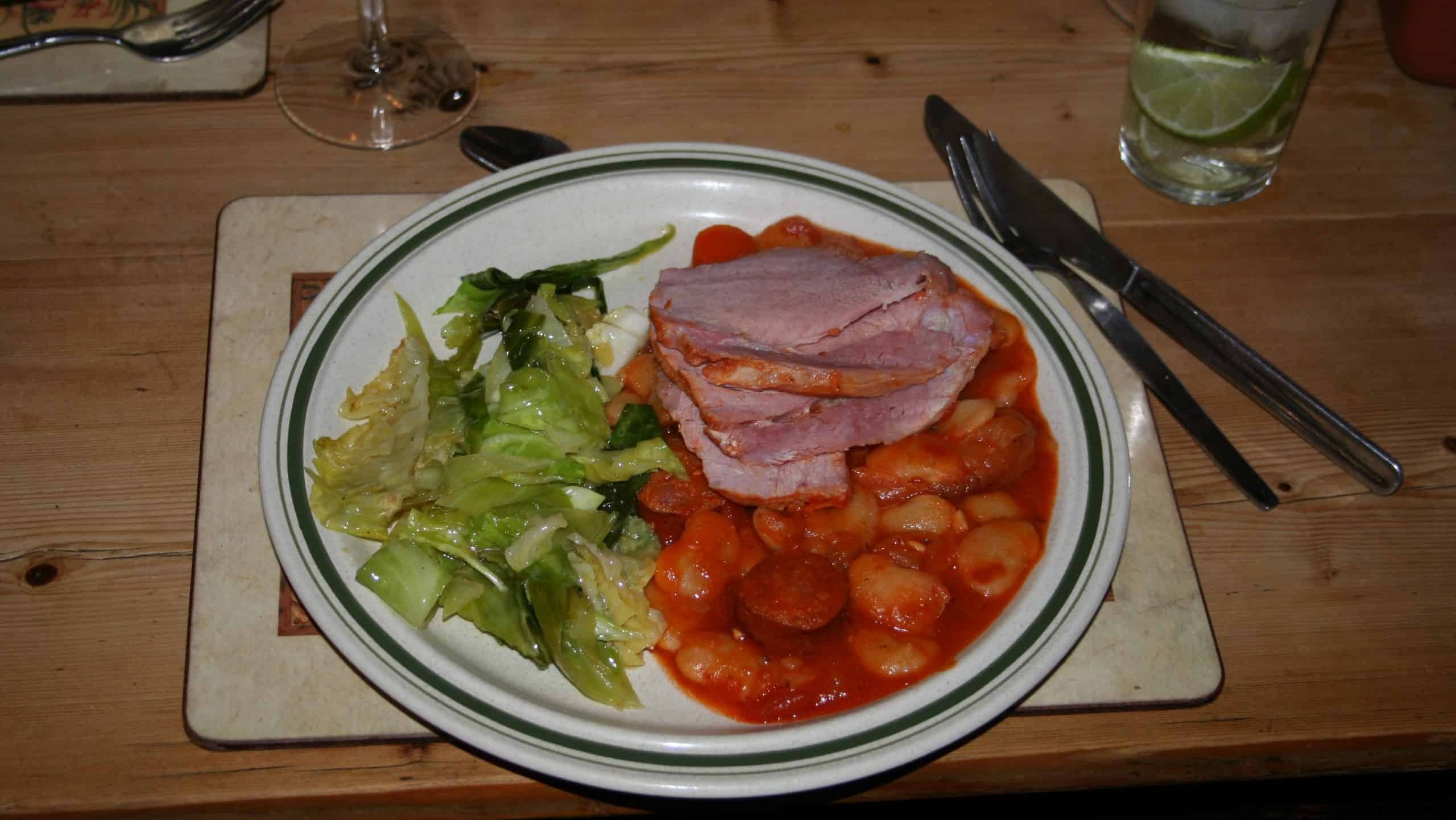
Boiled ham with cabbage was the perfect meal for any cook with a lot of patience. You had to simmer a ham shank in water for a long time, and then add things like potatoes, cabbage, carrots, onions, and string beans.
Kids today might be fine with the ham and potatoes, sure, but they’ll probably draw the line at soft-boiled cabbage. They’d hate the fact there’s no crunchy coating or sauce to go with it. Not even any melted cheese. No, that’s just too boring for kids today to bother trying.
Olives took over lunch
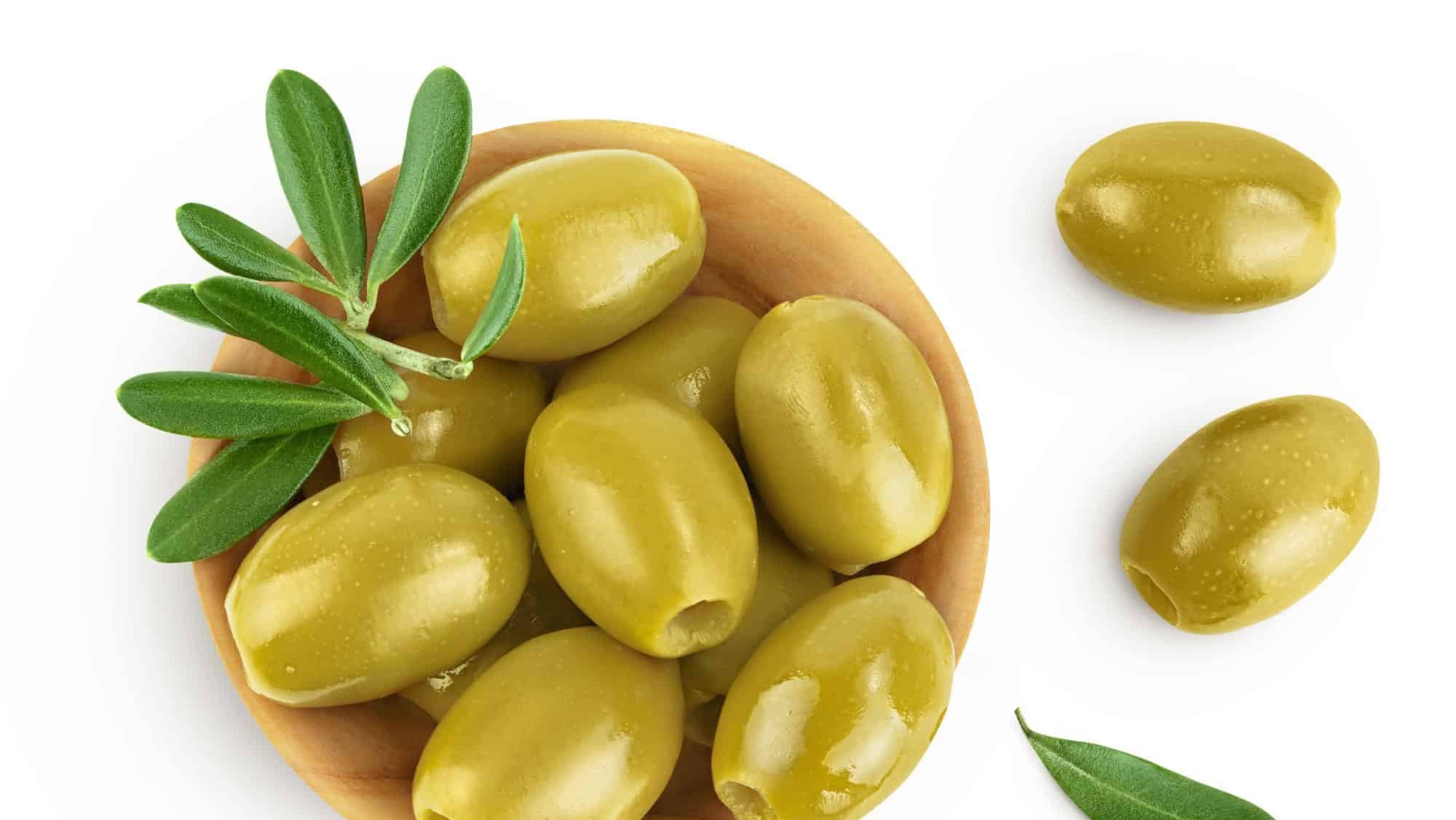
Egg salad is one thing. Egg salad with chopped green olives, made into a sandwich filling, is another. But egg-and-olive sandwiches used to be very popular in the past, and people would usually spread the mixture onto buttered bread.
It ended up being something both creamy and soft, while also suddenly sharp and salty every few bites. That’s a lot for one sandwich. Perhaps too much for kids today, as the color alone is a little strange for them.
Sources: Please see here for a complete listing of all sources that were consulted in the preparation of this article.
13 weird foods only old people eat
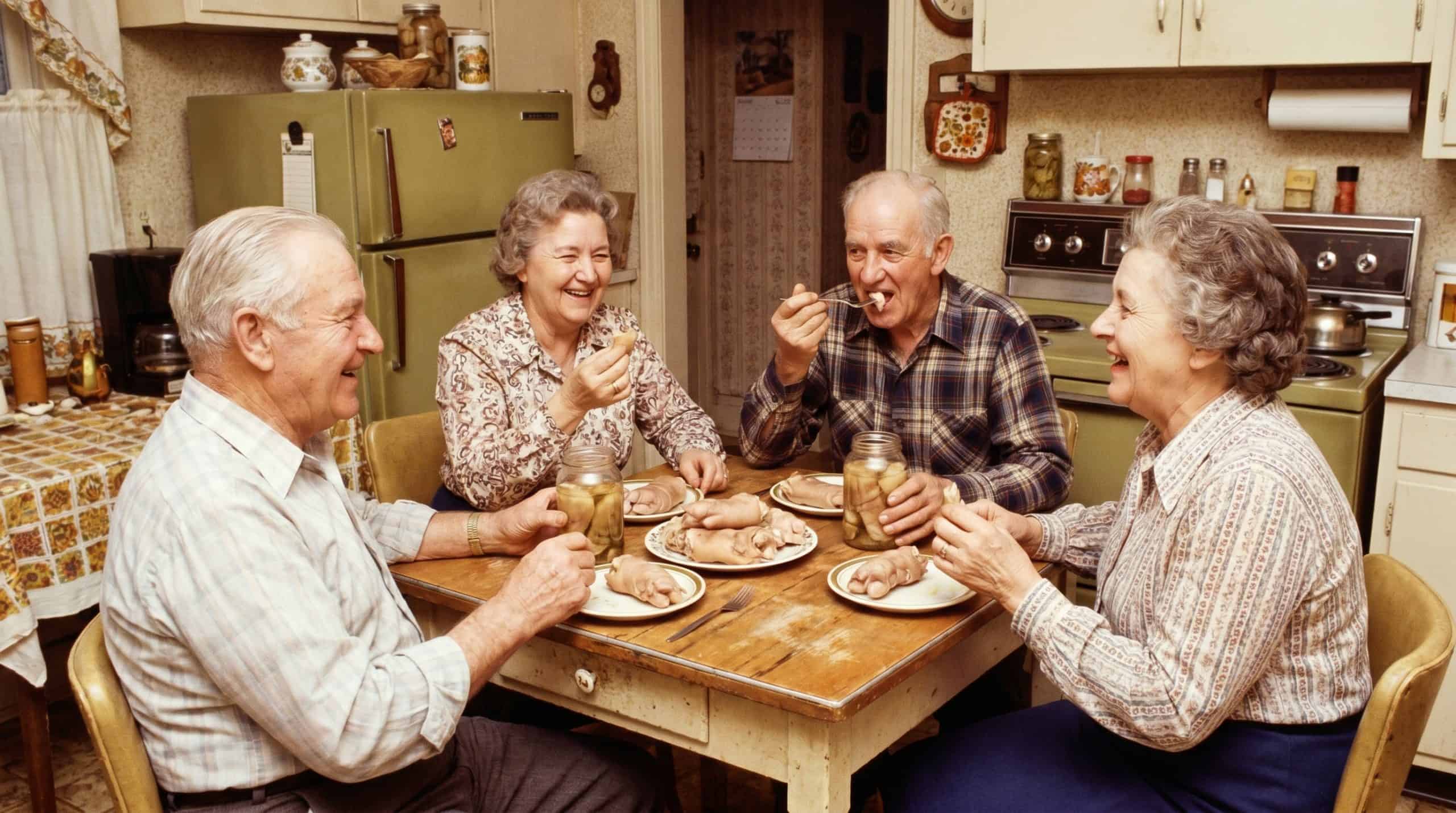
The only people that keep these foods alive are grandparents who still thrive off of heavy, savory, gelatinous foods of the early 1900’s.

