

Growing up in the age of dial-up internet will make you relate to these 12 things that today’s kids will never understand.
The wrong moment

Picture yourself midway through a thrilling online conversation when someone answers the phone upstairs, cutting you off. If your household didn’t have a second phone line or call waiting protection, an incoming call or a family member using the phone could disconnect you from the Internet. Sometimes users would have to begin the dial-in process all over again to get back online.
The slow reveal

Nowadays, a whole photo gallery loads faster than you can blink. Back then, it could take forever just to view one photo. First the top half would appear, then the middle. You’d wonder what was at the bottom. Maybe you’d wait minutes before realizing the picture wasn’t even that great. And if someone happened to pull the cord out from the wall halfway through, you’d never know what the rest of that photo looked like.
Watching the clock

With some families, being online wasn’t something they could just do whenever the mood struck. Based on your internet plan and local telephone rates, you may have been charged per minute. Some homes only logged on during evenings and weekends when calls were cheaper. Parents kept track of time, and kids were warned that they only had 15 minutes. Surfing around randomly all afternoon could lead to a very nasty phone bill.
Hidden messages

Long before the days of Facebook or Twitter status updates, folks on AOL Instant Messenger used their away messages like little personal billboards. Some wrote song lyrics, cryptic quotes, private jokes or dramatic sentences meant for one person. Others selected something they hoped would intrigue their crush. The effort put into an away message could easily outweigh the time spent talking.
The waiting game

There was always something oddly exhilarating about listening for the small noise that indicated a friend had come online to an instant messaging program. You couldn’t look up where they were or IM their cellphone. If they weren’t available you may not be able to speak to them until the next night. Many teens would remain online longer than they needed to, just waiting for that one screen name to show up.
Almost there

Downloading a song, game demo, or large file could easily take hours on a slow connection. You’d often leave the computer overnight while you ate dinner, did homework, or went to sleep.
Just as the progress bar neared 100 percent, you’d lose your connection. Some download tools allowed resuming, but many forced you to restart downloads.
Scraps of paper

Before browser bookmarks were shared between devices, users would sometimes write down helpful links on pieces of paper. Maybe your friend could give you a URL they wrote down on scrap paper. Maybe you typed one into your browser from the back of a magazine.
Type one letter wrong and you’ll be sent to an error message. Trying to find the correct website could be impossible as well. Long weird URLs with symbols and slashes everywhere were frustrating.
Freebies everywhere

In the days of dial-up, ISPs like AOL mailed tens of millions of discs promoting free trial access to the Internet. They showed up in people’s mailboxes, tucked into magazines, and were sometimes handed out in retail locations.
Unsolicited piles of them collected in homes that already subscribed to an internet service. Kids would sometimes make homemade crafts or toys out of the unwanted CDs.
One wrong click

Back then, surfing the web felt a bit precarious, almost like a gamble. You might’ve finally found a good page through tedious searching. Accidentally closing the window didn’t mean you could just reopen it like today. Not all browsers had session restore and you could have to search again forever. Some users would keep numerous browser windows open just in case.
Strangers on the screen

Long before social feeds automatically connected strangers, Internet users often logged into public chat rooms based around topics, geography, or age groups. You could spend hours selecting a room, creating a screen name, and trying to insert yourself into an existing conversation.
Some rooms scrolled by so fast you couldn’t reply before messages disappeared up the screen. Others went entirely silent. And because anyone could pretend to be anyone, you never knew who was on the other side of another screen.
That unforgettable sound
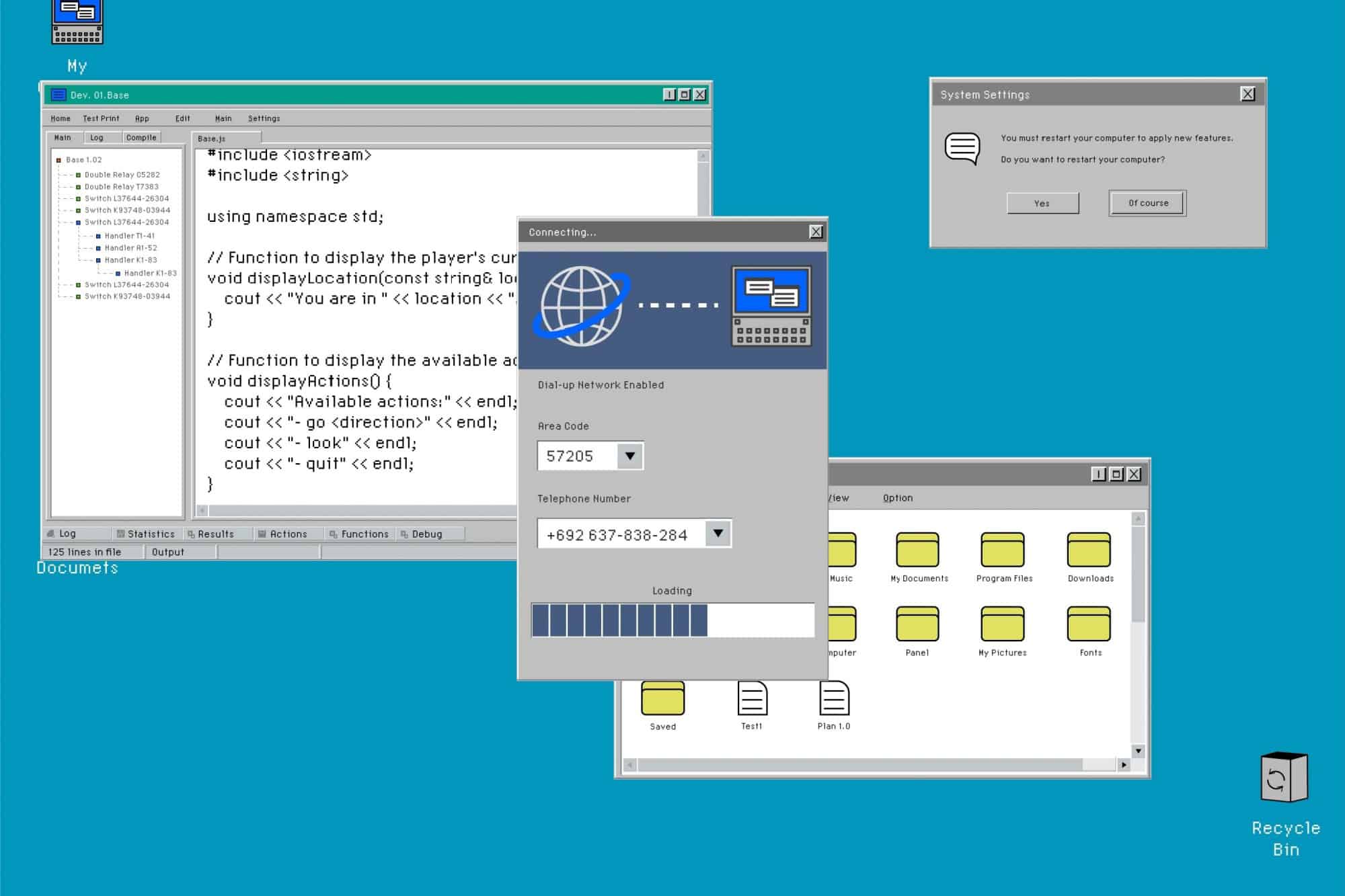
Maybe the weirdest memory is hearing how connecting to the internet used to have a distinctive soundtrack all its own. You’d hear the modem dialing, followed by beeps and screeches, white noise-like sounds and electronic bird chirps. That noise was actually modems connecting with each other. Sometimes you didn’t connect and it would repeat the whole process.
The busy internet

We complain about our slow Wi-Fi connections today. But back in the day dial-up users were sometimes unable to connect because their Internet provider’s phone lines were too busy. Dial-up connections were worse during peak hours, often evenings.
You’d dial the connection number over and over and get nothing but the dreaded busy signal. Some persevered, dialing 20, 30 or more times. Some figured out when the best hours were to try connecting.
Like our content? Be sure to follow us.
10 common 1980s habits that wouldn’t fly today

Here are ten common habits from the 1980s that simply wouldn’t fly today.
