

Some of the biggest tourist landmarks in the world have pasts far darker than most people realize, especially when you go beyond the gift shops and guided tours.
The collection visitors don’t see
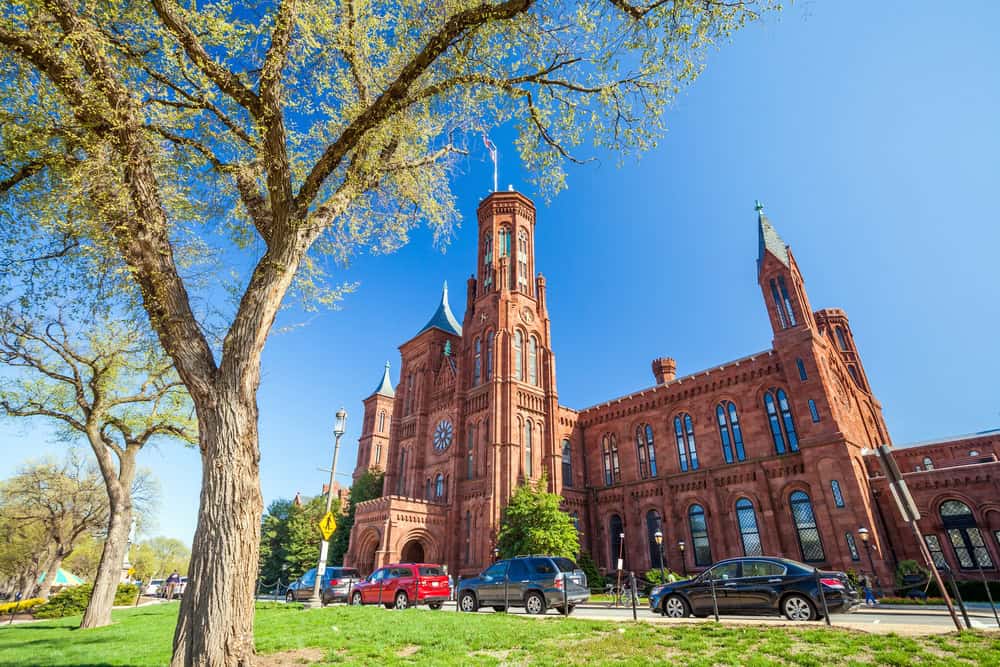
You hear ‘the Smithsonian,’ and you probably picture airplanes and dinosaur bones. You know, museum things like that. But there’s a much darker part that many tourists don’t know about. The Smithsonian has the remains of over 30,000 people in its collection.
Half of those remains belong to Native Americans, while the rest of them come from other communities around the world. These weren’t donations, however. Most of these remains came via hospitals and excavations, meaning many of them didn’t give informed consent.
The torch nobody can visit
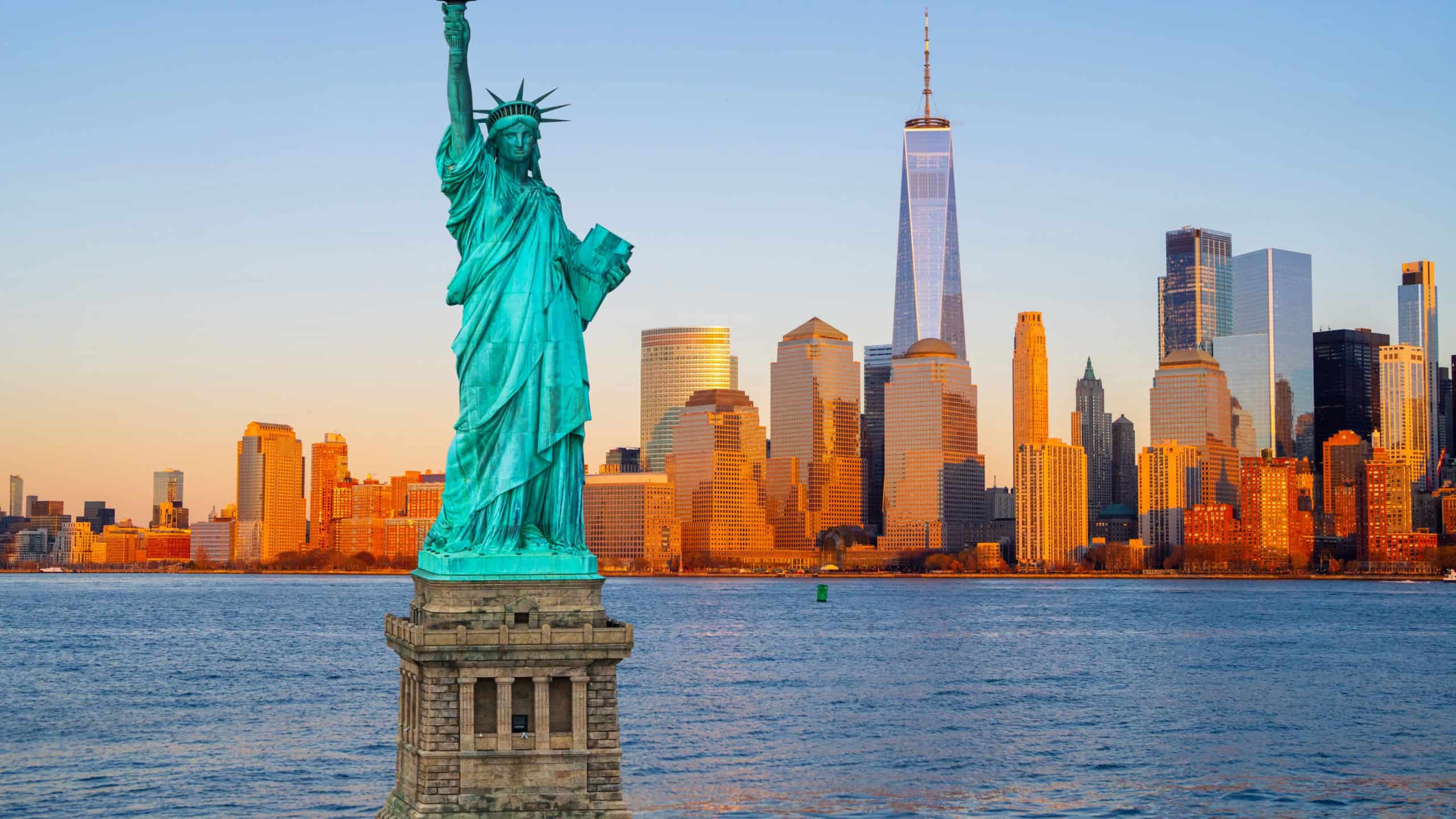
You can climb pretty high inside the Statue of Liberty, but there’s one area that’s completely off-limits. It’s the torch. The reason why has nothing to do with crowd control or anything. No, it’s because on July 30, 1916, German agents set off a huge munitions depot in New Jersey, killing seven people and causing around $592 million worth of damage in modern money.
The explosion from the incident was so powerful that it actually damaged buildings miles away and even shook Lady Liberty herself. Officials closed the torch balcony afterward, which suffered enough damage to deem it unsafe to visit.
Ever since then the general public can’t visit the torch. Only park workers can. Even then, they’re only able to reach it by climbing a narrow 40-foot ladder.
A neighborhood beneath the park’s story
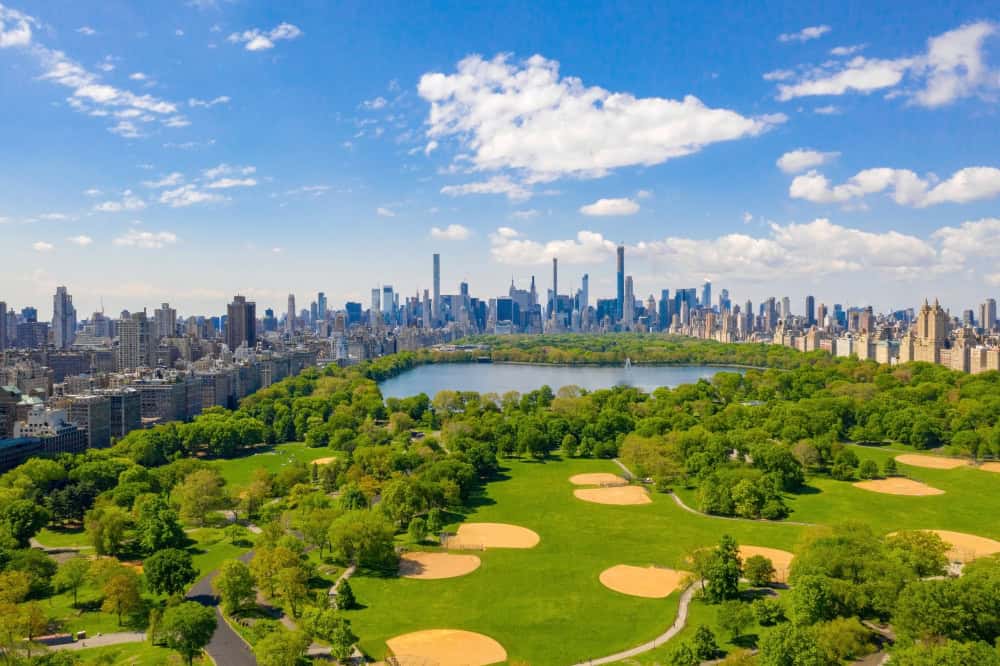
Central Park has quite a dark history. The site itself was partly built over a community called Seneca Village, a village founded in 1825 near the western side of the park. There were around 225 people living there in 1855, and two-thirds of them were Black. Yes, these people owned homes and attended churches in the area, right until 1857.
That was when the New York City government took the land for itself to create Central Park. The people there had no choice. They were forced to leave to make way for it. Those places where tourists stop today for photos are the same places where a whole community was kicked out.
The labor behind Washington’s icons
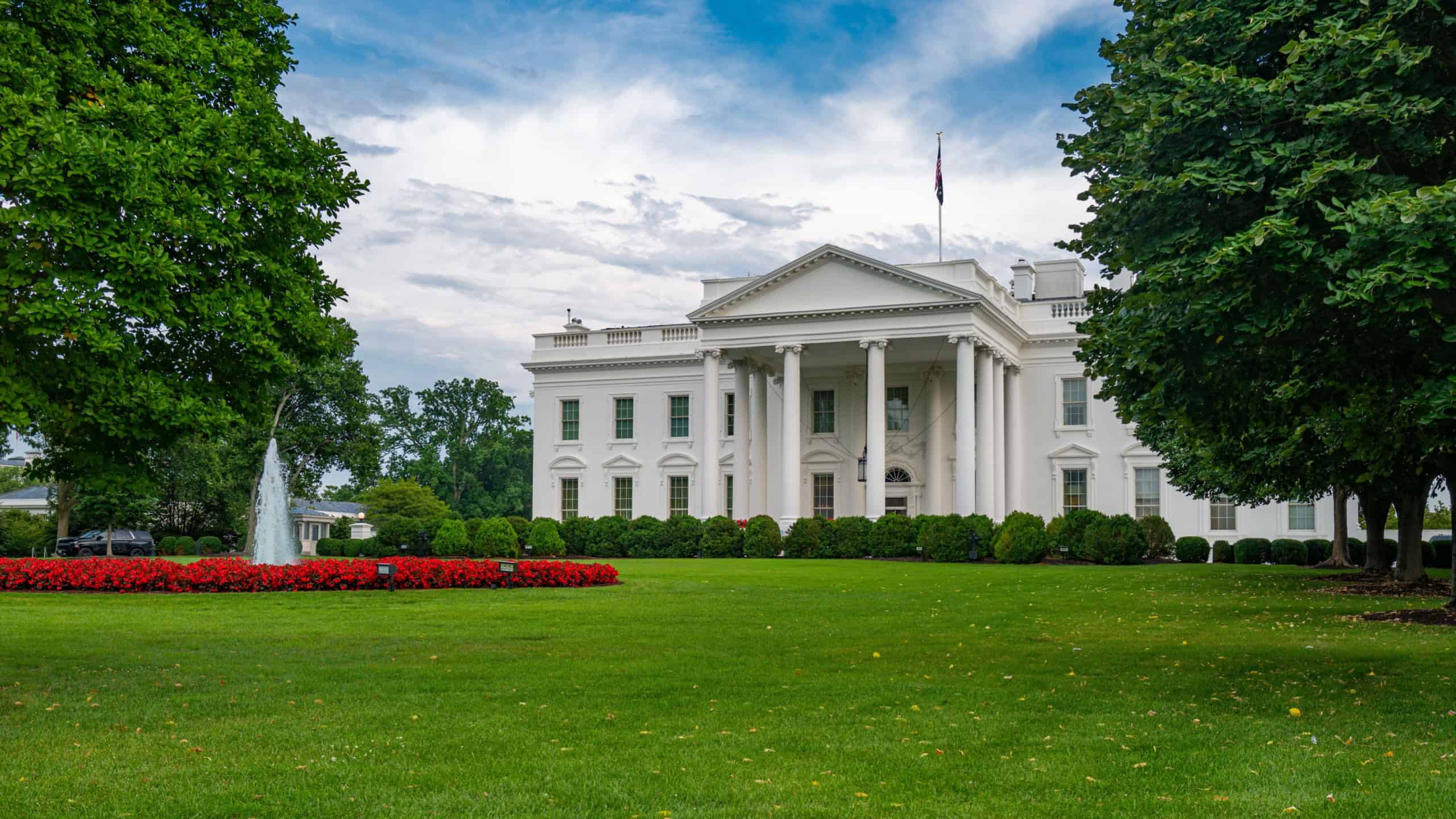
It’s true that the White House and the U.S. Capitol represent some of the greatest parts of our country. They also represent some of the darkest. Turns out, slaves were forced to build both of them, starting with the White House in 1792. The Capitol’s construction followed a year later.
Male slaves were made to quarry stone and cut timber. They also had to make bricks and complete other construction work. Most of them never earned a dime from it, as their wages went to their masters instead, and researchers estimate around 200 slaves were involved in building these landmarks.
The homes that disappeared from Stanley Park
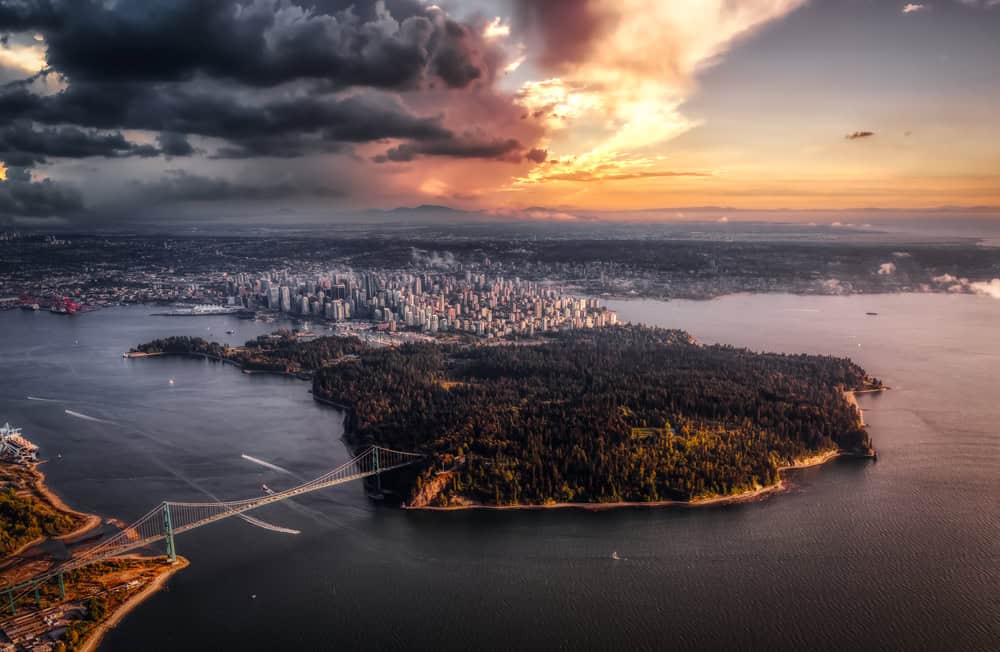
One of the things that makes Stanley Park in Vancouver so beautiful is that it feels so untouched. But it’s not. Far from it, in fact. Indigenous communities lived around the peninsula for generations, particularly near Brockton Point, and they never formally gave up the land.
Stanley Park itself was opened in 1888. Authorities decided they had to get rid of whoever was living there, and they claimed the Indigenous people were squatters. That’s right, they were seen as squatters on their own original land. The removals dragged on for decades until the last residence was finally removed in 1952.
Thousands still lie under the square
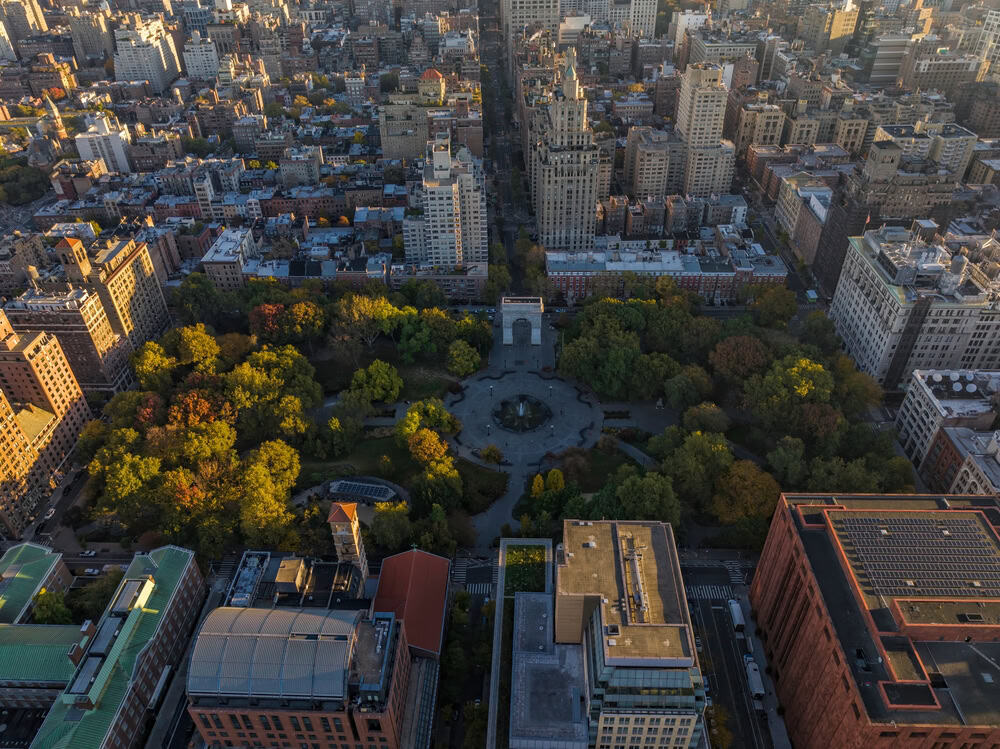
Walk around Washington Square Park in New York, and you’ll be walking on the remains of over 20,000 people. That’s not an exaggeration. The land used to be a public burial ground for poor and unidentified New Yorkers, as well as those who died during outbreaks of yellow fever.
Most of the graves are buried quite far beneath the ground, although they still sometimes pop up now and again. Workers in 2009 found the headstone of 28-year-old Irish immigrant James Jackson. He died from yellow fever in 1799.
Why the Pentagon has so many restrooms
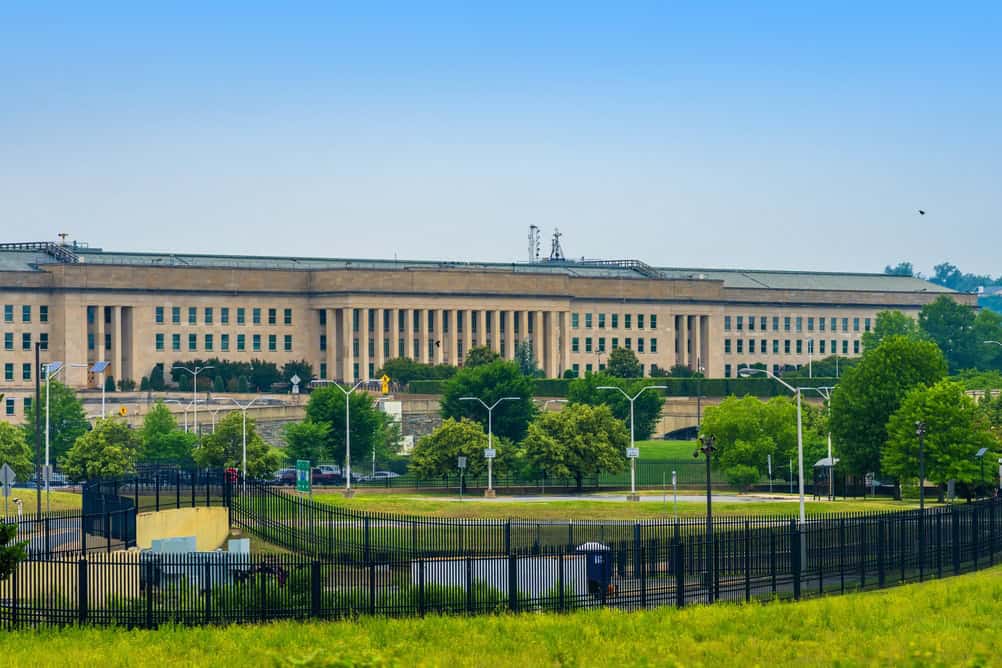
Anyone who’s visited the Pentagon might be wondering why there are so many restrooms in there. It’s not because the workers have bladder issues. The truth is, when it was being built, Virginia still had Jim Crow laws that required separate facilities for black and white people. Planners had to factor that in.
They created extra restrooms to allow black and white people to use different bathrooms in the same building. There were even pushes for separate dining areas. Eventually, though, President Franklin D. Roosevelt intervened and stopped the system from being used. But the building still has an overwhelming number of restrooms.
The benefactor with a criminal past
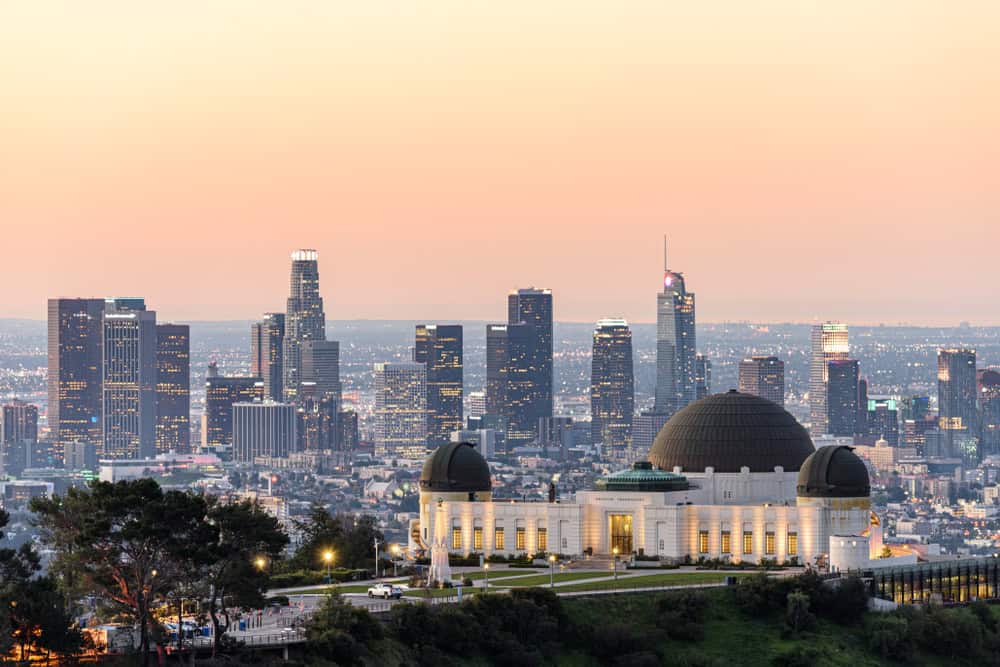
It’s no secret that Griffith Observatory has one of the prettiest views in Los Angeles. The story behind the structure, however, isn’t so beautiful. In 1903, Griffith J. Griffith shot his wife Christina while the pair were staying at a Santa Monica hotel. She managed to survive, although she lost one of her eyes. Griffith served time in prison for his crime.
He was desperate to repair his reputation once he got out, and one way to do this was through public donations. He made an offer of $100,000 in 1912 to build Griffith Observatory on Griffith Park. He never saw it completed, though. Griffith died in 1919, and the observatory was finished in 1935.
Sources: Please see here for a complete listing of all sources that were consulted in the preparation of this article.
Ten lost landmarks that America misses today
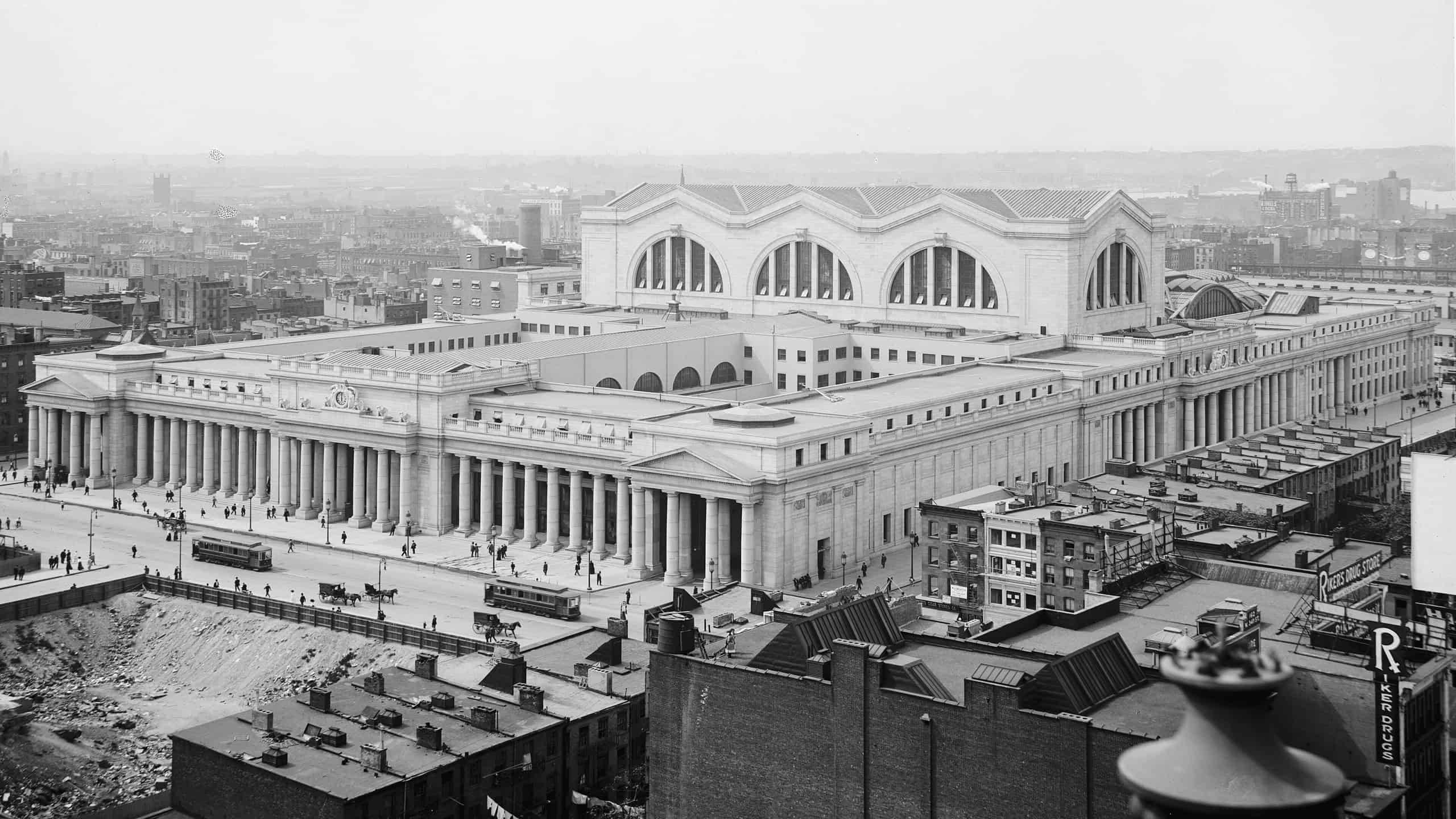
America has added plenty of new landmarks over the years, but some of its most beloved places were lost forever, leaving behind only photos and memories.

