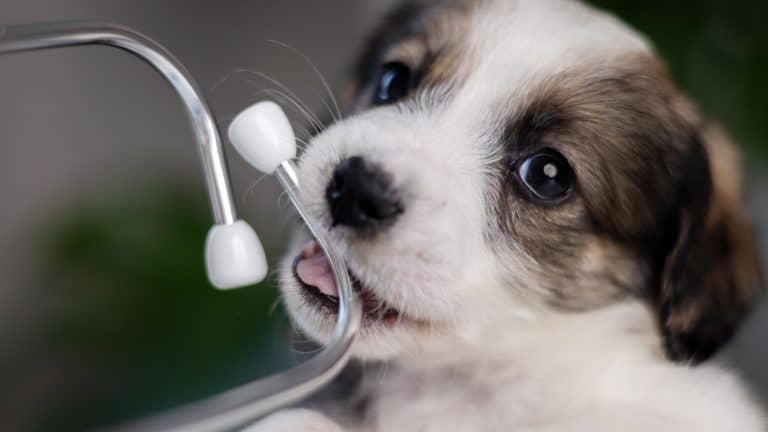

If you have any furry family members, watch for any changes in their behavior. They can’t tell us how they feel, so it’s up to you to notice if something seems wrong.
You might observe a change in their appetite, sleeping patterns, or mobility. Whatever it is, stay alert and take them to the vet quickly to stop anything serious from happening.
Let’s look at 7 subtle signs that hint your furry friend might be in pain.
Changes in Eating or Drinking Habits
If your pet, all of a sudden, stops eating or drinking, or only eats a little, something might be wrong. They might start losing weight day by day.
Sometimes, you might see them struggling to swallow a small sip of water. All these changes in food habits signal that your pet needs immediate vet care.
Altered Grooming Habits
Grooming habits can tell you a lot about your pet’s condition. Your pet might start licking or grooming one spot too much, like their paws or joints.
Messy or unkempt fur also isn’t a good sign. If they are in pain, pets like cats stop grooming completely, which can lead to matted fur.
Reduced mobility
If your pet is in pain, they won’t want to move much. They won’t climb the stairs or jump up the sofa.
Sometimes, they might look stiff and might notice them limping one leg. They will appear less energetic and would avoid their favorite playtime activities like fetching and running. .
Changes in Vocal Sounds
If your pet is whining, barking, growling, or meowing more than usual, it is a sign that your pet is in pain. You might hear them sighing as they move or lie down.
You might also spot a different pitch or tone in their sounds. For example, if your cat purrs a lot, it can mean that the animal is uneasy, rather than happy.
Unusual Aggression or Irritability
When you pet is in severe pain, he might growl when you touch them. They would act more defensive around toys, food or their space.
Some pets may become more solitary, hiding from people and other animals. They might be more sensitive to being touched in certain areas and could show aggression toward family members or other pets.
Changes in Sleeping Patterns
If your pet is sleeping more than usual or seems very lethargic, that’s a warning sign.
They might wake up frequently during the night. Some pets may even avoid their favorite sleeping spots or sleep in unusual positions to avoid discomfort.
Breathing or Heart Rate Changes
Pay attention to any changes in breathing or heart rate. Rapid breathing or panting without exercise can be a sign of distress. If they seem to struggle to breathe, especially when resting, it’s time to act.
You might notice their heart rate is faster or slower than normal. Changes in how they stand or lie down can also indicate they’re trying to avoid pressure on their chest.
Like our content? Be sure to follow us.


