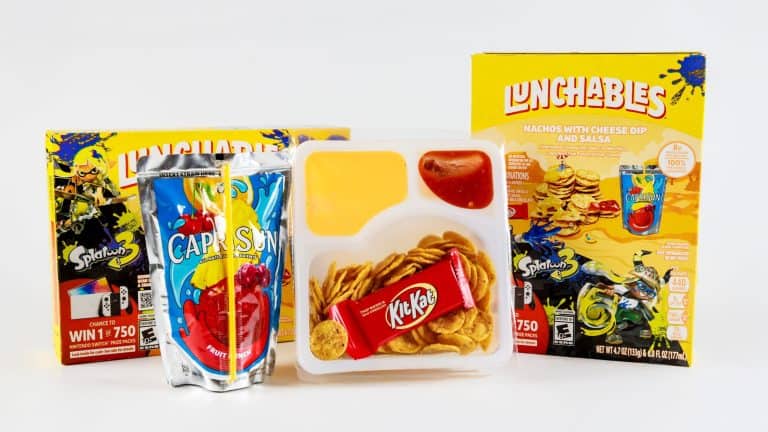

When I was in school, I would eat some fruit loops for breakfast, buy a coke from the vending machine and then have a hot dog with chips or fries for lunch. Those days are largely gone.
In the United States, school lunches are shaped by federal nutrition guidelines as well as state and local district policies, many of which have become stricter over time.
In recent years, many school districts have reduced or removed highly processed snacks, sugary drinks, and certain additives, responding to long-standing health concerns around excess sugar, sodium, and artificial ingredients.
As a result, many items that once appeared regularly in lunchrooms are now far less common, or have disappeared entirely in some districts.
Full-sugar sodas like regular Coca-Cola
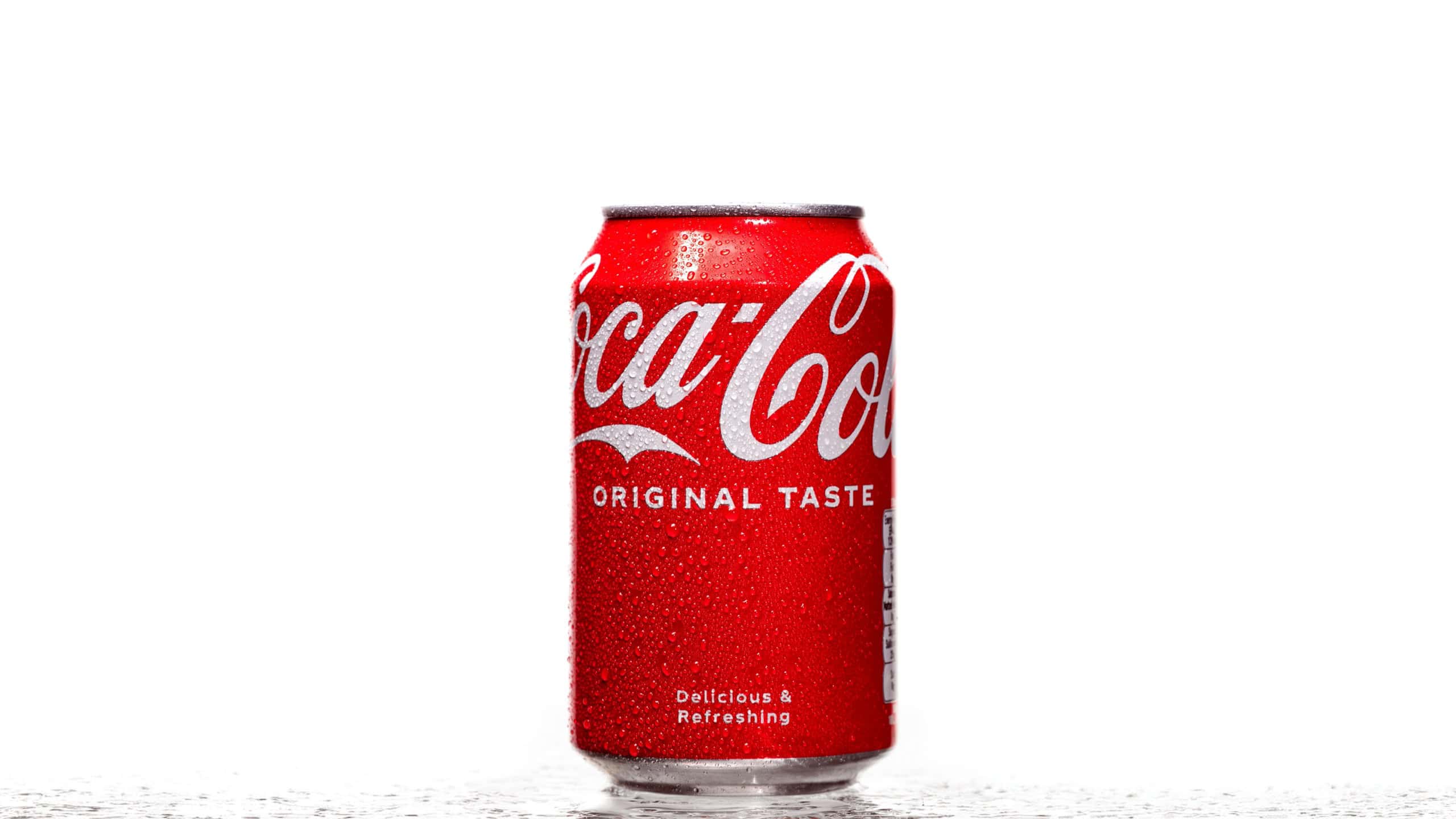
Regular Coke and other full‑sugar sodas are rarely sold in school anymore. Nutrition guidelines, industry pledges, and the USDA’s Smart Snacks in School standards have encouraged schools to phase full‑calorie soda out of school cafeterias and vending machines.
Now only water, low‑fat or fat free milk, and 100 % juice comply with school beverage standards. Regular soda doesn’t meet the requirements.
There are a couple exceptions to this rule in some districts, but overall full‑sugar soft drinks are typically not permitted to be sold at schools.
Original frosted Pop-Tarts
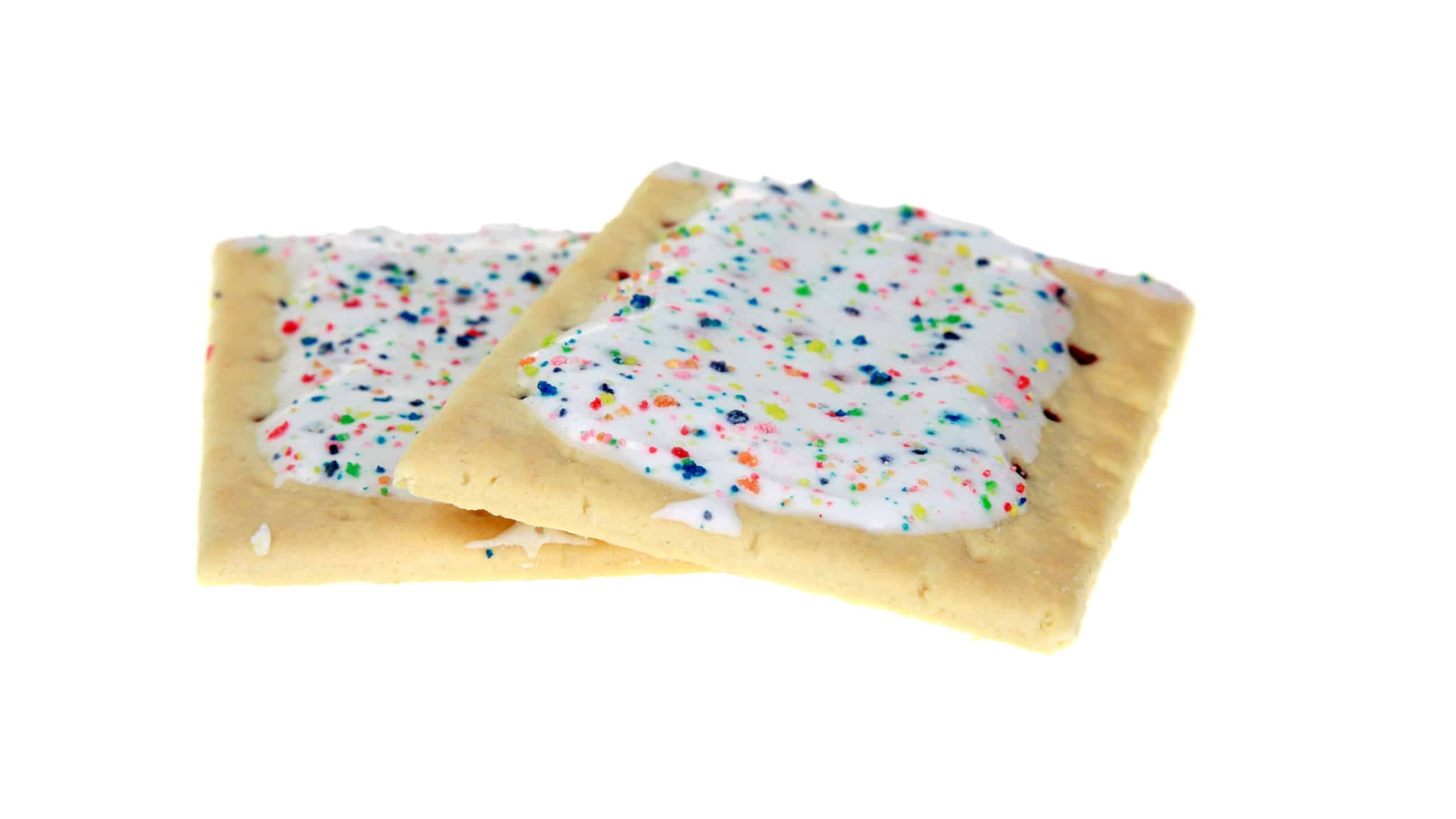
Original frosted Pop-Tarts are too high in sugar content to qualify for federal Smart Snacks guidelines. This means they aren’t typically available for purchase in school lunch programs.
You may not think twice about your kids gobbling them down at home, but schools must abide by strict guidelines that prohibit original flavors. Only certain specially crafted options are able to be sold via school vending machines/snack lines.
Flamin’ Hot Takis and similar artificially dyed snacks
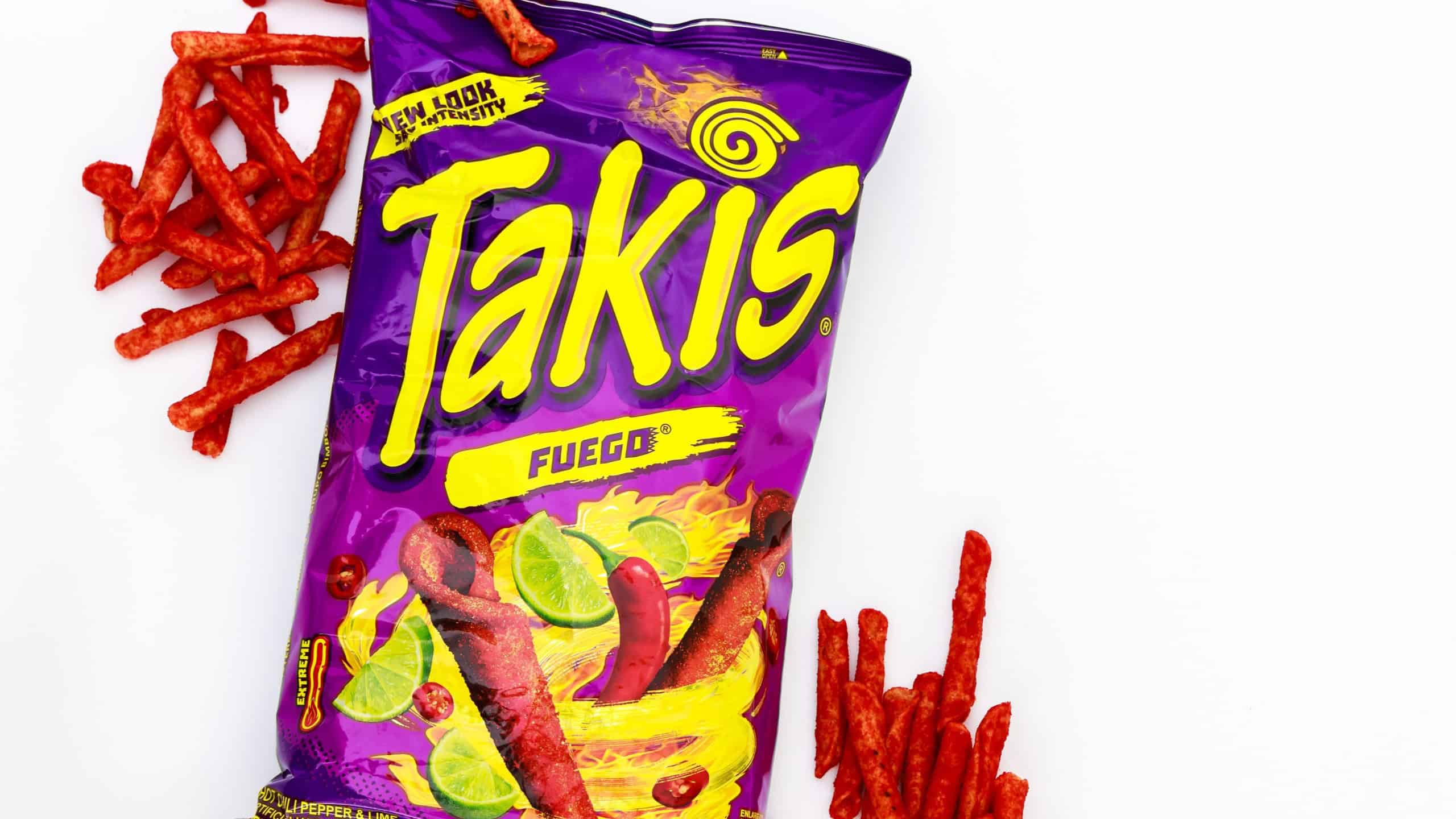
Flamin’ Hot Takis could soon face tighter school restrictions. Starting in 2027, California will ban schools from selling products with particular artificial food colorings.
Ingredients like Red 40, Yellow 6, and Blue 2 will not be allowed in school snack aisles. The bold chemicals face the ban over health concerns in children. Although this new legislation only affects schools in California, colorful snack food is already fading in nutrition standards.
Lunchables (regular retail versions)
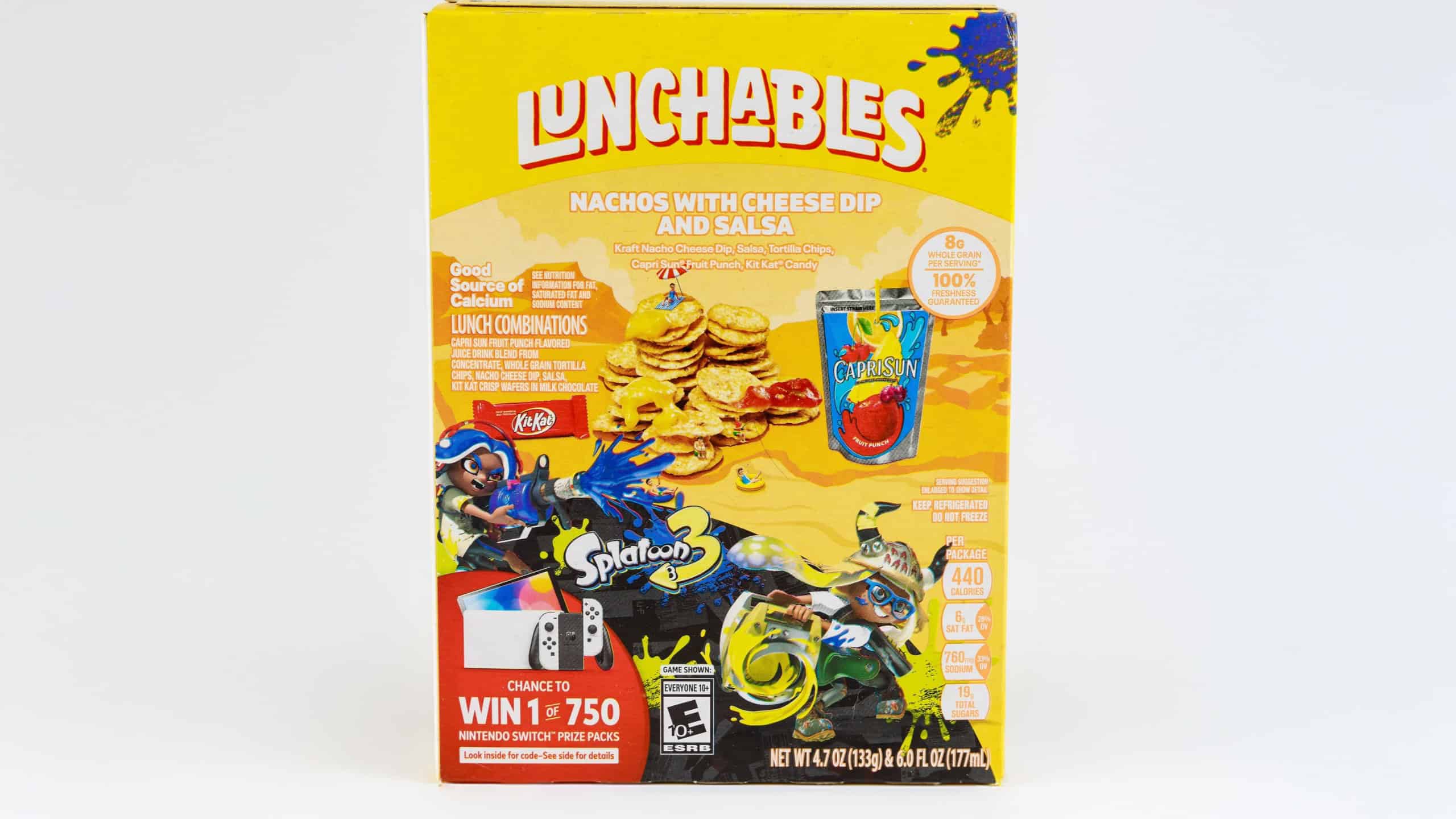
Lunchables are children’s boxed meal kits that contain some combination of processed meat, cheese, crackers, and occasionally a dessert or beverage item. They are designed to be ready-to-eat lunches or snacks that require no preparation.
Lunchables are popular for home consumption, but traditional grocery-store purchased Lunchables contain too much sodium to qualify for most school lunch programs in the United States. Kraft Heinz produced versions of Lunchables which satisfied school nutritional requirements until their production stopped.
Candy bars and sweets sold as snacks

Ever wonder why you never see candy bars like Twix and Snickers sold in school cafeterias? It’s because they fail to meet USDA Smart Snacks standards.
Candy bars have too much sugar and don’t contain any nutritional value. Some school districts even forbid students from eating candy during the school day. Although there are exceptions like after-school fundraisers, you likely won’t see candy being sold at school lunches or as snacks.
Fruit drinks with added sugar (not 100% juice)

Sugar-added fruit drinks that do not contain 100% juice are banned from most schools in the United States. They have little or no actual fruit, and are mostly sugar water.
So they don’t fit into federal nutritional guidelines for schools. Schools can serve 100% fruit juice in limited portions, but sweetened fruit drinks aren’t sold during lunch or as snacks.
Corn chips with artificial colors and no whole grains
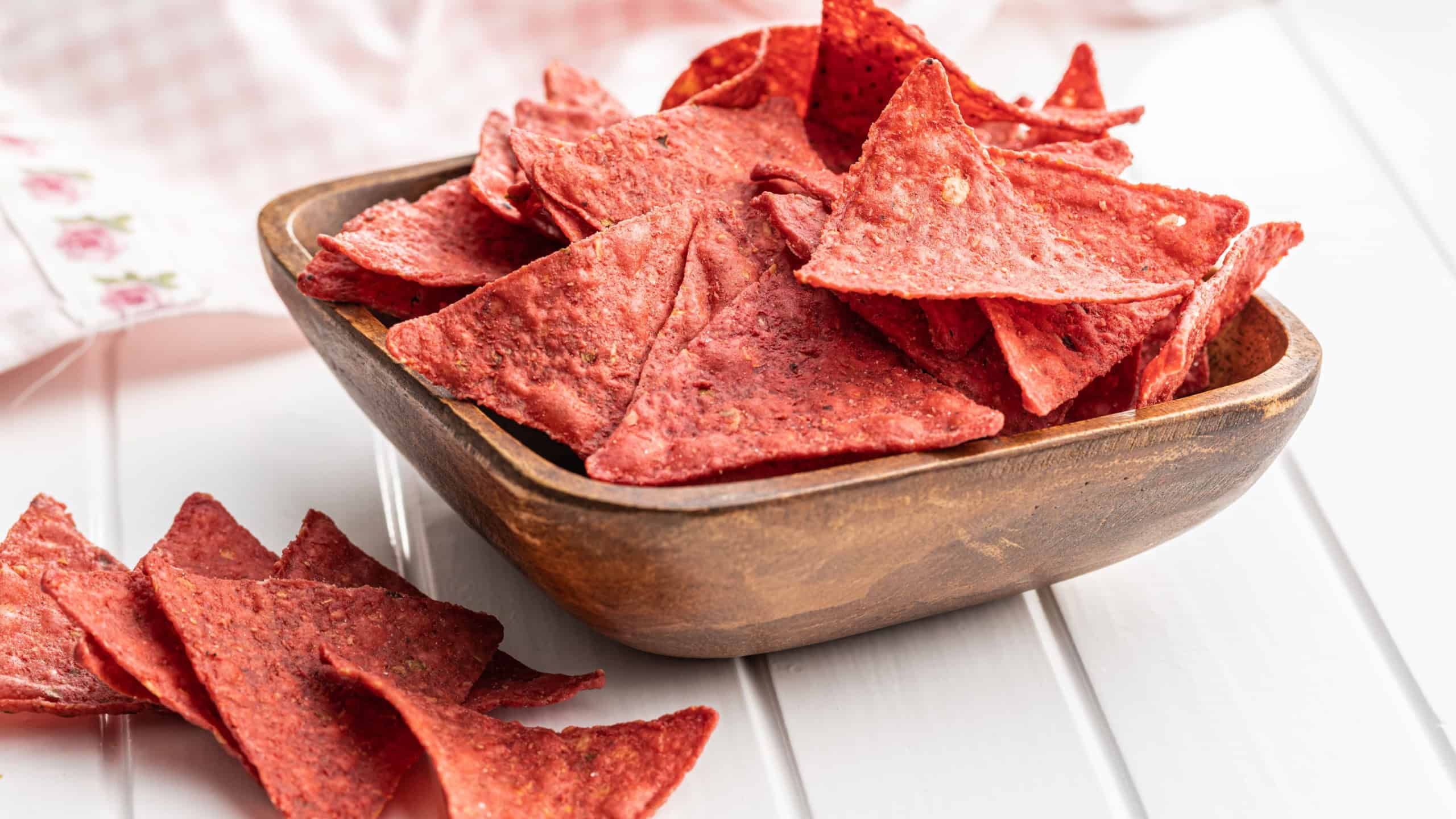
Salt-laden, artificially colored corn chips that contain no whole grains are unlikely to be allowed in school snack programs.
Foods sold on campus during the school day must conform to USDA Smart Snacks in School standards which limit sodium, fat, calories, and promote whole grains when possible.
Students can always bring this sort of chips from home, but they are unlikely to be sold in schools as snacks since they do not meet federal nutrition standards. (United States Department of Agriculture, 2024)
Deep-fried convenience items like corn dogs purchased as snacks

Corn dogs and other similar deep-fried snack foods aren’t typically sold in US schools. Corn dogs typically exceed the USDA Smart Snacks nutrition guidelines because they contain excessive fat, calories and sodium levels.
Kids enjoy deep-fried foods during home-cooked meals although schools rarely stock these items except when they undergo specific recipe changes.
Sugary breakfast cereals with no whole grains

Ultra-processed cereals sweetened with tons of added sugar and without whole grains as a first ingredient are typically banned from school meals in the United States.
Federal nutrition standards such as the USDA’s School Breakfast Program and Smart Snacks regulations restrict added sugar and mandate whole grains in cereal options sold or served at school breakfast and lunch.
This means beloved sweet cereals normally eaten at home are not approved for most school breakfasts and lunches.
Energy drinks

Energy drinks aren’t included in school lunch menus and are typically prohibited on school grounds. Administrators often ban them because they contain high amounts of caffeine and sugar.
Large amounts of caffeine can cause heart palpitations, insomnia, anxiety, and other illnesses in children. School administrators and nurses strive to prevent students from drinking them. This is in accordance with the recommendations by organizations like the American Academy of Pediatrics.
Sources: Please see here for a complete listing of all sources that were consulted in the preparation of this article.
Like our content? Be sure to follow us.

