

You’d think that, after giving the world nearly 40 plays, there’d be no doubts about who wrote Shakespeare’s famous plays, but there still are.
No complete play manuscript survives in Shakespeare’s hand
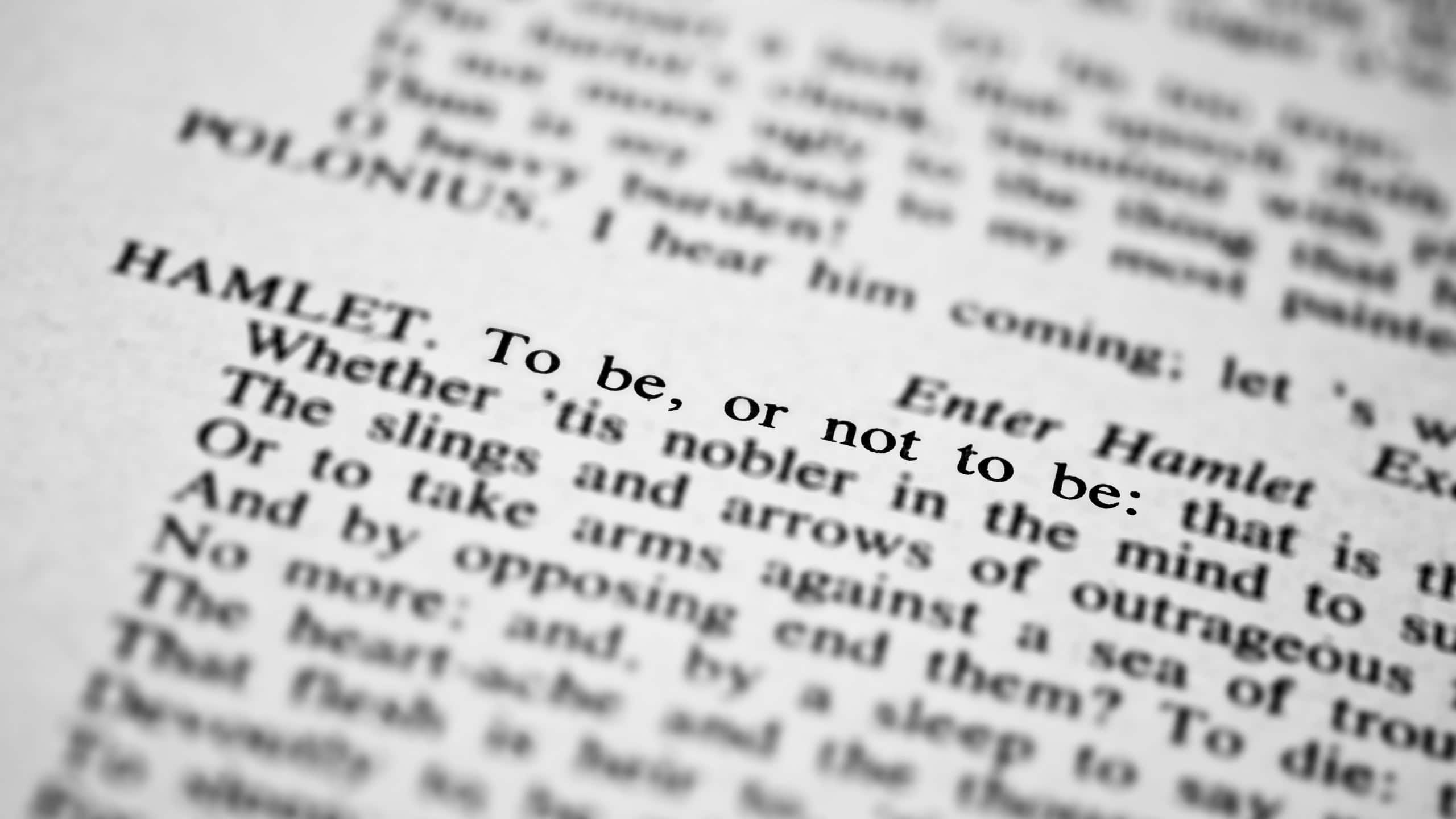
One of the strangest things is that there’s no full copy of any Shakespeare play written in his own hand. Yep, that’s right, not a single one. Most surviving texts came through printed editions or theater copies. There’s also the famous First Folio, published seven years after his death.
We do have three pages from Sir Thomas More that could contain his handwriting, but even then, scholars still debate it. That detail is something that people who doubt Shakespeare’s authorship tend to latch onto. A famous writer with no finished manuscript sure is odd.
His six surviving signatures look hesitant and inconsistent
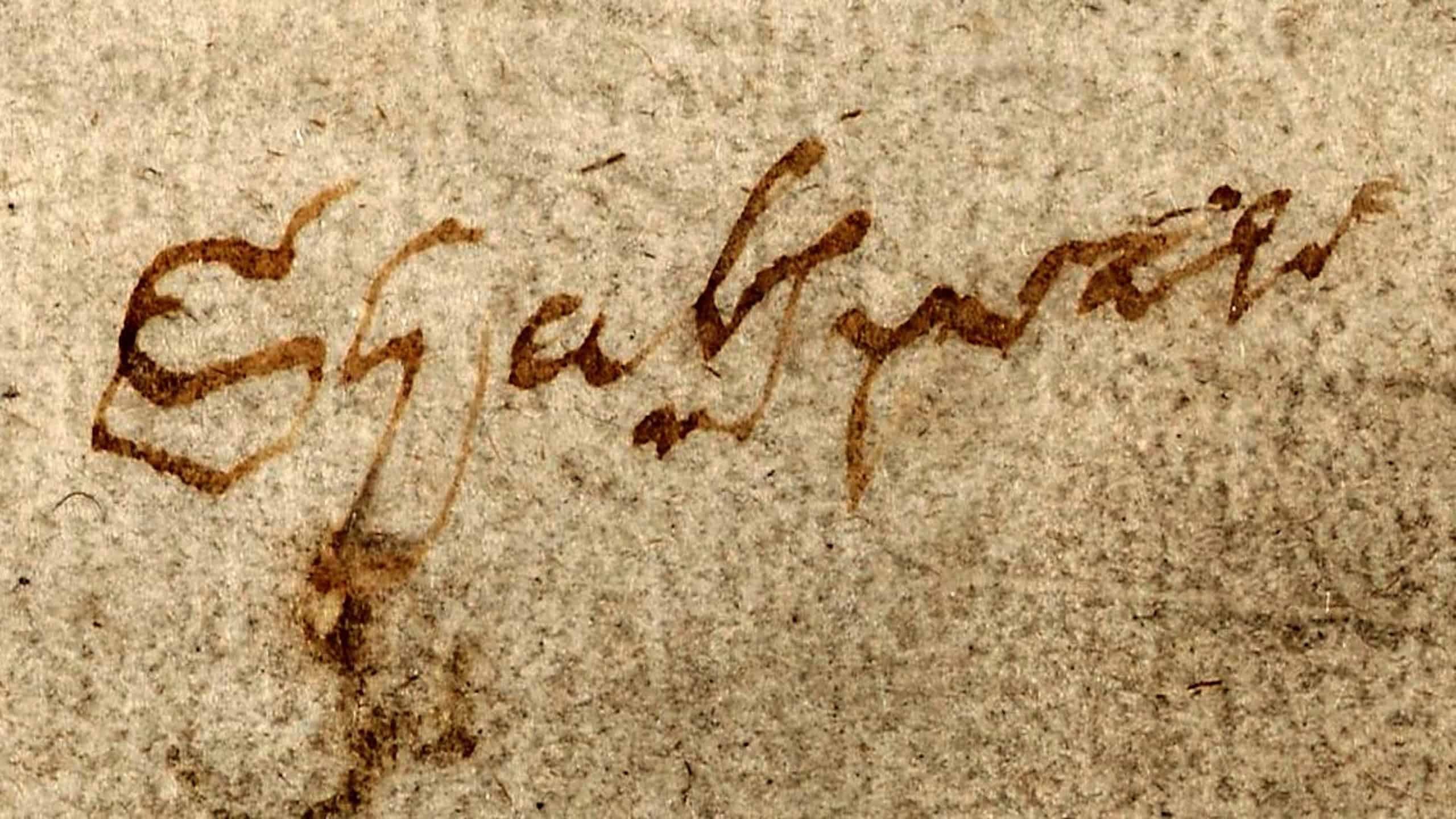
Another problem comes with Shakespeare’s six accepted signatures. Or, at least, what we think are his signatures. Turns out, none of them are exactly examples of elegant penmanship, and they all seem to look quite different from each other.
Some are shortened, and some look rushed. The spelling also changes from one document to another, just to make things even more difficult. For a man who spent years filling pages with plays and poems, it’s strange that he couldn’t even get his own name right.
His documented education appears limited
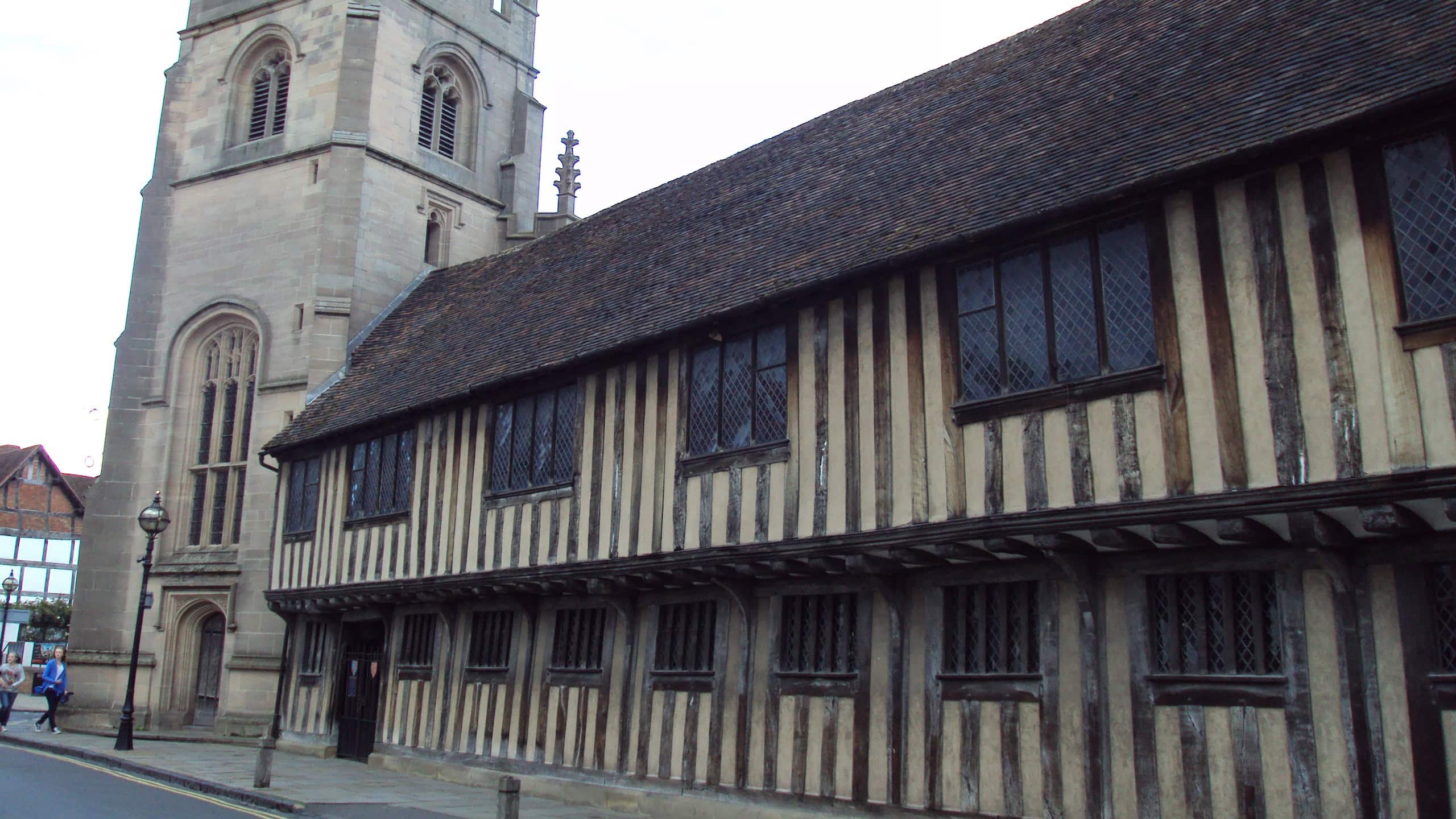
We don’t have any surviving university records for Shakespeare, nor any school register with his name on it. Most scholars think he might’ve attended a grammar school in Stratford-upon-Avon, and he may have left while still a teenager. But hold on.
That kind of limited education couldn’t exactly produce someone who could write about law and medicine. He wouldn’t have learned about mythology and foreign courts in a regular school. Maybe he learned about them after school, but still, it’s a fair question.
The works know their way around royal courts

It’s not like Shakespeare’s kings and queens are just figureheads. No, they deal with petitions and favors, as well as with titles and marriages. There are also succession rules. All those details are things that a ‘regular’ man like Shakespeare probably wouldn’t have known about.
Some doubters believe an aristocrat was doing the writing behind the scenes because, really, how would a glove maker’s son know how nobles spoke behind closed doors? It wasn’t exactly common knowledge at the time.
Several plays contain detailed Italian settings

Shakespeare wasn’t exactly shy about showing off his knowledge of Italian places. Some of the details were surprisingly specific, too, like in The Merchant of Venice. It includes details of trade and Venetian law that were spookily accurate.
The Taming of the Shrew also names routes and nearby cities that really did exist. For some people, that’s proof the real writer traveled through Italy. Except, there’s no record of Shakespeare doing that, so they take that as a sign that he couldn’t have written these works.
His will doesn’t clearly mention books or manuscripts
In 1616, Shakespeare made his will. You’d assume someone who wrote as well as he did would have a lot of books to leave behind, but nope, not a single one. There wasn’t even a play manuscript. The only things he listed were property and money, along with household things.
There was the famous ‘second best bed’ as well, yet suspiciously no mention of any written texts. That’s bothered some doubters because writers normally own writing stuff, so it’s quite strange that he didn’t seem to have any.
His writing process is almost absent from the records

It’s a fact. We know that Shakespeare bought property and invested in theater shares. He dealt with taxes and appeared in legal cases, too, yet there’s no evidence of his writing process. That’s right, no surviving notebooks or rough outlines.
We don’t even have evidence that he was speaking with fellow playwrights either. A lot of doubters argue that such empty space points to a hidden author. It’s totally possible that his personal papers disappeared, but still, you can trace his money more easily than King Lear.
People living during his career named him as a writer

One of the strongest signs that he was real is the fact that Shakespeare’s name didn’t suddenly appear centuries later. We have evidence of people who lived at the same time naming him while he was still working. Look at Francis Meres, for example.
Meres praised Shakespeare in 1598 and some of his plays, including Richard III and Romeo and Juliet. Robert Greene also made a complaint in 1592 about an ‘upstart crow’ that sounds a lot like Shakespeare. He was annoyed about the Bard writing. Jealousy counts, you know.
No contemporary accused him of fronting for an aristocrat
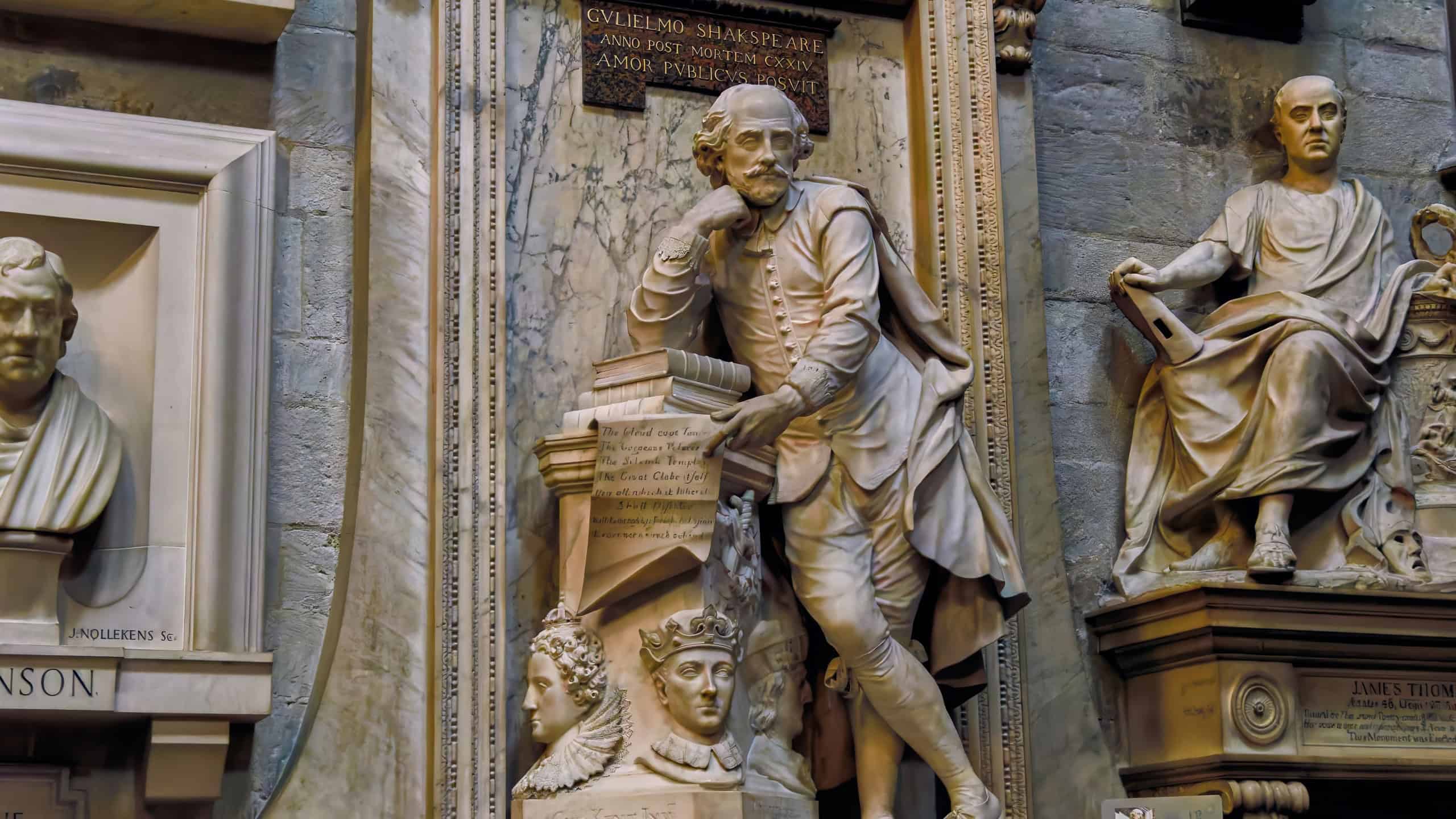
We also can’t forget about how Elizabethan writers felt about their rivals. They were happy to accuse each other of stealing or copying other writers, just because they didn’t like them. But we have no evidence anybody ever said that about Shakespeare.
None of his contemporaries suggested that he was secretly covering for a nobleman. You’d think that, if he was a fake, his rivals would’ve brought it up to prove that he wasn’t a good writer. Nobody ever did.
Too many theater workers would’ve needed to stay silent
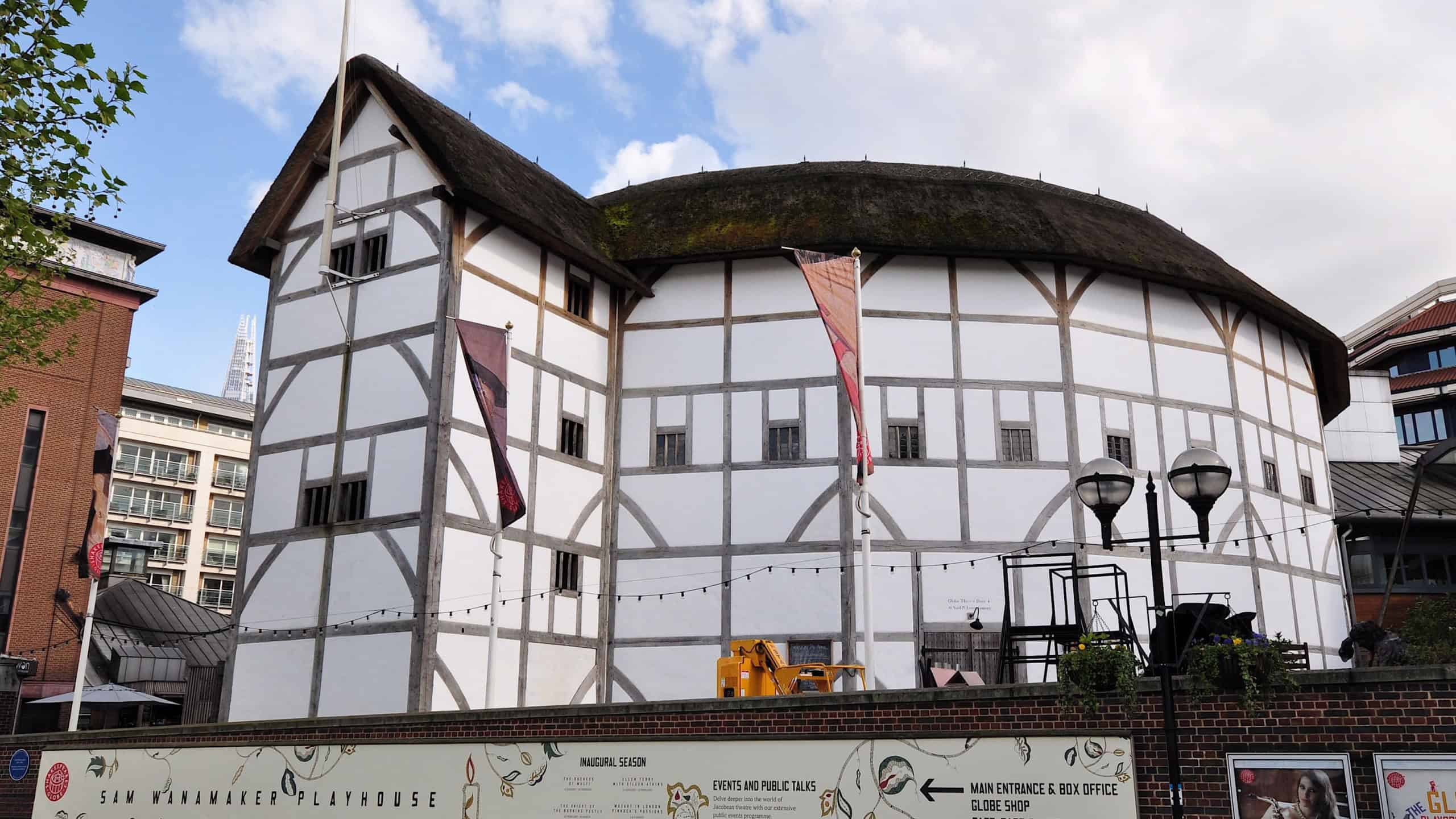
The biggest piece of evidence against Shakespeare having a ghostwriter is the scale of it. For Shakespeare to have been faking it, a lot of people would’ve had to be in on it. The actors rehearsing the lines would have to know, and so would the scribes copying the scripts.
Rival companies watched one another closely as well, so they would’ve all had to keep the lie up for years and years. They didn’t. Either a lot of people had to know nothing, or they had to know everything and say nothing. Both of those theories are pretty unlikely, honestly.
Computer analysis finds a recurring writing fingerprint

Computers really don’t care about Shakespeare’s backstory. They don’t care about his terrible handwriting, either. In many studies, they’ve compared his small writing habits and come to the same conclusion, there’s a recognizable Shakespeare pattern across the plays.
Yes, he used certain word pairings and sentence patterns in his plays that he probably didn’t even notice he was repeating. These computers can even separate his sections from work by his collaborators like John Fletcher. It was clearly one writer across the decades.
His style changes gradually across his career

A lot of Shakespeare’s early plays rely on things like rhyme and long formal speeches. They also have a lot of wordplay. Later works, however, are much looser and stranger, with sentences breaking off and characters interrupting each other. That counts.
Such a gradual change in writing styles seems to fit with the idea of a writer aging and experimenting. He generally stopped being so interested in following his own earlier rules. A hidden writer could change too, sure, but that slow progression seems way too ordinary.
The surviving texts contain rounds of revision
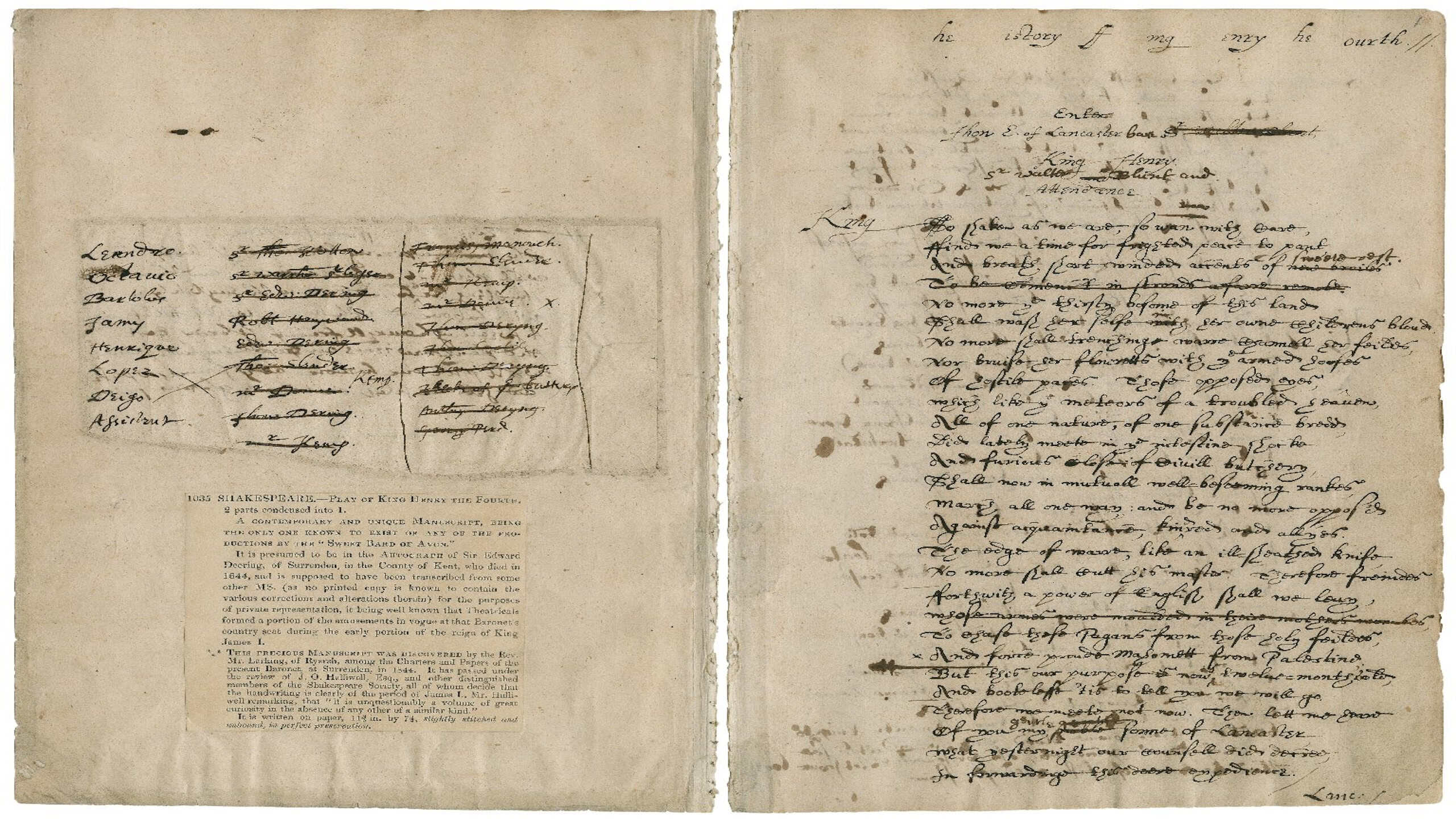
In the surviving texts we do have, there are signs that he worked on them. Just look at King Lear in the 1608 quarto and the 1623 Folio. There are cuts and additions that are consistent with someone who wrote the text themselves, instead of using a ghostwriter.
Hamlet and Richard III also exist in versions that don’t match perfectly. They’re hardly simple printing errors, either, as some of the differences look like rewriting for performances or new actors. Theater people can’t leave anything alone.
The plays draw heavily on Warwickshire country life
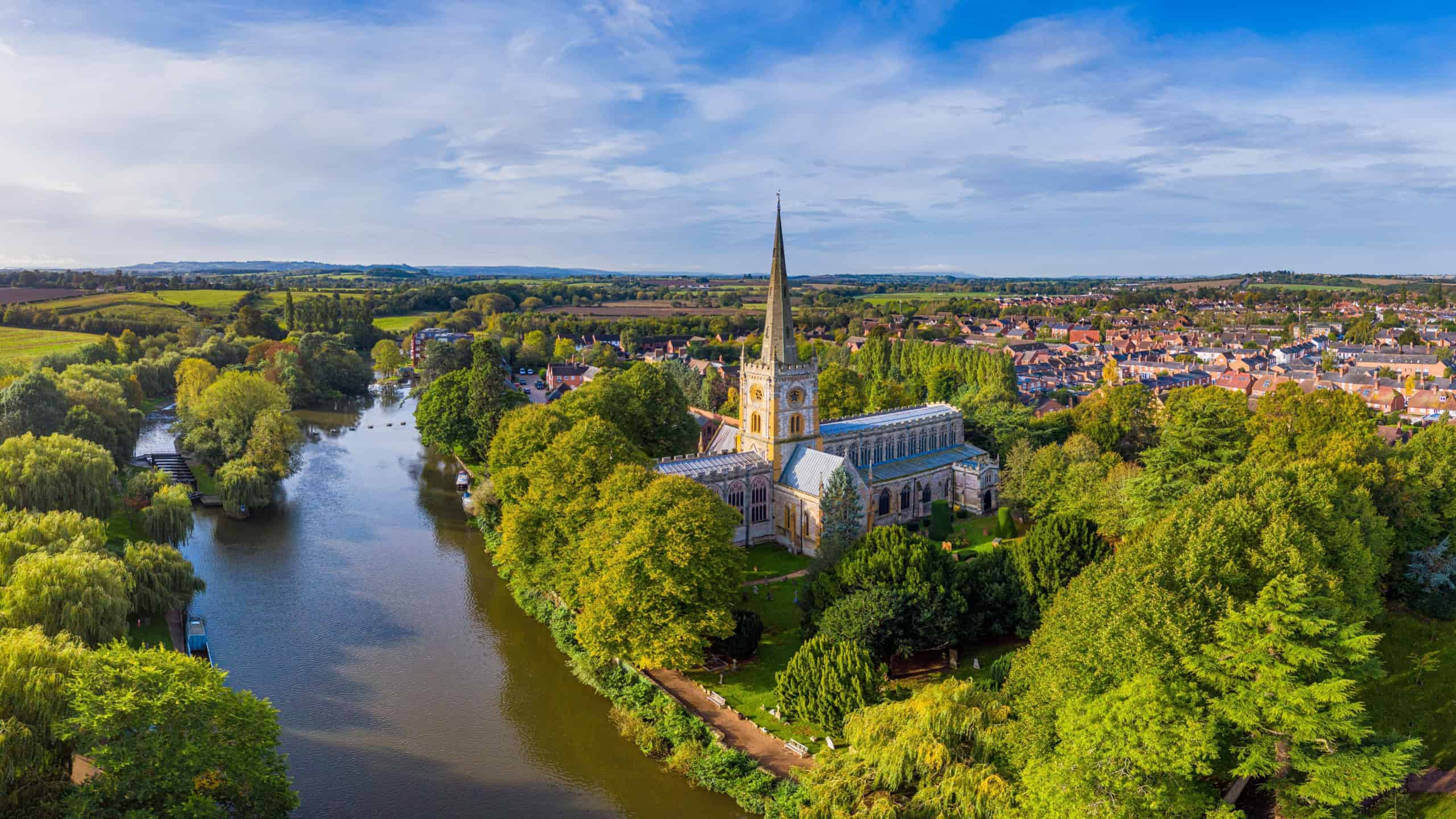
You’ll find lots of country life in Shakespeare’s plays, and some of the words he actually uses are linked to Warwickshire and the West Midlands. That’s where Shakespeare was from. These words include ‘wappered’ for tired and ‘geck’ for fool.
All those rural details fit for someone who grew up in the area, rather than an aristocrat trying to seem like a commoner. Only the real Shakespeare, who grew up around Stratford’s fields and market life, could’ve included those details.
Sources: Please see here for a complete listing of all sources that were consulted in the preparation of this article.
13 historical facts that will totally mess with your sense of time

You might not realize it, but quite a few parts of history sit a lot closer together than they should have any right to, and it’s enough to seriously mess with your mind.
13 historical facts that will totally mess with your sense of time


