

There are some religious movements that began with visions, and there are those that began with books, but either way, they all started with certain special people.
Aleister Crowley and Thelema
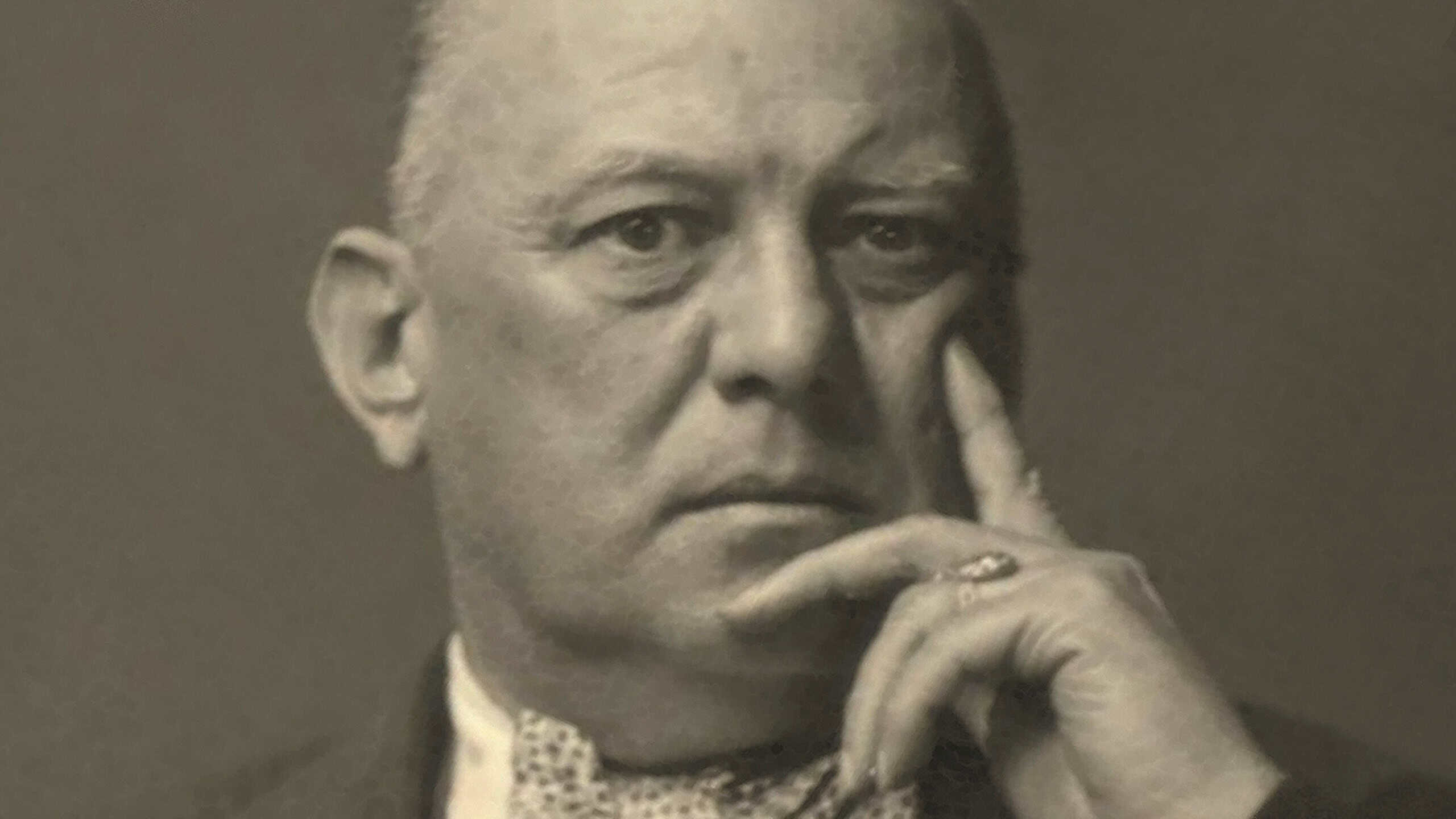
The city was Cairo, Egypt, and the year was 1904, eighteen years before King Tut’s tomb was opened. An Englishman named Aleister Crowley said a being named Aiwass had dictated a text to him over three days. Crowley wrote it down and called it The Book of the Law.
It became the central scripture of his religion, Thelema. Crowley treated himself as the prophet of a new religious age and spent years writing rituals and magical instructions around it. He actually opened the Abbey of Thelema in Sicily in 1920, teaching his followers to arrange their daily lives around his religious system.
Joseph Smith and the Latter Day Saint movement
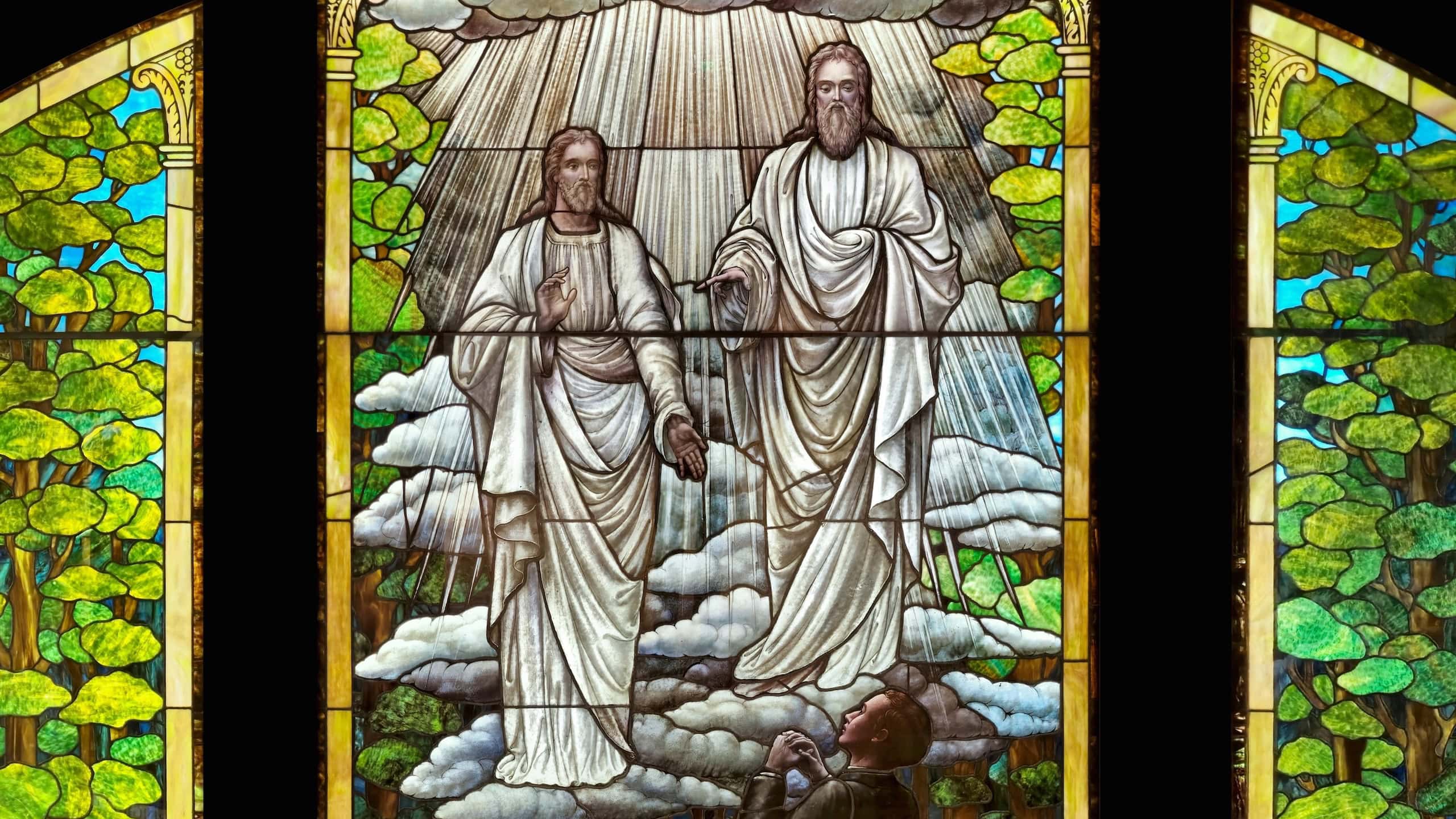
Joseph Smith is probably one of the most famous names on here. His story started in western New York, where he said he’d seen visions and later received metal plates from an angel. He published the Book of Mormon in 1830 and organized a new church in Fayette, New York.
Smith’s followers, later known as Mormons, followed him from state to state as he introduced new scriptures and temple ceremonies. Then, he died in 1844. But the movement continued, and to this day, there are around 17.2 million Mormons internationally.
Hong Xiuquan and the Taiping religious movement
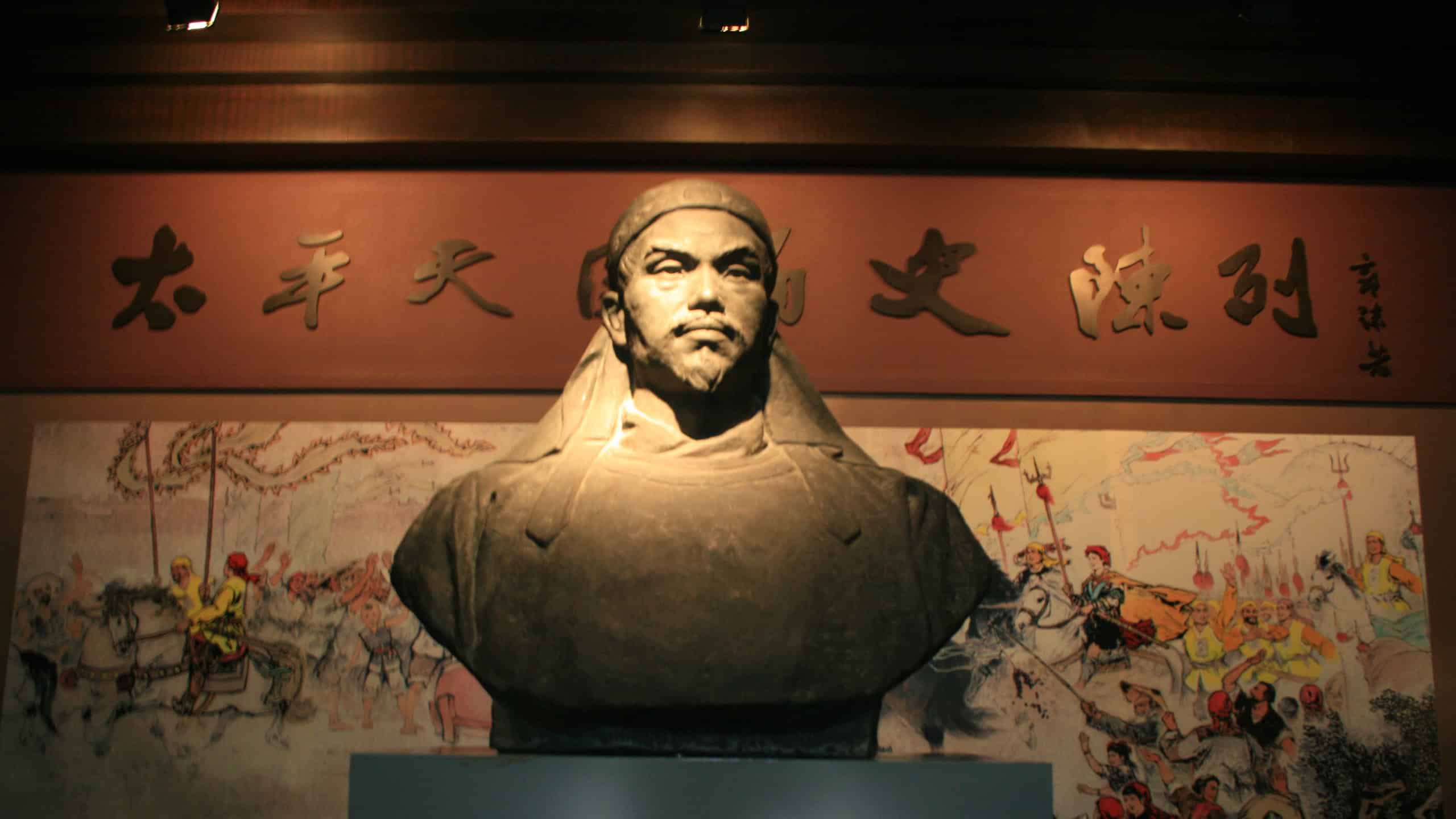
Hong Xiuquan was hardly looking to create a new religious kingdom. No, he was just trying to pass China’s civil service exams, and failing. He faced yet another setback in 1837 and became seriously ill afterward. That was when he started having visions.
Yes, he started seeing what he described as a heavenly family. Xiuquan began preaching in southern China and attacked idol worship. His group created the Taiping Heavenly Kingdom in 1851. Hong ruled as its Heavenly King.
Simon Kimbangu and Kimbanguism

Everything changed for Simon Kimbangu in 1921. That was the year when he said he’d received a call from God, and then began preaching and healing in a small village in the Belgian Congo. Before long, crowds gathered to hear his words.
But the colonial officials weren’t thrilled about it, and they actually arrested Kimbangu after only a few months of preaching. He spent roughly 30 years in prison. Meanwhile, his followers kept the movement alive and created the Kimbanguist Church in his absence.
Joanna Southcott and the Southcottians
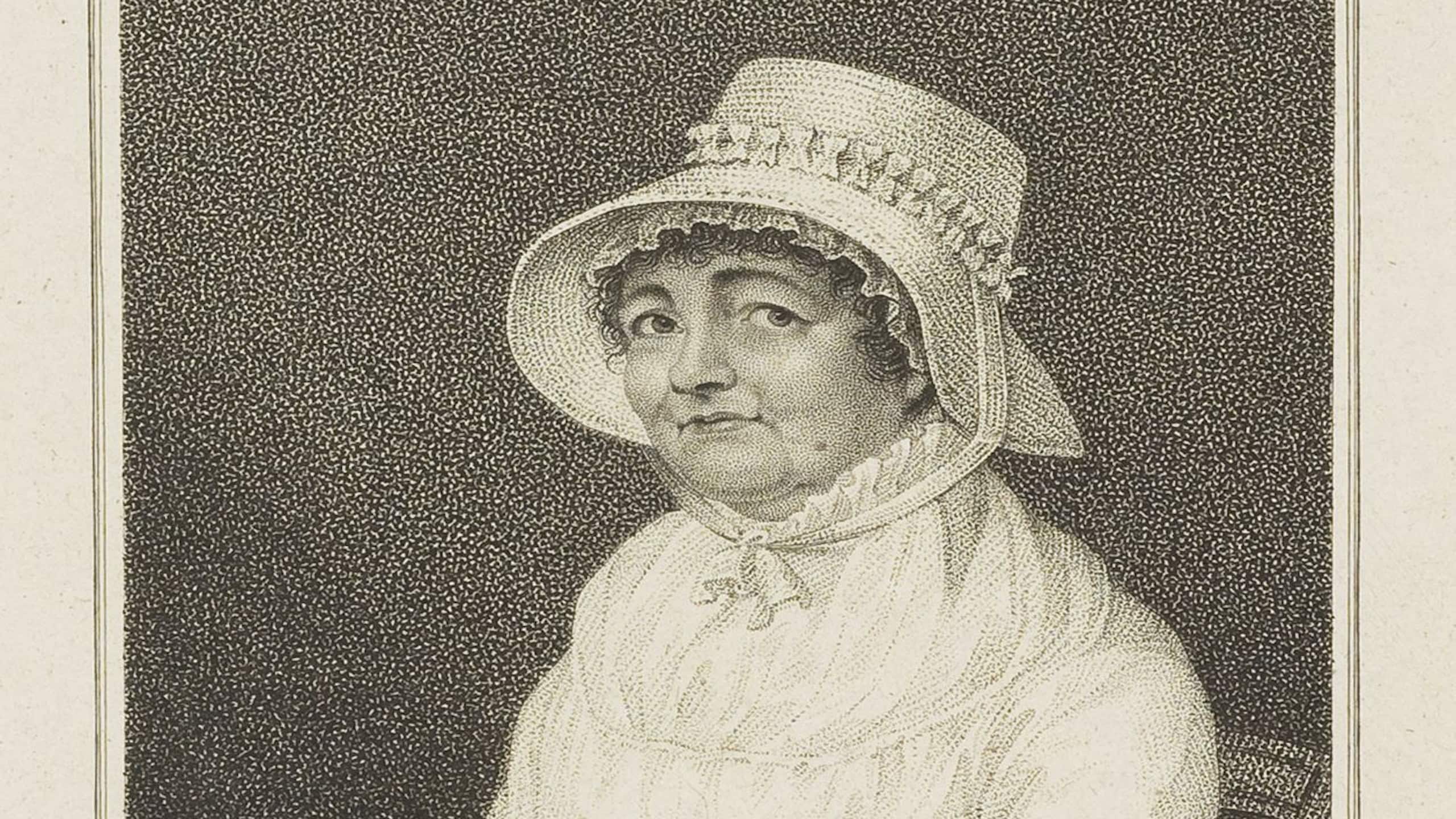
In 1792, Joanna Southcott was in her forties, and that was when she said God was sending her prophecies. She didn’t keep the messages private. No, she printed and sold them, eventually building a following that reached into the thousands. The religion was called Southcottianism.
What a creative name. She wrote about things like national disasters and biblical prophecy, along with the coming millennium. That wasn’t the strangest part, though. She announced that she was pregnant at 64 with a promised child called Shiloh, although no child arrived.
The Báb and Bábism

The Báb’s public mission lasted only a few years, but it was a pretty incredible few years. It all began on May 22, 1844, in Shiraz, Iran, when Siyyid Ali-Muhammad told Mullá Husayn that he was the Báb. That translates to ‘the Gate.’
He began creating prayers and religious writings that drew followers across Persia, leading to officials imprisoning him. He was executed in Tabriz in 1850. That didn’t stop the movement, though, and his followers became known as Bábís.
Alice Lenshina and the Lumpa Church

Going through a near-death experience is enough to make anyone religious. That’s what happened to Alice Lenshina, who nearly died but returned to life in 1953. She said Jesus had sent her back with instructions.
Lenshina preached in what’s now Zambia and encouraged her followers to build their own places of worship. They did exactly that. They created the Lumpa Church, something that grew into an independent movement, separate from other branches of Christianity.
Kimpa Vita and Antonianism
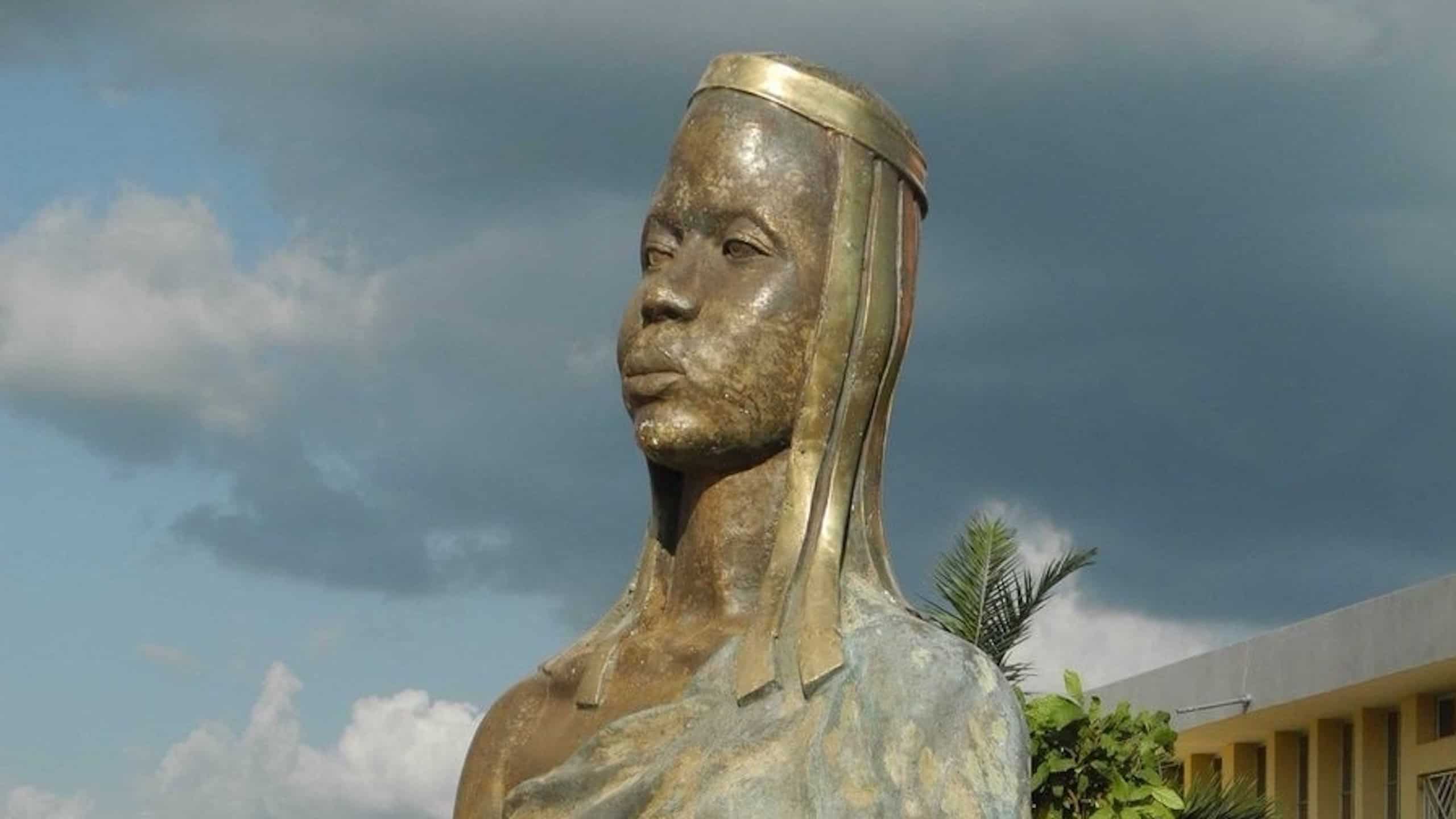
Kimpa Vita was walking through São Salvador, part of modern-day Congo, in 1704 with an extraordinary claim. She said Saint Anthony of Padua was speaking through her. Yes, she told people that, actually, Christian figures like Jesus and Mary were Kongolese.
She argued São Salvador should again become the religion’s sacred center. Soon after, her followers began rebuilding parts of it, and Kimpa Vita also called on rival royal factions to reunite. It was the start of the Antonian religion.
Wallace Fard Muhammad and the Nation of Islam

Detroit might not seem like the place where a religion could be born, but that’s exactly what happened. Wallace Fard Muhammad was working as a door-to-door salesman there in 1930 and talking with Black residents. It wasn’t your average conversation, though.
He taught that Black Americans had an ancient Islamic identity and should recover their ‘stolen’ knowledge. It caught the eye of many people, who began forming temples and schools in Fard’s name. They created the Nation of Islam in 1934 when Fard disappeared.
L. Ron Hubbard and Scientology

L. Ron Hubbard was the man who brought Scientology to the world, starting with his 1950 book, Dianetics. He used technical language to make his religion sound more trustworthy. By 1952, Hubbard was describing people as immortal spiritual beings called thetans.
That’s when the name ‘Scientology’ first appeared. He incorporated the first Church of Scientology in Los Angeles in 1954, producing lectures and courses for his followers. There are around 10,000 to 40,000 Scientologists today.
Helena Blavatsky and modern Theosophy

There was something special about Helena Blavatsky, and it’s probably to do with how she made people curious. She helped found the Theosophical Society in New York with people like Henry Steel Olcott and William Quan Judge in 1875.
Blavatsky claimed, among other things, that she’d had contact with hidden spiritual masters and argued that all major religions came from an older shared source of wisdom. It was one she’d tapped into, apparently. Blavatsky moved to India later on and helped Theosophy go international.
Sources: Please see here for a complete listing of all sources that were consulted in the preparation of this article.
13 historical facts that will totally mess with your sense of time
You might not realize it, but quite a few parts of history sit a lot closer together than they should have any right to, and it’s enough to seriously mess with your mind.
13 historical facts that will totally mess with your sense of time


