

History is a lot stranger than many people even know, especially when you learn about the events that sound totally fake but were real.
The day the Army turned on its veterans
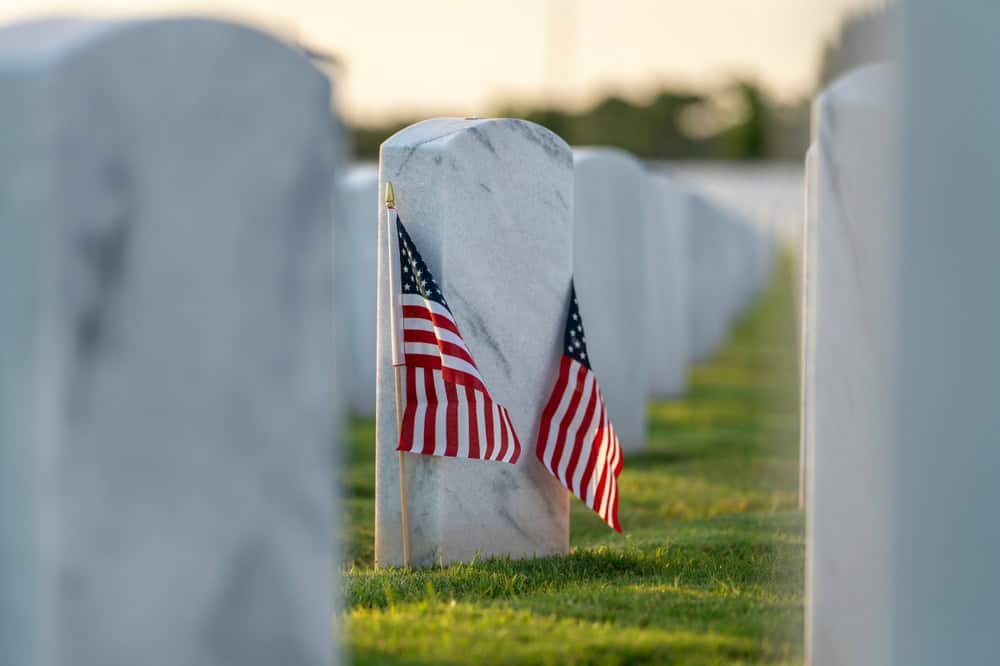
Fighting in World War I was difficult enough, but some veterans returned home to find that the government didn’t keep its promise. It didn’t hand over the money that it had agreed to give, forcing many to live in poverty for years.
He actually ordered the Army to intervene, and General Douglas MacArthur was in charge of clearing the camp. In July 1932, MacArthur sent troops armed with tanks and gas to dismantle the camps. It was a dark moment for the country.
The alcohol that came with a warning

Everyone knows that Prohibition was meant to stop Americans from drinking alcohol. But the reality was more horrifying than that. The government was actually poisoning alcohol so that people would be too afraid to drink it.
The goal was to stop bootleggers from using industrial alcohol to make drinks. The program began in the mid-1920s and went on for years. It affected people in multiple states. In the end, it was yet another example of how the U.S. government could go too far.
The survivors with no food left
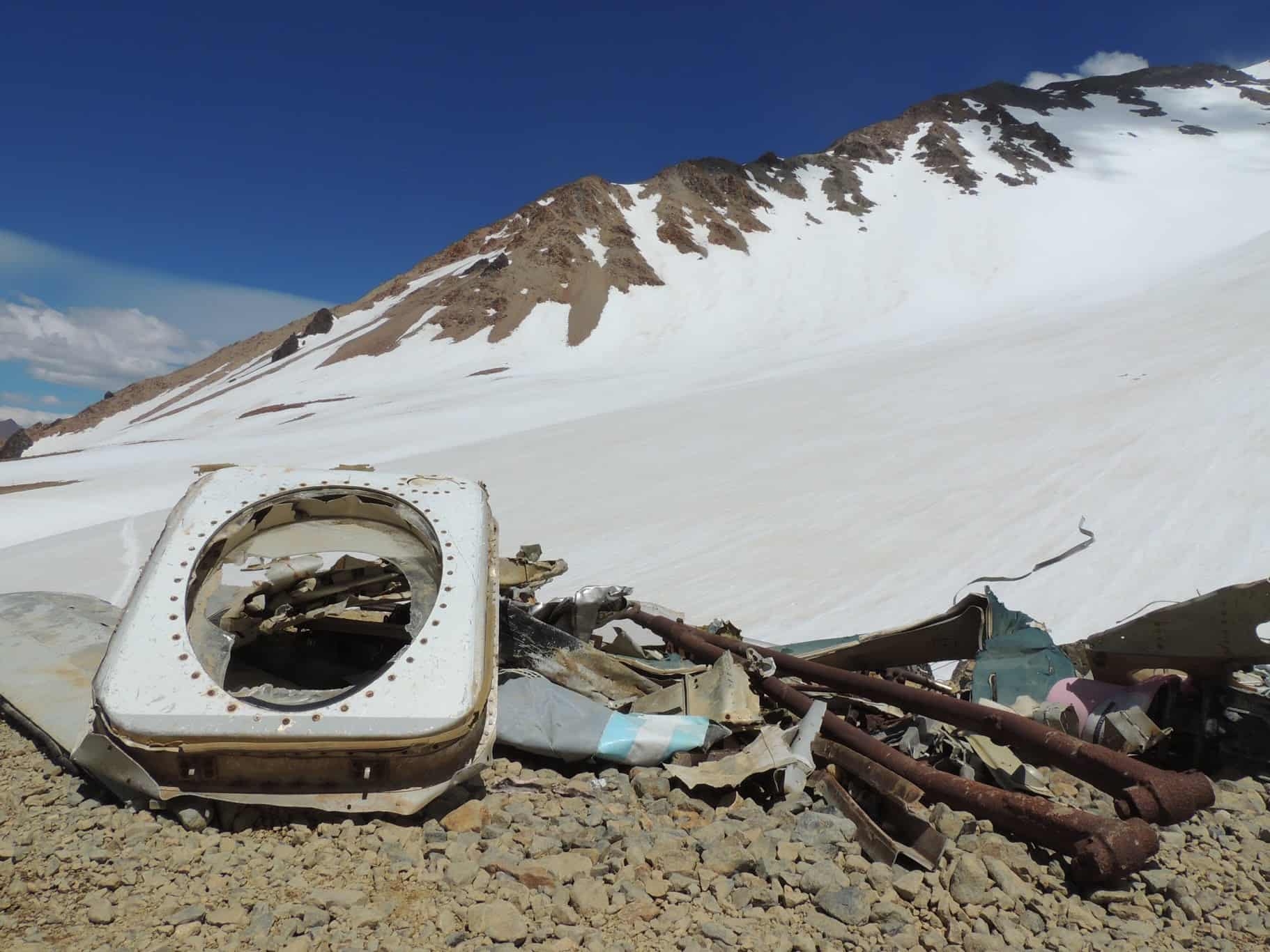
The idea of being stranded in freezing conditions in the mountains sounds terrifying. But one group of people went through it in 1972 after their plane crashed. That’s exactly what happened to sixteen survivors of a plane crash in 1972, who were stuck in the Andes.
The plane had been carrying 45 people, including members of a Uruguayan rugby team. The crash killed 12 of them, and others died after. The survivors had no food, and that led to one of the most controversial decisions in history.
Three disasters before the day was over
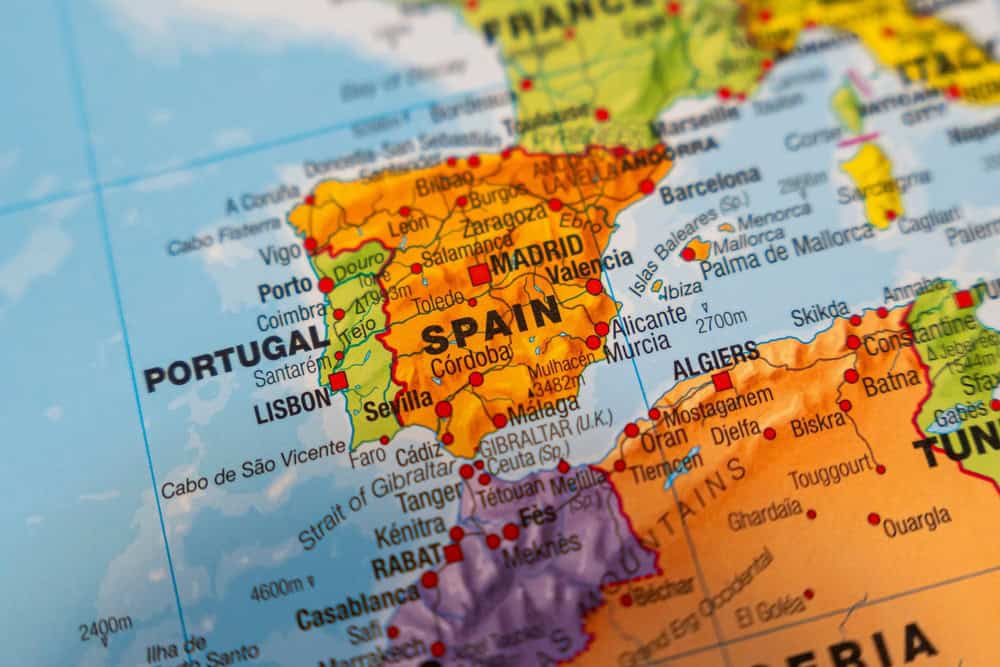
November 1, 1755, was All Saints’ Day, and also the date that the city of Lisbon couldn’t catch a break. Many people were in church in the Portuguese city when an earthquake struck. It caused buildings to collapse and forced many residents to flee toward the waterfront. But they weren’t safe there.
No, a tsunami came shortly afterward and flooded coastal areas. The disasters continued when fires spread through the damaged city and burned for days. Some buildings managed to survive the initial destruction, but then collapsed after the fires.
The murderer who became a souvenir
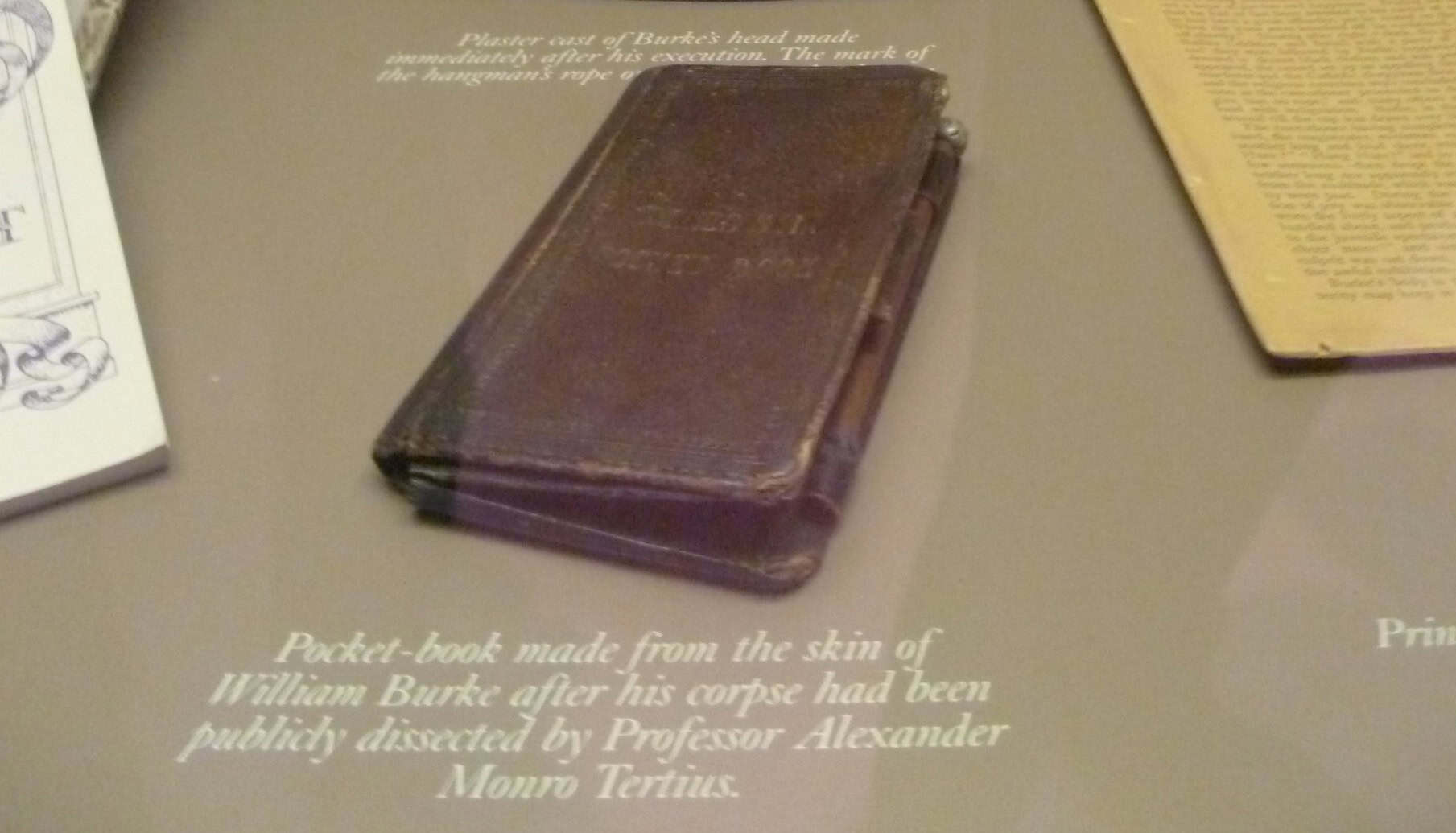
William Burke was a criminal who was executed in Edinburgh, Scotland, on January 28, 1829. He’d been convicted of being an accomplice to murder, helping to kill people and selling their bodies to doctors to study. Burke’s body was publicly dissected after his death by anatomist Alexander Monro.
Things only got stranger, as people started making objects from Burke’s skin, including wallets and books. These items kept appearing around Edinburgh. In fact, one of them is a pocketbook made from his skin, and it’s currently held at Surgeons’ Hall Museums in Edinburgh.
The president’s missing body
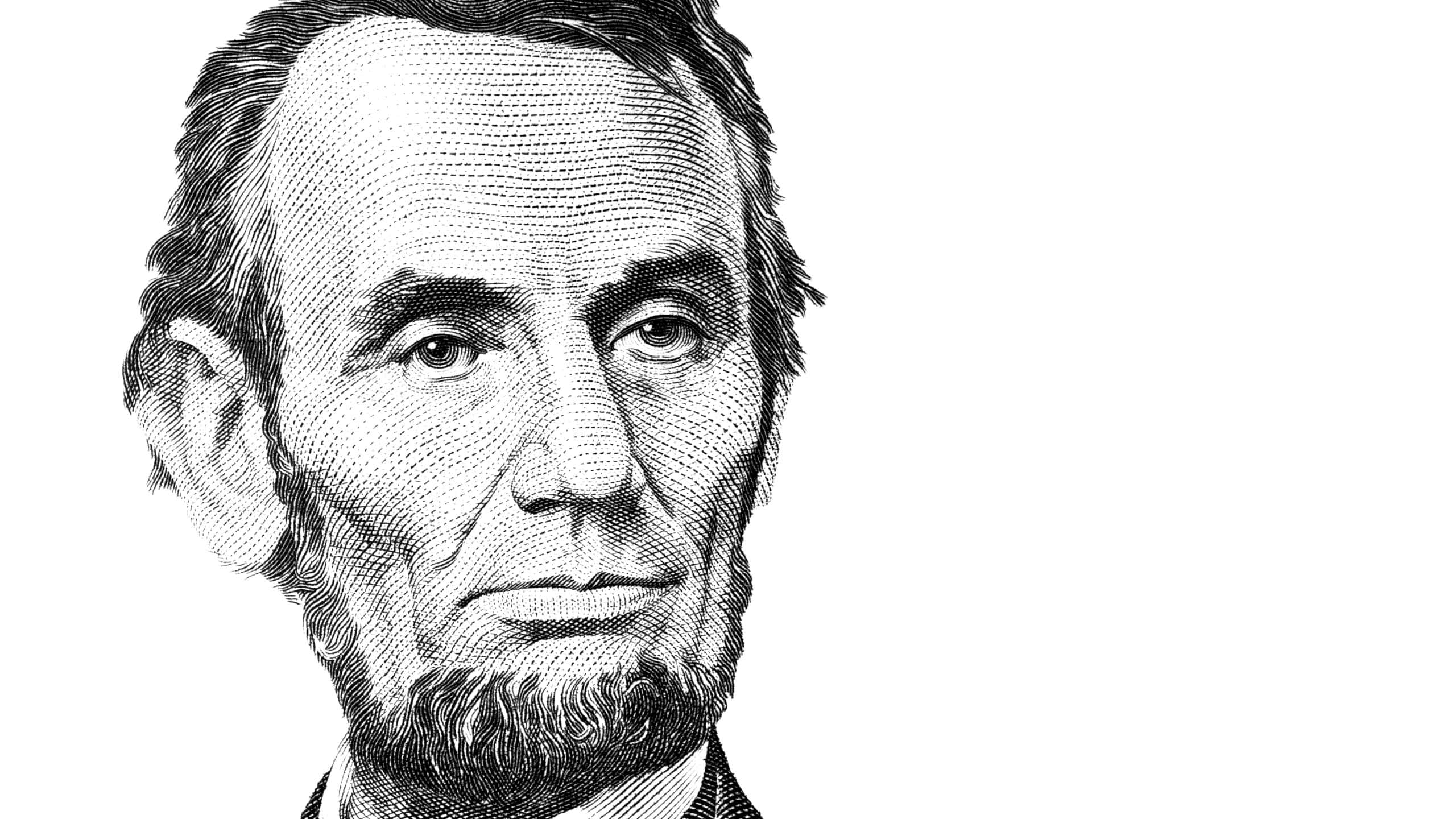
Being dead didn’t necessarily bring President Abraham Lincoln any peace, as his body was stolen in 1876 by a gang of counterfeiters. They were trying to steal Lincoln’s body to get leverage and force the government to do what they wanted.
Then, they’d demand $200,000 for information about where it was, along with the release and pardon of prisoner Benjamin Boyd. But there was a problem. Lewis Swegles was one of the men helping the gang, and he was secretly working with the authorities. The robbery ultimately failed, and it led to officials taking extra measures to keep Lincoln’s coffin secure.
The nuclear explosion above Earth
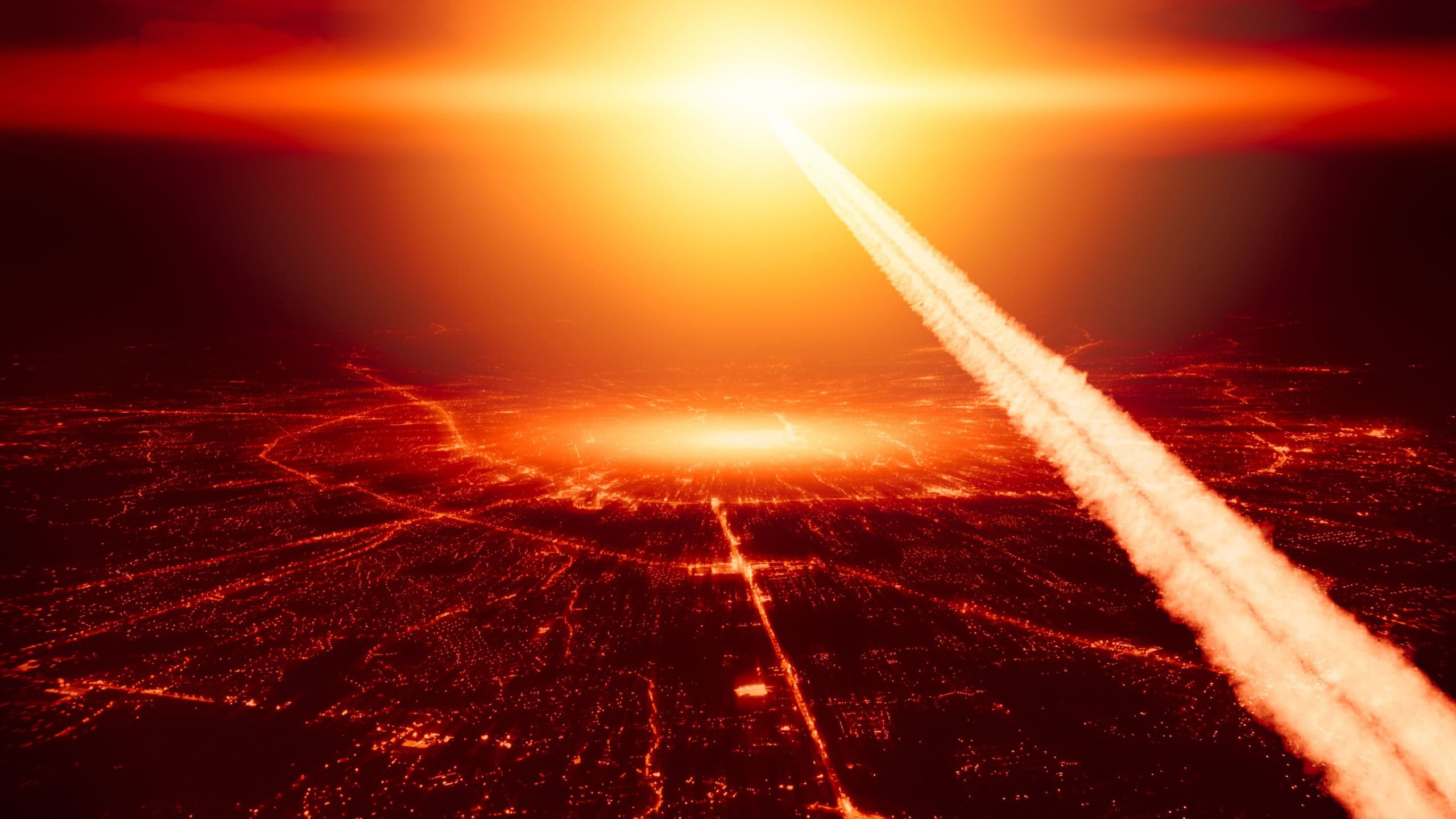
Setting off a nuclear bomb on the ground wasn’t enough for the United States. In 1962, the country launched a rocket 250 miles above Earth and detonated a 1.4-megaton nuclear warhead in space. It was a test known as Starfish Prime.
People living around 900 miles away in Hawaii saw a strange and colorful glow in the sky. The explosion was said to be around 100 times more powerful than the atomic bomb that destroyed Hiroshima. It also damaged several satellites that were orbiting Earth.
The beer that survived an atomic bomb
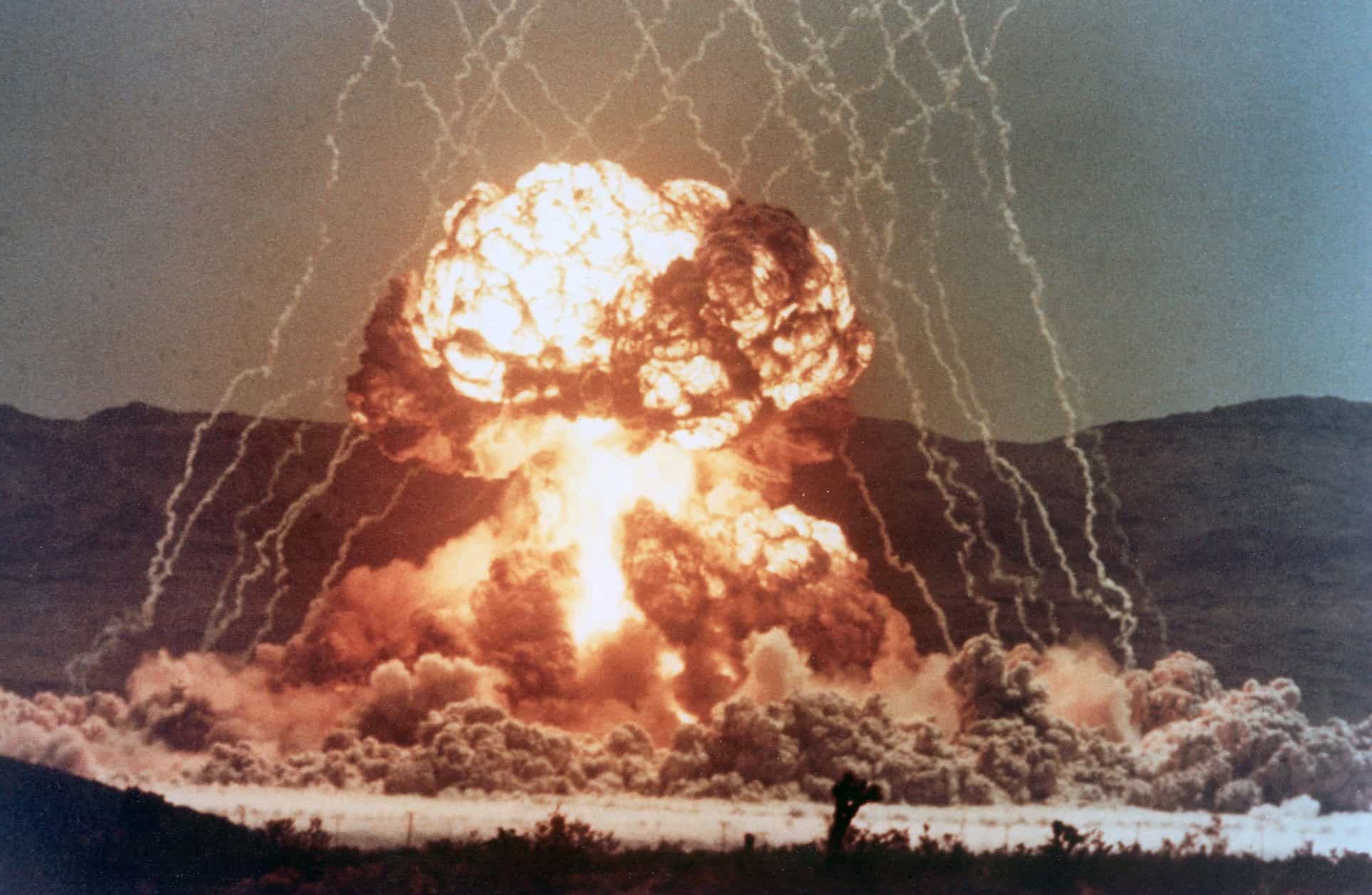
That’s not all for nukes. Somebody working on nuclear testing decided to test the effects of a nuclear explosion on beer. The operation, called Teapot, was carried out in 1955, when scientists put beer near a nuclear bomb blast at the Nevada test site.
They then examined the surviving bottles and cans for radiation. Tasting them also seemed to be part of the experiment. The findings were that the beer was safe to drink, but it had an off taste. Still, in a strange way, the experiment became a legendary story.
The river that changed direction
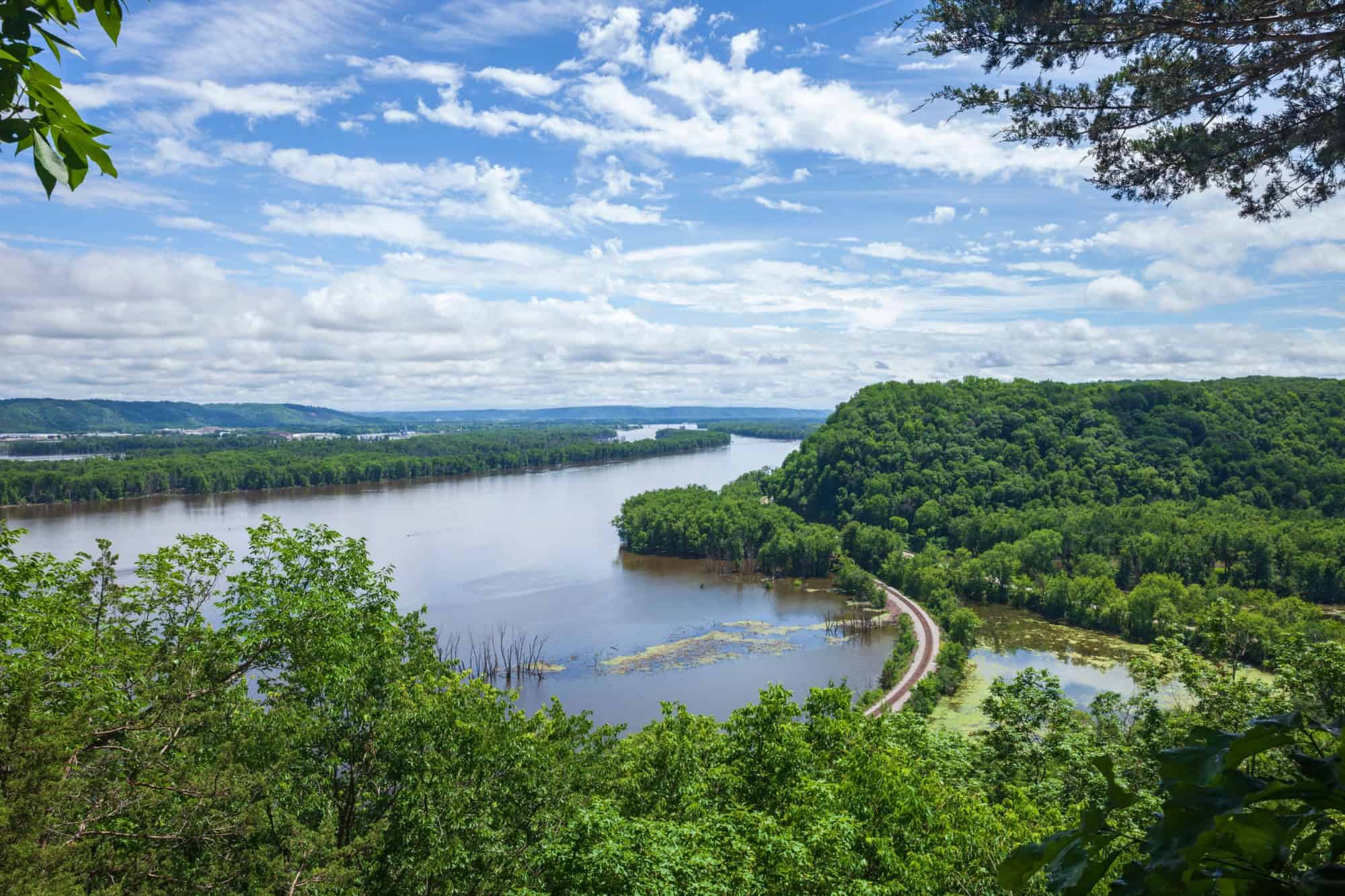
There was a time in 1812 when it seemed like the Mississippi River decided to flow backward. Earthquakes hit the New Madrid Seismic Zone, an area along the Mississippi River in Missouri, and changed the landscape. The river changed direction temporarily.
It led to the land rising and sinking, which meant that the Mississippi River had to find a new route. The change had a big impact on the surrounding area. Many of the communities along the river were affected, and some towns were lost as the river took a different path.
The war that lasted until 1974
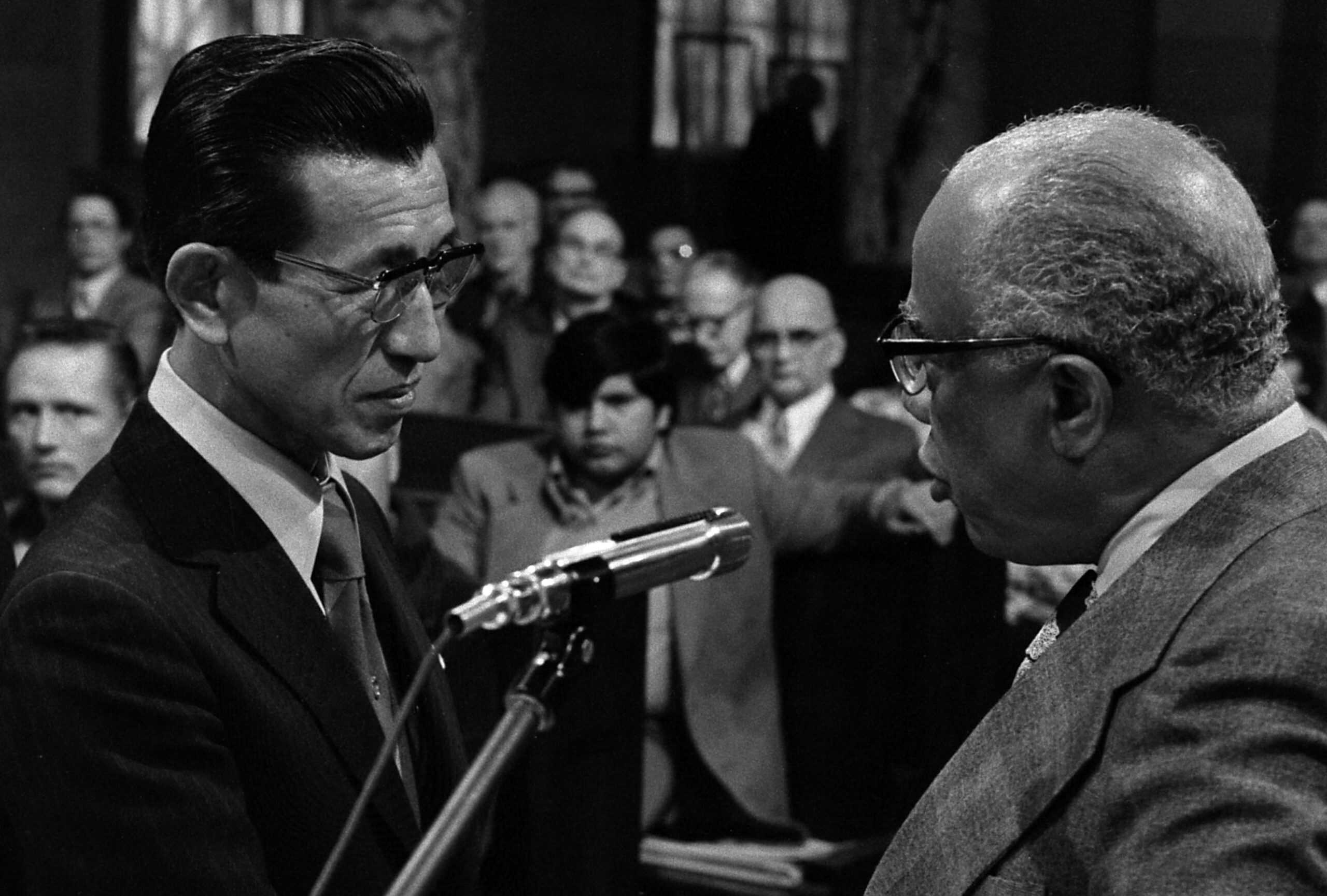
It’s a fact that World War II ended in 1945. But not everybody agreed, especially Hiroo Onoda. He was a Japanese soldier who kept fighting for another 29 years. He was living in the Philippines, and he refused to believe the war was over. It wasn’t because he didn’t know.
No, he’d heard reports that Japan had surrendered, and even his own brother had asked him to stop. But Onoda believed the reports were all fake. He kept fighting in the jungle for many years, until he was finally found by Norio Suzuki, a college dropout who went searching for him in the 1970s.
Five days when the air turned deadly
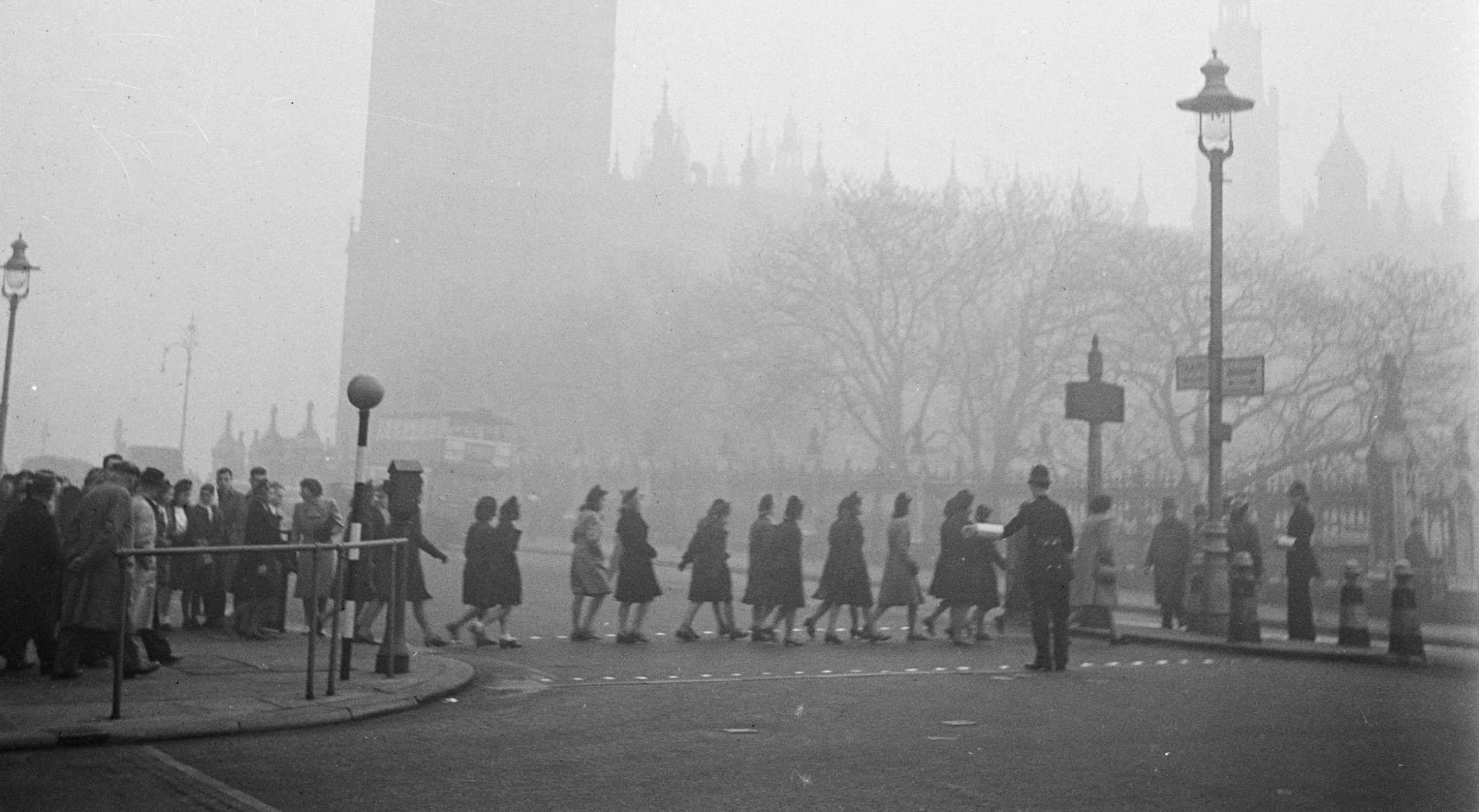
The London fog that appeared on December 5, 1952, was anything but cute. It was a thick, yellowish fog that blanketed the city for days and came from a mix of coal smoke and fog. People were not only annoyed, but they were also sick.
It covered the city for five days. It was so bad that people could barely see across the street. The fog caused a lot of deaths, too, with around 4,000 people dying in the first week. That eventually led to the passing of the Clean Air Act.
The Moon landing tapes that disappeared
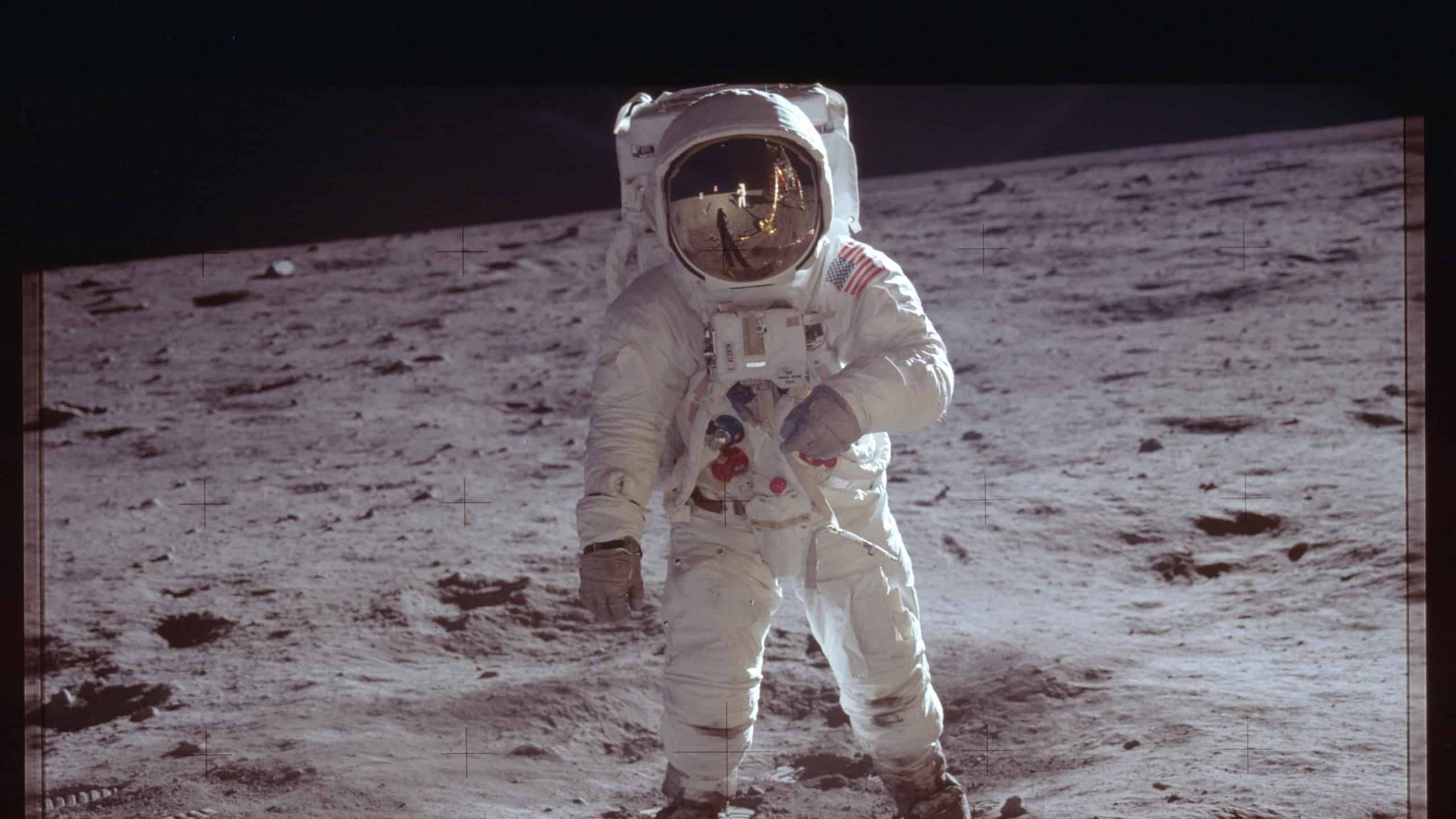
There’s no denying that Apollo 11’s trip to the Moon in 1969 was one of the most iconic moments in history. It was the first time humans had walked on the Moon, and it was a moment that the entire world watched.
But NASA ended up erasing those recordings. Yes, really. NASA tried to find them decades later and couldn’t. An investigation found that someone had likely erased and reused the tapes during a shortage in the early 1980s. At least we have the other recordings.
The families competing for better genetics

Being judged on your family’s genetics seems like something from a dystopian movie. Yet in 1920, that’s exactly what some Americans signed up for. It was part of the Kansas Free Fair’s Fitter Families for Future Firesides competition.
The competition involved entire families undergoing physical examinations and intelligence tests. They also examined their medical histories. Judges would then decide which families were genetically superior and give them medals. The whole thing was part of the American eugenics movement, which encouraged selective human breeding.
The mysterious deaths of thousands of sheep

Chemical testing in Utah’s Skull Valley got pretty out of hand in March 1968. The U.S. Army was conducting tests at Dugway Proving Ground using the nerve agent VX. They sprayed it from an aircraft.
The testing ended up contaminating local animals and vegetation, causing 6,000 sheep to drop dead. Worst of all, the Army initially denied any responsibility. But it soon became clear that the testing was responsible, as the sheep didn’t exactly die for no reason.
The celebration that filled an entire lake

Cleveland sure was an incredible place to be on September 27, 1986. That was when the United Way charity tried to break a world record by releasing nearly 1.5 million balloons, with around 100,000 people watching. Then the weather got in the way.
The balloons came back down instead of floating away and ended up scattering across roads and Lake Erie. Some of them even caused issues for the Coast Guard. They were trying to find two missing fishermen, but the floating balloons stopped them from finding anything in the water. The men were later found dead.
Sources: Please see here for a complete listing of all sources that were consulted in the preparation of this article.
13 peculiar and obscure facts from history
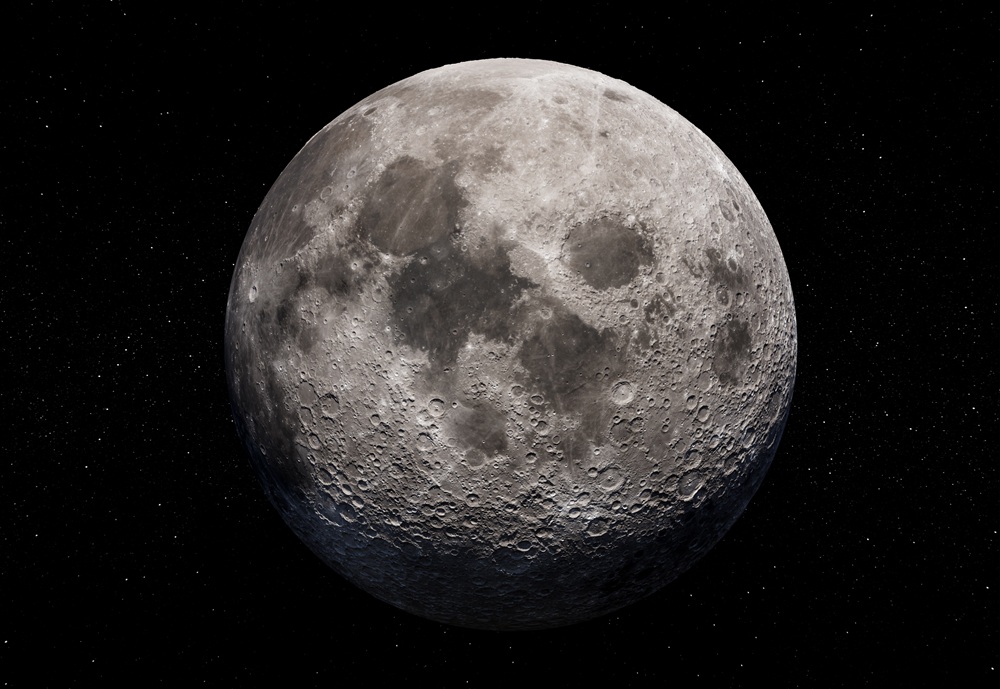
Forget about all those famous battles and presidents because it turns out that history is a lot weirder and more interesting, too.

