
Forget about all those famous battles and presidents because it turns out that history is a lot weirder and more interesting, too.
The bank that came through the post
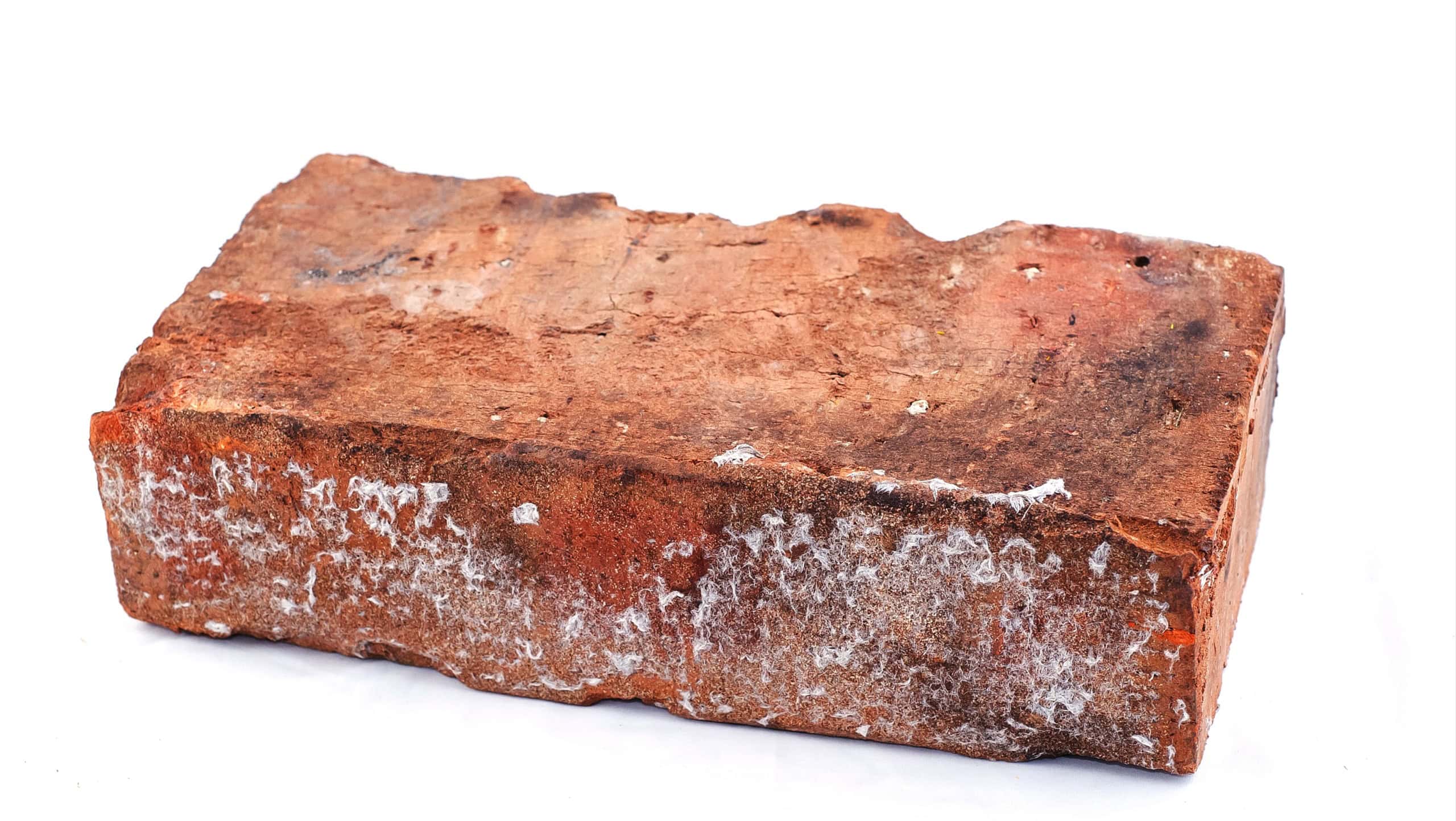
William Horace Coltharp had a problem. The year was 1916, and he wanted a special, fancy kind of brick to help him build a new bank in Vernal, Utah, but the shipping cost was way too much. So, he came up with another idea. He’d use the mail.
Yes, he had around 15,000 facade bricks, weighing around 37½ tons in total, sent through the mail. They were wrapped and boxed ten at a time in around 1,500 packages. As you can probably imagine, the postal workers weren’t thrilled, and it led to the Post Office tightening its rules on how much one person could mail to a single recipient.
An unusual appetite on the White House lawn

A sheep chewing on a cigar butt isn’t an ordinary sight. It’s even weirder when it happens at the White House. But that’s exactly what happened during Woodrow Wilson’s presidency. Wilson kept sheep on the grounds during World War I because they helped trim the grass for cheap.
One of the rams was named Old Ike, and he supposedly liked chewing tobacco. Not the regular kind, though, just discarded cigar butts. White House officials later auctioned the flock’s wool to raise money for wartime causes. They ended up being pretty useful, clearly.
Nixon had words ready for a failed landing
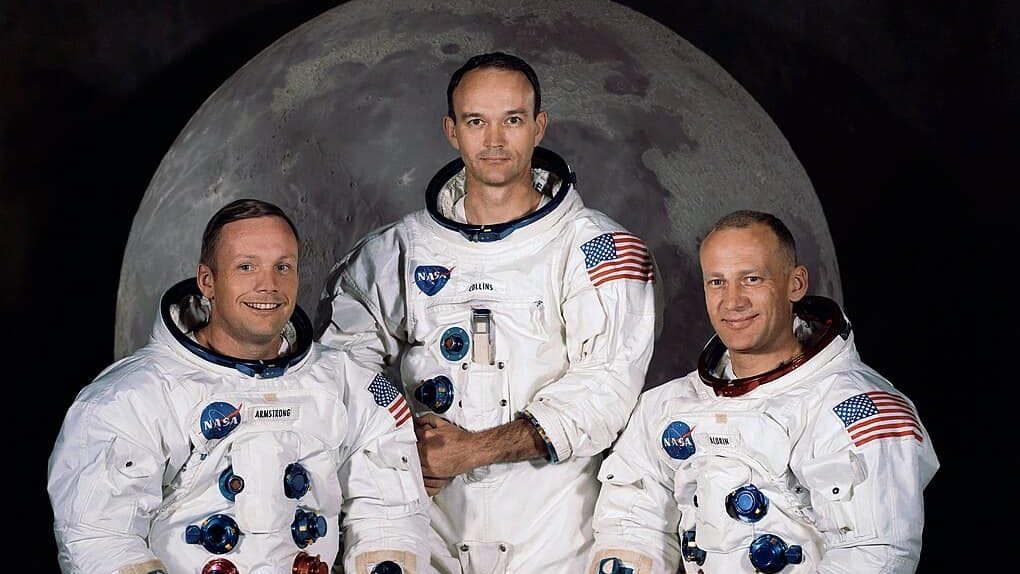
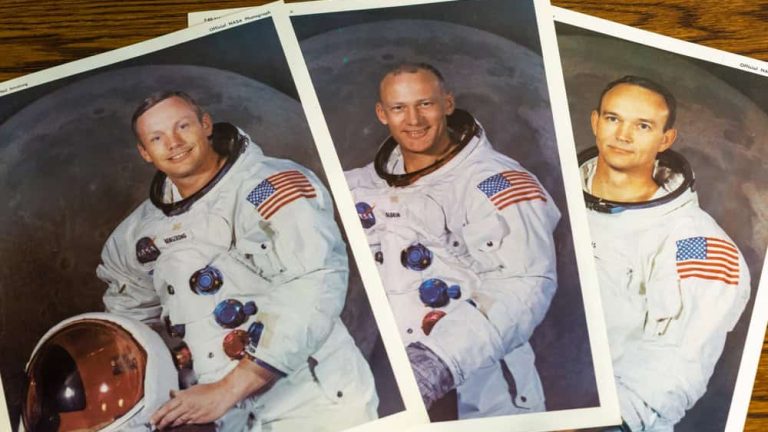
We know today that Apollo 11 was a huge success, but it wasn’t always seen that way. Speechwriter William Safire actually wrote a speech for President Richard Nixon while the spacecraft was on its way to the Moon, and it addressed the possibility that the astronauts would never make it back.
It was called ‘In Event of Moon Disaster,’ and it dealt with the scenario of the lunar module failing to leave the Moon’s surface. Only Michael Collins would’ve been able to return. But it was never used, thankfully, although it’s chilling to think officials worried the astronauts would go beyond rescue.
Moon germs were taken seriously
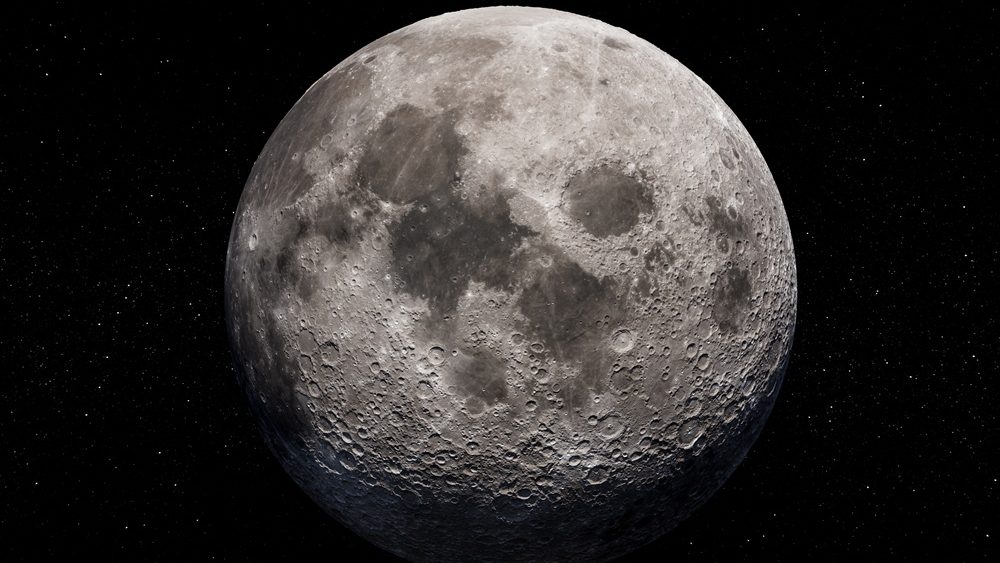
That’s not all for the Moon. NASA didn’t know what the Apollo 11 astronauts might bring home with them because, well, they were the first ones to go there. They couldn’t assume there was nothing dangerous. That’s why after splashdown on July 24, 1969, Neil Armstrong, Buzz Aldrin, and Michael Collins went into quarantine.
They first entered a Mobile Quarantine Facility, and then stayed inside Houston’s Lunar Receiving Laboratory. It was a full 21-day quarantine, starting from their first possible exposure to lunar material. There were no deadly Moon microbes, though.
British Columbia made drinking remarkably uneventful
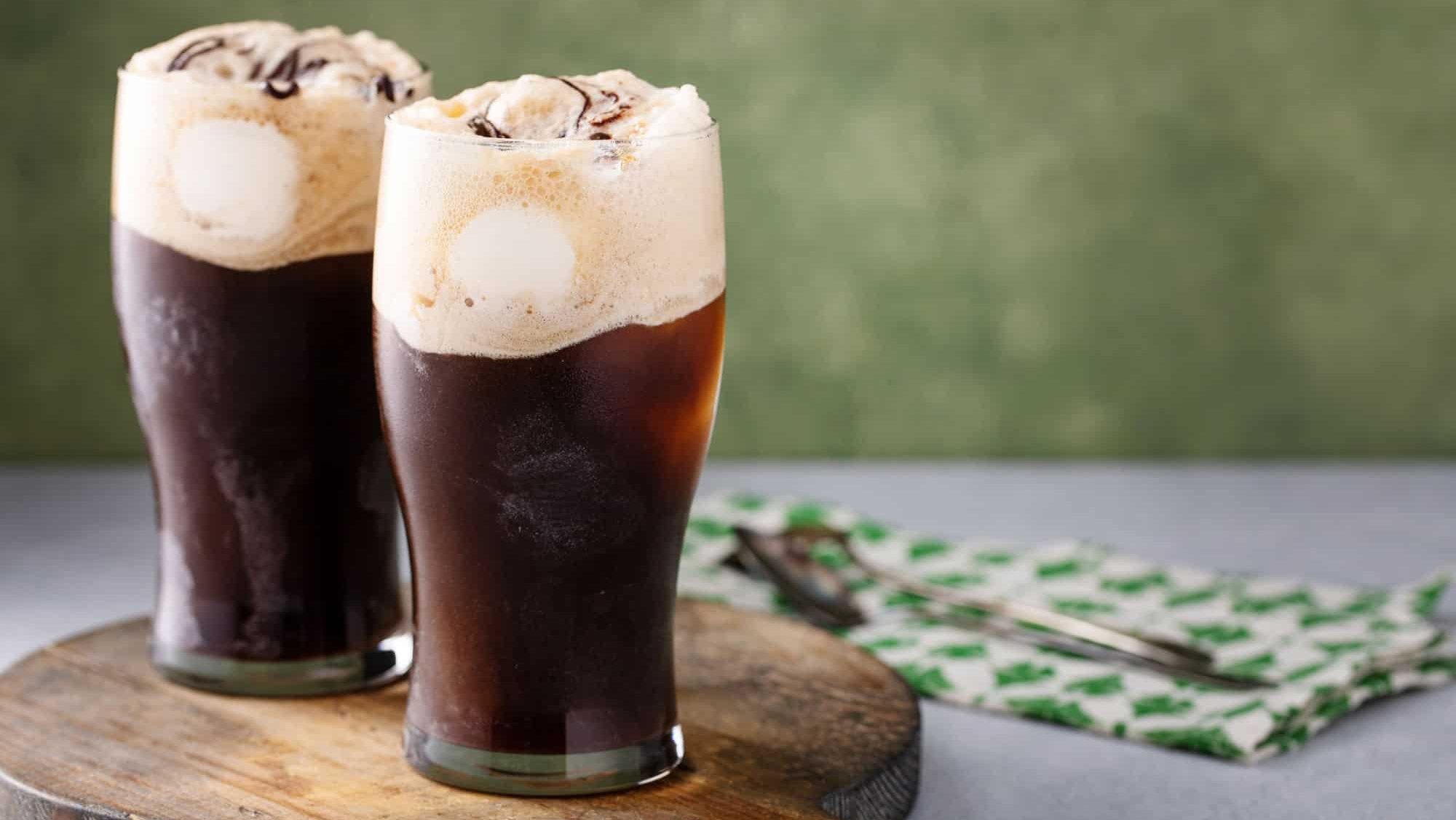
1920s British Columbia, Canada, was something else. Beer parlors started appearing there in 1925, and the rules were that you had to sit down and drink beer. Nothing more, nothing less. You weren’t allowed to eat food or drink soft drinks. No games or singing, either.
There were some rules banning cigarette sales inside, too, and all of these restrictions were designed for beer service. Socializing was an option. But everything else you might expect from a night out simply wasn’t an option.
Millions of copper needles went into space
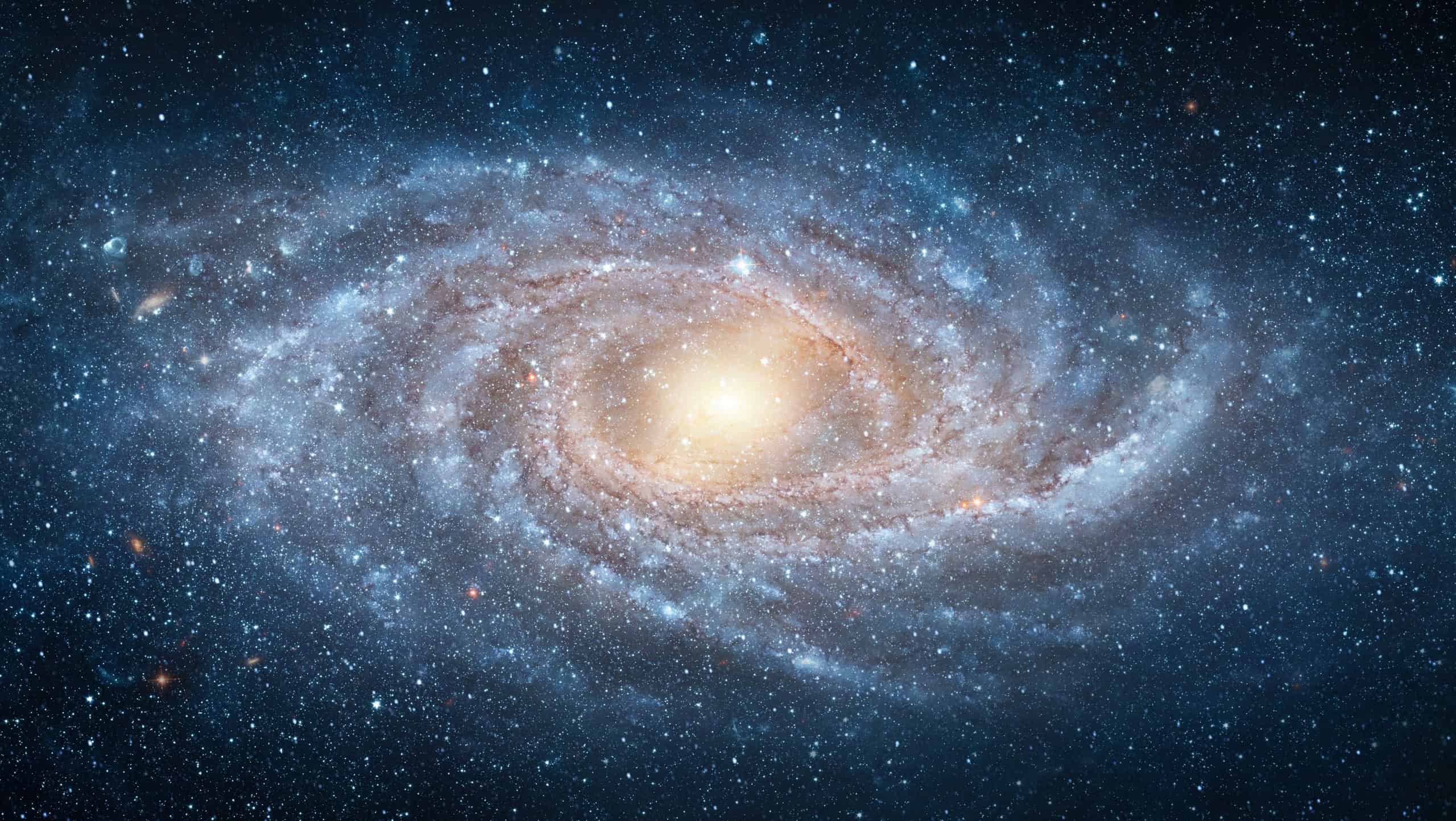
It sounds made-up, but it really happened. The United States government sent 480 million tiny copper needles into orbit around the Earth during the Cold War. Not for any silly reason, though. It was because they wanted to create an artificial radio reflector around Earth.
Each little copper dipole was about 1.78 centimeters long and thinner than a human hair. The package went into near-polar orbit in May 1963, and it went around 3,650 kilometers up. The ground stations could then bounce radio signals off the cloud of copper.
The dead drops that attracted cats
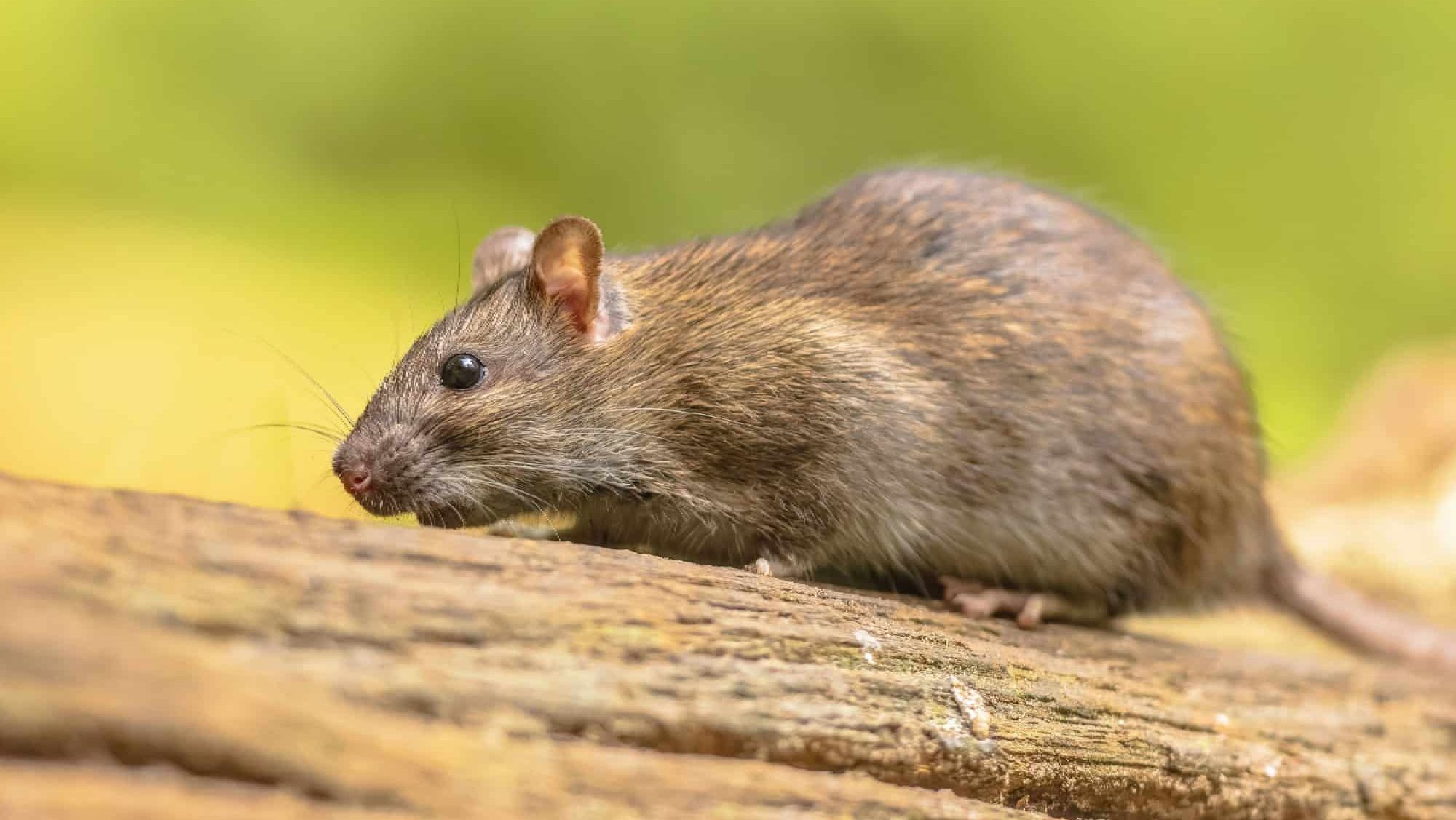
A dead rat doesn’t seem very useful. The CIA thought differently, though. Yes, they thought it was a good place to hide secret material because most people walk straight past it, after all. They hollowed out preserved rat carcasses for things like money and film, even messages.
But cats didn’t get the memo. They kept stealing the rats during testing, and that kind of ruined the CIA’s plans. Even after coating them with things cats disliked, like hot sauce and cayenne pepper, the cats continued eating them.
Some surveillance equipment looked like droppings
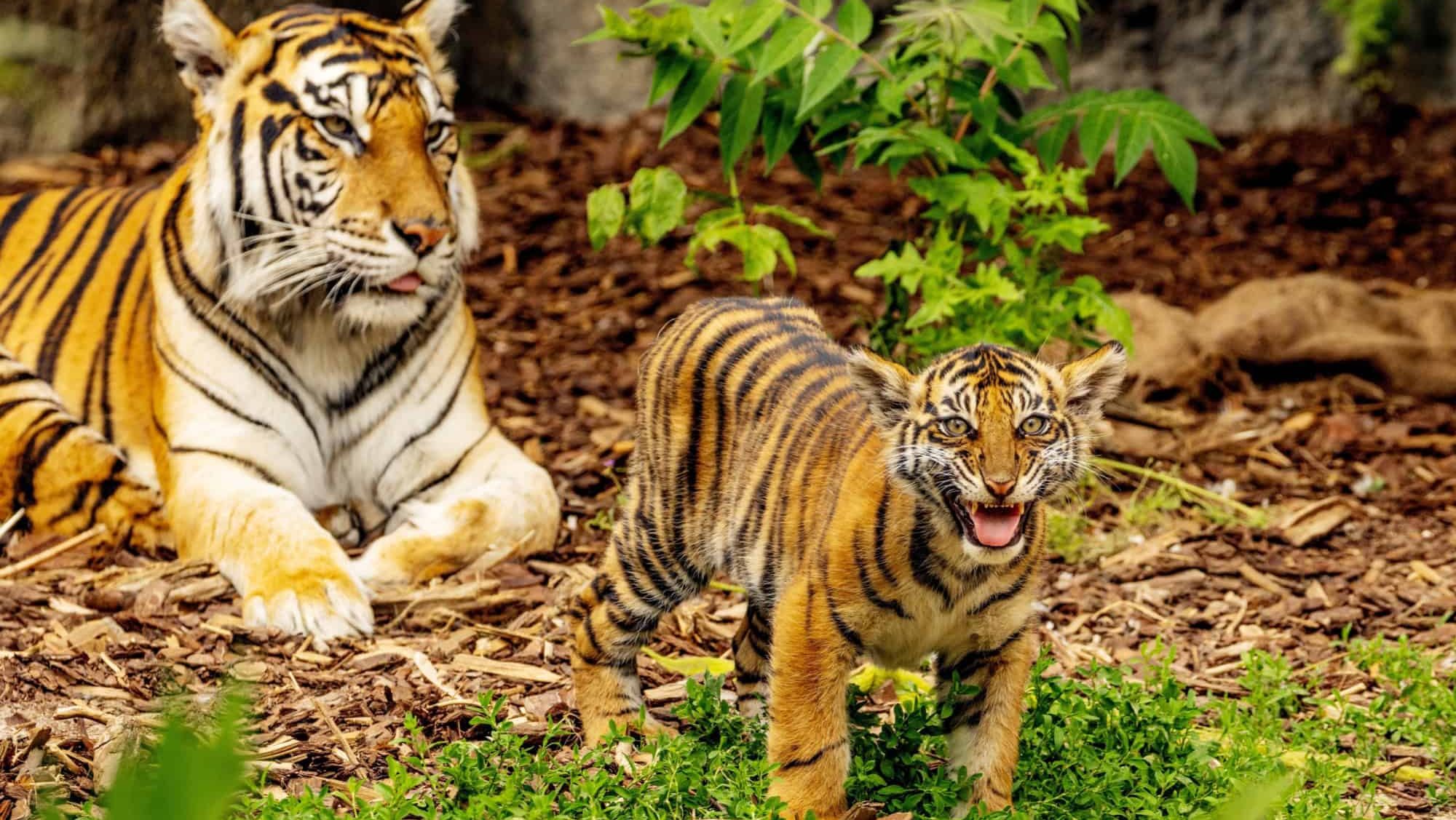
The CIA used another equally weird device during the Vietnam War. One of them was a surveillance device designed to look like tiger droppings, and it was placed along the Ho Chi Minh Trail. These devices contained seismic sensors, batteries, and antennas.
While they may have been small, they could detect vibrations from people or vehicles from up to around 300 meters away. They’d then transmit coded information. One of the advantages of this disguise was that nobody was going to pick it up for a closer look.
Canada funded a machine with an impossible job

Canada’s government was once obsessed with figuring out whether its federal employees were gay. So obsessed, in fact, that they paid for something nicknamed the ‘Fruit Machine’ to be invented during the 1960s. It supposedly measured physical reactions to figure out whether someone was gay.
Yes, really. Researchers at Carleton University tested their ideas by showing erotic images and measuring changes in employees’ pupil sizes. The worry was that gay employees would be vulnerable to blackmail and could be a security risk. But surprise, surprise, the tests were never found to be a reliable way to determine sexual orientation.
Winnipeg staged its own occupation
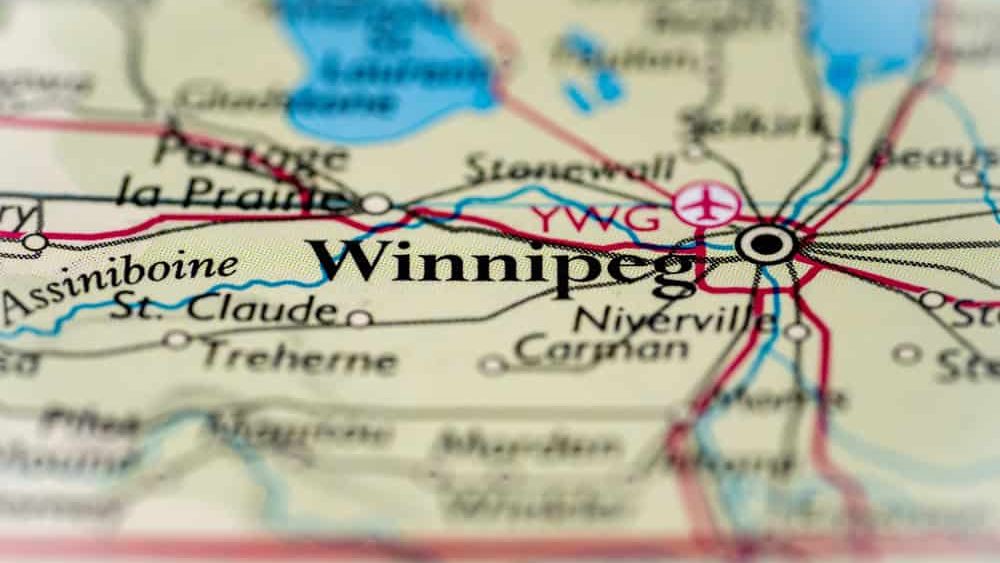
February 19, 1942, was a weird day for Winnipeg. Locals saw people wearing Nazi uniforms in the streets, and heard air-raid sirens going off. The whole city appeared to have been occupied. But the truth was, it was all staged as part of something called ‘If Day.’
Around 3,800 Canadians took part in the wartime event, and it was designed to encourage people to buy Victory Loan bonds. They even fake-arrested officials and stopped residents in public. Lower Fort Garry became a temporary internment camp. It turned out to be a success, as Winnipeg had about $3.5 million in bonds by the end of the day.
The elevator survivor
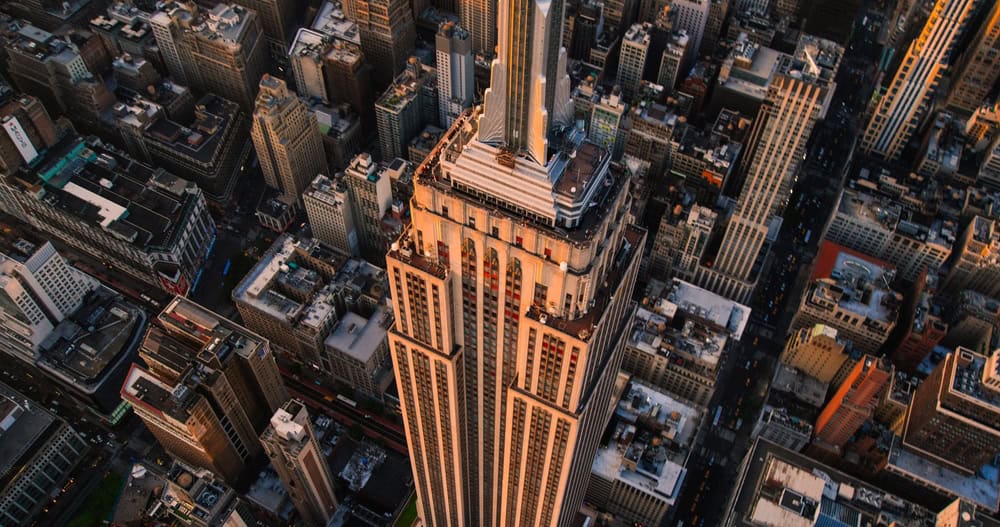
Being involved in a plane crash is bad enough. It was only the start of the problem for Betty Lou Oliver. A B-25 bomber flew into the Empire State Building in heavy fog on July 28, 1945, and it injured Oliver. She wasn’t even in the plane. She was working as an elevator operator.
Rescuers arrived and put her into another elevator near the 80th floor to get her downstairs. Bad idea. The damaged cables gave way, and the elevator plunged around 75 stories into the basement. Yet Oliver somehow managed to survive. She had fractures to her neck, back, and pelvis, but still, she made it through.
The fake Soviet missiles
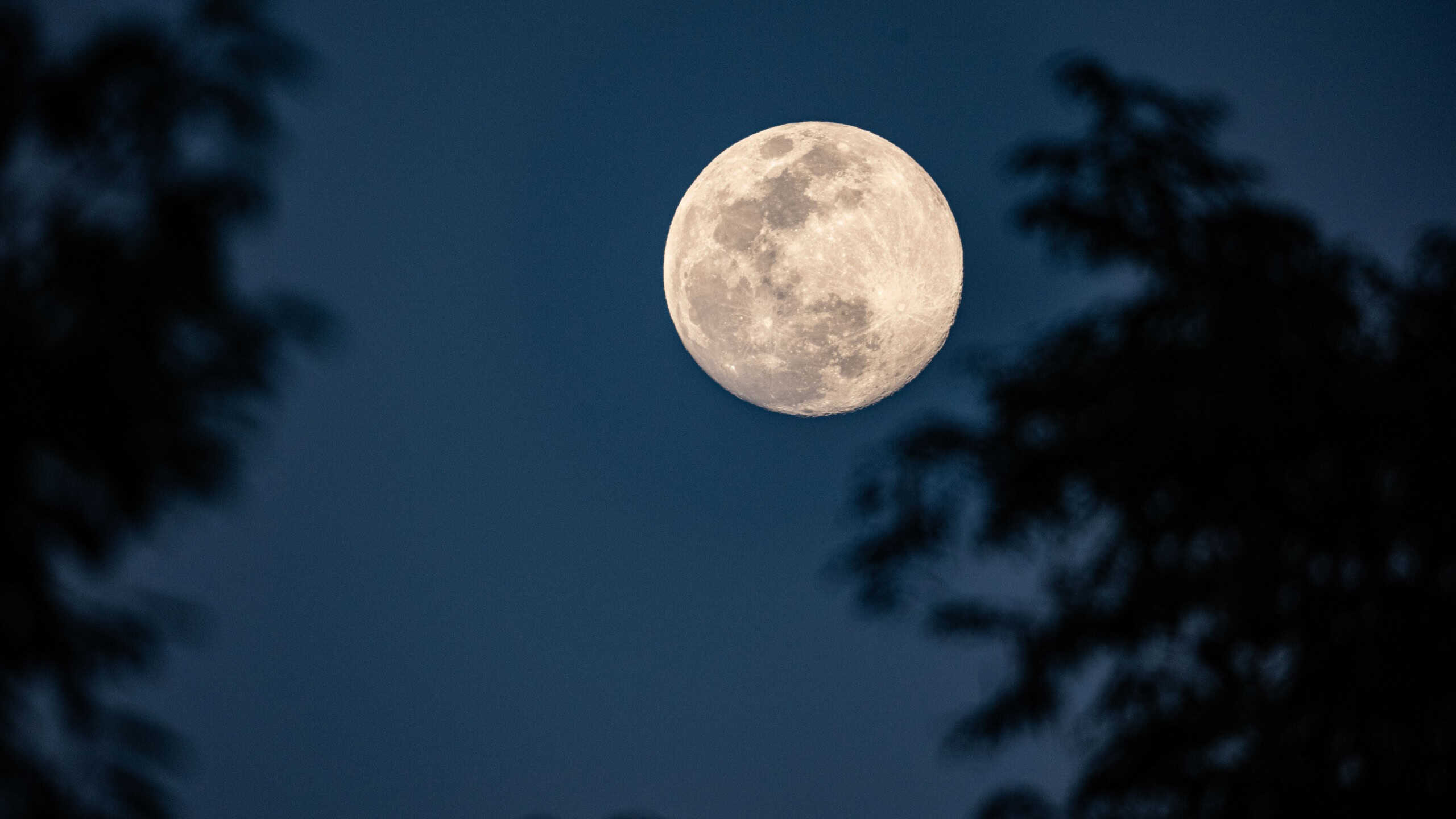
October 5, 1960, was a very odd day. Radars at Thule, Greenland, picked up what appeared to be a huge group of Soviet missiles heading toward North America. It put NORAD headquarters in Colorado Springs on maximum alert, and war seemed to be certain.
But there was a problem. Nikita Khrushchev was in New York for the United Nations at the time, so a surprise Soviet nuclear attack on American soil would’ve been weird. Turns out, the apparent missiles were radar returns from the rising Moon.
The Pacific had a floating ice-cream factory
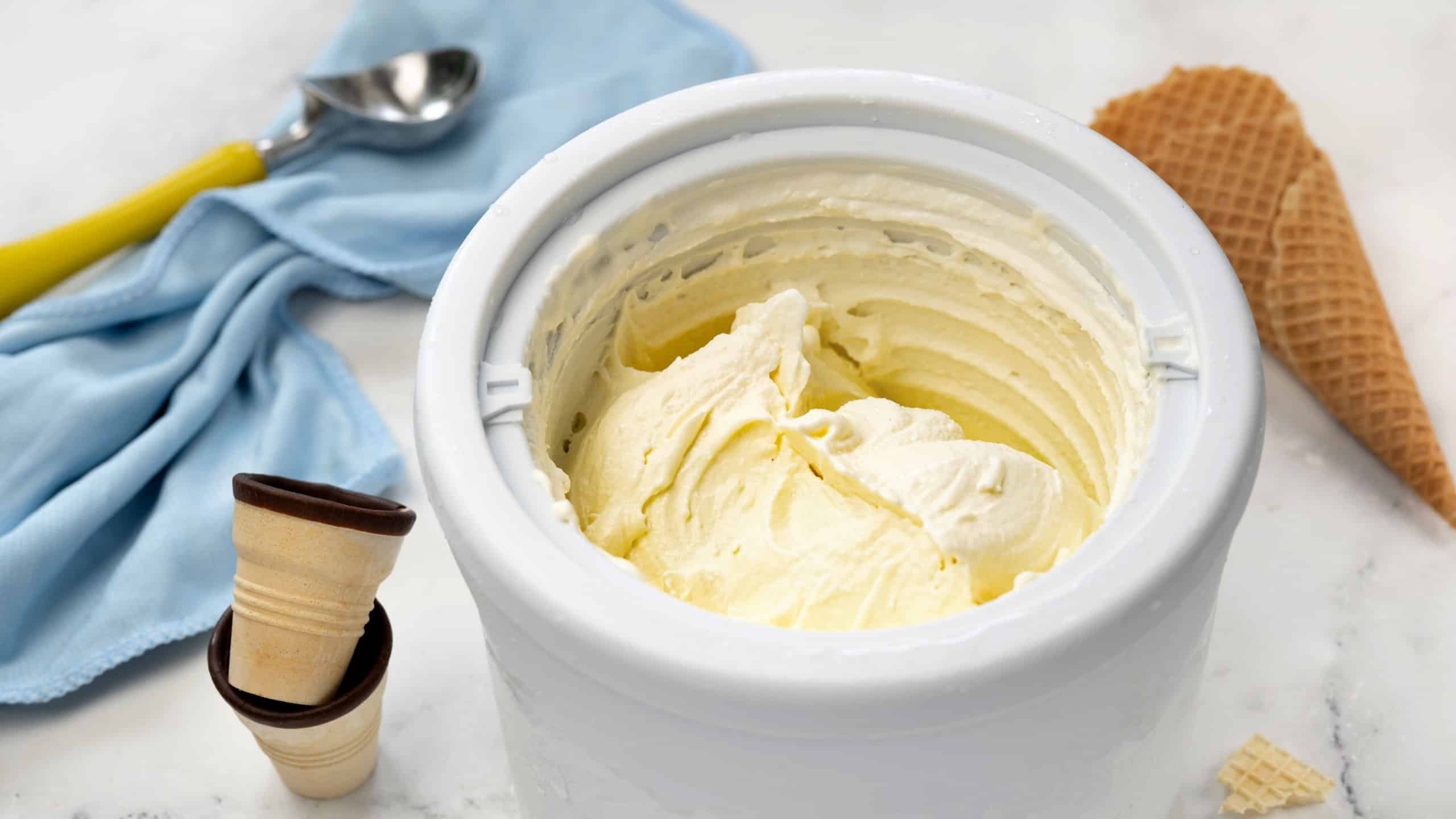
Even a world war couldn’t stop people from getting ice cream. The U.S. Navy had a refrigerated concrete barge in the Pacific that was fitted with equipment deliberately designed to make ice cream. It could churn out about 10 gallons every seven minutes.
It wasn’t exactly cheap, as the thing cost roughly $1 million. It could store thousands of gallons, too, to supply ships that didn’t have their own machines. The less glamorous part was the fact that the barge couldn’t sail anywhere under its own power.
Sources: Please see here for a complete listing of all sources that were consulted in the preparation of this article.
13 children who left a dark mark on history

Some of the darkest cases in human history involved culprits who were still young enough to be worrying about homework and curfews.
