

Old jars, plastic storage containers, spare buttons, and broken appliances tend to accumulate in a boomer’s house long after anyone needs them. It’s cheaper now than ever to buy household products. Holding onto all that clutter seems pointless when you can easily replace it.
Boomers often grew up learning how to never waste something that could be reused from parents who lived through the Great Depression or wartime. Fixing, reusing, and saving were all considered normal habits to practice at home.
The American dream
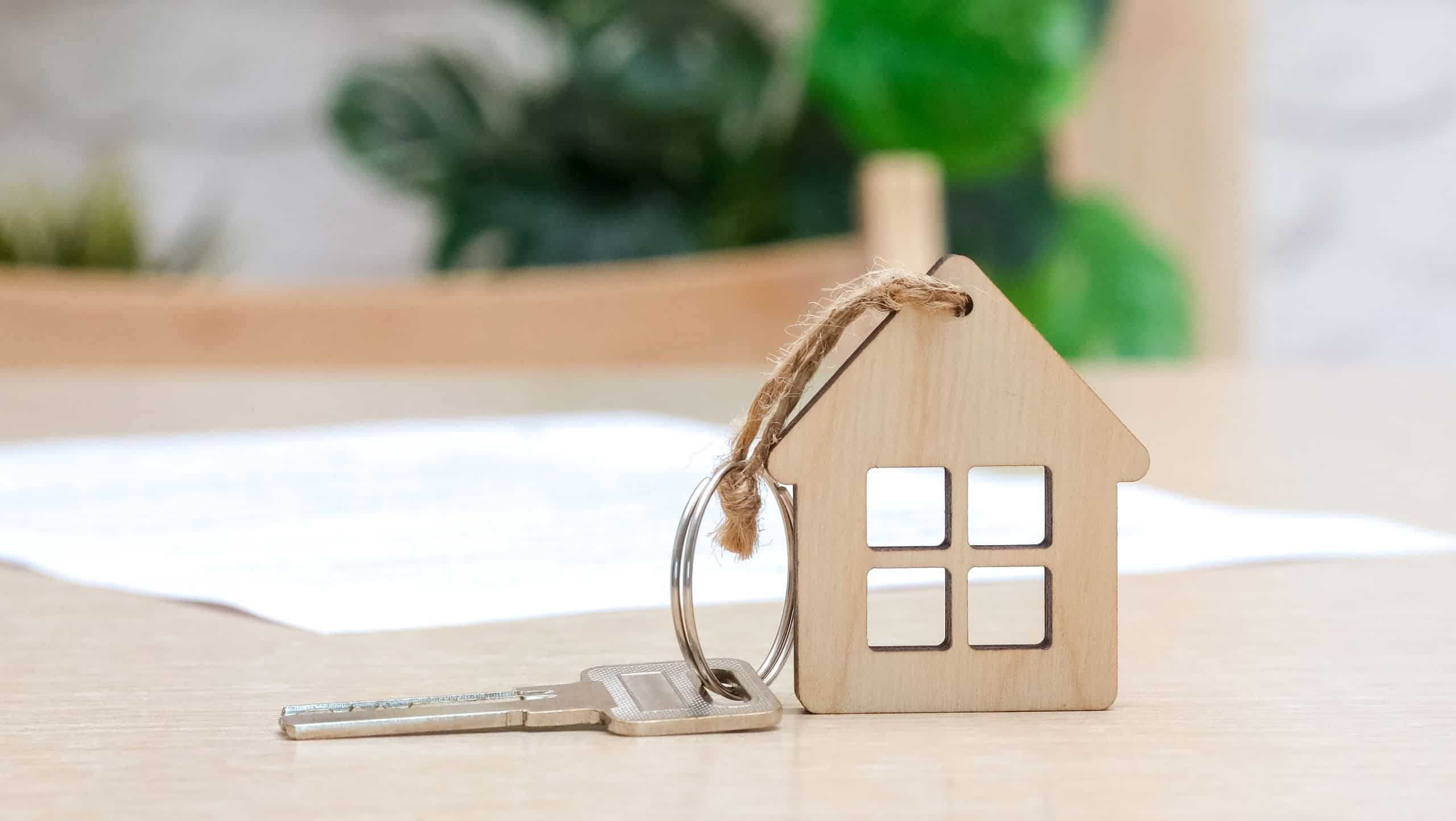
It can be incredibly hard to hear boomer parents telling you to buy a house one day as if it’s some sort of rite of passage. Property prices are high, mortgages are expensive, and stable employment can be hard to come by.
For boomers, buying a home was seen as part of growing up, having stability, and becoming financially independent. Also, house prices weren’t as high compared to local wages as they are today in some areas.
A more personal touch

Younger generations prefer texting each other because they can reply at their leisure. Boomers randomly calling them out of the blue can come off as intrusive or unnecessarily demanding.
Boomers grew up when phone calls were the quickest way to reach someone who wasn’t physically close to you. Hearing another person’s voice also gave them more context as to how that person was feeling. Rather than viewing phone calls as an interruption to their day, it’s their way of showing they care.
The paper trail
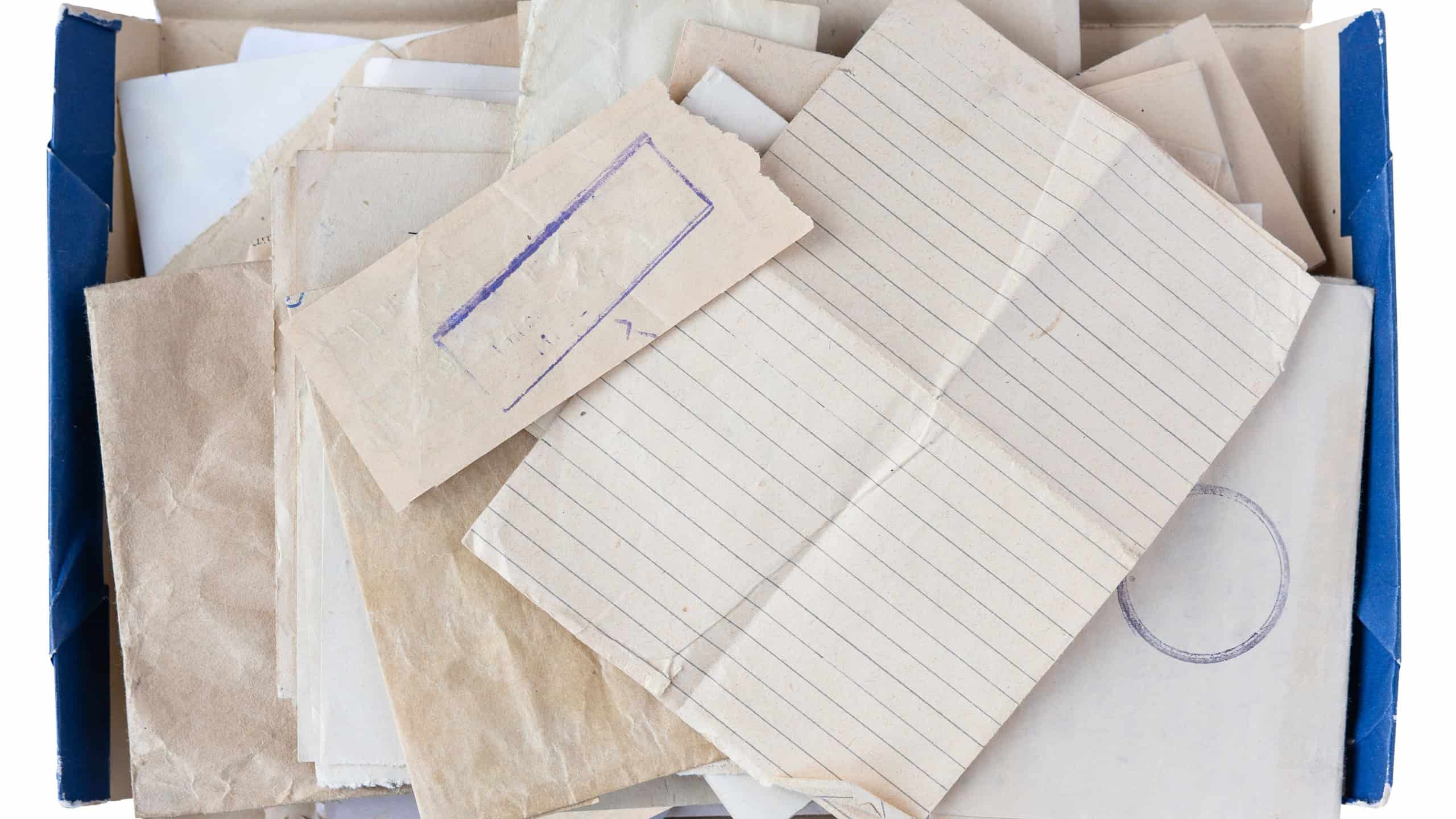
For anyone who uses their smartphone to manage bills, banking, and appointments, it seems bizarre that boomers keep printing emails, hang onto receipts, and fill file folders with paperwork. The thought of keeping documents on paper may even scare young generations.
Boomers, however, spent a major portion of their lives relying on paper bank statements, handwritten pay stubs, and signed documents they could file away. Sometimes seeing that paper trail offers comfort when it comes to financial deals and agreements.
Dressing for the occasion

Boomers grew up where your clothing was a sign of respect for others. Wearing your best clothes meant you cared about where you were going and the people you were with. But comfort is key for younger generations, even for the office, and they don’t understand why their elders dress well for some occasions.
Living within means

Younger generations may wonder why debt scares their boomer parent(s) so much. Many young adults use forms of credit every day when buying household goods. Boomers grew up learning that you should save up before making a large purchase and stay away from debt. Experiencing shockingly high interest rates in the late 70s and early 80s only reinforced these lessons.
Repair before replacing
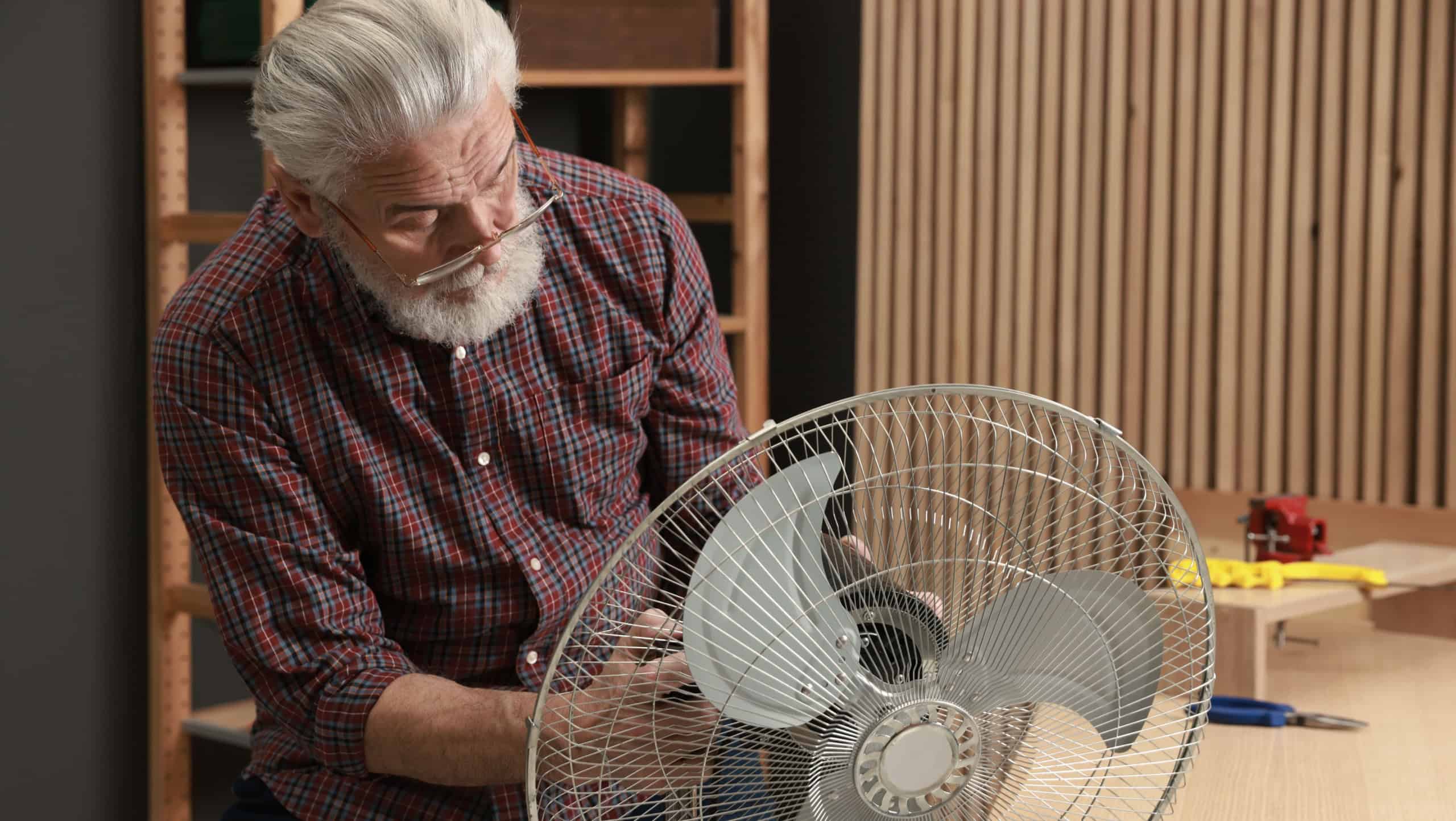
Some boomers will try to fix a broken appliance instead of buying new, which baffles younger people who can get next-day delivery on modern replacements. Many boomers are used to repairing rather than replacing because that’s how they lived when they were younger.
Household appliances used to be expensive and built to last. There were also more repair shops around to help you fix them
Treasures from the past
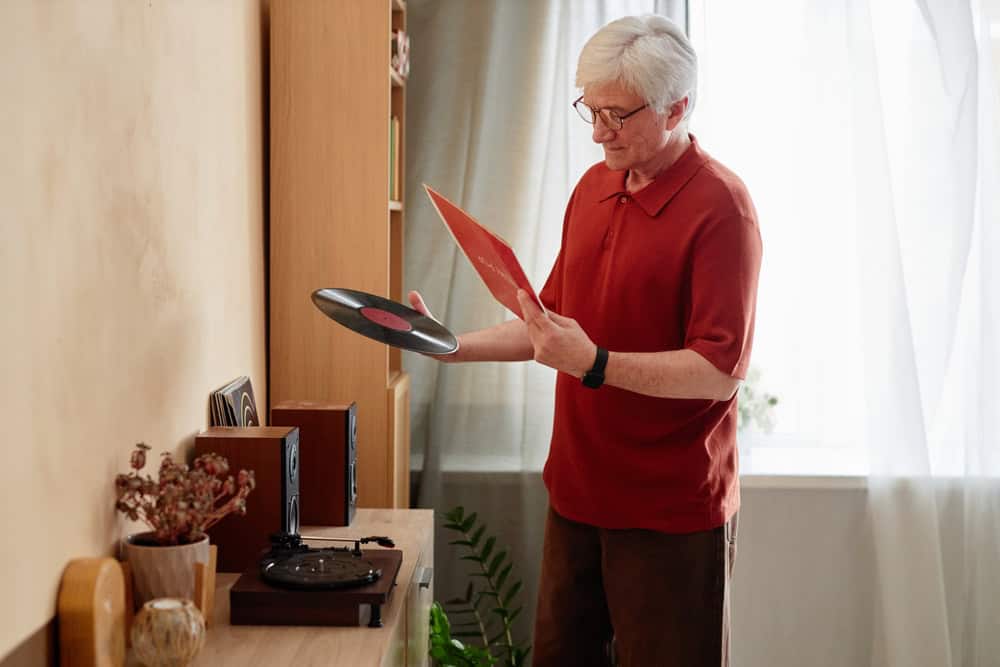
Streaming music, reading ebooks, and saving photos to the cloud is normal for younger generations. They may struggle to understand why boomers hang onto old records, magazines, decorative plates, or other collections. Most of these items are only used for decoration and take up space that could be used for something else.
Behind closed doors

Young generations talk about their problems, relationships, and mental health issues far more freely and openly, even on social media. They find it baffling why boomers don’t want to talk about family issues.
Boomers, on the other hand, grew up learning that family troubles were meant to be kept within the family circle. Sharing personal problems with others outside the family could cause shame. Privacy was equated with being respectable and having dignity.
Respect comes first

It seems odd to many younger people that someone would automatically be respected because they are older or earn a high salary. Respect is something that many people believe should be earned through good behavior, not automatically given based on a person’s age or job title.
Boomers, on the other hand, were raised to be respectful to their parents, teachers, and anyone else who was in a position of authority.
The art of planning

With GPS and smartphones readily available, younger generations can effortlessly adjust their plans as they go. From their point of view, boomers who triple-check they are meeting at the right place and time or show up an hour early are just complicating things.
Before smartphones, it was necessary to plan complicated details in advance. Once you left your house, there was no guarantee you could successfully contact someone if you got lost or needed to cancel. Nobody wants to waste a day by missing a bus or showing up in the wrong city.
Familiar names, familiar choices

Younger people will browse Amazon for the best prices, read reviews, and buy from a different brand every time they find a better product. They don’t understand why some boomers will buy the same brand of coffee, soap, or even a refrigerator for 40 years.
There were fewer places to shop when boomers were young, so it was more important to find a product you could trust. Brand loyalty became a big deal because companies that provided steady quality built positive reputations over time.
More than a paycheck

Most Millennials and Gen Zs look forward to the day that they can retire. Finally, they’ll be able to travel, sleep in, and spend their days doing what they want. They don’t understand why some boomers work past their retirement age.
For many boomers, work is about more than just the paycheck. They spent their adult lives building careers they love. Going to work provides friendships they’d miss without everyday social interaction and a sense of purpose.
The good old days

Younger people can get really annoyed when boomers say how great everything used to be. They will respond that times weren’t better; there was more discrimination against certain groups, less opportunity for some people, and they didn’t have technology like we do today. Nostalgia isn’t necessarily an analytical assessment of society.
Boomers are reminiscing about their youth and spending time with friends, family barbecues, knowing your neighbors, and not having as many responsibilities as adults do today.
Like our content? Be sure to follow us.
15 outdated phrases boomers use that instantly make younger people cringe

There are some expressions that have been so overused or just old-fashioned that youngsters these days can’t help but cringe when they hear them.
15 outdated phrases boomers use that instantly make younger people cringe


