

A meal that’s pure comfort for Boomers might come across as rather unappetizing to a twenty-something.
Stewed prunes
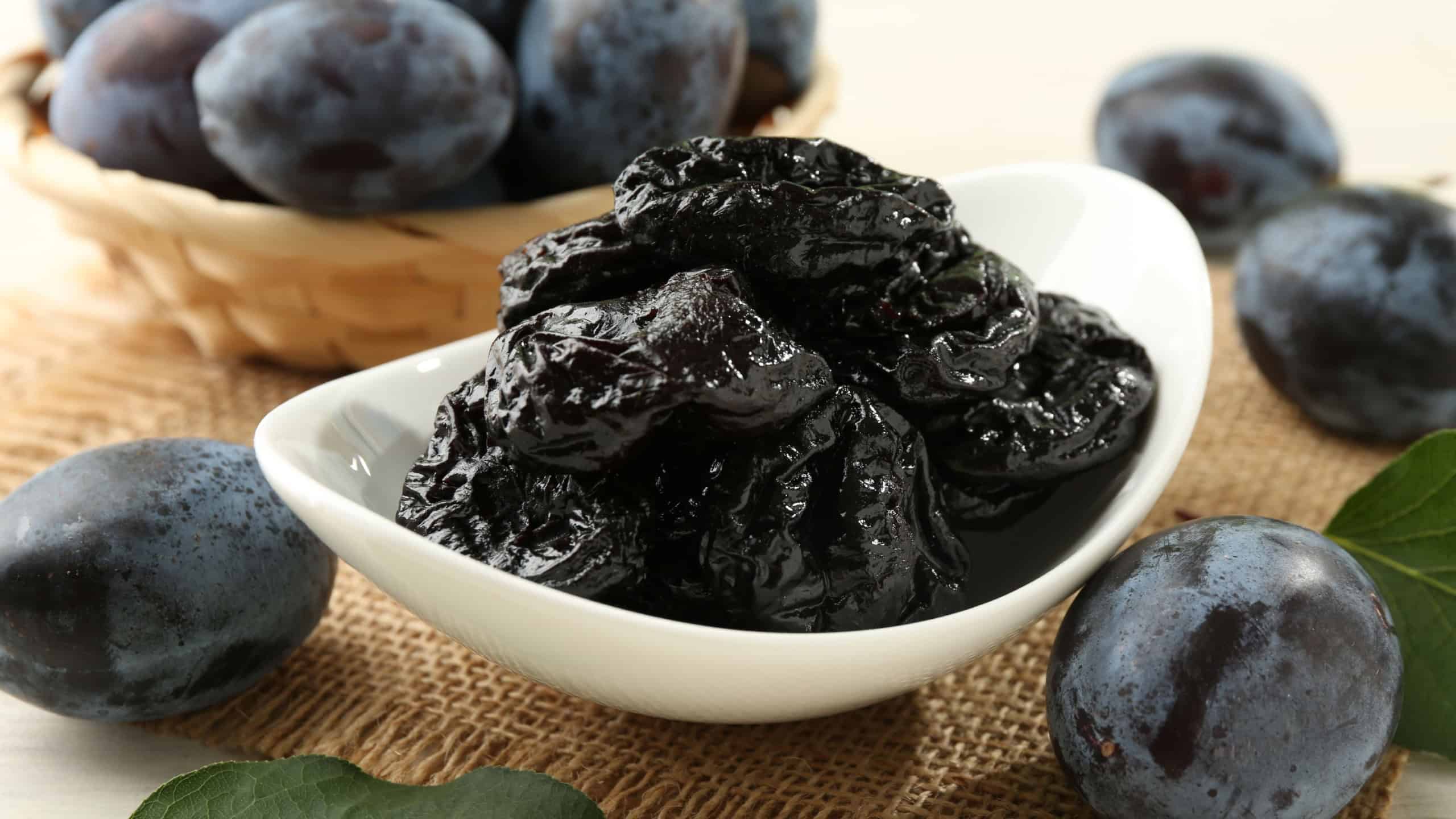
Slow-cooked in orange peel, cinnamon, or spiced syrup, warm stewed plums were once a common comfort-food breakfast option for previous generations. They had a rich natural sweetness and digestive benefits. Many Boomers still like them plain or atop oatmeal.
Prunes are completely off the table for millennials, mainly because their marketing has so heavily branded them as an exclusively elderly food. They’ll take their fiber, juicy fruit, and intestinal regulator from chia seed pudding, fermented soft drinks, açai bowls, or fresh raspberries.
Liver and onions
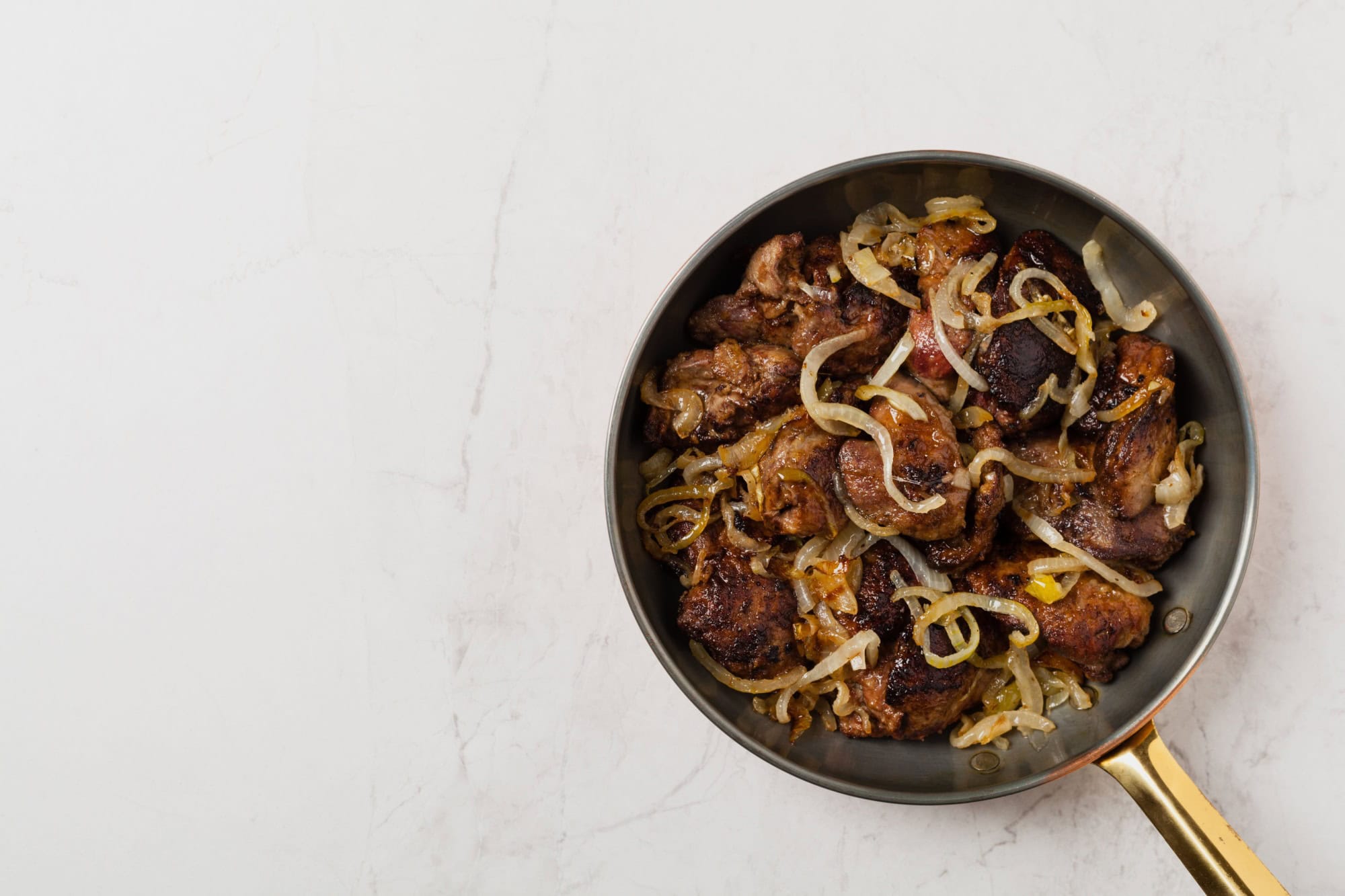
Liver and onions used to be common menu items at diners and a staple at many family dinner tables. Pan-fried liver topped with heaps of caramelized onions was often accompanied by mashed potatoes and gravy.
Offal was cheap and relatively popular to eat. Many parents also believed liver to be extremely healthy. However, its powerful taste and texture have proven unpopular with younger eaters.
Dewberry or boysenberry pie

Apple, pumpkin and blueberry pie are crowd-pleasers for every generation. Tart nostalgic berries like boysenberry and dewberry resonate with Boomers who may have helped handpick them from the garden or bush or ordered a slice at the soda fountain.
Older folks really appreciate the bold tang and sweetness of these vintage berries. Most Millennials and members of Generation Z have never tasted them, as most are no longer commercially farmed and are not available at grocery chains.
Tapioca pudding
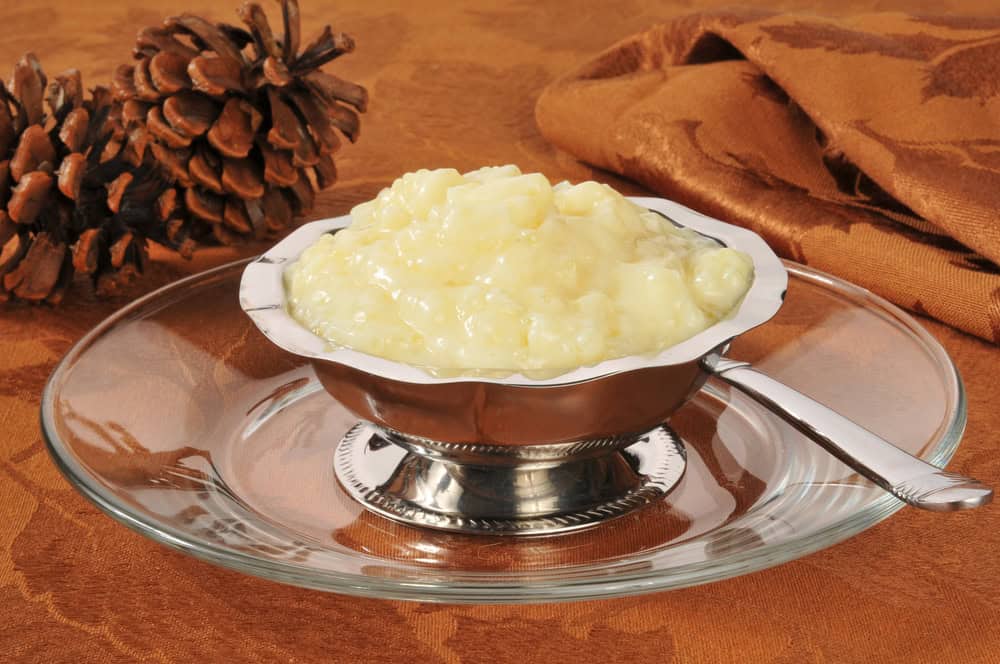
Tapioca pudding is created by cooking tapioca starch pearls slowly in sweet milk custard that usually has vanilla flavoring added. Back in the 60s and 70s, families often whipped it up at home, and hospitals served it as a comforting treat.
Many seniors love tapioca pudding for its mild sweetness and cozy, homemade texture. But for Gen Z and Millennials, texture is the main reason they usually find tapioca pudding pretty unappealing.
Salisbury steak
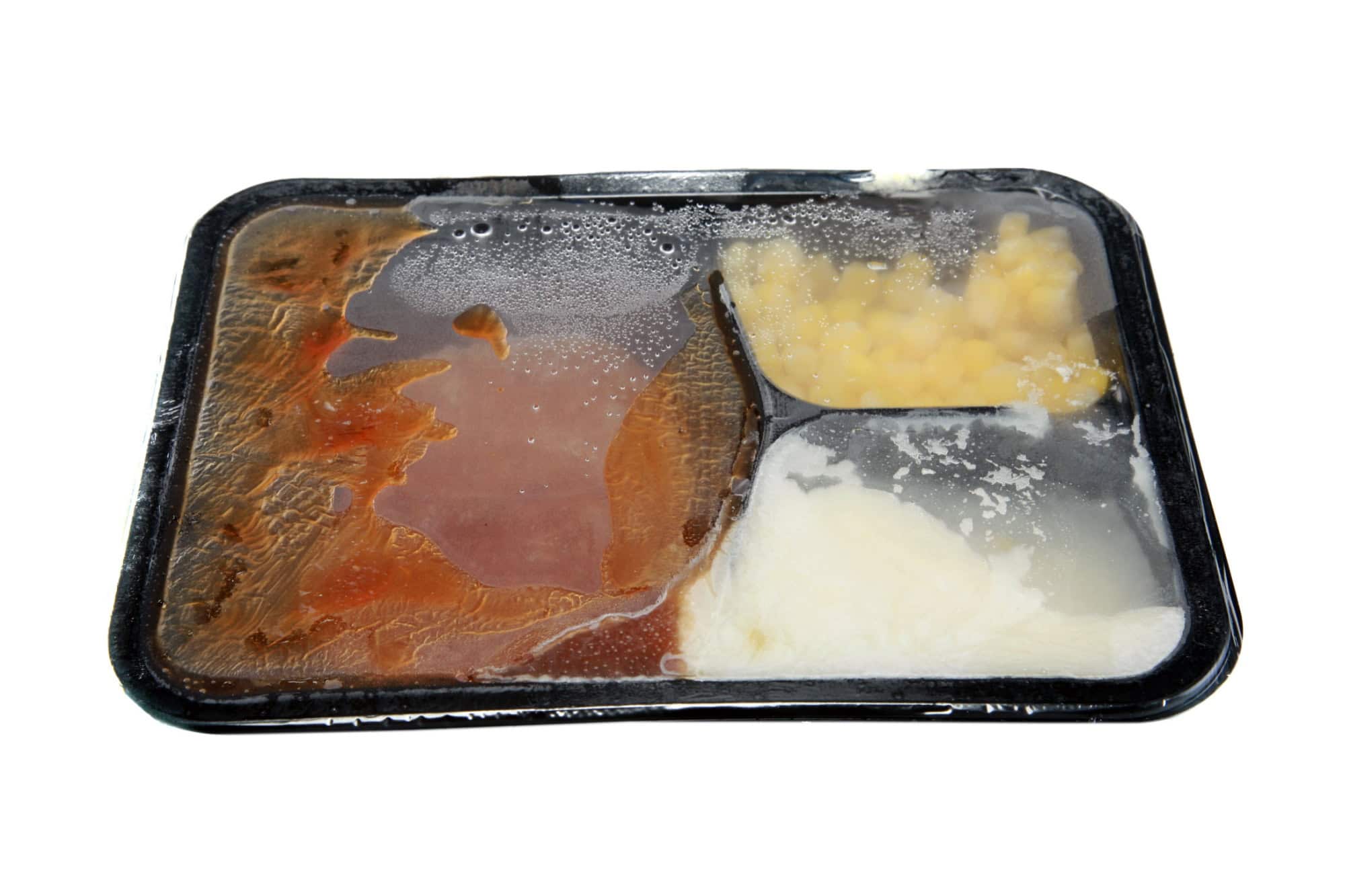
Even before Salisbury steak became iconic, it was a mainstay of diners and home-cooked meals. Ground beef patties were covered in brown gravy and served alongside mashed potatoes, peas or green beans.
Salisbury steak was made a household name by frozen TV dinners for kids of the 1950s, 60s and 70s. Of course, hamburger steaks still remain, but Salisbury steak is not seen on tables of the younger generations as frequently.
Ambrosia salad
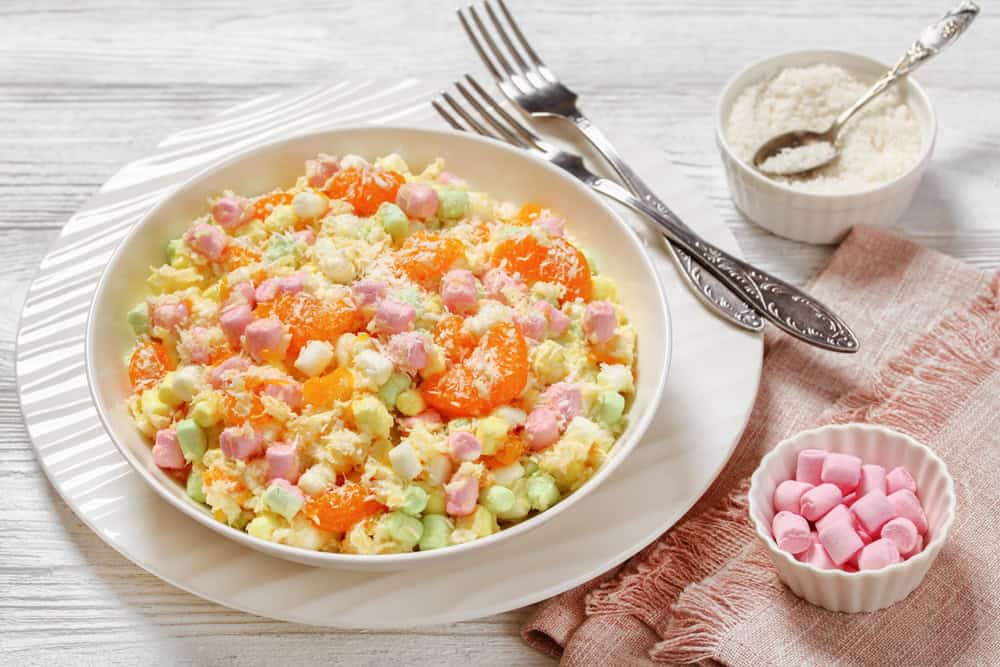
It was generous to call it a salad. Usually, it was a mix of canned or fresh fruit, coconut, and other sweet components, and there were variations featuring marshmallows, whipped topping, sour cream or nuts. It showed up often at holiday meals, potlucks and family gatherings, particularly in the US.
For one who grew up eating it, the fluffy sweetness brings instant nostalgia. To a younger guest observing marshmallows next to the main course, it might need some explanation.
Chicken à la king
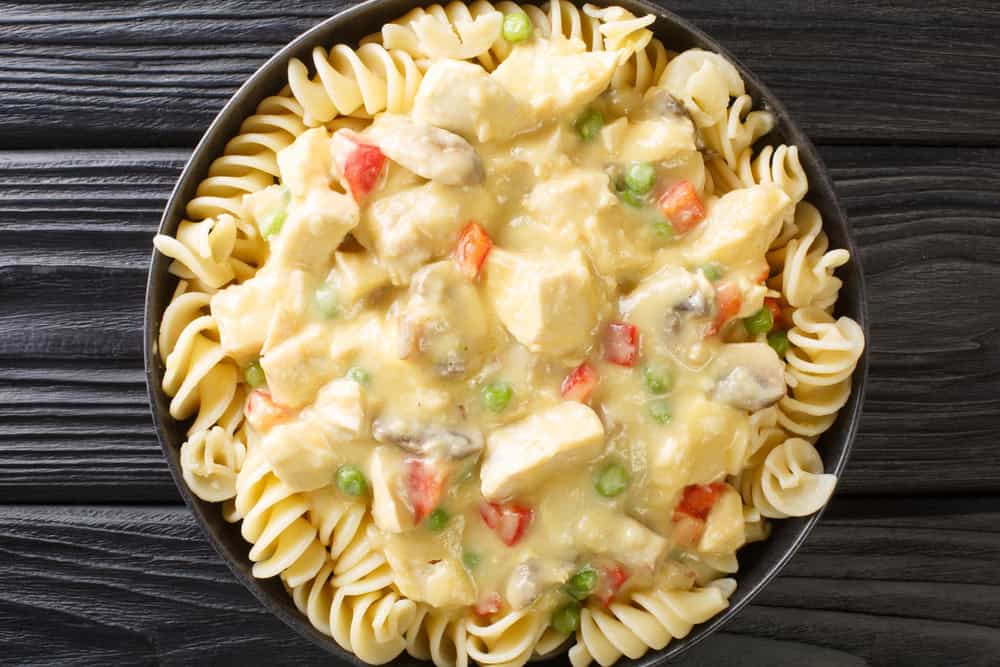
Chicken à la King seemed to strike a balance between fancy enough for guests but easy enough for a family meal. Bite-size pieces of chicken in a creamy sauce with vegetables like mushrooms and peppers were spooned over toast, rice, biscuits, or pastry shells.
You could find it in restaurants and cookbooks, and as frozen or canned convenience-food dinners well into the mid-1900s. While there are still many variations of the dish, it is less likely that today’s youth will know what it is upon hearing the name.
Ham salad sandwiches
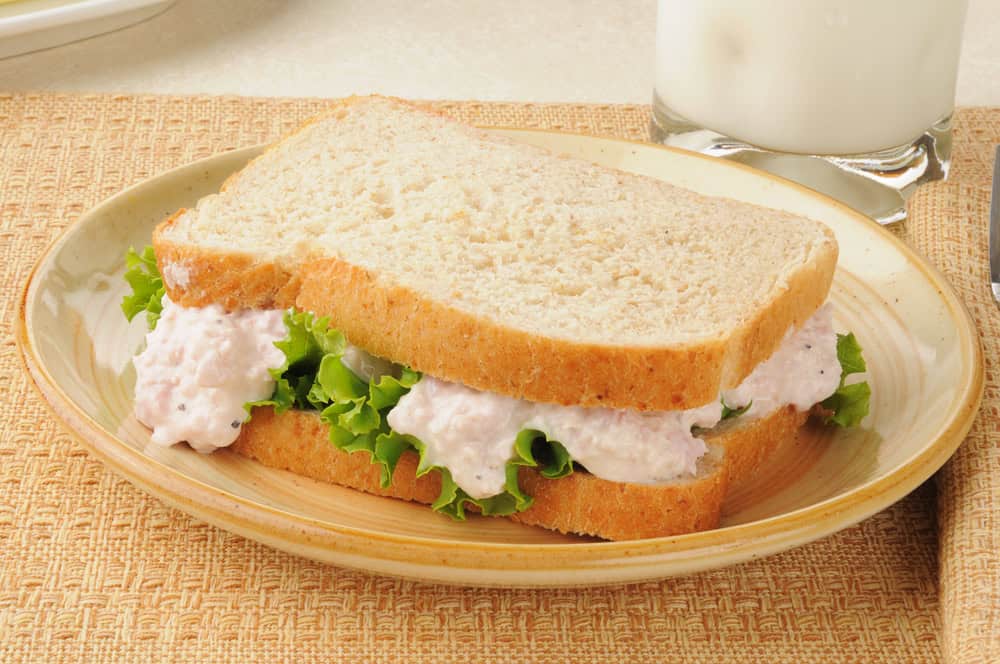
Leftover ham need not be leftover long. Diced ham mixed with mayonnaise, relish, mustard, celery or other additions became sandwich filling for the next day’s lunch.
Ham salad stretched easily because a small amount of meat could be doled out over multiple sandwiches. While there are now endless choices at deli counters today, home made ham salad has fallen far behind chicken or tuna salad.
Cottage cheese and fruit
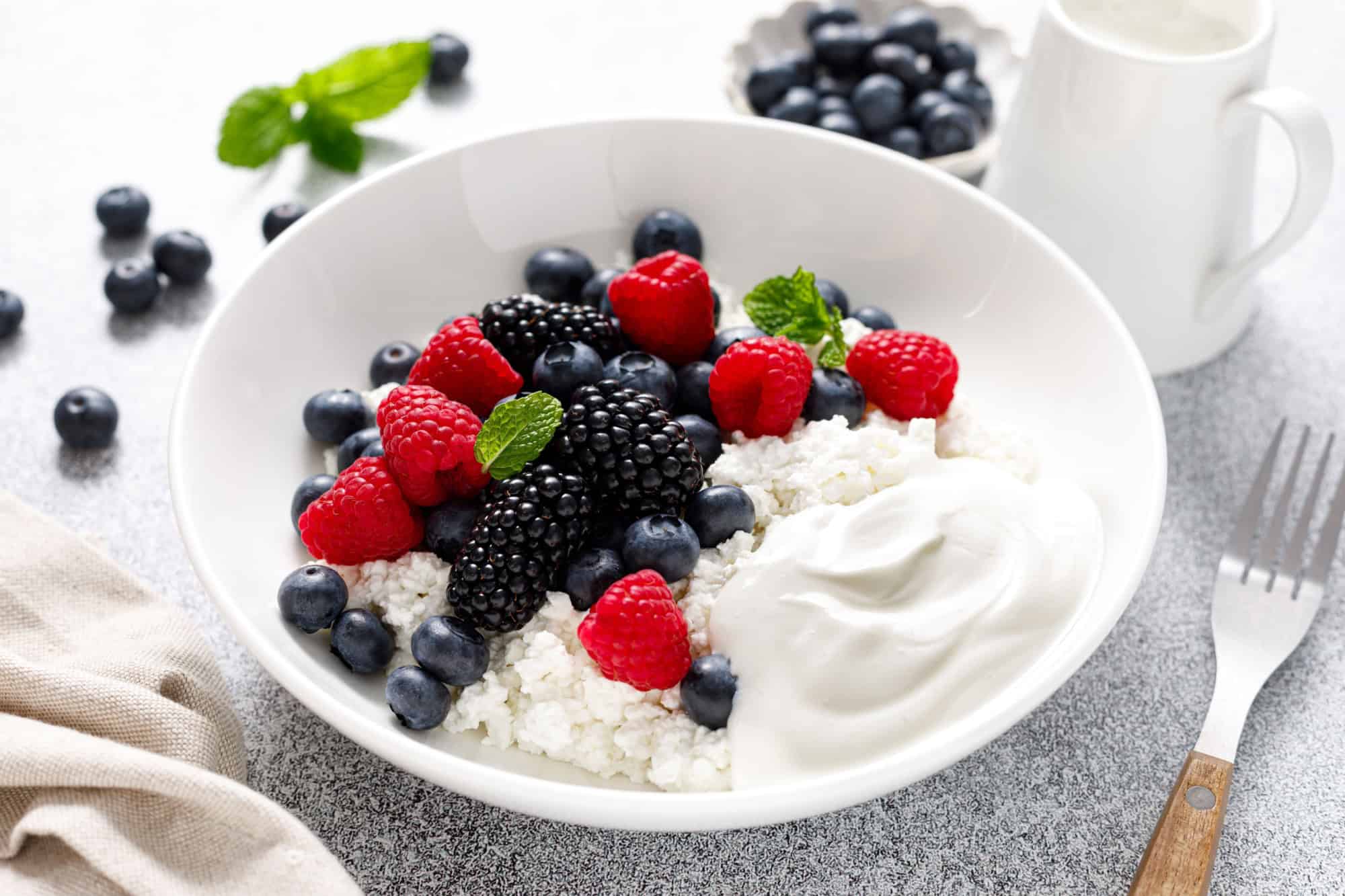
A scoop of cottage cheese next to canned peaches, pineapple, or some other fruit was one of the most recognizable light lunches of its time. Restaurants served it, diets prescribed it and both ingredients were always stocked in pantries. Sweet fruit mixed with salty cottage cheese was a match made in heaven that many from older generations still crave.
Stuffed bell peppers
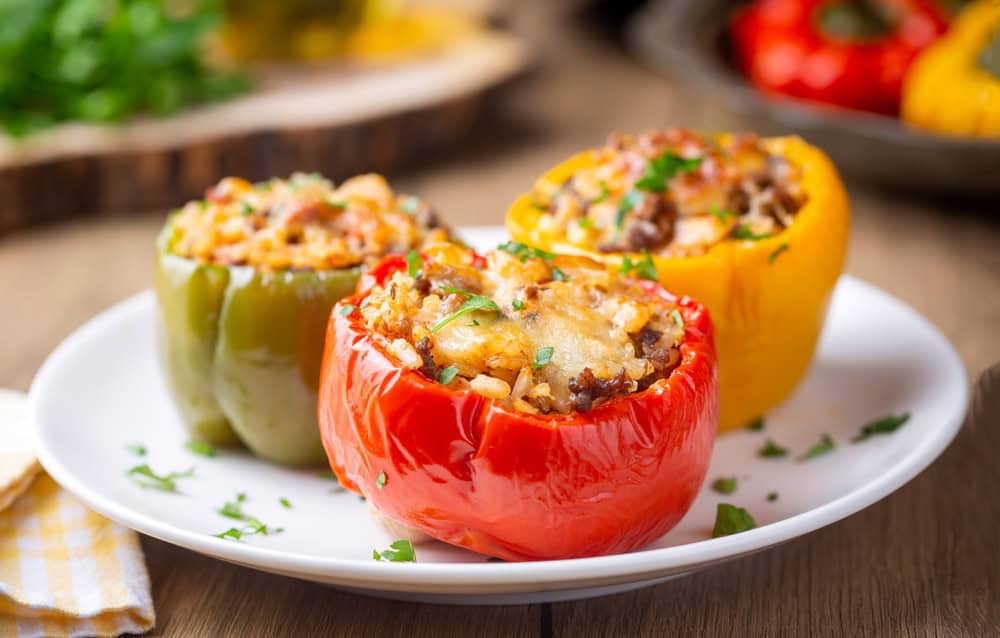
Ground meat, rice, tomato sauce and spices stuffed into bell peppers provided a thrifty way to transform humble ingredients into a one-dish meal. Everyone’s version was a little different and home cooks frequently added cheese or breadcrumbs, or whatever vegetables they needed to use up.
The peppers could also be prepped ahead and popped in the oven together, saving busy families time and effort. Stuffed peppers have not gone away, but they don’t appear to be as common in the weekly dinner lineup for a lot of younger families.
Deviled ham
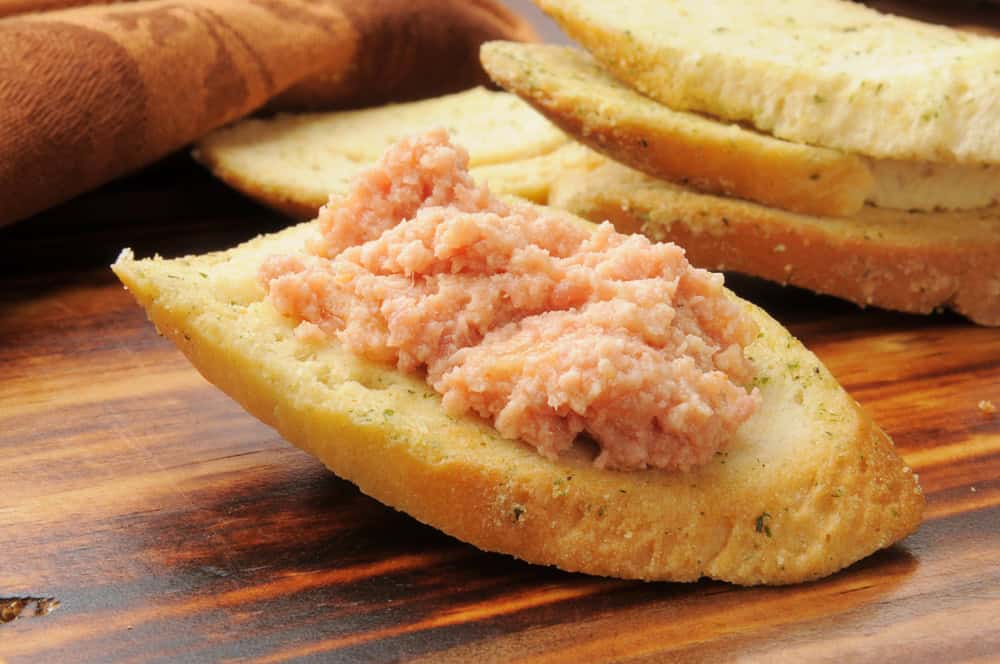
Before fancy charcuterie boards were trendy, a can or jar of deviled ham offered a nearly no-prep way to have something tasty for a sandwich.
Spreadable, finely ground seasoned meat went on bread or crackers and was easy to slip into lunches or enjoy as an afternoon snack. Generations of North American cooks grew up with brands like Underwood Deviled Ham on their pantry shelves. Younger shoppers might just walk right past the little cans today without knowing what previous generations did with them.
Bread pudding with warm rum sauce
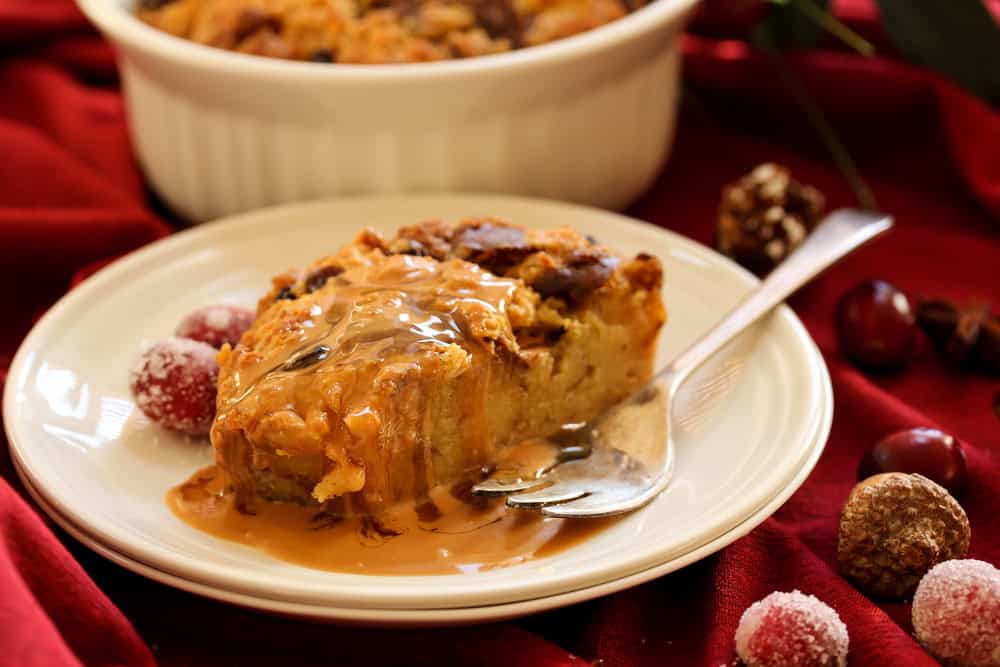
Built from the penny-pinching homemaker tradition of soaking yesterday’s bread in sweet milk, sugar, and egg custard, then baking it to a rich hue of brown while dousing it in heated bourbon or rum sauce, this dessert is classic comfort food.
Boomers love its stodgy richness and boozy aroma. But younger dessert lovers often see bread-heavy desserts to be too filling and cloyingly sweet following a meal.
Rice pudding
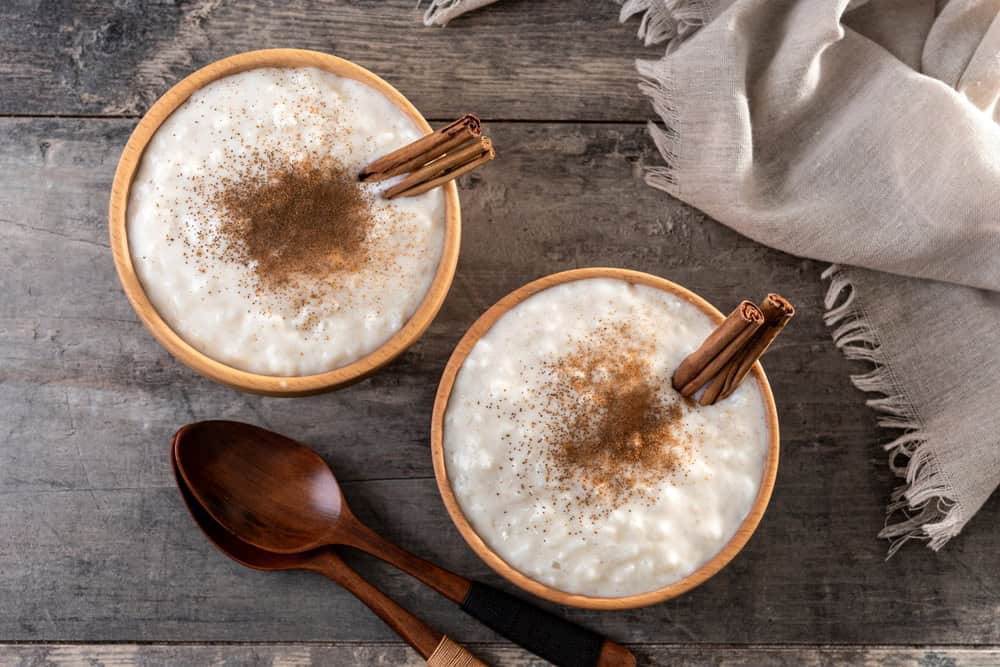
Creamy rice pudding began as a simple way to transform inexpensive pantry staples into dessert. Milk, sugar and rice were simmered together slowly, then flavored with cinnamon, vanilla, nutmeg or raisins.
It was served warm on a chilly night or kept in the fridge for later. With today’s dizzying array of dessert options at the grocery store, this humble pudding still delivers instant nostalgia for many boomers who remember what their moms served at home.
Succotash
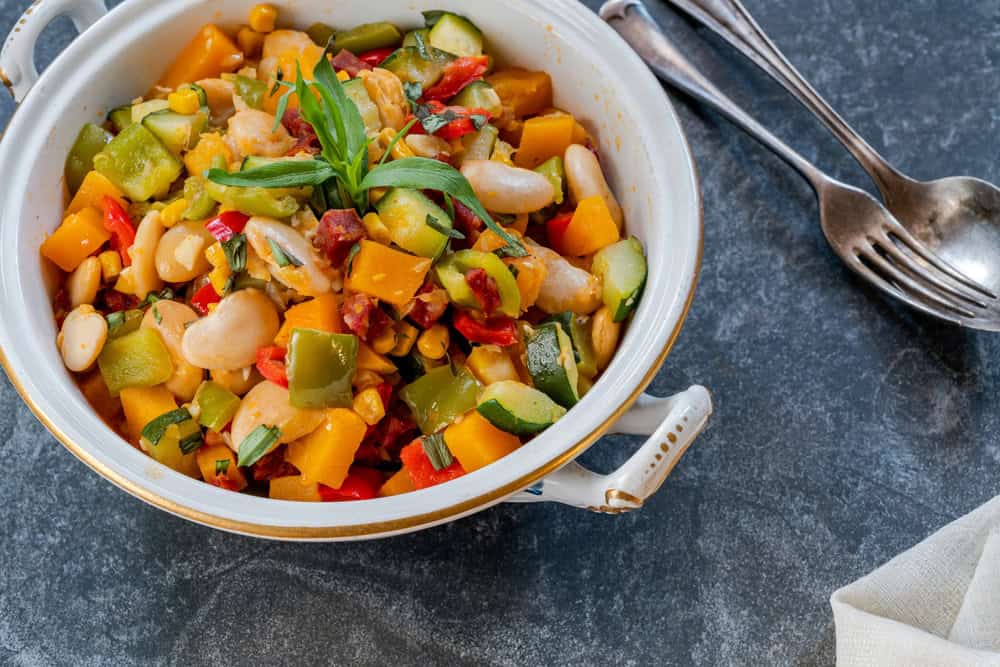
If you grew up eating succotash made with corn and lima beans, you were eating food your family could afford. Some recipes called for butter, onions, peppers or tomatoes, but basic succotash was filling food paired nicely with meat and potatoes.
While succotash has Native American roots and has been around for centuries, generations before boomers ate it routinely. It’s a rarity on today’s plates, likely due to evolving palates and the younger generation’s aversion to lima beans.
Beef Stroganoff
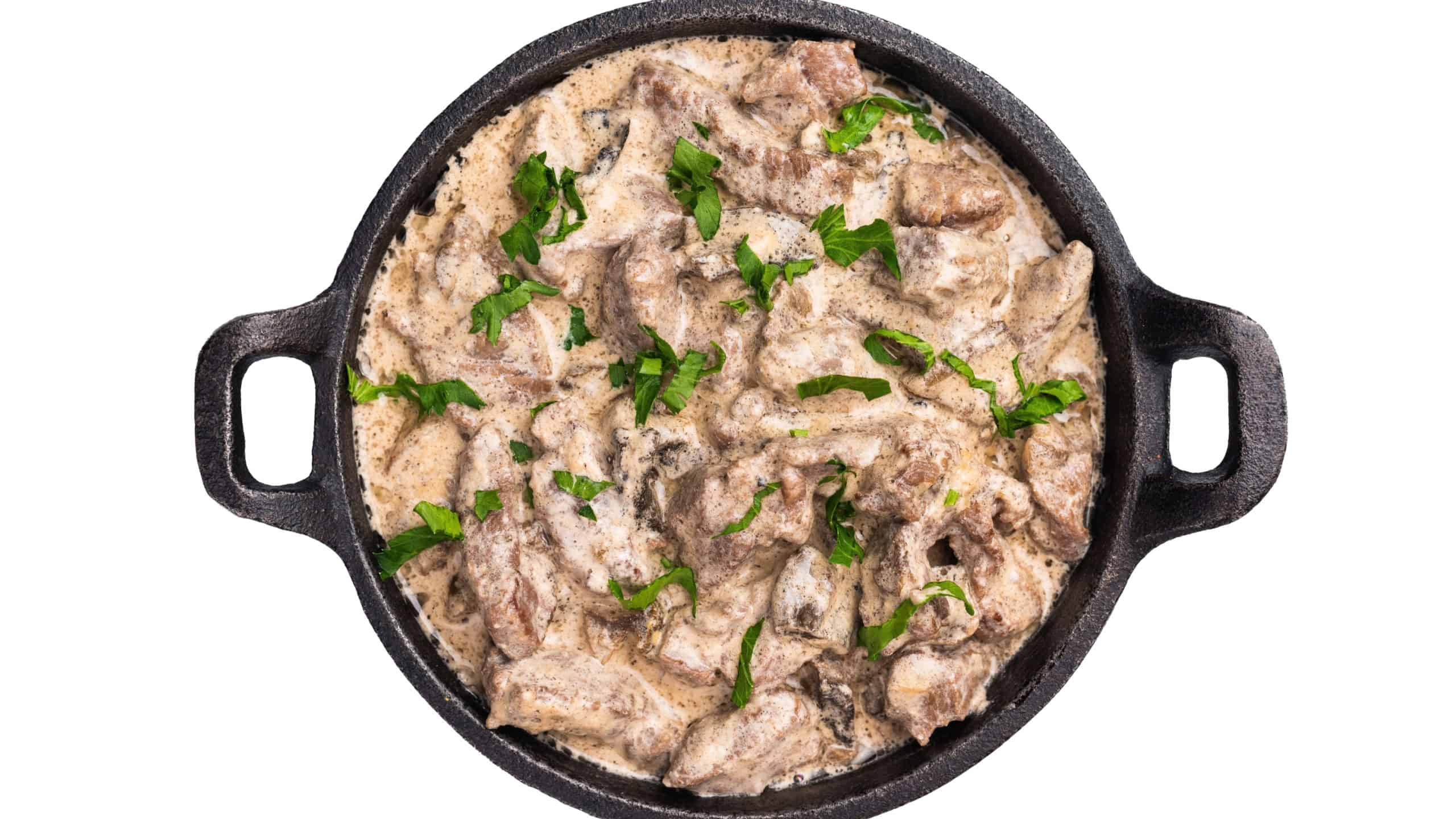
Mid-century comfort food, Beef Stroganoff, is a saucy dish made with tender beef, mushrooms and onions. Most commonly served over egg noodles, versions made with ground beef or canned soup found their way into many American home cooks’ arsenal of easy weeknight meals.
Beef Stroganoff is still around, of course, but today’s younger generation doesn’t typically picture it as the go-to family meal many Boomers grew up with.
Like our content? Be sure to follow us.
15 outdated phrases boomers use that instantly make younger people cringe

There are some expressions that have been so overused or just old-fashioned that youngsters these days can’t help but cringe when they hear them.
15 outdated phrases boomers use that instantly make younger people cringe

