

Some everyday freedoms we barely notice today were once restricted by laws that could get people fined, arrested or worse.
Weekends were different
Blue laws prevented certain commerce on Sundays for centuries in the United States. Depending on the state or locality, stores were prohibited from opening or selling certain merchandise on the Christian day of rest. While many were repealed or loosened as years went by, some persisted rather late into history. Now that Sunday shopping is common throughout the U.S., the idea of being prohibited by law from purchasing common products because of the day of the week sounds pretty absurd.
Love’s legal boundaries

Anti-miscegenation laws went beyond social discouragement of interracial couples in parts of the United States. Interracial marriage was illegal, and couples could be criminally prosecuted if they violated the law. National resolution came in 1967 with Loving v. Virginia, when the Supreme Court ruled the laws unconstitutional. Millions of Americans now are in interracial marriages and families.
Her money wasn’t really hers

Historically, marriage could severely reduce a woman’s legal autonomy. A married woman’s separate legal existence was mostly merged with that of her husband. She might own property or earn wages but typically did not have the legal right to control them.
Married Women’s Property Acts enacted during the 19th century began to give women more economic independence. Today it is so commonplace for a married woman to independently own a home, earn a salary, or manage her own bank account that the former system can seem unthinkable.
Love wasn’t always equal

Engaging in consensual same-sex sexual activity was illegal in much of the United States, even if committed in private between adults. Anti-gay laws were challenged more frequently in courts in the 20th century.
In 2003, in Lawrence v. Texas, the Supreme Court struck down the last state laws that banned private consensual same-sex sexual activity. However, same-sex sexual activity continues to be illegal in many countries around the world.
Restricted information

Under the federal Comstock Act of 18 73, and a patchwork of state laws, contraception- and abortion-related information was considered obscene and blocked from mailing. Subsequent rulings and legislation modified these restrictions greatly when it came to contraception. Reproductive-health information once hard for past generations to access can be retrieved in seconds on a typical smartphone.
America went dry
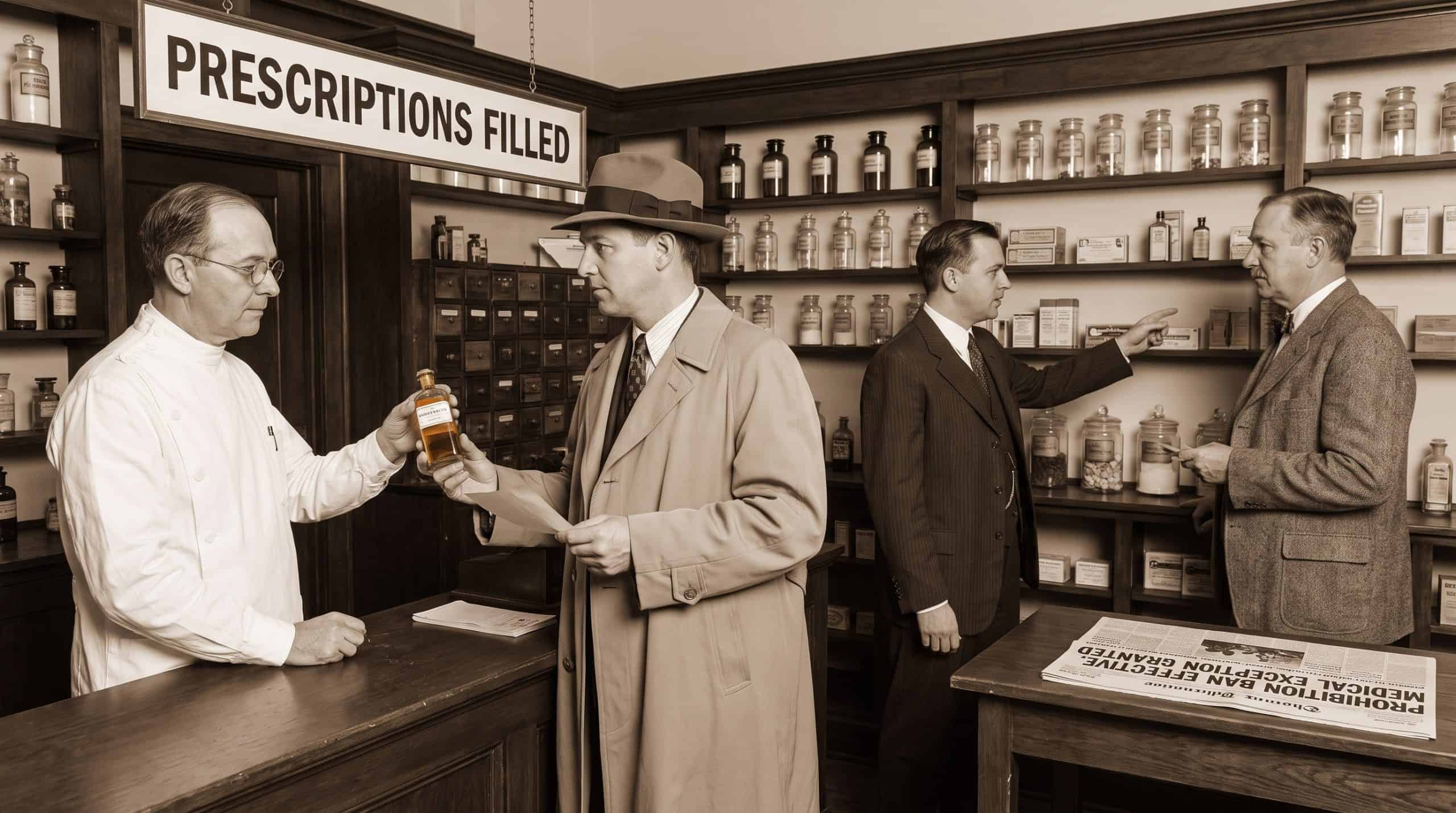
Ordering a beer with dinner doesn’t seem very rebellious today. But national Prohibition from 1920 to 1933 severely curtailed the alcohol industry in America. Producing, selling, and transporting intoxicating liquor became illegal. Drinking alcohol itself wasn’t illegal nationwide in the way many people think.
People still wanted alcohol, so speakeasies, bootlegging, and black market booze thrived. National Prohibition was repealed with the passage of the 21st Amendment in 1933, and regulated alcohol sales resumed.
The dance floor needed permission

Dancing in New York City hasn’t always been as simple as grabbing some friends and heading to a bar to move to the music. Starting in 1926, New York City imposed a Cabaret Law which forced businesses providing dancing to acquire a license. Establishments that didn’t obtain a license could be punished for allowing patrons to dance. After existing for over nine decades, the problematic law was repealed in 2017.
Some books crossed the line
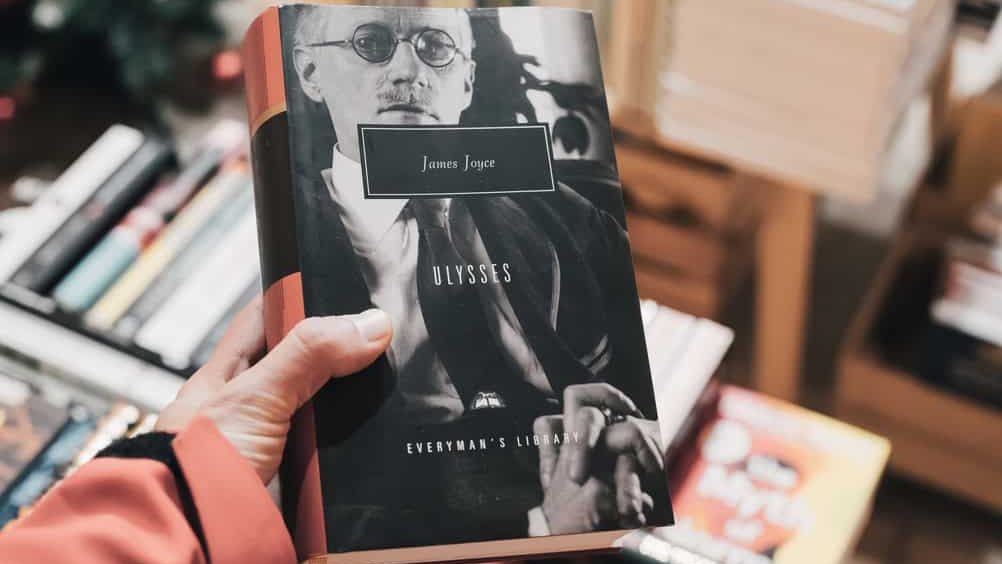
Books now considered classics were once prevented by courts from even being sold to people. For example, Ulysses by James Joyce was essentially banned from being imported into the United States because it was ruled obscene. This ban was overturned when a federal court ruled in 1933 that the book was not obscene under the law.
Other authors have faced similar challenges. Now books that were once banned or confiscated can be easily purchased online, checked out of libraries, or assigned for class reading.
Trouble with trousers

Women in trousers seem entirely normal these days. But wearing clothes that violated gender norms was something that could get you stopped by the police. Many cities in America during the 19th and 20th centuries had ordinances around wearing a disguise or clothing of the other sex.
These ordinances became infamously used to target transgender and gender nonconforming people, but could also affect women who stepped outside gender norms with their dressing.
Sharing an address

Living together before marriage has become an expected step in many couples’ relationships. But cohabitation outside of marriage was illegal in many states under morality statutes. Enforcement of these laws waned, but some remained on the books until relatively recently. Florida didn’t repeal its ban on unmarried couples “lewdly and lasciviously” living together until 2016. By that point, the law hardly reflected the lives of millions of Americans.
Bad marriage wasn’t enough
Until fairly recently in America, just wanting to exit an unhappy marriage was not grounds for divorce. Historically, one party typically had to prove legal fault like adultery, abuse, or desertion. Couples would often contrive misconduct or play legal games just to split up. No-fault divorce, first starting with California in 1969, changed all that. Nowadays spouses often do not have to publicly air misconduct just to show their marriage is over.
Law against lady luck
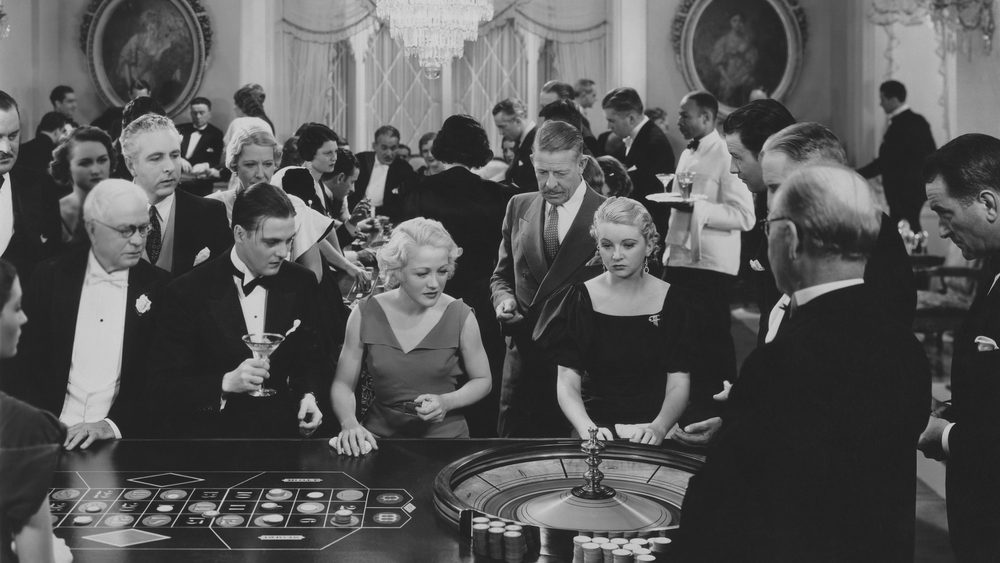
Casinos have not always been massive corporations in the legal entertainment industry. At various times throughout America’s history, gambling has been banned or strictly limited in much of the United States. Reform movements deemed gambling a symptom of societal vice and corruption. Nevada began allowing most forms of gambling in 1931, which led to Las Vegas becoming a worldwide destination for casinos.
Laws of the beach

In the United States and other countries, there were laws dictating when and where citizens could swim and what appropriate bathing attire looked like. In the late 1800s and early 1900s, exposing too much skin could get you escorted off a beach or arrested for violating local decency ordinances. The regulations relaxed as mixed swimming and skimpy bathing suits gained wider acceptance.
Birth control was controversial

It used to be illegal in parts of the United States to acquire contraception. Connecticut had a statute limiting access to contraceptives, which led to Griswold v. Connecticut. The Supreme Court invalidated the law for married couples in 1965, finding a constitutional right to marital privacy. The Court has since found that unmarried people have a right to contraceptives too.
What was once strictly prohibited

Possession and recreational use of cannabis was illegal and subject to criminal penalties throughout the United States for decades. Arrests were made, and punishments were issued, depending on the time period and state. Colorado and Washington became the first states to legalize recreational cannabis use in 2012, beginning the process of legalization across the country.
In many states across the U.S., adults can now buy and consume cannabis legally through regulated programs. Limits on age, possession quantities, and public consumption still apply.
Sources: Please see here for a complete listing of all sources that were consulted in the preparation of this article.
Like our content? Be sure to follow us.
12 advertising gimmicks from the past that would be illegal today
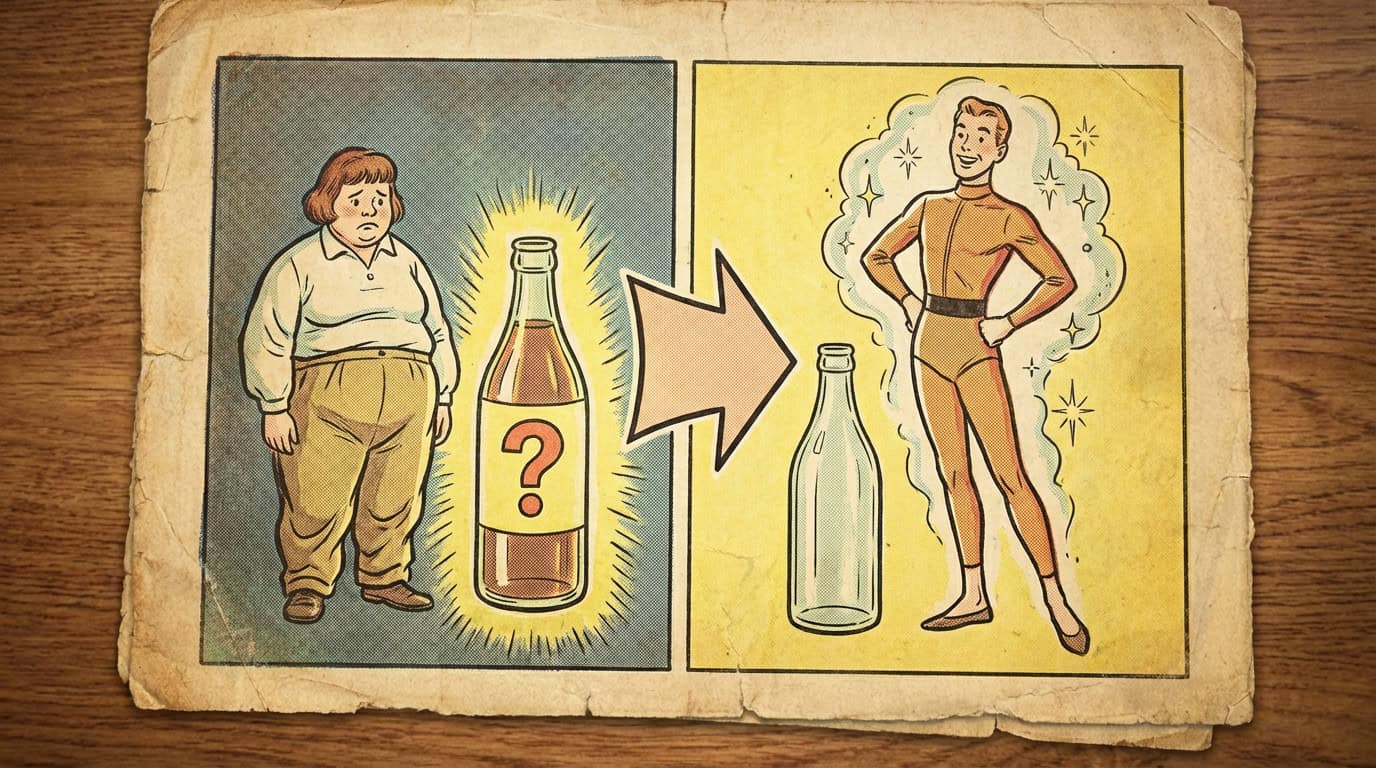
Advertising today might seem sneaky to you, but it’s squeaky clean compared to decades past. Prior to Federal Trade Commission regulations, companies faced no consequences when advertising to any audience they chose.
12 advertising gimmicks from the past that would be illegal today

