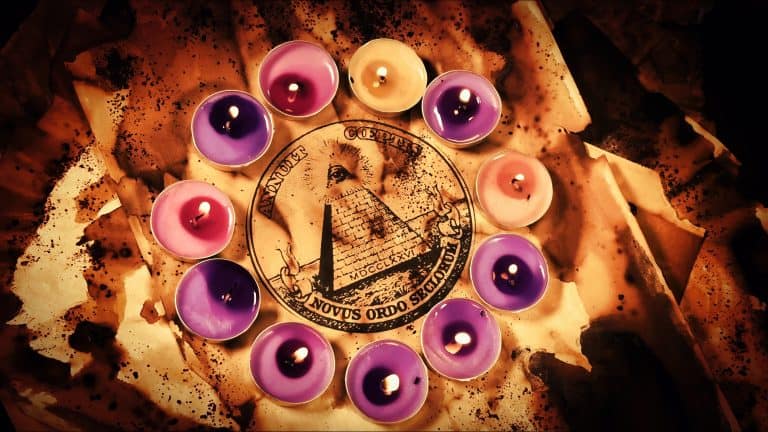

Some of history’s most mysterious organizations weren’t invented by storytellers; they were real groups with real members.
The Bavarian Illuminati
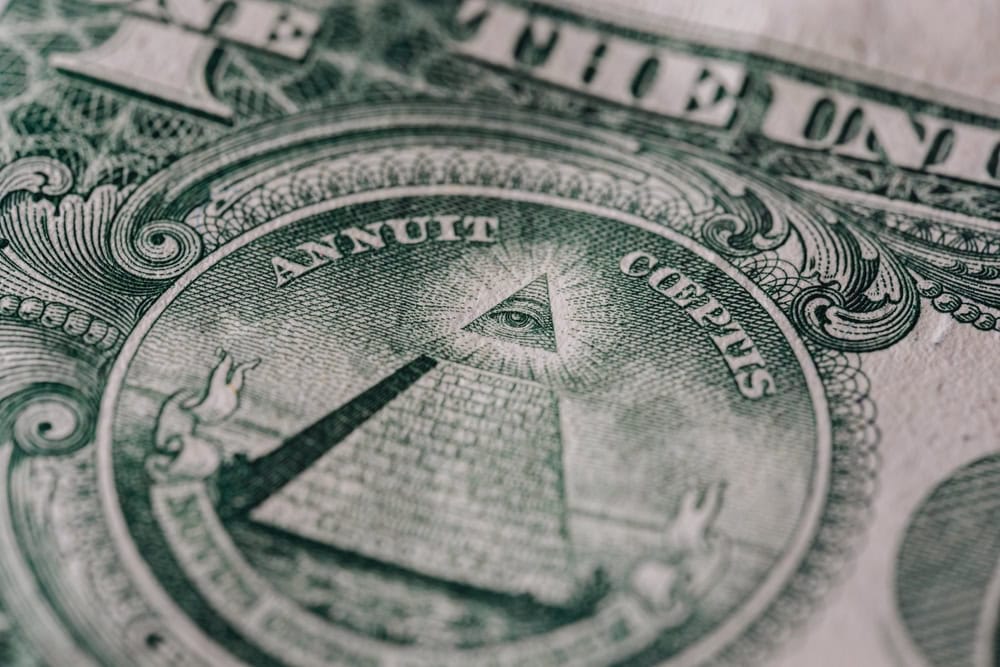
The Illuminati was a real organization founded in Bavaria in 1776 by Adam Weishaupt. It wasn’t until years later that the group became fodder for conspiracy theories.
The Illuminati promoted Enlightenment ideas and tried to fight religious and political authority. Members were recruited through secretive networks and used complicated ranks, as well as pseudonyms. The society was disbanded by the Bavarian government in the 1780s when they banned all secret societies.
The Carbonari
During the first half of the 1800s, the Carbonari were organized into secret cells spread across several Italian regions. As charcoal burners, they used terms and symbolism associated with this trade for their initiation rites.
They opposed tyrannical governments and took part in several revolutions, including revolutions in Naples and Piedmont in 1820–1821. Because their organization was secret, they were able to avoid some levels of political persecution. Despite their secrecy, the Carbonari were often compromised by undercover operatives.
Skull and Bones
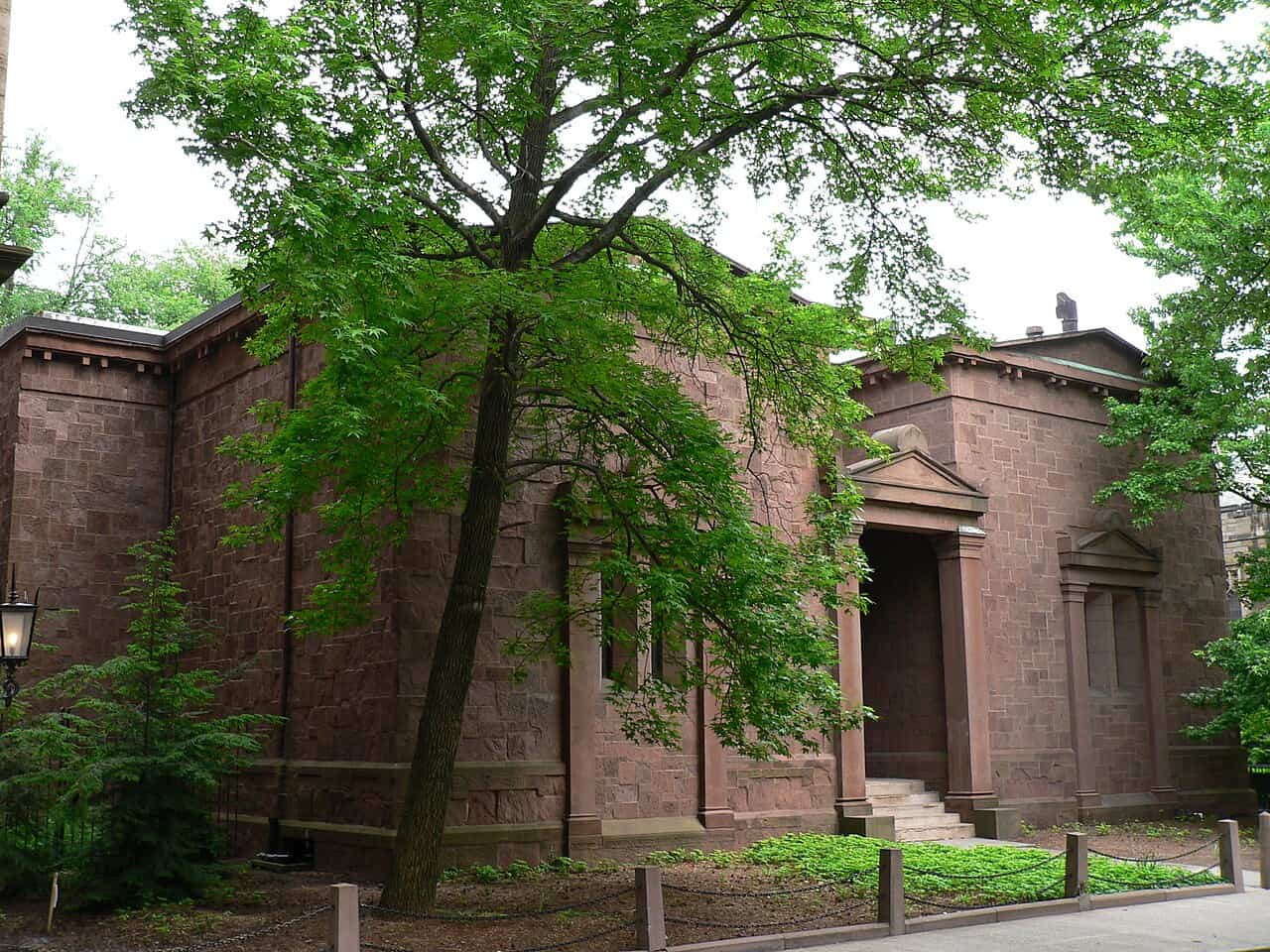
Founded in 1832 at Yale University, Skull and Bones is arguably the most well-known college secret society in the United States. Notable politicians and businessmen have been members, including, most famously, former presidents George H. W. Bush and George W. Bush. Each year, the society handpicks a select group from Yale’s freshmen and meets in a windowless structure called the Tomb.
Mystery surrounding its closed initiation rituals has fueled speculation for decades. While its presence at Yale and long list of powerful graduates are well known, allegations that the society controls American politics have never been proven.
The Knights of the Golden Circle

The Knights of the Golden Circle was established in 1854 in the United States by George W. L. Bickley. Its goal was to expand slavery into areas surrounding the Gulf of Mexico and into the Caribbean.
The Knights dreamed of creating an enormous slaveholding empire based in the American South. The group recruited members through secretive tactics and military style agreements. During the Civil War, their name became synonymous with Confederate sympathizing and treason in the North.
The Black Hand
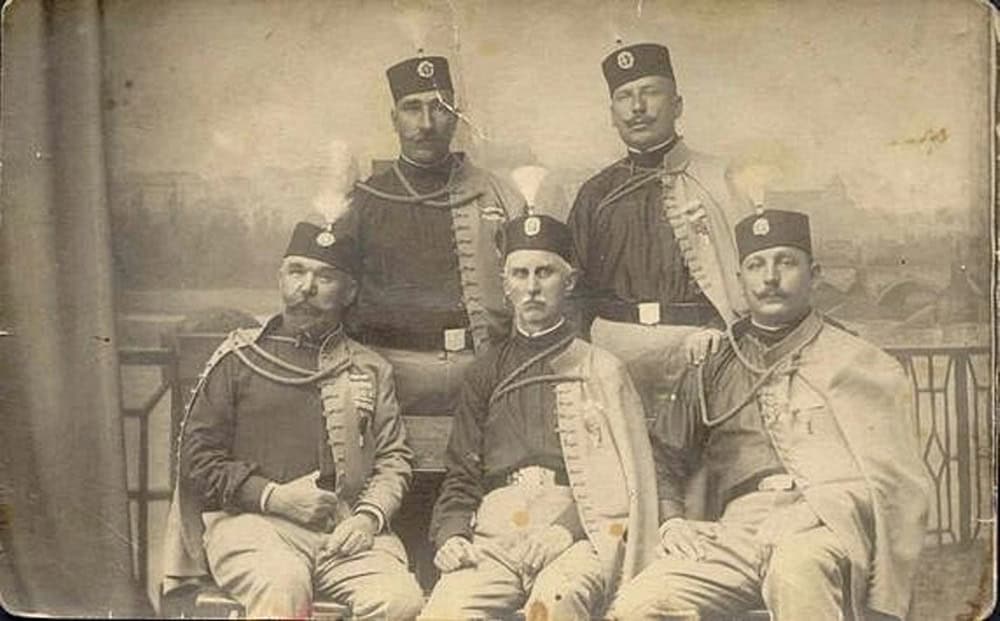
The Black Hand (officially “Unification or Death”) was a Serbian nationalist secret society formed in 1911. Its ranks included military officers keen on unifying territories populated by Serbs.
The network’s most famous member was Dragutin Dimitrijević, known as Apis, a high-ranking Serbian intelligence officer. Network members facilitated weapons and support to the assassins of Archduke Franz Ferdinand in Sarajevo in 1914. That assassination sparked the diplomatic crisis that escalated into World War I.
Young Italy

Young Italy (Italian: Giovine Italia) was a political movement for Italian unification under a republican government, founded in Marseille by Giuseppe Mazzini in 1831. Members had to operate covertly because they were undermining existing governments and were susceptible to being arrested.
In contrast to some other societies, Young Italy did not hide its goals. Instead, it published and spread its political ideas openly through propaganda, but tried to keep its members anonymous. Most of Young Italy’s early revolts failed, though Mazzini inspired the larger Italian nationalist movement that did eventually fight for Italy’s independence.
The Society of the Seasons
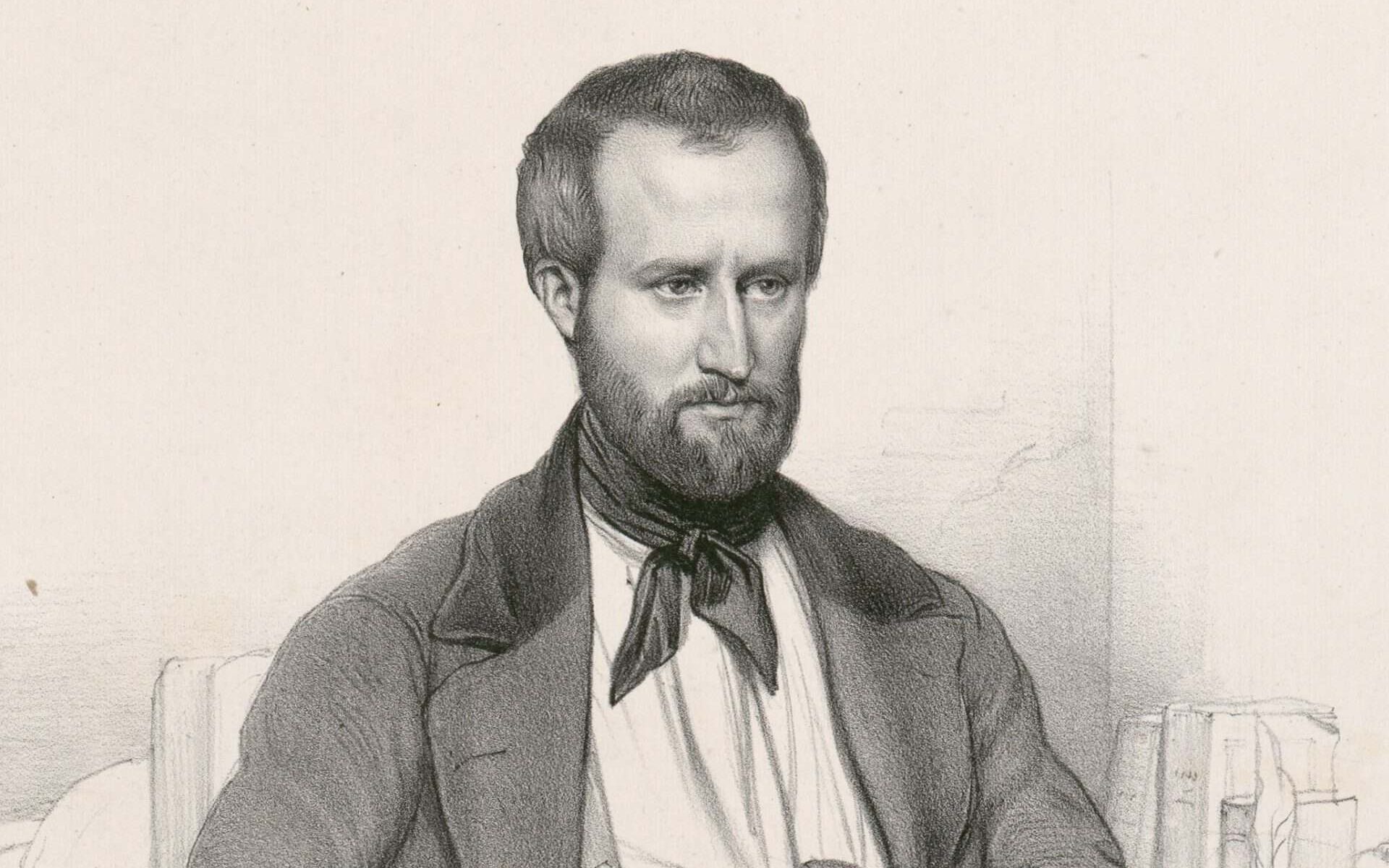
Secret societies formed by revolutionary activists were organized against the July Monarchy in 19th century France. Among them was the Society of the Seasons, which was founded by revolutionaries Blanqui and Barbès.
Members of the organization were separated into cells based on days of the week, weeks of the year, months of the year, and seasons, disguising the size of the organization from government spies and informants. In May of 1839, several members tried to overthrow the government with an armed revolt in Paris.
White Lotus societies
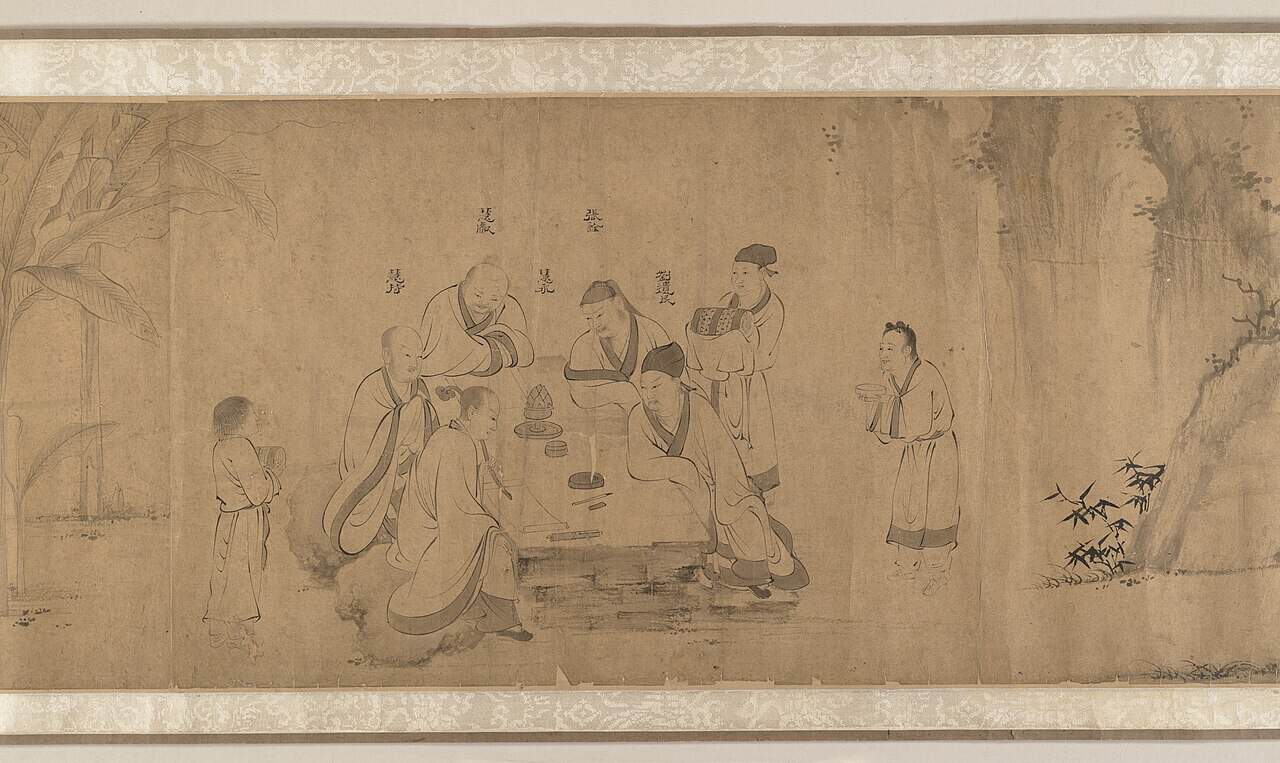
During multiple periods in Chinese history, religious movements referred to as White Lotus organized followers into groups which shared Buddhist-influenced doctrines as well as hopes for a revolution.
At times, some groups would organize secretly if their teachings were deemed a threat by the government. Groups identified with White Lotus traditions were connected to insurrections, most notably the major revolt against the Qing dynasty commencing in 1796.
The Society of Friends
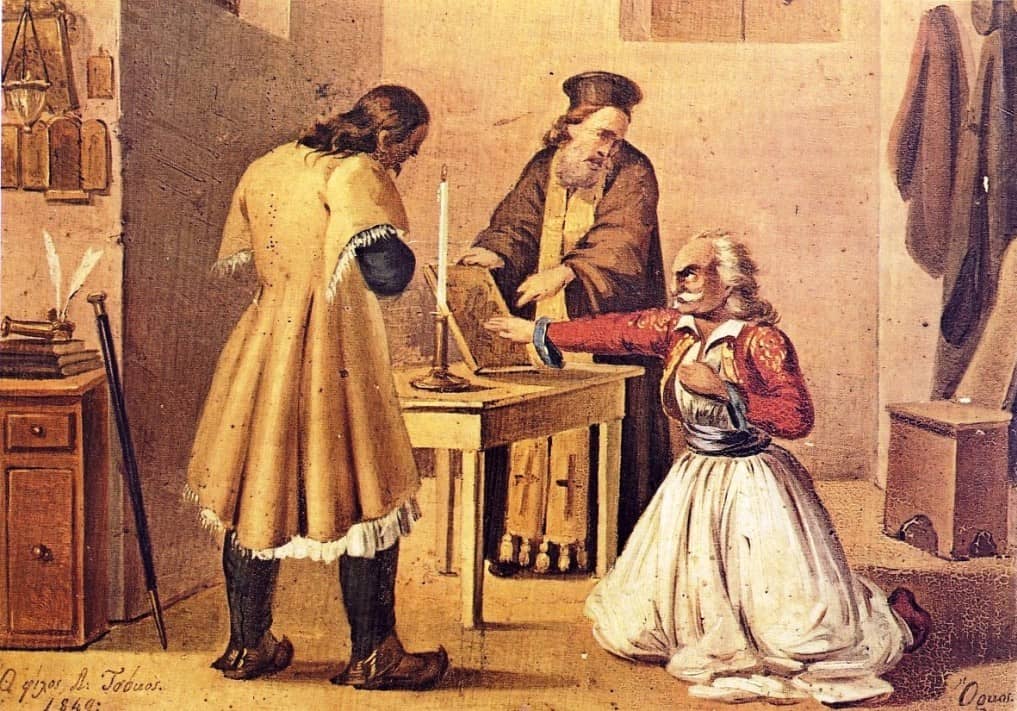
Filiki Eteria, meaning Society of Friends, was a secret society founded by three Greek merchants in 1814 in Odessa, Russian Empire. It organized Greek resistance against the Ottoman Empire and prepared for an independent Greek state. Codes of correspondence, initiation rites and recruitment were carefully organized and clandestine. Filiki Eteria would later spark the Greek War of Independence in 1821.
The Molly Maguires
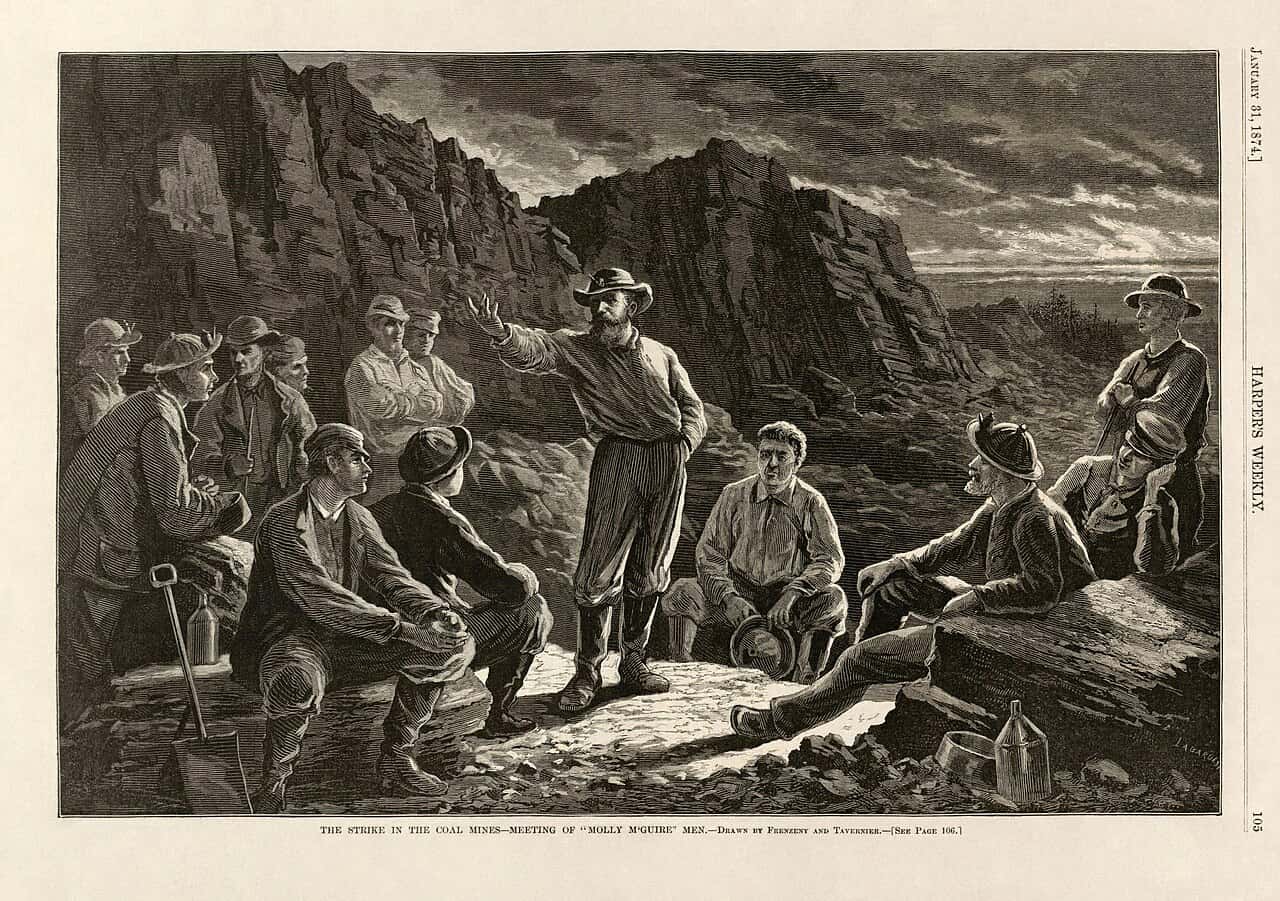
In the 19th century, Molly Maguires were linked to secret societies of Irish immigrant coal miners in Pennsylvania. Laboring underground for low pay in dangerous conditions, miners dealt with abusive mine owners who held much of the power in the region.
A series of assaults and murders in the 1860s and 1870s were blamed on the Molly Maguires. One Pinkerton detective infiltrated the suspected ring and gave testimony that convicted several of the men. In total, twenty were executed.
The Katipunan

The Katipunan was a clandestine Filipino society established in 1892 with the goal of gaining independence from Spain through revolution. Prominent members such as Andrés Bonifacio used secret communication techniques, passwords, and ceremonies to conceal members’ identities. Allegedly, new members even signed their pledges with blood.
It wasn’t until 1896 that Spanish authorities caught wind of the society’s expanding operations. This discovery then set off the Philippine Revolution, propelling the once-hidden society into a major movement striving for the nation’s independence. The Katipunan is considered a powerful representation of Filipino nationalism.
The Afrikaner Broederbond
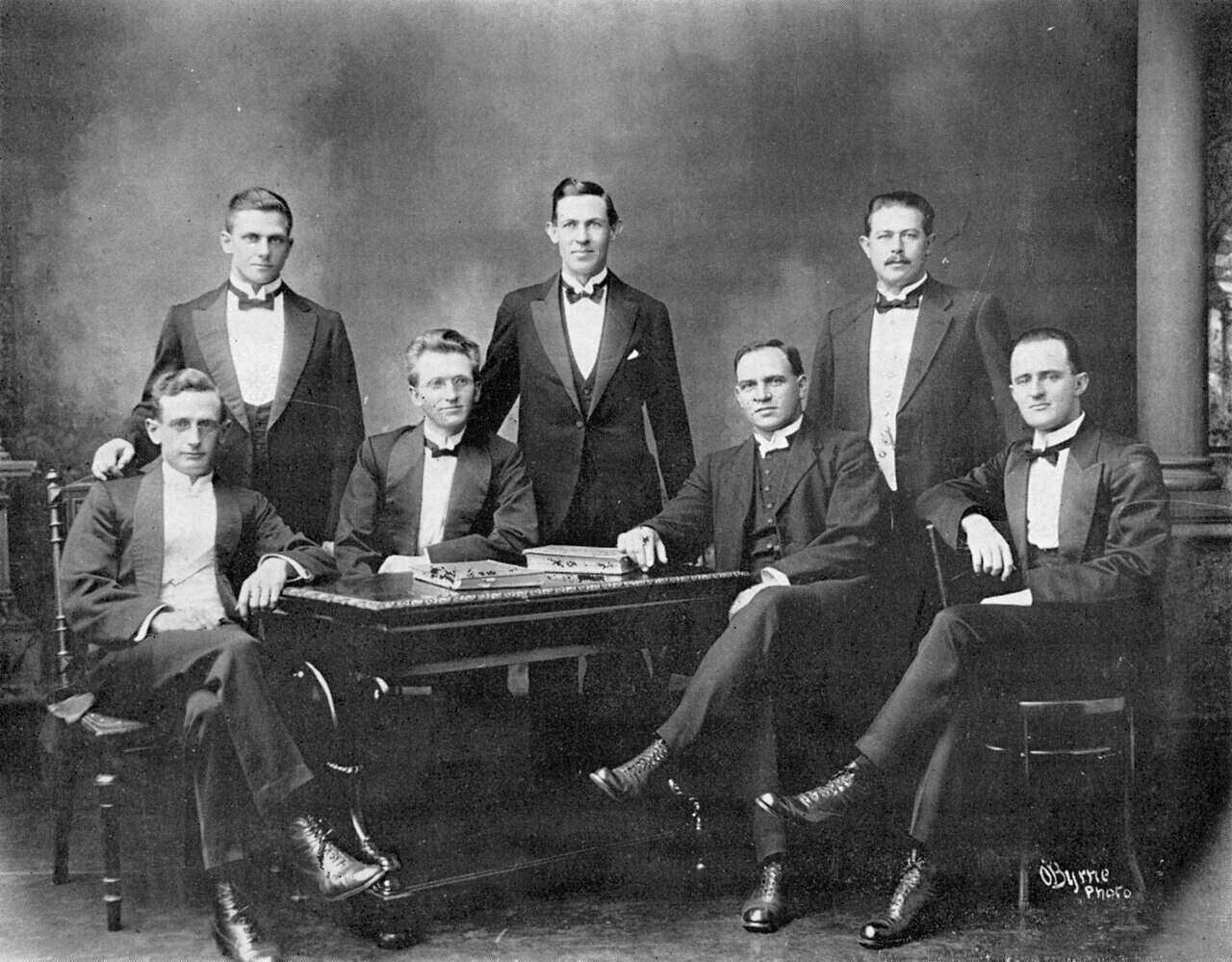
Founded in South Africa in 1918, the Afrikaner Broederbond was a secretive society to advance Afrikaner political, cultural, and economic goals. Selected Afrikaner men were invited to become members and its meetings were private. The organization eventually gained power through government, educational institutions, business, and the Dutch Reformed Church.
Many major apartheid supporters were members of the group. The organization disbanded its secretive membership in 1993 when the country was reforming into a democracy and today exists as the Afrikanerbond, an open association.
The Order of the Pug
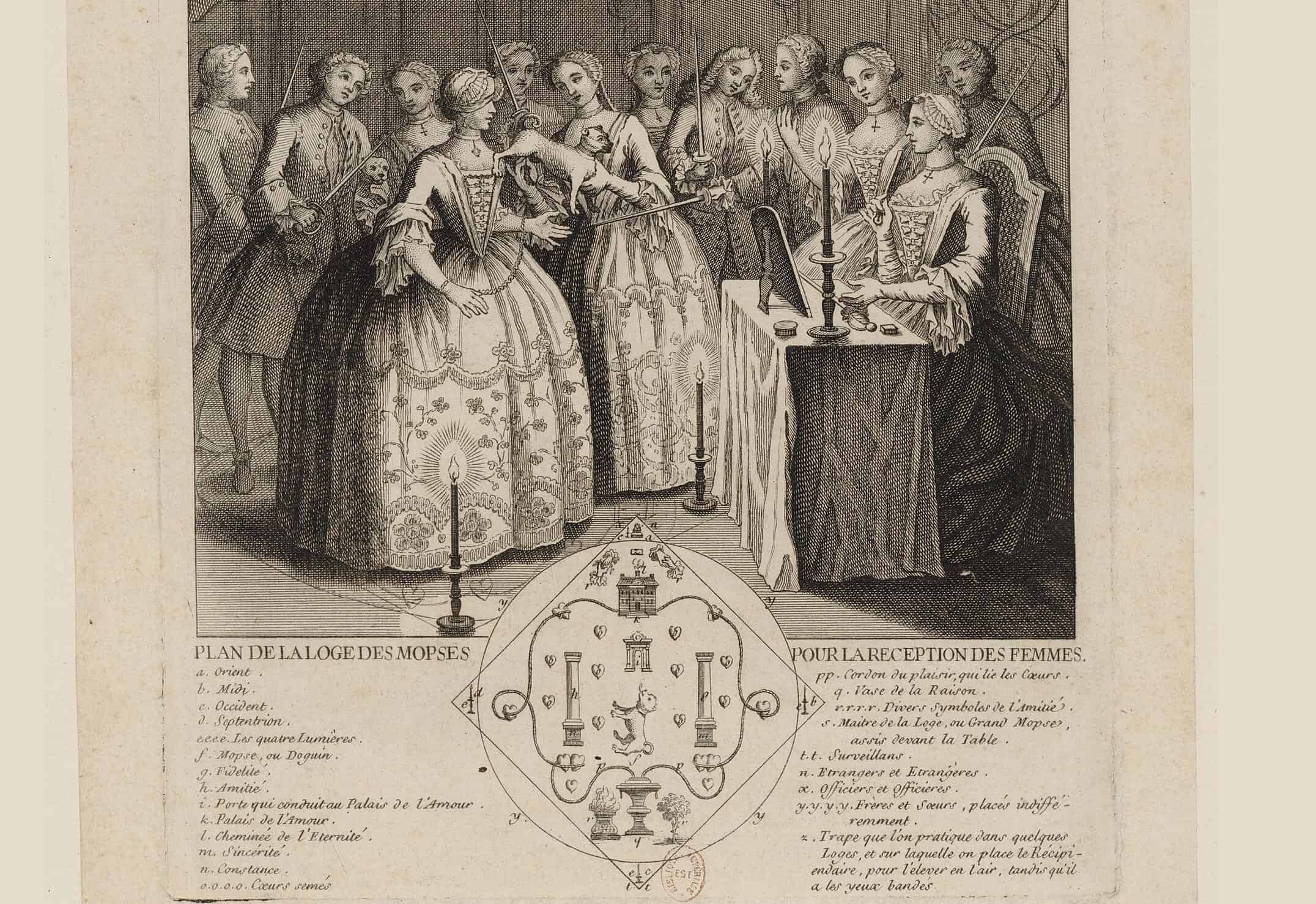
Operating in 18th-century Germany, this group used the pug dog as its main symbol. Said to have begun around the 1740s, it reportedly catered to Catholics who desired the fellowship of fraternal organizations but were forbidden by Church officials from joining Freemasonry-type groups.
Unlike most such societies, women as well as men were allowed membership. During initiation rites, candidates allegedly had to bark like dogs, wear collars around their necks, and kiss a porcelain statuette of a pug.
The Fenian Brotherhood
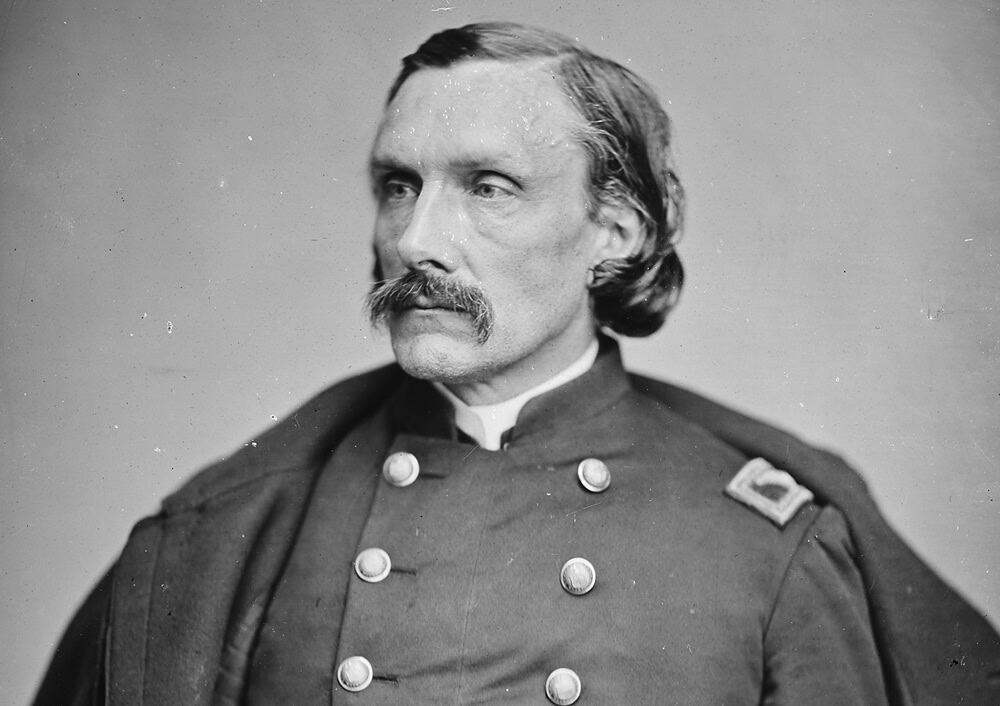
The Fenian Brotherhood was formed in 1858 in the United States by Irish nationalists. It was a secret society whose goal was the expulsion of British rulers in Ireland. Irish immigrants in America provided financial support, helped with organizing military efforts, and plotted revolutionary attacks overseas.
At one point, Fenians attempted to invigorate Irish nationalism by raiding into Britain’s North American colonies between 1866 and 1871. Though these actions didn’t accomplish their goals, they did indeed cause a great deal of alarm.
The Hermetic Order of the Golden Dawn
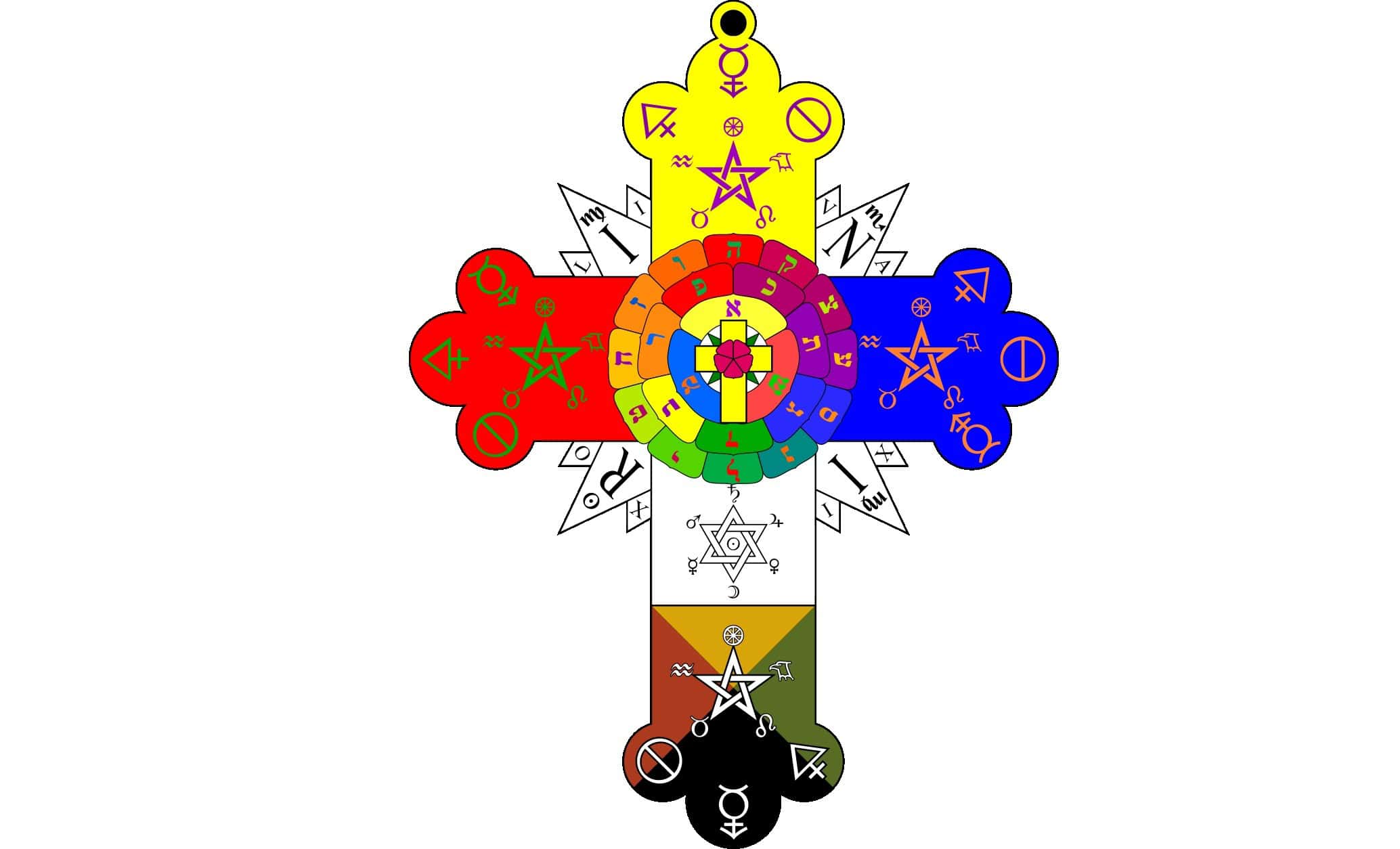
The Hermetic Order of the Golden Dawn was an organisation dedicated to the practice and study of the occult, metaphysics, magic and paranormal activities. Founded in London in 1888, members were taught gradually through several degrees or levels of advancement. This system allowed them to learn secret practices and rituals which the Order claimed were based on ancient and magical knowledge.
Women were able to join and become members, which was a rarity for societies during this time period. The Golden Dawn counted several notable individuals as members, such as poet W. B. Yeats, actress Florence Farr, and occultist Aleister Crowley. Leadership disputes and disagreements split the Order into pieces around 1900.
Sources: Please see here for a complete listing of all sources that were consulted in the preparation of this article.
Like our content? Be sure to follow us.
Secret societies: the 10 strict rules every Freemason must follow
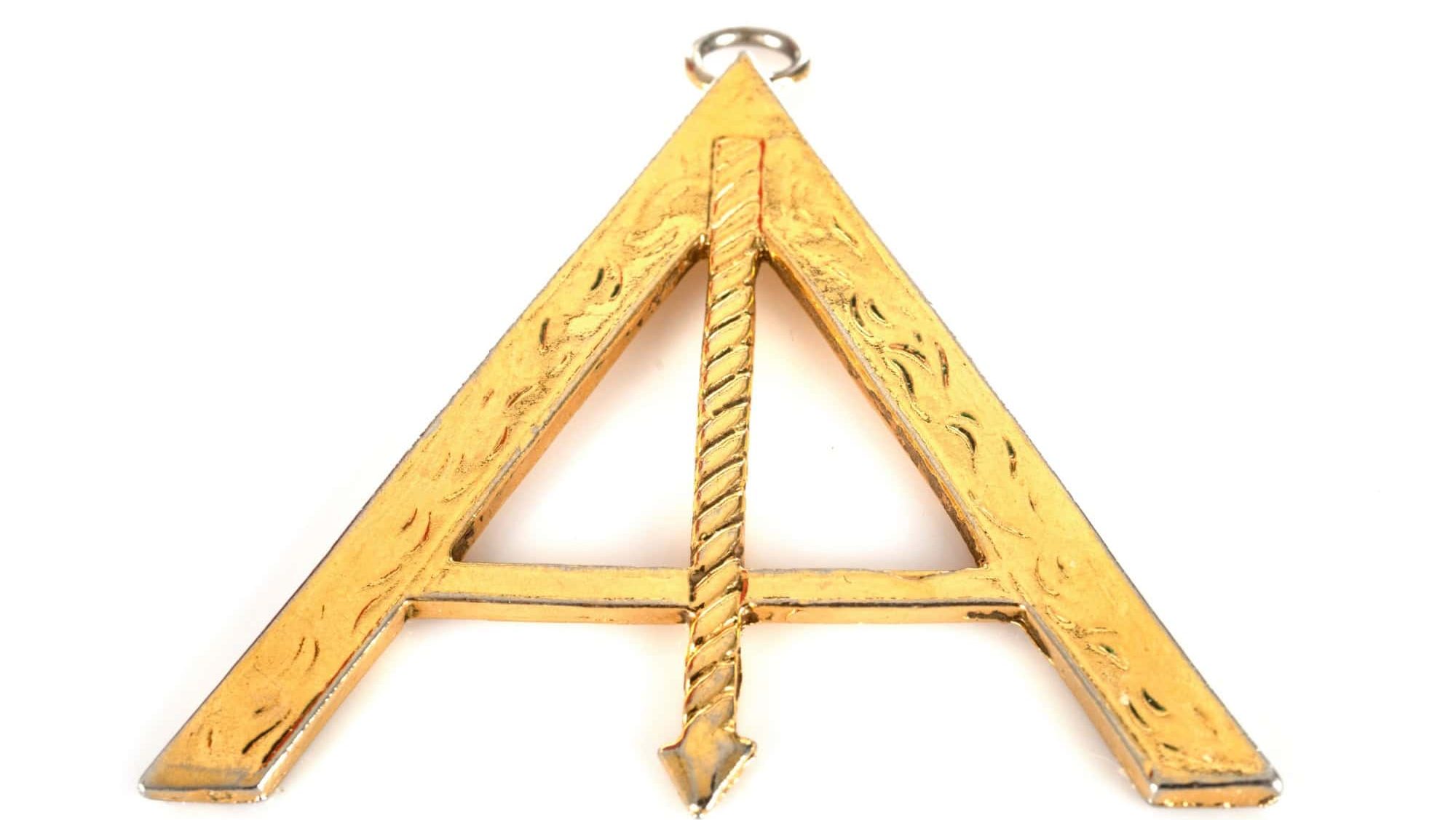
You might think that Freemasonry only involves secret dinners and strange old buildings, but there are some pretty strict rules they have to follow when they step inside a lodge.
Secret societies: the 10 strict rules every Freemason must follow

