

There are many people in history who’ve climbed to positions of power or influence and have betrayed the confidences, friendships, or protection of those who helped them along the way.
Brutus
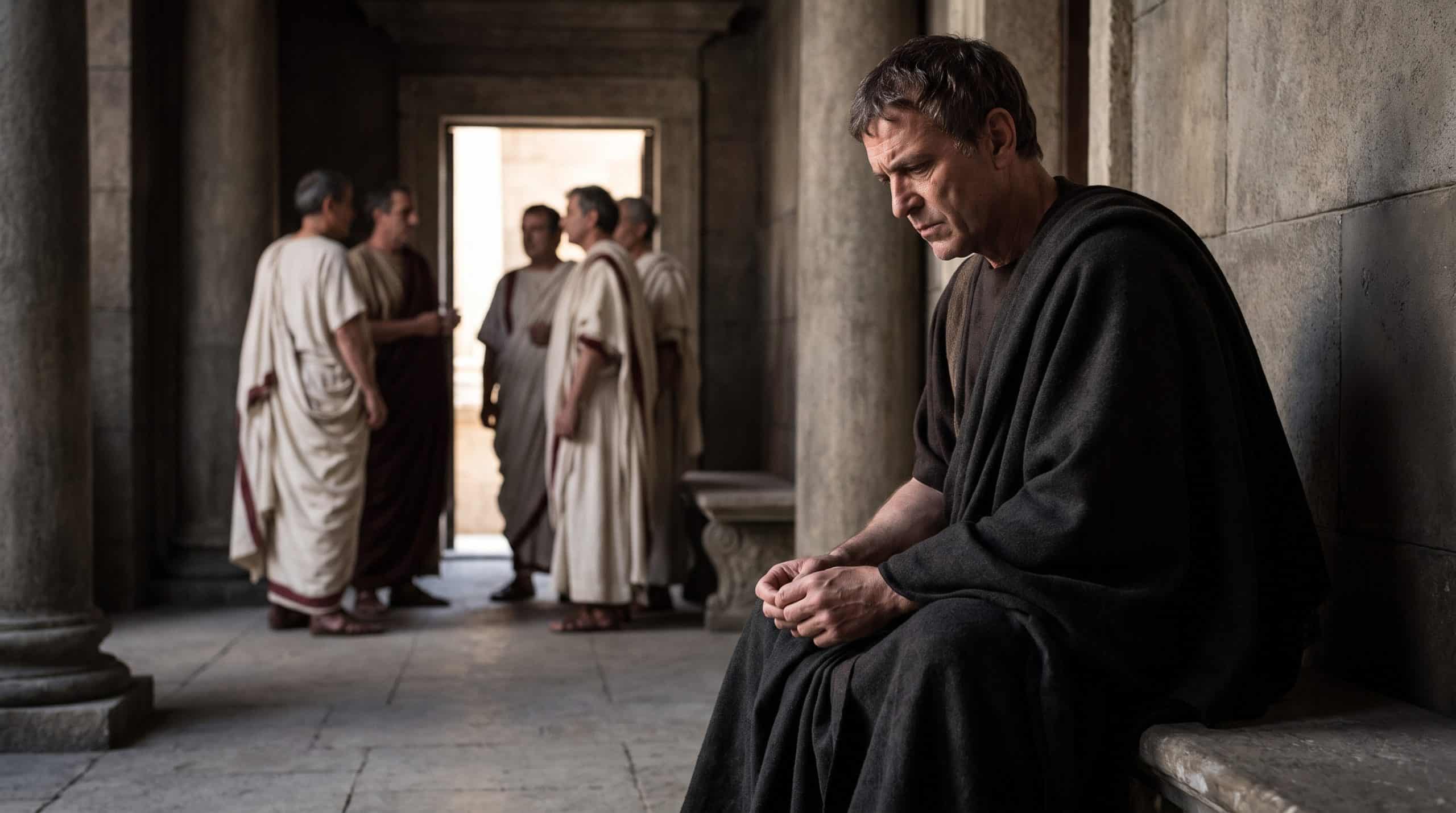
Julius Caesar trusted Marcus Brutus. Brutus had opposed Caesar during the Roman civil war, but Caesar pardoned him, sponsored his career, and had him appointed to many powerful positions. Still, Brutus became one of the men who conspired to kill Caesar in his Senate chamber on March 15, 44 BC.
Brutus justified his betrayal by saying that he was saving the Roman Republic from dictatorship. His actions launched Rome into another civil war and set in motion the destruction of the republic he tried to save.
Benedict Arnold

Starting out as one of the colonial army’s most courageous generals, Benedict Arnold led American troops to victory in several key battles.
Arnold was appointed commander of the West Point fort until he felt overlooked and became upset about money. He conspired to sell the fort to the British, but his plan was discovered. His name has since become synonymous with traitor.
Ephialtes
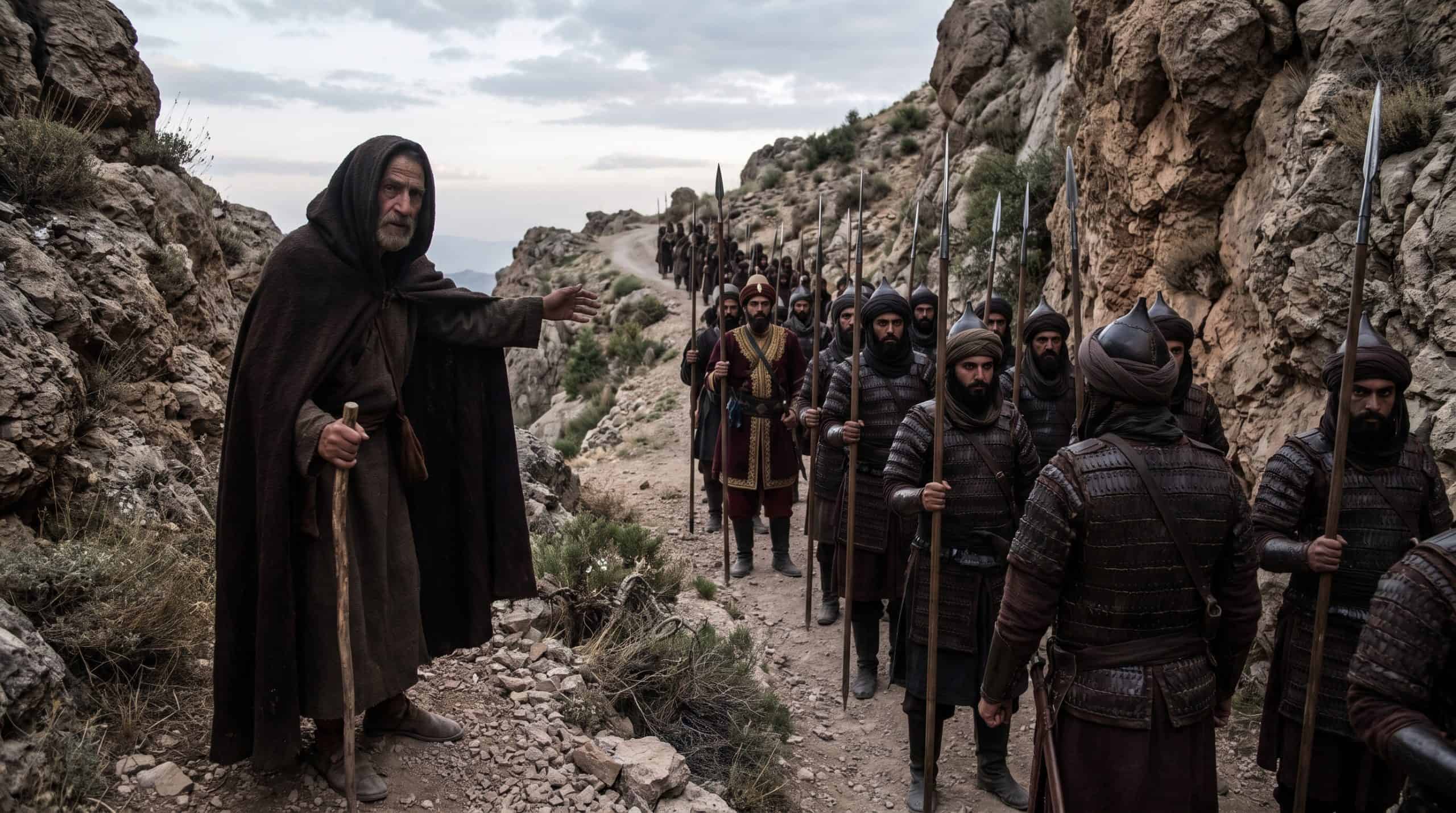
Greek legend has it that Ephialtes betrayed the Greeks who were defending the pass at Thermopylae. He led the Persian army through a hidden mountain pass that allowed them to surround King Leonidas and his men.
The Greeks had previously promised protection to the local inhabitants who would aid them. Ephialtes’ name later became the Greek word for nightmare and traitor.
Arminius
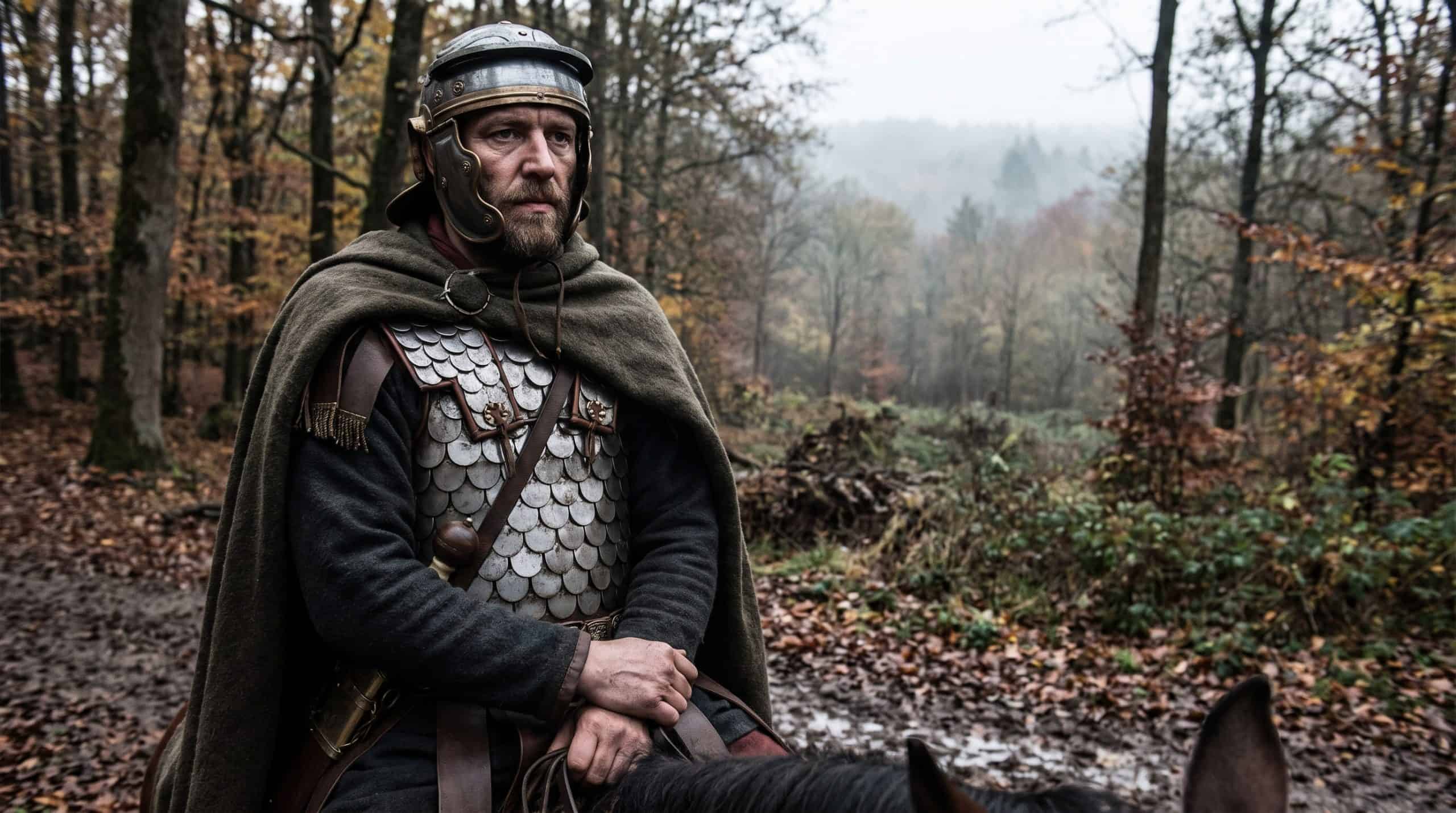
Arminius was a Germanic nobleman who became a Roman citizen, attained equestrian status, and became an officer in Rome’s auxiliary military. Roman governor Publius Quinctilius Varus trusted Arminius as an ally and valued his knowledge of the local Germanic tribes.
Arminius used his position to secretly plan a rebellion against the Romans and even fed Varus misinformation about small rebel attacks happening in the area. In AD 9, Arminius led three Roman legions into the Teutoburg Forest, where the Romans were ambushed and destroyed by an alliance of Germanic forces.
Alcibiades
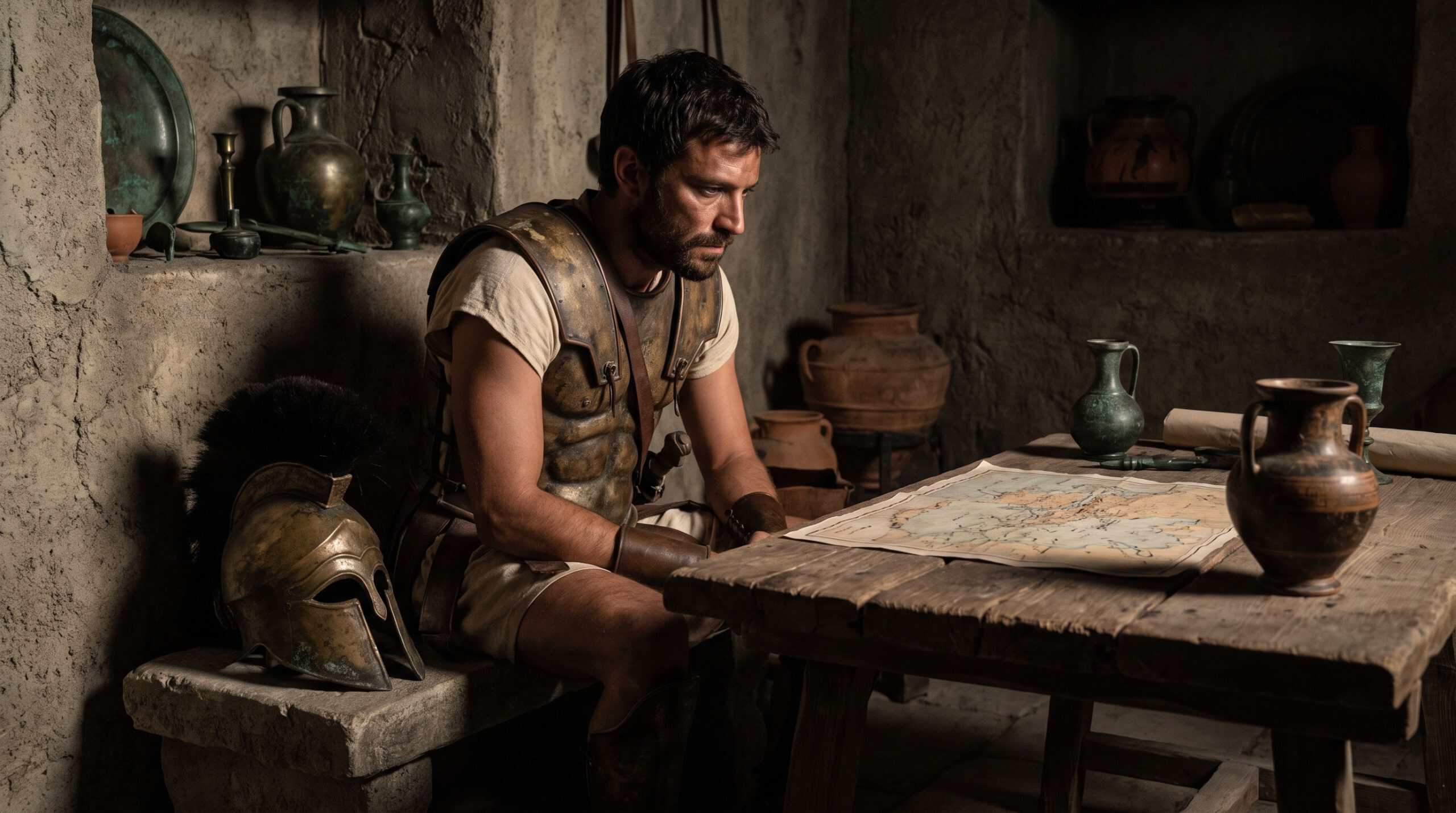
Alcibiades was an exceptionally able Athenian general, though not necessarily loyal to Athens. Recalled to Athens during the Peloponnesian War to stand trial on religious charges, he fled and defected to Sparta, Athens’ archenemy.
Allegedly giving Spartans advice on how best to defeat Athens, he suggested they create a permanent military base on Athenian soil. Alcibiades would eventually fall out of favor with Sparta as well. Seeking asylum with Persia, and then Athens again, Alcibiades is one of history’s most well-known turncoats.
Robert Ford

Ford won the trust of Jesse James by riding with his gang and spending time with him in his home. Jesse James thought Ford was his loyal friend and right-hand man.
However, in 1882, Ford met with Missouri authorities in hopes that he would gain the large reward the government was offering as well as a pardon for his crimes. On April 3, Jesse had turned away to adjust a picture on the wall when Ford shot him in the back of the head.
Jesse was dead within minutes. Ford said that he killed Jesse in the name of justice, but most Americans saw him as a coward who shot a man in the back.
Mir Jafar
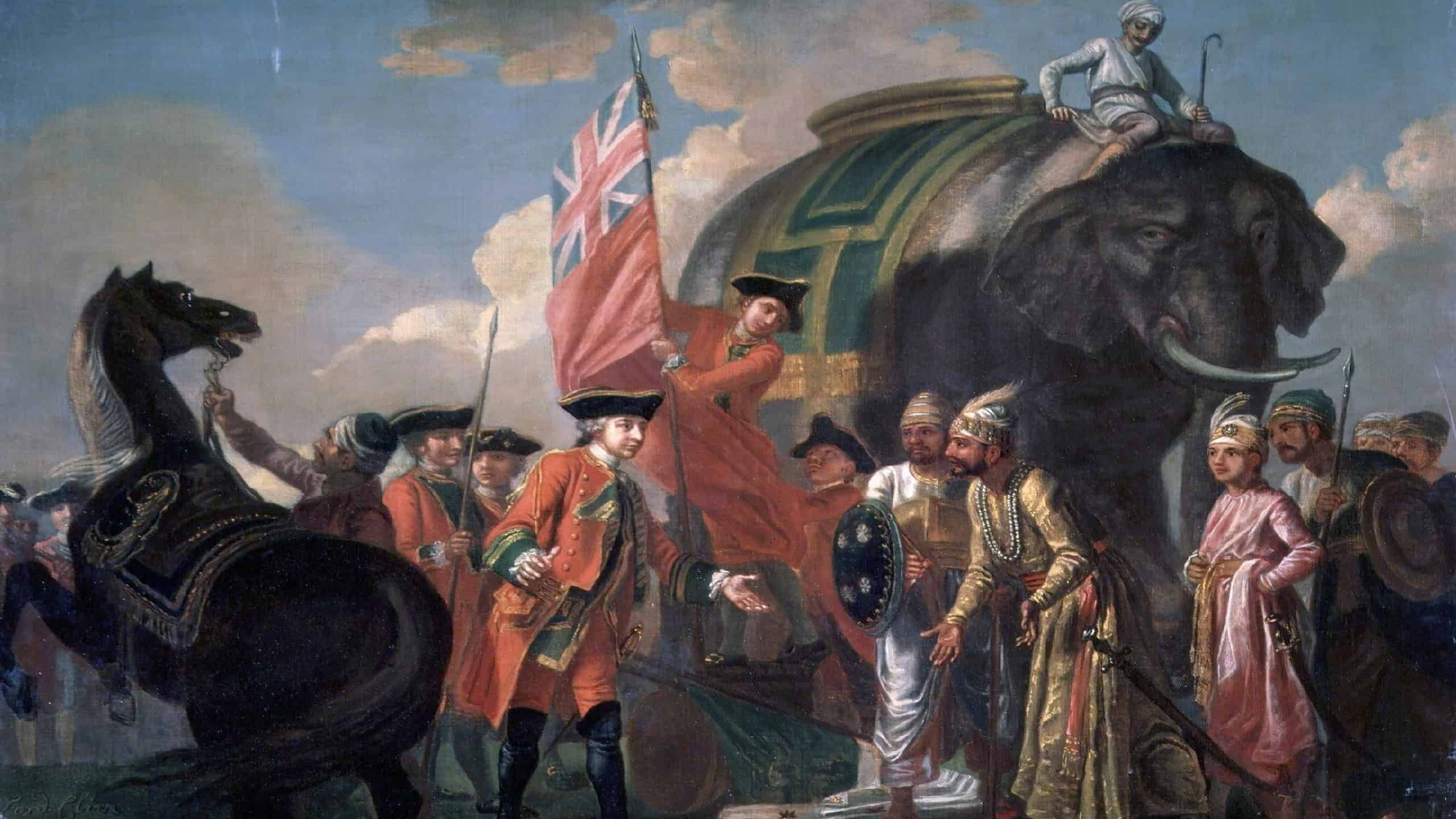
Mir Jafar was a military commander in the army of Siraj ud- Daulah, the last independent Nawab of Bengal. Prior to the Battle of Plassey in 1757, Mir Jafar conspired with the British East India Company.
During the battle, his troops refused to advance and support Siraj ud-Daulah. Upon winning the battle, the British installed Mir Jafar on the throne.
Thomas Stanley
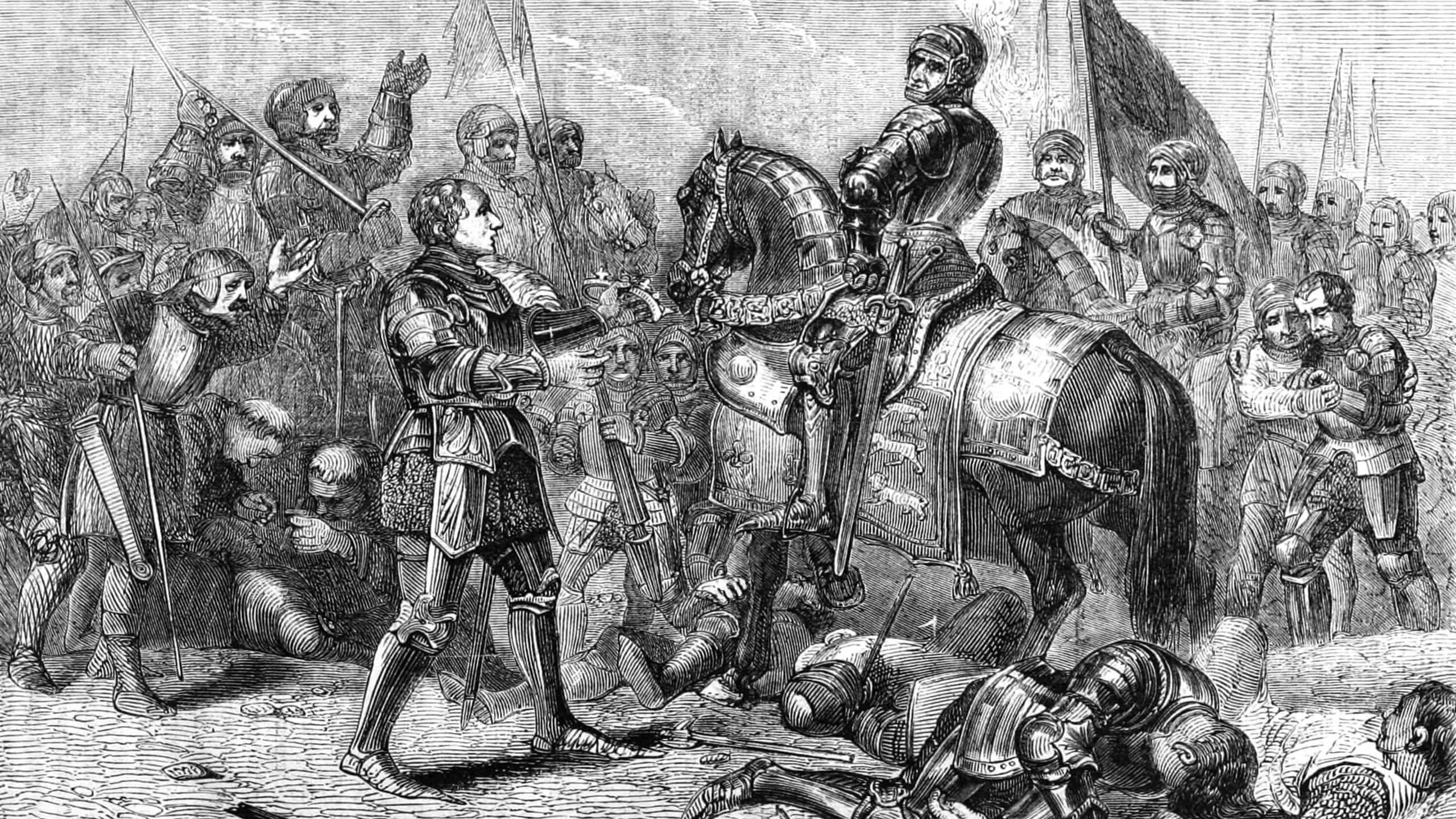
Thomas Stanley was a powerful ally of Richard III and was married to the mother of Richard’s arch-enemy, Henry Tudor. Richard III suspected Stanley of treason but nonetheless allowed him to remain in power.
Richard kept Stanley’s son hostage as insurance against his disloyalty.
During the Battle of Bosworth in 1485, Stanley had thousands of men idle while the battle was raging as he weighed which side to support. Once it became clear that Richard would lose, Stanley marched his men into battle on Henry Tudor’s side, enabling Henry to become king as Henry VII.
Eadric Streona

Eadric Streona was an influential English nobleman and one of King Æthelred the Unready’s main advisers during the Danish conquest of England. Despite holding great wealth and power from the king, many chroniclers alleged that Eadric liked to switch sides when he could benefit from it.
He surrendered to Danish prince Cnut, returned to the side of Edmund Ironside, and then deserted Edmund in the crucial Battle of Assandun in 1016. Cnut temporarily rewarded Eadric for his treachery, but eventually ordered his execution.
It is possible that Cnut had him killed because a man who betrayed one king could never truly be loyal to another.
Charles-Maurice de Talleyrand

Talleyrand served Napoleon Bonaparte as his foreign minister and was instrumental in forming many agreements that benefited the French Empire. Talleyrand grew to fear that Napoleon’s continuous wars would eventually weaken France and endanger his own status.
Talleyrand began contacting Napoleon’s enemies and quietly advising them to oppose him, all while still profiting from Napoleon’s regime. After Napoleon’s defeat, Talleyrand made himself known at the Congress of Vienna as the man who could restore the Bourbon monarchy and protect France.
Joachim Murat
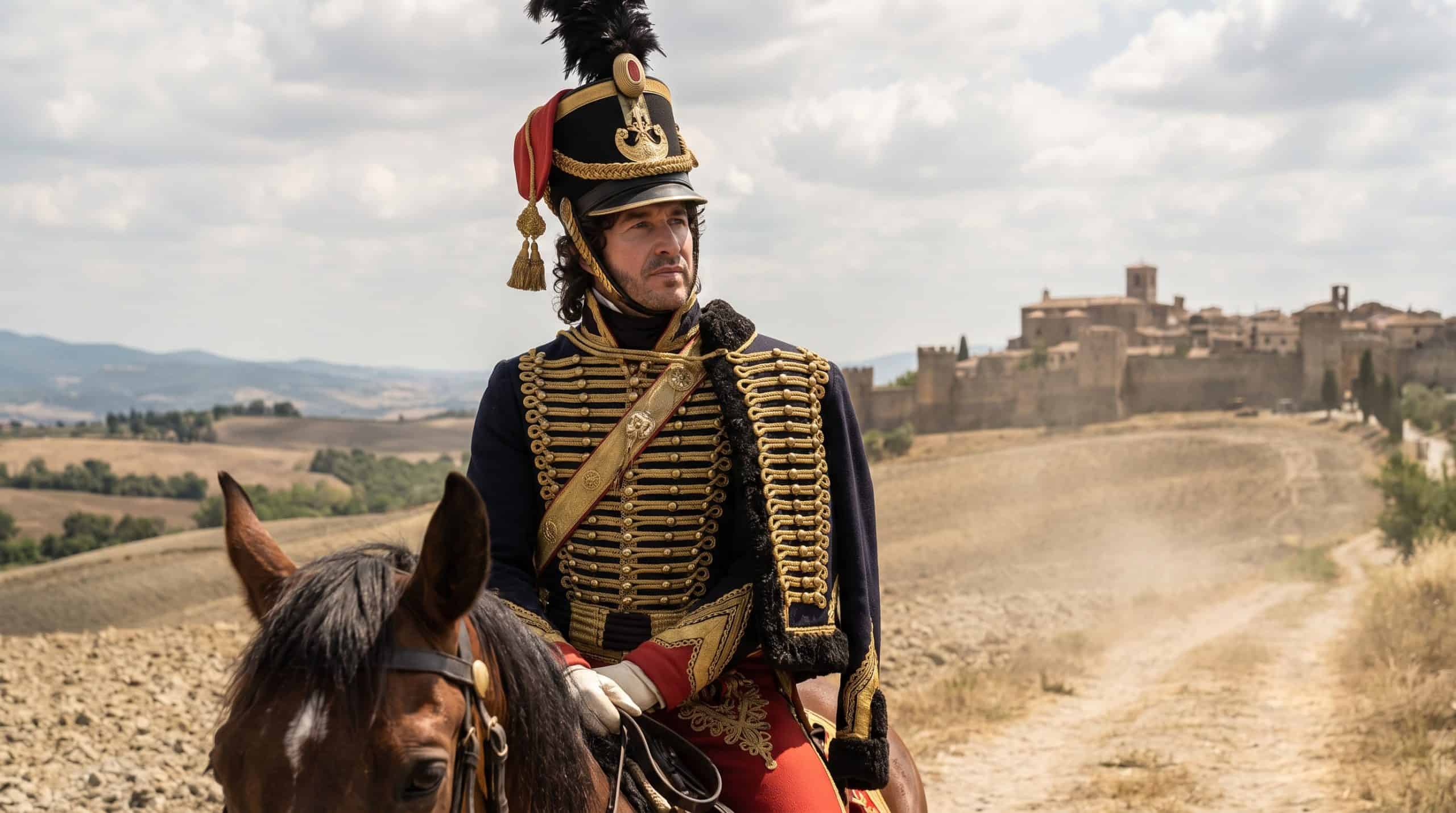
Joachim Murat was one of Napoleon’s most famous cavalry leaders. Married to Napoleon’s sister, Caroline Bonaparte, he was showered with honors by Napoleon that included wealth and the throne of Naples.
During Napoleon’s downfall, Murat made a deal with Austria that he would switch sides if they allowed him to keep his kingdom. When Napoleon returned during the Hundred Days, Murat again switched sides, but was never trusted by either party and was executed after his attempt to retake Naples failed.
Wang Jingwei

Wang Jingwei was a friend of Chinese revolutionary Sun Yat-sen and went on to become a leader in the Chinese Nationalist movement. During World War II, however, Wang defected from Chiang Kai-shek and China’s Nationalist government, advocating for peace with Japan.
Wang eventually became the leader of a Japanese- supported government in Nanjing in 1940. Some in China remember Wang Jingwei as a traitor to his country for collaborating with Japan while China was still fighting for its sovereignty.
Vidkun Quisling
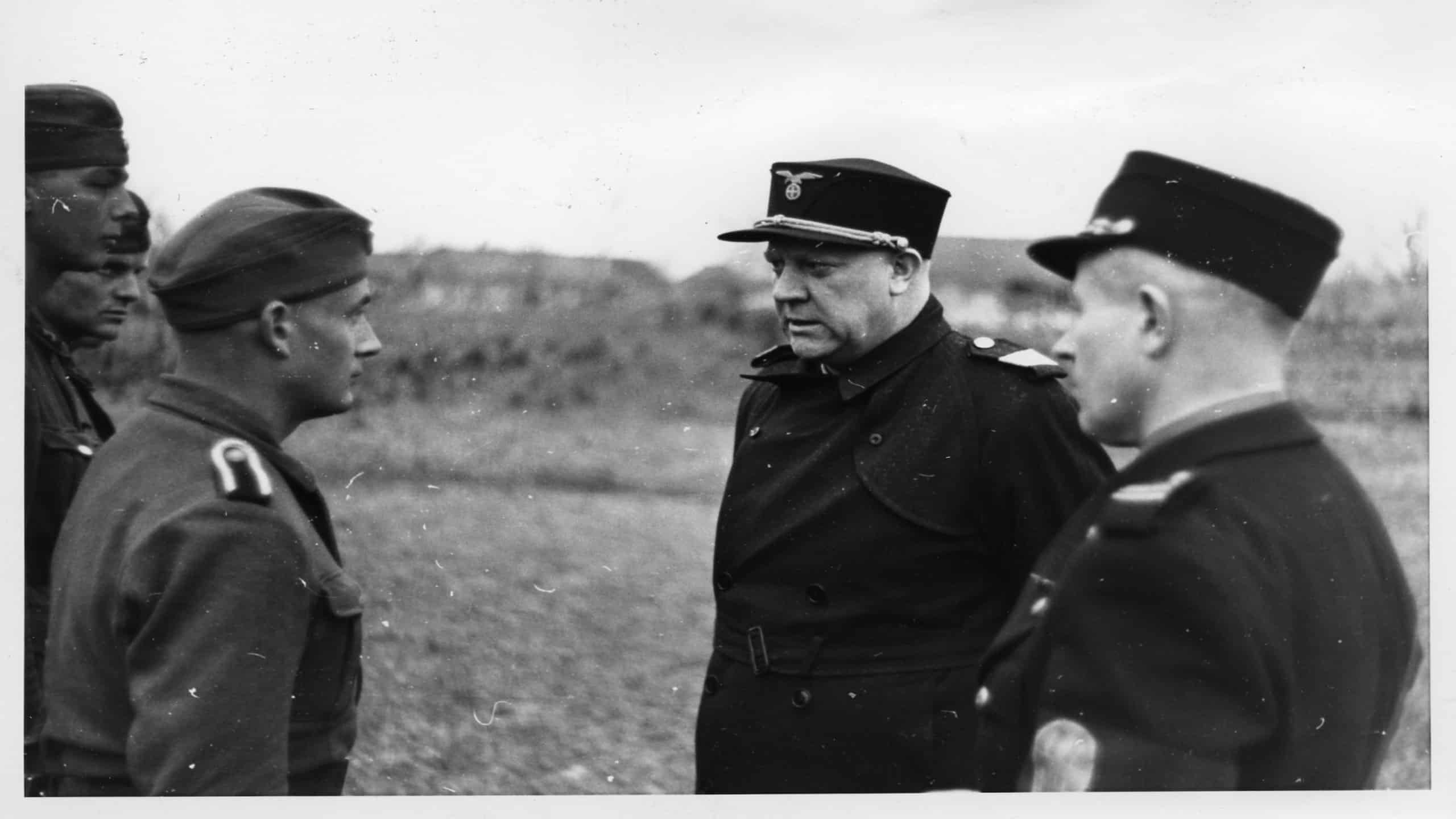
Vidkun Quisling served as Norway’s defence minister and later founded his own fascist political party modelled after Nazi Germany. When Germany invaded Norway in April 1940, Quisling appeared in a radio address announcing himself as the new leader of Norway and commanding Norwegians to halt their resistance.
He would go on to lead a collaborationist government during the occupation. Following the war, Quisling was convicted of treason and executed.
Philippe Pétain
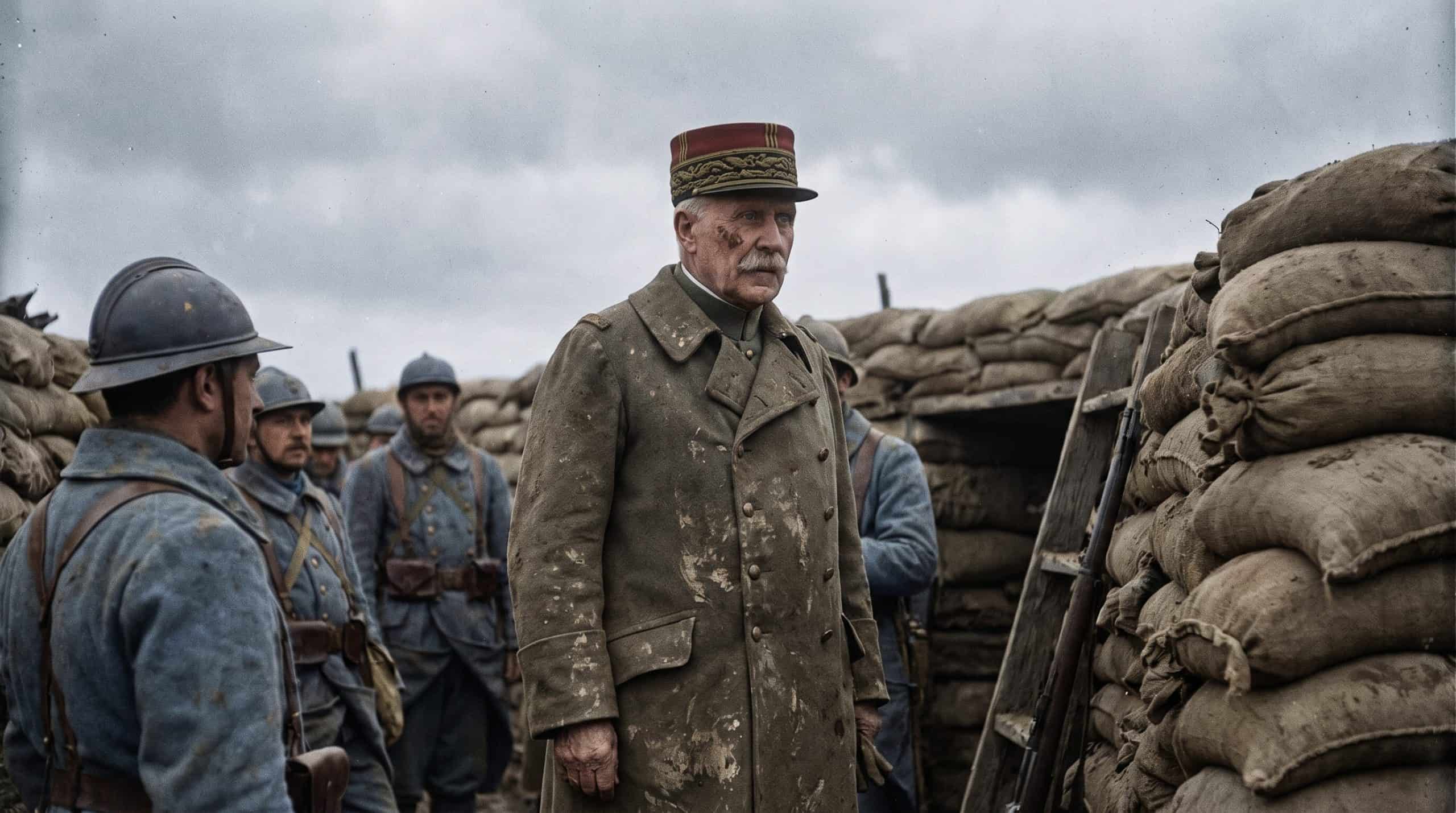
Philippe Pétain was considered a French national hero for his role in the Battle of Verdun during the First World War. Many in France still trusted him years later when he assumed control of the French government after France’s defeat by Germany in 1940.
Instead of keeping order while the Germans occupied the country, Pétain’s government collaborated with Germany, passed laws restricting the rights of French citizens, and assisted in the persecution of those targeted by the Germans. After France was liberated, Pétain was convicted of treason and sentenced to death.
Francisco Pizarro
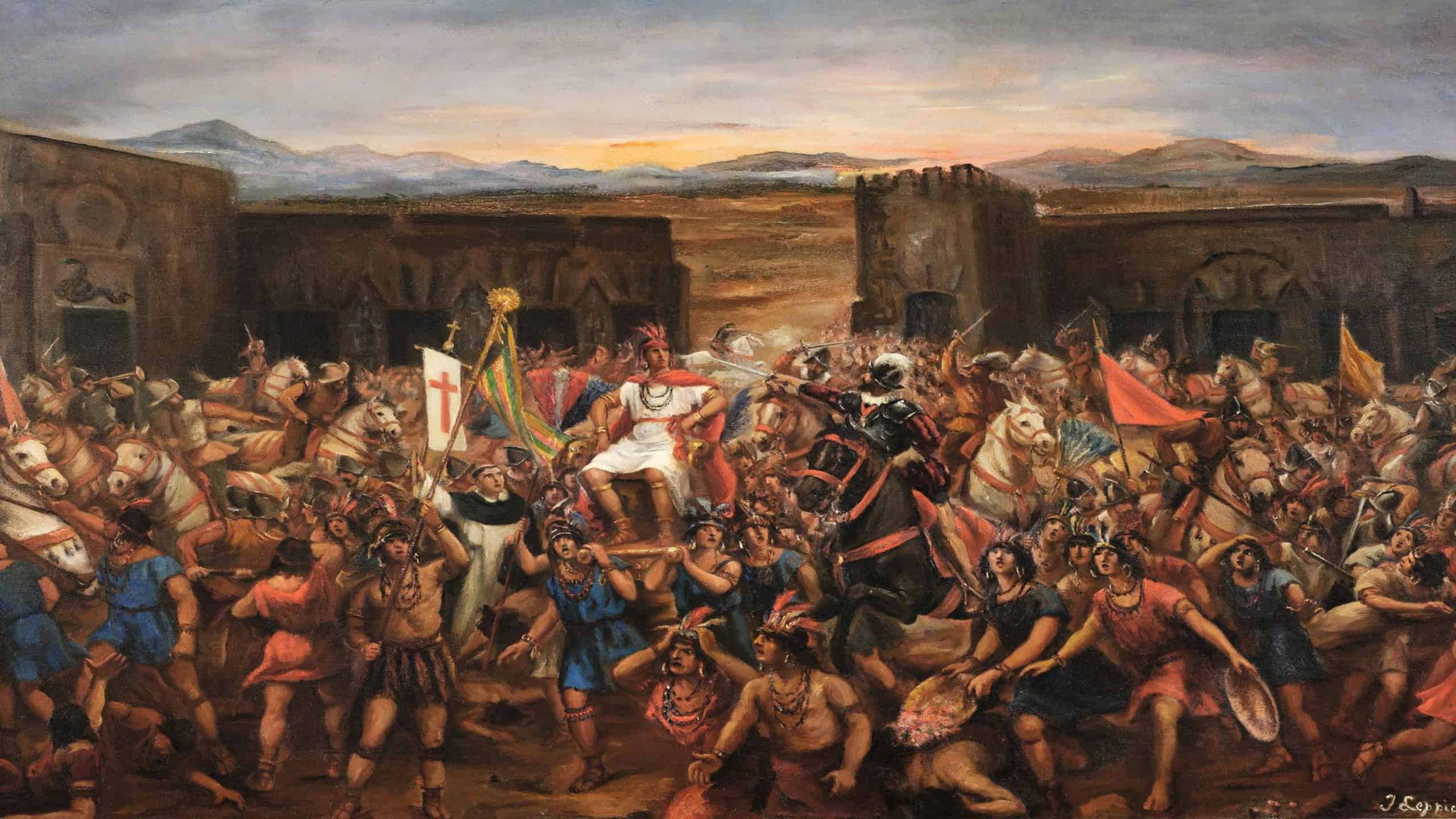
Francisco Pizarro will be forever known for betraying the Inca emperor Atahualpa. Pizarro welcomed Atahualpa into Cajamarca in 1532 under the guise of peace talks. Atahualpa believed he could negotiate with the Spanish, so he entered the city unarmed.
Little did he know his visit would end in disaster. The Spanish imprisoned him and demanded a ransom of a room full of gold and silver to keep him alive. Even after Atahualpa paid his fee, Pizarro still killed him in 1533.
Sources: Please see here for a complete listing of all sources that were consulted in the preparation of this article.
Like our content? Be sure to follow us.
15 historical moments that are strange, wild, and true

History’s already weird enough, but once you add in all the Moon people and supposedly haunted graves, it becomes a lot stranger.

