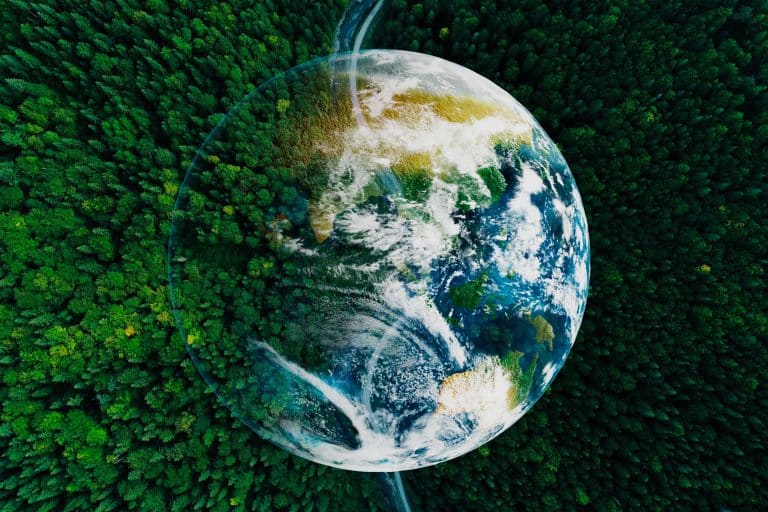

Some of the most fascinating facts about our planet are also the ones people know the least about.
Earth’s oxygen is mostly produced by the ocean

Although tropical rainforests often receive credit for helping the world breathe, the majority of oxygen production actually comes from marine life forms.
Tiny organisms called phytoplankton that live in oceans, along with photosynthesizing bacteria and seaweed, are responsible for producing 50 to 80 percent of the oxygen in Earth’s atmosphere.
Your brain doesn’t feel pain
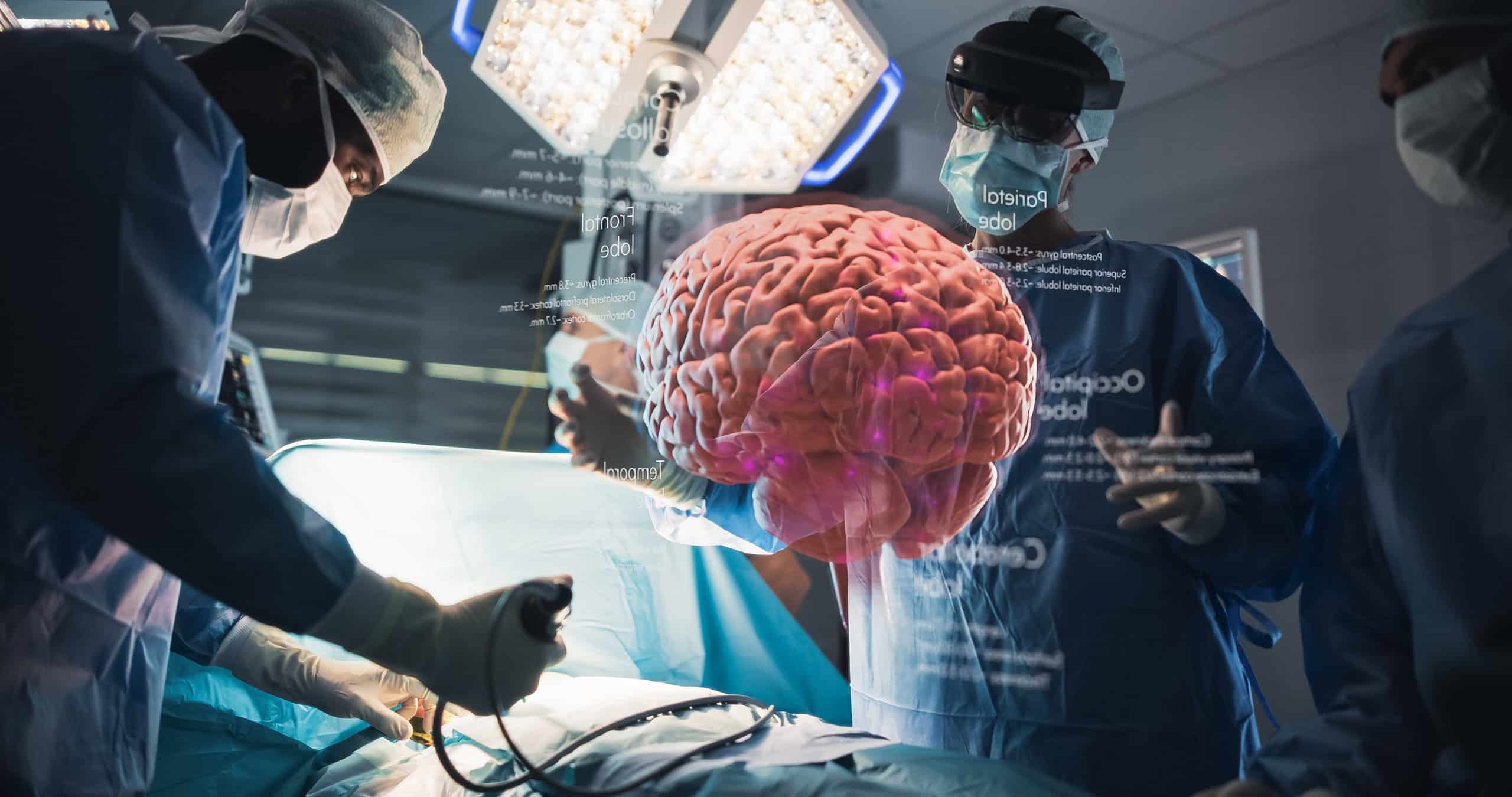
Although your brain registers every pain signal in your body, your brain itself has no pain sensors. For this reason, surgeons can perform certain types of brain surgery while the patient is conscious and able to answer questions as long as the scalp and tissues around the brain are properly numbed.
Clouds are extraordinarily heavy

To the eye, a puffy cumulus cloud looks incredibly lightweight. On average, each one actually weighs about 1.1 million pounds, or about 100 elephants. That’s because air near the ground is denser than the tiny water droplets that make up the cloud.
Sharks are older than trees and Saturn’s rings

The earliest evidence of shark scales dates back to about 450 million years. The first trees emerged about 350 million years ago. But Saturn’s rings are thought to have formed within the last 10 to 100 million years, according to recent planetary data. So sharks are older than Saturn’s rings by at least 250 million years.
The world’s largest mountain is mostly underwater

Mount Everest is known as the tallest mountain above sea level. But if you measure from its base on the ocean floor to its peak, Mauna Kea in Hawaii beats it by more than a mile.
Mauna Kea’s peak is actually over 10,200 meters (33,500 feet) from its base on the ocean floor. Nearly 6,000 meters of the mountain’s mass is beneath the Pacific Ocean.
Glass is fully recyclable and never wears out
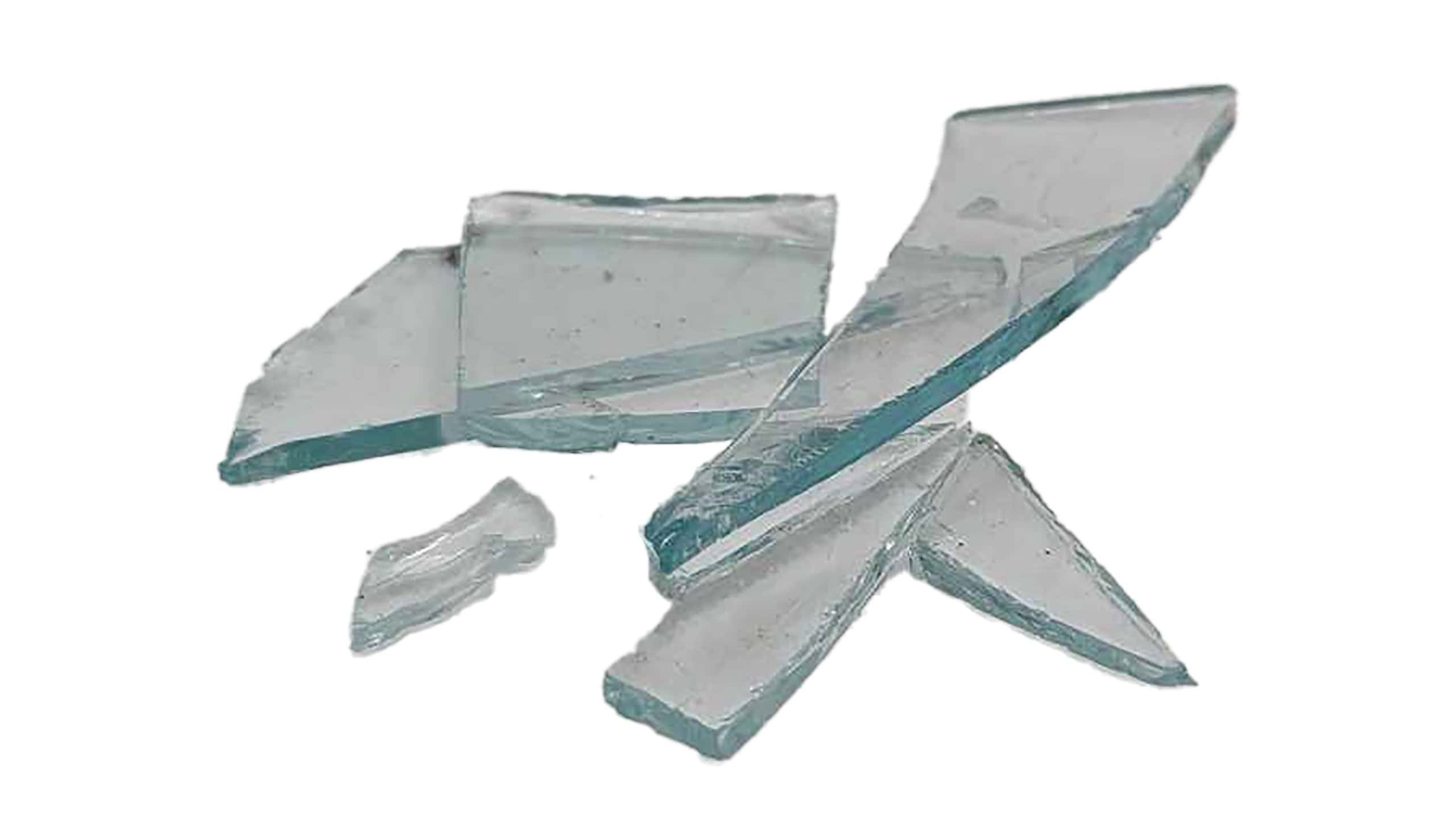
Paper and plastics lose their strength and purity every time they’re recycled. Glass, however, can be melted down and recycled infinitely without losing any purity or strength. Since recycled glass melts at a lower temperature than raw materials, less energy is used during manufacturing.
The total weight of all ants once rivaled all humans
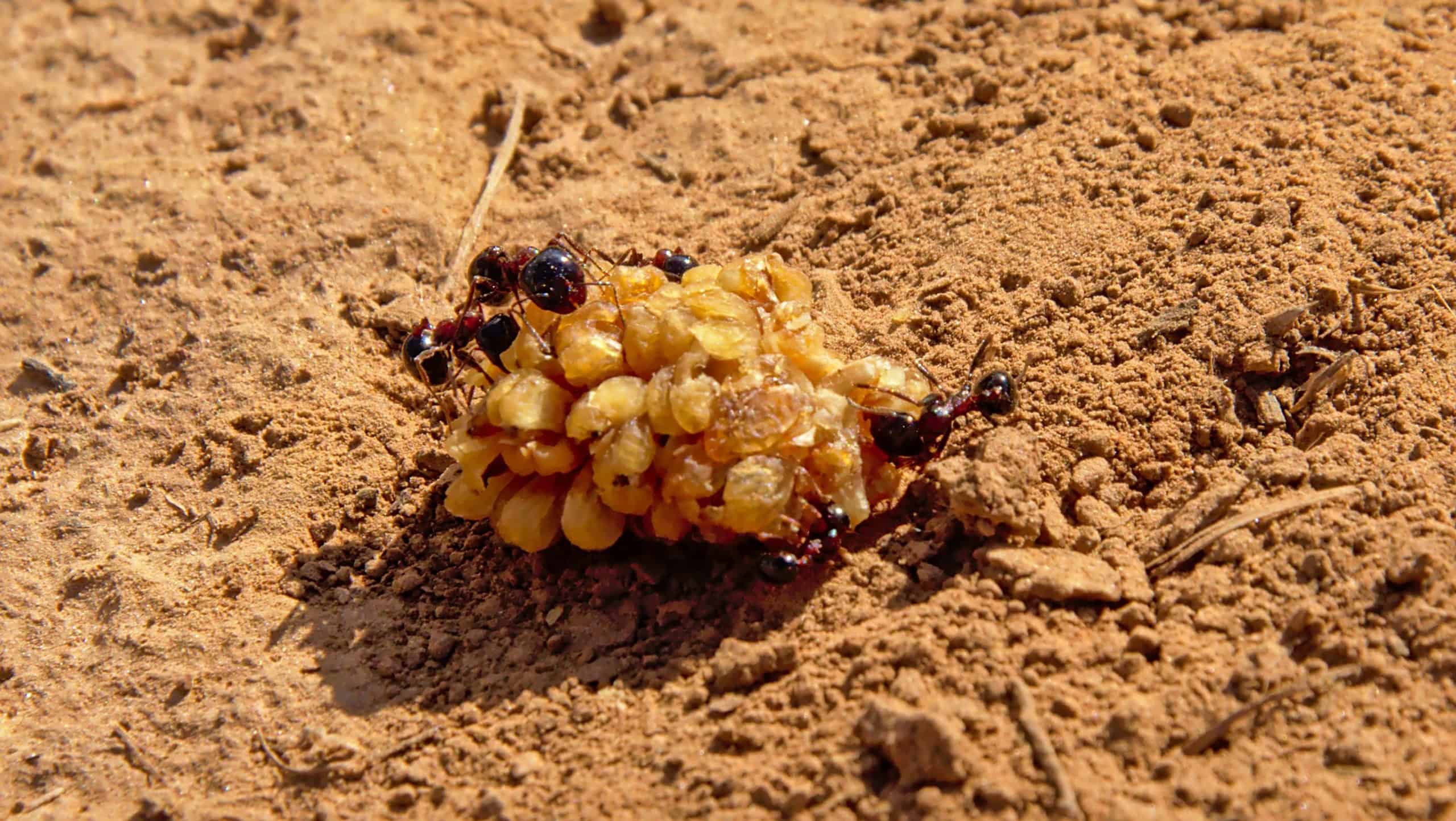
The world population of ants has been estimated at 20 quadrillion individuals at any moment. The total dry carbon ant biomass weighs about 12 million tons, which is about one-fifth of humans’ biomass as of the present. In previous centuries when humans were fewer, ants exceeded humans in biomass.
North Korea and Norway are separated by only one country
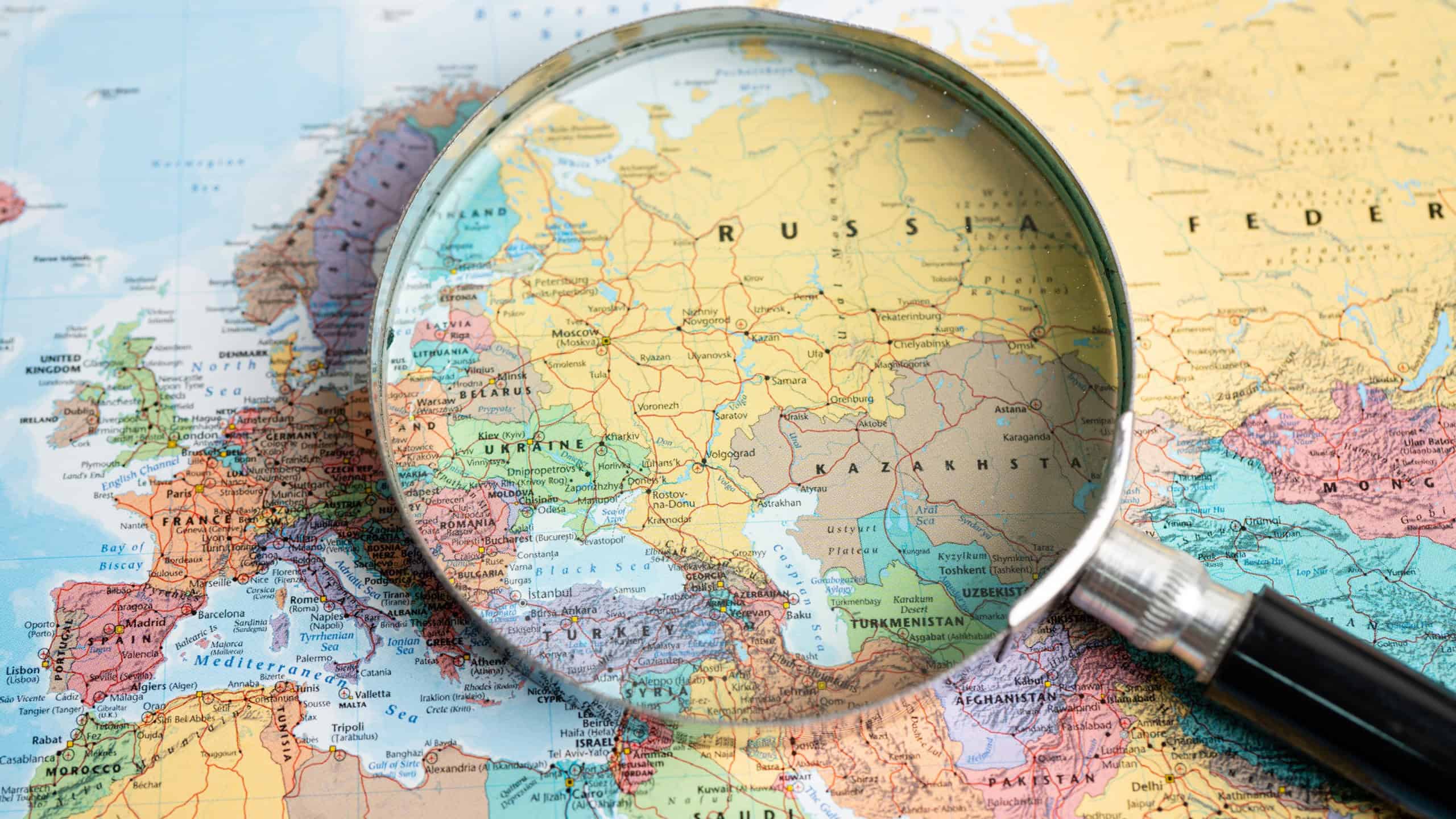
It sounds geographically impossible on a map, but Russia technically has a land border with both. Russia borders North Korea in a small southerly river delta at one end of the world. At the other end, Russia has a northern land border with Norway that goes deep into the Arctic Circle.
Other planets could fit between Earth and the Moon
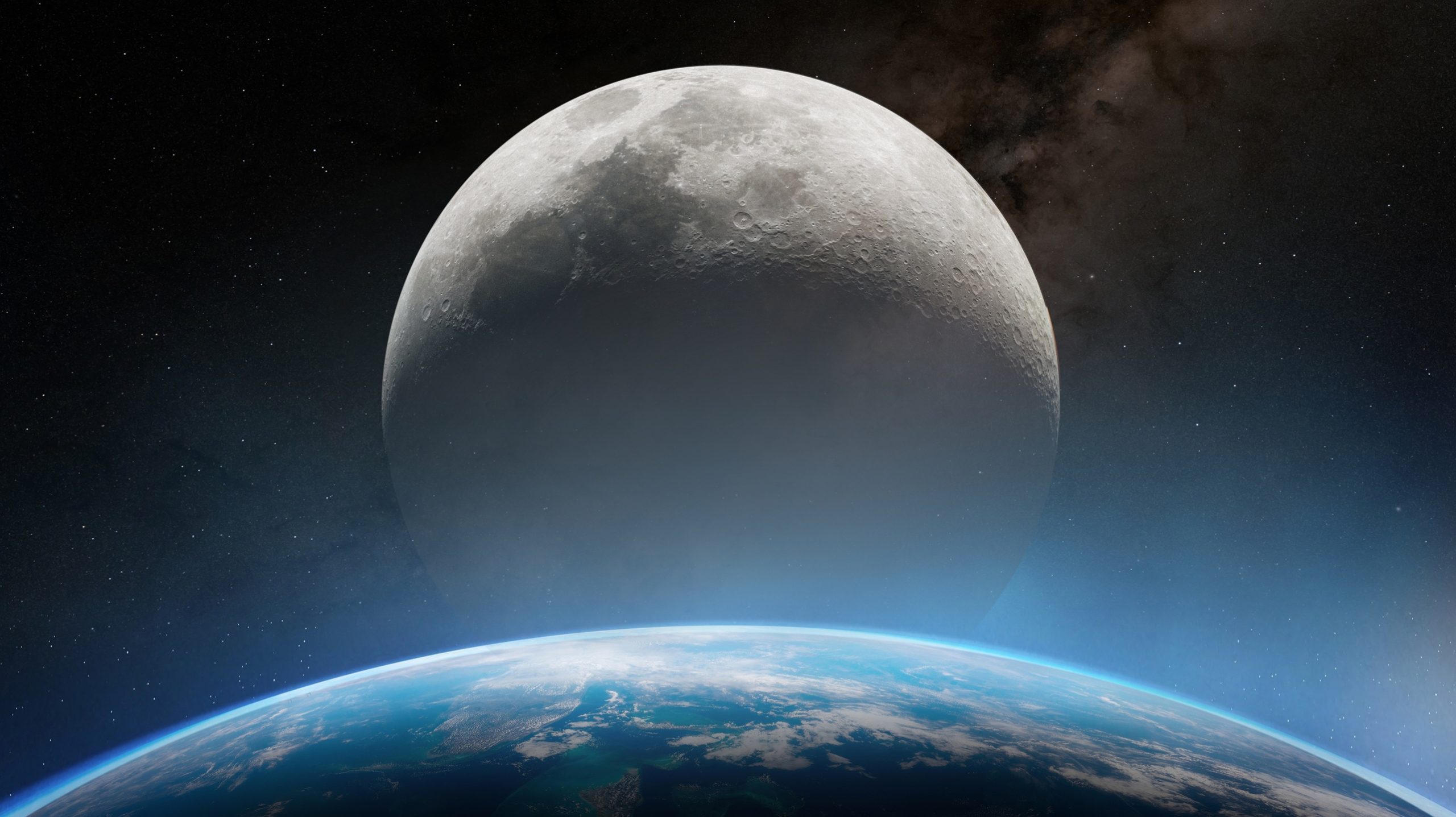
The space between the Earth and Moon looks deceptively short in school textbooks, but outer space is really huge. When it’s farthest from Earth (at apogee), the Moon is approximately 252,088 miles (405,696 km) away from our planet.
If you placed Mercury, Venus, Mars, Jupiter, Saturn, Uranus, and Neptune next to each other in a line along their equatorial diameters, they would only span about 236,000 miles (380,000 km) wide.
The world’s quietest room will drive you crazy

A soundproof room in Orfield Laboratories in Minnesota has been officially recorded at -9.4 decibels, making it the lowest noise level ever recorded by the Guinness World Records.
If you sit inside in complete silence, you’ll hear your heart pumping and your lungs inhaling; you may even hear your nervous system humming. Most people cannot handle being inside for more than half an hour.
Bananas share roughly 60% of their DNA with humans
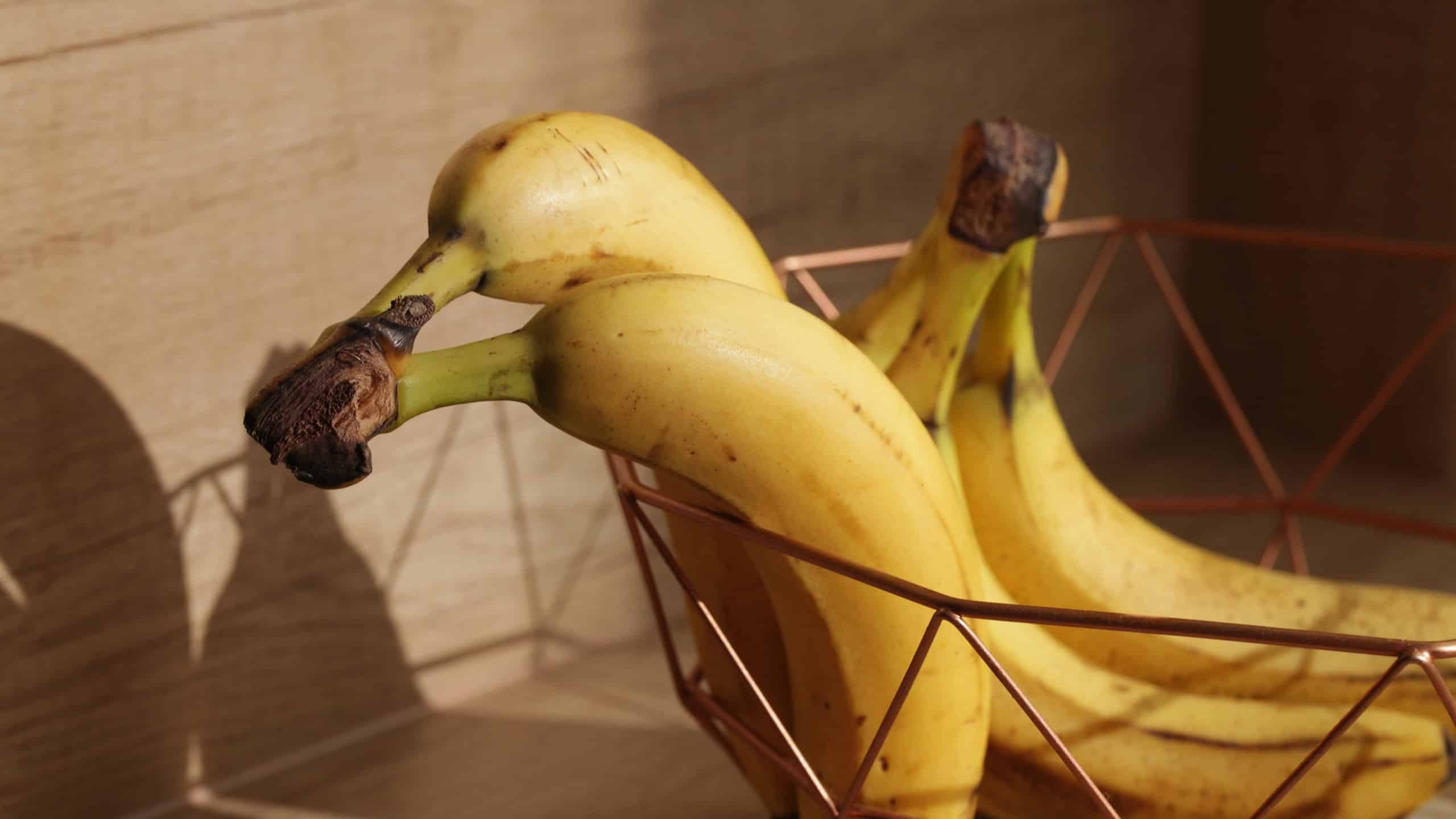
Every living thing on Earth evolved from a common ancestor, which means that the basic building blocks of life are encoded using roughly the same set of instructions.
Humans and bananas are obviously very different organisms, but approximately 60% of human genes have an identifiable equivalent in the banana genome that manages basic functions such as cellular growth and metabolism.
There are more trees on Earth than stars in the Milky Way galaxy
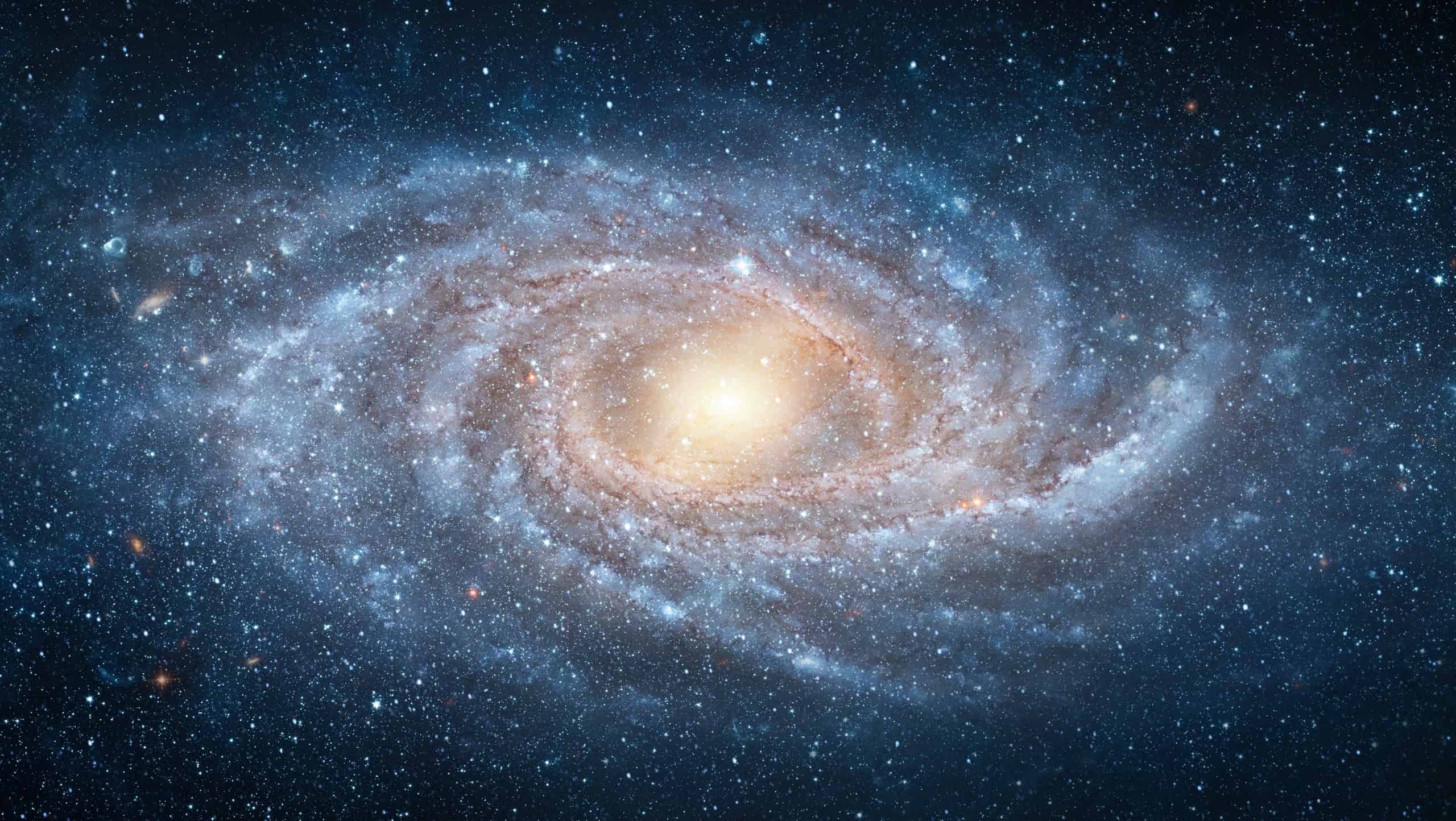
Scientists estimate that the Milky Way galaxy contains between 100 billion and 400 billion stars. However, one recent global study calculated Earth had roughly 3.04 trillion trees. That means our planet is home to eight times as many trees as there are stars in our galaxy.
Most of the world’s population lives in the Northern Hemisphere

Approximately 87% of all human beings live north of Earth’s Equator. The Northern Hemisphere has all of Europe, North America, and most of Asia and Africa. It also includes a significant portion of South America. Because there’s far more water and less land in the Southern Hemisphere, far fewer people live there.
Standard maps severely distort the real size of countries
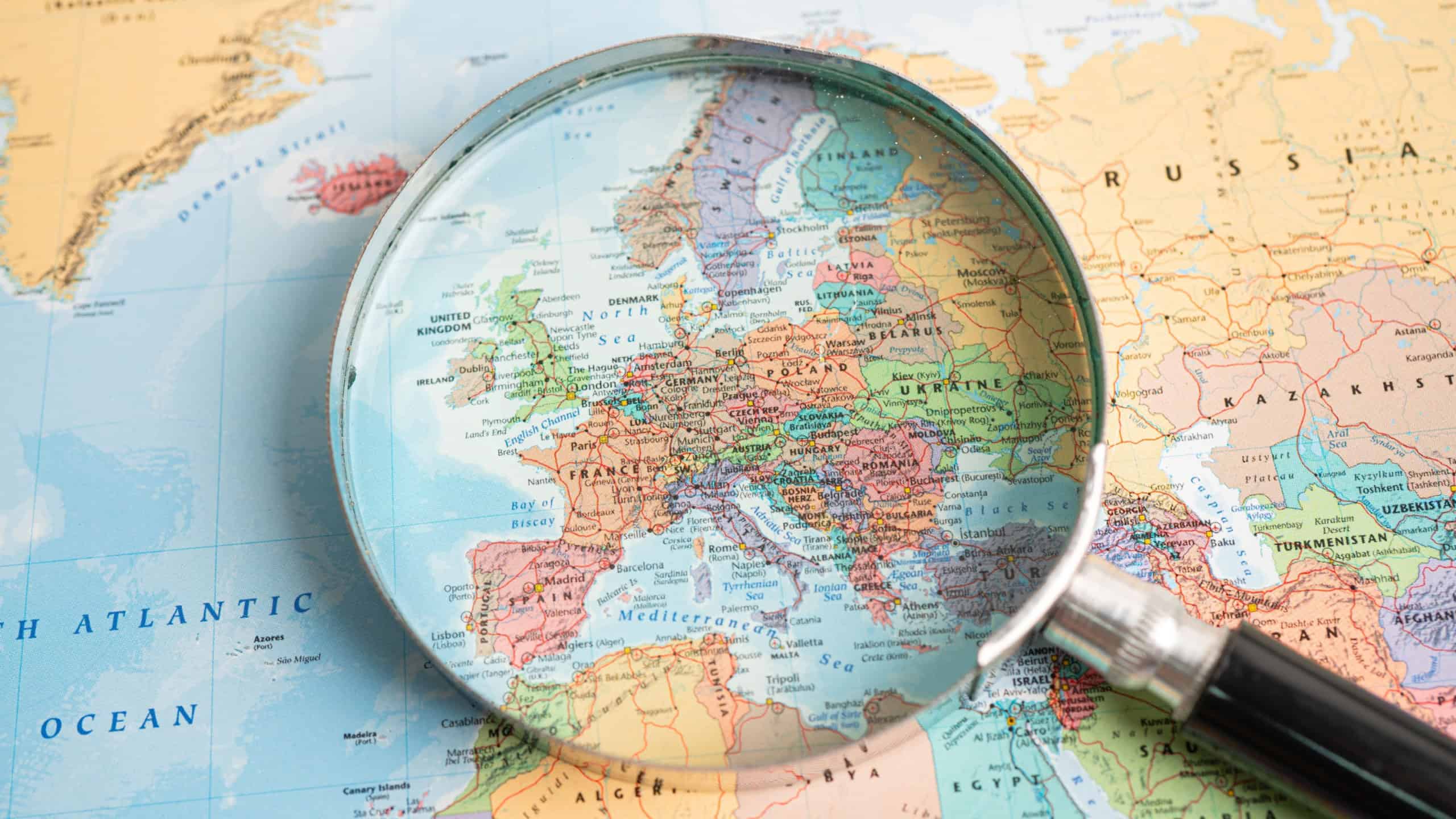
The common map you’ve learned in school and use in Google Maps distorts the size of countries as they get further from the equator. Because of the way the Mercator map is drawn, landmasses appear bigger the farther from the equator they are. As a result, Greenland appears to be the same size as Africa on a map, when it is actually 14 times smaller.
Fungi are more closely related to animals than to plants
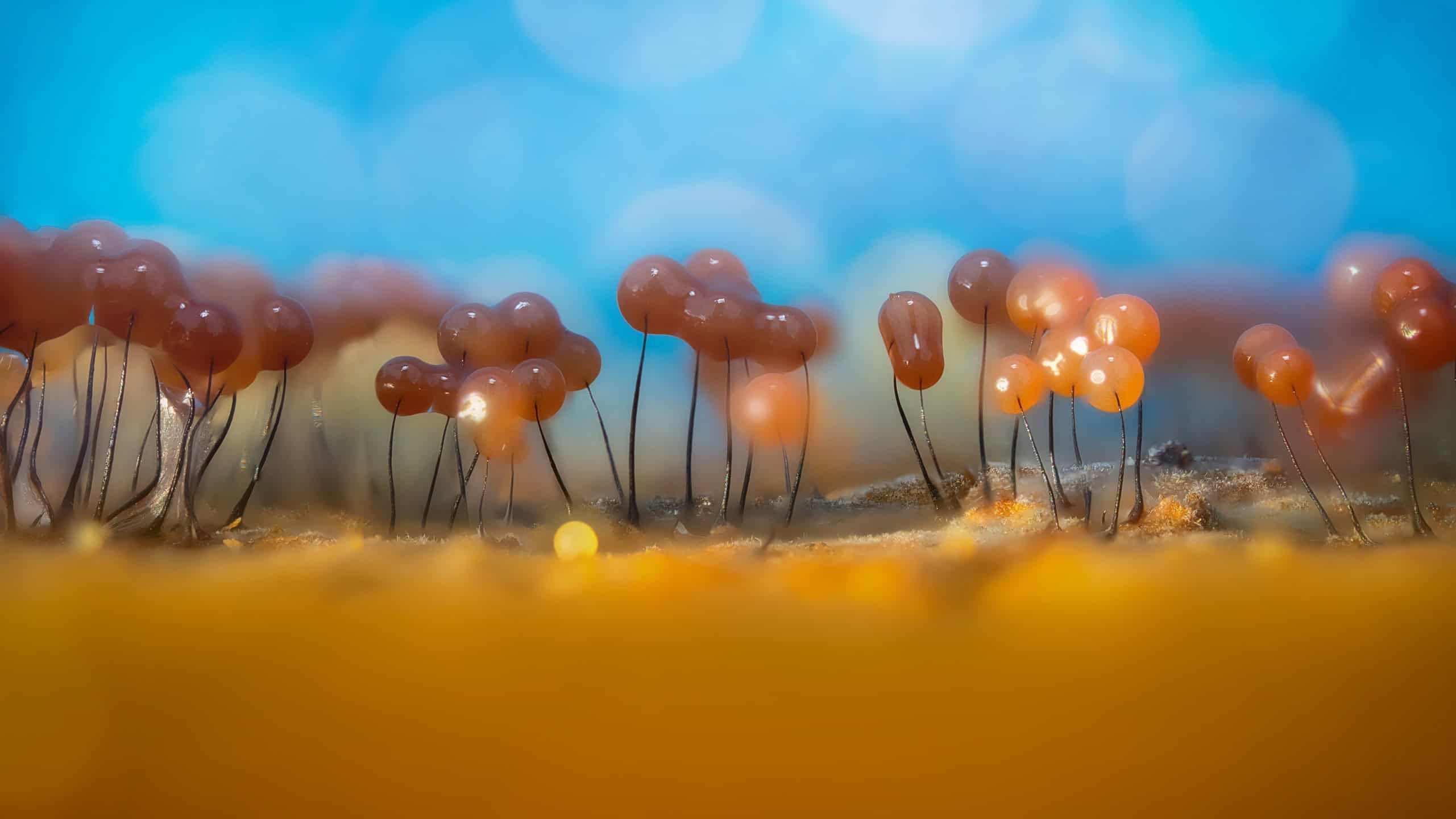
Mushrooms have often been classified with plants, whether in the grocery store or in early biology textbooks. However, genetic testing has proved mushrooms and fungi share a far more recent ancestor with animals than they do with plants.
Fungi, like humans and animals, cannot photosynthesize. They eat organic matter for energy, create chitin (what insect shells are made of), and store glycogen like animals rather than plant starch.
Sources: Please see here for a complete listing of all sources that were consulted in the preparation of this article.
Like our content? Be sure to follow us.
15 funny facts you didn’t need to know, but we still like

You probably didn’t need these facts, but you’ll be glad you know them anyway.


