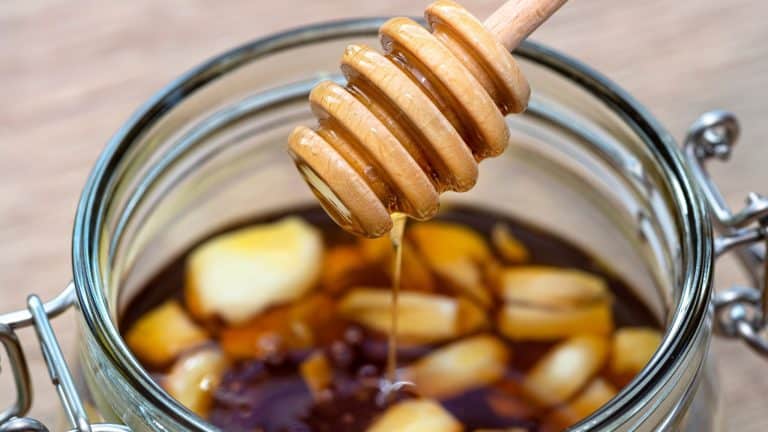

Before doctors’ offices and modern medicine, people often looked to the kitchen for cures. Everyday foods were thought to ease pain, soothe nerves, or restore strength. Old newspapers, home remedy books, and local shops all touted what you ate as medicine.
Some sound downright strange, but people in the past really thought they worked. Here are fifteen examples of food believed to have medicinal value.
Garlic syrup
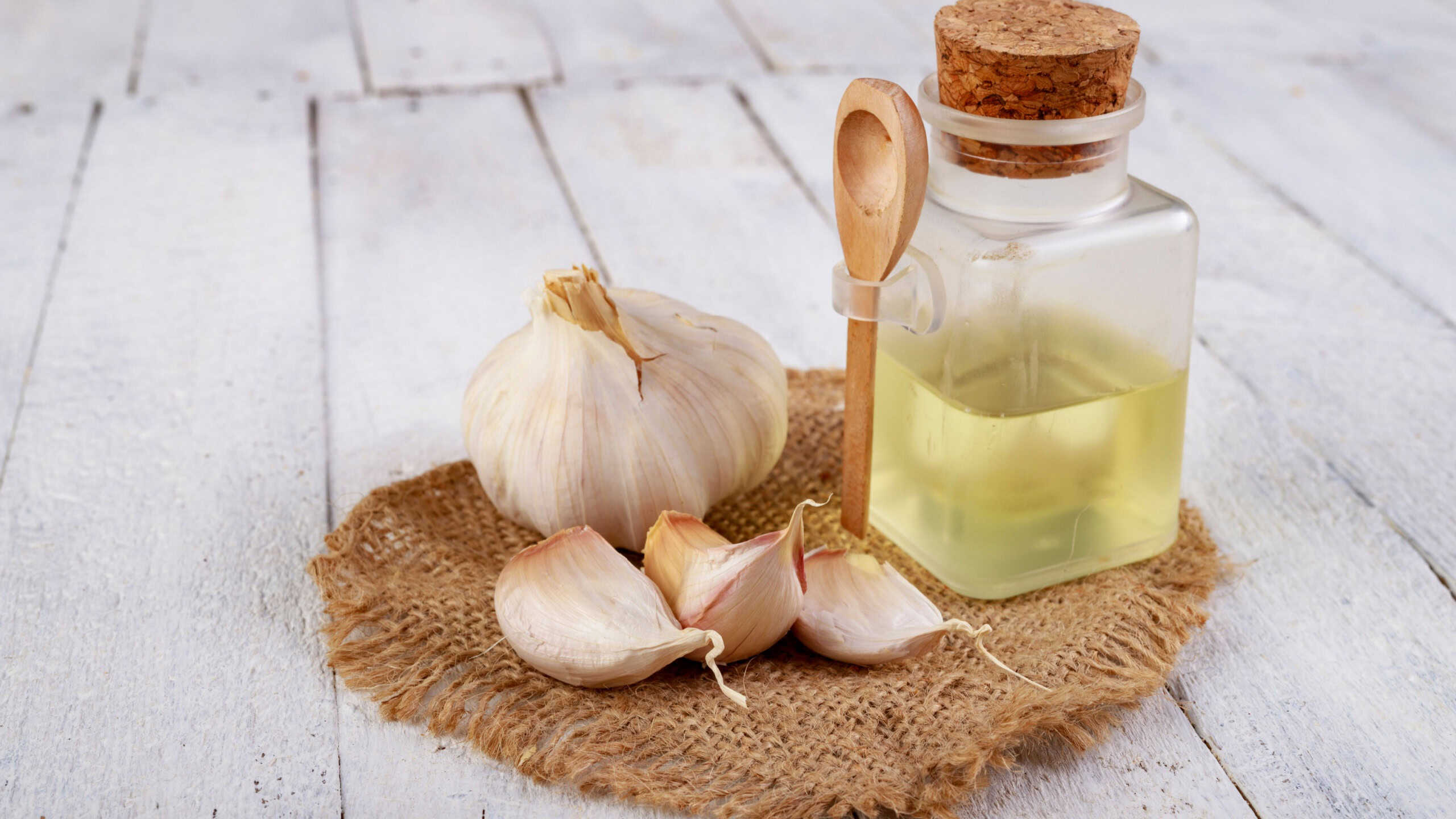
In the early 1900s, American drugstores sold garlic syrup as a medicine for chronic coughs. Advertisements promised that it would “loosen the chest” and allow a person to “sit up at night more comfortably” despite coughing. Catalogues typically sold it as a less expensive alternative to the higher-priced patent medicines. To make the garlic taste more palatable, the potent flavor was usually tempered with sugar.
Celery tonic
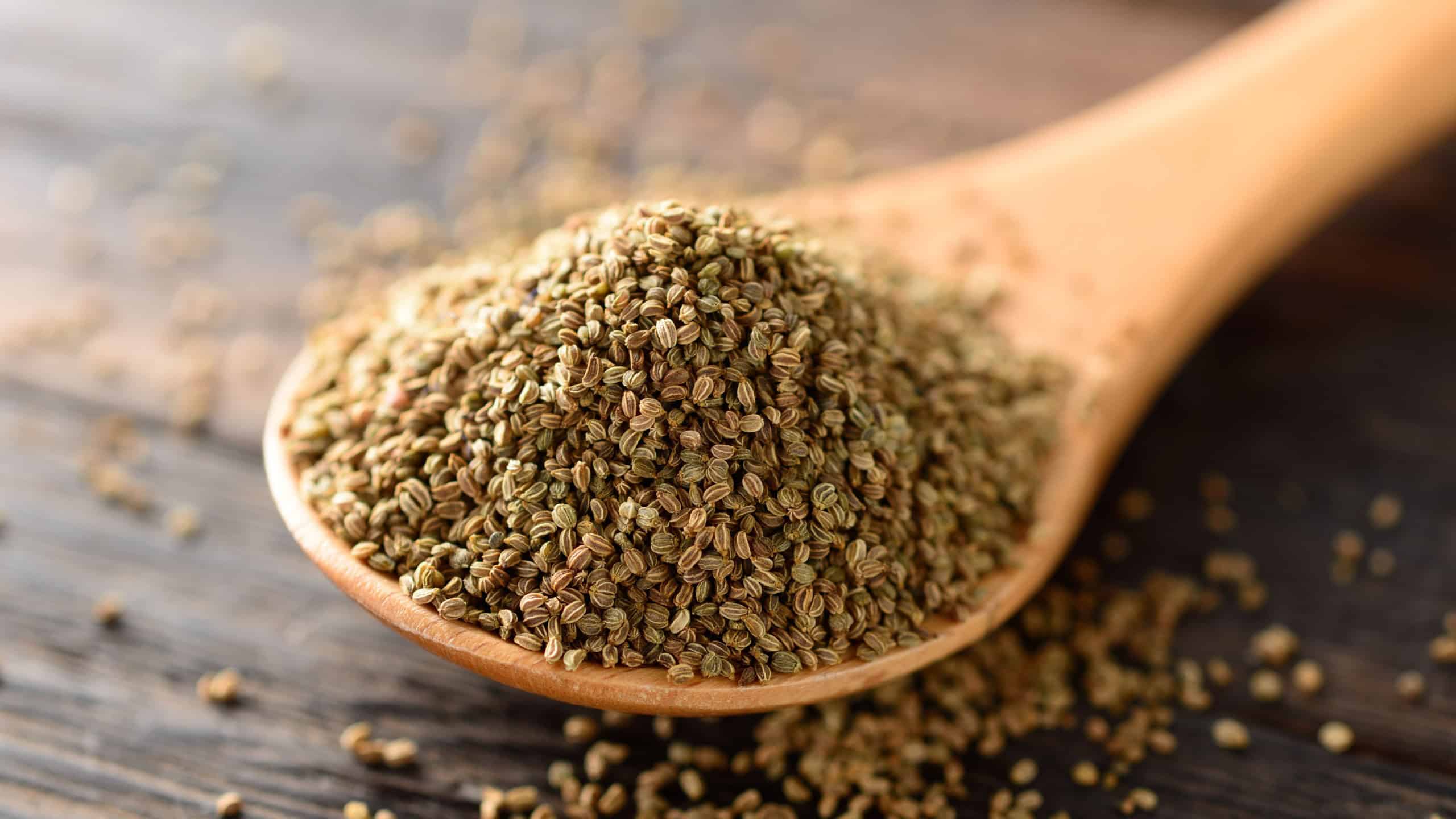
In the late 19th century, celery wasn’t just for salads. It was used in “nerve tonics.” Makers mixed celery seed in alcohol to produce beverages for the weak, nervous, or sleepless. Physicians thought celery soothed frazzled nerves, and bottles were often labeled to help “overworked minds.”
Malted barley extract
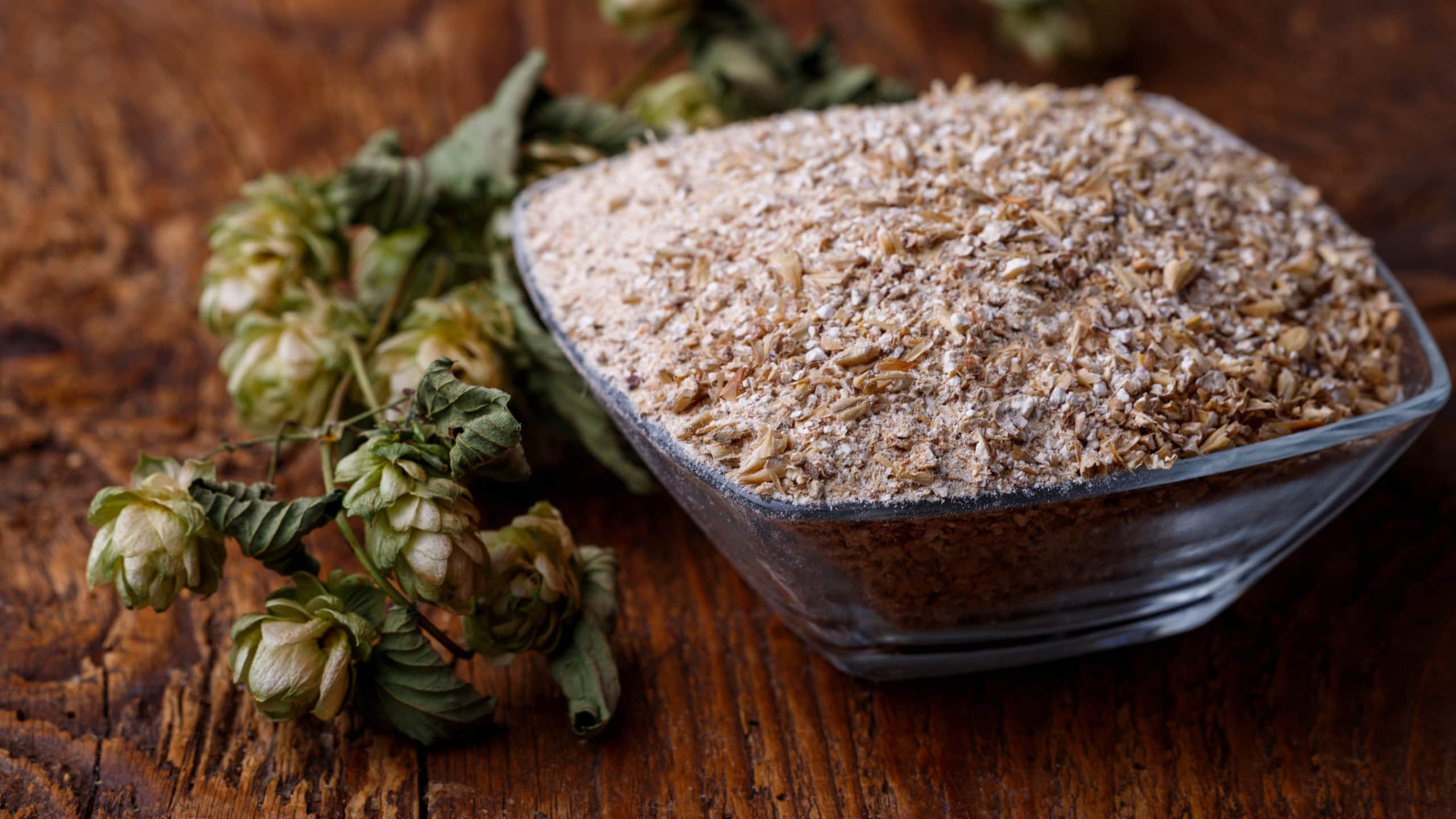
Before malted milkshakes were a sugary treat, malt extract could be bought at an apothecary as a fattening drink. Physicians prescribed it for children who were slow to gain weight and for adults who had lost it during an illness. Early medical journals from the 20th century also mention it as a digestive aid. People typically consumed it by the spoonful, as we would a modern supplement.
Grape pulp mixtures
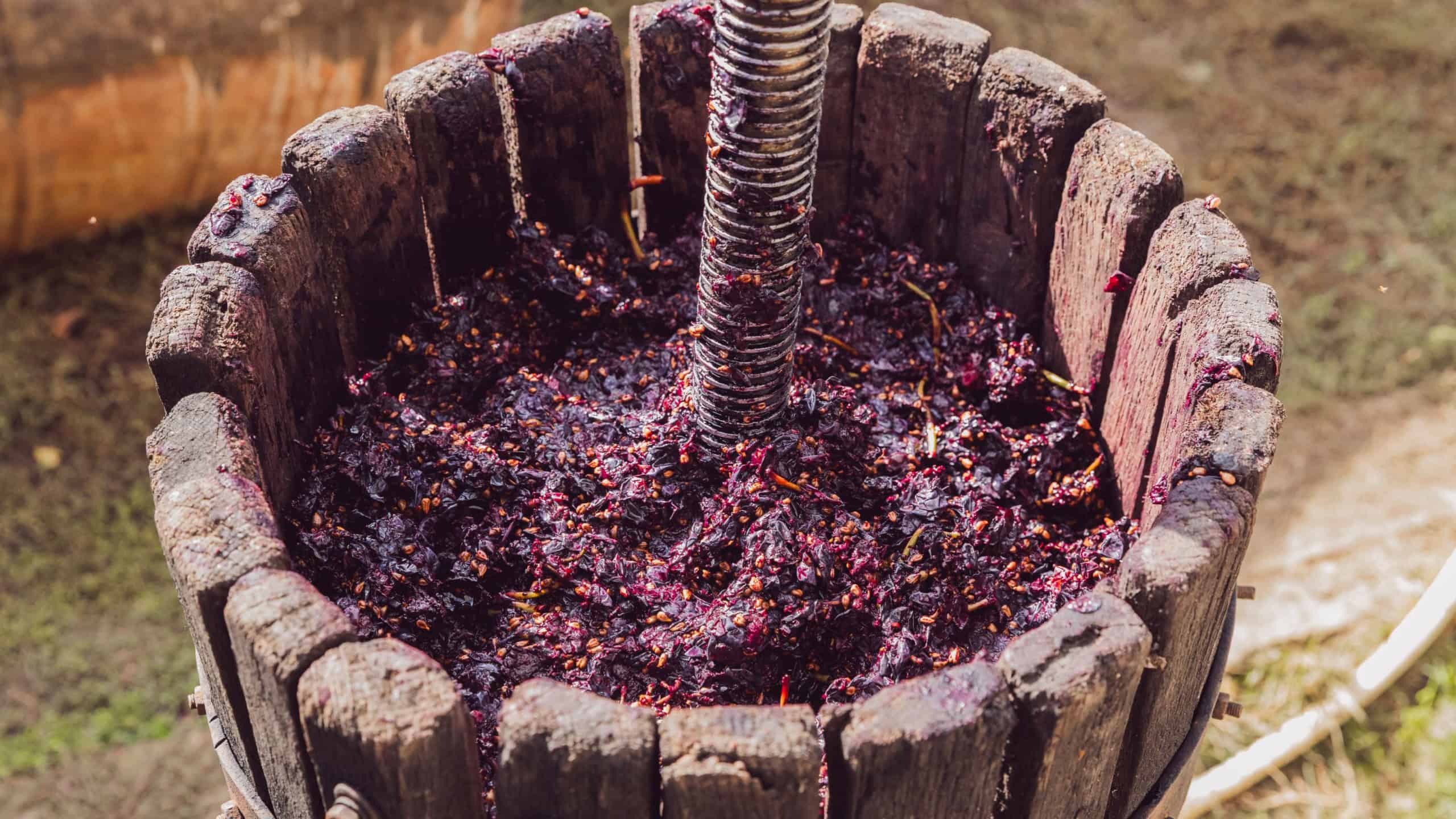
Before grape juice became a beverage, crushed grape pulp was marketed as a therapeutic treatment. At some sanatoriums in Europe, a “grape cure” consisted of serving patients bowls of mashed grapes, day after day. Doctors said it “purified” the body, and the effect was almost entirely on the digestive system.
Lemon peel tea
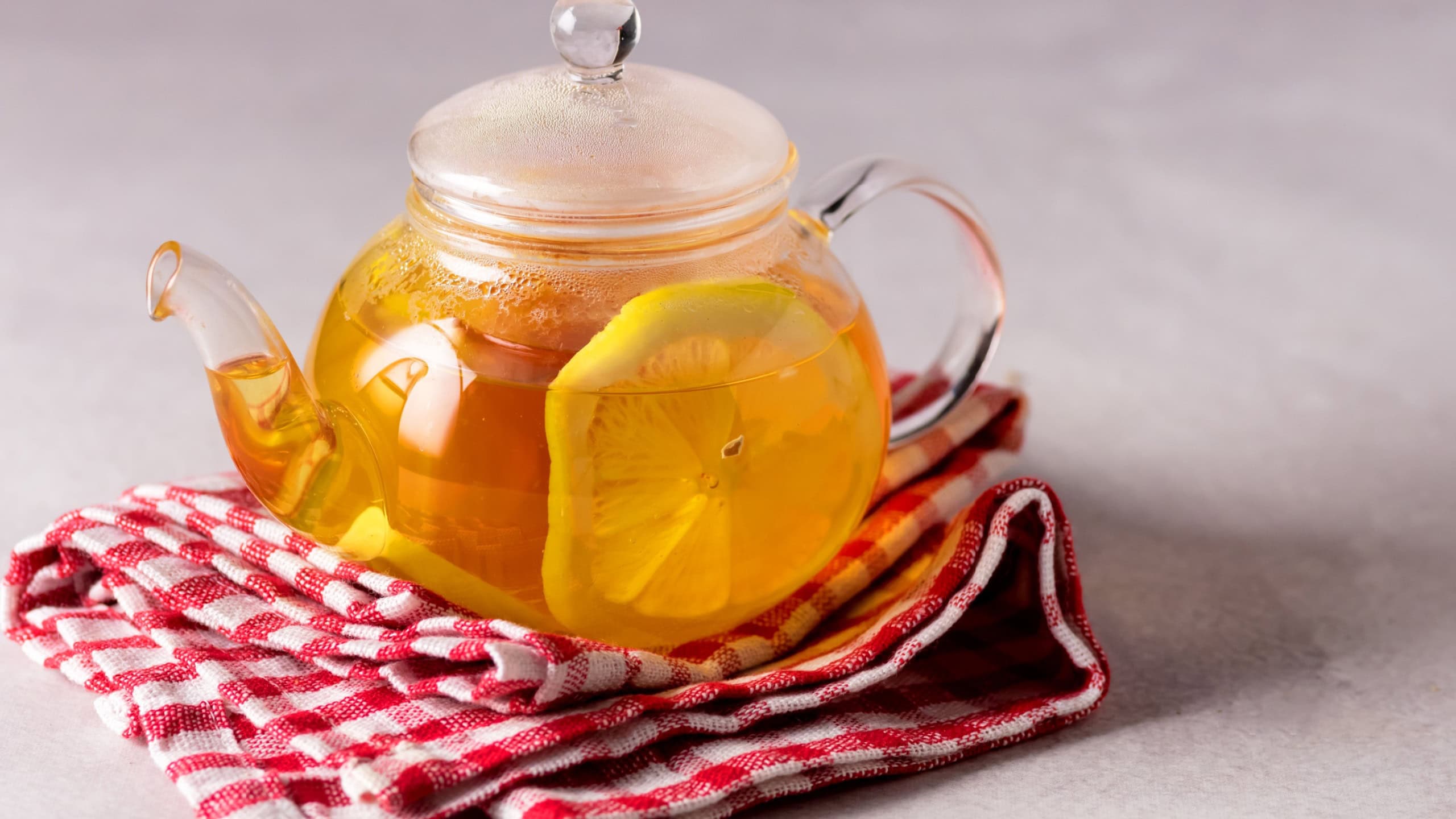
Lemon peel tea was found in early 18th century Europe. Doctors sometimes recommended the drink to patients who showed signs of fatigue and low spirits. The peel oils were thought to soothe, improve well being and appetite.
According to historical manuals, this tea was given as a tonic for mild melancholy. It was usually made in stronger concentrations than normal tea to get the desired result, and of course depending on the cup and the season, the result may have varied.
Raw egg emulsions

Towards the end of the 19th century, pharmacists would mix raw eggs with wine or milk and sell it as a tonic. Physicians believed it might give anemic or run-down patients a sudden boost. Nutrient drinks with a whole egg are even in old physician’s guides under “nutritive restoratives.”
Hospitals would sometimes give patients a glass after surgery to get them protein-boosted quickly. While the effectiveness of the treatment varied between patients, this practice remained standard.
Beef tea
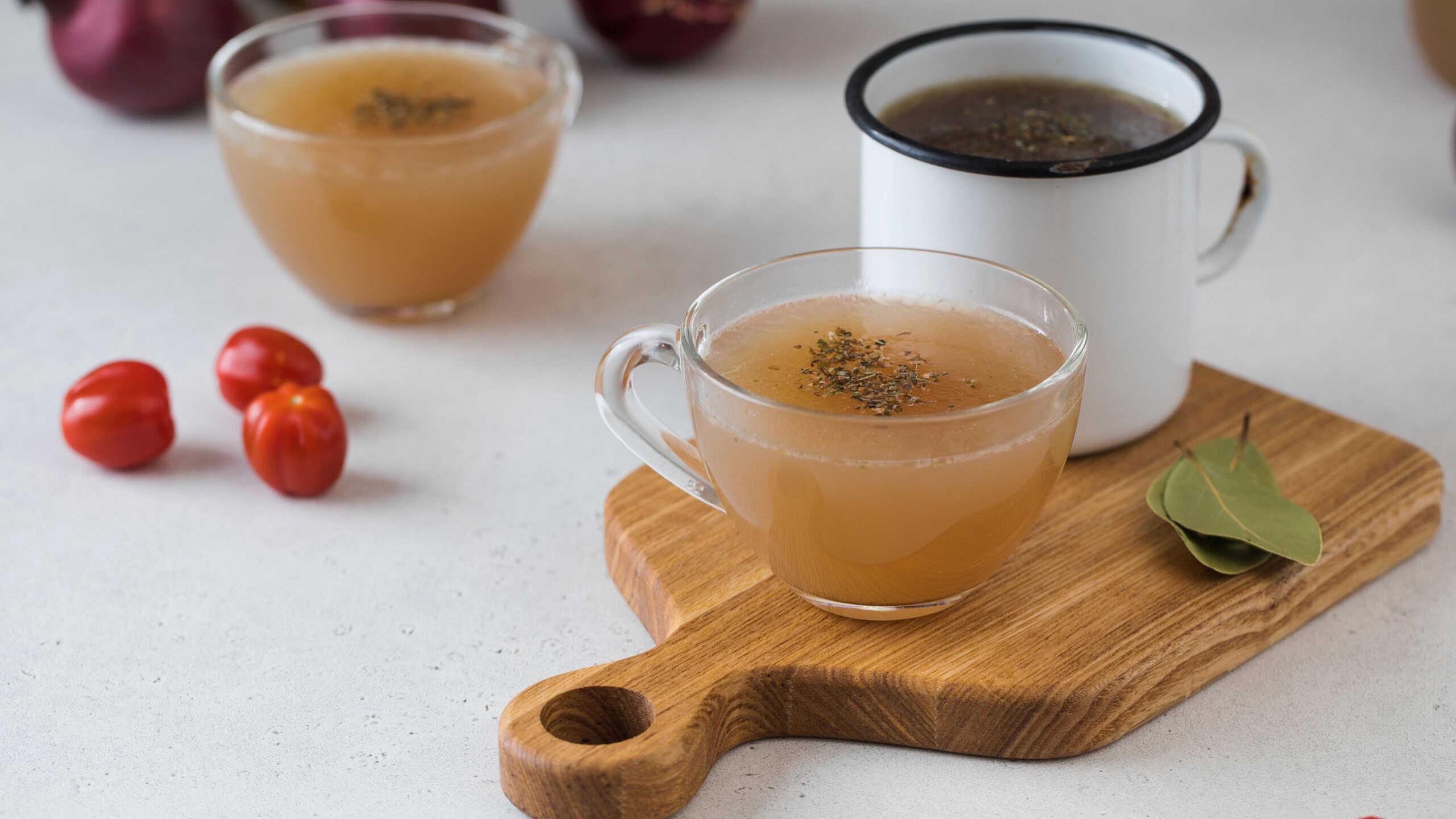
Beef tea was a light broth made by simmering beef in water. It was commonly used in Victorian hospitals as a nutritive medical drink. Patients that could not tolerate more solid food were given beef tea as it was thought to be easy on the stomach, and to aid recovery from fevers, digestive weakness, or general ill-health.
Nurses used it as the initial step to transition patients back to solid foods. Researchers have commented on its prevalence in 19th‑century medical meal plans, and in cookery books.
Pineapple for digestion

During the early 1900s drugstores across the United States attempted to sell pineapple to customers as a treatment for upset stomach. They thought the enzyme bromelain helped with the digestion of large meals.
Early ads often referred to canned pineapple as a “meal finisher” that would stop bloating. Doctors and salesmen would recommend it to anyone who felt sluggish post-meal. It’s likely that it only worked well for some people, but it was a cute little trick for the time.
Caraway seed lozenges

In Europe, caraway seeds were molded into small lozenges and sold as a cure for gas and stomach ache. Apothecaries produced small tins of caraway seed lozenges that they sold to travelers. Early herbal books described the seeds as “warming the gut” and “calming of cramping”. They were especially enjoyed after large or fatty meals.
Cocoa as a heart tonic
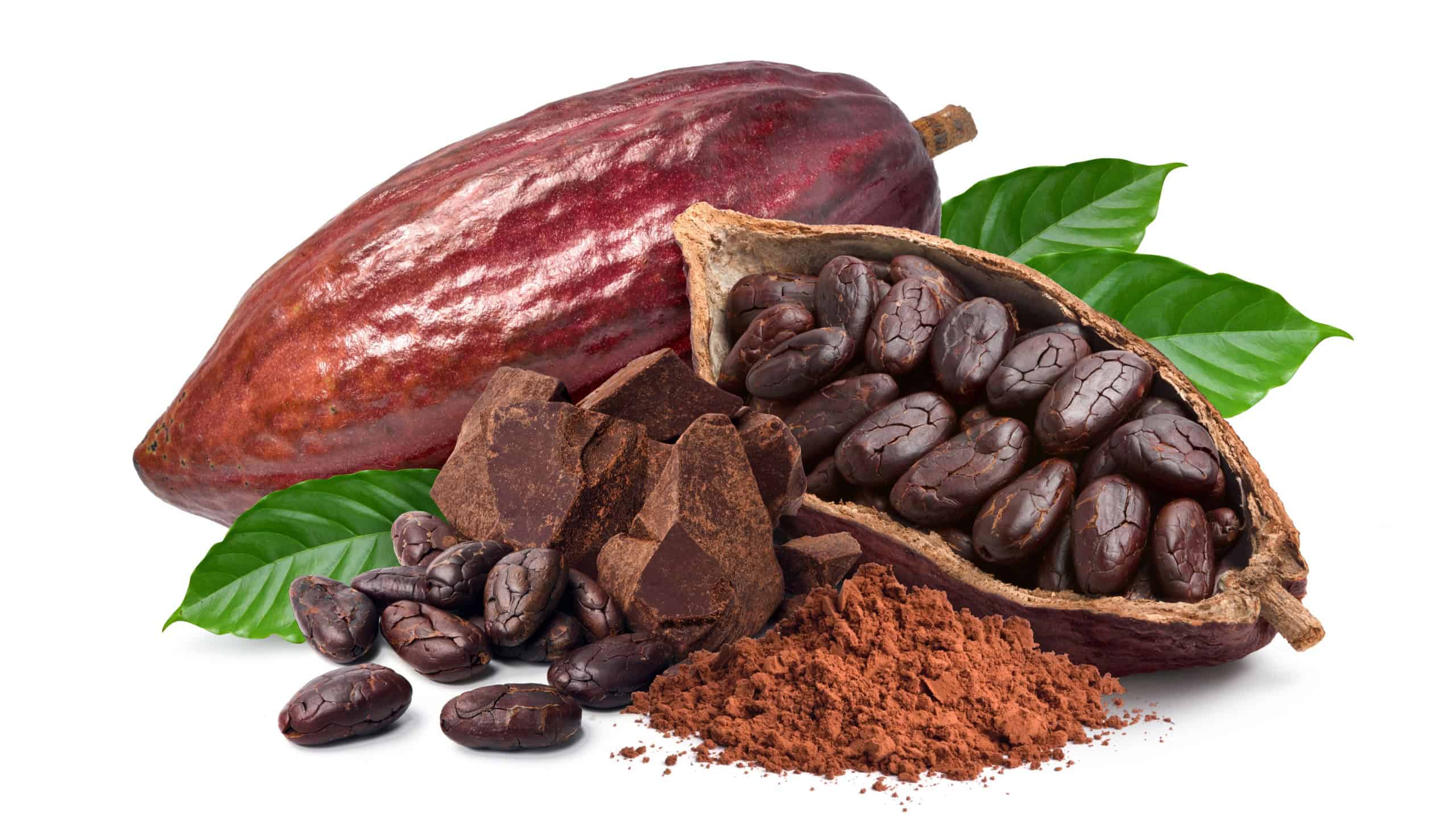
Doctors in the 19th century sometimes believed cocoa might strengthen the heart and invigorate the circulation. Advertisements claimed it was gentler on the stomach than coffee, and doctors said it warmed the body without making one nervous or agitated. It was consumed by many as a morning beverage, as a mild tonic, not a dessert drink. It may or may not have been effective. Many people thought it was though.
Almond oil for coughs
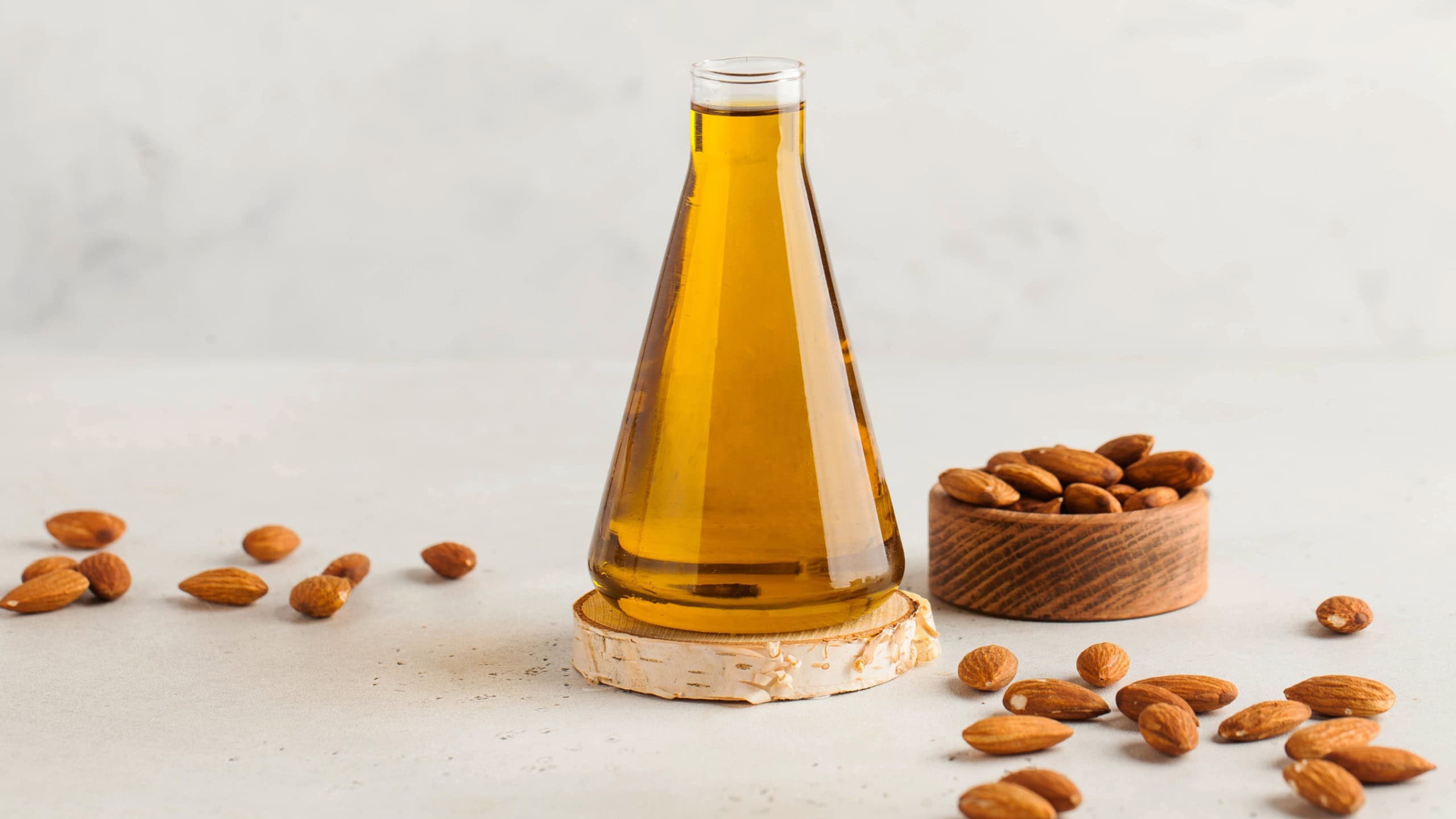
In the 19th century, almond oil was used not just for cooking but also medicinally as a cough treatment. Physicians prescribed it to soothe the throat for dry coughs or hoarseness. Pharmacies sold it in small glass vials for the winter. You’ll see it referenced in antique home-medicine manuals, though its efficacy likely depended on the individual.
Horseradish for congestion
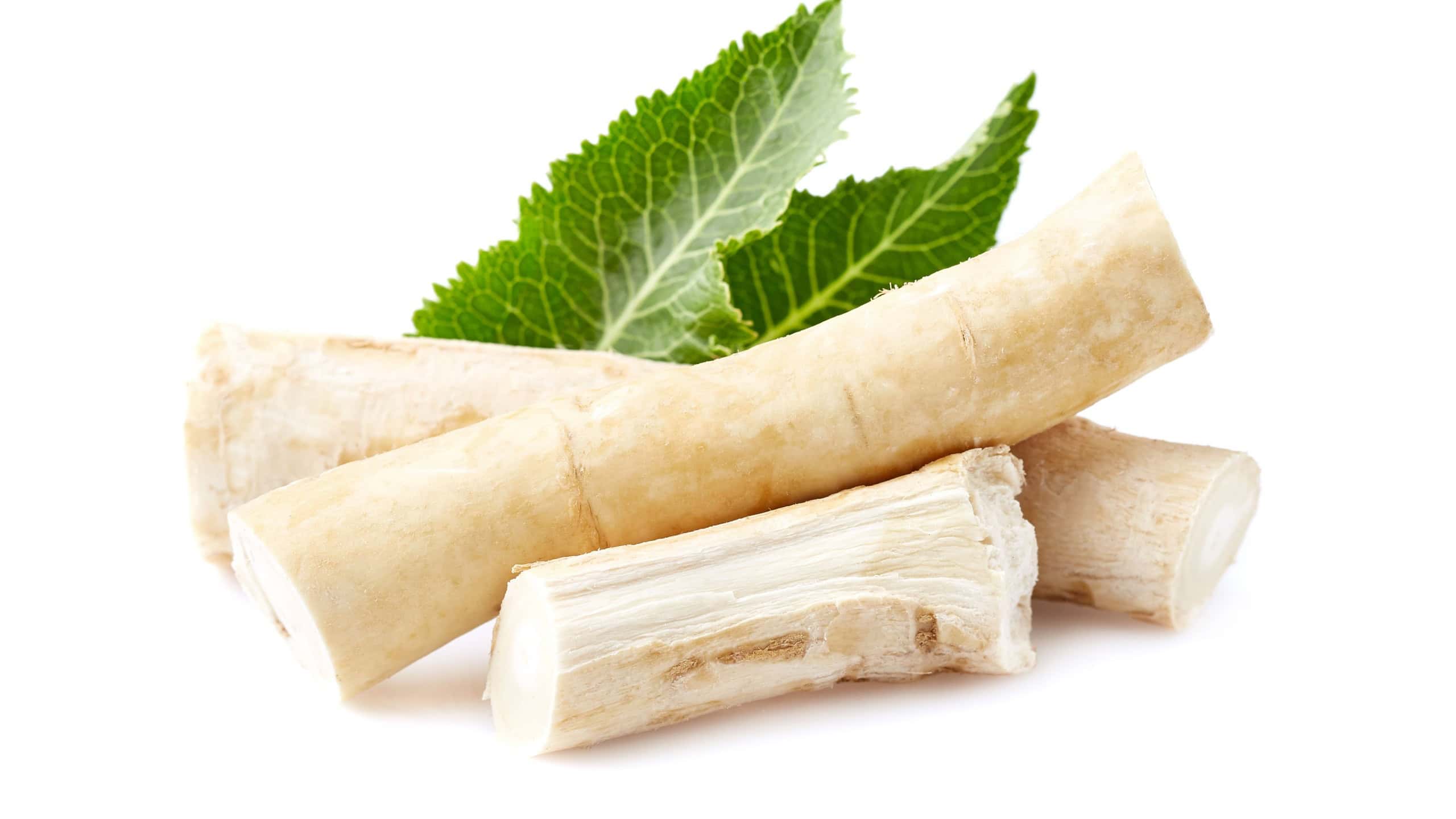
Grated horseradish was a traditional treatment for stuffy sinuses in older European households. Physicians observed how its spicy smell seemed to help clear congestion. 19th century folk medicine books named horseradish as an old-fashioned “nose opener”. A common practice was stirring it in vinegar and sniffing the vapors as a fast acting remedy.
Fig paste for constipation
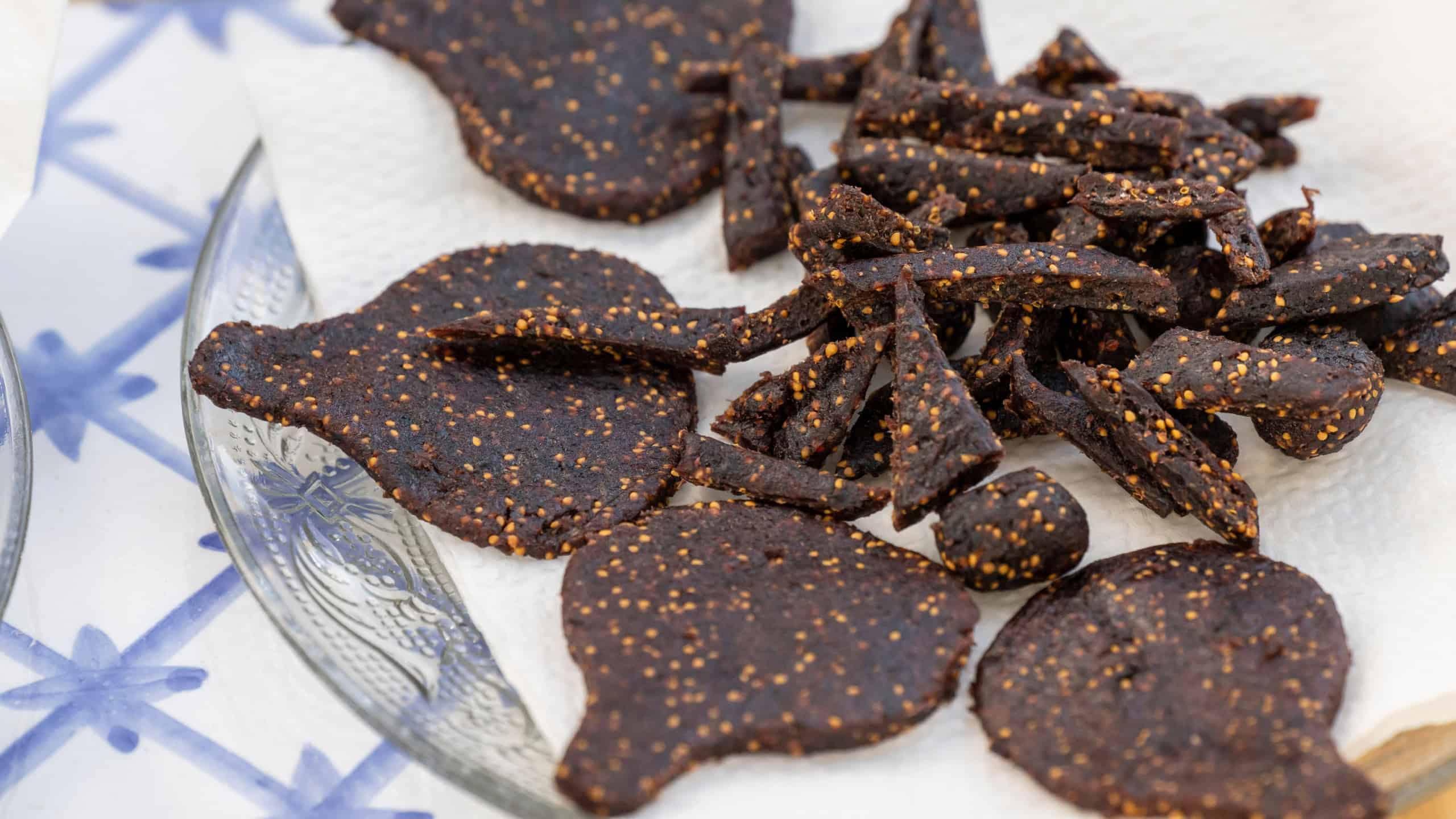
At the turn of the 20th century, figs were used to produce a thick paste, sold in pharmacies as a natural remedy for constipation. It was regularly listed in pharmacists’ catalogs for this use. Physicians began to prefer fig paste to harsh chemical stimulants. Certain preparations combined figs with senna to make it work better.
Onion poultices
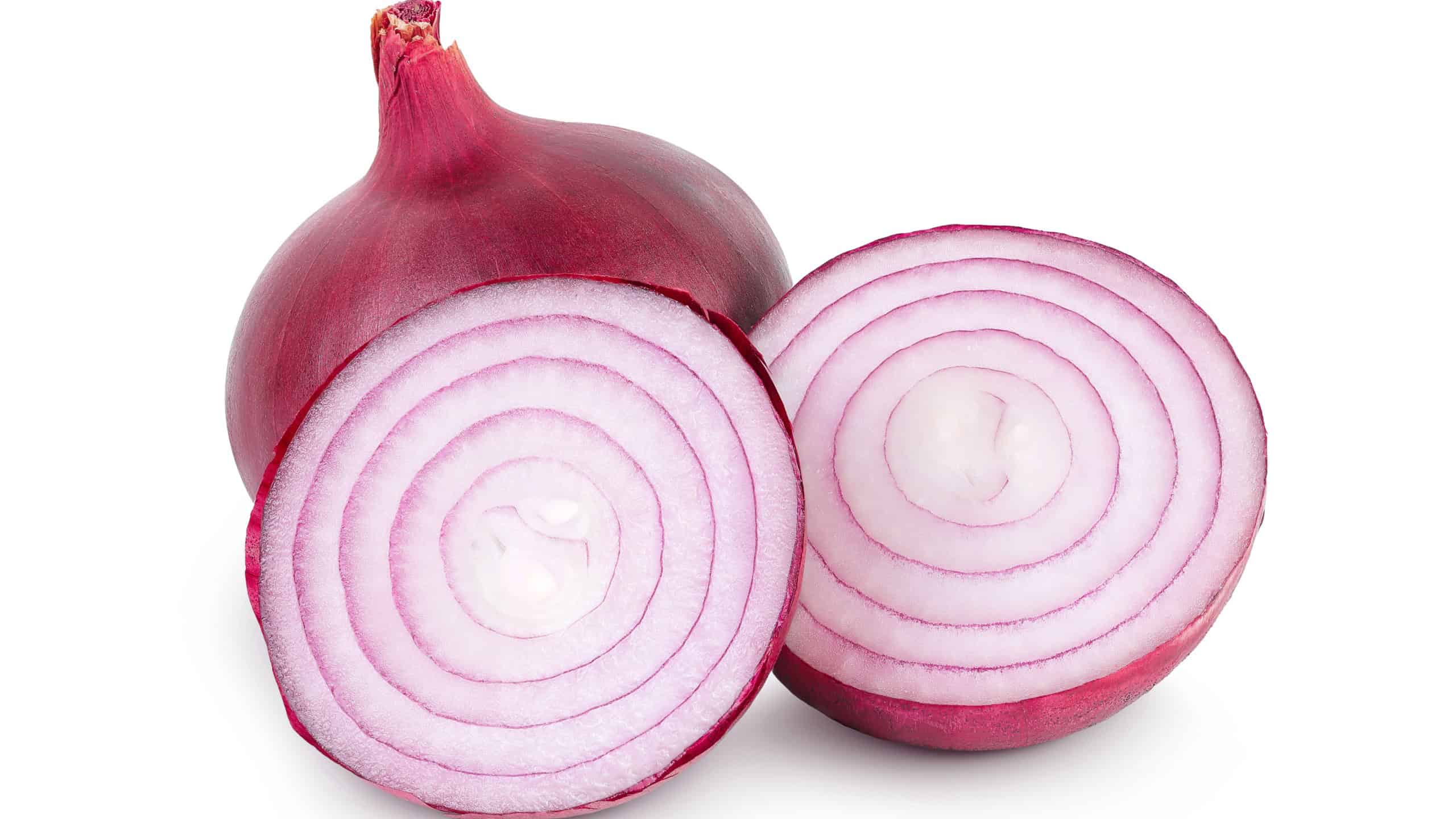
Raw onions were boiled and mashed and then wrapped in a cloth to place over the chest. It was intended to relieve the symptoms of common cold. Some families did not make the onion poultice themselves and purchased it from local healers. They would put it on before going to bed to loosen the chest and aid respiration.
Vinegar drinks for fatigue
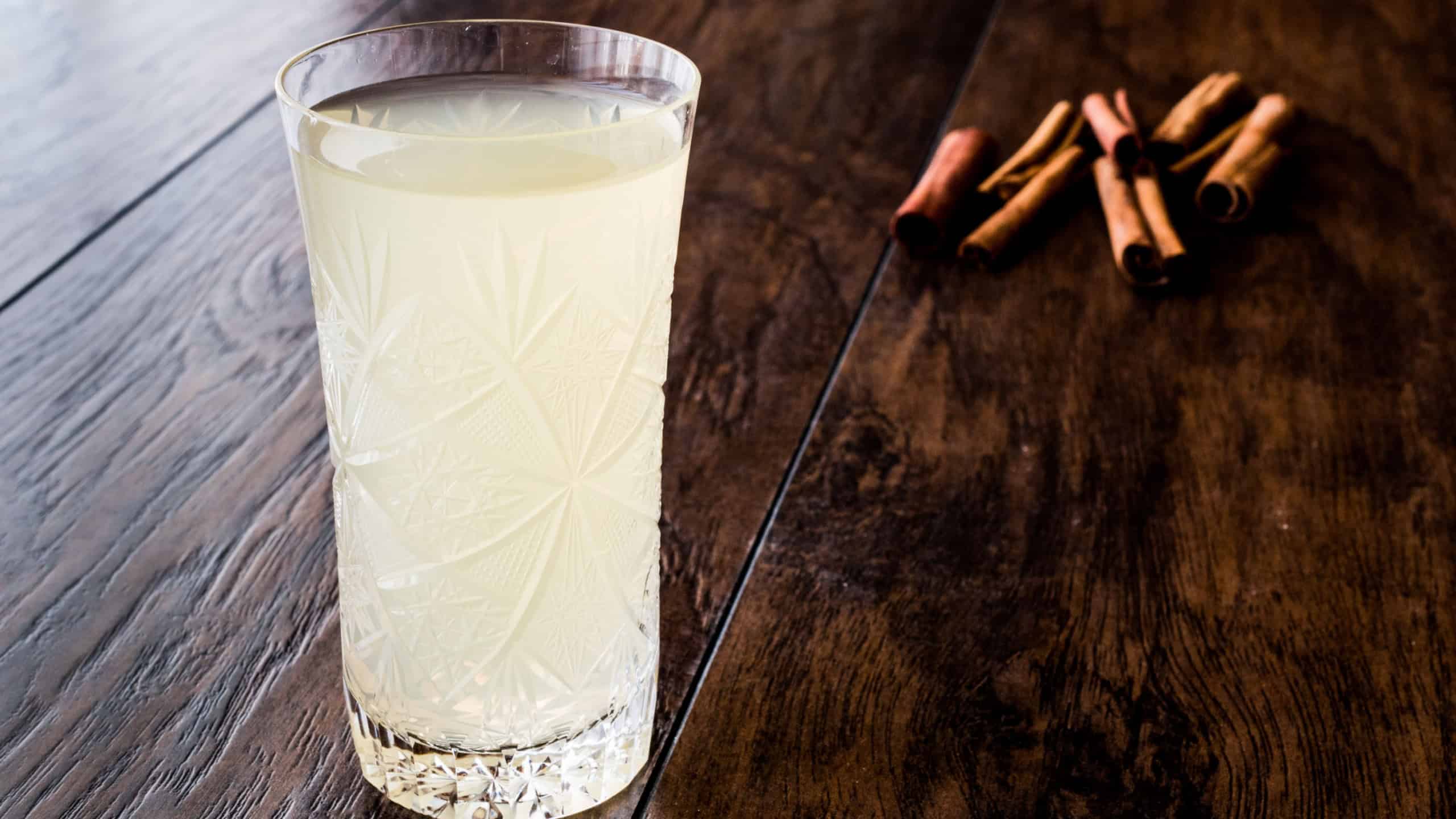
A solution of vinegar in water, with perhaps a small amount of honey, has at times been consumed as a beverage for fatigue. During the 19th century, for example, American farmers were known to consume the drink at the end of a long day in the fields, under the impression that it would return at least a modicum of vitality.
Early health manuals described the drink as having a “restorative” effect and called it a “reviving drink.” Many people believed that consuming vinegar was both purifying and refreshing during hot weather conditions.
Sources: Please see here for a complete listing of all sources that were consulted in the preparation of this article.
Like our content? Be sure to follow us.


