

I asked a few people what they remember most about going to the mall in the ’90s, beyond the obvious (the department stores, the Forever 21’s, etc.). I wanted to know about the small, daily rituals that seemed standard at the time. Little routines that no one even questioned because they were just part of the trip.
Most of them had to pause and reflect for a minute before saying, “Oh yeah, that used to be a thing.” These are the mall rituals that they remembered, that for the most part don’t exist today.
Layaway counters inside department stores

Department stores typically had a layaway counter in-store. Sears, Kmart, JCPenney and many others had them. Shoppers would make partial payments over a few weeks. The item would be stored in the back, and would be reserved by the store. Layaway was most common before most people had credit cards. Layaway started to phase out in the early 2000s.
Listening stations for CDs and cassette tapes

Record stores like Sam Goody and Camelot had listening stations along the walls. You’d put on shared headphones and listen to a few songs. Then you’d decide if you wanted to buy an album.
It wasn’t a novelty; that was how people learned what was worth their money. Once digital previews and downloads arrived, those stations disappeared quickly.
Public message boards near entrances

Some malls had public message boards near their entrances. People would post flyers for piano lessons or babysitting or lost pets. They provided a window into local life beyond the stores. After online classifieds and social media caught on, malls quietly stopped putting up these boards.
Mall photo studios for family portraits

Chain photo studios were once common outside of passport photos, such as Olan Mills and Sears Portrait Studio. Families would get dressed up and make an appointment for holiday or other special occasions. A few weeks later, the film would be returned and they would make final selections from proof sheets. Improvement in the quality of home cameras and easier digital images took their toll on these studios.
Printed mall maps you took home

It used to be common to see those big printed mall maps by the front door or at the info desk. You would take one, fold it up, and carry it around with you as you planned which stores to visit or circled your favorites. That was definitely not as convenient as looking something up on your phone.
Early-morning access for mall walkers

Traditionally, before stores opened, malls would allow walkers inside early, mainly seniors. It was a safe, warm place to get some exercise, and the security guards often knew the regulars by name. Liability concerns and decreased staffing have ended the practice at most malls.
Store employees acting as product educators

There was a time when store employees were more than cashiers, they schooled you on products, especially electronics and shoes. You didn’t just wander around by yourself, someone would come by and show you things and explain it. It mattered when there was no online price comparison. When stores adopted self-service shopping models this valuable personal guidance disappeared almost completely.
Coin-operated kiddie rides near anchor stores

Coin-operated rides shaped like trucks or horses or cartoon characters once lined the walks near the larger stores. Parents stashed spare change just for that purpose. They were nothing fancy, but they occupied kids while shopping. Maintenance, new safety regulations, and liability costs conspired to get rid of most of them in malls over the years.
In-mall travel agencies
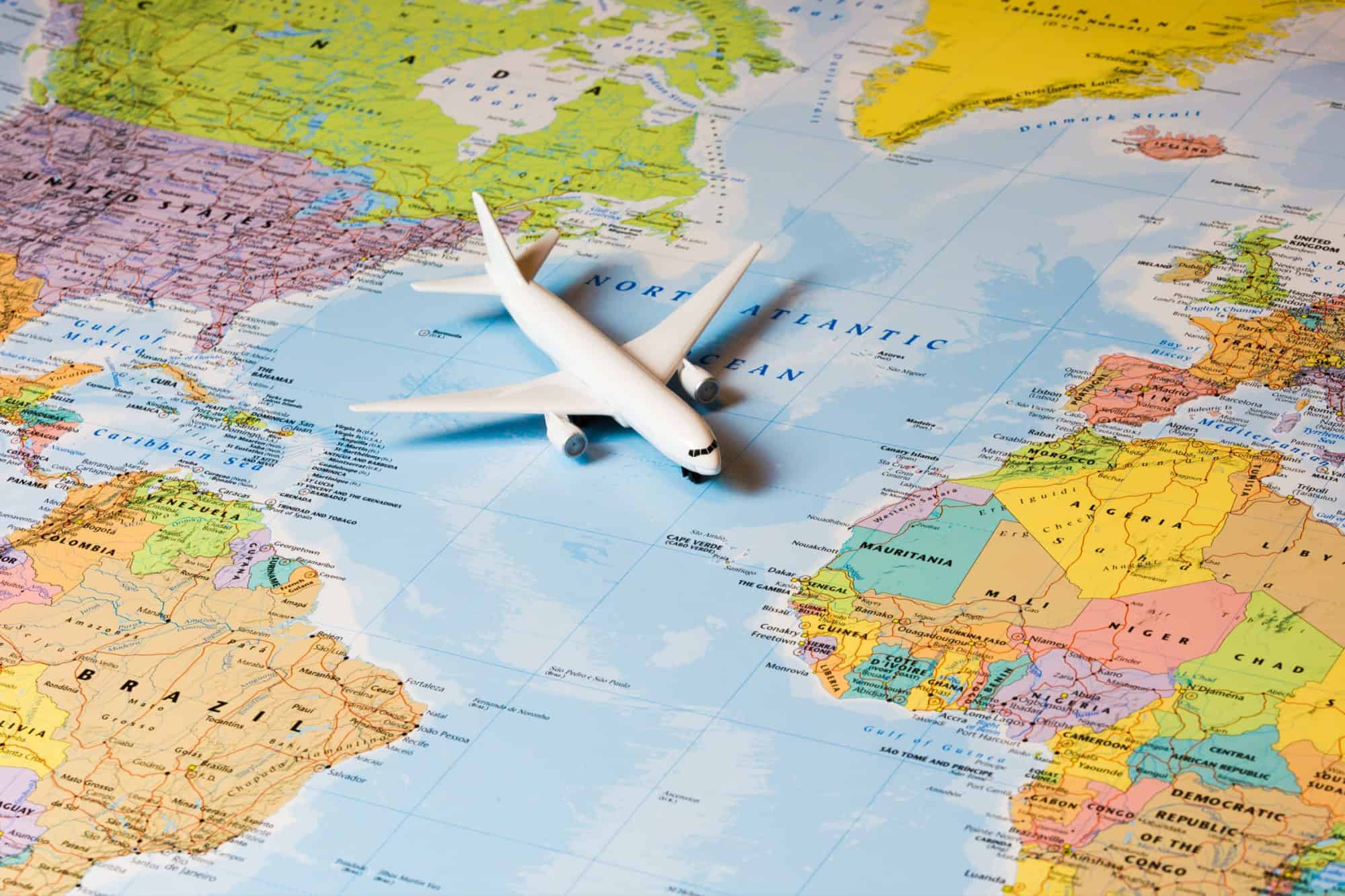
Traditional travel agencies had small offices in malls. Shoppers would visit and walk in to make reservations for flights, cruises, tours, etc. Brochures on racks rotated, and agents could even make phone calls for you. They nearly all vanished in the early 2000s, as easy online bookings became available.
Holiday gift-wrapping stations run by volunteers

December brought gift-wrapping tables to the mall. Often organized by a local charity or school group, the paper never matched up quite right. The tape was always a little crooked, but the shoppers adored the convenience. Chain stores eventually added in-house gift wrapping, and the volunteer stations faded.
Like our content? Be sure to follow us.

