

Even some of the most well-known historic figures had eccentric daily rituals and strange habits.
Nikola Tesla
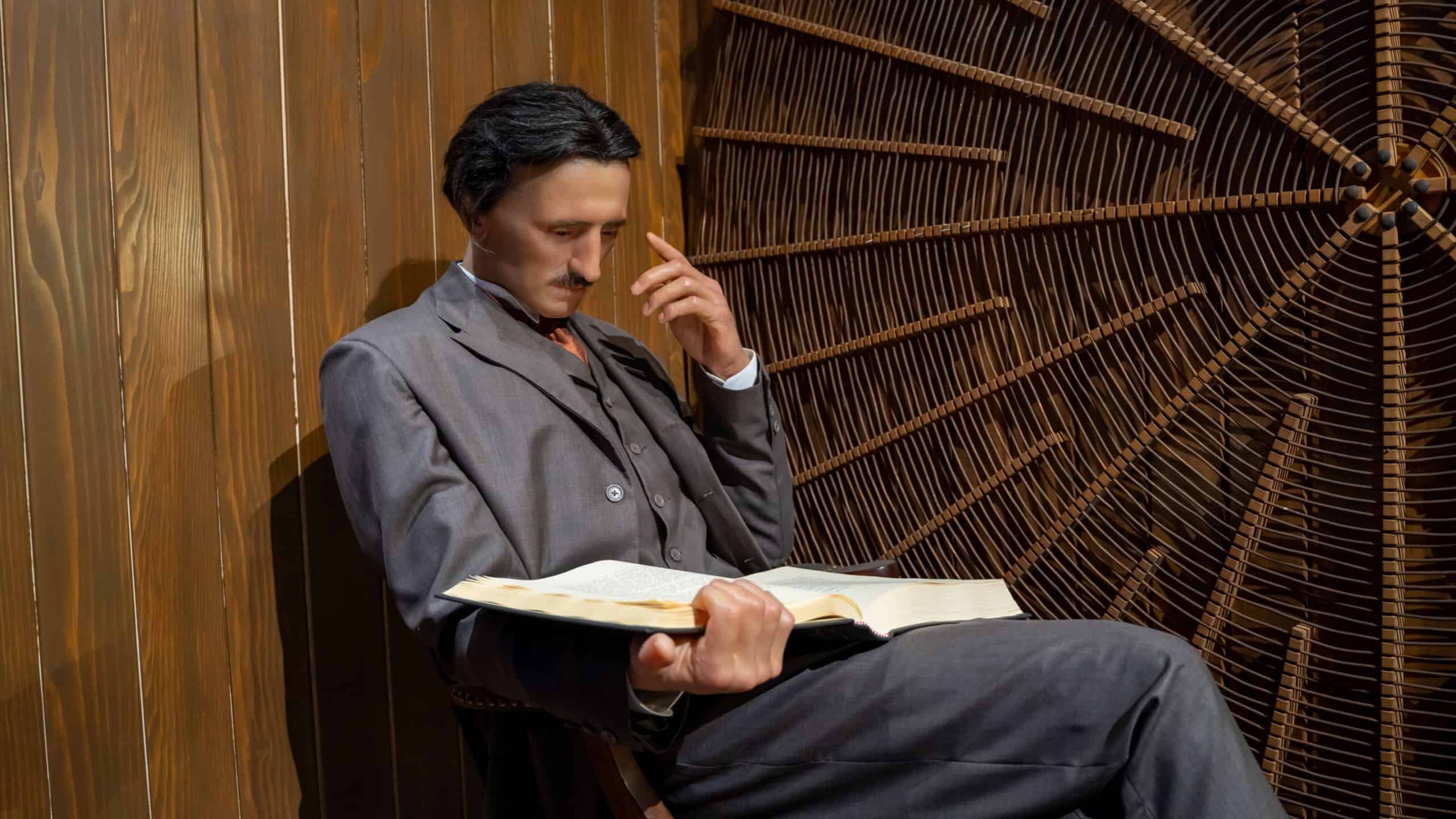
Tesla was superstitious about the number three. He also feared germs. Before going into a building, he would circle the block three times. He used 18 unused napkins (a multiple of three) at each meal to dry his cutlery. He refused to touch round objects, hair, or pearls.
Thomas Edison
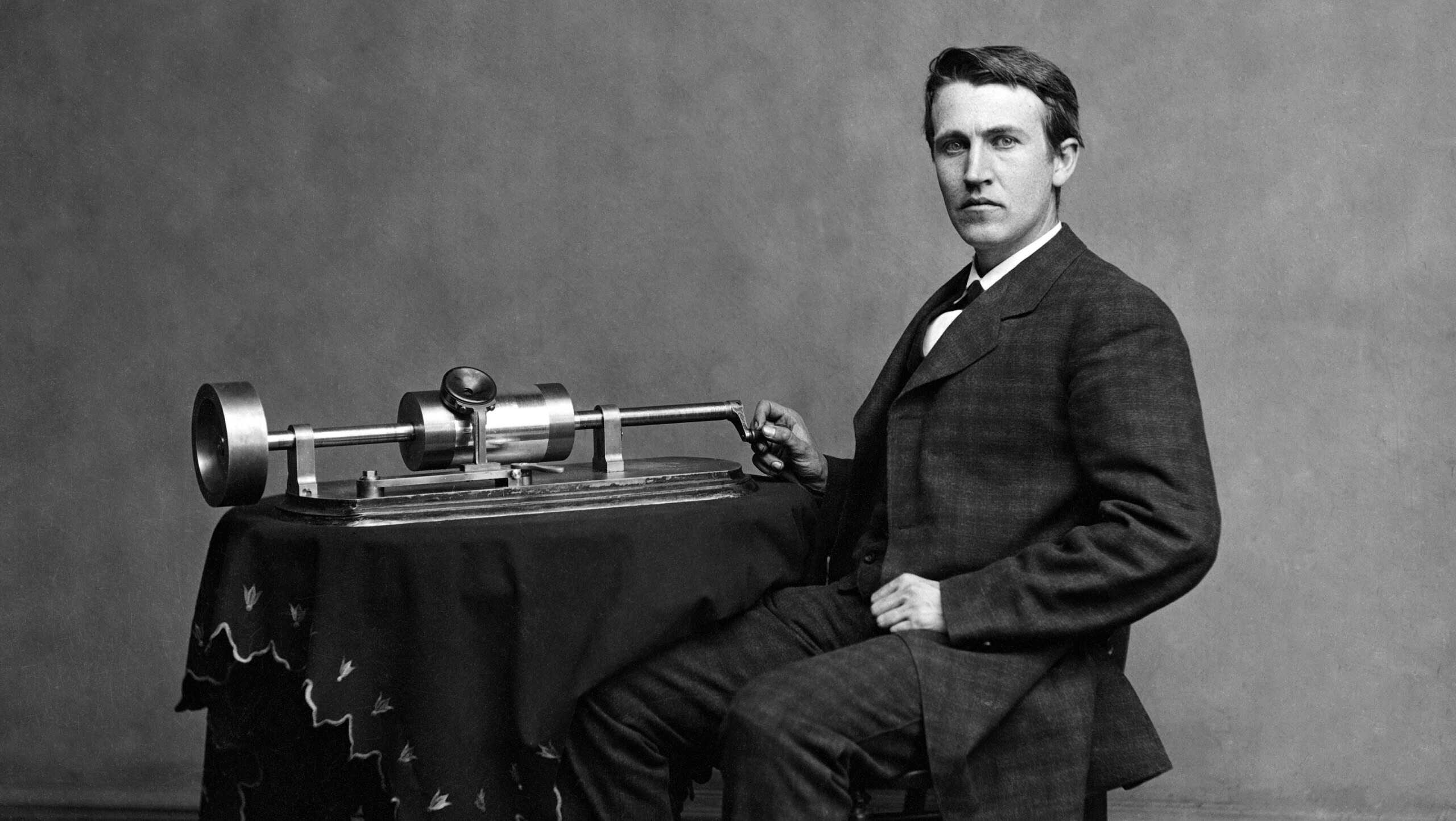
Edison had a “salt test” for prospective research assistants. He would bring applicants to his house and serve them a bowl of soup. If they salted their soup or peppered it without tasting it first, he showed them the door. He felt that such tendencies meant the candidate made decisions based on assumptions instead of facts.
Lord Byron
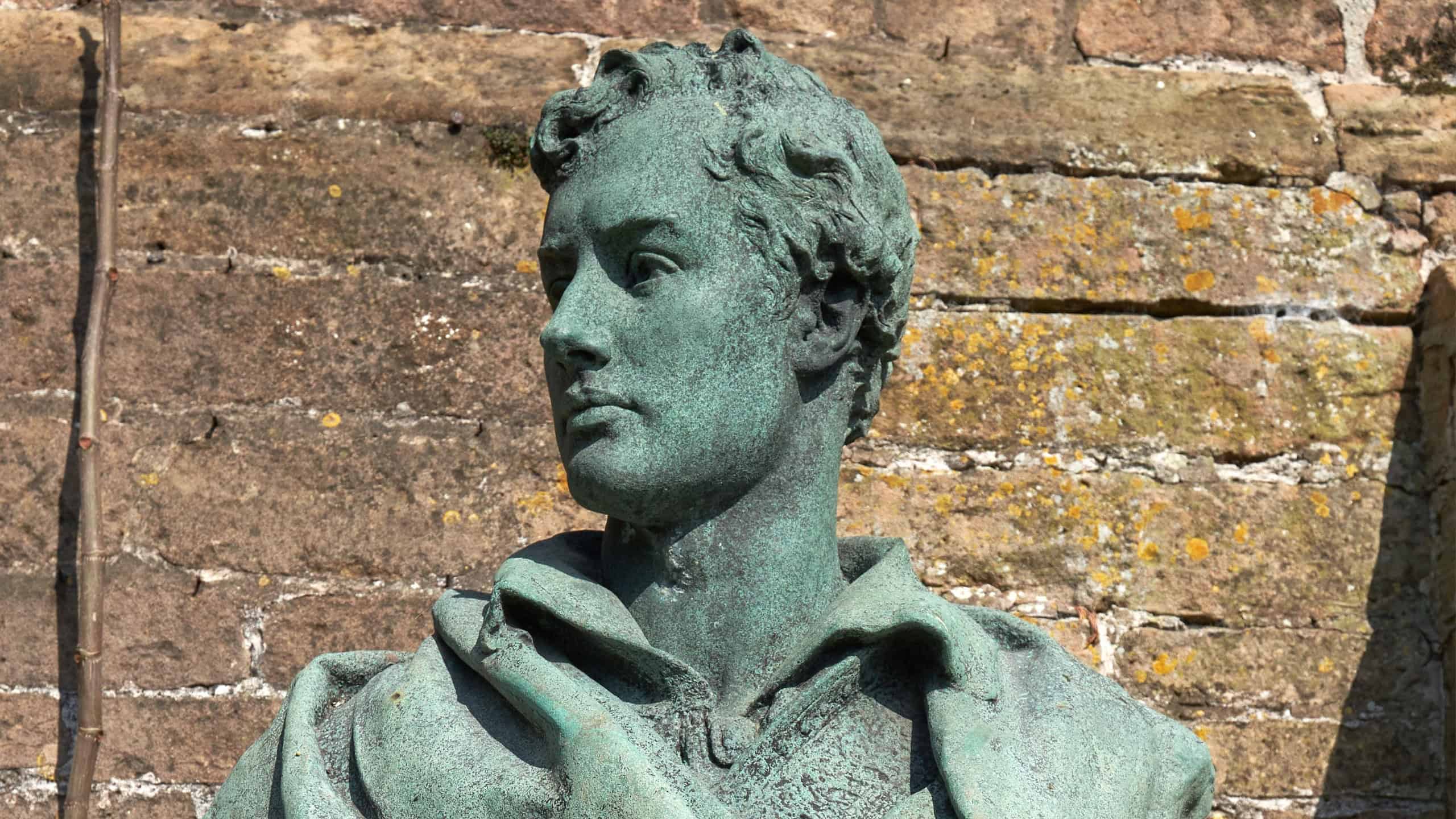
As a student at Trinity College, Cambridge, Byron became angered by a regulation banning students from having pet dogs in their rooms. Byron noticed that there was no explicit clause barring bears in the regulation and took advantage of this loophole in the rules by acquiring a live tame bear to live with him instead.
Benjamin Franklin
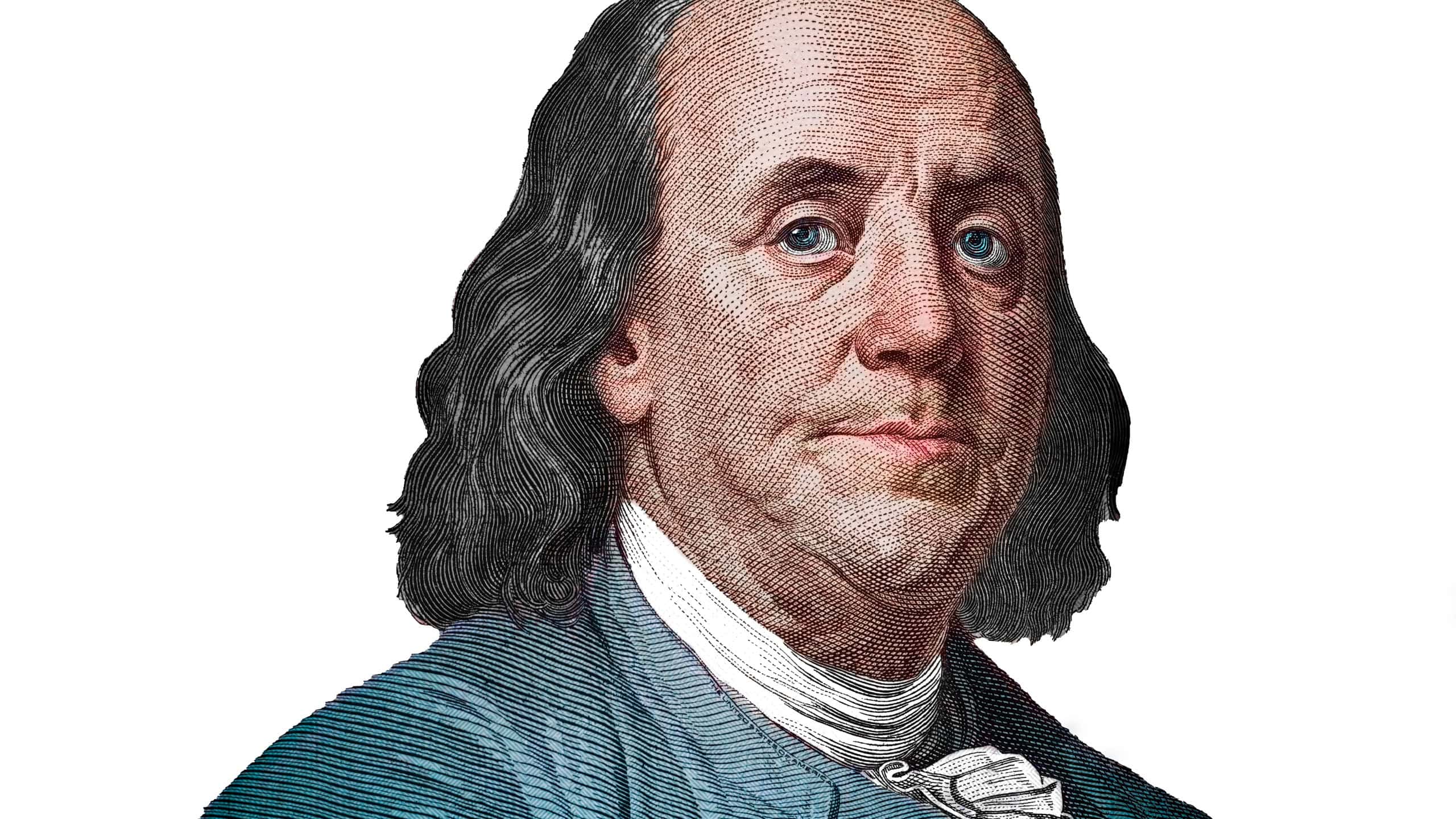
Franklin believed in taking “air baths”. He opened all the windows in his house each morning no matter how chilly it was outside and sat stark naked for half an hour to an hour reading and writing with the chilly air blowing around him. Franklin claimed that it rinsed away sickness much better than water.
Ludwig van Beethoven
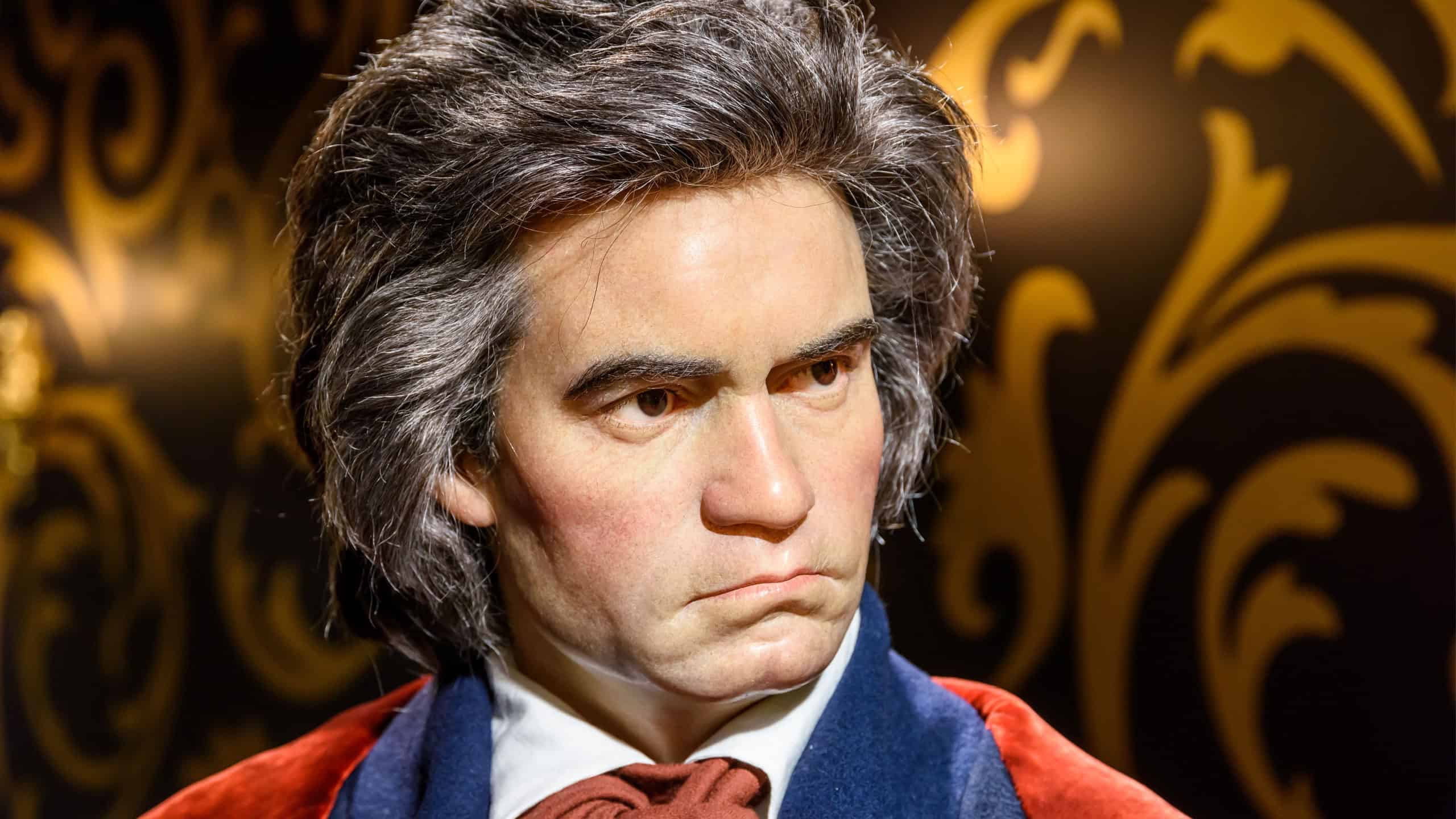
Ludwig van Beethoven wanted exactly 60 coffee beans per cup. Each morning he sat at his kitchen table and counted out the beans one at a time to make sure there were exactly 60. If there were more, he would throw them out, wanting only the same strength each morning.
Winston Churchill

Winston Churchill liked to work in bed. Churchill would spend mornings in bed reading newspapers and letters, writing, dictating speeches, and meeting advisors. He sometimes would even hold war strategy meetings from his bedroom without wearing any clothes. Government officials and secretaries would come to Churchill’s bedroom to help him work. This unusual routine helped Churchill save energy while staying productive during World War II.
Wolfgang Amadeus Mozart
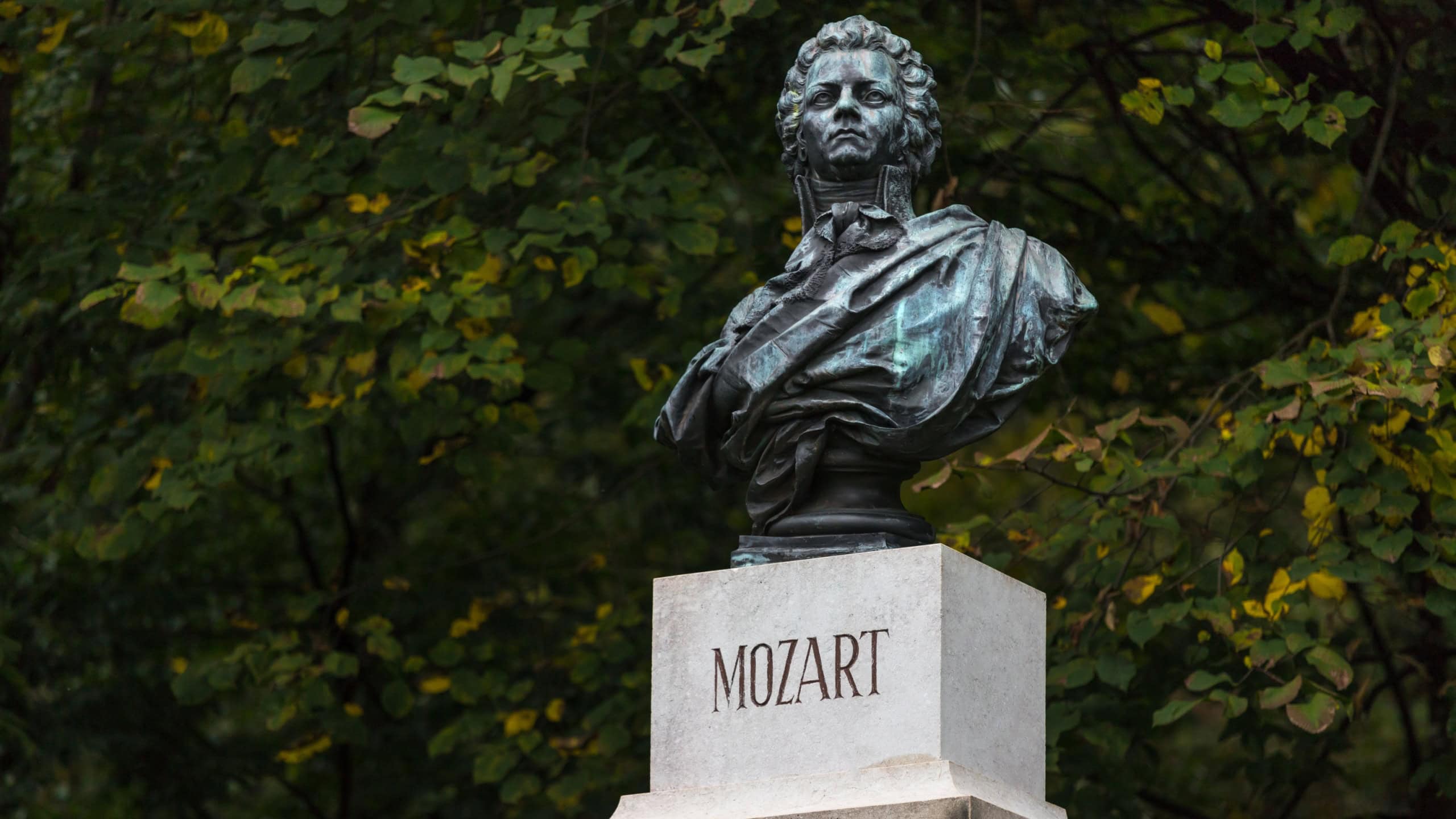
Aside from composing some of the most famous operas ever written, Mozart had an unhealthy fascination with toilet humor and vulgar bathroom jokes throughout his entire life.
He wrote dozens of letters to friends and family littered with extremely graphic and juvenile rhymes about flatulence and waste, and even penned multiple vocal rounds intended to be sung privately between friends with vulgar names.
Edgar Allan Poe
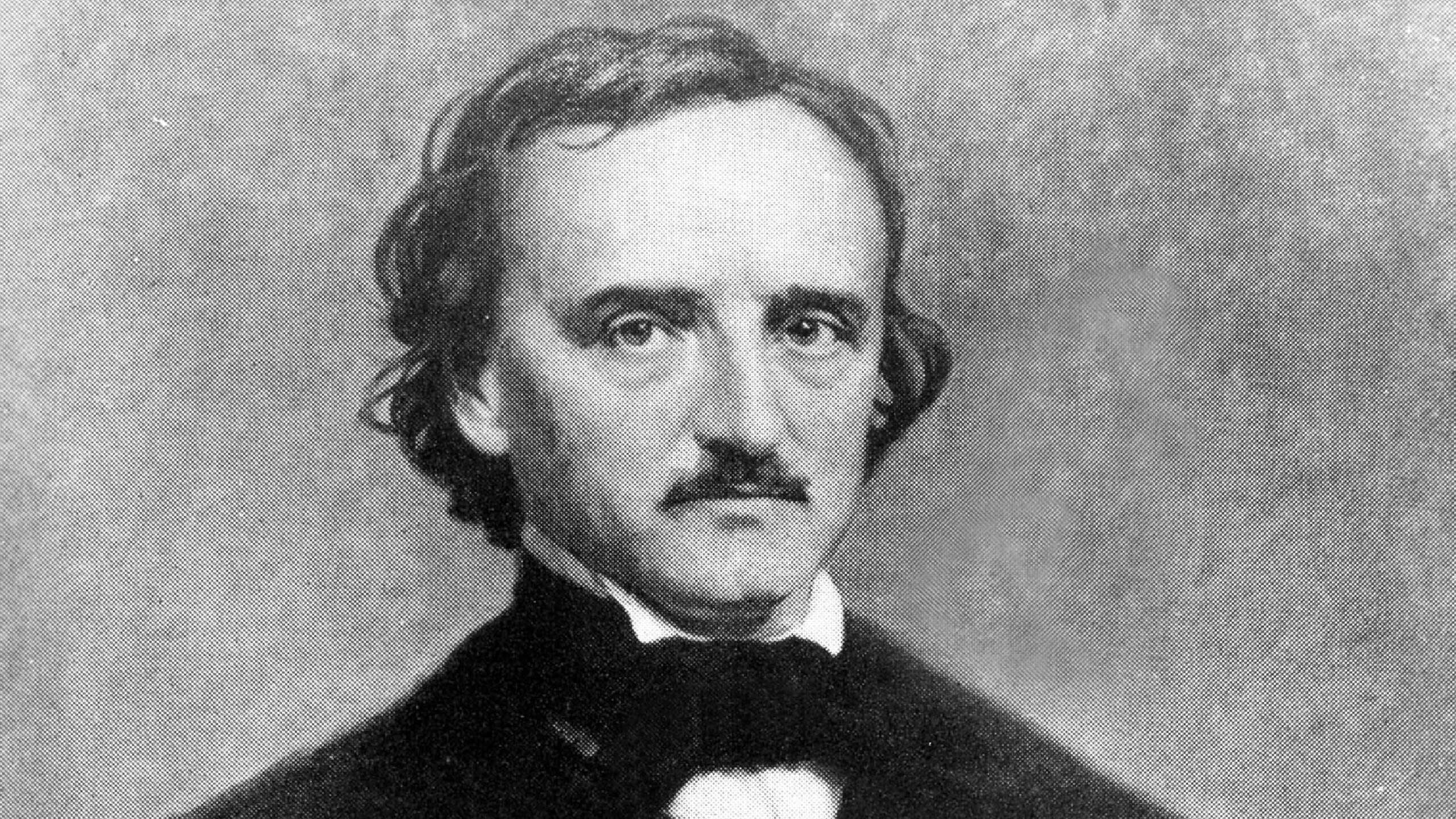
Edgar Allen Poe wrote nearly all of his famous poetry and macabre tales on long rolls of paper. Instead of using standard sheets of paper, the writer would glue strips of paper together vertically to form one large piece of scroll paper, which he would roll up when writing and unroll across his floor when reading or revising his work.
Honoré de Balzac

Balzac reportedly drank up to 50 cups of dense black coffee per day just to keep up with his writing pace. He routinely wrote for 15 hours at a time.
When hot brewed coffee wasn’t quick enough for him, he ground roasted coffee beans into a dry powder and ate the substance raw on an empty stomach. He claimed that the bitter dust gave him rapid flashes of energy.
Dr. Samuel Johnson
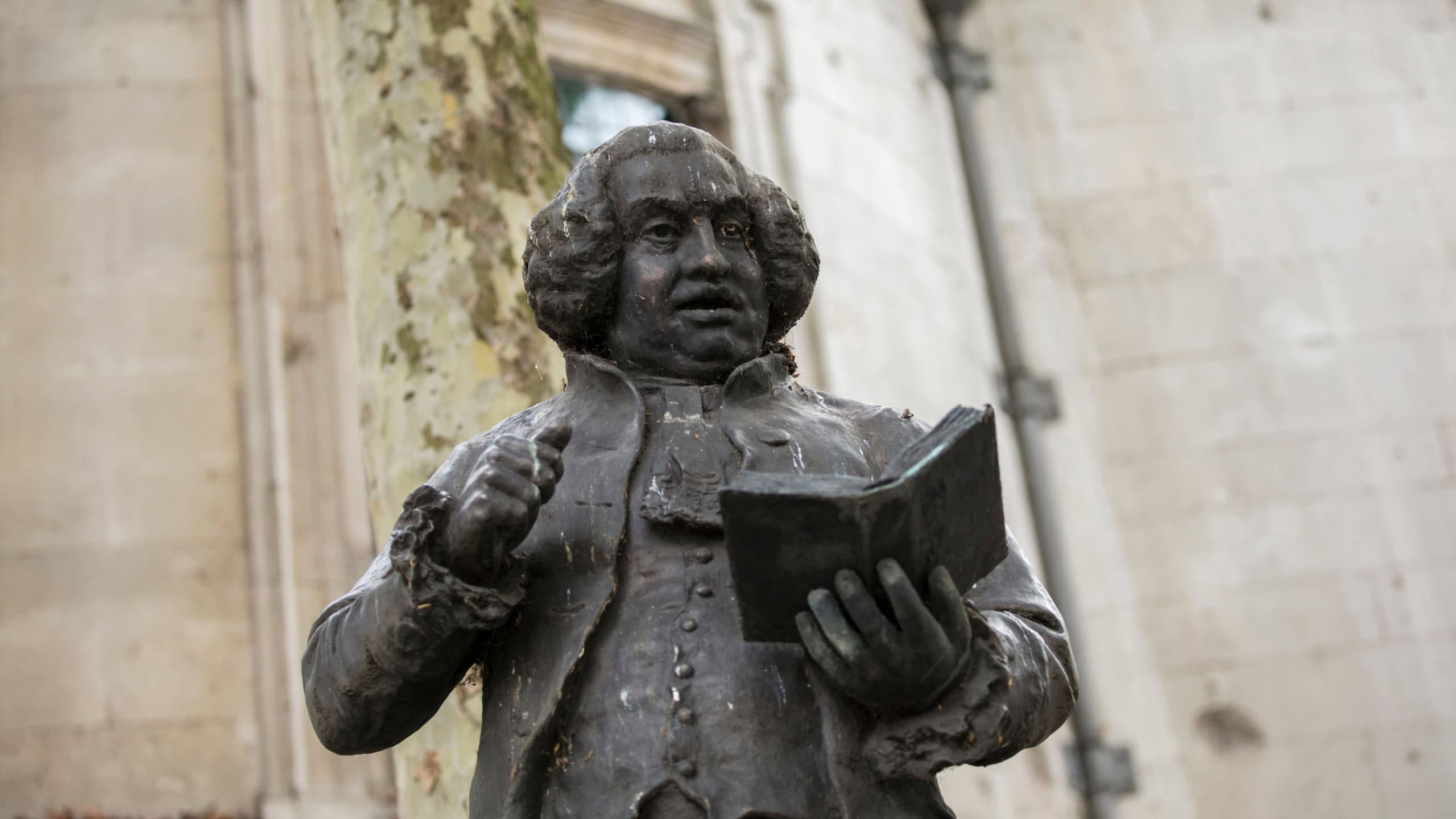
Easily one of the most well-known dictionary makers during the 1700s, Johnson had a tendency to stuff his pockets full of dried orange peels.
His biographer, James Boswell, noted that whenever Johnson ate an orange, he would scrape off all of the white pulp with a knife. He would then dry the peel, cut it into small pieces, and put it in his pocket no matter where he went. He never revealed to anyone, even his best friends, why he did this.
Alexander Graham Bell
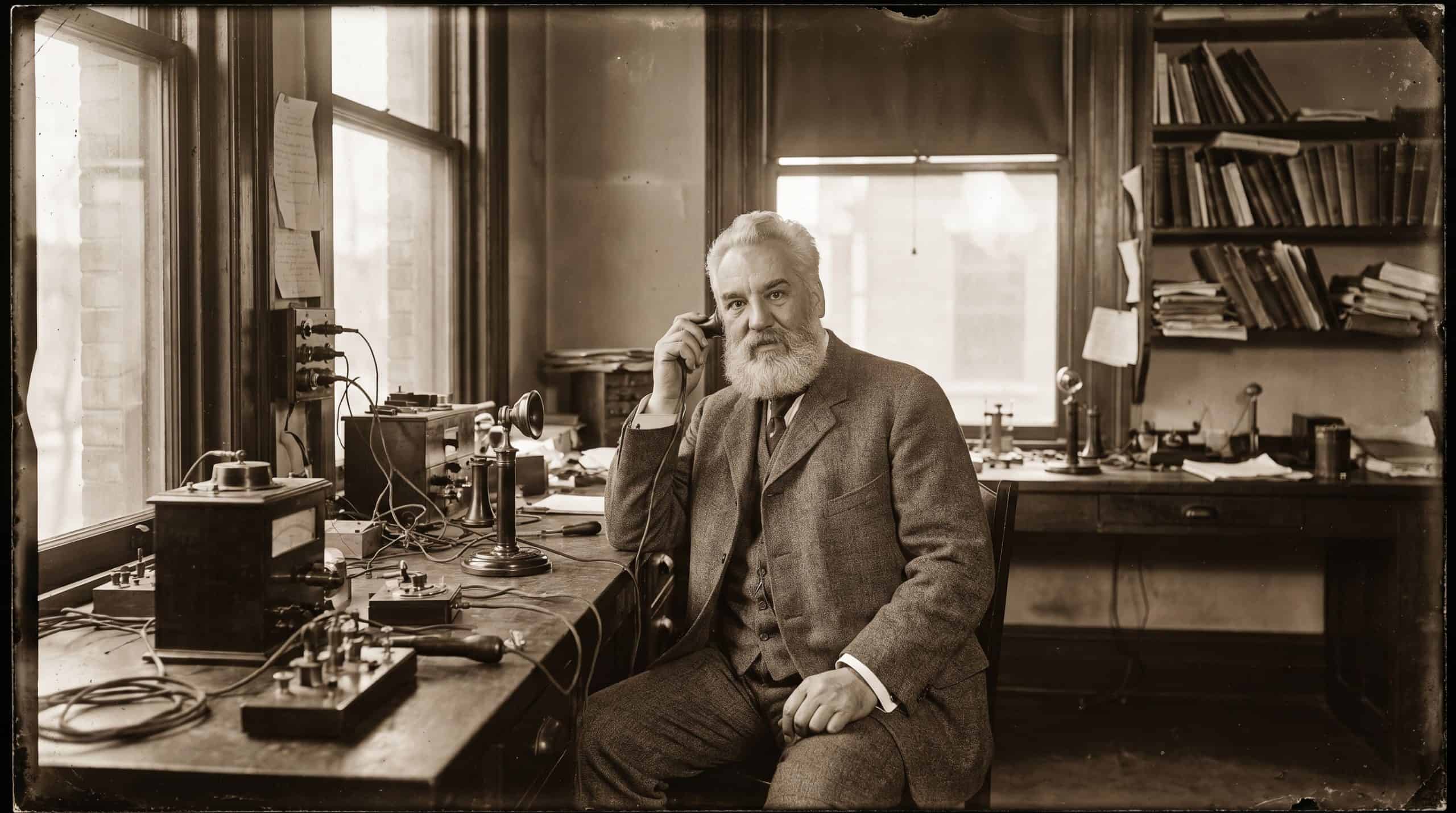
Alexander Graham Bell believed swimming in cold water was the secret to good health and clear thinking. He installed a custom zinc-plated indoor swimming pool in his house.
Bell spent hours every day lying on his back in the icy-water pool with a snorkel breathing tube. Bell said the ice-water baths cured his chronic severe headaches.
Napoleon Bonaparte

Napoleon Bonaparte thought people didn’t need too many hours of sleep at night and usually got by on naps. Whenever he felt drowsy, Napoleon took quick naps instead of full nights of sleep.
It was said he could take a nap (15 – 20 minutes) in the saddle or on his tent floor. These short catnaps allowed him to work extremely long days and remain energetic through some of the most rigorous times in his career.
Salvador Dalí
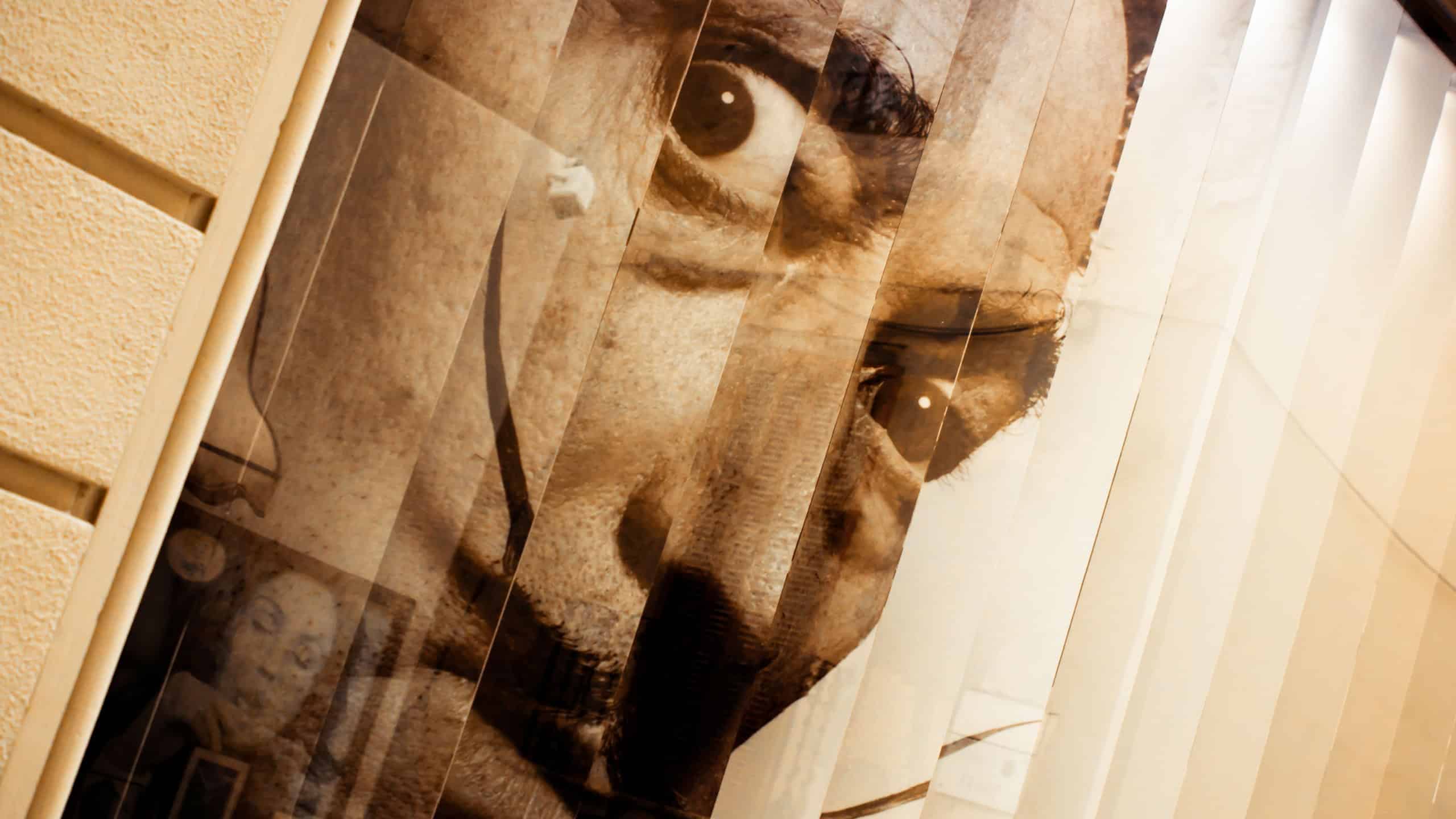
Dalí wrote about using a hypnagogic process he referred to as “slumber with a key.” Dalí would sit in a chair with a metal key suspended above a metal plate on the ground.
At the moment Dalí fell asleep, his hands would relax and drop the key, causing it to clang on the plate and awaken him. Dalí would capture ideas that passed through his mind upon entering this dream state.
Charles Dickens
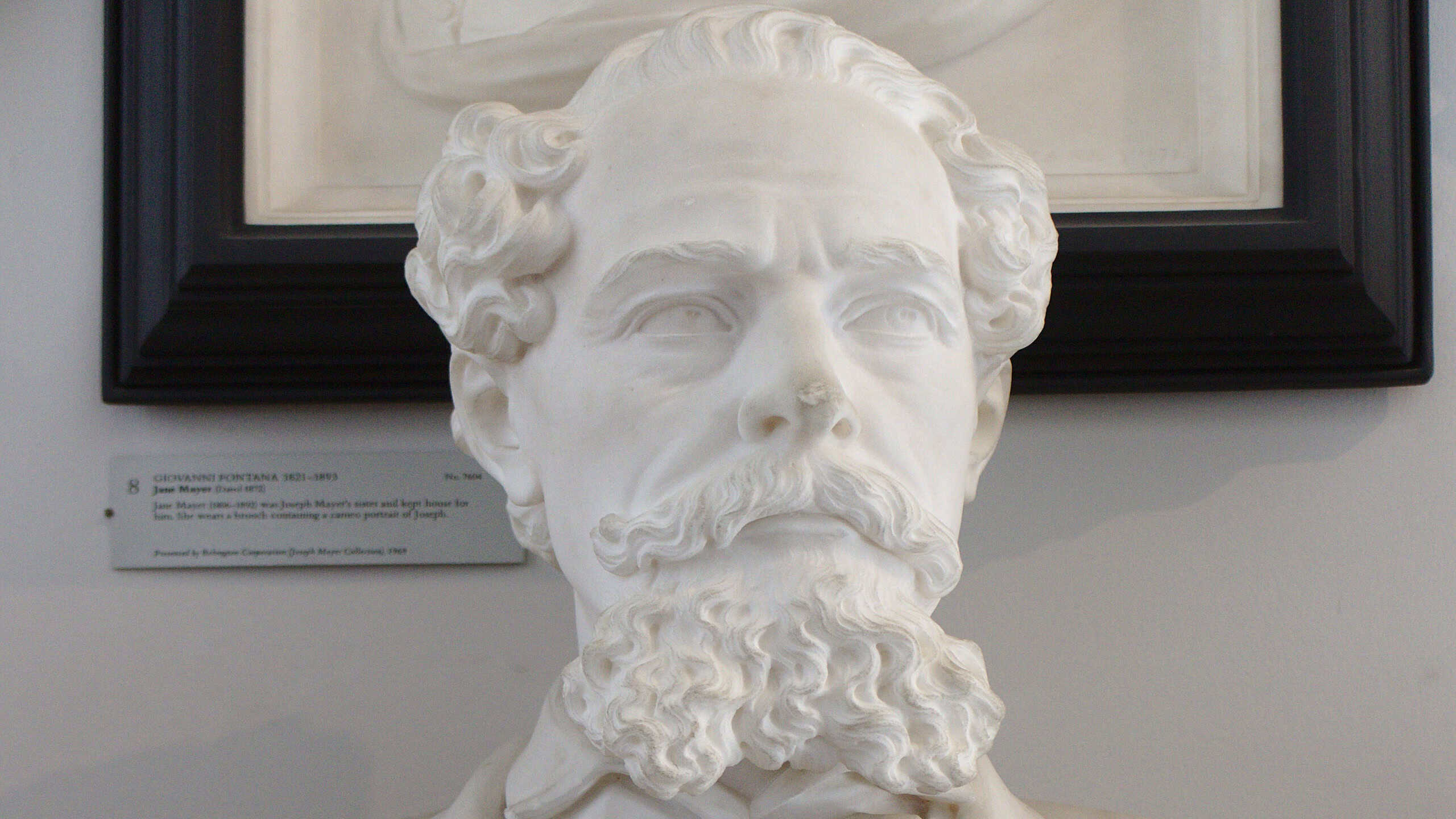
Charles Dickens thought the direction he slept impacted his health and inspiration. At home or on the road, he frequently consulted a compass to ensure he slept with his head to the north.
Dickens was sure that by doing this simple act, he improved his sleep and mental clarity.
Sources: Please see here for a complete listing of all sources that were consulted in the preparation of this article.
Like our content? Be sure to follow us.
11 women in history who refused the life chosen for them
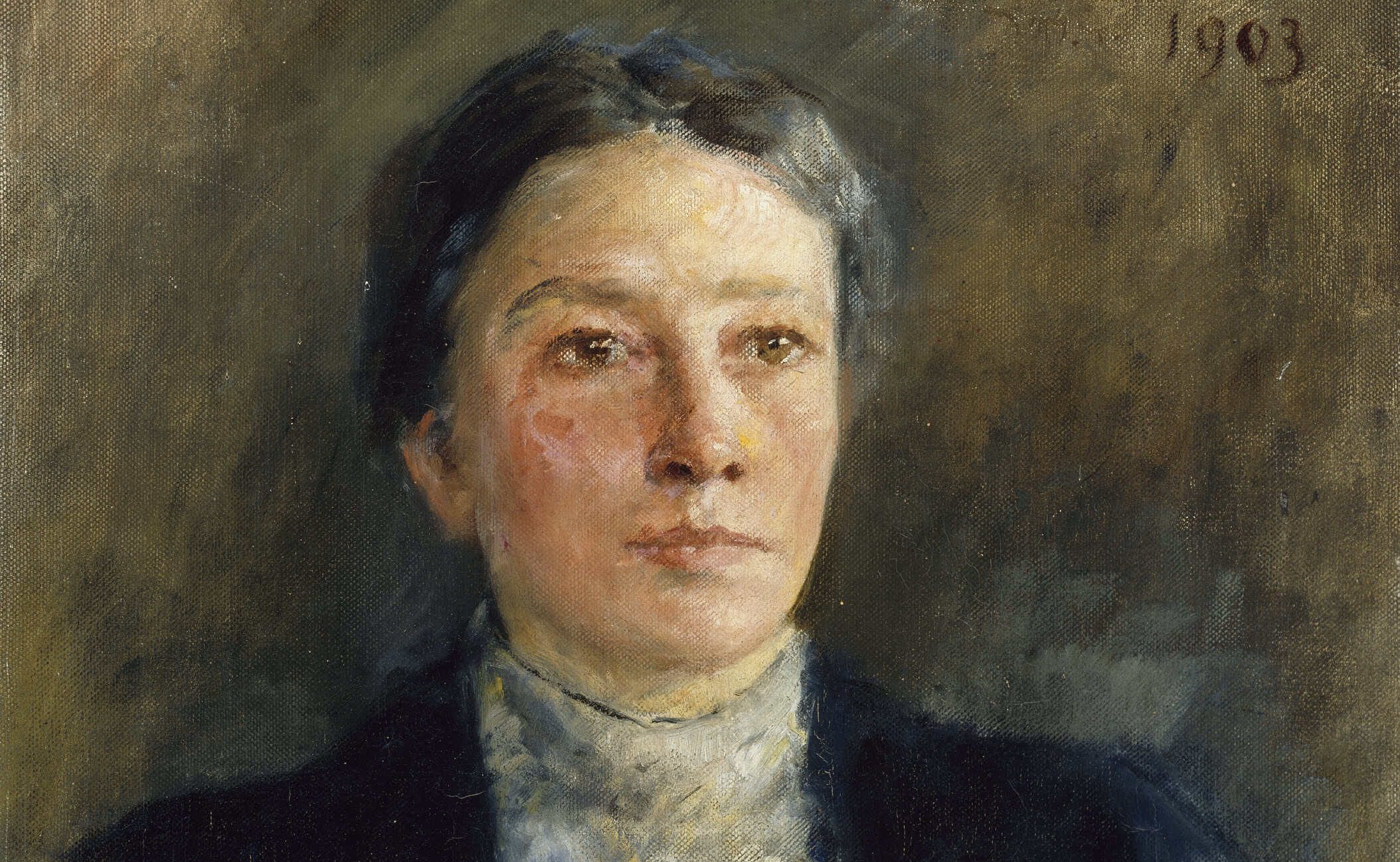
History is not just made by warriors and revolutionary thinkers; it’s also been shaped by women throughout time and across cultures who didn’t settle for the roles that others chose for them.


