

Walking alone can often feel like a great opportunity to tune out or catch up on your digital life, but being alone in public places presents unique risks that most of us don’t consider until we find ourselves in a bad situation.
The wallet check

This should be self-explanatory, but most folks instinctively pull out their wallet to check for a transit pass or some cash just before arriving at their bus stop or store entrance.
This action of flashing your money notifies any would-be predators that you have something worth stealing and, more critically, where you keep your valuables on your body.
Keep your means of payment readily accessible in a pocket before you leave your home or office, so you’ll never feel the need to open up your bag, purse, or wallet when you’re outside.
Hooded blind spot
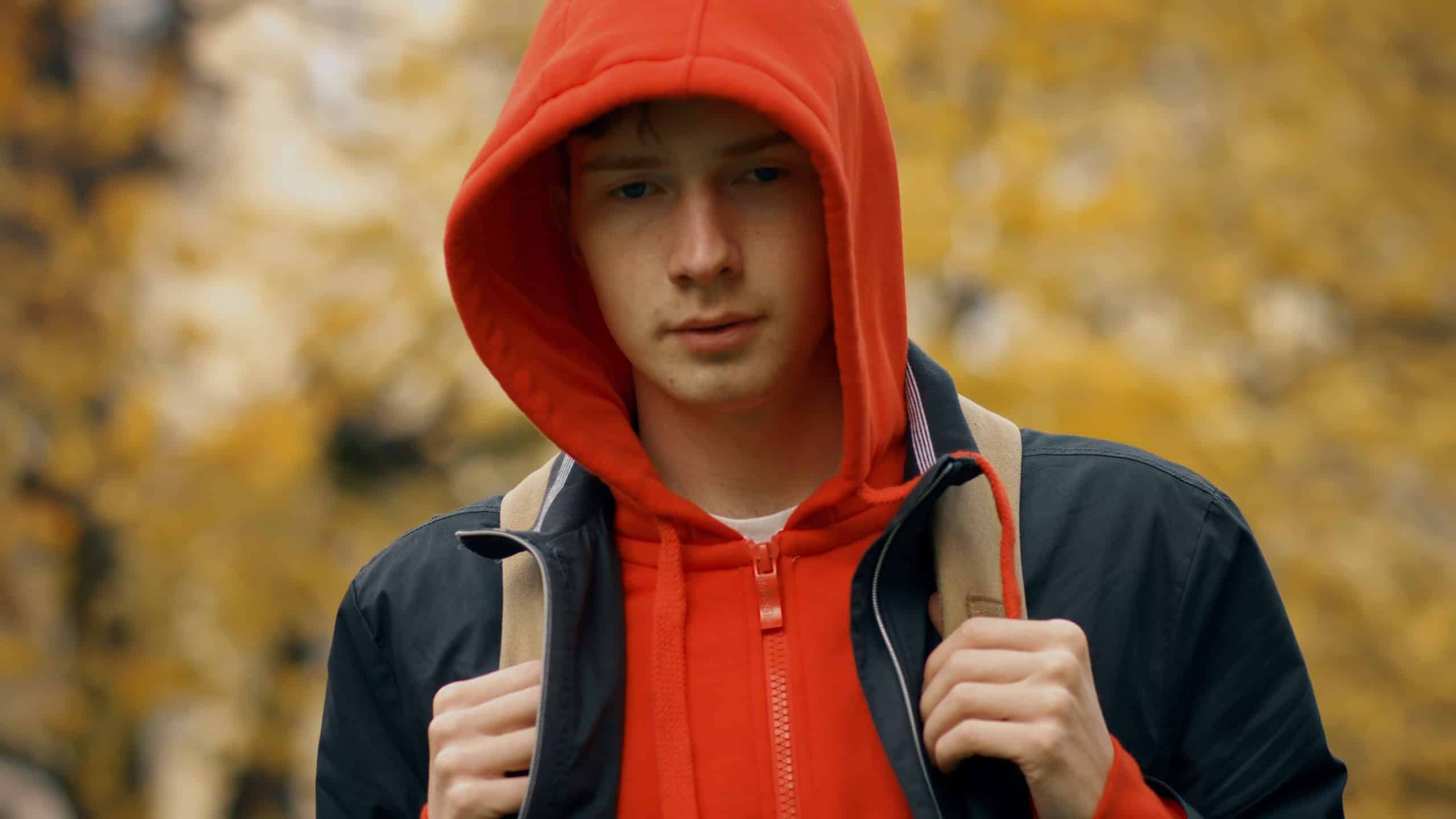
Sure, a hood keeps your head warm, but it also creates a giant blind spot that blocks your ability to see anything coming from the side.
Because of the hood’s design, you have to turn your whole torso just to spot a cyclist or car coming near. You also lose your situational awareness, which makes you an easier target for “snatch-and-grab” style crimes because you will not see the offender until he/she is right in front of you.
If you must wear a hood, wear a beanie or a fitted cap that rises and falls with your head.
Lost on GPS

Nothing screams “target” louder than looking down at your phone the entire time you’re walking.
Plus, if you’re so distracted by that little blue dot on your screen, you won’t have any spatial orientation if you suddenly need to explain your surroundings to someone over the phone.
Know your next three directions before you start walking (or use a single earbud) so you can keep your eyes up, surveying your surroundings.
Predators look for target behavior, and people who look like tourists are often assumed to not know safer routes away from sketchy neighborhoods.
Trapped hands

Keeping both hands buried deep for warmth takes away from your reaction time if you stumble or need to protect your personal space.
Your hands are your best defense against twisting an ankle from a surprise patch of ice or tripping over a cracked sidewalk. You need them to break your fall and shield your head from a traumatic injury.
Being tethered down with your hands also makes you seem physically incapable of responding to an attack, appearing vulnerable to a predator.
Always keep one hand free, or wear gloves so you can stay warm without losing your balance.
Trap of help
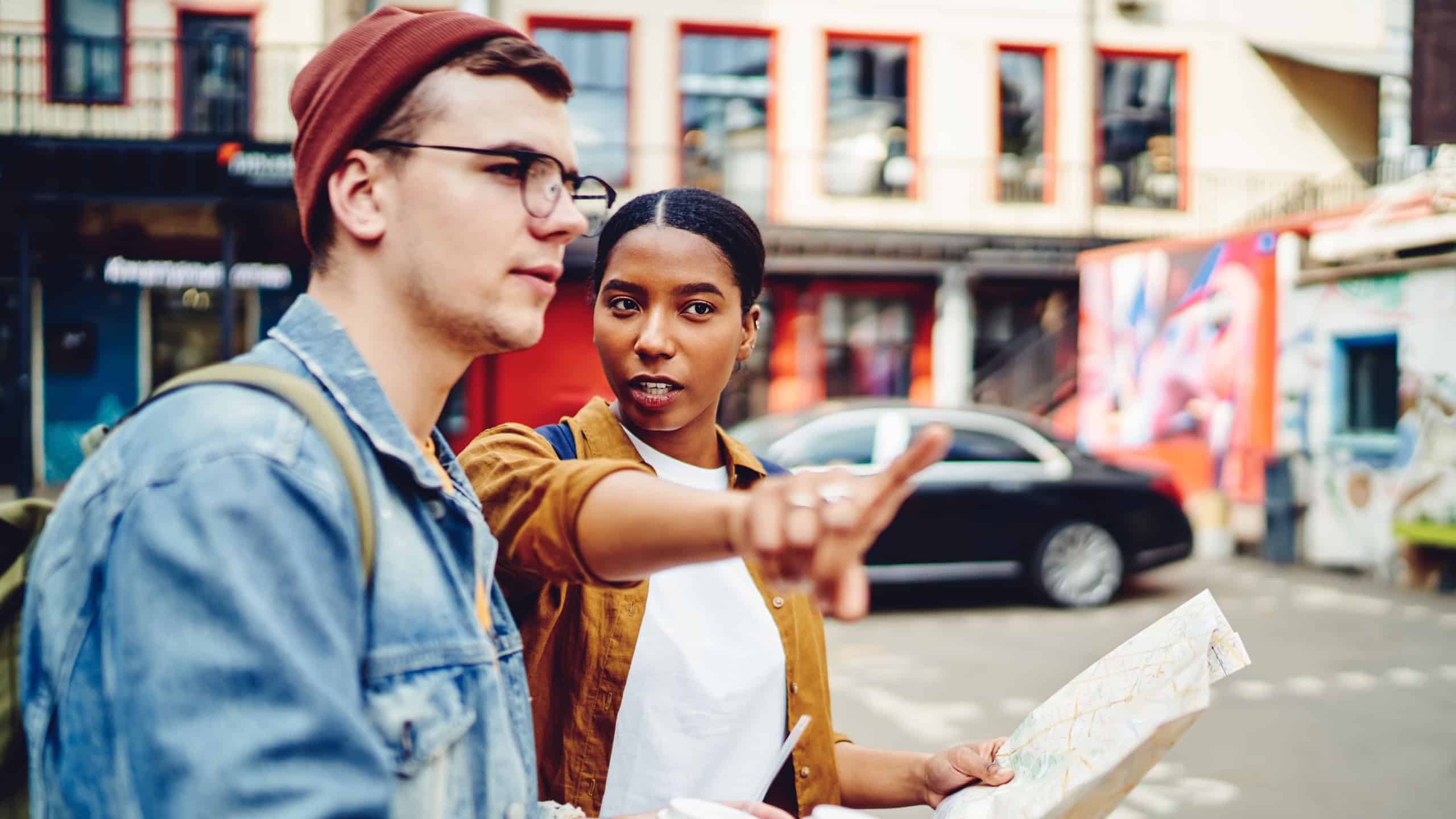
It’s rude to just walk away, but asking a lone walker for help with a task that forces you to focus all your attention, like reading a map or looking at a broken cell phone, is called a distraction technique.
The goal is to get you to pause moving and lower your guard so an accomplice can easily sneak up from behind.
If someone asks you for the time or directions, keep your response short while continuing to walk or maintaining your distance. Trust your instincts if they begin excusing themselves to get closer.
Glowing

Dressing in reflective or high-visibility clothing is fantastic when you are on the road, traveling at speeds near the flow of traffic.
However, in low-light or desolate urban settings, dressing like a moving lighthouse singles you out as prey.
Someone could literally watch you for several city blocks before you even approach them. As you round that corner, they’re already in your zone while you have no idea they’re there.
Many security experts recommend wearing low-profile clothing that merely blends with your environment while traversing these transition zones. Save that hi-vis vest for well-lit running trails with plenty of fellow joggers around you.
Fixing feet
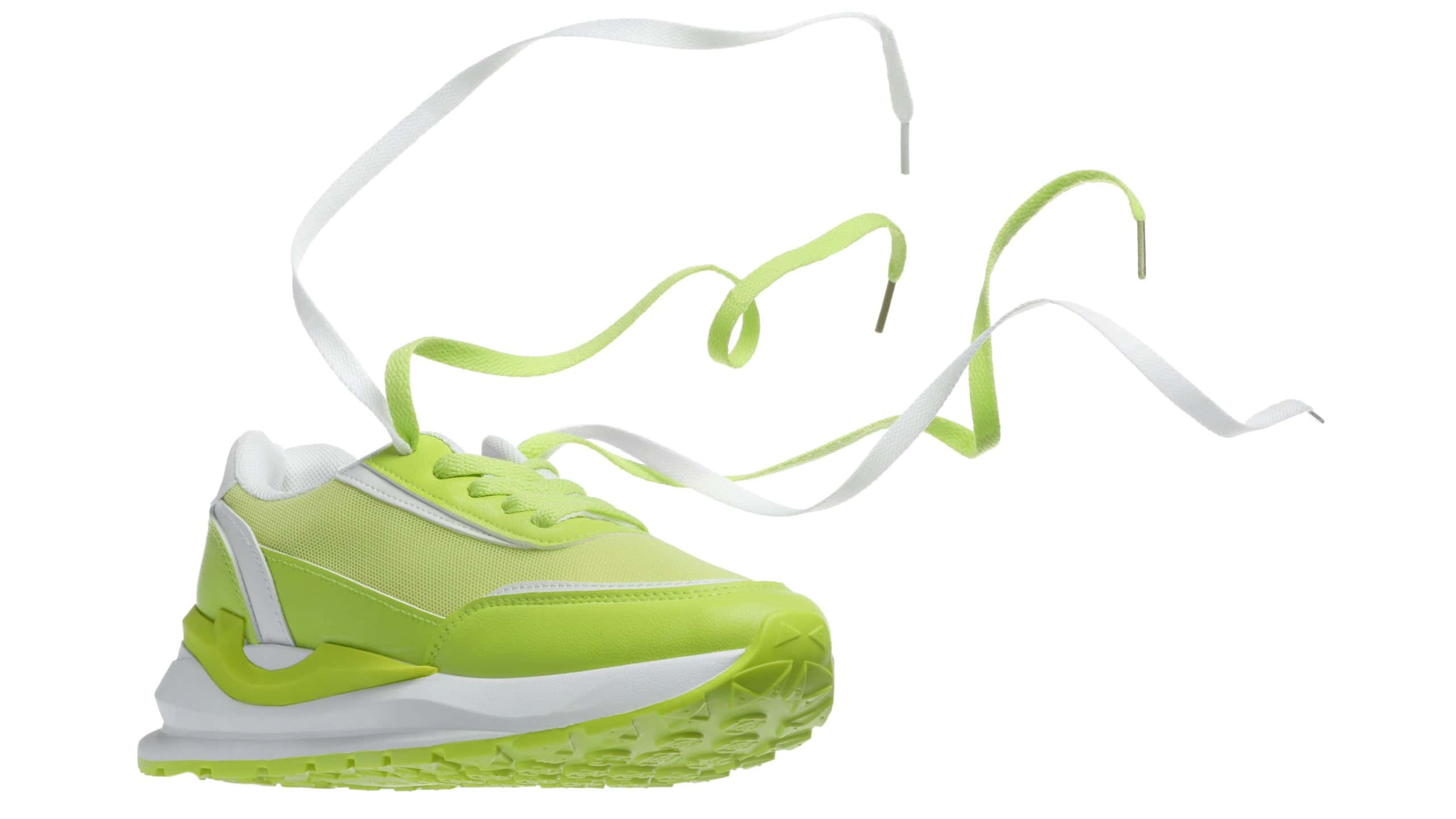
Doorways are meant for entering and exiting. Anytime you feel compelled to stop and fiddle with a shoe, clothing, or your pack after you’ve arrived there, you’re making yourself an easy target.
You’re focused on the ground and unable to see what’s going on around you, and you’re bent over or in a kneeling position, which gives you no opportunity to escape should someone approach from behind.
These few seconds of vulnerability can be detrimental to your safety and are often overlooked because we feel the need to immediately tend to our comfort.
Remain standing until you’ve entered well-lit, public areas where your back is against a wall.
Street performers

Performers on the street often draw in individual pedestrians to the fringes of their audience. These areas are very attractive to pickpocketing rings.
You are distracted while watching the act, making it ridiculously easy for someone to simply brush past you and snatch a phone or wallet. Crowds also offer social cover for criminals.
When you’re enjoying the show, hold onto your valuables and stay at the edge of the audience for a quick getaway.
Shortcuts

If you’re walking alone through unfamiliar areas, your route may take you through poorly lit places with less natural surveillance.
Alleys, business districts, and construction areas don’t have any eyes on the street (windows overlooking the street or porch lights). If something were to happen to you there, there would be no witnesses.
Instead of choosing the shortcut, stick to main roads. Sure, they might take five extra minutes, but they have cars, traffic, and streetlights that offer natural surveillance.
One strap

Ok, well, aside from causing back problems down the road, having your bag on one shoulder makes it ridiculously easy to have your bag strap-snatched.
It also unbalances your center of gravity. Slower movement makes you less able to run or react if you need to dodge.
Wear a backpack using both straps, or choose a crossbody style that’s harder to snatch quickly.
Same daily route

If there’s one thing you can do to set yourself up to be preyed upon, it’s being predictable.
If you take the same exact route every day at 6:00 P.M., someone can easily figure out your routine and ambush you when you’re most vulnerable.
This practice is called “patterning” and is extremely common when it comes to stalkers, targeted harassment, or even robbery.
Try taking a different street just one block over, or walking five minutes earlier or later than normal.
Head down

Some of us look at the ground to avoid making eye contact or to watch where we’re stepping, but looking at the sidewalk is considered “submissive posturing.” It lets attackers know that you feel threatened or unaware of your surroundings.
Try walking with your head held high and your eyes scanning around you.
This assertive body language is recommended by crime-prevention professionals because it scares away many opportunistic criminals who are looking for an easy target that won’t fight back or notice them.
You also never know what you might see if you keep your head up.
Visible phone

This is one of the most widespread crimes in big cities and beyond.
You’re also signaling to people that you’re only three seconds away from being distracted by your screen, making you an easy target to rob. It also limits your ability to fight back if someone snags your phone because your other hand is already occupied.
Keep your tech stored away in your pocket until you’ve arrived at your destination or somewhere indoors where you can safely check your screen.
Early keys
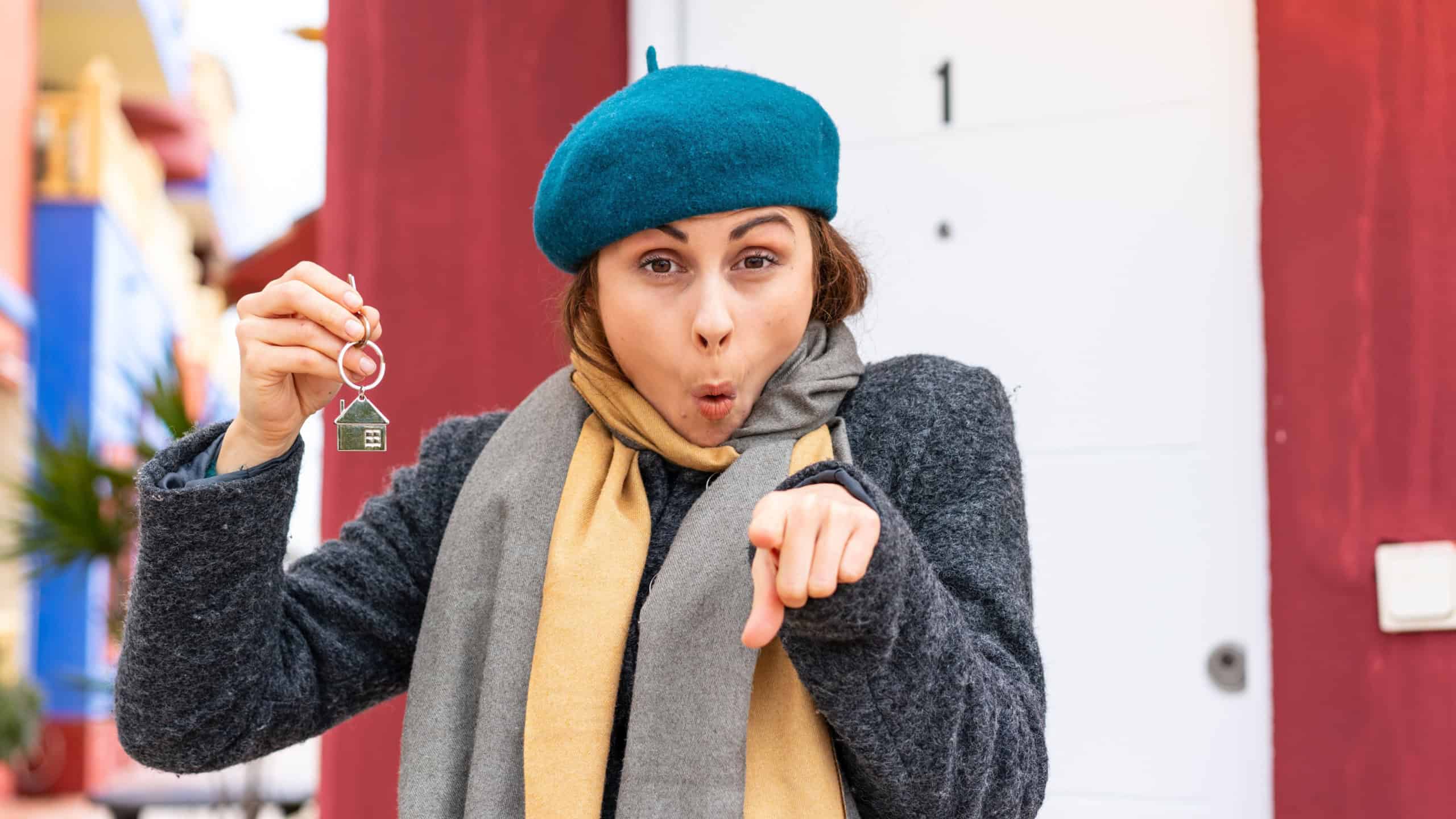
Approaching your front door with keys already in hand might feel proactive, but you are advertising to every passerby which house is yours.
It also opens up a distraction window where your hands are full and you are turned away from the street. This is a prime opportunity for someone to case your home and slip in behind you.
Many security experts advise keeping your keys in your pocket (invisible to others) until you are standing at the door.
This way, no one can identify your home from across the street, and you reduce your entry vulnerability to the smallest window of time possible.
Sources: Please see here for a complete listing of all sources that were consulted in the preparation of this article.
15 things you should never do when you live alone

One of the best parts about living by yourself is that you have the freedom to do what you want, when you want. But there are also some quiet and hidden risks that you need to watch out for when living alone that most people tend to overlook.


