

Most people don’t notice a miserable life while they’re in it, but there are twelve regrets that, if you still have them by 70, you may have lived a very miserable life.
When that became normal

Some of the biggest regrets come from relationships, and they’re usually relatively small at first. You might get talked over or be ignored, perhaps simply being treated like you’re just there, but then the cycle repeats.
Eventually, you start thinking that’s simply how relationships work, rather than it being a problem.
But some people choose to stay in these relationships. They’ll do so multiple times, never looking back until they’re well into their 70s and realize that they’ve suffered quite a fair share of bad relationships. You really don’t want to be that person.
The safer road, again

Sure, you probably didn’t decide to wake up one day and avoid everything. It’s more like you skipped one risk because it felt uncomfortable, then you skipped another, and another.
Each one made sense in the moment. However, those decisions stack over time, and it’s something that researchers have noticed.
Inaction appears to stick around longer than the mistakes people make, especially when these choices are related to goals or things that people care about. They reach their 70s, realizing that they had more than one missed chance.
No, they’ve had a long line of paths that they never took at all.
Nothing had your fingerprints on it

There are lots of people who stay busy their entire lives, and yet they still feel as though nothing they did was really theirs. Yes, they handled their responsibilities, and yes, they achieved their work goals. But there’s nothing personal for them to point to.
They never had a craft or long-term project that they carried through the years, which they later came to regret.
Doing things feels quite different from doing something that you feel like you actually own. It comes to a point where some people look back and realize that everything they did was borrowed or temporary.
They’re left with quite a big gap where something personal should’ve been.
Quiet felt unbearable

Silence feels pretty uncomfortable for some people, so they fill it in by watching TV or scrolling through social media. They might simply block it out by having lots of other people around.
Either way, something’s always happening, and it works up until the moment that it doesn’t.
They come to regret that later because they’re unable to sit by themselves without needing something to distract them. Spending decades avoiding that space doesn’t exactly get easier, and, if anything, it usually gets harder.
Being liked ran the whole show

Being a good person usually involves being someone who’s easy to get along with and is flexible. Sure, that’s a good thing most of the time.
But the problem lies in making all of your decisions bend around other people’s reactions. What will they think? Will they be upset? Is this okay to say?
People later come to regret making other people’s approval their focus, rather than their autonomy. Those who consistently prioritize being well-liked tend to have a weaker sense of personal direction, and they realize that they made very few decisions on their own terms.
You would not have impressed your younger self

Think back to how you were when you were younger and the kind of person who actually stood out to you. Chances are, it wasn’t status that you admired.
You likely cared a lot more about someone who did what they said they would do, and research from Cornell shows that long-term regret tends to come from failing to meet the ‘ideal self.’
Essentially, you regret not being the person you hoped you’d become. Some people look back and feel disconnected from that version of themselves, and they’re upset that the person they imagined themselves to be never showed up in real life.
It’s pretty hard to deal with that gap.
Someday kept moving

‘Later’ is quite a common term for some. They’ll tell themselves they’ll start something later, or that they’ll leave later, and it sounds reasonable every time. That’s how you get caught in the trap of procrastinating your life away.
Missed opportunities become a lot harder to deal with when you feel that your future is shrinking away, especially since the ‘later’ window doesn’t stay open forever. It becomes obvious by the time you’re 70.
The delay, rather than the timing, makes you start feeling miserable.
The room never got bigger

There are a few people for whom the world never truly expands. No, it simply loops. They get stuck in the same conversations with the same opinions, over and over, without anything new ever getting in.
A lack of curiosity when you’re young makes it harder for you to maintain cognitive flexibility when you’re older, and you may come to regret it.
After all, nobody wants to live a life that’s too familiar because you never allow anything new in to challenge your worldviews. Do you really want to get to 70 without having looked at things in a different way?
It felt like someone else wrote it

It’s hard for a few older people to explain their lives properly, as they’ll speak about it more like a series of chain reactions. They’ll say that one thing happened, then another, and then they adjusted to it.
It becomes a pattern where they’re not actually making any decisions.
Autonomy has gone out the window because they’re simply reacting to situations instead of living their lives. They’ll look back and struggle to find moments where they really took control.
Instead, they feel as though they’d been carried along the entire time.
You kept feeding an old fire

Resentment has a way of sitting there quietly, repeating the same story or the same comments from years ago. You continue focusing on situations that you never truly resolved.
Unfortunately, studies on older adults have found that long-term resentment is connected to lower well-being, while forgiveness-focused lifestyles show a greater drop in stress.
It makes sense. However, some people forget that, and they allow the resentment to continue uninterrupted, meaning that it eventually stops being tied to a single moment anymore.
It transforms into something that’s always there. No wonder people regret it.
You never found your limit
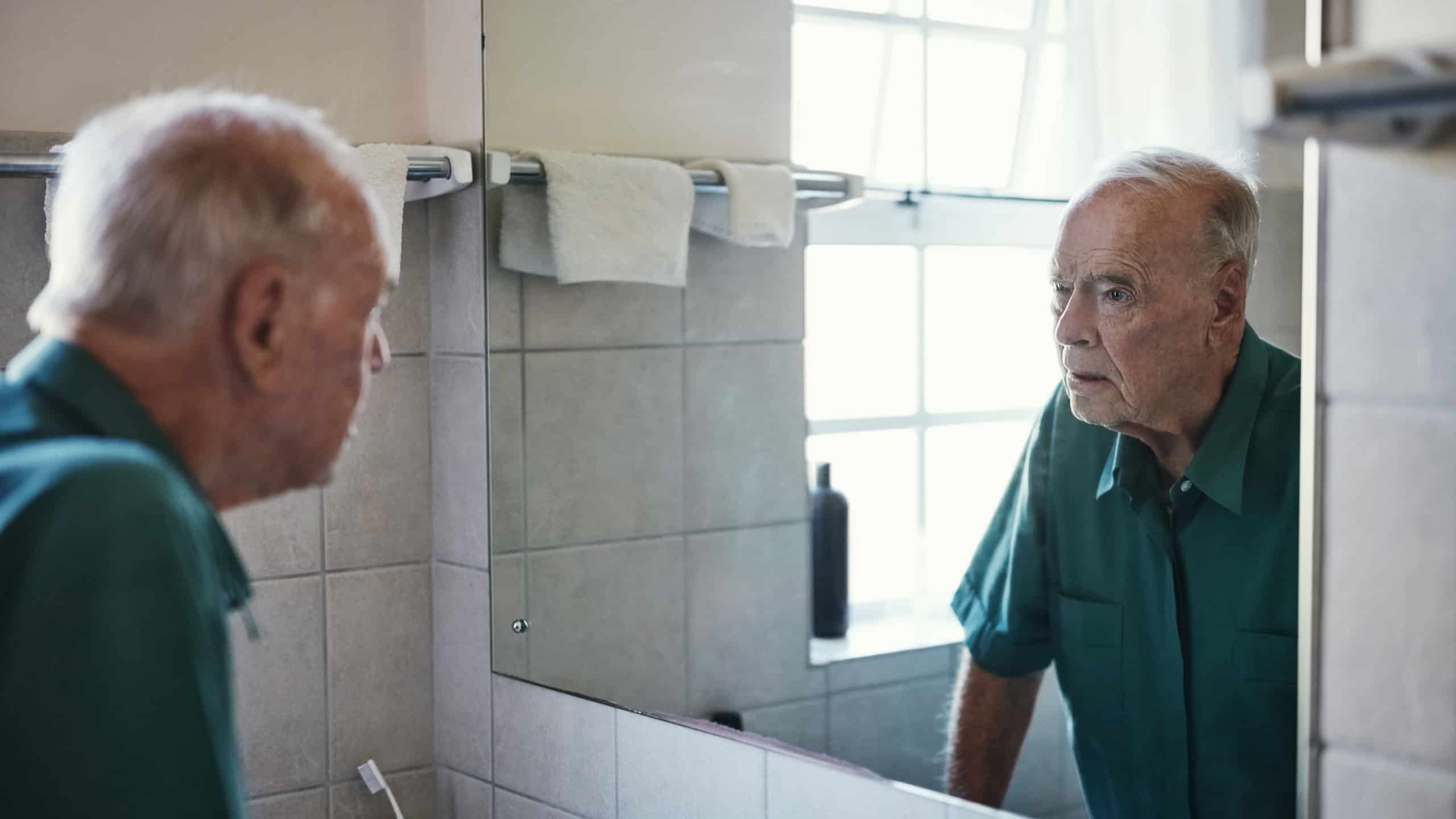
There’s a difference between being capable and actually finding out what that means, and some people stay in a range where they know they’ll be fine. They’ll avoid doing things that are too hard or too uncertain.
They never do things that actually challenge them and require sustained effort.
That becomes an issue when you’re older because you regret not facing any moments where you found what you were actually made of. You never met any resistance. As a result, the question of your own grit doesn’t get answered.
Bye, bye friends

Losing friends tends to happen quite gradually. It starts by skipping a reply, and then another, before months pass by without anything real being said. It later turns into years.
Sadly, the idea that friendships simply pick up where they left off doesn’t always ring true, and that’s an issue when you’re older.
Friendship quality has a strong connection to your life satisfaction. The truth is, people report feeling better on a daily basis when they spend time with their friends, rather than being alone.
It’s not until you notice how few people you can actually call that you realize how much your friendships have been fading.
Sources: Please see here for a complete listing of all sources that were consulted in the preparation of this article.
12 career regrets people share after 40

Beyond the obvious regrets, it’s also the little choices or missed chances that build up over time to become something much more. Here are twelve career regrets people have shared after turning 40.


