

The history of civilization is littered with colossal military campaigns and bloody political takeovers, but sometimes the best revenge is nothing more than sheer pettiness.
Dante Alighieri
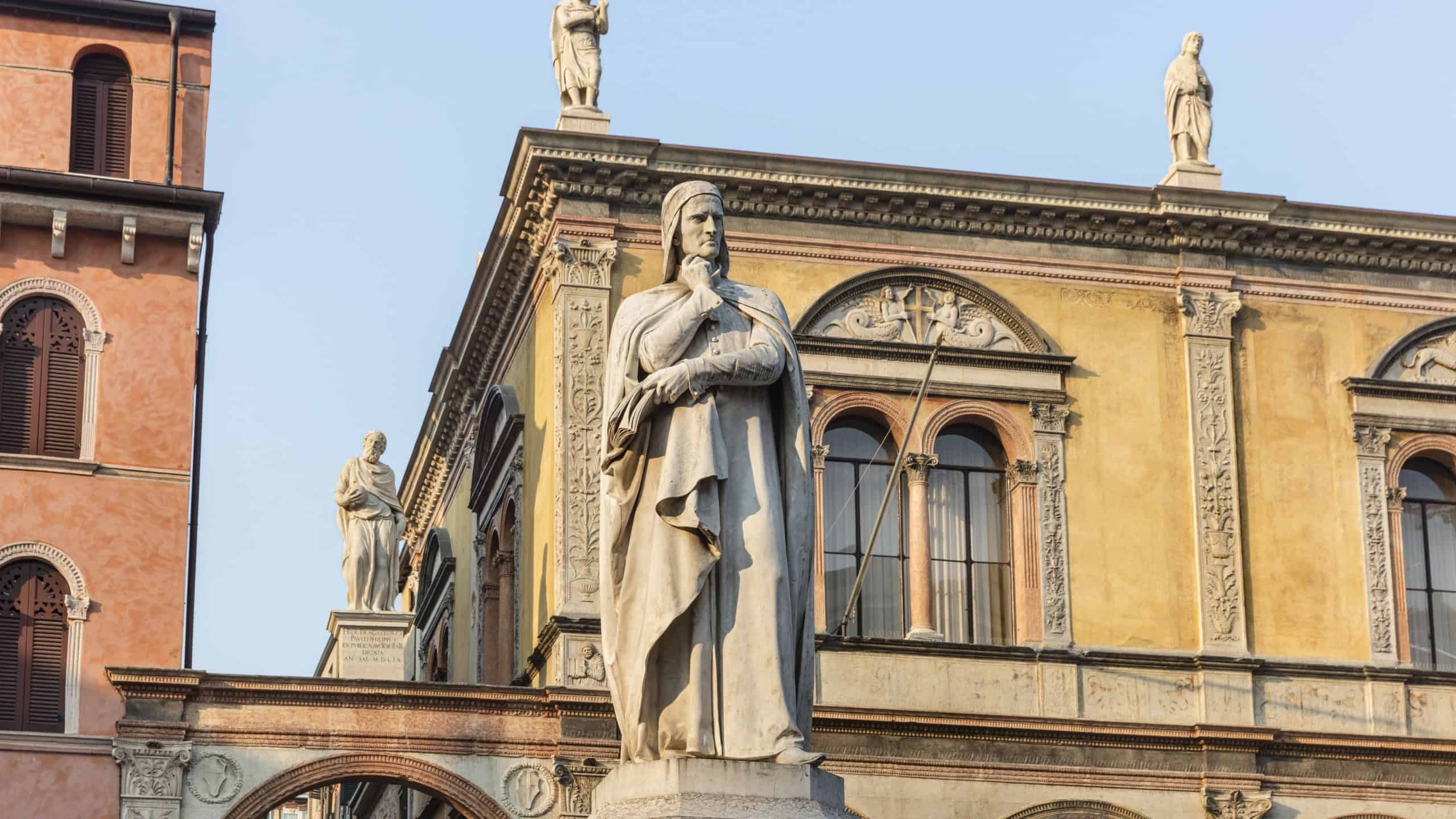
The Italian poet made political enemies who banished him from Florence. Rather than gather troops and seek a violent rebellion, he placed them in Hell, in writing. In fact, he relegated his real-life enemies to the various elaborate, gruesome circles of Hell for everyone to read about.
Peter the Great
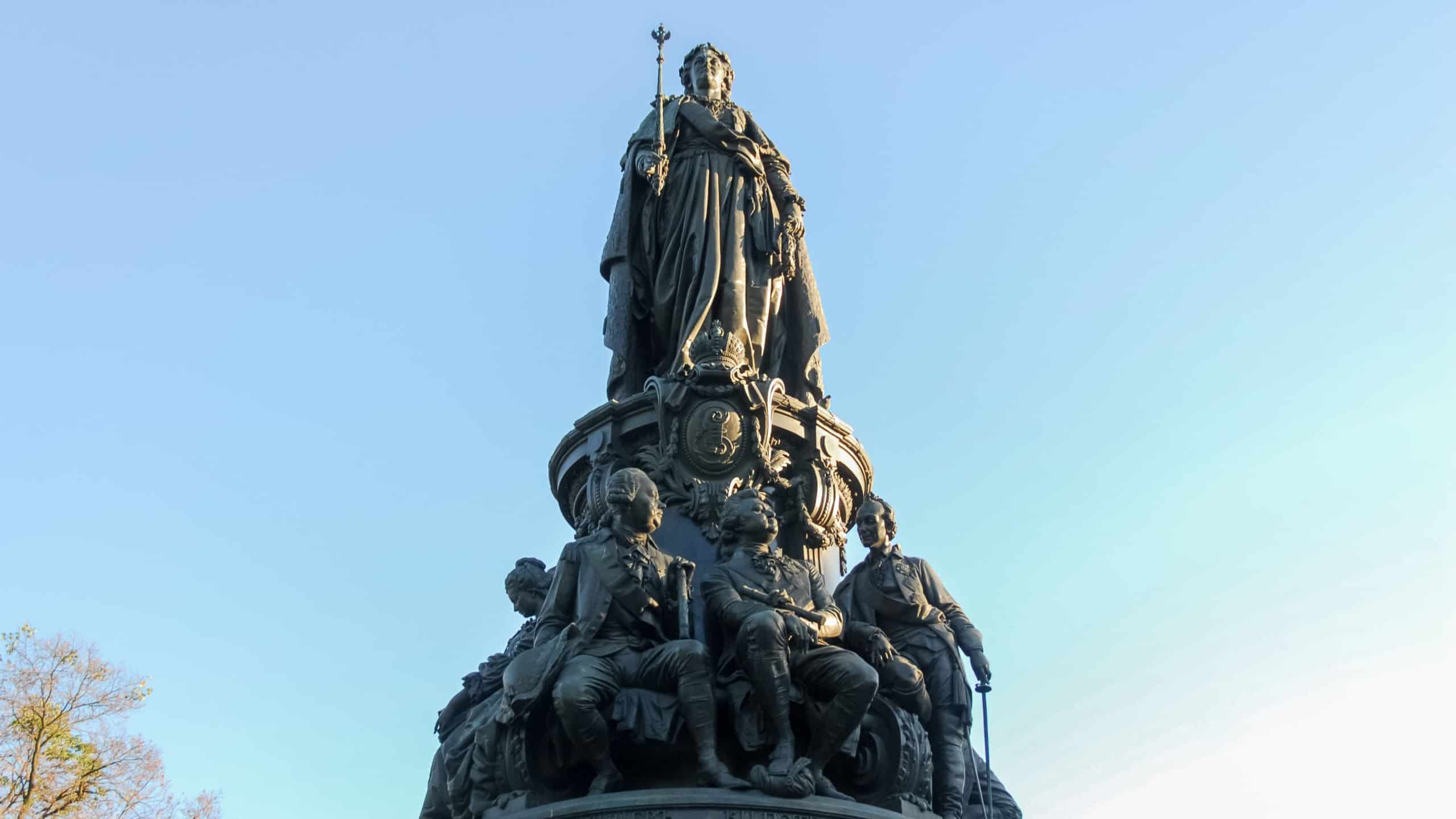
After visiting the French court at Versailles and feeling snubbed by their perceived superiority, Tsar of Russia, Peter the Great, returned to Russia and commissioned the Peterhof Palace with the express purpose of having larger water displays and more complicated fountains than Versailles.
Ferruccio Lamborghini
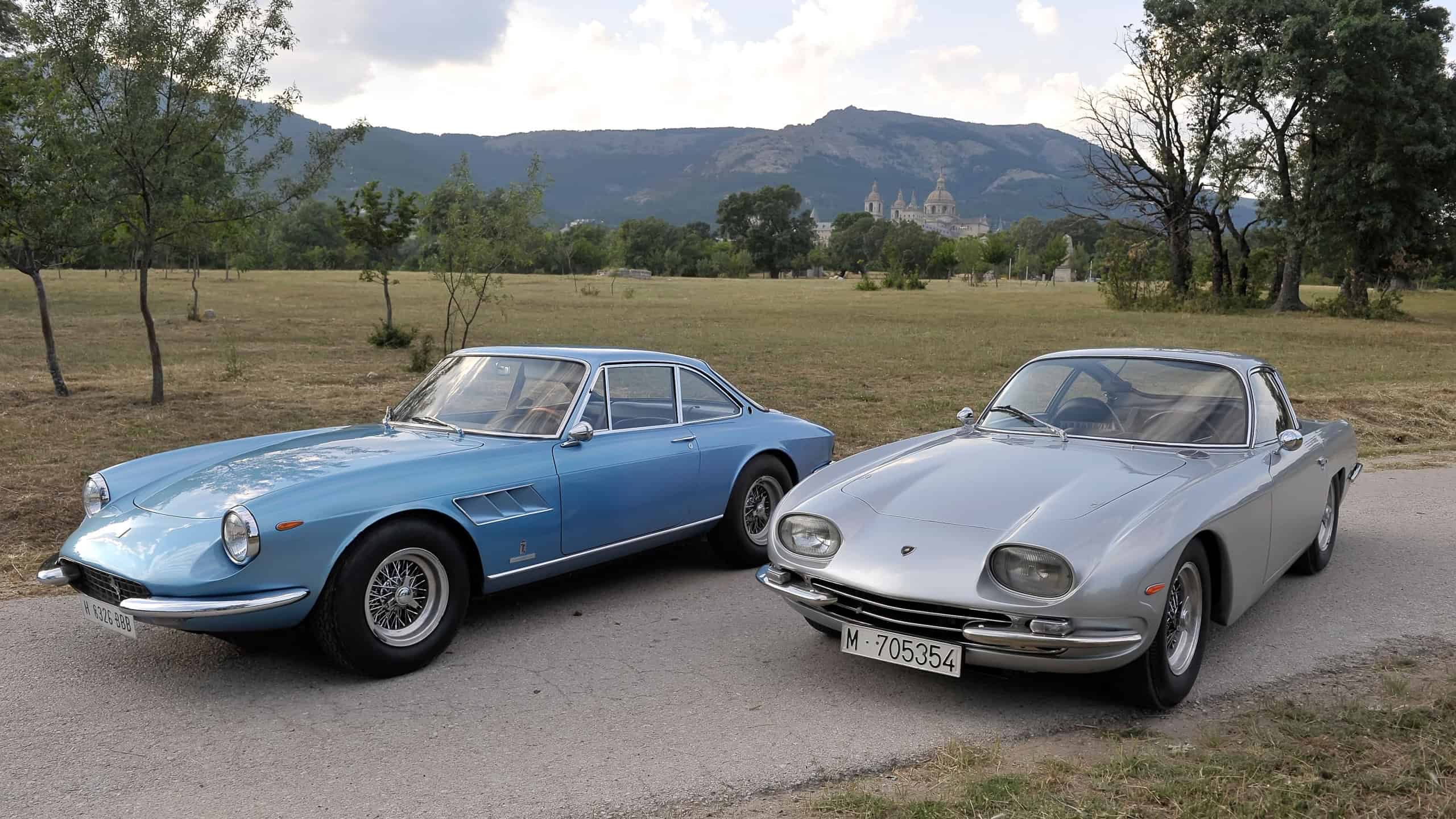
Tractor manufacturer Ferruccio Lamborghini went to Enzo Ferrari with a complaint about the cheap, breaking clutch on his Ferrari. Enzo laughed in his face and told him, “You may be able to drive a tractor, but you will never be able to handle a Ferrari properly.” Lamborghini spent the next few years creating his own elite car brand in order to make Ferrari lose face.
Alexander Pope
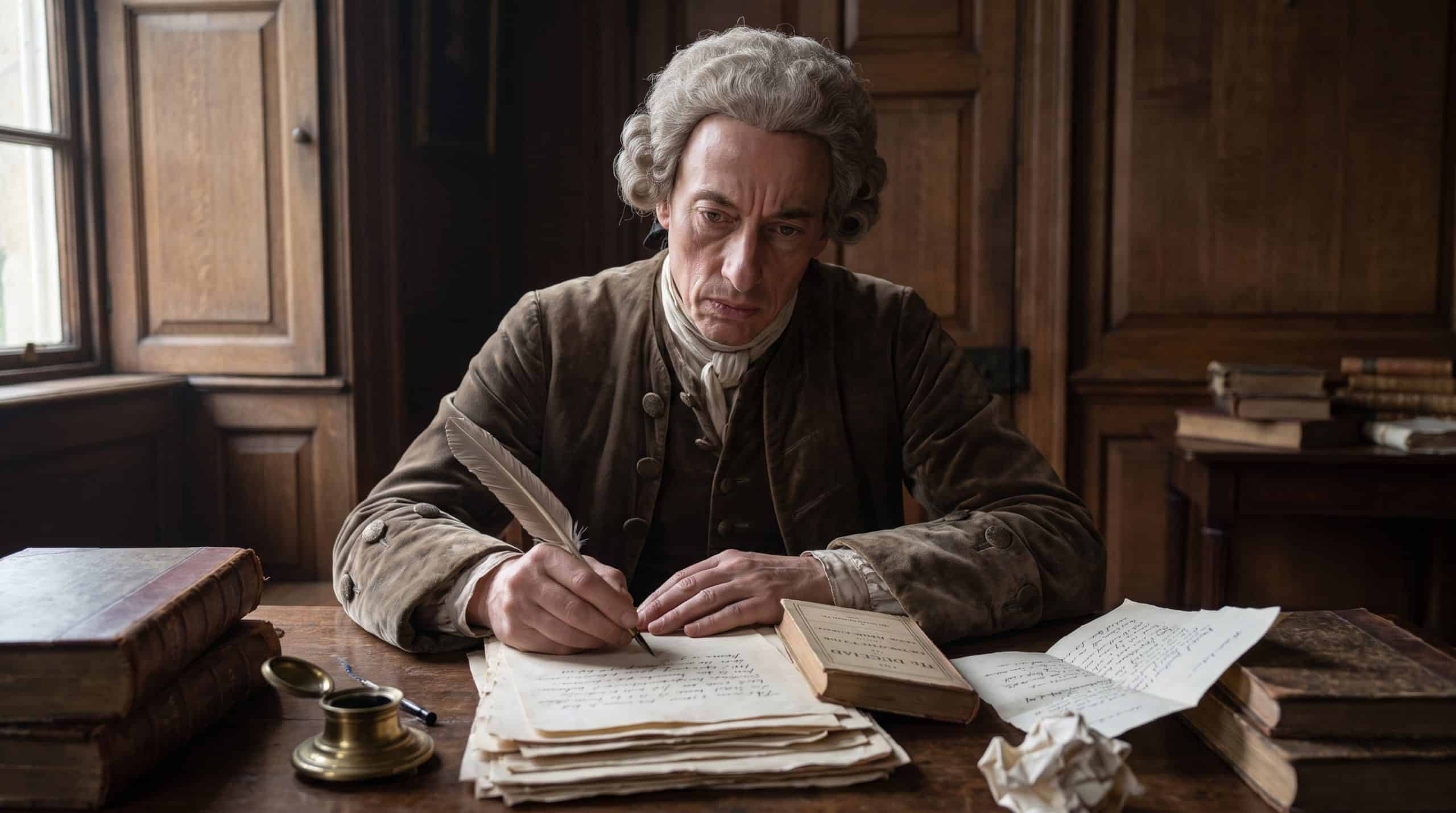
Alexander Pope grew weary of people attacking his work and character. Instead of continuing to argue with them, he made many of them characters in his satirical poem The Dunciad. The book ridiculed their intelligence and immortalized their names forever. Pope showed that sometimes words can cut deeper than swords.
Michelangelo
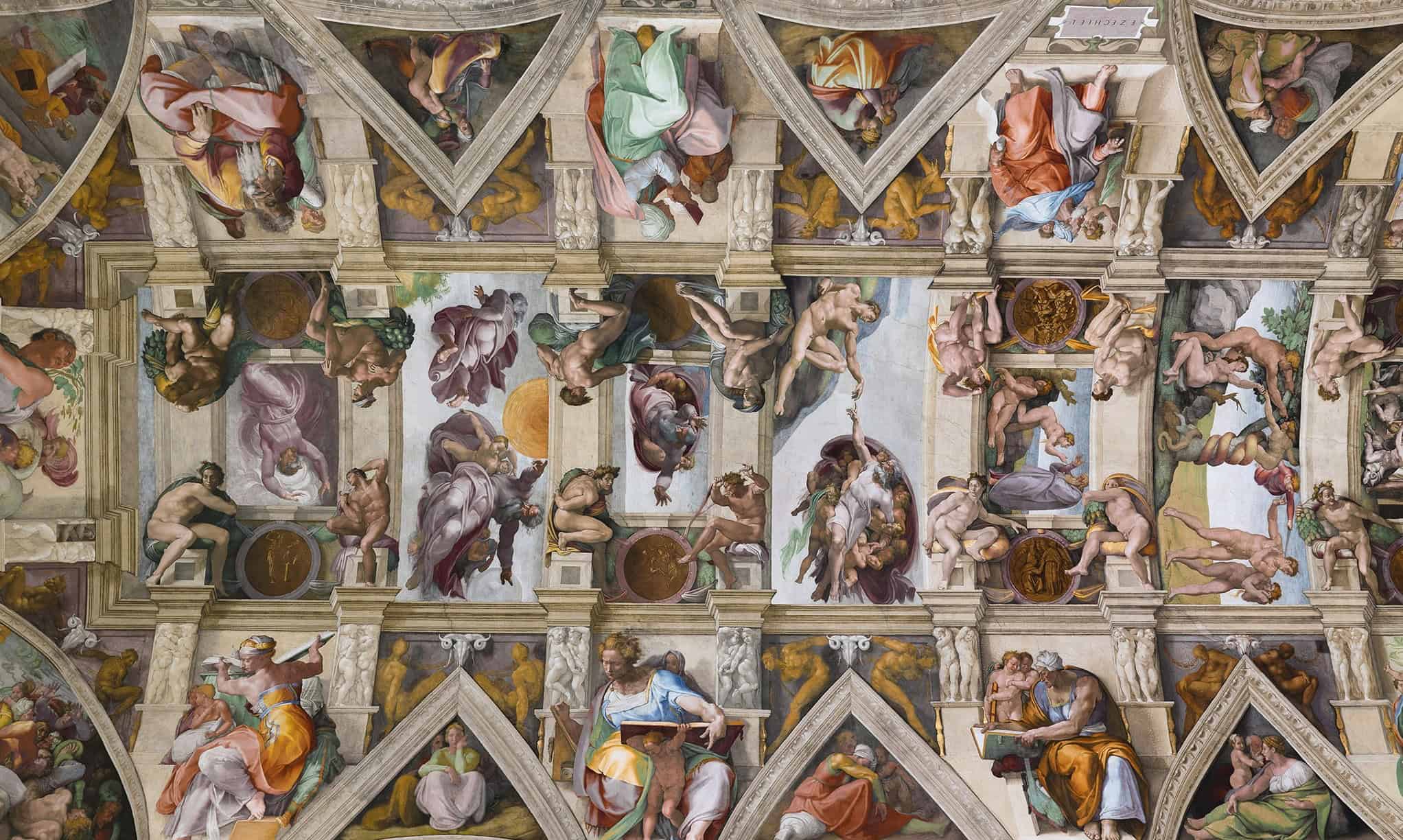
As Michelangelo painted the ceiling of the Sistine Chapel, Biagio da Cesena, the Pope’s Master of Ceremonies, told him it was disgraceful that he was covering the sacred walls with nude figures who were better suited for a tavern. Michelangelo responded by painting Cesena into his fresco of The Last Judgment as the infernal judge Minos with donkey ears and a snake biting his genitals.
Julius Caesar
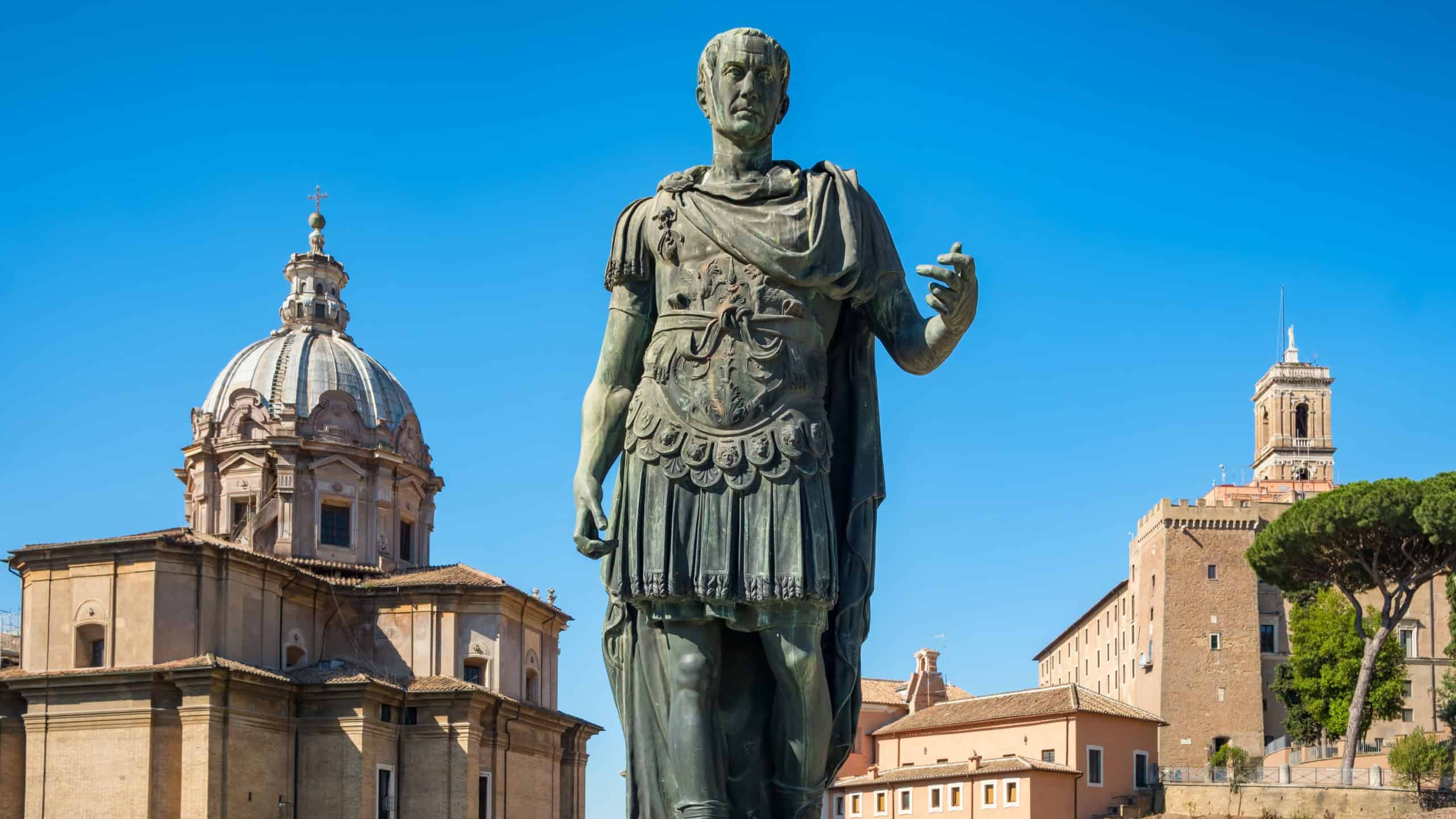
Julius Caesar once had his travels cut short by pirates. They asked for a ransom that Caesar considered insultingly small. He laughed at them, told them they should ask for more money, and promised that when released he would come back and crucify them.
Caesar had his ransom paid, gathered a small army, found the pirates, and had his revenge.
Harriet Beecher Stowe
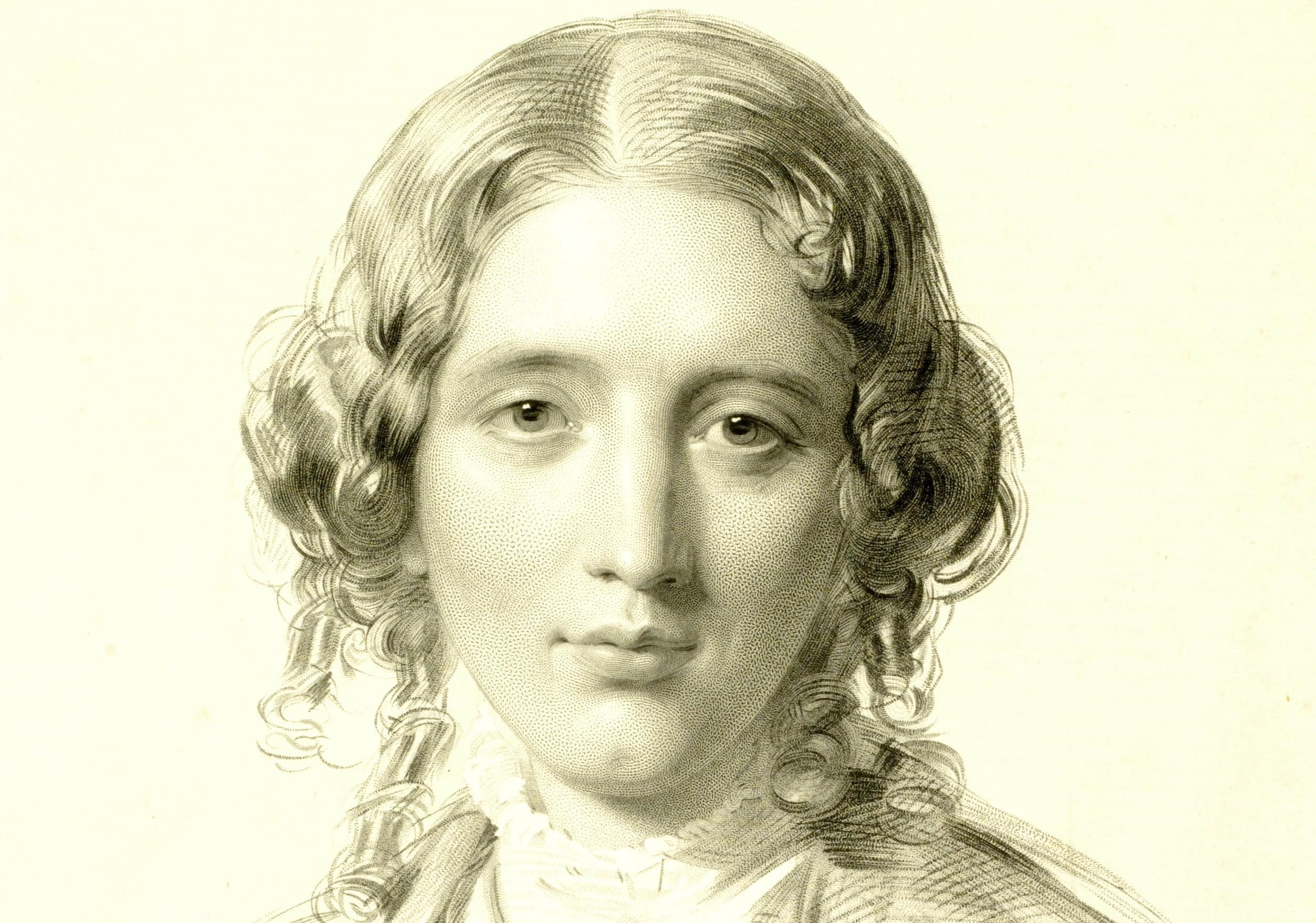
When her novel Uncle Tom’s Cabin was accused of exaggerating slavery, Harriet Beecher Stowe replied with facts. She published Key to Uncle Tom’s Cabin, which was packed with documentary evidence.
It included newspaper articles and first-hand testimonials. Instead of arguing her case, she let the facts speak for themselves. It was a quiet but deadly rebuttal.
Nikola Tesla
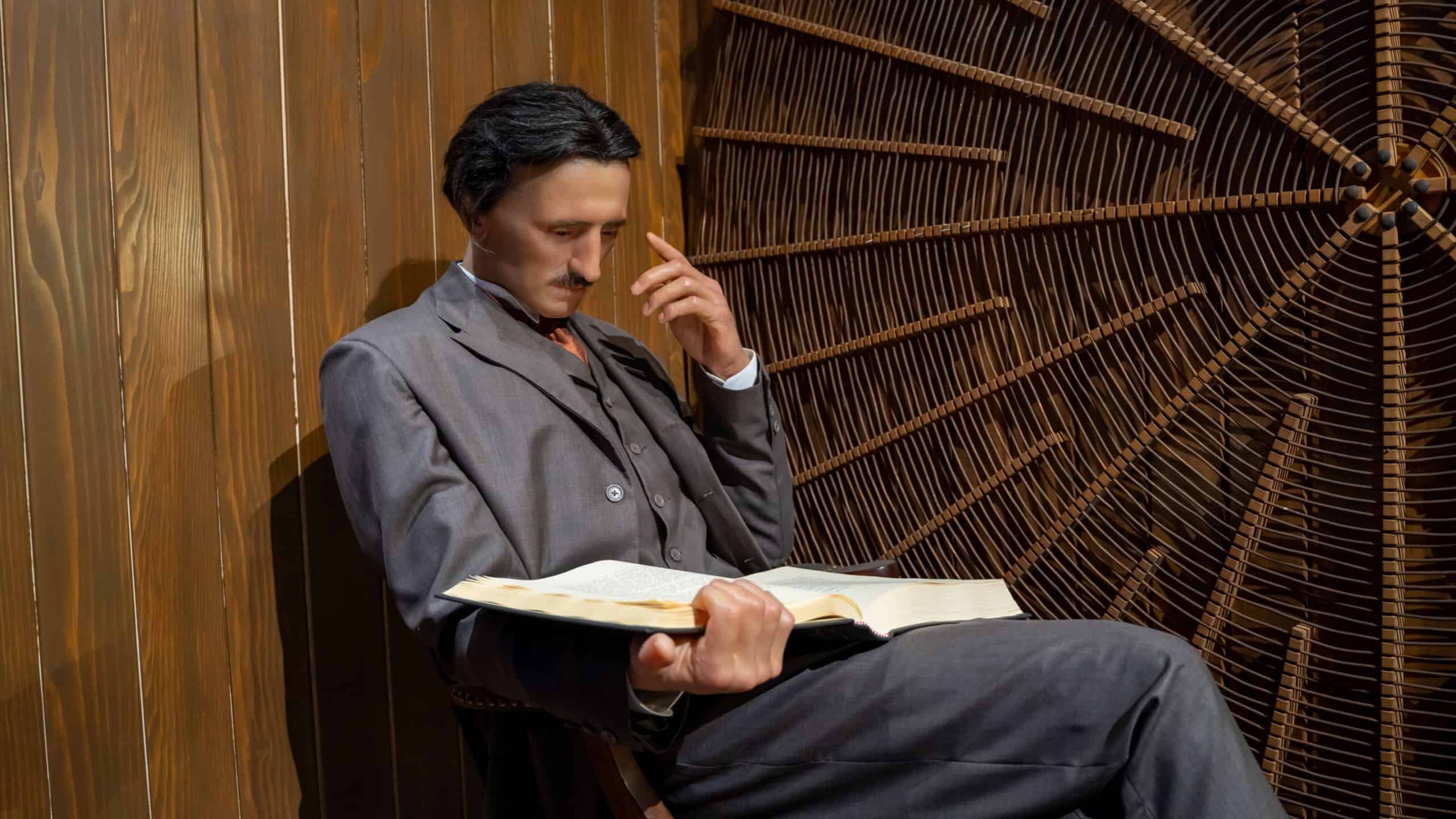
When Thomas Edison broke a verbal agreement to give Tesla $50,000 for redesigning Edison’s inefficient direct-current dynamos and called the offer “American humor”, Tesla promptly quit. Tesla spent the remainder of his career making alternating current (AC) electricity successful in order to render Edison’s DC system obsolete.
Adolf Hitler

Germany lost World War I, and the Germans were forced to sign the surrender on a private train car (known as the Compiègne Wagon) in France. German nationalists were embarrassed and humiliated by this.
When Germany later invaded France in 1940, Hitler had the French forces agree to sign the instrument of surrender in that same railway car.
Charles Froling
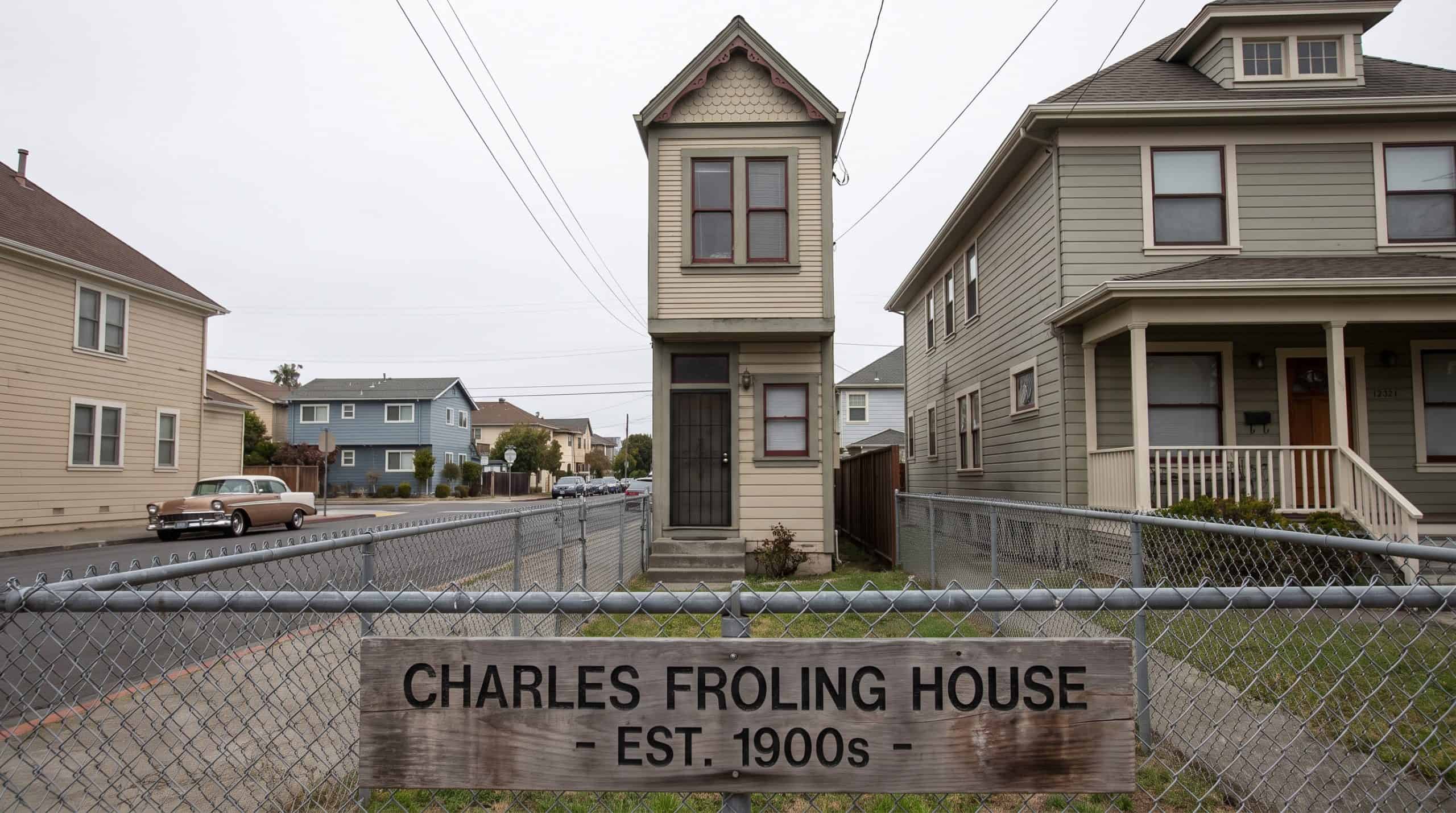
Charles Froling inherited a piece of property, but the city, in the middle of expanding a street, took a good amount of it from him. Then he asked his neighbor to buy a small piece of land that connected to his property to build a normal-sized house. But the neighbor refused.
So Mr. Froling built a narrow house, 10 feet wide by 54 feet long. The house was multi-levelled and blocked the neighbor’s sunlight and ocean view.
King Henry VIII
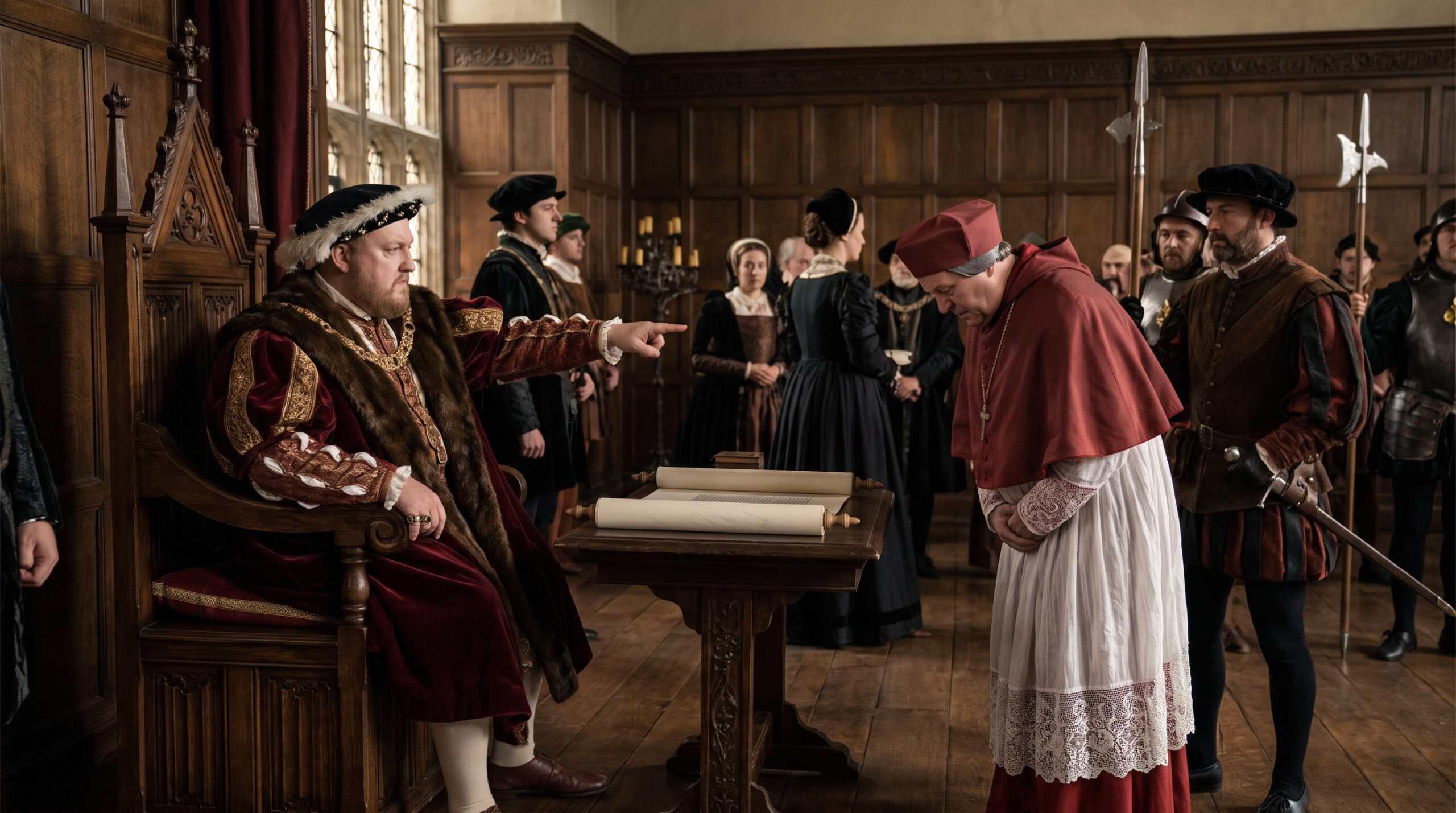
When longtime advisor Cardinal Wolsey fell through on Henry’s orders to negotiate a papal annulment from Catherine of Aragon, Henry VIII had him stripped of his titles and riches.
But his ultimate childish act was taking Cardinal Wolsey’s unfinished personal palace, Hampton Court, for himself and moving in, enlarging the kitchens so he could host enormous, anti-Catholic banquets.
John Tyler
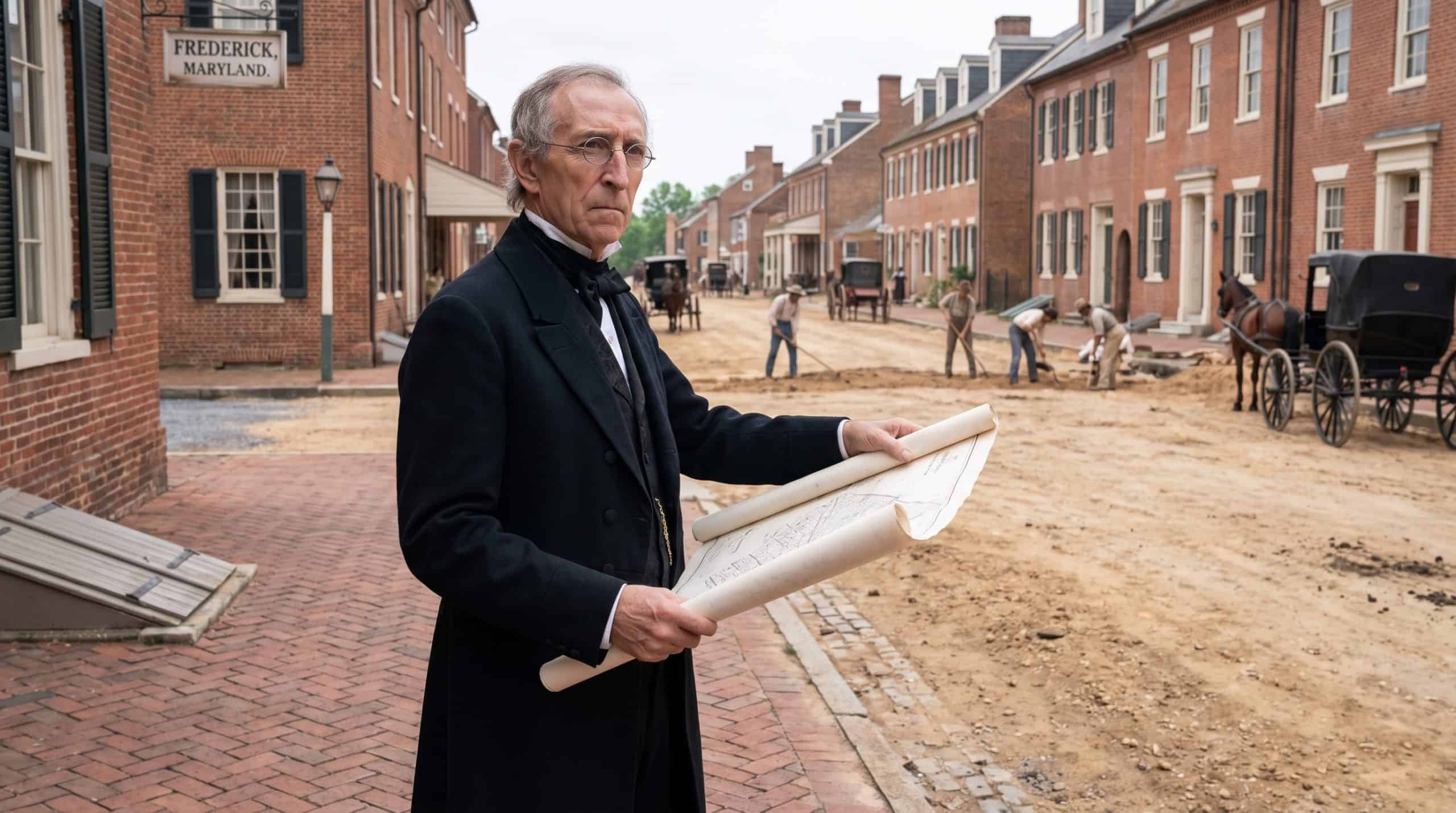
John Tyler, one of America’s first ophthalmologists, learned that the city of Frederick, Maryland, planned on extending one of their streets through a valuable lot he owned.
Trying to find a way to block construction, Tyler stumbled across a rarely-used law which said the city could not build a road if a substantial building was being erected. The night before road crews were set to come through, Tyler paid workers to dig a foundation and lay the first few courses of brick to completion.
Sir Isaac Newton
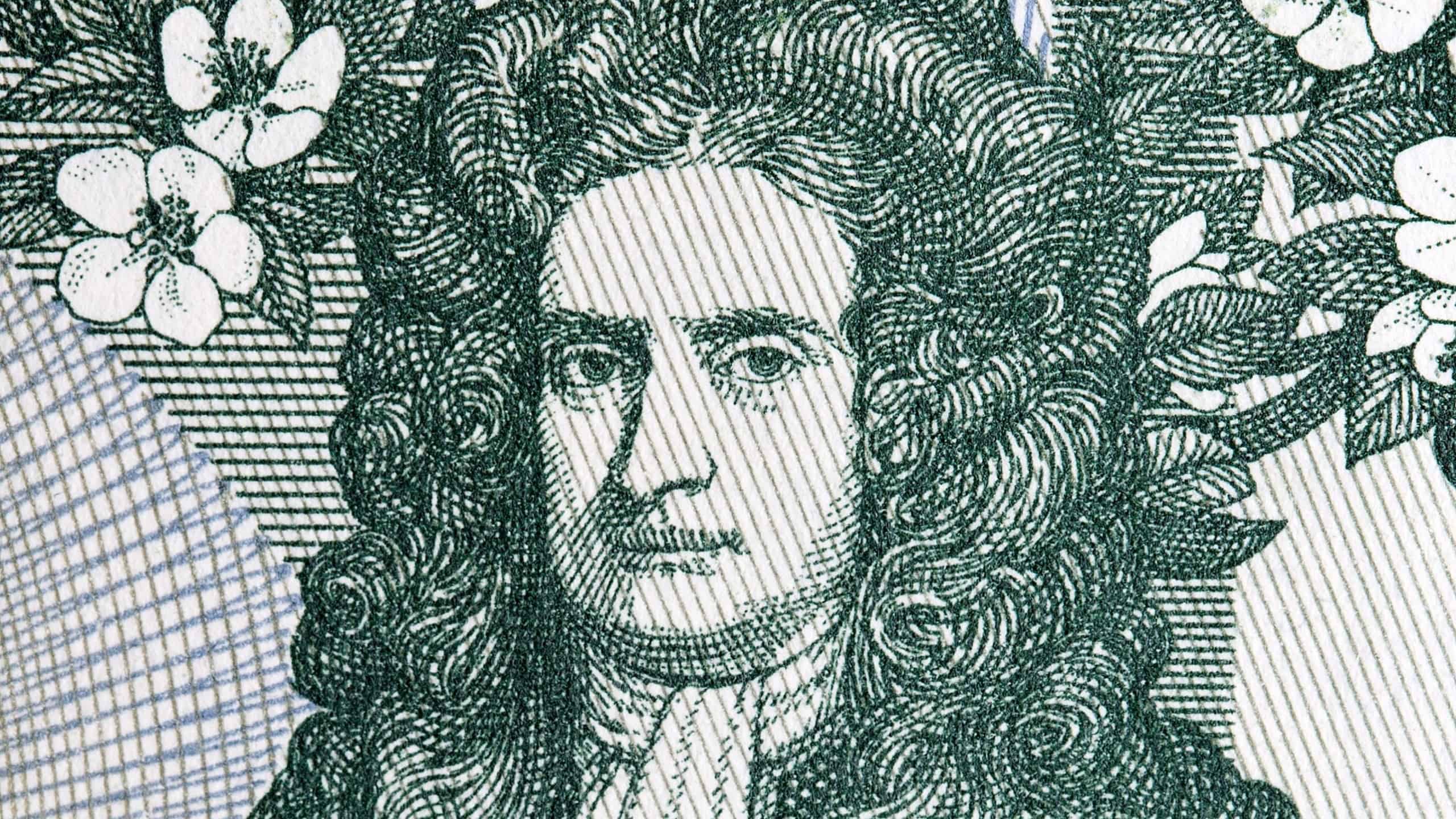
In a decades-long feud with Robert Hooke over credit for discoveries about the nature of light, Newton exterminated Hooke’s scientific legacy when he became President of the Royal Society after Hooke’s death.
Newton methodically destroyed Hooke’s laboratory, dispersed his notes, and arranged for the only painted portrait of Hooke that existed to be “lost” to history.
Tsar Peter III
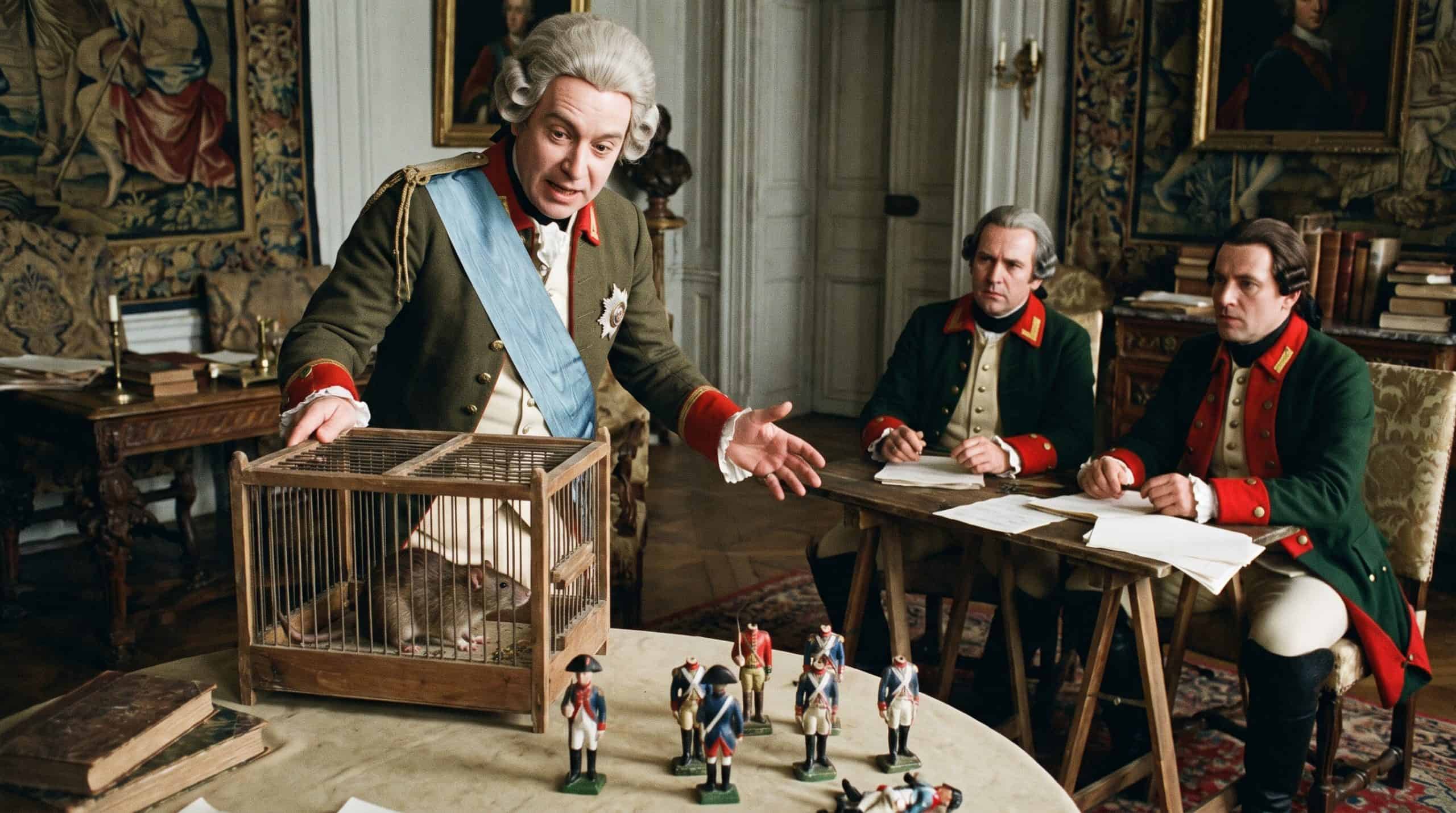
Eccentric Grand Duke Peter (later Tsar Peter III) was so enamored of toy soldiers that he convened a court martial when one of the palace rats chewed the heads off some of his cherished soldiers.
Peter ordered his guards to arrest the rat, declaim charges of high treason against him, erect a miniature wooden gallows, and execute the offender according to military law.
Sources: Please see here for a complete listing of all sources that were consulted in the preparation of this article.
Like our content? Be sure to follow us.


