
Those from the Boomer generation made it a habit to impart practical wisdom for daily living to their children, a good number of which have since gone by the wayside.
Landmark lessons

If you ever got lost as a kid, your Boomer parents told you to ride your bike until you found a gas station, then ask the person behind the counter for local directions or police station.
Directions were given in a series of landmarks (“turn left past the corn field, then take a right at the church”) instead of road names.
You had better write these directions down on a piece of paper, or you were out of luck. Smartphones have made this quirky interaction wholly extinct.
Sticker by sticker
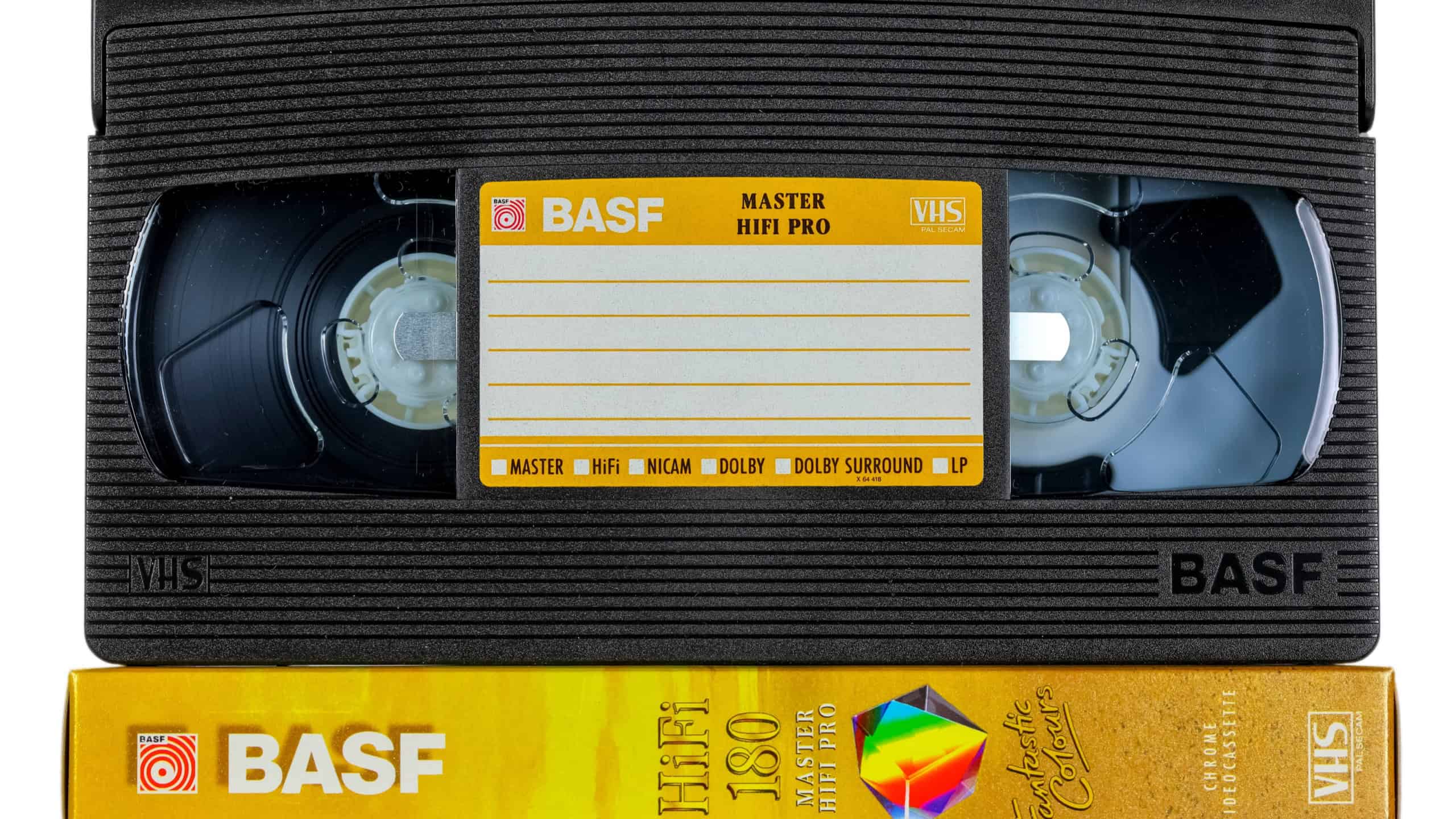
Just because Boomer families recorded movies or television specials to blank VHS tapes didn’t mean they simply wrote the title directly on the plastic sleeve.
Youngsters were shown how to attach small, colored stickers to the back of each tape. Families might use different colors to group movies, TV shows, and sports, or even assign a specific color to each household member.
This type of organization was time consuming. For certain families, a blue label signified a movie they’d recorded off cable. Red might mean a sporting event that needed to be rewound before shelving.
When rewritable DVDs came about and quickly evolved into streaming platforms, the colored sticker inventory system was abandoned along with the tapes in people’s attics.
Lost and found
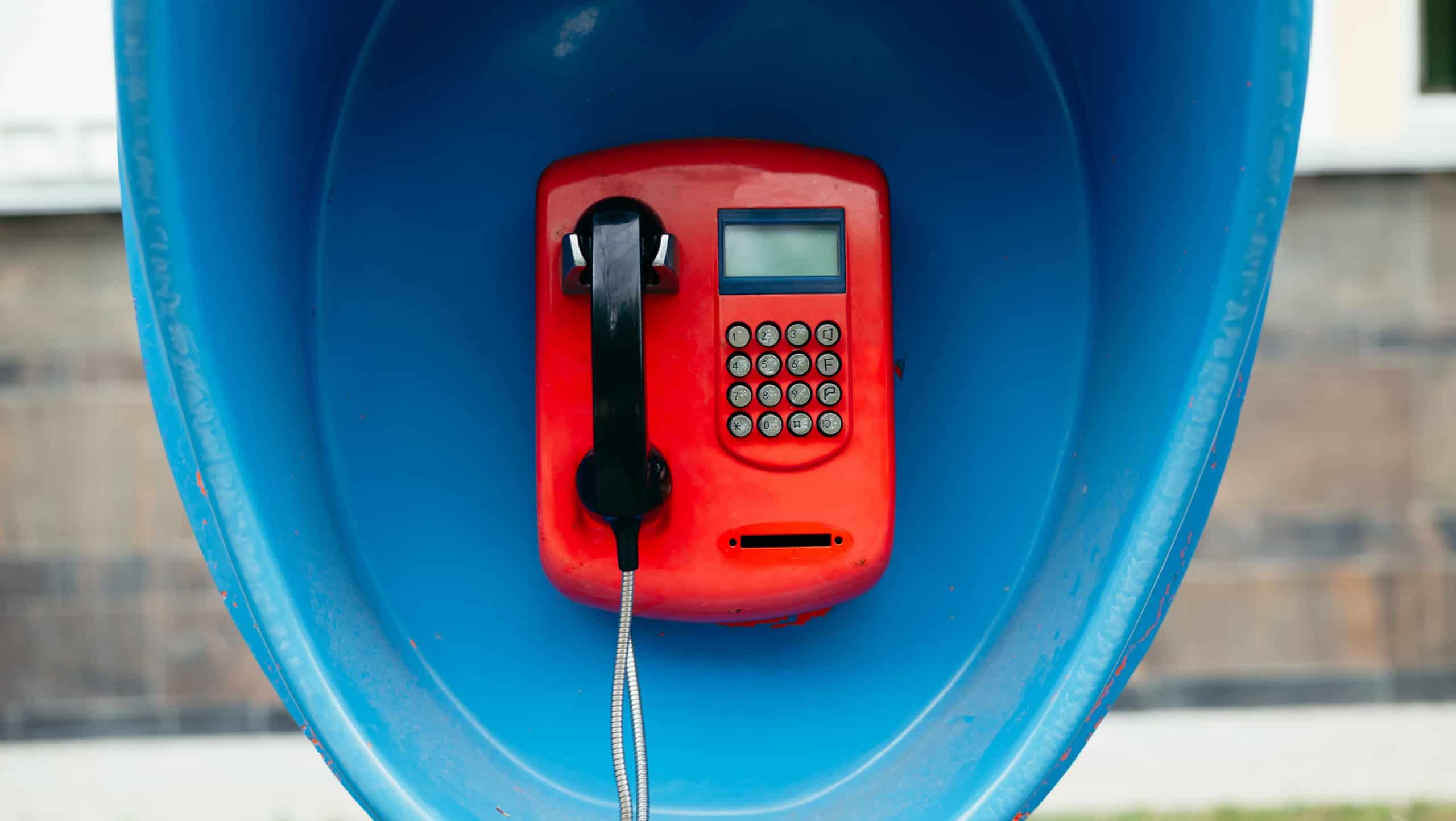
Before GPS-enabled smartphones allowed tracking in near real-time anywhere you went, parents traveling to amusement parks, busy city centers, or county fairs would institute a family policy.
There would be one pay phone booth, conveniently located near the entrance, that was deemed the last resort meeting place if you were ever lost.
Children were advised to memorize their location by that single phone booth and parents put an extra coin in a sock or pocket just in case.
Passed down recipes
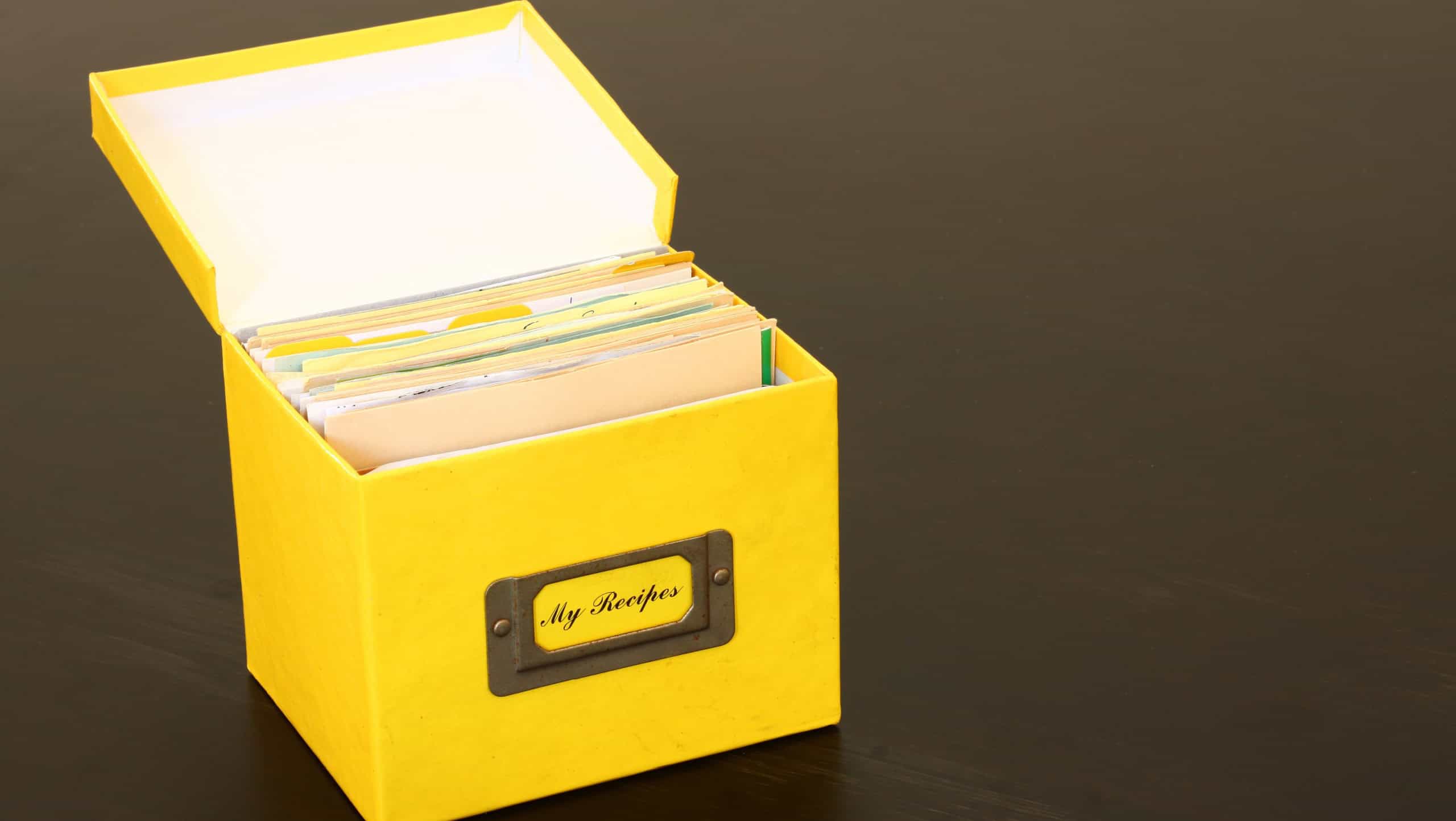
When you cooked with your Boomer parents, there was usually a small wooden or plastic box loaded with 3×5 index cards, handwritten and smudged with grease, that had been gathered over the years.
Millennials learned to print out successful Pinterest meals, rewrite them on cards, note modifications in margins, and file them appropriately under tabs labeled “Casseroles” or “Sides.” Giving someone your very own box of recipe cards was a huge millennial milestone for first apartments and weddings.
Now recipe apps, shared Google drives, and Instagram food blogs have completely eliminated the experience of rifling through cards splattered with vanilla extract from 1988.
The pocket square
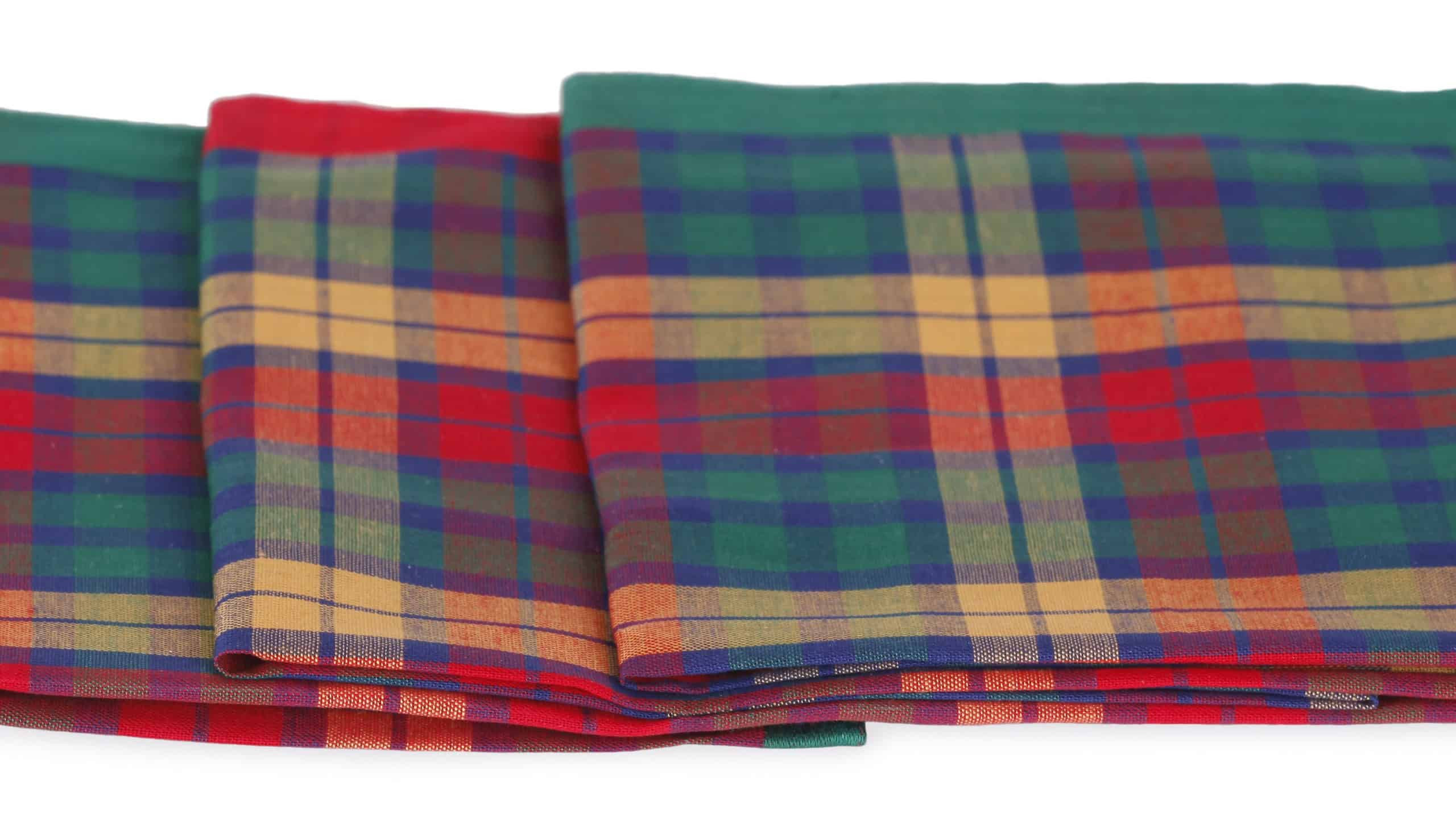
Boomer dads and granddads really drilled into younger guys the importance of sporting a clean, pressed woven cotton handkerchief in their back pocket or suit jacket.
Used not just for show, they could be offered to someone else in need or used to clean yourself up after an accidental spill.
These fabric handkerchiefs needed to be washed, then smoothed flat while still a bit damp, and finally pressed with a hot iron to make them neat squares. Throwaway paper pocket tissues have made this element of men’s grooming extinct.
Tape surgery
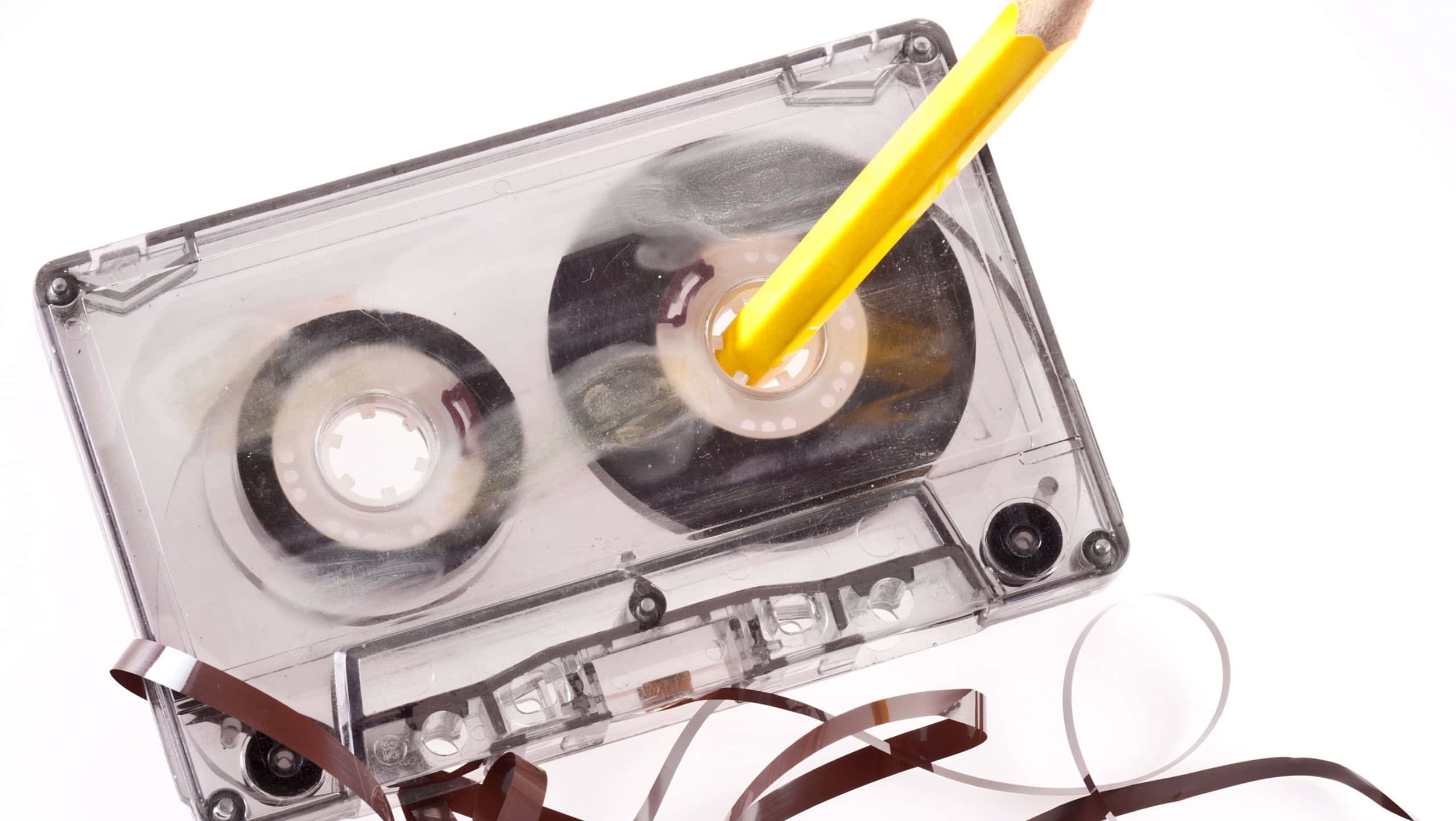
If one of their favorite tapes got stuck and broke in their car stereo, Boomer parents didn’t just toss it out, they taped it together.
They taught their children how to splice cassette tapes by carefully cutting the broken edge of the thin brown ribbon with a regular blade razor, lining up the newly cut edges back together inside of the plastic casing and taping it with a small piece of Scotch tape.
A regular yellow pencil would then be placed in the tape’s sprocket hole and one had to wind it back onto the spool by hand.
This was a fiddly job that demanded a lot of precise hand control, skills that soon became completely irrelevant once CDs and MP3s arrived on the scene.
Snow day watch
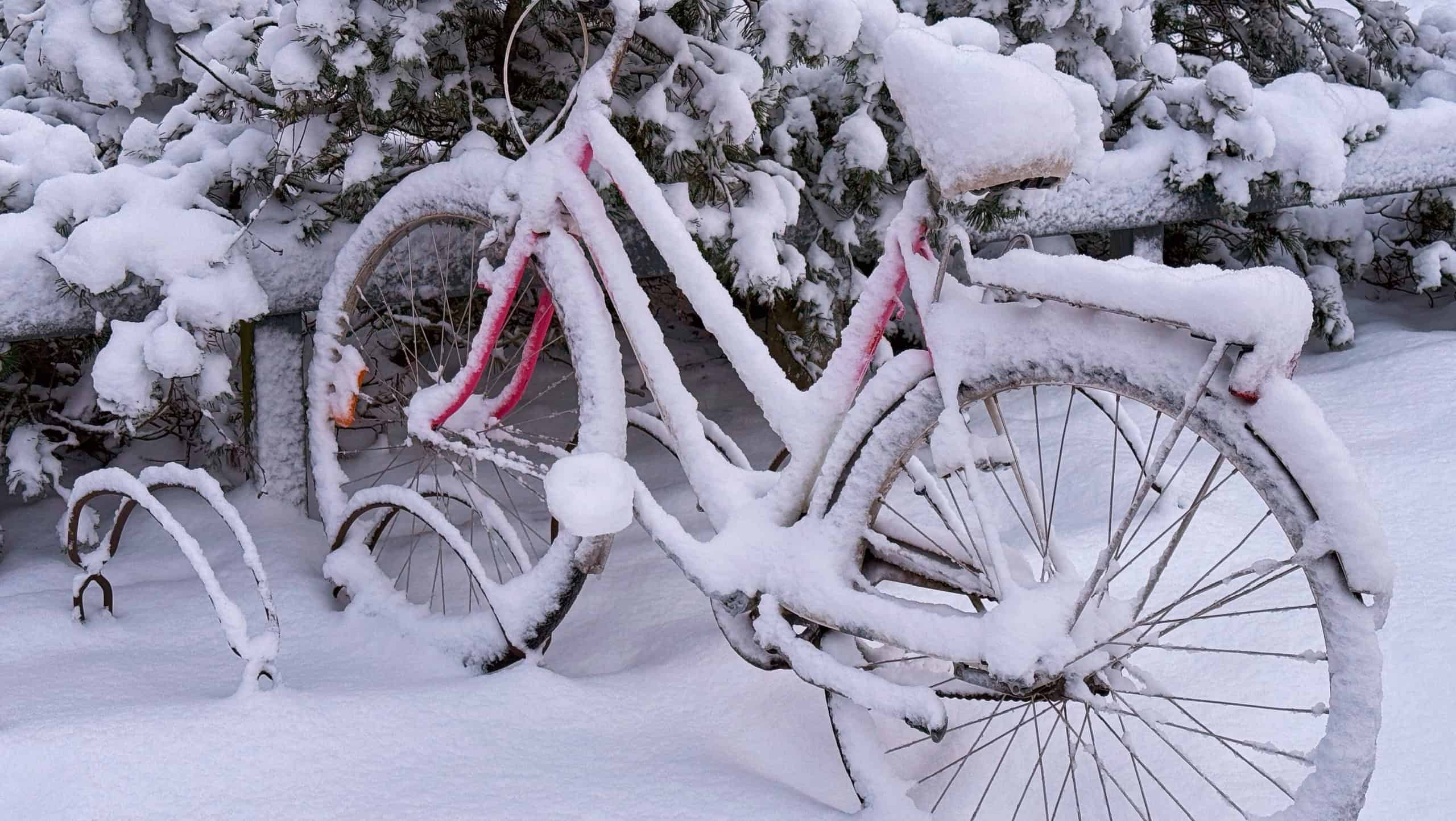
Back in the day, when snow piled up high or summer storms brewed, families would huddle together, eyes glued to the TV, waiting for the evening news to scroll through the school closure list.
The alphabetical arrangement of the ticker meant waiting a few minutes for your specific county or school district to come up.
Everyone in the family fell silent, so nobody would miss it when their turn came up.
These days, instant notifications and automated emails from school districts have put an end to that whole shared waiting game.
The good silver
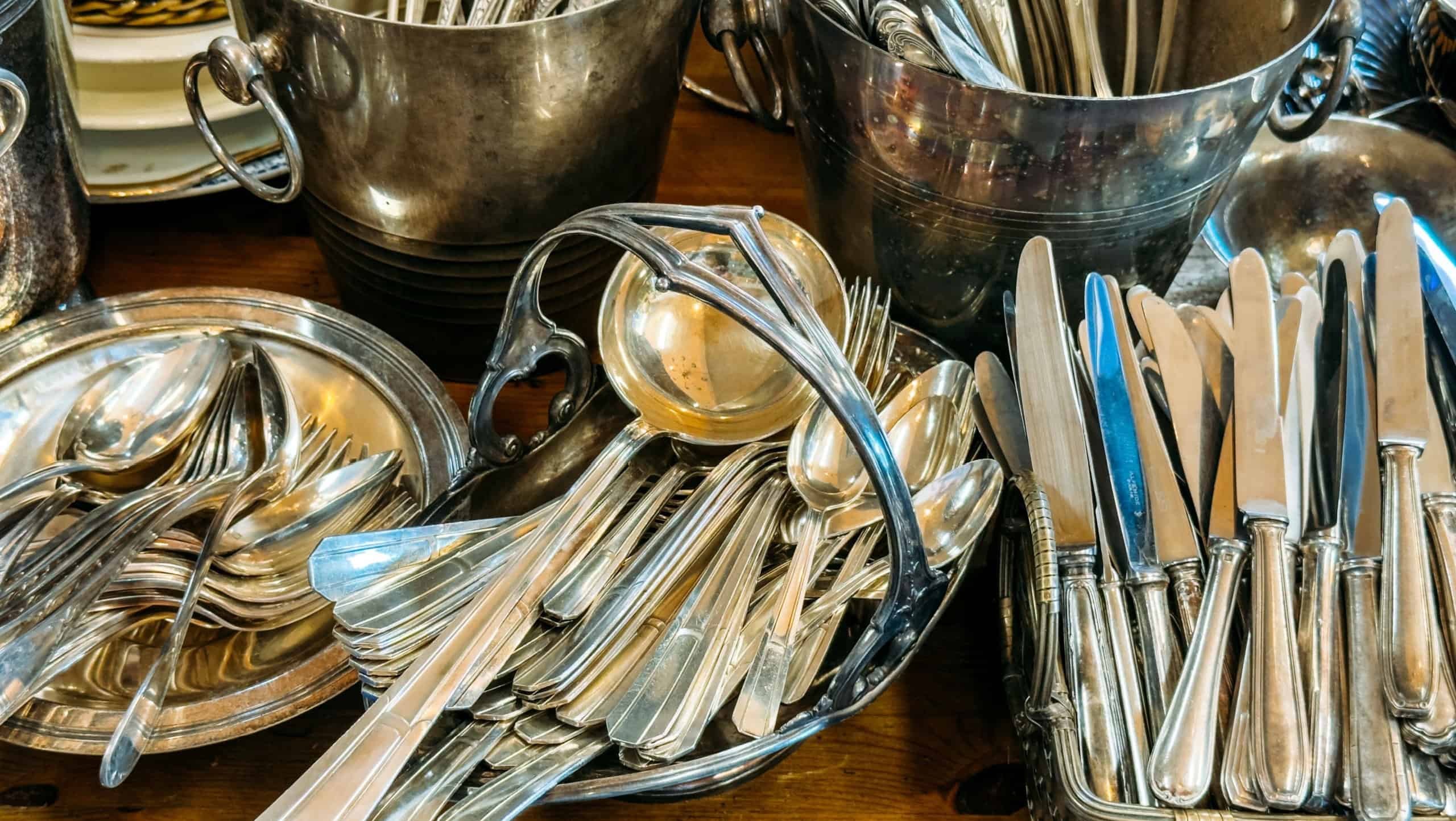
Boomer families often owned a heavy set of good silver or silverplate that wasn’t to be used under any circumstances.
Millennials learned how to scrub each piece with a labor-intensive, gooey chemical paste and a soft cloth by rubbing vigorously to remove the black tarnish before Thanksgiving or Christmas dinner.
You had to polish each fork separately until it gleamed, a task that smelled strongly of sulfur and took hours to complete.
As millennials shied away from that seemingly endless chore and gravitated towards disposable stainless steel and streamlined table settings, the need for high-maintenance silverware effectively vanished.
Fuel math

It’s hard to remember, but before dashboard computers displayed miles-per-gallon readouts instantly, Boomer-era drivers had to calculate their fuel efficiency using only pencil and paper. Mom and Dad would drill their kids to reset their mechanical trip odometer every time they filled up at the gas station.
Once you refuel, you’d figure out your miles per gallon by dividing the distance traveled by the gallons shown on the receipt, then jotting that number in your little notebook.
This method of tracking fuel economy fostered a profound connection drivers had with their vehicle’s mechanical condition, a connection that faded once digital dashboards took over the calculations.
Behind the photo
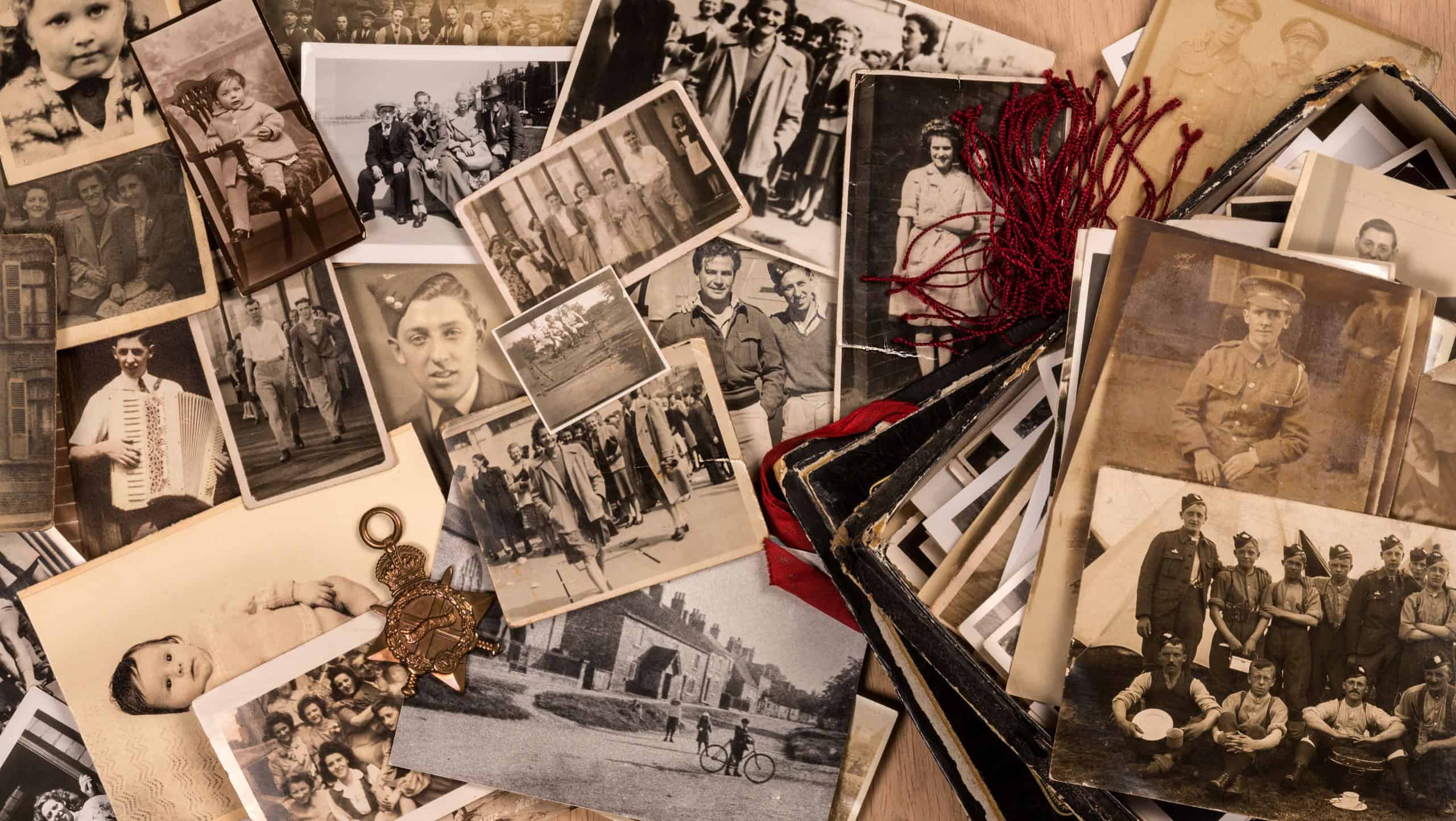
Upon returning home with your freshly developed roll of prints from your corner drugstore, it was expected that you would scribble down information on the back of each photo before you even began looking at them.
Many Boomer moms instructed their kids to grab a pencil or archival pen to document the date, location and name of everyone pictured on the photo paper itself.
This ensured your cousins, family friends, and neighbors were never a mystery again. With digital photos automatically saving things like timestamps and location data, the old habit of writing that info on the back is now outdated.
Spin to find
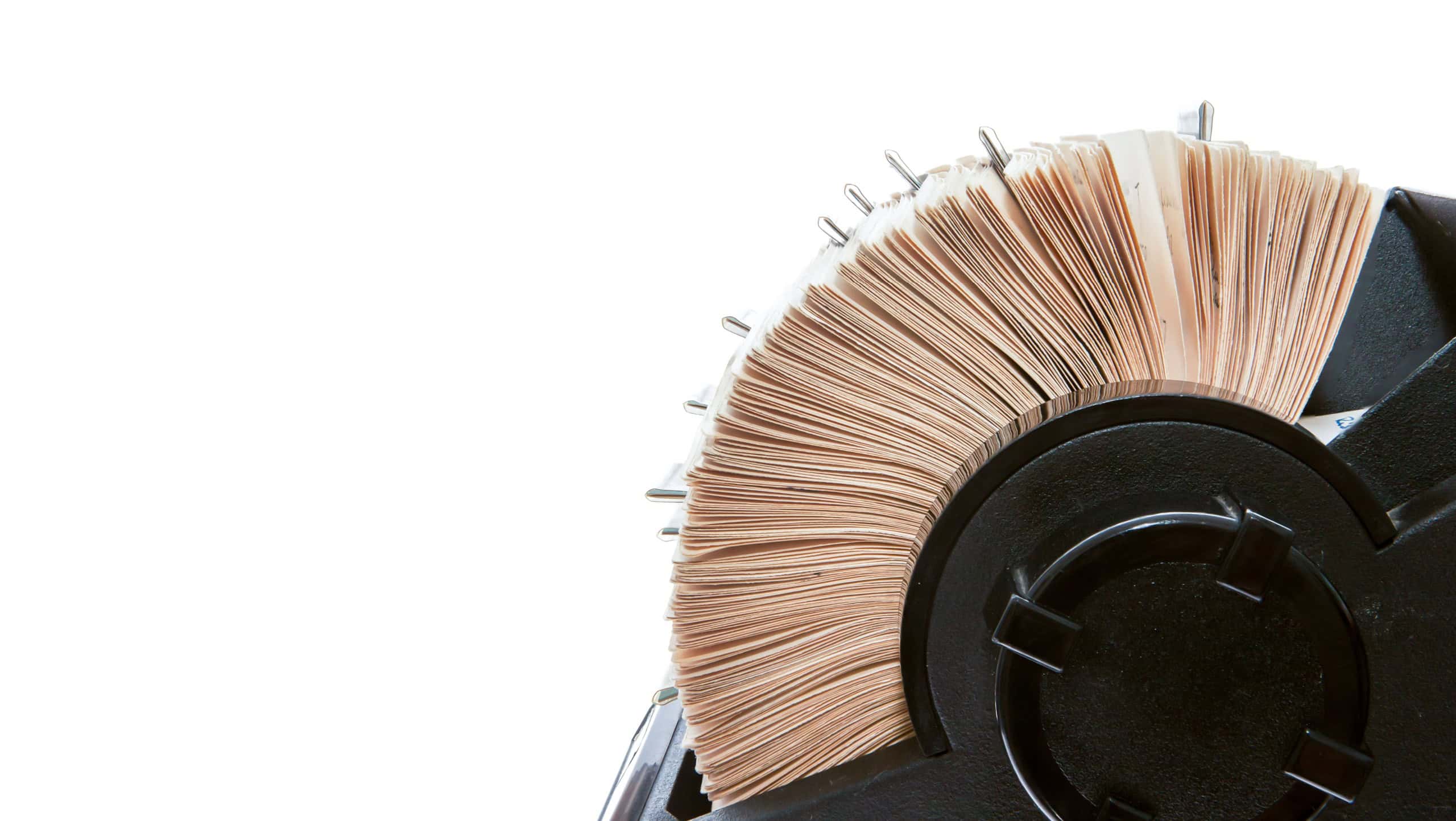
Mounted right next to that bulky corded home telephone in nearly every family’s home was a manual Rolodex or flip-top address book.
Boomers instructed Millennials to manually add entries to this wheel of index cards: doctors’ direct lines, local precincts, and adjacent utility companies.
If your pipes froze or you lost power, you’d sprint to this physical directory, flip to the right tab, and make your call. It became extinct with the integration of contact lists into smartphones.
The travel carousel

Back in the Boomer days, after a big family trip, you’d get ready to put on a photo slideshow for friends or relatives who came over for supper.
After sorting through stacks of printed 35mm color slides you would spend hours carefully loading them into the plastic, circular slide carousel. Once everyone settled on the living room floor you’d darken the room, project the images on a blank wall or folding screen, and sit through your friend or family member describing every photo as a bulky projector whirred and clicked between slides.
Social media and quick photo sharing have really taken away that private, immediate feel from documenting travel.
Before first wear
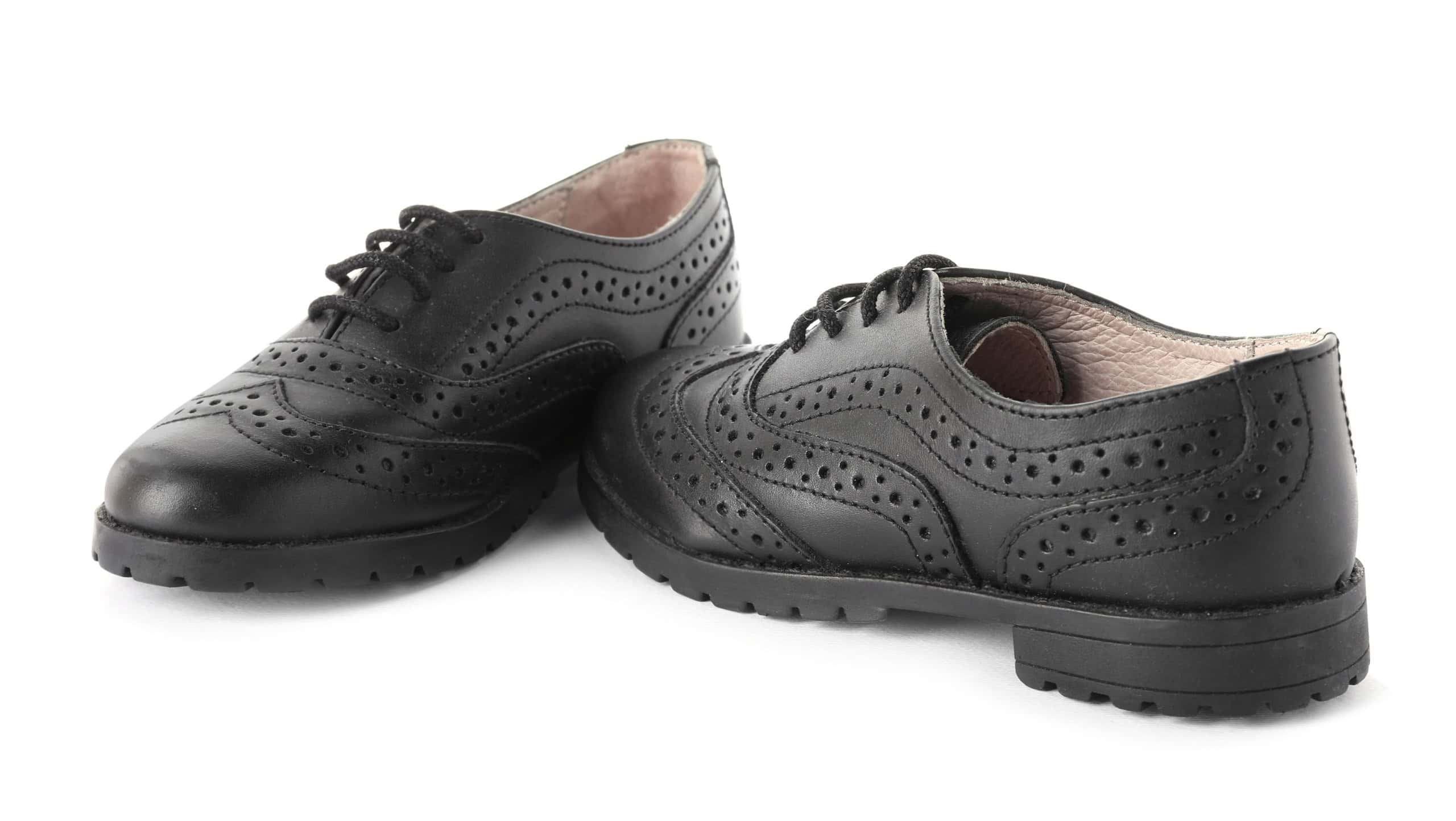
Boomers insisted that as soon as you got new school or work boots, you absolutely had to treat them before wearing them out.
Grab a rag and scoop up some wax looking mink oil or saddle soap and start rubbing the crud into those stiff boot seams as hard as you could.
Allow them to sit by the furnace overnight allowing the oils to soak into the pores of the leather which would soften them up and provide a thick barrier from the weather.
Thanks to pre-treated polyester material and throw away clothing cycles this tradition was kicked to the curb.
Sources: Please see here for a complete listing of all sources that were consulted in the preparation of this article.
Like our content? Be sure to follow us.


