

The most dangerous men in history are not criminals hidden away in jails; they ruled over nations and armies.
Adolf Hitler
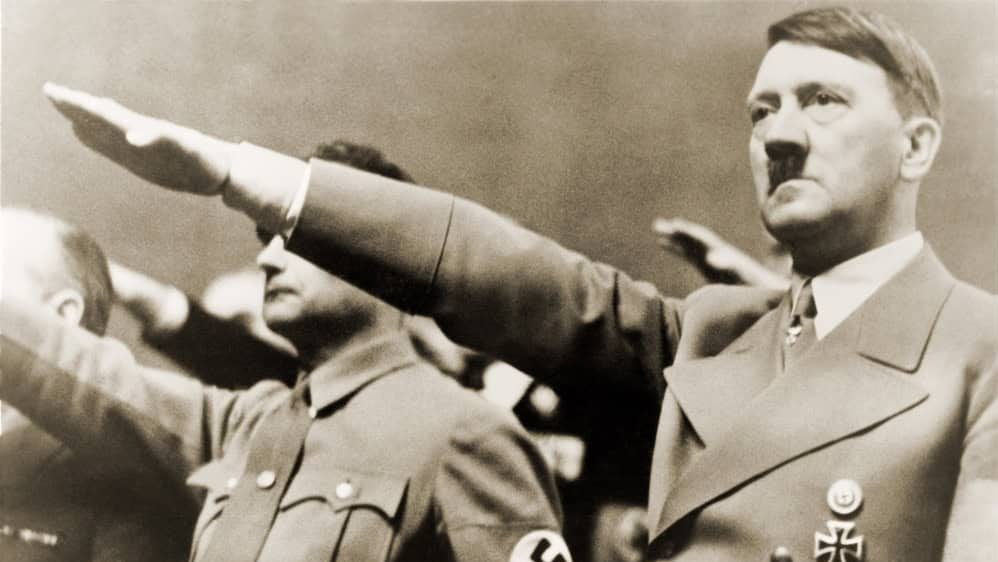
As dictator of Nazi Germany, Adolf Hitler initiated World War II in Europe. Hitler sought the extermination of the Jews in what was to become known as the Holocaust, ordering the murder of six million Jews as part of a wider program of genocide and persecution.
World War II resulted in tens of millions of deaths. Hitler’s policies and actions resulted in him becoming one of history’s most destructive political leaders.
Joseph Stalin
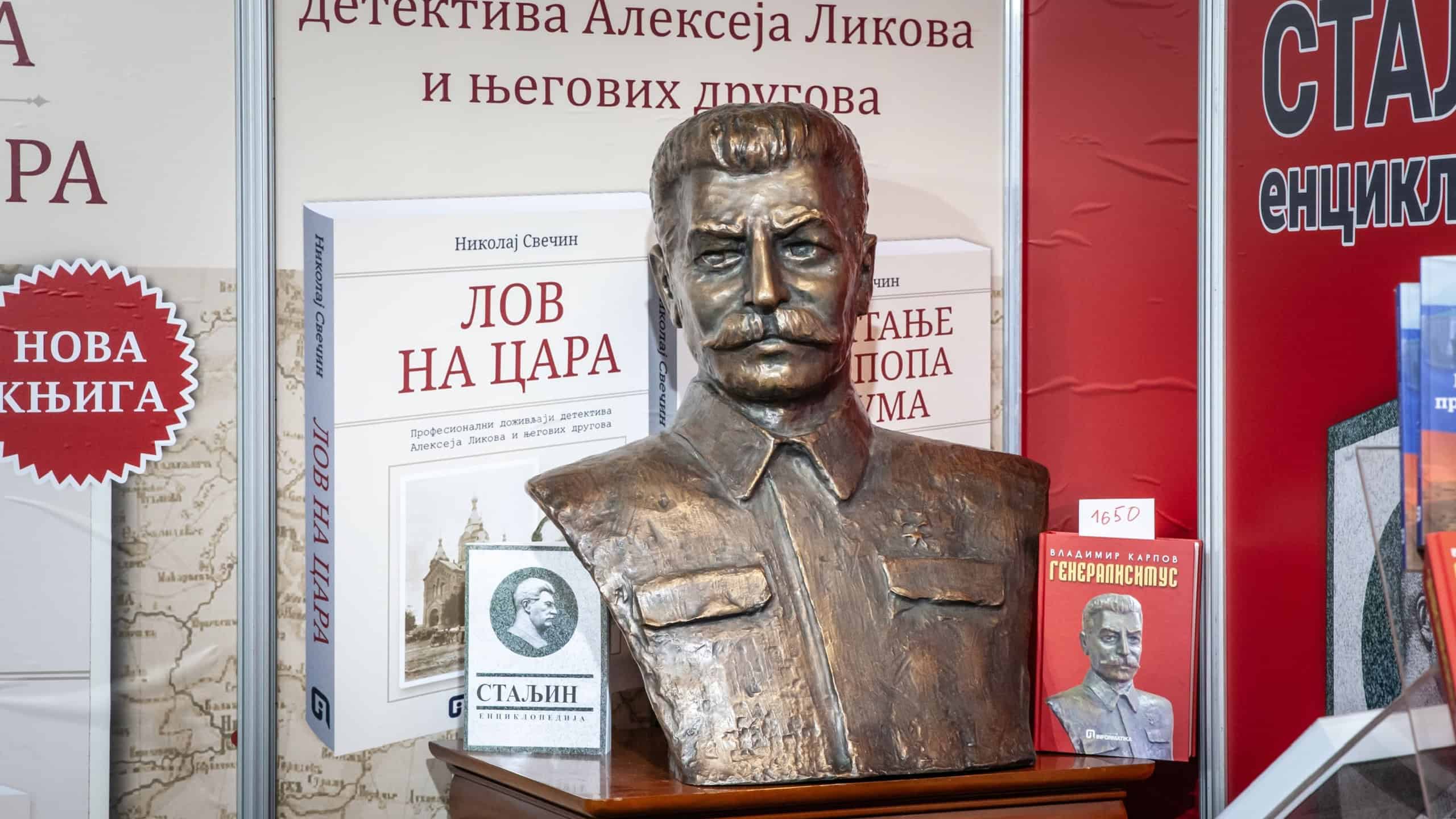
Stalin was an authoritarian leader who ran the Soviet Union with a totalitarian system based on repression, forced collectivization, political purges, and a network of forced labor camps known as Gulags.
Hundreds of thousands were executed during Stalin’s regime, especially during the Great Terror of the 1930s, with millions imprisoned, deported, or otherwise persecuted.
Stalin’s regime was also responsible for large-scale famine resulting from his agricultural policies, most notably in Ukraine and other parts of Soviet territory.
Mao Zedong
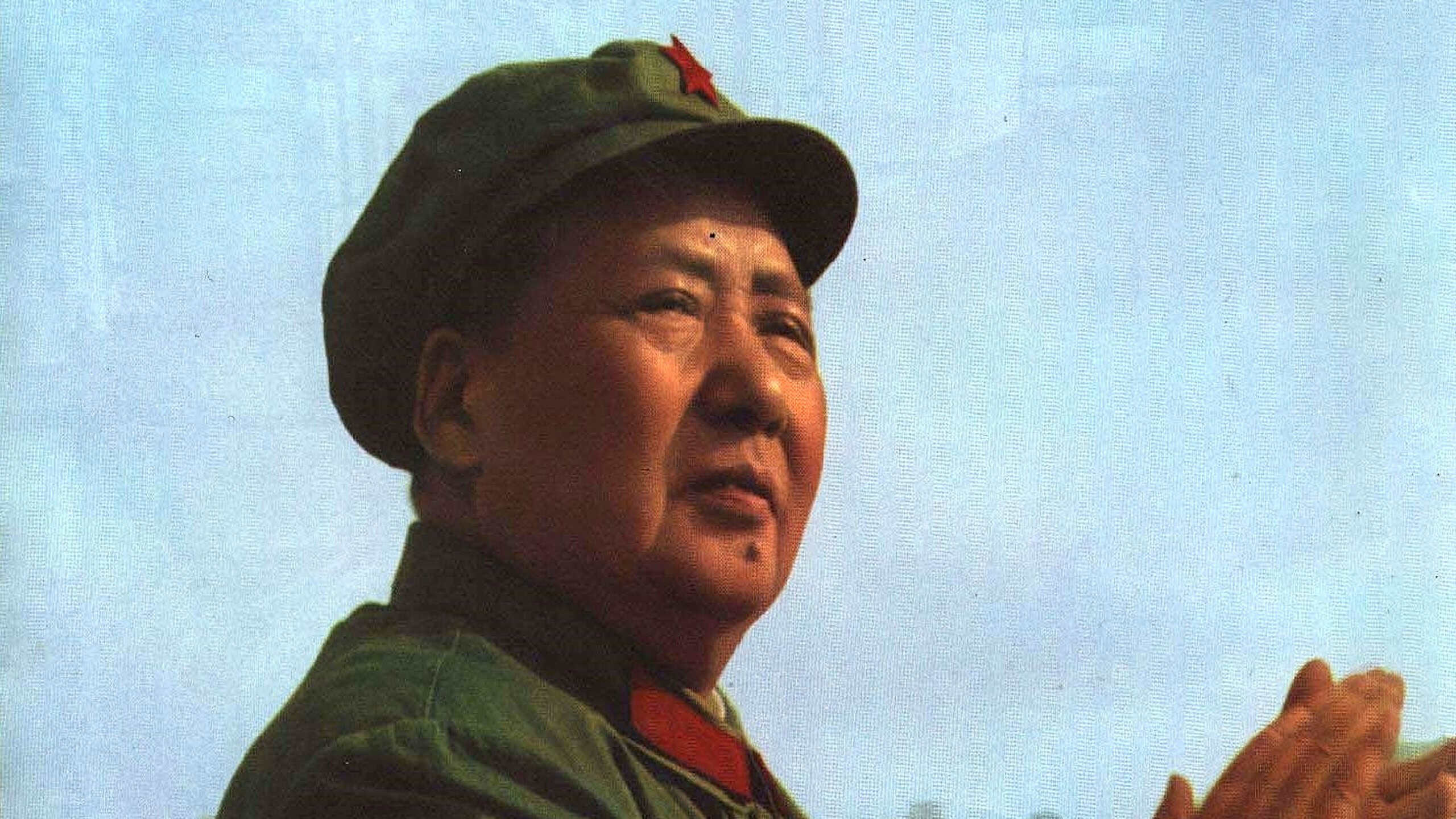
Mao Zedong was the ruler of Communist China from its foundation in 1949 until his death in 1976. Mao initiated the Great Leap Forward in 1958. This attempt to rapidly increase China’s economic growth rate resulted in a catastrophic famine that caused tens of millions of deaths.
Later, Mao began the Cultural Revolution, during which millions of people were persecuted, imprisoned, tortured, or killed while China underwent severe social and political strife.
Pol Pot
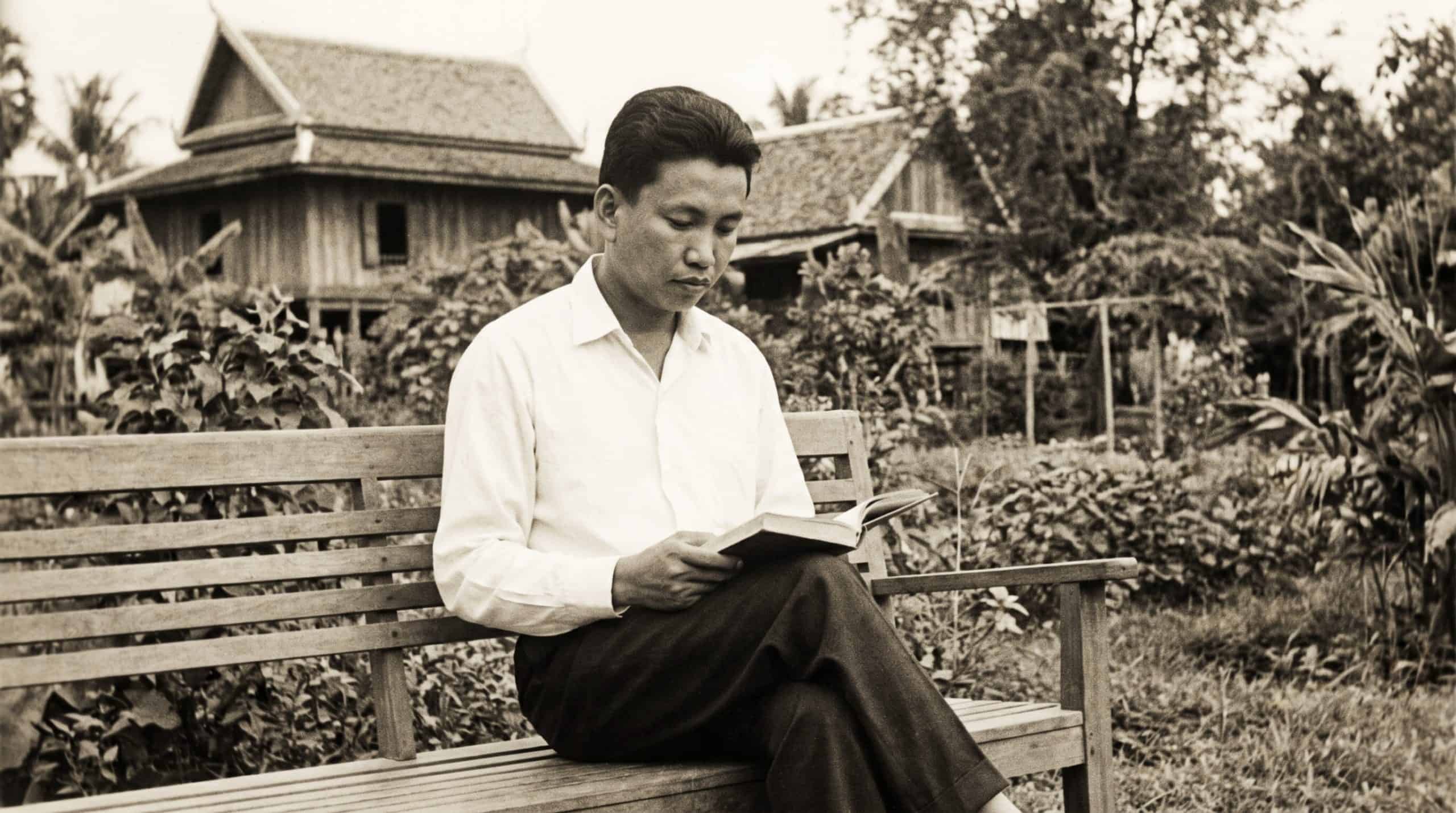
Pol Pot, head of Cambodia’s communist Khmer Rouge regime, tried to turn Cambodia into a communist agrarian utopia starting in 1975. He emptied cities, dismantled families, abolished money and private property, and forced millions of people into manual labour camps.
Ethnic minorities, intellectuals, and perceived government opponents were targeted for repression. Approximately 1.5–2 million people were killed by execution, starvation, disease, or overwork. This is about 25% of Cambodia’s entire population at the time.
Idi Amin
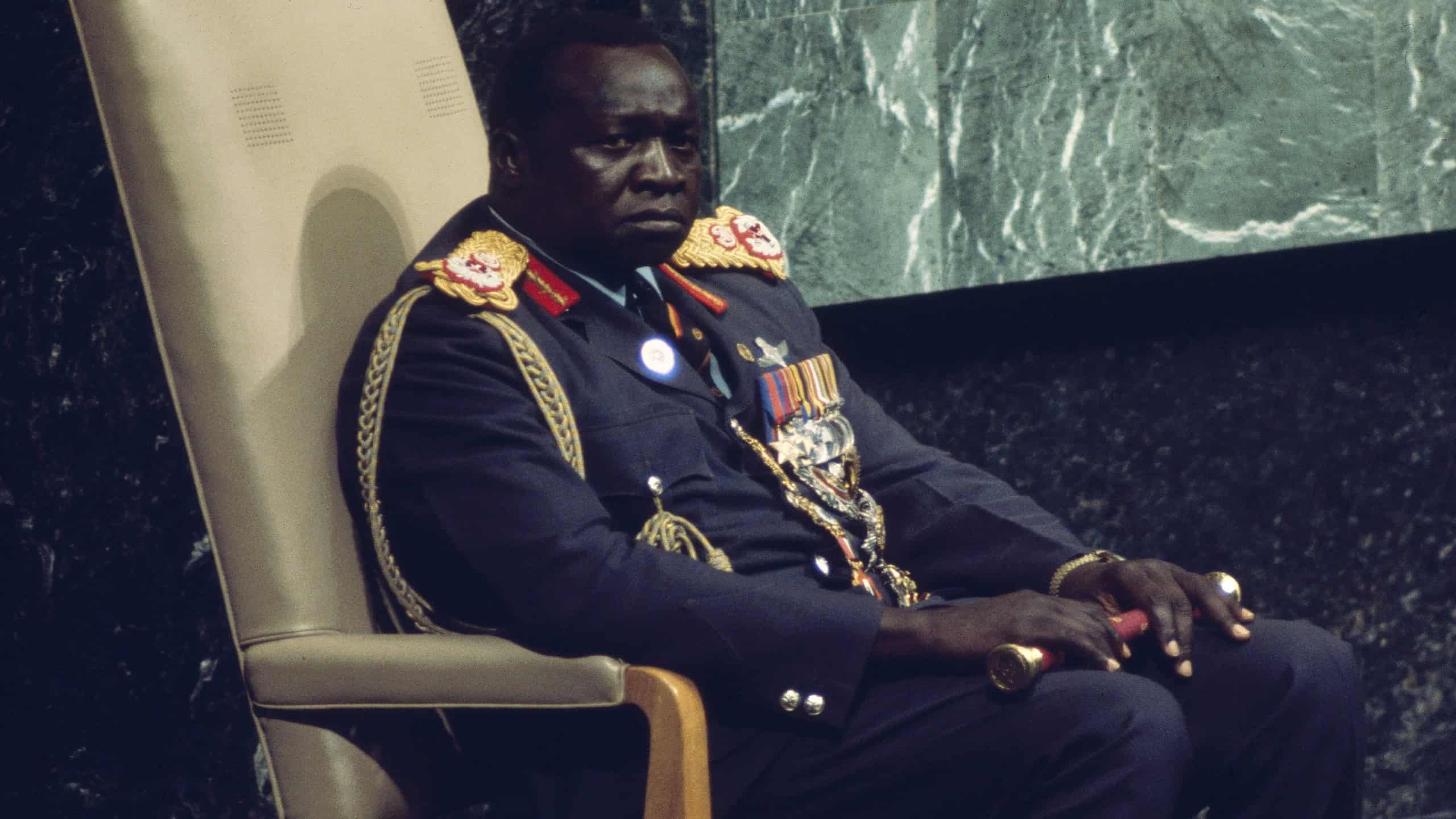
Idi Amin came to power in Uganda in a military coup in 1971 and remained in power until 1979. Political murders, disappearances, torture, and persecution of opponents of his government occurred. In 1972, he expelled tens of thousands of Asians from Uganda with severe social and economic consequences.
Estimates of how many people were killed vary widely; figures commonly given are in the hundreds of thousands. Amin employed massive violence, and unpredictable behaviour made him infamous worldwide.
Saddam Hussein
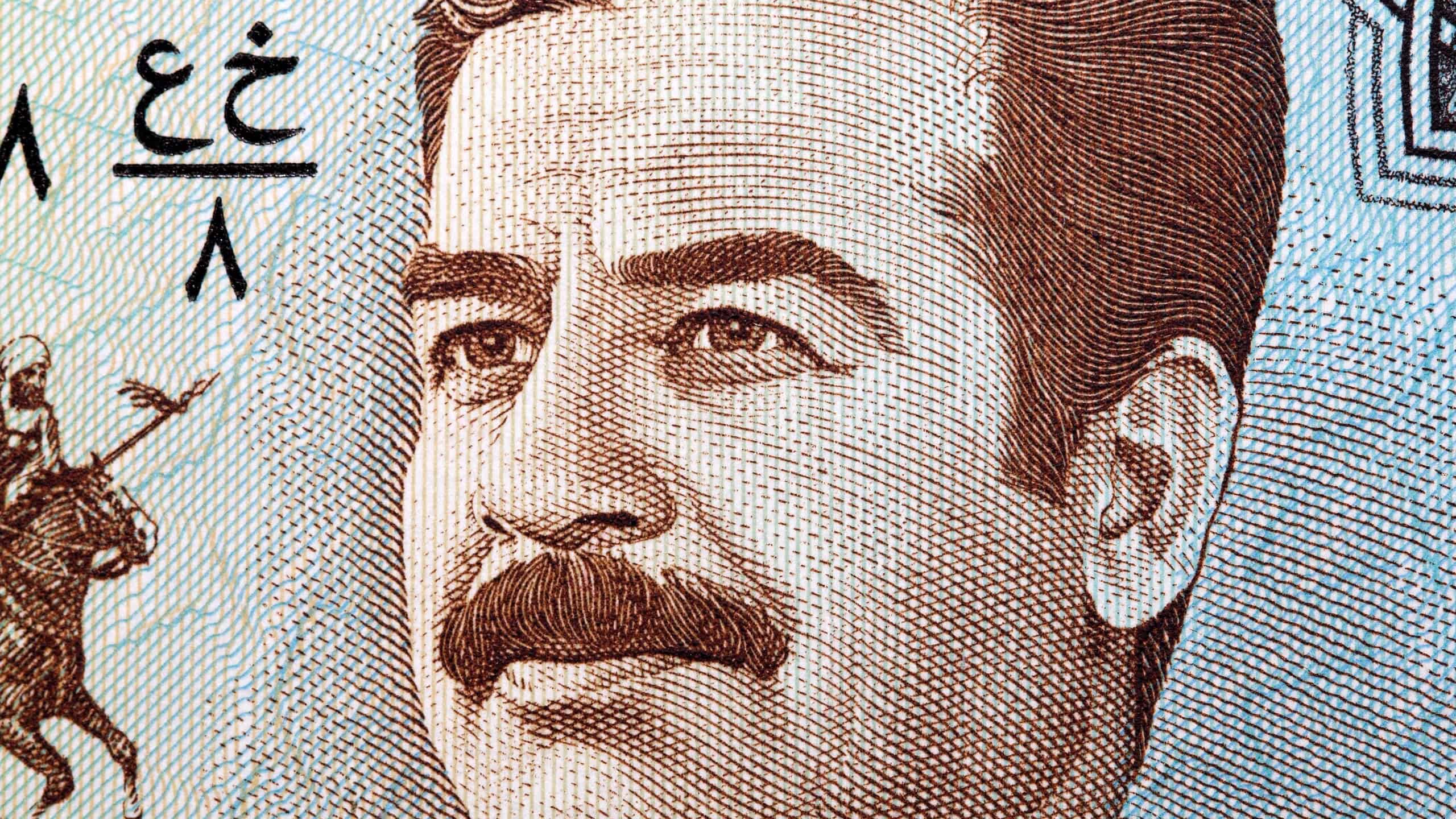
Saddam Hussein was the president of Iraq from 1979 to 2003. His administration used torture and state terrorism against Iraqis who opposed his regime. During an operation known as Anfal, Iraqi soldiers killed thousands of Kurds and gassed Kurdish civilians in towns such as Halabja.
Saddam Hussein also initiated the Iraq-Iran War and ordered Iraq’s invasion of Kuwait in 1990, contributing to years of war and turmoil.
Kim Il Sung
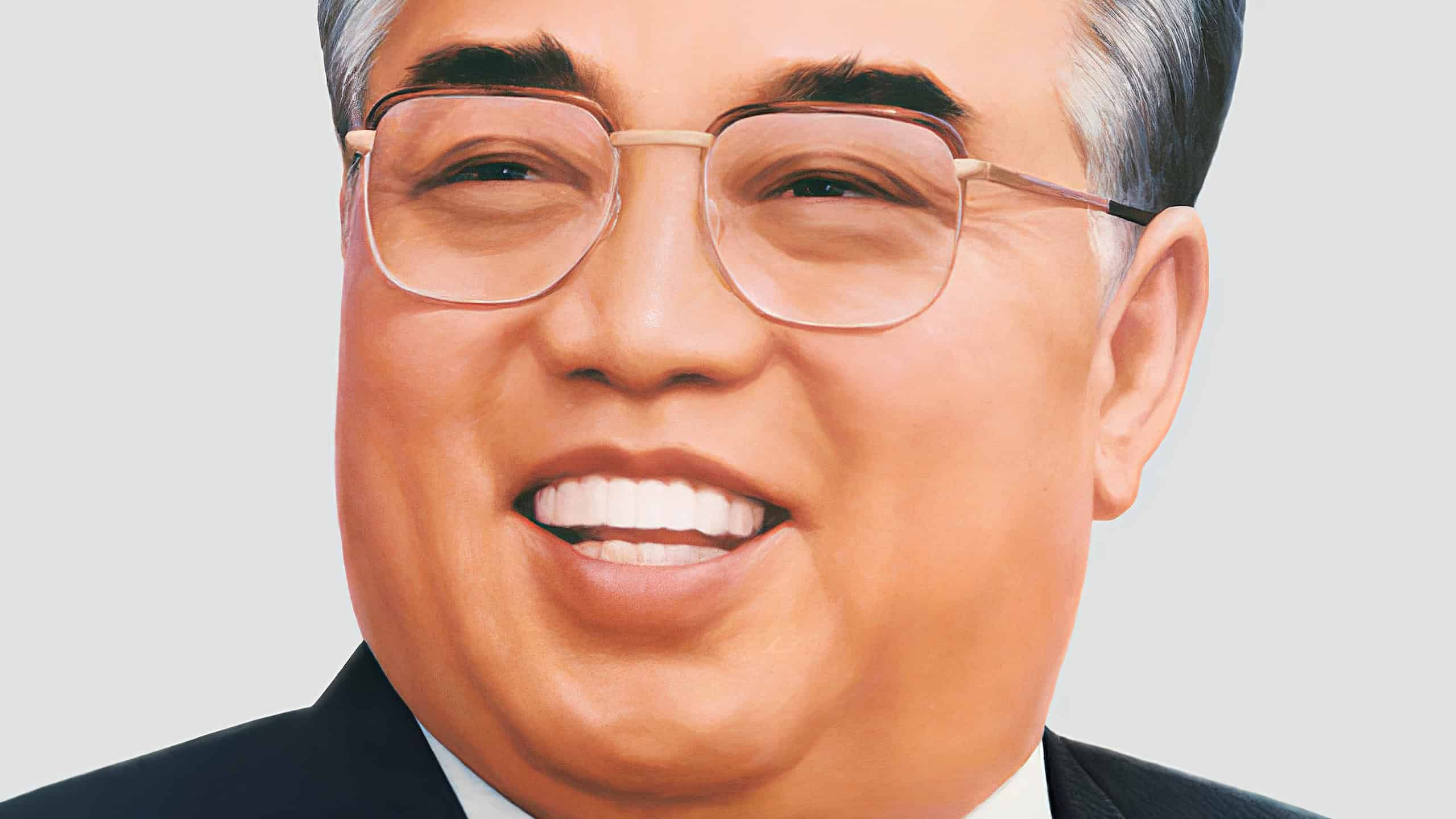
Kim Il Sung created the political system under which North Korea is still ruled today. He directed the North Korean invasion of South Korea in 1950, which started the Korean War that would ultimately kill millions of soldiers and civilians.
Domestically, he built an extremely authoritarian state with widespread political repression, prison camps, and a pervasive personality cult. He also established the basis for the dynastic dictatorship passed on to his son and grandson.
Francisco Macías Nguema
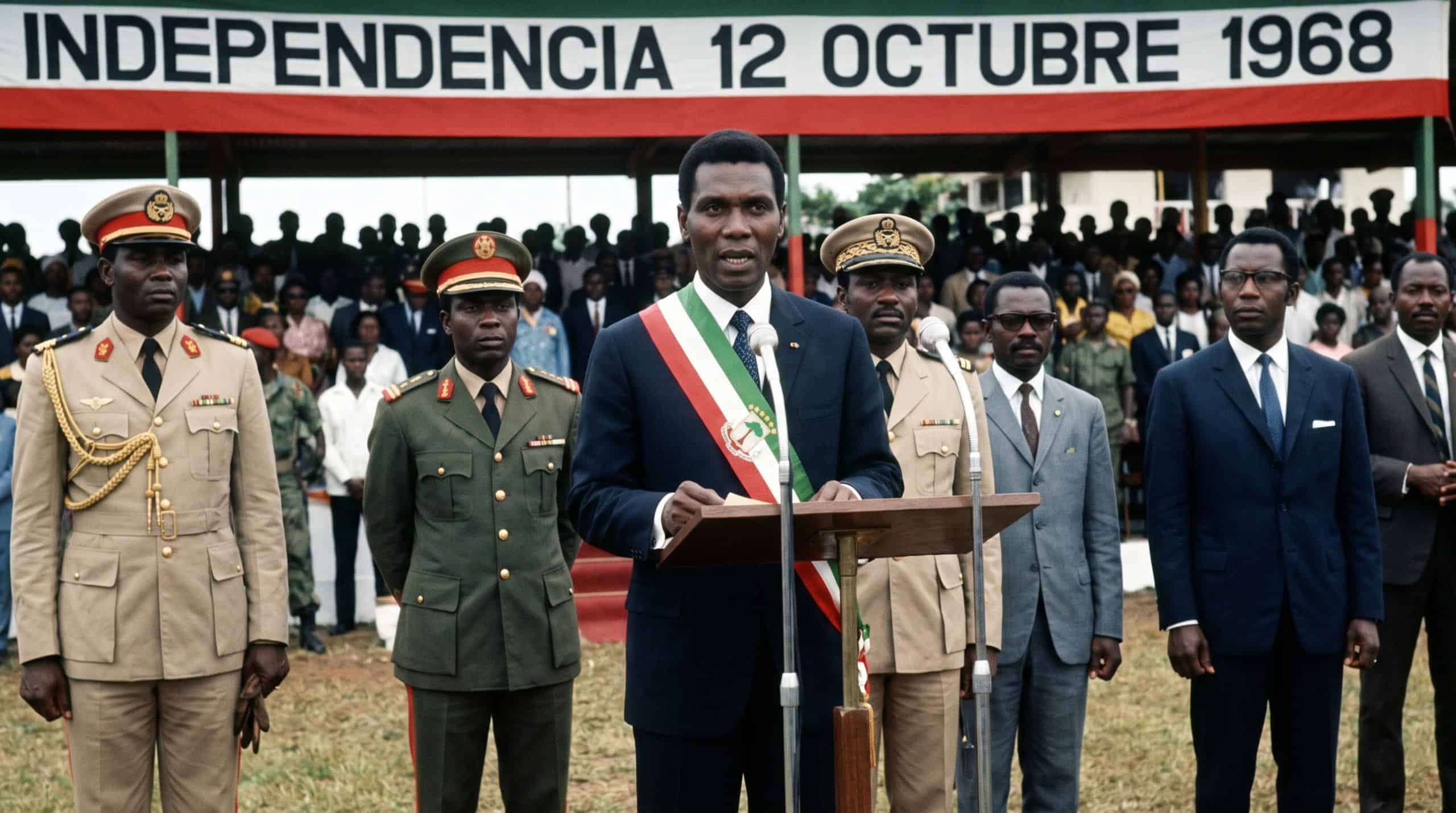
Francisco Macías Nguema, president of Equatorial Guinea after it gained independence from Spain, established one of Africa’s most repressive dictatorships. Increasingly authoritarian after assuming office in 1968, he suppressed political opposition and governed via terror.
Thousands of people were executed or disappeared, and about half of the nation’s population went into exile. Education, government, and the economy collapsed. He was eventually overthrown by his own nephew, Teodoro Obiang Nguema Mbasogo, in 1979.
Hissène Habré
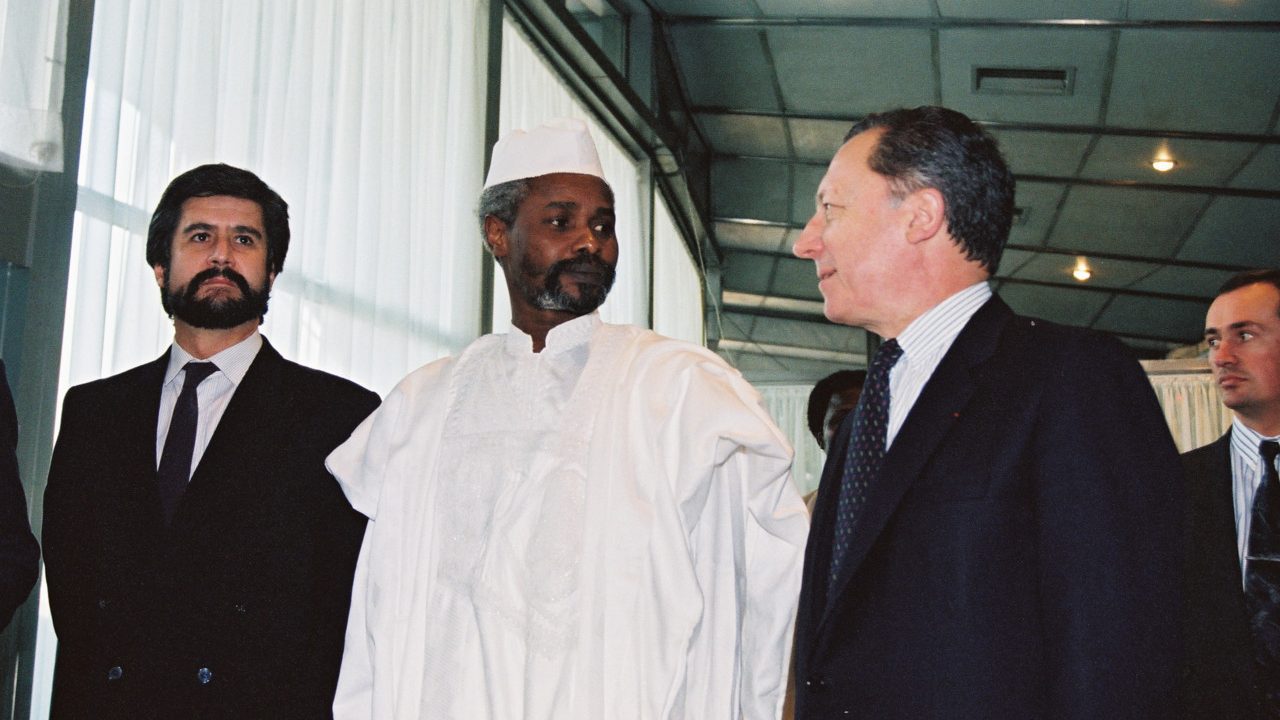
Former ruler of Chad, Hissène Habré ruled between 1982 and 1990 and maintained order through the use of a dreaded political police unit that suppressed dissent. Following his overthrow, Habré spent years living in exile in Senegal. A truth commission found his regime guilty of tens of thousands of political murders and systematic torture.
In 2016, Habré was convicted by a court supported by the African Union of crimes against humanity, war crimes, and torture and sentenced to life in prison.
Slobodan Milošević
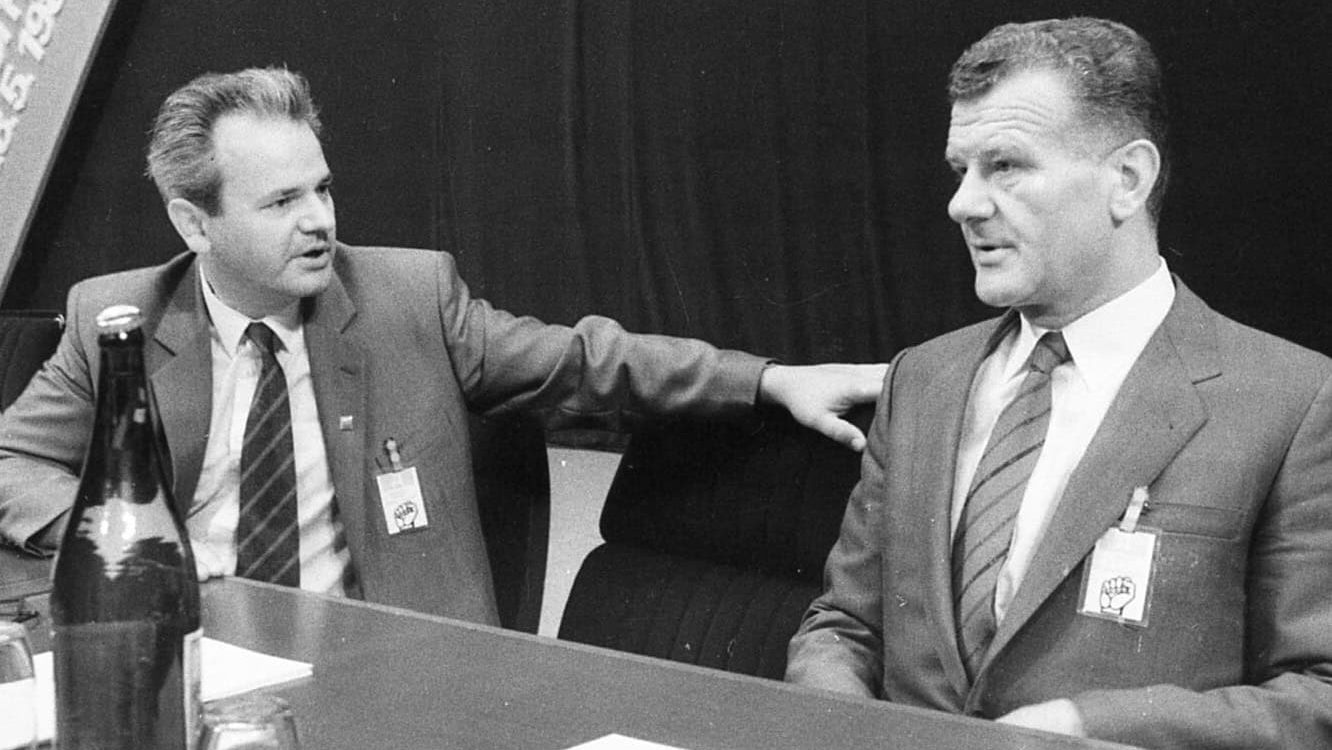
Serbian (later Yugoslav) politician Slobodan Milošević led his country during the violent fragmentation of Yugoslavia in the 1990s. The wars in Croatia, Bosnia and Kosovo were characterised by ethnic cleansing, forced displacement and atrocities against civilians.
Milošević was indicted by the International Criminal Tribunal for the former Yugoslavia on charges of genocide, crimes against humanity and war crimes. He died in 2006 before a verdict was reached in his trial.
Charles Taylor
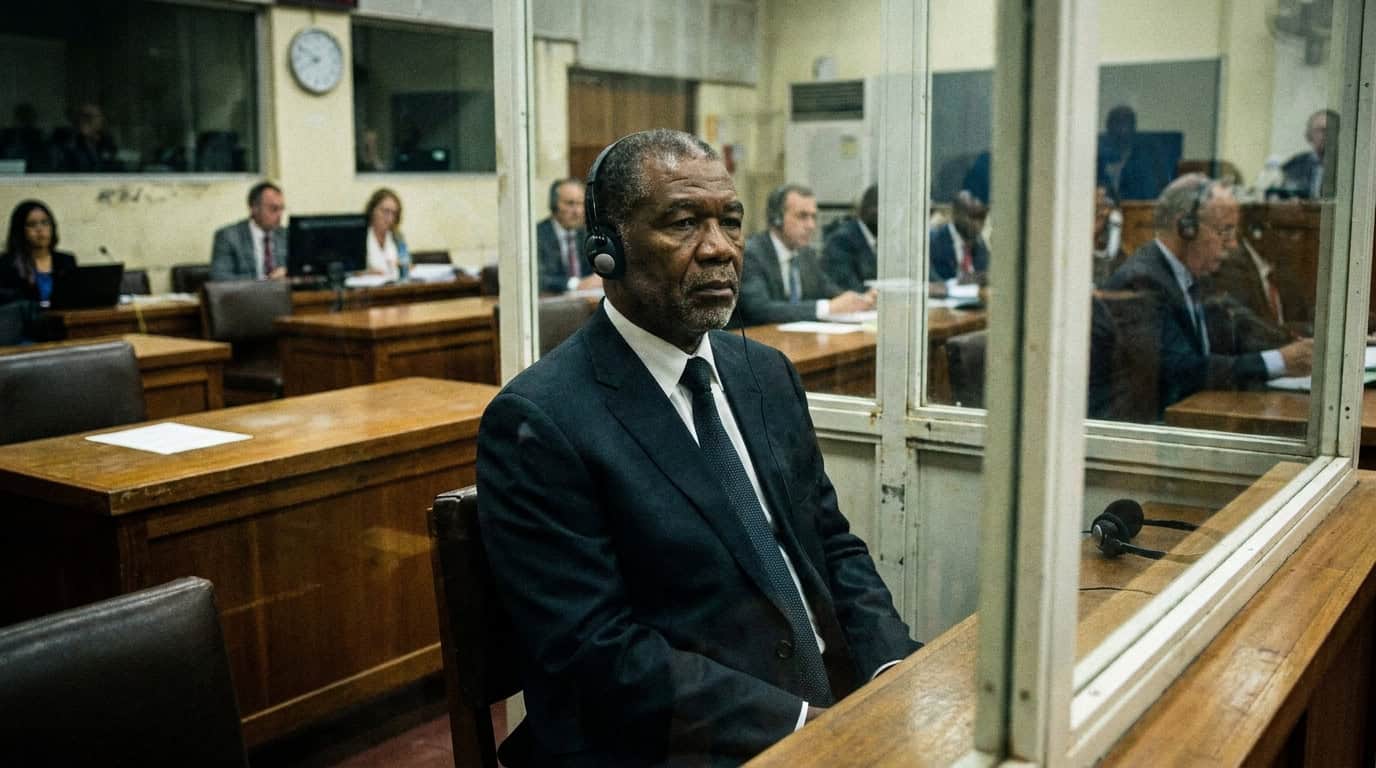
Charles Taylor rose to the presidency of Liberia after helping to lead one of Africa’s deadliest civil wars. Taylor’s troops were widely accused of committing atrocities. Taylor also became heavily involved in Sierra Leone’s civil war next door.
Taylor supplied rebel fighters with weapons in exchange for diamonds and other loot. He was convicted by an international tribunal for crimes of aiding and abetting war crimes and crimes against humanity. Taylor was sentenced to 50 years in prison.
Augusto Pinochet
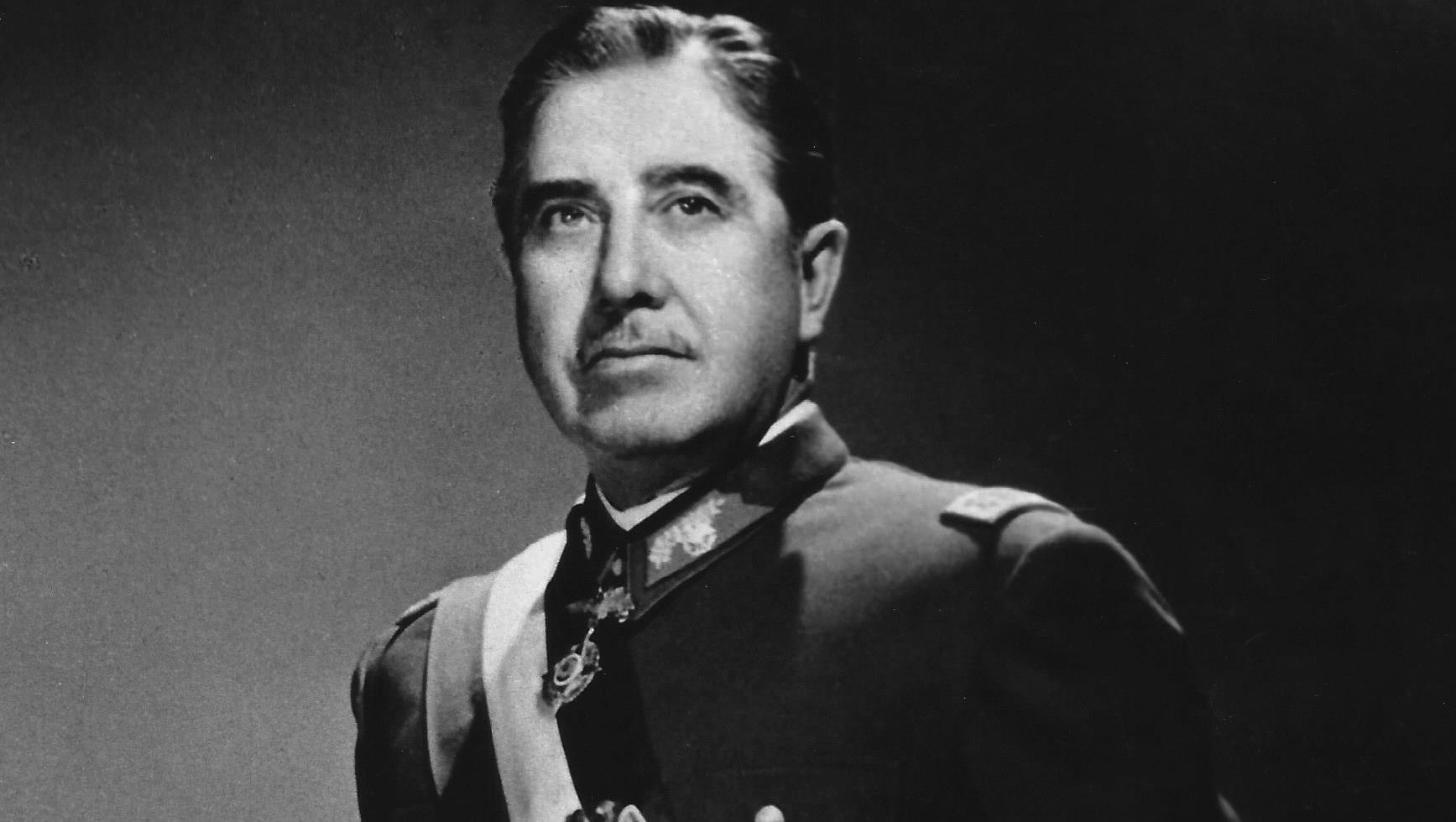
General Augusto Pinochet came to power in Chile in 1973 in a military coup d’état that ousted President Salvador Allende. Political dissidents were imprisoned, tortured, killed, and forcibly disappeared by Pinochet’s regime. Thousands of Chileans were killed or forcibly disappeared by government forces, and tens of thousands were subjected to political imprisonment and torture.
Supporters praise economic reforms enacted under Pinochet, though such policies are distinct from large-scale violations of human rights by Chilean state forces under Pinochet.
Mengistu Haile Mariam
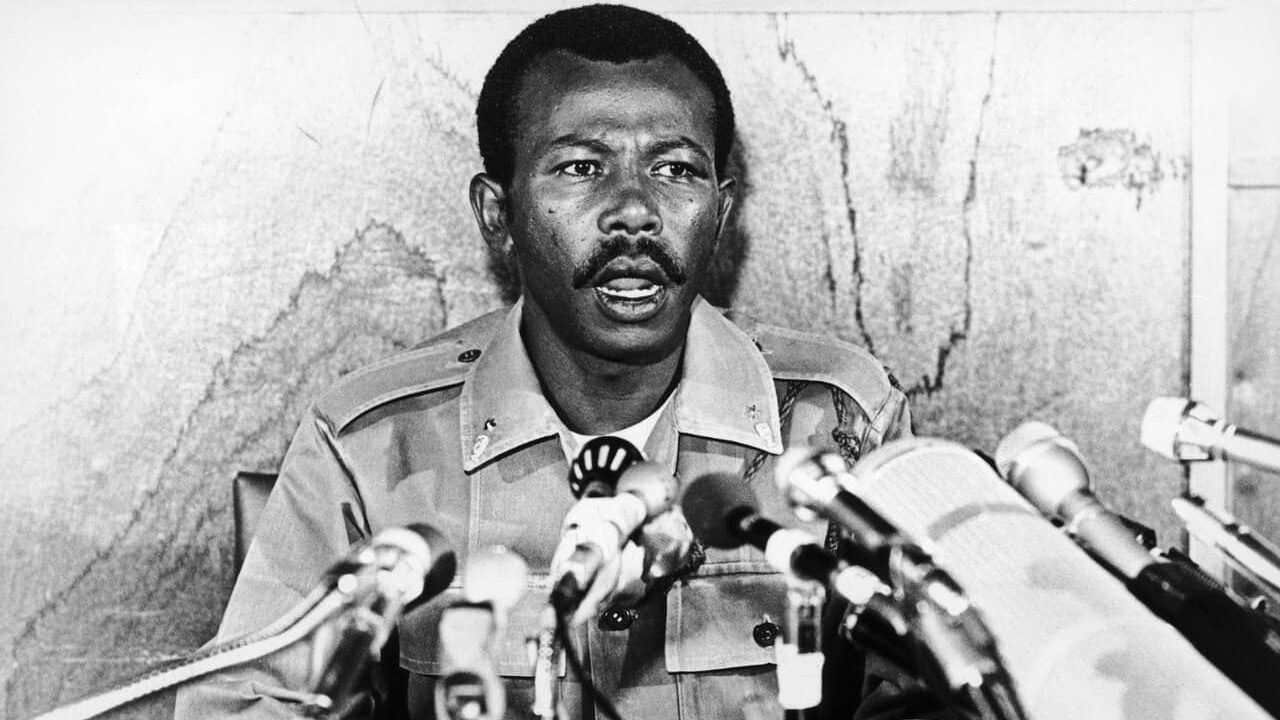
Mengistu Haile Mariam emerged as the dominant leader of Ethiopia after Emperor Haile Selassie was deposed in 1974. He led Ethiopia’s Marxist military government, which carried out the Red Terror, during which tens of thousands of suspected opponents of Mengistu’s government were imprisoned, tortured, and killed.
Mengistu’s reign was also marked by widespread famine and warfare. Mengistu fled the country in 1991 and was convicted of genocide in absentia by Ethiopian courts.
Hideki Tojo
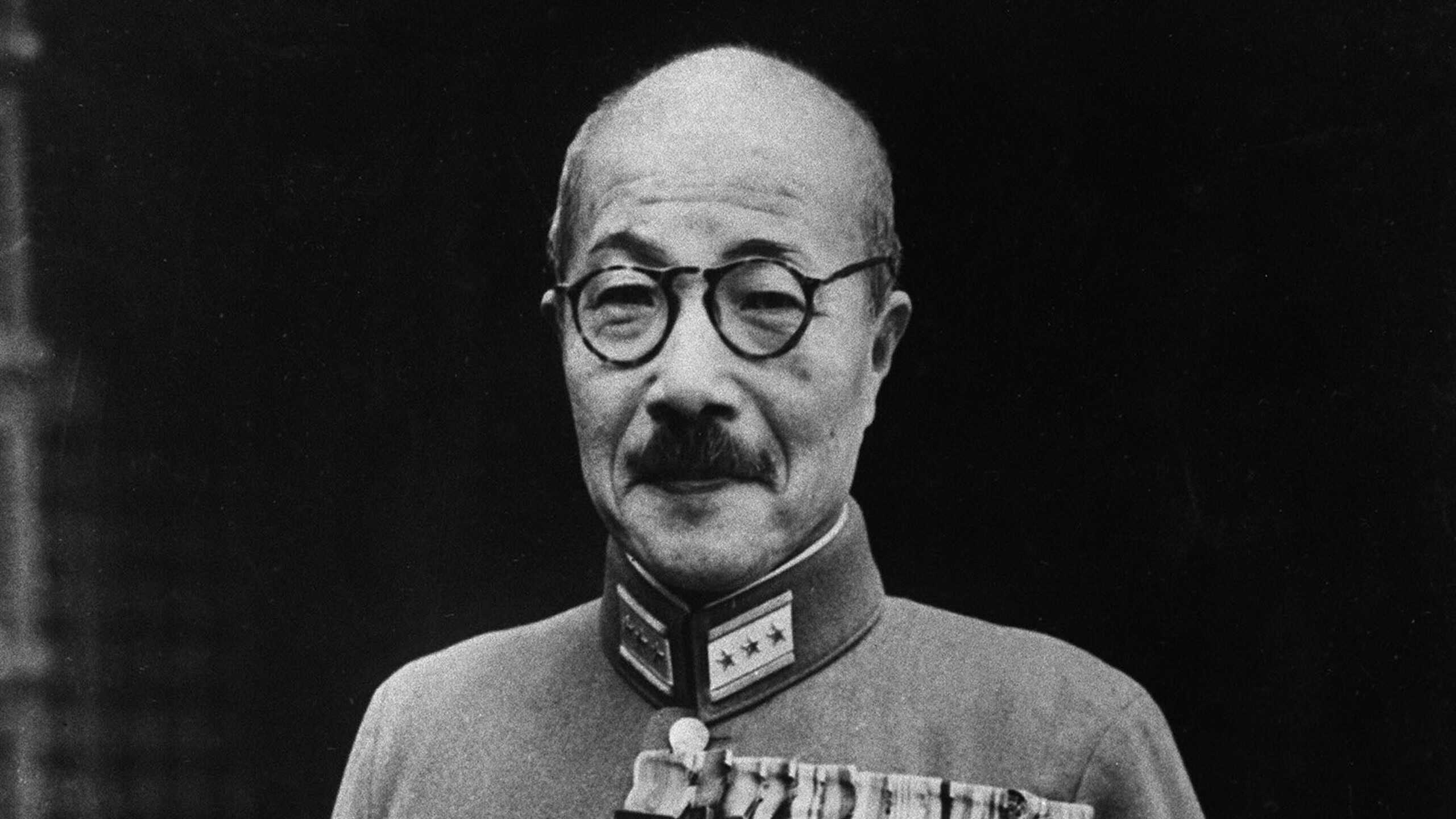
Japanese general and prime minister Hideki Tojo was a major figure in Japan’s wartime government for much of World War II. Serving as prime minister, he was responsible for Japan’s attack on Pearl Harbor in December 1941 as well as broadening Japan’s war against the Allies.
Japanese forces were responsible for numerous atrocities in occupied Asia throughout Japanese expansion. Hideki Tojo was found guilty of war crimes by the International Military Tribunal for the Far East after World War II and was executed in 1948.
Sources: Please see here for a complete listing of all sources that were consulted in the preparation of this article.
Like our content? Be sure to follow us.

